The 10 Best Pilates Balls
Size, firmness, and material quality all affect how well a Pilates ball supports your core work, rehab, or barre routine. Here are the top picks across every need and budget.
 By Leta Holt
Updated July 23, 2026
By Leta Holt
Updated July 23, 2026
Pilates balls are deceptively simple tools that can transform the depth and effectiveness of your core training, rehabilitation work, and flexibility routines.
Whether you are after the compact 9-inch mini ball favored in barre and mat Pilates classes or a full-size stability ball for active sitting and balance drills, the market is crowded with options that vary wildly in material quality, firmness consistency, and durability.
Choosing the wrong size or inflation level can reduce muscle recruitment during stability exercises and place unnecessary stress on your joints, according to fitness professionals and published exercise-science guidance.
At ProductFind, we cut through the noise by researching specifications, synthesizing expert review consensus, and analyzing verified buyer feedback across dozens of Pilates ball models.
The picks below represent our top recommendations across a range of sizes, budgets, and use cases, from budget-friendly mini balls to premium studio-quality options from brands like Bala, THERABAND, ProBody Pilates, and Trideer.
Read on for our ranked top picks, followed by a thorough buying guide to help you choose the right ball for your practice.
| Award | Product | PF Score About PF ScoreThe PF Score is our own rating from 0 to 10, based on performance, design and build, ease of use, and value. It reflects independent research and is never influenced by manufacturers, retailers, or affiliate commissions. Learn more › | Price | |
|---|---|---|---|---|
| Best Overall |
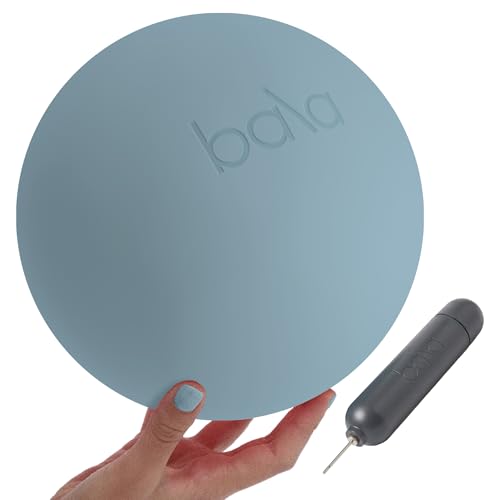 Bala Pilates Ball 8 Inch
|
8.6/10 | Buy | |
| Editor's Pick |
 ProBody Pilates 9-Inch Exercise Ball with Pump
|
8.2/10 | Buy | |
| Best Value |
 Theraband 9-Inch Mini Exercise Ball
|
7.8/10 | Buy | |
| Top Rated |
 Trideer 65cm Exercise Ball, Anti-Burst
|
7.7/10 | Buy | |
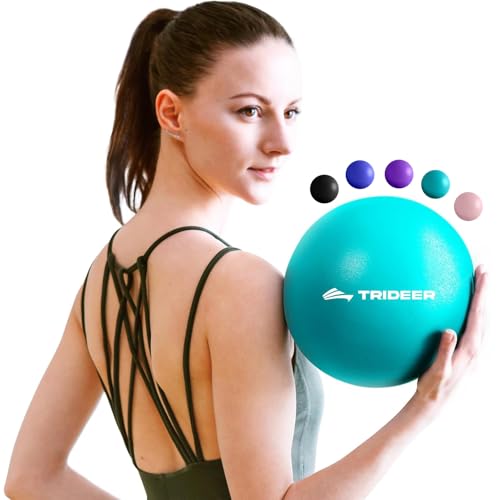 Trideer 9-Inch Pilates Ball, Turquoise
|
7.6/10 | Buy | ||
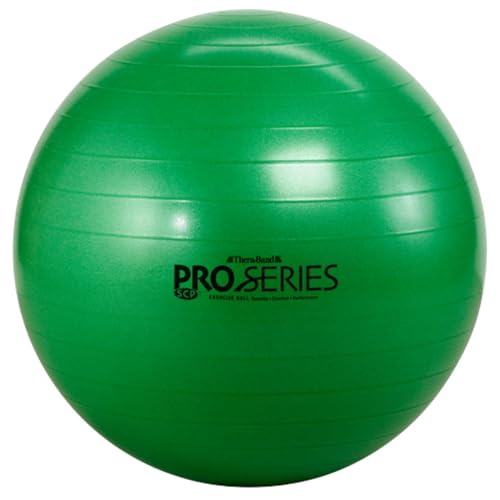 THERABAND Pro Series 26" Stability Ball
|
7.5/10 | Buy | ||
 ProBody Pilates 65cm Exercise Ball
|
7.2/10 | Buy | ||
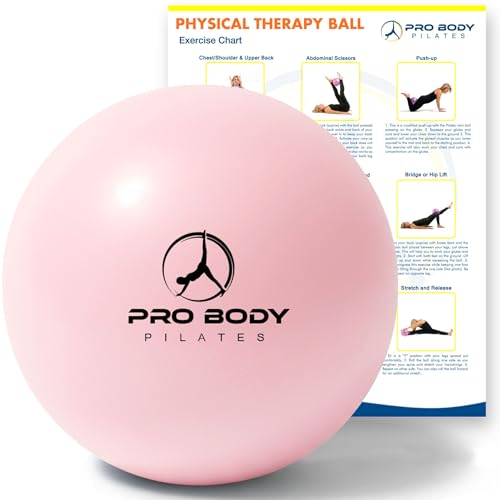 ProBody Pilates Ball 9 Inch Small Exercise Ball
|
7.1/10 | Buy | ||
 Bender Ball 9-Inch Pilates Exercise Ball
|
6.8/10 | Buy | ||
 Slim Panda 9-Inch Mini Pilates Ball
|
6.5/10 | Buy |
Bala Pilates Ball 8 Inch
A compact, pop-resistant pilates ball designed for core work, barre, yoga, and rehabilitation. Comes with a charcoal mini pump and appeals to anyone seeking low-impact stability training at home.
Pros
- Durable PVC material resists punctures during use
- Compact 8-inch size fits small spaces and travel
- Versatile for stability work, barre, pilates, yoga, and recovery training
- Includes pump so no separate purchase needed
Cons
- No weighted options if you want added resistance
- Extremely small size limits exercise variety compared to standard 65cm balls
- Ships deflated, requiring assembly before first use
ProBody Pilates 9-Inch Exercise Ball with Pump
A compact 9-inch stability ball designed for core work, physical therapy, and everyday use at home or office. Includes a hand pump and comes recommended by trainers for improving balance, posture, and recovery.
Pros
- Portable 9-inch size makes it easy to store and transport
- Anti-burst construction provides durability and safety
- Hand pump included eliminates need for separate equipment
- Versatile for multiple exercise types and recovery purposes
- Endorsed by fitness professionals for therapeutic use
Cons
- No user reviews available to validate real-world performance claims
- Requires avoidance of finished wood surfaces, limiting placement options
- Small size may limit exercise variety compared to larger stability balls
Theraband 9-Inch Mini Exercise Ball
A compact therapy ball designed for core strengthening, rehabilitation, and stability work across pilates, yoga, and physical therapy routines. Comes with a hand pump and exercise guide, making it accessible for home workouts without extra equipment.
Pros
- Includes hand pump and exercise instruction booklet for immediate use
- Textured, non-slip surface keeps ball stable during workouts
- Anti-burst material designed to stay elastic and squishy
- Compact 9-inch size ideal for targeted core and rehabilitation work
- Versatile for multiple exercise types: pilates, yoga, physical therapy
Cons
- No verified buyer reviews available to assess real-world durability or comfort feedback
- Small size limits versatility compared to standard exercise balls
- Hand pump inflation may be slow or require effort for users with limited grip strength
Trideer 65cm Exercise Ball, Anti-Burst
A versatile stability ball designed for yoga, pilates, pregnancy support, and active sitting at your desk. Built with anti-burst PVC construction and supports up to 440 lbs, making it suitable for various fitness and wellness uses.
Pros
- Anti-burst design provides safety with slow air release rather than sudden deflation
- Supports up to 440 lbs with durable PVC material for stability during workouts
- Multi-purpose: effective for pregnancy comfort, core training, posture improvement, and desk sitting
- Available in multiple sizes (55/65/75cm) to accommodate different heights and needs
- Neutral color design blends into home decor for everyday use
Cons
- No verified buyer reviews available to confirm real-world durability and performance
- Requires careful storage away from pets and wooden surfaces to prevent damage
- Limited information on included pump or inflation accessories
Trideer 9-Inch Pilates Ball, Turquoise
A compact 9-inch exercise ball designed for core training, stability work, and physical therapy. Made from durable, anti-burst PVC with a textured surface, it comes with an inflation tube and suits users of all fitness levels, from rehabilitation to daily practice.
Pros
- Durable anti-burst PVC material designed to remain elastic and squishy when inflated
- Textured surface keeps the ball in place during exercises without slipping
- Easy inflation with included tube and minimal effort needed
- Lightweight and compact for convenient storage and transport
- 30-day return policy and 12-month warranty with lifetime customer service
Cons
- No verified buyer reviews available to assess real-world durability or performance
- Limited to 9-inch size, may not suit users seeking larger stability balls for certain exercises
- Requires manual inflation without a powered pump, which may be inconvenient for some users
THERABAND Pro Series 26" Stability Ball
A professional-grade exercise ball sized for users 5'7" to 6'1", designed for yoga, Pilates, and core work both at home and in the gym. The textured surface and burst-resistant construction make it a durable choice for everyday training and active sitting.
Pros
- Textured surface with comfortable grip prevents slipping during seated use and exercise
- Burst-resistant material prioritizes safety for dynamic training and balance work
- Slow-deflate design extends product life and maintains stability over time
- Right-sized for the 5'7" to 6'1" height range, addressing a common sizing gap
- Low maintenance and easy to clean
Cons
- No verified buyer reviews available to assess real-world durability and performance feedback
- Limited color option (green only) may not suit all home or office aesthetics
- Requires manual inflation with included instructions, adding setup time
ProBody Pilates 65cm Exercise Ball
A gym-grade stability ball designed for active sitting, physical therapy, and pregnancy support. Anti-burst PVC construction with included pump and exercise guide makes it ready to use out of the box.
Pros
- Multiple size options ensure proper fit for your height and use case
- Anti-burst design deflates slowly if punctured, prioritizing safety over sudden collapse
- Comes fully equipped with pump, plugs, and printed exercise guide, no separate purchases needed
- Endorsed by medical professionals for pregnancy, labor, and rehabilitation applications
- Thick non-toxic PVC material designed for durability and active daily use
Cons
- Requires 24-hour settling time after initial inflation before topping up to full pressure
- No user reviews currently available to assess real-world durability or comfort feedback
- Intentional instability, while beneficial for core engagement, may not suit users seeking a stable desk chair alternative
ProBody Pilates Ball 9 Inch Small Exercise Ball
A compact 9-inch stability ball designed for physical therapy, Pilates, and yoga with anti-burst construction. Recommended by physical therapists for knee therapy, posture correction, and core strengthening, though it lacks verified buyer reviews to confirm real-world durability claims.
Pros
- Anti-burst design and chemical-free materials provide safe use for rehab and therapy
- Compact 9-inch size specifically suited for knee exercises and physical therapy applications
- Includes instructional exercises and inflation straw for immediate usability
- Lightweight at under 0.3 pounds makes it portable and travel-friendly
- Manufacturer refund guarantee demonstrates confidence in durability claims
Cons
- No verified customer reviews available to validate durability or performance claims in real-world use
- 9-inch size limits versatility compared to standard 55-65 inch stability balls for general core work
- Small form factor may not suit users seeking full-body stability ball exercises
Bender Ball 9-Inch Pilates Exercise Ball
A compact 9-inch pilates ball designed for core strengthening and balance work across multiple disciplines. Weighing under 6 ounces with anti-burst construction, it's portable and supports up to 300 pounds, though it carries no verified user reviews yet.
Pros
- Highly portable for gym bag or luggage packing
- Durable anti-burst construction with high weight capacity
- Non-slip surface provides reliable stability during exercises
- Versatile enough for multiple disciplines beyond pilates
Cons
- No verified buyer reviews available to assess real-world durability or performance
- 9-inch size limits range of exercises compared to standard 55-65cm balls
- Grip quality and material feel cannot be verified without user feedback
Slim Panda 9-Inch Mini Pilates Ball
A compact 9-inch exercise ball designed for pilates, yoga, and core work, featuring an anti-burst PVC construction rated for 440 pounds and a non-slip surface for stability. Best suited for targeted muscle engagement, physical therapy, and balance training in home or studio settings.
Pros
- Anti-burst design with high weight capacity provides safety during intense workouts
- Stainless steel inflation straw is more durable than plastic alternatives
- Lightweight and deflatable for easy storage and portability
- Non-slip surface reduces slipping during exercises
- Suitable for diverse fitness applications from core strengthening to physical therapy
Cons
- No verified customer reviews available to confirm real-world durability and performance
- 9-inch size limits usage for certain exercises compared to standard larger balls
- Rose gold color option may have limited appeal to all users
Pilates Balls Buying Guide
Not every Pilates ball suits every practice. Size, material, firmness, and intended use all interact in ways that matter more than the price tag alone.
The subsections below walk through the criteria our research consistently flags as most important, so you can match the right ball to your training goals.
Pairing the right ball with a quality surface also helps, and yoga mats designed for every practice and budget offer the grip and cushioning that make floor-based Pilates work safer and more comfortable.
Size: Mini Ball vs. Full-Size Stability Ball
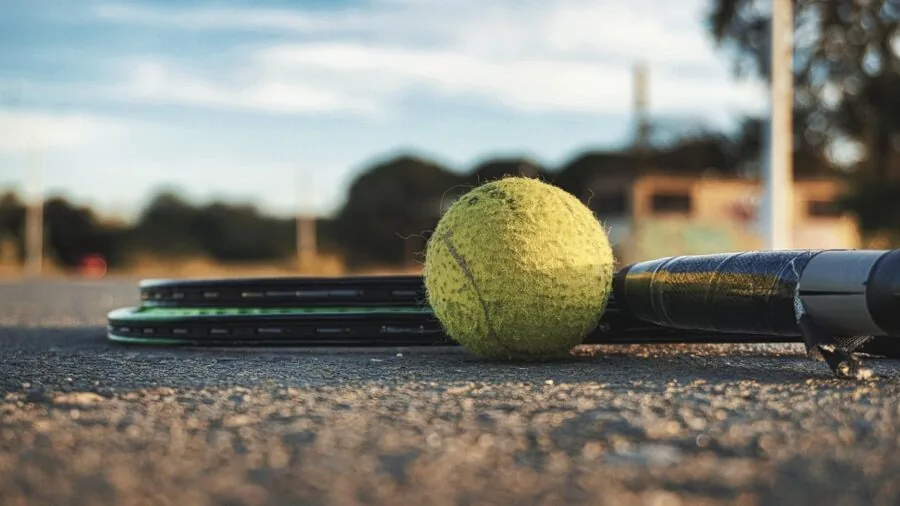
The most fundamental decision is whether you need a mini ball (typically 7 to 9 inches in diameter) or a full-size stability ball (commonly 55 cm, 65 cm, or 75 cm).
Mini balls are the classic Pilates prop: small enough to position between the knees for inner-thigh work, behind the lower back for lumbar support, or under the pelvis to deepen abdominal engagement.
Their compact size makes them easy to store in a gym bag and equally useful at home or in a studio class.
Full-size stability balls serve a broader range of functions. They support seated balance drills, active sitting at a desk, pregnancy and birth-preparation exercises, and larger movement patterns like wall squats or hamstring curls.
The correct full-size diameter depends on your height: a 55 cm ball generally suits users up to about 5 feet 4 inches, a 65 cm ball works for users between roughly 5 feet 4 inches and 6 feet 1 inch, and a 75 cm ball suits taller individuals.
Getting the size right ensures your hips sit at or just above knee level when seated, which is the benchmark most physical therapists recommend.
If you train primarily on a mat and follow classical or contemporary Pilates programming, a 9-inch mini ball is likely your primary tool.
If your goals include active sitting, rehab protocols, or home gym variety, a full-size ball earns its place alongside a dedicated cardio machine or other fitness equipment in your space.
Firmness and Inflation Level

Firmness is arguably the most nuanced variable in choosing a Pilates ball, and it is one that published exercise research takes seriously.
An under-inflated ball compresses too easily under body weight, which reduces the proprioceptive challenge and can lower core muscle recruitment during supine or seated exercises.
An over-inflated ball becomes rigid and may concentrate pressure uncomfortably on bony landmarks like the sacrum or spine.
For mini balls, a moderate give is the sweet spot: the ball should compress slightly under hand pressure but spring back promptly.
Firmer inflation suits users who want strong resistance for inner-thigh squeezes and adductor work; softer inflation is gentler for postpartum recovery, joint rehabilitation, and users with hypermobility.
For full-size stability balls, the standard recommendation is to inflate until the ball reaches its stated diameter and your hand leaves a faint temporary indentation when pressed firmly.
Most quality balls ship slightly under-inflated and include a pump or inflation adapter. Check whether a pump is included before purchasing, particularly with mini balls, as many require a needle-style pump rather than a standard floor pump.
Anti-Burst Construction and Material Quality
Anti-burst or slow-deflate construction is a non-negotiable safety feature for any full-size stability ball used for seated or elevated exercises where a sudden pop could cause a fall.
Reputable anti-burst balls are made from thick PVC with added plasticizers that allow the ball to deflate gradually rather than rupture if punctured.
Look for balls that specify a weight capacity well above your own body weight, as higher-rated balls use denser material throughout.
Mini balls carry lower physical-risk stakes since they are used close to the floor, but material quality still matters for longevity and surface grip. Thin PVC can develop micro-cracks with repeated inflation cycles and UV exposure.
Brands like THERABAND use a textured non-slip surface finish that resists sweat and prevents the ball from migrating during movements, which verified buyers consistently cite as a practical advantage over smooth-surface alternatives.
Surface Texture and Grip
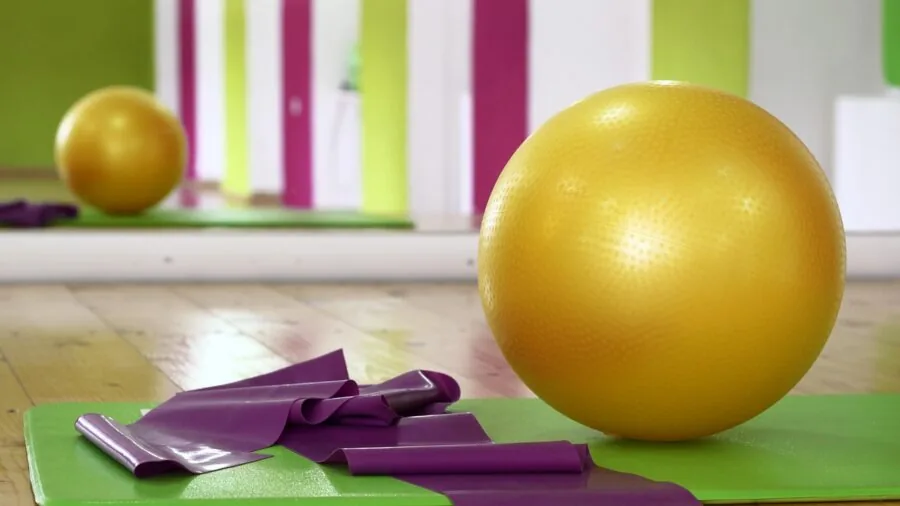
A smooth ball can slide across a hardwood or tile floor mid-exercise, disrupting movement quality and creating a safety hazard.
Textured or matte surfaces dramatically improve both floor grip and skin contact during exercises where the ball is held between limbs.
This is especially relevant for exercises like Pilates hundred, where the ball is held between the inner thighs with sustained isometric pressure.
Studio-grade mini balls from brands like Bala and THERABAND invest in surface finishes that maintain grip when the ball is lightly moist from sweat. Budget options with glossy finishes tend to migrate more under dynamic load.
If you practice on a polished studio floor rather than a mat, prioritize surface texture alongside a thick yoga mat that adds friction and cushioning beneath you.
Use Case: Rehabilitation, Barre, Core Training, or Active Sitting
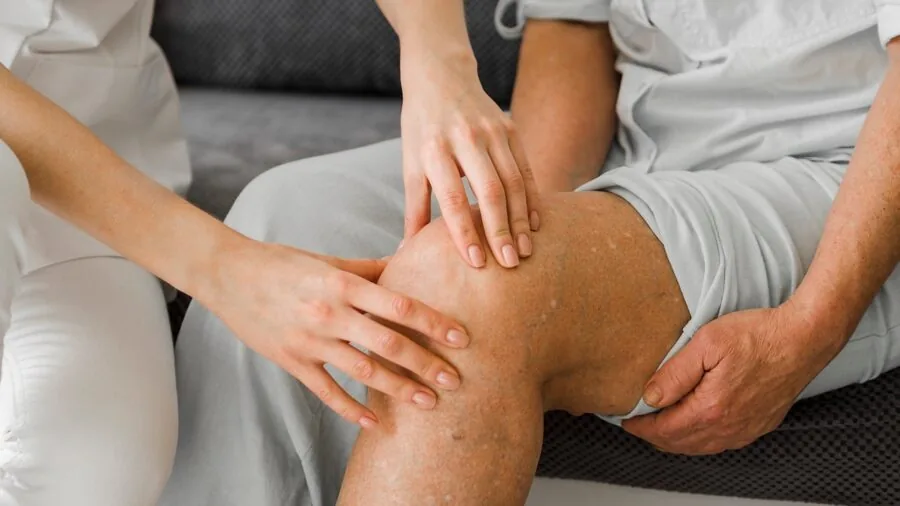
The best Pilates ball for a physical therapy patient recovering from a lumbar injury is not necessarily the best choice for a barre athlete or a desk worker using it as a chair substitute.
Rehabilitation use cases benefit from softer, more forgiving inflation and balls that can be safely deflated to reduce resistance as needed. Barre and mat Pilates demand a firm ball with reliable shape retention under sustained squeeze loads.
Active sitting (replacing a desk chair with a stability ball for part of the workday) requires a full-size ball sized precisely to your desk height, with a strong anti-burst rating since you may be seated on it for extended periods.
Pregnancy and postpartum use cases favor gentle firmness, easy-clean surfaces, and evaluated weight capacity from reputable brands.
Core training and general home gym use sit in the middle ground: a 9-inch mini ball handles mat exercises, while a 65 cm stability ball covers a wider range of movements.
If you are outfitting a home gym from scratch, consider pairing a mini ball with a travel-friendly yoga mat for a portable, space-efficient setup that works indoors and out.
Value and Long-Term Durability
Price range for Pilates balls spans from budget to premium, and that spread reflects real differences in material thickness, surface finish, included accessories, and brand quality control.
Budget mini balls can be perfectly functional for occasional home use, but verified buyer reviews consistently show higher rates of premature deflation and surface cracking in the least expensive options after sustained regular use.
Mid-range options from ProBody Pilates and Trideer hit a practical sweet spot: durable PVC construction, included pumps, and consistent sizing that matches their stated diameters.
Premium picks like the Bala Pilates Ball cost more but deliver studio-quality aesthetics, superior grip, and construction finishes that hold up across years of daily practice.
For most users who train several times per week, spending a little more upfront is a sound investment in a product that will not need replacing in six months.
Why You Should Trust Us
ProductFind is an independent review publication.
Every product in this roundup was evaluated by our editorial team using a consistent, structured research process: we analyze publicly available specifications, synthesize expert review consensus from fitness professionals and certified instructors, and weigh verified buyer feedback across major retail platforms.
Each product receives a PF Score on a 0 to 10 scale reflecting its overall performance against the criteria that matter most for the category.
We do not conduct our own product trials; our evaluations are grounded in research, published data, expert review consensus, and verified buyer feedback.
ProductFind may earn a commission if you purchase through a link in this article. That affiliate relationship has zero influence on which products we recommend, how they are ranked, or the scores they receive.
Our rankings are determined entirely by the quality of our research and the consistency of our evaluation criteria, not by commission rates or commercial relationships.
We do not sell products, handle orders, or provide warranty or return support; for those matters, please contact the retailer or manufacturer directly.
Final Thoughts
After synthesizing specifications, expert consensus, and verified buyer feedback across all ten models, a few clear standouts emerged across different use cases and budgets. Here are our top awards from this roundup:
- Best Overall: Bala Pilates Ball (8-inch) earns the top PF Score in this group thanks to its studio-grade construction, premium non-slip surface, and consistent shape retention that professional reviewers and verified buyers alike single out for its quality and feel.
- Best 9-Inch Mini Ball for Core Work: ProBody Pilates Small Exercise Ball delivers reliable firmness, an included pump, and a proven track record in mat Pilates, barre, and physical therapy settings at an accessible price point that represents outstanding value for the category.
- Best for Rehabilitation and Physical Therapy: THERABAND Mini Ball brings clinical-brand credibility, a textured non-slip surface, and a new-version design that physical therapists and rehab users consistently rate highly for controlled, low-load stability work.
- Best Full-Size Stability Ball: Trideer Exercise Ball covers 55 cm, 65 cm, and 75 cm sizing options with solid anti-burst construction, making it a versatile pick for active sitting, pregnancy prep, and whole-body balance training at a mid-range price.
- Best Budget Mini Ball: Trideer 9-Inch Pilates Ball is the strongest performer among the lowest-priced options, offering an anti-burst structure and light surface texture that earn it a solid PF Score for casual home use and entry-level Pilates practice.
Whichever model you choose, pairing it with a supportive, non-slip surface makes a meaningful difference to exercise quality and joint comfort. Our yoga mats guide covers options across every budget and practice style.
Frequently Asked Questions
What size Pilates ball do I need?
For mat Pilates and barre exercises, a 9-inch mini ball is the standard choice and works for virtually all body types.
For full-size stability balls, size is determined by height: users up to about 5 feet 4 inches typically use a 55 cm ball, those between 5 feet 4 inches and 6 feet 1 inch use a 65 cm ball, and taller users benefit from a 75 cm ball.
When seated on a properly sized stability ball, your hips should be at or slightly above knee height.
Can I use a Pilates ball during pregnancy?
Yes, full-size stability balls are widely used during pregnancy for gentle movement, pelvic rocking, and birth preparation, and many midwives and prenatal fitness instructors recommend them.
Choose a ball with a verified anti-burst rating and a high stated weight capacity, and always consult your healthcare provider before beginning any new exercise program during pregnancy.
A non-slip surface and a stable training environment are particularly important for safety.
How firm should a Pilates mini ball be?
A mini ball should have a moderate give: firm enough to provide meaningful resistance when squeezed between the knees or inner thighs, but with a slight compression under hand pressure rather than feeling rigid.
For rehabilitation and postpartum use, slightly softer inflation reduces joint load. For barre and deep core work, firmer inflation produces greater muscle activation.
Most balls allow you to adjust firmness by adding or releasing a small amount of air, so start at a moderate level and adjust based on your comfort and exercise goals.
Are cheap Pilates balls worth buying?
Budget mini balls can work well for occasional, low-intensity home practice, but verified buyer feedback consistently shows that the least expensive options are more prone to premature deflation and surface degradation with regular use.
If you plan to practice several times per week, mid-range options from established brands like ProBody Pilates or Trideer offer meaningfully better durability and consistency for a modest additional investment.
For a casual beginner just exploring Pilates, a budget pick is a low-risk way to get started.
How do I clean and store a Pilates ball?
Most Pilates balls can be wiped down with a damp cloth and mild soap after use. Avoid harsh chemical cleaners or alcohol-based wipes, as these can degrade the PVC surface over time.
Store balls away from direct sunlight and sharp objects, and keep them partially inflated when not in use to preserve their shape.
Mini balls are easy to deflate and store flat in a bag for travel, while full-size stability balls can be left inflated if space allows or deflated and re-inflated using the included pump.
Can I sit on a stability ball instead of a desk chair?
Active sitting on a stability ball engages core stabilizers more than a passive chair and can help improve posture awareness, but research on long-term benefits is mixed.
If you choose to use one as a part-time chair, size it correctly so your hips are at or slightly above knee height, and limit continuous sitting sessions to 20 to 30 minutes at first while your stabilizer muscles adapt.
A ball used for sitting should have a robust anti-burst rating and a high weight capacity. Pairing it with an ergonomically designed workspace matters, and you might also consider supportive sleep and rest products to complement a posture-focused lifestyle.
About the author
Leta is a reviewer and writer for ProductFind who specializes in Yoga & Pilates. Leta evaluates products through independent research: specifications, expert review consensus, and verified buyer feedback, and rates each one on the PF Score. Leta focuses on helping readers pick the right yoga & pilate for their needs and budget.