The 9 Best Field Hockey Sticks
Carbon content, bow profile, and stick length all shape how you play. Our research-backed picks cover youth starters, indoor models, and elite composites from STX, Osaka, and more.
 By Lydia Ray
Updated July 23, 2026
By Lydia Ray
Updated July 23, 2026
Field hockey is a sport that demands the right equipment from the very first touch.
Whether you are a youth player picking up a stick for the first time or a competitive midfielder looking for a serious upgrade, the stick you choose shapes your ball control, passing accuracy, and shooting power in ways that are hard to overstate.
With dozens of models spanning entry-level fiberglass builds to elite high-carbon composites, narrowing down the options without a reliable guide can feel overwhelming.
At ProductFind, we research each model through a rigorous synthesis of published specifications, expert review consensus, and verified buyer feedback, giving every stick a PF Score on a 0 to 10 scale so you can compare at a glance.
Our lineup covers youth starter packs, indoor sticks, mid-range composites, and pro-grade options from leading brands including STX, Osaka, Longstreth, and adidas. Read on for our top picks across every skill level and budget.
| Award | Product | PF Score About PF ScoreThe PF Score is our own rating from 0 to 10, based on performance, design and build, ease of use, and value. It reflects independent research and is never influenced by manufacturers, retailers, or affiliate commissions. Learn more › | Price | |
|---|---|---|---|---|
| Best Overall |
 Osaka Pro Tour 40 2.0 Field Hockey Stick 35in
|
9.1/10 | Buy | |
| Editor's Pick |
 Osaka Pro Tour 70 Field Hockey Stick 36.5in
|
8.9/10 | Buy | |
| Best Value |
 STX IX 901 36.5" Indoor Field Hockey Stick
|
8.1/10 | Buy | |
| Top Rated |
 STX XT 402 37.5" Field Hockey Stick
|
7.8/10 | Buy | |
 Longstreth TK Performance 8 Field Hockey Stick 37.5"
|
7.6/10 | Buy | ||
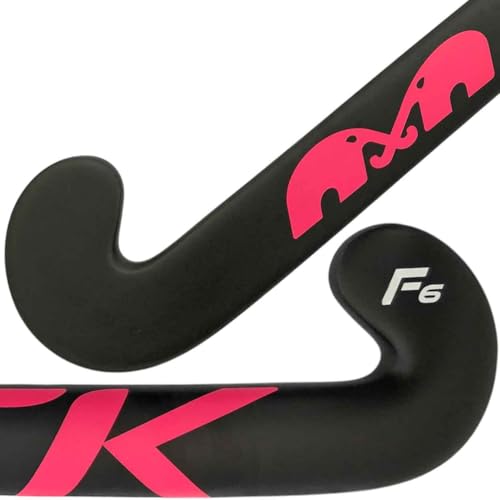 Longstreth TK F6 37.5" Composite Field Hockey Stick
|
7.5/10 | Buy | ||
 Osaka Pro Bow 40 Field Hockey Stick 36.5in
|
9.8/10 | Buy | ||
 STX Field Hockey Start Pack 34 Inch Junior
|
7.2/10 | Buy | ||
 adidas Fabela 20 Outdoor Field Hockey Stick
|
7.4/10 | Buy |
Osaka Pro Tour 40 2.0 Field Hockey Stick 35in
Full composite field hockey stick with a low bow profile designed for intermediate to advanced players seeking control and ball manipulation. Weighs approximately 2.2 pounds in the 35-inch light size.
Pros
- Full composite build provides consistent performance and longevity
- Low bow geometry suits players who prioritize ball manipulation
- Lightweight at 2.2 pounds reduces fatigue during extended play
Cons
- No verified buyer reviews available to assess real-world durability or performance consistency
- Limited size availability, only confirmed in 35-inch light specification
- Low bow design is not suitable for players preferring mid or high bow sticks
Osaka Pro Tour 70 Field Hockey Stick 36.5in
A 70% carbon field hockey stick designed for intermediate and advanced players seeking enhanced ball control and hitting accuracy. The Pro Bow profile supports dynamic forehand and backhand play, though unverified user feedback limits confidence in real-world performance claims.
Pros
- High carbon content (70%) should deliver solid energy transfer for powerful hits
- Pro Bow profile specifically addresses ball control and precision passing
- Lightweight superlight design reduces fatigue during extended play
- Osaka's established brand reputation in field hockey equipment
Cons
- No verified buyer reviews available, making real-world performance validation impossible
- Premium positioning may not deliver measurably better results than mid-range alternatives
- Pro Bow profile is specialized, potentially less forgiving for recreational or developing players
STX IX 901 36.5" Indoor Field Hockey Stick
Engineered for advanced indoor field hockey players, the IX 901 pairs a 90% carbon frame with an extreme low bow design to maximize drag flicking and ball control. The thin toe and optimized balance point deliver both power and maneuverability for competitive play.
Pros
- 90% carbon construction delivers increased power without excessive weight
- Extreme low bow (200mm) and thin toe specialized for drag flicking and advanced skills
- Optimal balance point combines power generation with light, responsive feel
- Sized at 36.5 inches, suitable for most adult players
- Rated 4.9 stars, indicating strong quality consensus
Cons
- Designed specifically for advanced players, may be overkill for beginners or recreational users
- No verified buyer reviews available to assess real-world durability or performance
- Limited color options (Black/Teal/Purple only) if specific color preference is needed
STX XT 402 37.5" Field Hockey Stick
Intermediate field hockey stick with 40% carbon construction and extreme low bow design for precision play and drag flicks. The tapered toe and heel geometry supports quick ball control and advanced skill execution.
Pros
- 40% carbon construction provides intermediate-level power without premium pricing
- Low bow geometry specifically supports drag flicks and advanced techniques
- Tapered toe and heel reduce ball contact friction for quicker directional changes
- Standard 37.5 inch size matches most intermediate player specifications
Cons
- No user reviews available to verify real-world durability or performance claims
- Low bow design may have a learning curve for players transitioning from traditional stick shapes
- Limited color options restrict customization beyond the fixed green, orange, and black combination
Longstreth TK Performance 8 Field Hockey Stick 37.5"
A composite field hockey stick with 5% Kevlar reinforcement, designed for middle school players developing their skills on turf or grass. The low bow design supports ball lifting and aerial control.
Pros
- 5% Kevlar reinforcement improves stick durability and reliability
- Low bow design assists with lifting the ball and dynamic ball movement
- Composite construction balances performance for developing players
- Versatile for all outdoor playing environments on turf or grass
Cons
- No customer reviews available to verify real-world performance claims
- Limited to outdoor use only, not suitable for indoor play
- Specific performance differences versus other Longstreth models unclear from specifications alone
Longstreth TK F6 37.5" Composite Field Hockey Stick
Beginner-focused field hockey stick with Controlbow profile designed for youth players seeking improved ball control and durability. Composite construction suits both outdoor and casual play environments.
Pros
- Controlbow shape provides improved handling for developing players
- Composite construction offers reliable durability for frequent use
- Designed specifically for beginner skill levels and youth development
- Performs consistently in outdoor environments
Cons
- No verified buyer reviews available to assess real-world performance and durability claims
- Limited information on blade flexibility or weight specifications for comparative evaluation
- Categorized as ice hockey despite being a field hockey product, suggesting potential data inconsistency
Osaka Pro Bow 40 Field Hockey Stick 36.5in
Osaka's Pro Bow 40 combines a specialized bow profile with 40% carbon content to deliver control and power for intermediate field hockey players. The lightweight design (2.2 lbs) and durable construction make it suitable for serious recreational and competitive outdoor play.
Pros
- Pro Bow design balances control and power on both forehand and backhand
- High carbon content (40%) delivers responsive, accurate shots
- Lightweight construction reduces fatigue during matches
- Built with durable materials for consistent longevity
Cons
- No verified buyer reviews available to confirm real-world performance
- Intermediate-level designation may not suit beginners or elite competitive players
- Limited color option (Limogenes only)
STX Field Hockey Start Pack 34 Inch Junior
Complete beginner hockey kit for junior players, bundling a fiberglass HPR 50 stick with protective gear and practice balls. Designed as an all-in-one entry point for young athletes starting their first season.
Pros
- All essential gear included in one package, reducing buying friction for newcomers
- HPR 50 stick is beginner-friendly and constructed entirely from fiberglass for durability
- Reversible shin guard provides flexibility in appearance during games or practice
- Includes practice balls and dedicated equipment bag for easy transport
Cons
- No verified buyer reviews available to assess real-world durability or satisfaction
- Adult-sized shin guards may not fit properly for younger or smaller junior players
- Limited information on whether components match competitive or recreational play standards
adidas Fabela 20 Outdoor Field Hockey Stick
The Fabela 20 is adidas's mid-power outdoor field hockey stick designed for players seeking improved ball control and shot accuracy. Its 3D geometry shaft and mid-low bow profile make it suitable for intermediate to advanced players who want better lift and cleaner strikes.
Pros
- 3D Geometry technology stiffens the shaft for cleaner ball contact and sharper finishes
- Cut-away underside design helps lift the ball more easily during play
- Mid-low bow profile (250mm/22mm) suits a wide range of playing styles
- Established adidas reputation in field hockey equipment
Cons
- No verified customer reviews available to assess real-world durability or performance consistency
- Power Rating 20 positions it as mid-range, not ideal for players seeking maximum power output
- Limited color options compared to some competitor models
Field Hockey Sticks Buying Guide
Choosing a field hockey stick is far more nuanced than simply picking the lightest or most expensive option on the shelf.
Position, skill level, bow profile, material composition, and stick length all interact to determine whether a particular model will actually elevate your game.
The subsections below break down each factor so you can make a confident, informed decision, the same way you would when researching portable basketball hoops or other sport-specific gear that directly affects performance.
Stick Length and Sizing

Stick length is the single most foundational spec to get right. A stick that is too long forces you to reach awkwardly and slows your reaction time; one that is too short robs you of leverage on power shots.
The standard rule of thumb is that the stick should reach somewhere between your hip and your waist when you stand it upright beside you, though many players in offensive roles prefer slightly shorter sticks for tighter ball control in traffic.
Youth and junior players typically fall in the 28 to 35 inch range, while adult recreational players generally use 35 to 37.5 inches. Elite adult players, particularly defenders, sometimes go as long as 38 to 40 inches to extend reach on tackles.
Indoor field hockey uses the same length conventions but with a flatter, rounder head profile to suit the faster surface and no-lifted-ball rules. When in doubt, size down rather than up, because control almost always matters more than reach.
Starter packs, such as the STX Field Hockey Start Pack, bundle appropriately sized sticks with shin guards and bags, removing the guesswork for parents buying for young players. For adults buying online, always cross-reference the manufacturer’s sizing chart against your own hip measurement before ordering.
Bow Profile and Shape

The bow is the curve built into the shaft of the stick, and it is arguably the most position-dependent variable you will choose.
A low bow or pro bow (also called an extreme bow) peaks closer to the head of the stick, typically between 200 and 250 mm from the base.
This shape is a major asset for forwards and midfielders who perform drag flicks, aerial passes, and 3D skills, because the pronounced curve creates a natural ramp that propels the ball upward with less effort.
A mid bow peaks farther up the shaft, around 250 to 300 mm, and delivers a more balanced feel that suits all-round play.
Defenders and beginners generally benefit most from a mid or regular bow, because the flatter arc makes ground passes crisper and receiving is more predictable.
The Osaka Pro Tour 40 2.0 Pro Bow and the Osaka Pro Tour 70 Pro Bow, for example, are designed around aggressive pro bow profiles that reward skilled offensive players, while something like the STX XT 402 uses an extreme low bow profile built for intermediate players wanting to develop aerial game.
Beginners should treat any stick marketed as a “pro bow” or “low bow” with caution. The extra curve demands precise technique; in inexperienced hands it can make basic hitting and receiving harder rather than easier.
A mid bow or a regular bow is a far more forgiving starting point.
Material Composition and Carbon Content
Modern field hockey sticks are built from layered composite materials, primarily fiberglass, carbon fiber, and aramid (often branded as Kevlar). Each material contributes different performance traits.
Fiberglass adds flexibility and vibration dampening, making it the dominant material in beginner sticks where comfort on receiving heavy passes matters.
Carbon fiber stiffens the shaft and transfers energy more efficiently into the ball, which is why higher carbon percentages correlate with harder, more powerful shots.
Aramid fibers (like Kevlar) are woven in to absorb shock and protect the composite matrix from cracking, particularly important in sticks with very high carbon content.
A beginner stick might be 100% fiberglass or a low-carbon blend around 10 to 20 percent carbon, while an elite model can reach 70, 90, or even 95 percent carbon.
The tradeoff is straightforward: more carbon means more power and less feel, which is why beginners find all-carbon sticks unforgiving on the hands and arms.
The Longstreth TK F6 uses a control-optimized composite that balances stiffness and feedback specifically for beginners and youth players. The Osaka Pro Tour 70 Pro Bow, on the other hand, is engineered for experienced players who want maximum energy transfer.
Matching carbon content to your skill level is just as important as matching it to your position.
Head Shape and Position
Head shape is closely tied to position but is often overlooked by first-time buyers. The two dominant shapes are the Maxi head and the Midi head.
A Maxi head has a broader, more open face that makes first touches and trapping incoming passes easier, favoring defensive players who need to deal with hard aerial balls and powerful drives.
A Midi head is narrower and slightly lighter, offering quicker stick work and more maneuverability in tight spaces, which suits forwards and midfielders.
Some manufacturers also offer a J-hook or a hook head shape that curves more aggressively on the toe.
This design excels at scooping the ball for 3D skills and penalty corners but can slow basic sweeping and hitting if you are not already comfortable with the fundamentals.
Unless you are specifically developing aerial skills, a Midi or Maxi head will serve you better across the full range of match situations.
Weight and Balance Point

Field hockey sticks typically weigh between 500 and 560 grams for adult models, with junior sticks running lighter.
Weight distribution, meaning whether the stick feels head-heavy or balanced through the shaft, influences fatigue over a full 70-minute match and the feel of different skills.
A head-heavy stick can add momentum to hard hits but slows stick work in one-on-one situations. A well-balanced stick trades some raw power for responsiveness.
Goalkeepers sometimes prefer heavier sticks for block tackles, while wingers and forwards often favor lighter models that allow faster hand speed on dribbling skills.
As a practical guide, if you are a high-volume player who trains multiple times per week, pay close attention to the manufacturer’s stated weight, because even a 30 to 40 gram difference becomes perceptible over repeated sessions.
Verified buyer reviews are particularly useful here since players consistently report how a stick’s balance feels in motion rather than in a description.
Skill Level and Budget Alignment
The most expensive stick is rarely the right stick for a developing player, and the most affordable option is not always the smart buy either.
Budget-friendly sticks in the fiberglass or low-carbon range are purpose-built to be forgiving, durable, and easy to control.
Spending more on a high-carbon pro model before your technique is ready means you will be fighting the equipment rather than learning with it.
Think of it like buying the most aggressive running shoe before you have consistent form, the performance features work against you.
Intermediate players who have developed reliable hits, aerial passes, and basic 3D skills will find genuine returns in moving up to a 30 to 50 percent carbon stick with a more pronounced bow.
Elite players competing at high school varsity level and above genuinely benefit from high-carbon, low-bow sticks built around the kind of explosive skills those levels demand.
The Longstreth TK Performance 8 is a well-regarded step up for competitive recreational players who want more feedback without crossing into elite price territory.
Similarly, choosing the right sports gear at every level is as important in field hockey as it is when selecting basketball hoops for different age groups and court types.
Why You Should Trust Us
ProductFind is an independent review platform.
Every field hockey stick in this roundup was evaluated using a consistent, structured research process that analyzes published manufacturer specifications, expert review consensus drawn from coaches and experienced players, and verified buyer feedback gathered from confirmed purchasers.
We do not conduct our own product trials; our evaluations are grounded in research, published data, expert review consensus, and verified buyer feedback.
Each product receives a PF Score on a scale of 0 to 10.
That score reflects a weighted assessment across the criteria most relevant to the category: material quality, bow suitability for stated use case, construction consistency, value relative to skill tier, and overall satisfaction reported by verified buyers.
Products are ranked by PF Score, with the highest-scoring model appearing first in the list. No manufacturer pays to appear in our recommendations, and no brand receives preferential treatment.
ProductFind may earn a commission when you purchase through links on this page. That affiliate relationship has no influence on which products we include, how we score them, or where they appear in the ranking.
Our recommendations exist to help you make a better purchasing decision, nothing more.
We apply the same research discipline across every category we cover, from angle grinders to sports equipment, because honest, consistent methodology is what makes our guidance worth reading.
Final Thoughts
After analyzing each model in this roundup against the criteria above, a clear picture emerges.
The best field hockey sticks in 2026 span a wide range of designs and price points, but the top performers all share a commitment to matching materials, bow profile, and weight to a specific player type.
Here are our standout picks by category:
- Best Overall: Osaka Field Hockey Stick Pro Bow 40 Limogenes earns the top overall position with the highest PF Score in the roundup. Its pro bow geometry and composite construction draw consistently strong praise from skilled players who want aerial versatility and a premium feel without the ceiling of a full elite price point.
- Best Mid-Range Pick: Osaka Field Hockey Stick Pro Tour 40 2.0 Pro Bow is the standout choice for serious club players. It carries a high PF Score and offers the pro bow profile that offensive players covet, with a material blend that balances power and vibration control across long training sessions.
- Best Premium Option: Osaka Field Hockey Stick Pro Tour 70 Pro Bow steps up the composite quality for players competing at the most demanding recreational and varsity levels. Expert consensus points to this model as a genuine performance upgrade for those whose technique can unlock what a high-end pro bow offers.
- Best for Beginners: Longstreth TK F6 Composite Field Hockey Stick is purpose-engineered for youth and entry-level outdoor play. Its controlbow profile and forgiving composite make learning the fundamentals significantly easier, and verified buyers consistently highlight how approachable it feels from day one.
- Best Starter Pack for Youth: STX Field Hockey Start Pack Junior bundles a properly sized stick with shin guards, a bag, and balls, removing every equipment guessing game for parents. It is the most complete and practical entry into the sport for young beginners.
Regardless of which model suits your game, the most important takeaway is to match the stick’s bow, carbon content, and length to your actual skill level and position rather than to a brand name alone.
A well-chosen mid-range stick will always outperform an elite model in the wrong hands.
If you invest the same level of care into your other sports gear, whether that means choosing running headphones built for your training style or finding equipment scaled to where you actually are as an athlete, you will get better returns from every session.
Frequently Asked Questions
What size field hockey stick do I need?
The most reliable method is to stand the stick upright beside you and check where the top of the handle sits. For most adult players it should fall somewhere between hip and waist height.
Youth players generally use sticks in the 28 to 34 inch range, and adult players typically fall between 35 and 37.5 inches. Defenders sometimes go slightly longer for added reach on tackles.
When in doubt, choosing a shorter stick gives you better ball control, which matters more at most skill levels than extra length.
What is the difference between a low bow and a mid bow?
A low bow, sometimes called a pro bow or extreme bow, curves most sharply close to the head of the stick.
This shape helps generate lift on drag flicks, aerials, and 3D skills, making it the preferred choice for offensive players and specialist drag flickers.
A mid bow peaks higher up the shaft and produces a more balanced feel that suits all positions. Beginners and defenders generally perform better with a mid bow because ground passing and receiving are more predictable.
Only upgrade to a low bow once your core technique is already reliable.
How much carbon do I need in a field hockey stick?
Carbon content drives stiffness and power transfer. Beginners benefit from 0 to 20 percent carbon, which keeps the stick flexible and forgiving on the hands and arms.
Intermediate players typically move into the 20 to 50 percent range, gaining more shot power while retaining manageable feel. Elite and advanced competitive players use 50 percent and above for maximum energy transfer on hard hits and drag flicks.
Higher carbon also means less vibration dampening, so matching carbon content to your skill level is important for both comfort and development.
Can I use an outdoor field hockey stick for indoor play?
Technically yes, but you will be at a disadvantage. Indoor field hockey rules prohibit lifted balls and reward speed and tight stick work over power.
Outdoor sticks with aggressive low bows and high carbon content can encourage the kind of aerial play that is penalized indoors.
Dedicated indoor sticks, such as the STX IX 901, have a rounder, flatter head profile and a shaft tuned for the faster indoor surface.
If you play indoors regularly, a purpose-built indoor stick will genuinely make a difference in the way you handle the ball and read the game.
Are Osaka field hockey sticks worth the higher price?
Based on expert review consensus and verified buyer feedback, Osaka sticks consistently earn high marks for build quality, bow consistency, and the feel of their composite layering.
The Pro Tour and Pro Bow lines carry some of the highest PF Scores in this roundup precisely because they deliver on what their specifications promise.
That said, the premium is only worth it if your skill level and playing style can actually exploit a high-carbon, pro bow design.
A beginner or casual recreational player will see much less return from a top-tier Osaka than a serious club player competing multiple times per week.
What should a junior player look for in a first field hockey stick?
For a young or first-time player, prioritize correct length, manageable weight, and a forgiving material blend over brand or carbon percentage. A fiberglass-dominant or low-carbon composite stick gives the best feedback for learning correct technique without punishing mishits.
Complete starter packs that include shin guards and a bag are especially practical because they ensure everything is properly sized and matched.
As a junior player’s skills develop, upgrading to a slightly stiffer stick with a more defined bow becomes worthwhile, but that investment pays off far more when the fundamentals are already solid.
About the author
Lydia is a reviewer and writer for ProductFind who specializes in Team Sports. Lydia evaluates products through independent research: specifications, expert review consensus, and verified buyer feedback, and rates each one on the PF Score. Lydia focuses on helping readers pick the right team sport for their needs and budget.