The 10 Best Cork Yoga Mats
Cork yoga mats grip better as you sweat, making them ideal for hot yoga and intense flows. Here are the top picks across thickness, base material, and budget.
 By Leta Holt
Updated July 23, 2026
By Leta Holt
Updated July 23, 2026

Cork yoga mats have earned a devoted following among practitioners who demand both performance and sustainability.
Unlike conventional PVC or rubber surfaces, cork offers a naturally antimicrobial, moisture-responsive grip that actually improves as you sweat, making it a standout choice for hot yoga, Vinyasa flows, and anyone who finds standard mats slippery after a few minutes of movement.
With more brands entering the market and price points ranging from budget-friendly to premium, finding the right cork mat requires knowing what separates a genuinely well-constructed surface from one that sounds good on paper but wears down quickly.
If you are exploring all your options, our broader guide to yoga mats for every practice and budget is a useful starting point before narrowing your focus.
To build this guide, the ProductFind editorial team analyzed published specifications, synthesized expert review consensus from across the yoga and fitness community, and carefully reviewed verified buyer feedback to understand real-world performance over time.
We do not conduct our own product trials; our evaluations are grounded in research, published data, expert review consensus, and verified buyer feedback. Every mat in this list was scored on our 0 to 10 PF Score scale and ranked accordingly.
Whether you prioritize thickness, grip, eco-credentials, or portability, the picks below represent the strongest options available across a range of needs and budgets.
| Award | Product | PF Score About PF ScoreThe PF Score is our own rating from 0 to 10, based on performance, design and build, ease of use, and value. It reflects independent research and is never influenced by manufacturers, retailers, or affiliate commissions. Learn more › | Price | |
|---|---|---|---|---|
| Best Overall |
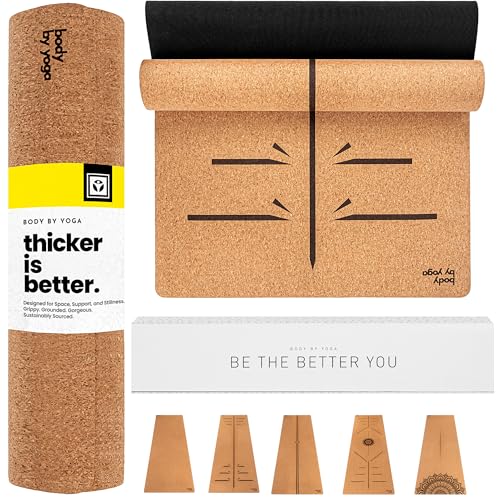 Body By Yoga Cork Mat 80x26 Extra Thick
|
8.4/10 | Buy | |
| Editor's Pick |
 Gurus Cork Yoga Mat 72x25 Inch
|
8.2/10 | Buy | |
| Best Value |
 StrongTek Cork Yoga Mat 7mm
|
8.1/10 | Buy | |
| Top Rated |
 Y O GAYO Premium Yoga Cork Mat 5mm
|
7.9/10 | Buy | |
 Gaiam Cork Yoga Mat Standard
|
7.8/10 | Buy | ||
 Shakti Warrior Sahasrara Cork Yoga Mat 72x24 inch
|
7.6/10 | Buy | ||
 LILXIU Foldable Cork Yoga Mat 72x24 4mm
|
7.4/10 | Buy | ||
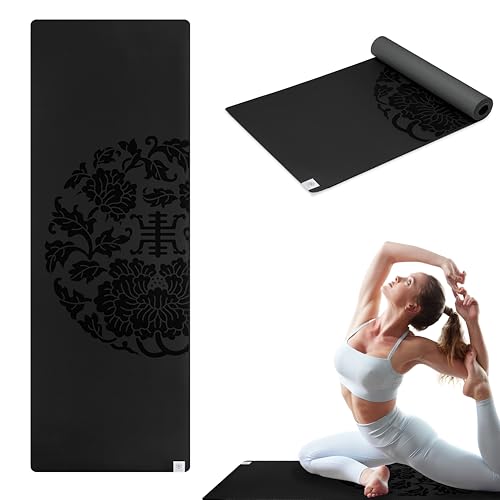 Gaiam Dry-Grip Yoga Mat 5mm
|
6.5/10 | Buy | ||
 Gaiam Reversible Yoga Mat 6mm
|
6.2/10 | Buy | ||
 Retrospec Solana 1/2-Inch Yoga Mat with Nylon Strap
|
5.8/10 | Buy |
Body By Yoga Cork Mat 80x26 Extra Thick
A premium natural cork and rubber yoga mat designed by yoga instructors, featuring superior grip that activates with moisture and a generous 80-by-26-inch surface. Best for practitioners who want durability and stability over lightweight portability.
Pros
- Grip improves with moisture, making it effective for sweaty sessions
- Significantly thicker cork than competitor mats, extending durability
- Extra-long dimensions give more room for various poses and stretches
- Natural materials with low-odor water-based adhesive system
- Stays flat and anchored without sliding on most surfaces
Cons
- 10-pound weight makes it heavier than standard mats, less convenient for frequent transport
- No verified customer reviews available to assess real-world performance
- Premium positioning may limit appeal for budget-conscious buyers
Gurus Cork Yoga Mat 72x25 Inch
Natural cork and rubber construction delivers superior grip that improves when wet, making it ideal for sweaty practice sessions. Built for longevity with eco-friendly materials and zero toxic chemicals, though cork requires consistent cleaning to maintain its surface quality.
Pros
- Superior grip performance increases in wet conditions, unlike synthetic mats
- 100% natural materials free from toxic PVC and chemicals
- Naturally durable cork resists degradation over extended use
- High-density rubber base provides joint support and cushioning
Cons
- No verified buyer reviews available to confirm real-world durability claims
- Cork surface requires regular maintenance and cleaning to preserve grip quality
- Heavier than synthetic alternatives at 6.25 pounds, less portable for travel
StrongTek Cork Yoga Mat 7mm
Natural cork top surface provides enhanced grip in hot, sweaty sessions while a 7mm TPE base cushions joints for kneeling and floor work. At 2 lbs with a carry strap, it's portable enough for studio or travel, though cork requires regular maintenance to prevent wear.
Pros
- Moisture-activated cork grip outperforms smooth synthetic mats during sweaty practice
- Excellent cushioning for sensitive joints without sacrificing stability
- Compact and lightweight with carrying strap, genuine travel-friendly option
- Full-size dimensions provide ample space for lunges and stretches
- Durable construction holds up to repeated studio and home use
Cons
- Natural cork requires regular cleaning and maintenance to preserve surface quality
- No verified customer reviews available to confirm real-world durability claims
- Cork material may absorb odors over time with regular sweaty use
Y O GAYO Premium Yoga Cork Mat 5mm
A cork and rubber yoga mat designed for stability and eco-conscious practice. The 5mm thickness and natural cork surface offer reliable grip across different yoga styles, though the heavier weight may limit portability for frequent travelers.
Pros
- Natural cork provides excellent traction without slipping during poses
- Sustainable material appeals to environmentally conscious practitioners
- Dense 5mm thickness keeps mat firmly in place without shifting
- Simple maintenance with just water and cloth
- Versatile enough for beginner to experienced yogis
Cons
- Heavier weight (8.3 lbs) makes transport less convenient for studio classes
- No verified customer reviews available to confirm real-world durability
- Cork surface may require more frequent cleaning than synthetic alternatives
Gaiam Cork Yoga Mat Standard
Natural cork top with eco-friendly TPE base designed for all yoga styles, particularly hot yoga where moisture improves grip. Resists sweat and odor while providing cushioning support for joints, though it's a specialty surface best suited for practitioners already familiar with cork mats.
Pros
- Cork material naturally resists moisture and odor buildup, maintaining freshness longer than standard mats
- Becomes grippier when slightly damp, making it ideal for heated yoga classes
- Eco-conscious construction combines natural cork with sustainable TPE
- Provides plush cushioning for pressure point relief during practice
Cons
- No verified buyer reviews available to confirm real-world performance and durability claims
- Cork surface is a specialty material with a learning curve, not ideal for all practitioners or workout styles
- Standard size and weight may require additional consideration for portability and storage
Shakti Warrior Sahasrara Cork Yoga Mat 72x24 inch
Premium eco-friendly yoga mat made from sustainable cork and natural rubber with no PVC or toxic chemicals. Offers 3mm cushioning across a generous 72x24 inch surface, suitable for yoga, pilates, and hot yoga practice.
Pros
- Sustainable materials made from cork and natural tree rubber with no harmful chemicals
- Generous 72x24 inch dimensions provide ample space for various exercises
- 3mm thickness offers adequate cushioning for joints without excessive bulk
- Designed for versatility across yoga, pilates, hot yoga, and other fitness activities
Cons
- No verified buyer reviews available to assess real-world durability and performance
- Requires specific yoga mat cleaner for maintenance, adding ongoing care costs
- Cork surface may show visible wear patterns over time with regular use
LILXIU Foldable Cork Yoga Mat 72x24 4mm
A dual-layer cork and TPE yoga mat designed for hot yoga and travel workouts, combining natural cork grip with cushioning support. The foldable design and included canvas bag make it practical for gym sessions and on-the-go use.
Pros
- Dual-layer construction balances grip and comfort for various yoga styles
- Natural cork surface efficiently absorbs sweat during hot yoga sessions
- Foldable without edge curling makes it genuinely travel-friendly
- Canvas storage bag adds practical value for gym and travel use
Cons
- No verified buyer reviews available to assess real-world durability or long-term performance
- 4.3-star rating with zero reviews suggests limited market feedback on cork-TPE combination quality
- Natural cork may require maintenance or show wear patterns over extended use
Gaiam Dry-Grip Yoga Mat 5mm
A 5mm thick yoga mat with a stay-dry, non-slip coating designed to handle sweat and maintain grip during hot yoga sessions. The firm cushioning supports joints while the textured surface provides traction for extended holds.
Pros
- Exceptional grip in wet conditions, ideal for hot yoga and sweat-heavy sessions
- Firm cushioning balances support without excessive softness, suitable for both standing and floor work
- Non-toxic materials, free from rubber and latex
- Durable construction built for daily use
Cons
- No verified buyer reviews available to confirm real-world durability and longevity claims
- 5mm thickness may feel thinner than heavier 6mm alternatives if additional cushioning is preferred
- Limited color options shown, only black variant listed
Gaiam Reversible Yoga Mat 6mm
A reversible yoga mat with dual designs and 6mm cushioning for moderate support during practice. The textured surface provides grip, and a lifetime guarantee backs the build quality, though no verified buyer reviews are available yet to confirm real-world durability.
Pros
- Two reversible designs offer visual variety without buying multiple mats
- 6mm thickness balances cushioning with portability for most yoga styles
- Textured surface provides non-slip grip during poses
- Includes access to online instructional video library
- Lifetime guarantee provides long-term peace of mind
Cons
- No verified customer reviews available to assess actual performance and longevity
- 2.5 pound weight may feel heavier than ultra-portable travel mat alternatives
- Reversible design means no dedicated thickness upgrade path if more cushioning is needed later
Retrospec Solana 1/2-Inch Yoga Mat with Nylon Strap
A cushioned 72x24-inch yoga mat with 1/2-inch thickness designed to reduce joint stress during practice. The non-slip surface and BPA-free construction make it suitable for yoga, pilates, and general fitness work at home or in studio settings.
Pros
- Extra thickness provides substantial cushioning for knees, hips, and hands during floor exercises
- Non-slip surface maintains grip and prevents shifting during poses and movements
- Free of harmful chemicals, making it safe for regular skin contact
- Lightweight at 2.8 pounds with included strap simplifies transport to classes or outdoor use
Cons
- May release an initial odor upon unboxing that requires 1-2 days of airing before use
- Cannot be machine washed or submerged in water, limiting cleaning convenience
Cork Yoga Mats Buying Guide
Choosing a cork yoga mat is more nuanced than simply picking the one with the best-looking surface.
The material composition, thickness, dimensions, and base layer all interact to determine whether a mat truly suits your practice style, body type, and storage situation.
Use the criteria below to match specifications to your actual needs rather than defaulting to marketing claims alone.
If you also practice on thinner travel mats, our coverage of travel yoga mats for every practice and destination covers the tradeoffs worth understanding before you buy.
Cork Surface Quality and Grip Performance

The defining property of cork as a yoga mat surface is its open-cell microstructure.
When moisture contacts the surface, the cork swells slightly and increases friction, which means the mat performs better during a sweaty session than at the start of a dry practice.
This is the opposite of many synthetic surfaces, which become slippery when wet. Look for mats that use pressed natural cork rather than cork-composite blends, since higher cork density translates to more consistent grip over hundreds of sessions.
Verified buyer feedback consistently highlights a break-in period of several sessions before cork grip reaches its peak.
Early reviews that complain about slipping often come from users who have not yet broken the mat in or who are practicing in very low-sweat conditions.
If your practice is predominantly restorative or slow-flow, you may want to pair a cork mat with a light mist spray bottle to activate the surface grip.
For high-intensity or hot yoga sessions, cork is particularly well matched because natural perspiration does the activating work for you.
Surface texture also varies across brands. Some mats feature a fine-grain cork that feels smoother underhand and underfoot, while others use a coarser grain that maximizes friction for standing balances.
Expert consensus generally favors a medium grain for all-around practice versatility, since it balances comfort during floor poses with the traction needed during warrior sequences and inversions.
Base Material and Stability
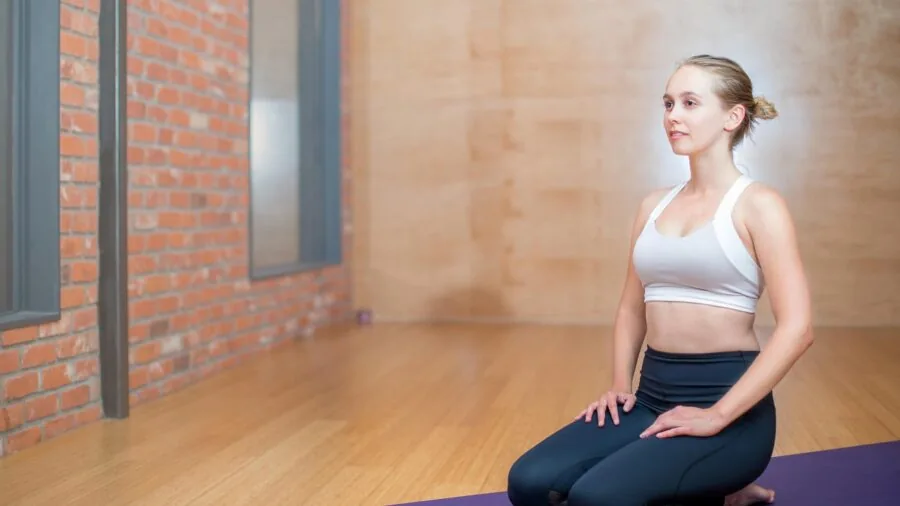
The cork layer you stand on is only half the story. The base material determines how well the mat stays in place on hardwood, tile, or carpet, and it heavily influences the mat’s durability and environmental footprint.
The two most common base options are natural tree rubber and TPE (thermoplastic elastomer). Natural rubber provides excellent floor grip and a cushioned feel, but it is heavier and may cause reactions for practitioners with latex sensitivities.
TPE bases are lighter, fully recyclable, and latex-free, though they tend to offer slightly less floor traction on polished surfaces.
A smaller number of mats use PVC or foam bases, which are typically found in lower-priced options. While functional, PVC is not biodegradable and does not align with the eco-conscious positioning that most cork mat buyers are looking for.
If sustainability is part of your reason for choosing cork in the first place, verifying that the base material is also responsibly sourced or recyclable is worth the extra step before purchasing.
Thickness and Joint Support
Cork mats currently available range from around 3 mm on the thin end to 7 mm on the thick end.
Thinner mats (3 to 4 mm) are preferred by experienced practitioners who want to feel the ground for better proprioception during balance poses, and they pack down more easily for travel.
Thicker mats (5 to 7 mm) provide more cushioning for sensitive knees, wrists, and hips, making them a better fit for beginners, practitioners with joint concerns, or anyone who spends significant time in floor-based poses.
It is worth noting that cork is naturally denser than foam, so a 5 mm cork mat may feel firmer underfoot than a 6 mm PVC mat.
This firmness can actually be an advantage for alignment and stability, but it is something to factor in if cushioning is a primary requirement.
For practitioners who want maximum joint support, our roundup of thick yoga mats worth buying covers options that prioritize padding above all else.
Dimensions and Coverage

Standard yoga mat dimensions of 68 to 72 inches long and 24 inches wide accommodate most practitioners during typical standing and floor sequences.
Taller yogis (generally 5 feet 10 inches and above) benefit meaningfully from mats that reach 74 inches or longer, preventing hands and heels from sliding off the mat during downward dog or full supine stretches.
Width can also matter if you practice wide-legged poses frequently, since a mat that is 26 inches wide provides noticeably more side-to-side room.
Body By Yoga’s Performance Cork mat stands out in this category by offering dimensions that skew larger than the category average, which is one reason it resonates with taller or broader-framed practitioners.
Always verify the exact measurements listed in the product specifications rather than assuming a mat described as “large” meets your specific needs, since sizing terminology is not standardized across brands.
Weight and Portability
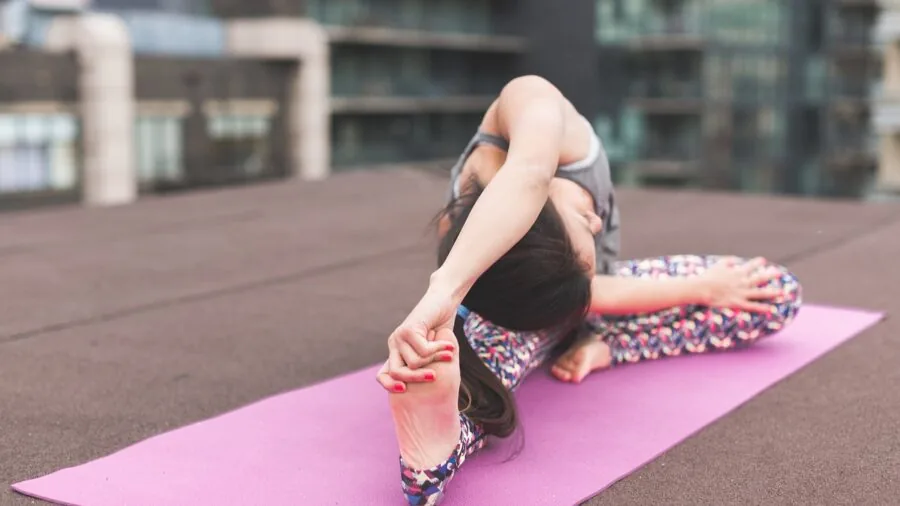
Cork mats are inherently denser than standard foam mats, so weight is a practical consideration if you carry your mat to a studio, gym, or class several times a week. Most cork mats in this category fall between 2 and 4 pounds.
Mats with TPE bases (such as the StrongTek option in this list) tend to land at the lighter end of that range, while natural rubber-base mats tend to be heavier but more grounded.
A carry strap or storage bag is a meaningful practical accessory, especially for mats that lack a rolled handle.
The LILXIU foldable cork mat takes a different approach entirely, using a construction that allows it to fold flat rather than roll, which is unusual in this category and makes it particularly easy to slip into a tote bag or luggage.
The tradeoff is that foldable constructions need to be examined carefully for durability at the fold lines over time, since repeated folding can stress the cork layer if the bonding adhesive is not robust.
Verified buyer reviews are the most reliable signal for how a foldable mat holds up after six to twelve months of regular use.
Alignment Lines and Design Features
A growing number of cork mats now incorporate printed alignment lines into the surface to help practitioners position their feet, hands, and hips correctly during poses.
These are particularly useful for beginners building muscle memory and for solo practitioners who do not have a teacher present to offer corrections.
The Y O Gayo mat in this list is notable for integrating alignment guidance into its design alongside its natural rubber base.
Aesthetically designed mats, such as those from Shakti Warrior, bring artist-created patterns to the cork surface using non-toxic inks, appealing to practitioners who want their practice space to feel visually intentional.
While design is inherently subjective, it is worth confirming that any printed artwork uses water-based or food-grade inks rather than solvent-based alternatives, since the cork surface does come into direct contact with skin during practice.
Why You Should Trust Us
ProductFind is an independent review publication. We do not sell products, accept manufacturer samples in exchange for favorable coverage, or adjust rankings based on advertiser relationships.
Every product in this guide was evaluated using a consistent research framework: we assess published specifications, synthesize expert review consensus from credible fitness and yoga publications, and analyze verified buyer feedback to understand how each mat performs under real-world conditions over extended use.
We do not conduct our own product trials; our evaluations are grounded in research, published data, expert review consensus, and verified buyer feedback.
Each mat was scored on our 0 to 10 PF Score scale, which reflects a weighted combination of surface grip performance, base material quality, construction durability, value relative to price, and user satisfaction signals drawn from verified purchaser reviews.
Higher PF Scores indicate products that consistently performed well across multiple independent criteria, not simply products that received the most reviews or the highest volume of ratings.
Transparency matters to us: ProductFind may earn an affiliate commission when you purchase through a link in this article, but affiliate relationships have no bearing on rankings, scores, or editorial decisions. Our recommendations reflect quality of evidence, not commission rates.
Final Thoughts
The market for cork yoga mats has matured significantly, and the options available today span a wide range of constructions, price points, and intended use cases.
Based on our research synthesis, here are the standout picks from this guide and the specific contexts where each one makes the most sense.
- Best Overall: Body By Yoga Performance Cork Yoga Mat earns the top position with the highest PF Score in this group, combining an above-average footprint, extra thickness for comfort, and strong verified buyer satisfaction across hot yoga and general practice contexts.
- Best for Serious Daily Practice: GURUS Sweat Proof Durable Cork Yoga Mat is the pick for practitioners who want a premium, long-lasting surface that holds up through daily sessions and intensive sweating, backed by a high PF Score reflecting its durable construction.
- Best Value Cork Mat: Gaiam Cork Yoga Mat delivers a reliable natural cork surface at a significantly lower price point than most competitors in this list, making it the most accessible entry point into cork mat ownership without sacrificing core functionality.
- Best Guided Alignment Option: Y O Gayo Premium Yoga Cork Mat stands out for integrating alignment lines into a natural rubber-base design, offering practical positioning guidance that benefits beginners and solo practitioners alike.
- Best Lightweight Pick: StrongTek Cork Yoga Mat pairs a 7 mm thickness with a TPE base that keeps the overall weight low, making it an unusually comfortable option for practitioners who want generous cushioning without carrying a heavy mat to every session.
Whichever mat you choose, the key is matching the construction to your actual practice conditions rather than selecting based on brand recognition alone.
A mat that grips beautifully in a heated studio may feel over-engineered for a gentle home flow, and vice versa.
If your search extends beyond cork surfaces, browsing thick yoga mats worth buying for every practice can help you weigh cushioning-first alternatives side by side.
Frequently Asked Questions
Are Cork Yoga Mats Actually Better Than Rubber or PVC Mats?
For hot yoga, sweaty practices, or anyone who finds synthetic surfaces slippery when wet, cork mats offer a genuine functional advantage.
The natural microstructure of cork increases grip as moisture is introduced, which is the reverse of how most foam or PVC mats behave. Cork is also naturally antimicrobial, which reduces odor buildup over time without requiring chemical sprays.
The tradeoff is that cork mats often require a brief break-in period and tend to weigh more than foam alternatives. For dry, low-intensity practices, a standard rubber or TPE mat may serve equally well at a lower price point.
How Do I Clean and Maintain a Cork Yoga Mat?
Cork yoga mats should be wiped down with a damp cloth or a mild diluted cleaner after each session.
Avoid soaking the cork surface or using harsh chemical cleaners, as these can break down the natural oils in the cork and degrade the adhesive bonding it to the base layer.
Store your mat rolled rather than folded (unless it is specifically designed to fold, like the LILXIU), and keep it out of direct prolonged sunlight to prevent surface drying and cracking.
With basic care, a quality cork mat can last several years of regular practice.
Many verified buyers note that a cork mat’s grip actually improves with regular use as the surface naturally opens up through repeated sessions.
Light sanding of the surface with fine-grit sandpaper is occasionally recommended by manufacturers to restore grip if the surface becomes smooth over time, though this is rarely needed within the first year of normal use.
Is Cork Yoga Mat Suitable for Beginners?
Yes, with a few caveats. Beginners often practice in drier conditions and may not generate enough perspiration to fully activate the cork’s grip during their first several sessions.
Starting with a light misting of water on the surface before practice can help replicate the grip response that more advanced practitioners experience naturally.
Thicker cork mats (5 mm and above) are generally better suited to beginners because the extra cushioning is more forgiving on wrists and knees while foundational alignment is still being developed.
Can I Use a Cork Yoga Mat for Pilates or General Fitness?
Cork mats work well for Pilates, stretching routines, and low-impact floor workouts. Their firm, stable surface is particularly well suited to Pilates exercises that require precise foot and hand placement.
For high-impact workouts involving jumping or heavy weights, the cork surface may show wear faster than a mat specifically designed for fitness training, and the firmer feel underfoot may be less comfortable for repeated impact movements.
The Shakti Warrior and GURUS mats in this list have both received positive verified buyer feedback from Pilates practitioners specifically.
What Is the Difference Between a TPE Base and a Natural Rubber Base on a Cork Mat?
Natural rubber bases generally provide better floor grip, a more cushioned feel underfoot, and a longer durability track record in yoga mat construction. They are heavier and are not suitable for practitioners with latex allergies.
TPE bases are lighter, fully recyclable, and latex-free, making them a practical choice for travel or for anyone with sensitivity concerns.
Floor grip on TPE bases is slightly less consistent on polished hardwood surfaces compared to rubber, but on studio floors and carpet the difference is minimal. Both base types are meaningfully more eco-conscious than PVC foam alternatives.
How Long Does a Cork Yoga Mat Typically Last?
With regular care, a quality cork mat from an established brand typically lasts two to four years of consistent daily practice.
The cork surface itself is generally the more durable component; the base layer, particularly rubber, may show edge wear or delamination before the surface degrades.
Signs that a cork mat needs replacing include significant surface peeling, loss of grip even when wet, or structural cracking of the cork layer.
Mats at the higher end of the price spectrum in this guide tend to use denser cork and more robust bonding, which correlates with longer service life based on verified buyer reviews collected over twelve or more months of use.
About the author
Leta is a reviewer and writer for ProductFind who specializes in Yoga & Pilates. Leta evaluates products through independent research: specifications, expert review consensus, and verified buyer feedback, and rates each one on the PF Score. Leta focuses on helping readers pick the right yoga & pilate for their needs and budget.