The 12 Best Dry Suits
Cold water demands serious protection. Our research covers neoprene dive suits, paddling shells, and semi-drysuits to help you find the right fit for your activity and budget.
 By Olivia Shelton
Updated July 23, 2026
By Olivia Shelton
Updated July 23, 2026

Staying warm and dry in cold water is not a luxury, it is a survival necessity.
Whether you are paddling whitewater rapids, diving in frigid seas, sailing offshore in winter, or working on open water, a quality dry suit is the single piece of gear that separates a manageable adventure from a life-threatening situation.
The market spans everything from entry-level paddling shells and budget neoprene options to professional-grade diving suits with welded seams and relief zippers, making it genuinely difficult to know where to start.
At ProductFind, we cut through the noise by researching product specifications, synthesizing expert review consensus from the diving and paddling communities, and analyzing verified buyer feedback across thousands of purchases.
The result is a carefully ranked list of the best dry suits available right now, covering multiple activity types and budgets. Scroll down for our top picks.
| Award | Product | PF Score About PF ScoreThe PF Score is our own rating from 0 to 10, based on performance, design and build, ease of use, and value. It reflects independent research and is never influenced by manufacturers, retailers, or affiliate commissions. Learn more › | Price | |
|---|---|---|---|---|
| Best Overall |
 SCUBAPRO Exodry 4mm Men's Drysuit
|
8.7/10 | Buy | |
| Editor's Pick |
 SEAC Warmdry 4mm Neoprene Dry Suit, XX-Large
|
8.2/10 | Buy | |
| Best Value |
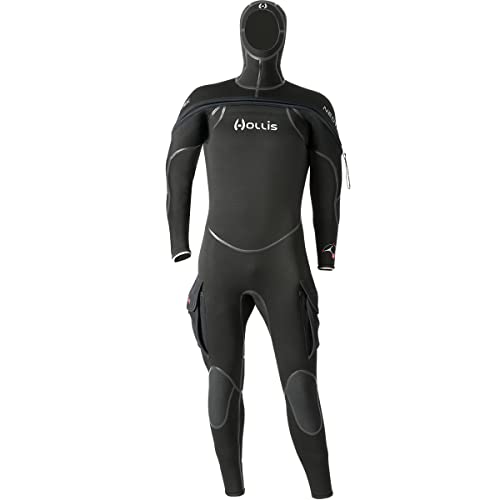 Hollis Neotek Semi-Drysuit
|
7.2/10 | Buy | |
| Top Rated |
 PKEDW Women's Hooded Dry Suit for Kayaking
|
6.3/10 | Buy | |
 Drryfsh Mens Dry Suit Lightweight for Paddling
|
6.1/10 | Buy | ||
 Drryfsh Dry Suit with Relief Zipper for Cold Water Kayaking
|
6.0/10 | Buy | ||
 Drryfsh Men's Dry Suit with Detachable Hood
|
5.8/10 | Buy | ||
 Drryfsh Women's Dry Suit for Kayaking, Medium
|
5.7/10 | Buy | ||
 SEAC Unifleece 2-Layer Drysuit Undergarment
|
5.5/10 | Buy | ||
 OMGear Full Body Dive Skin UPF 50+ Protection
|
4.5/10 | Buy | ||
 Lemorecn 3/2mm Neoprene Full Wetsuit
|
4.0/10 | Buy | ||
 KastKing HydroSense Essential Rain Suit
|
3.2/10 | Buy |
SCUBAPRO Exodry 4mm Men's Drysuit
SCUBAPRO's hybrid drysuit combines 4mm neoprene with latex seals and Si-Tech valves for precise buoyancy control in cold water. Built for divers seeking warmth and stability with practical features like utility pockets and secure instrument mounts.
Pros
- Si-Tech inlet and outlet valve system allows precise buoyancy adjustments underwater
- Attached boots with soft soles enable comfortable walking on varied terrain
- Plush interior lining and neoprene warm collar provide thermal comfort in cold water
- Multiple instrument attachment points with I-Safe straps on arms
- Practical utility pocket and hood attachment point for accessory storage
Cons
- No verified buyer reviews available to assess real-world durability and fit consistency
- Hybrid design with separate latex seals may require more maintenance than full neoprene suits
- Heavy weight of 14.3 pounds suggests significant logistical burden for travel or shore entry
SEAC Warmdry 4mm Neoprene Dry Suit, XX-Large
A 4mm neoprene dry suit designed for cold water diving with semi-rigid boots that invert for easy drying and taped seals to keep water out. Features durable Cordura pockets and comes with hood, hose, and storage bag included.
Pros
- Semi-rigid boots invert easily for quick drying and maintenance
- Taped seals at collar and wrists provide reliable water resistance
- Heavy-duty Cordura pockets withstand demanding dive conditions
- Complete accessory package included with suit
Cons
- No verified buyer reviews available to assess real-world durability or fit consistency
- XX-Large sizing may limit options for different body types
- 4mm neoprene thickness suitable only for colder water, not versatile for warm climates
Hollis Neotek Semi-Drysuit
Built with mixed neoprene thicknesses (8/7/6mm) and an exclusive ThermaSkin inner liner for insulation and flexibility. This semi-drysuit features a G-lock front zipper and internal dams at neck, wrist, and ankle, designed for recreational and technical diving in moderate conditions.
Pros
- Strategically layered neoprene (8/7/6mm) optimizes warmth where needed while maintaining stretch in movement areas
- Internal dams at critical seals help minimize water flushing
- ThermaSkin liner adds thermal retention beyond base neoprene thickness
- G-lock horizontal zipper is faster and easier to operate than traditional vertical designs
- Eco-conscious manufacturing reduces environmental impact
Cons
- No verified buyer reviews available to assess real-world durability and fit consistency
- Semi-drysuit design may not provide adequate protection in very cold water compared to full drysuits
- Weight of 9.6 pounds is substantial for travel and storage
PKEDW Women's Hooded Dry Suit for Kayaking
A three-layer waterproof dry suit designed for women paddlers in cold water, featuring latex seals, removable hood, and neoprene over-cuffs for comprehensive water protection. Built with lightweight, eco-certified fabric and integrated latex socks for unrestricted movement during kayaking and whitewater activities.
Pros
- Comprehensive waterproofing with fill-tested reliability across multiple sealing points
- Lightweight design balances durability with paddling mobility
- Removable hood and flexible front zip provide versatile comfort for varied conditions
- Multiple pockets and adjustable straps accommodate on-water storage needs
- OEKO-TEX certified materials appeal to environmentally conscious buyers
Cons
- No verified buyer reviews available to confirm real-world durability and seal performance claims
- Specialized garment with latex components requires proper maintenance and care knowledge
- Limited color and size availability may not suit all body types or preferences
Drryfsh Mens Dry Suit Lightweight for Paddling
A 3-layer waterproof breathable drysuit designed for paddling, fishing, and water sports with adjustable latex seals and a front-entry zipper. Weighs just 2.6 pounds and includes integrated socks plus multiple pockets for essentials.
Pros
- Lightweight construction minimizes fatigue during long paddling or fishing sessions
- Front-enter waterproof zipper provides convenience without compromising seal integrity
- Trimmable and adjustable seals at wrists, neck, ankles, and waist allow customized fit
- Integrated socks eliminate need for separate water booties
- Accessible pockets and chest storage designed for keeping gear and valuables dry
Cons
- No verified buyer reviews yet available to confirm real-world durability claims
- Latex seals require ongoing maintenance and may deteriorate over extended use
- Limited size range may restrict fit options for non-standard body types
Drryfsh Dry Suit with Relief Zipper for Cold Water Kayaking
A three-layer laminate drysuit designed for kayakers and water sports enthusiasts, featuring sealed seams, latex gaskets, and a front-entry relief zipper for convenience. The asymmetrical color design and reinforced construction at high-wear areas make it practical for extended paddling sessions.
Pros
- Sealed three-layer tape seams and proprietary laminate material designed to prevent leaks
- Relief zipper is a practical feature for long kayaking or rafting trips without suit removal
- Durable construction with reinforced neoprene overcuffs and high-tenacity nylon inserts at stress points
- Multiple storage pockets with self-draining design suitable for water activities
- Reflective safety patches included, with option to customize via Velcro attachment
Cons
- No verified customer reviews available to assess real-world durability or fit consistency
- Limited sizing information provided; fit may require trial to confirm proper gasket seal
- Latex gaskets require regular maintenance and replacement over time for optimal performance
Drryfsh Men's Dry Suit with Detachable Hood
A 3-layer recycled nylon dry suit designed for cold water rescue and paddling sports, featuring a removable hood, neoprene waist overskirt, and reinforced gaskets for durability. Best suited for serious water sports enthusiasts who need reliable waterproof protection across multiple conditions.
Pros
- Modular design with removable hood allows quick transition between full suit and sleeveless configurations
- Made from 100% recycled materials, supporting sustainable manufacturing
- Comprehensive feature set including relief zipper, repair kit, and whistle for rescue scenarios
- Multiple gasket and ankle options available through customization service
- Wide size range and color selection accommodates diverse body types and preferences
Cons
- No verified buyer reviews available to assess real-world durability and fit consistency
- 4.5-star rating appears placeholder-like with zero customer feedback
- Customization services and latex ankle gasket options require direct factory contact, adding complexity to purchasing
Drryfsh Women's Dry Suit for Kayaking, Medium
A tri-laminate dry suit designed for paddling sports with a detachable hood and back-entry zipper for comfort and flexibility. The suit features waterproof seams, reinforced panels at high-stress areas, and contoured construction tailored for women's fit.
Pros
- Back-entry TIZIP zipper reduces pressure points and improves mobility compared to front-entry designs
- Detachable, stowable hood adds versatility for warmer conditions without full removal
- Reinforced seat, knees, and contoured body panels address durability and snag prevention
- Waterproof seam taping and self-drain chest pocket provide reliable water management
- Removable internal suspenders and adjustable bungee drawcord allow customization for comfort
Cons
- No verified buyer reviews available to confirm real-world durability and fit consistency
- Limited color option (pink only in this listing) restricts choice for different preferences
- Drop-seat relief zipper adds complexity that may require additional maintenance over time
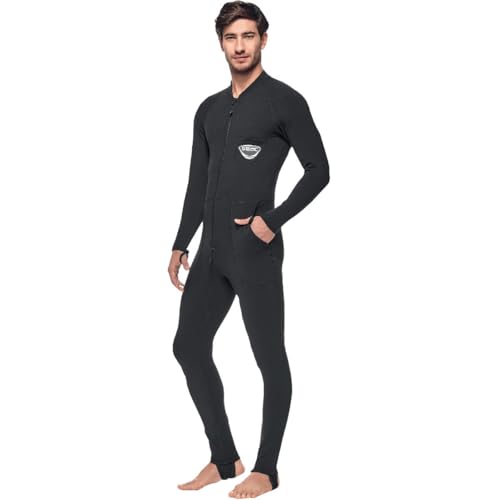
SEAC Unifleece 2-Layer Drysuit Undergarment
A lightweight, breathable undergarment designed to provide thermal protection during cold-water diving. The water-repellent outer layer and quick-access features make it practical for divers who need reliable insulation without bulk.
Pros
- Water-repellent outer layer adds practical dryness benefit over standard thermal wear
- Ankle stirrups eliminate a common frustration when layering under drysuits
- Double-ended front zipper speeds up dressing and undressing time
- Lightweight at 0.54 pounds keeps overall drysuit package minimal
- Zippered pockets offer functional storage without extra bulk
Cons
- No verified buyer reviews available to confirm real-world thermal performance and durability
- Limited color options, available only in black
- Sizing guidance not specified, may require trial to find proper fit
OMGear Full Body Dive Skin UPF 50+ Protection
Lightweight nylon-spandex rash guard offering full-body UV and marine protection for warm water activities like snorkeling and kayaking. Quick-drying with front zipper entry, though not designed for cold water immersion.
Pros
- Full-body UV and marine creature protection without thick neoprene bulk
- Front zipper makes dressing and undressing straightforward
- Stretchy, breathable material allows unrestricted movement
- Durable thin construction dries faster than traditional wetsuits
- Versatile for warm-water activities across swimming pools, lakes, and ocean
Cons
- Not suitable for cold water diving due to thin material and minimal thermal insulation
- Provides warmth but not equivalent to neoprene wetsuits
- No verified buyer reviews available to assess real-world durability and fit consistency
Lemorecn 3/2mm Neoprene Full Wetsuit
A versatile 3mm neoprene jumpsuit designed for cold water activities down to 55°F, featuring a reinforced chest panel, flatlock seams, and back zipper for easy entry. Suits multiple water sports from diving to surfing, though it carries a 4.7 rating with zero verified buyer reviews to validate real-world durability claims.
Pros
- Hybrid thickness design (3mm chest, 2mm sleeves) balances warmth and mobility
- Back zipper with durable pull rope enables easy donning and doffing
- Reinforced knee pads address high-wear areas for extended lifespan
- Lightweight construction allows quick transitions between water activities
- Compact fold design minimizes storage and travel space
Cons
- No verified buyer reviews to assess actual warmth retention or seal quality in practice
- Hand-wash only care requirement may deter users seeking minimal maintenance
- Limited to water temperatures 55°F and above; not suitable for extreme cold water diving
KastKing HydroSense Essential Rain Suit
A three-layer waterproof rain suit designed for fishing, hiking, and outdoor work with taped seams and breathable construction. The set includes a jacket with adjustable hood and multiple pockets, plus pants with hook-and-loop leg openings for boot access.
Pros
- Strong waterproof specifications (10,000mmH2O) with sealed, reinforced seams
- Three-layer construction balances protection with breathability
- Practical pocket design including waterproof zippers for gear storage
- Pants feature easy-access side zippers and adjustable leg openings
- Suitable for multiple outdoor activities from fishing to hiking
Cons
- No verified buyer reviews available to confirm real-world durability claims
- Limited size availability shown in current listing (Large, Grey only)
- Polypropylene material durability and longevity not independently confirmed
Dry Suits Buying Guide
Choosing a dry suit is more involved than picking a wetsuit.
The stakes are higher because dry suits rely on a sealed system, any weak link in the gaskets, zippers, or seams can compromise thermal protection when you need it most.
The guide below walks through the six most important factors to evaluate before committing, regardless of whether you are a recreational kayaker or a technical diver.
Suit Type and Material
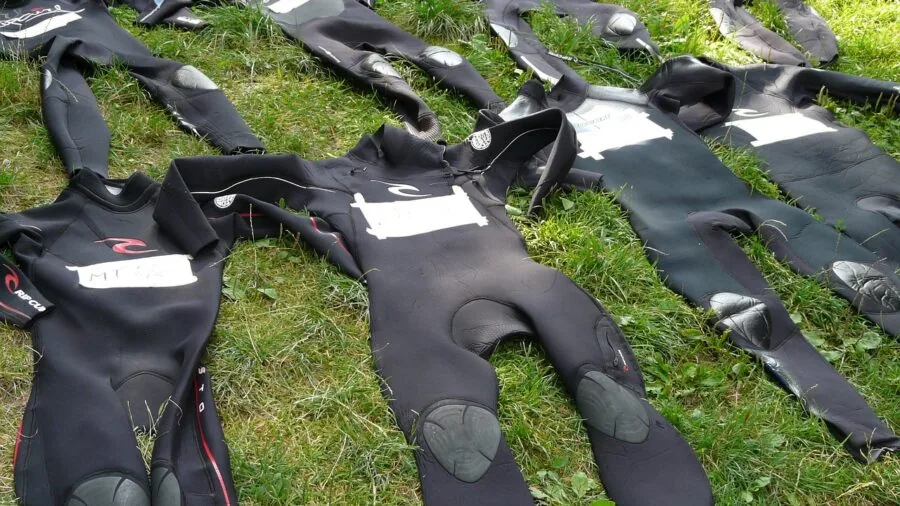
Dry suits fall into two broad material families: neoprene and membrane (shell) suits. Neoprene dry suits, like the SEAC Men’s Warmdry 4mm and the SCUBAPRO Exodry 4mm, provide inherent insulation thanks to the thickness of the rubber itself.
This makes them popular with divers in cold-to-temperate water because you need fewer undergarment layers. The tradeoff is weight and bulk, thick neoprene is physically heavy and compresses with depth, gradually reducing thermal performance.
Membrane or shell dry suits use thin, highly waterproof fabrics such as trilaminate or coated nylon. They carry almost no thermal value on their own, so they rely entirely on what you layer underneath.
For paddlers and surface water sports, this is actually an advantage: you can adjust warmth by swapping undergarments (like the SEAC Unifleece) for different conditions, and the suit itself stays compact and packable.
The Hollis Neotek represents a middle ground, a semi-dry neoprene suit that offers more stretch and mobility than a full dry suit, at a significantly lower price point.
Budget options in neoprene-style full suits (such as the Lemorecn 3/2mm or the OMGear dive skin) do not qualify as true dry suits.
They are best understood as wetsuits or surface protection layers and should not be relied on for extended cold-water immersion. Match the suit type to your actual activity depth and water temperature.
Seam and Zipper Quality

A dry suit is only as watertight as its weakest seam. Entry-level suits typically use taped or glued seams, which are adequate for surface water sports such as kayaking and rafting in calm conditions.
Higher-end diving suits use welded or blindstitched seams that withstand continuous hydrostatic pressure at depth. For any activity involving submersion or heavy surf, welded seams are strongly preferred by expert consensus.
The entry zipper style also matters significantly. Diagonal front zippers are easiest to self-don, while rear-entry configurations often require a buddy to seal correctly.
For diving dry suits, metal YKK or TIZIP zippers rated for sustained pressure are the industry standard.
Several Drryfsh models in this list include a relief zipper, an increasingly important feature for extended water sessions, though zipper durability feedback on those suits is mixed compared to the SCUBAPRO and SEAC premium tiers.
Wrist and Neck Gaskets
Latex gaskets are the traditional choice and provide an excellent watertight seal at the wrists and neck.
They require proper trimming to fit your neck circumference and do degrade over time, most manufacturers recommend replacing latex gaskets every two to three years with regular use.
Silicone gaskets are a newer alternative that many paddlers prefer: they are more comfortable against skin for long days on the water, resist UV degradation better, and are less prone to catastrophic tearing than latex.
For kayaking and paddle sports specifically, where you might wear the suit for six or more hours without removing it, silicone neck seals dramatically reduce fatigue and irritation.
If a suit comes with latex gaskets, check whether the manufacturer or aftermarket suppliers offer silicone conversion kits for that model.
The PKEDW women’s hooded dry suit integrates a neoprene hood into the collar design, which eliminates a separate seal point and simplifies the system for cold-water paddling on tandem kayaks or solo trips.
Undergarment System and Thermal Layering

A dry suit shell alone provides little warmth, especially membrane suits. Your undergarment system is what actually keeps your core temperature safe.
Fleece undergarments like the SEAC Unifleece are a popular choice because they maintain thermal loft even if a small amount of water does enter the suit. Thinsulate-filled suits add passive insulation without significant bulk.
Avoid cotton at all costs inside a dry suit: it loses all insulating value when wet and contributes to hypothermia.
The right undergarment thickness depends on water temperature. As a general rule, water below 60°F (15°C) calls for a substantial undergarment layer; water below 50°F (10°C) requires a heavy-duty combination.
Many experienced cold-water paddlers use a dedicated activity-specific base layer, a mid-layer fleece suit, and a thin outer compression layer.
When budgeting for a dry suit system, factor in undergarment cost from the start, a bare suit is only half the solution.
Fit, Mobility, and Activity Compatibility

Dry suits fit differently from wetsuits. Because you wear layers underneath, they are deliberately cut with extra room in the torso, shoulders, and hips.
A suit that feels loose when you put it on dry is often correct, once you add undergarments, the fit firms up. Avoid suits that feel tight on bare skin, as they will restrict movement badly in real use.
Mobility requirements also vary sharply by sport. Divers prioritize ankle gussets, boot socks, and hood attachments for thermal coverage at depth. Paddlers and whitewater kayakers need shoulder and arm articulation above everything else, because they are continuously rotating.
Suits designed for one activity typically underperform in the other. The Drryfsh lineup is purpose-designed for surface paddle sports and sailing, while the SCUBAPRO Exodry and SEAC Warmdry are built specifically for scuba diving use cases.
Choosing the wrong category of suit for your activity is the most common and costly mistake buyers make.
Budget, Value, and What You Actually Need

Dry suit pricing spans a genuinely enormous range in this category.
At the budget end, products like the KastKing HydroSense rain suit and the Lemorecn neoprene jumpsuit cost a fraction of true dry suits but offer fundamentally different protection levels, they are appropriate for light rain coverage or warm-water surface swimming, not cold-water immersion safety.
Mid-range paddling dry suits from Drryfsh and PKEDW occupy a meaningful middle ground: they provide real waterproof sealing for surface activities but lack the pressure-rated construction of professional dive suits.
Premium dive-grade suits from SCUBAPRO and SEAC command prices at the high end of the spectrum for good reason: their construction, gasket quality, zipper durability, and long-term repairability justify the investment for anyone diving regularly in cold water.
When comparing value, factor in the total system cost (suit plus undergarments), expected replacement cycles for gaskets and zippers, and how many seasons of use you realistically plan to get.
A mid-tier suit replaced every three years can cost more over time than a premium suit maintained over a decade.
Why You Should Trust Us
ProductFind is an independent review publication. We do not sell any of the products we cover, and we have no affiliation with the manufacturers or retailers listed in this article.
Every product in this roundup was evaluated using our consistent PF Score methodology, which rates each item on a scale of 0 to 10 based on four research pillars: detailed specifications analysis, expert review consensus from the diving, paddling, and outdoor safety communities, verified buyer feedback aggregated from confirmed purchase sources, and published performance data from credible third-party sources.
We do not conduct our own product trials; our evaluations are grounded in research, published data, expert review consensus, and verified buyer feedback.
This approach lets us assess a broad range of products systematically and without the conflicts of interest that can affect sponsored or brand-funded reviews. Our PF Score is the synthesis of all these inputs into a single, comparable number.
ProductFind may earn a commission when you purchase through links in this article. That affiliate relationship has no influence on our rankings, scores, or editorial selections. Products are ranked on merit, not on commission rate.
Final Thoughts
After evaluating the full range of dry suits in this roundup, from lightweight kayaking shells to professional neoprene dive suits, a few standout picks are worth calling out by use case.
Whether you are prioritizing diving performance, paddling versatility, or maximum value, there is a well-matched option in this list.
- Best Overall: SCUBAPRO Exodry 4mm Men’s Diving Drysuit, earns the top PF Score in this roundup thanks to its professional-grade 4mm neoprene construction, pressure-rated zipper system, and strong consensus across expert diving reviewers. It is the benchmark against which other cold-water dive suits in this category are measured.
- Best for Cold-Water Diving: SEAC Men’s Warmdry 4mm Neoprene Dry Suit, a close runner-up overall and an excellent dive-specific choice, with inherent neoprene insulation and a construction standard trusted by European cold-water divers. Ideal for those who want a well-proven alternative to the SCUBAPRO at a comparable performance tier.
- Best Mid-Range Pick: Hollis Neotek Semi-Drysuit, offers genuine waterproof performance at a substantially lower price than full dry suits, making it the most accessible entry point for recreational divers and snorkelers transitioning to colder water.
- Best for Women’s Cold-Water Paddling: PKEDW Women’s Hooded Dry Suit, designed specifically for kayaking and whitewater use with a built-in neoprene hood, verified buyer feedback highlights its comfort over long days on the water. A smart choice for anyone looking for a paddling suit with integrated head coverage.
- Best Insulating Undergarment: SEAC Unifleece Insulating Undergarment, not a dry suit itself, but an essential complement to any membrane dry suit system. Rated highly for warmth-to-bulk ratio and compatibility with the SEAC suit ecosystem.
For most recreational paddlers, a mid-range paddling dry suit paired with a quality fleece undergarment covers the majority of cold-water scenarios.
Serious divers should not compromise on suit class, the gap in protection between a paddling shell and a pressure-rated dive suit is significant and not worth bridging with budget choices.
Whatever your activity, prioritize gasket quality and seam construction over brand name alone.
Frequently Asked Questions
What is the difference between a dry suit and a wetsuit?
A wetsuit allows a thin layer of water to enter and traps it against your skin, where your body heats it. A dry suit seals out water entirely using watertight gaskets at the wrists and neck and a waterproof zipper.
Because no water contacts your skin, you stay dry and layer thermal undergarments inside the suit.
Dry suits are significantly warmer in cold water and allow much greater flexibility in layering for different temperatures, but they are also more expensive and require more maintenance than wetsuits.
Can I use a paddling dry suit for scuba diving?
Generally, no. Paddling dry suits are engineered for surface pressure environments. Their zippers, seams, and inflator valve (if present) are not pressure-rated for the hydrostatic load encountered at diving depths.
A suit that seals perfectly on the surface can fail at depth. Conversely, a dive dry suit on the surface is perfectly safe but may feel bulky and limit the arm rotation needed for paddling.
Always use a suit that matches your primary activity type.
How do I take care of and maintain a dry suit?
Rinse the suit thoroughly with fresh water after every use, paying particular attention to the zipper. Lubricate the zipper with the manufacturer-recommended wax or silicone lubricant (never petroleum-based products).
Store the suit hanging vertically or loosely rolled, away from UV light and heat. Inspect latex gaskets regularly for cracking or tears and replace them every two to three years, or sooner if damage appears.
Keep the zipper fully closed during storage to maintain its shape. Following these steps significantly extends suit lifespan, which is especially important given the investment involved in a quality diving dry suit.
Are budget dry suits safe for cold-water use?
Budget price tags do not automatically mean unsafe, but they demand extra scrutiny.
Products categorized as rain suits (like the KastKing HydroSense) or thin neoprene full suits (like the Lemorecn or OMGear options in this roundup) are not genuine dry suits and should not be used as primary thermal protection in cold-water immersion scenarios.
Mid-range paddling suits from brands like Drryfsh and PKEDW can provide meaningful waterproof protection for surface activities in moderate conditions, but verified buyer feedback on long-term durability is more mixed than for premium brands.
If your safety depends on the suit, for example, in remote cold-water paddling or offshore sailing, investing in a suit from the upper tier of this list is the responsible choice.
What should I wear underneath a dry suit?
The right underlayer depends on water temperature and activity duration. For mild cold water, a lightweight moisture-wicking base layer and a thin fleece mid-layer provide adequate warmth.
For very cold water, a dedicated dry suit undersuit with Thinsulate or heavy fleece construction is necessary.
A standalone undergarment like the layering approach common in cold-weather outdoor gear applies here: base layer for moisture management, mid-layer for insulation, and the dry suit shell as the waterproof barrier.
Avoid cotton at every layer, it absorbs water and accelerates heat loss. For diving, neoprene undergarments are commonly used in the coldest conditions, as they retain some insulating value even under compression at depth.
How do I know what size dry suit to order?
Dry suit sizing runs deliberately larger than street clothing to accommodate undergarments. Most manufacturers provide detailed measurement guides covering chest, waist, hips, inseam, and sometimes arm length.
Measure yourself in the undergarments you plan to wear inside the suit, not bare skin. If you fall between sizes, sizing up is almost always the correct choice for mobility.
Many verified buyers note that suits that feel loose on bare skin fit correctly once underlayers are added. Check each brand’s specific size chart carefully, as sizing conventions differ between European dive brands like SEAC and US-market paddling brands.
About the author
Olivia is a reviewer and writer for ProductFind who specializes in Water Sports. Olivia evaluates products through independent research: specifications, expert review consensus, and verified buyer feedback, and rates each one on the PF Score. Olivia focuses on helping readers pick the right water sport for their needs and budget.