The 10 Best Diving Masks
Fit matters more than any spec on a diving mask. Our research across expert consensus and verified buyer feedback surfaces the top options for snorkeling, scuba, and freediving.
 By Olivia Shelton
Updated July 23, 2026
By Olivia Shelton
Updated July 23, 2026
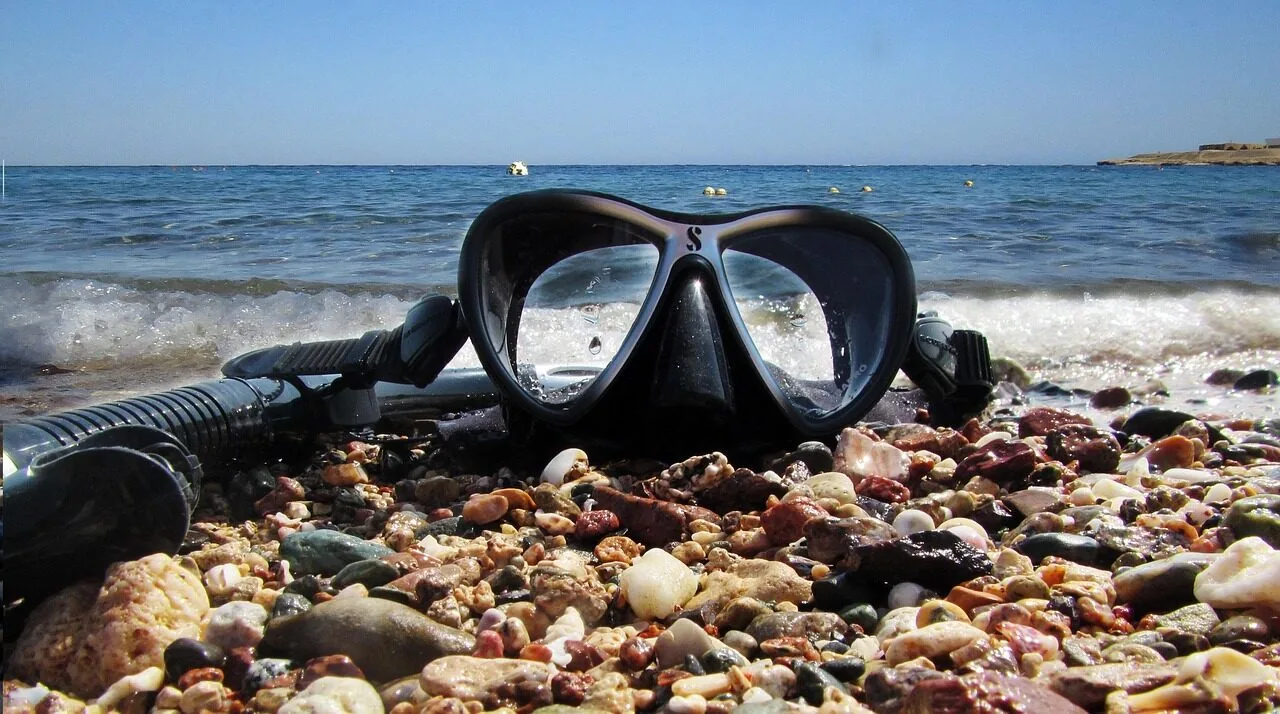
A well-fitted diving mask is arguably the single most important piece of gear a diver owns. Unlike a wetsuit or fins, a mask that leaks, fogs, or presses uncomfortably against your face cannot be compensated for mid-dive.
Whether you are a first-time snorkeler or a seasoned scuba diver logging dives in open ocean, the right mask transforms your time underwater from a constant battle with your equipment into an uninterrupted view of the reef.
Brands such as SCUBAPRO, Cressi, and SeaDive have spent decades refining silicone skirt geometry, tempered glass optics, and frame ergonomics so that masks seal reliably across a wide range of face shapes without creating pressure headaches on long dives.
At ProductFind, we sifted through manufacturer specifications, expert review consensus from the diving community, and verified buyer feedback to identify the diving masks that consistently deliver comfort, a clear field of view, and a reliable seal.
Our evaluation spans entry-level options for casual snorkeling all the way to premium dual-lens scuba masks built for repeated deep dives.
If you are outfitting yourself for an upcoming trip or upgrading from a rental, the picks below represent the range of price points and use cases most divers will ever need.
| Award | Product | PF Score About PF ScoreThe PF Score is our own rating from 0 to 10, based on performance, design and build, ease of use, and value. It reflects independent research and is never influenced by manufacturers, retailers, or affiliate commissions. Learn more › | Price | |
|---|---|---|---|---|
| Best Overall |
 CRESSI Pano 3 Panoramic Diving Mask
|
8.4/10 | Buy | |
| Editor's Pick |
 SCUBAPRO Spectra Mirrored Dual Lens Diving Mask
|
8.1/10 | Buy | |
| Best Value |
 Cressi Liberty Triside 3-Lens Diving Mask
|
7.8/10 | Buy | |
| Top Rated |
 SeaDive Eagleye RayBlocker HD Single-Lens Diving Mask
|
7.4/10 | Buy | |
 SeaDive SuperView-HD Black Silicone Diving Mask
|
7.3/10 | Buy | ||
 SCUBAPRO Solo Single-Lens Scuba Mask
|
7.2/10 | Buy | ||
 Scuba Prime Pano 3 180° Dive Mask with Dry-Top Snorkel
|
7.1/10 | Buy | ||
 EXP VISION Panoramic 3-Lens Snorkel Mask
|
6.8/10 | Buy | ||
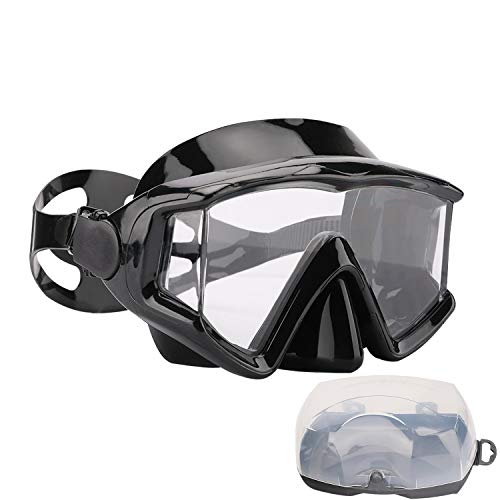 AQUA A DIVE SPORTS Adult Diving Mask 180° Field of View
|
6.2/10 | Buy | ||
 Water Space Diving Mask - 180° Panoramic HD Vision
|
5.8/10 | Buy |
CRESSI Pano 3 Panoramic Diving Mask
A three-lens panoramic mask designed for both scuba diving and snorkeling, offering wide peripheral vision without bulky weight. The soft silicone skirt and ratcheting straps accommodate different face shapes, though the one-size approach may not fit everyone equally well.
Pros
- Three-lens panoramic design provides excellent peripheral vision for situational awareness underwater
- Lightweight polycarbonate frame reduces fatigue during extended diving sessions
- Soft silicone skirt adapts to various face shapes for a more comfortable fit
- Fast-adjust ratcheting buckles allow quick strap adjustments without removing the mask
- Accessible nose pocket simplifies equalization procedures
Cons
- One-size-only design may not achieve optimal fit or seal for all face types
- No verified buyer reviews available to confirm real-world performance claims
- Limited information on anti-fog coating or lens clarity specifications
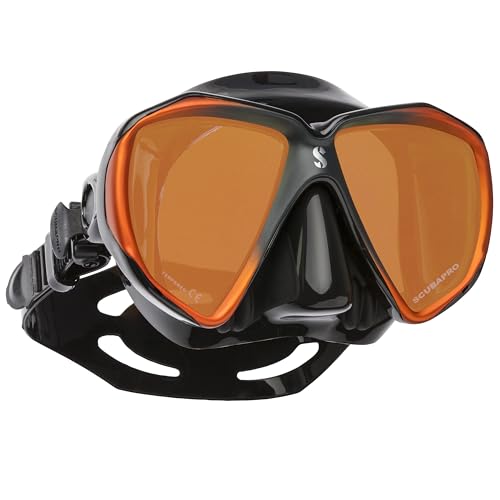
SCUBAPRO Spectra Mirrored Dual Lens Diving Mask
SCUBAPRO's Spectra offers a wide, glare-free underwater view with its mirrored dual lens design and comfortable double-sealed silicone skirt. The tempered glass lenses and adjustable pushbutton buckles make it suitable for various face shapes, though it's sized as one-size-fits-all.
Pros
- Mirrored lens design minimizes glare and improves visibility underwater
- Double-sealed silicone skirt provides comfort across different face geometries
- Tempered glass construction ensures lens durability and optical clarity
- Adjustable buckles allow fine-tuning of fit without tools
Cons
- One-size-fits-all design may not accommodate extreme face dimensions
- No verified buyer reviews available to assess real-world performance and seal reliability
- EZ Equalize nose pocket feature not detailed in specifications
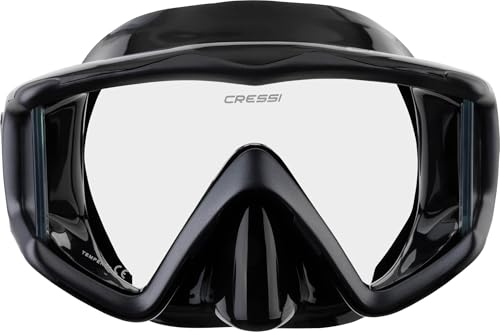
Cressi Liberty Triside 3-Lens Diving Mask
A low-volume three-window mask designed for both scuba diving and snorkeling, built with tempered glass and 100% silicone construction. The push-button buckles and accessible nose pocket make adjustments and equalization straightforward.
Pros
- Three-lens design provides extended peripheral vision
- Silicone construction offers durability and comfort
- Push-button buckles allow one-handed strap adjustments
- Low-volume design reduces air consumption and ease of clearing
- Accessible nose pocket specifically designed for equalization
Cons
- No verified buyer reviews available to confirm real-world durability claims
- Three-window configuration may require more maintenance and cleaning than single-lens alternatives
- Limited information on compatibility with different face shapes despite silicone flexibility claims
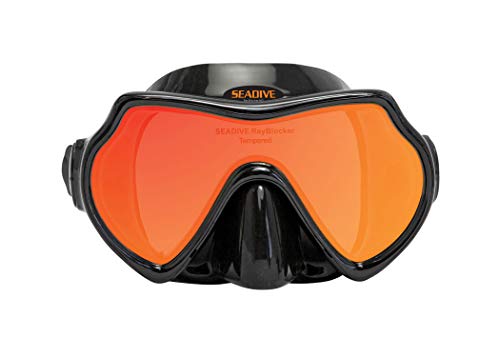
SeaDive Eagleye RayBlocker HD Single-Lens Diving Mask
SeaDive's popular single-lens diving mask prioritizes wide visibility with a fog-resistant coating and integrated purge valve for water clearing. Best suited for recreational divers seeking an unobstructed view without compromising drainage.
Pros
- Single lens design delivers an unobstructed, wide field of view underwater
- Fog-resistant coating reduces visibility issues during dives
- Purge valve allows easy water clearing without removing the mask
- Lightweight at 0.1 pounds for minimal drag
- Includes protective plastic storage box with lid
Cons
- No verified customer reviews available to assess real-world durability or fit consistency
- Single lens design may not suit divers preferring dual-lens masks for aesthetic or optical reasons
- Limited information on strap adjustment range or comfort for extended wear
SeaDive SuperView-HD Black Silicone Diving Mask
This diving mask features SeeSharp HD lenses that sharpen underwater clarity while filtering UV and glare, transforming harsh white light to calming blue to reduce eye strain. Best suited for recreational divers seeking improved visibility and comfort during longer underwater sessions.
Pros
- HD lens clarity improves underwater visibility and edge definition
- Blue light filter reduces fatigue during longer diving sessions
- Comes with protective storage box for transport
- Lightweight construction minimizes facial pressure
Cons
- No verified buyer reviews available to assess real-world performance
- Lens color (orange tint) may take adjustment for first-time users
- Limited sizing information provided for proper fit verification
SCUBAPRO Solo Single-Lens Scuba Mask
A lightweight, frameless diving mask with a panoramic single lens and double-sealed silicone skirt designed for recreational scuba and travel. The low-volume design and adjustable strap provide a comfortable fit across different face shapes, making it a practical choice for divers seeking clear visibility and reliable water sealing.
Pros
- Expansive field of view from single panoramic lens design
- Double-sealed silicone skirt creates reliable watertight seal
- Adjustable buckles and nonslip strap accommodate different head sizes and preferences
- Compact and portable, weighing under half a pound with included case
- Straightforward design minimizes maintenance requirements
Cons
- No verified buyer reviews available to assess real-world durability and fit consistency
- Single-lens design may not appeal to divers preferring traditional dual-lens masks
- One-size-fits-all approach may not suit all facial geometry despite adjustable components
Scuba Prime Pano 3 180° Dive Mask with Dry-Top Snorkel
A three-lens panoramic dive mask offering 180-degree visibility with tempered glass construction rated to 40 meters depth. Includes a foldable dry-top snorkel and dual-layer silicone seal designed for teens and adults, weighing just over a pound for travel.
Pros
- Wider field of view than single-lens masks, beneficial for reef and underwater photography
- Tempered glass construction maintains clarity over multiple seasons in saltwater
- Dual-layer silicone seal reduces leaks and discomfort during extended dives
- Dry-top snorkel with float valve included, eliminating need for separate purchase
- Compact and lightweight enough to pack in carry-on luggage
Cons
- No verified buyer reviews available to confirm real-world durability claims
- Three-lens design may appeal to experienced divers more than beginners
- Dual-layer silicone skirt requires proper fit confirmation, which varies by individual facial structure
EXP VISION Panoramic 3-Lens Snorkel Mask
A budget-friendly diving mask featuring a 180-degree panoramic view with tempered glass lenses and anti-fog coating. Best suited for casual snorkelers and swimmers seeking wider visibility without premium pricing.
Pros
- Wide panoramic field of view captures more underwater scenery compared to standard single-lens masks
- Tempered glass construction offers scratch and impact resistance for durability
- Universal sizing with adjustable silicone straps fits most face types
- Anti-fog coating on lenses maintains clarity during water activities
Cons
- Tempered glass lenses are fragile and can shatter if dropped or subjected to water impact, limiting carefree handling
- No verified buyer reviews available yet, so real-world durability and seal performance remain unconfirmed
- Not suitable for forceful water entry or diving from heights due to pressure sensitivity
AQUA A DIVE SPORTS Adult Diving Mask 180° Field of View
Wide-angle diving mask with anti-fog polycarbonate lenses and soft silicone skirt designed for comfortable underwater viewing. Best suited for recreational snorkeling and scuba diving where field of vision and seal comfort are priorities.
Pros
- Exceptionally wide 180-degree field of view compared to standard masks
- Durable polycarbonate lenses with anti-fog coating and superior impact resistance over tempered glass
- Soft food-grade silicone construction with double-layer seal minimizes discomfort and water entry
- Convenient one-handed adjustment system fits various head shapes
Cons
- No verified customer reviews available to assess real-world durability or fit consistency
- 4.7 rating lacks context without review volume to validate claims
- Limited information on anti-fog coating longevity or maintenance requirements
Water Space Diving Mask - 180° Panoramic HD Vision
This single-lens diving mask delivers a wide 180-degree field of view through tempered glass with anti-fog coating, sealed by food-grade silicone for leak prevention. Best suited for recreational snorkelers and casual divers seeking clear underwater visibility across multiple water sports.
Pros
- Ultra-wide field of vision through single oval lens design
- Anti-fog coating with easy wipe restoration when needed
- Dual waterproof seals using soft, skin-friendly silicone
- Adjustable straps allow mid-dive tension changes
- Thickened tempered glass for durability under water pressure
Cons
- No verified buyer reviews available to confirm real-world performance
- Single-lens design may not suit users preferring dual-lens masks
- Anti-fog effectiveness not independently verified beyond manufacturer claims
Diving Masks Buying Guide
Choosing a diving mask online is harder than choosing almost any other piece of water sports gear because fit is deeply personal and cannot be fully assessed from a product page.
That said, understanding the key variables narrows the field considerably and helps you avoid common pitfalls like purchasing a wide-frame panoramic mask for a narrow face, or choosing a high-volume mask for freediving where equalizing every milliliter of air space matters.
The criteria below reflect what divers and equipment reviewers consistently identify as the factors that separate a mask you will love from one that ends up in a dive bag pocket never to be used again.
If you already own a tandem kayak for surface paddling, pairing it with a reliable diving mask opens up a whole new dimension of water exploration at anchor or in calm bays.
Fit and Skirt Design
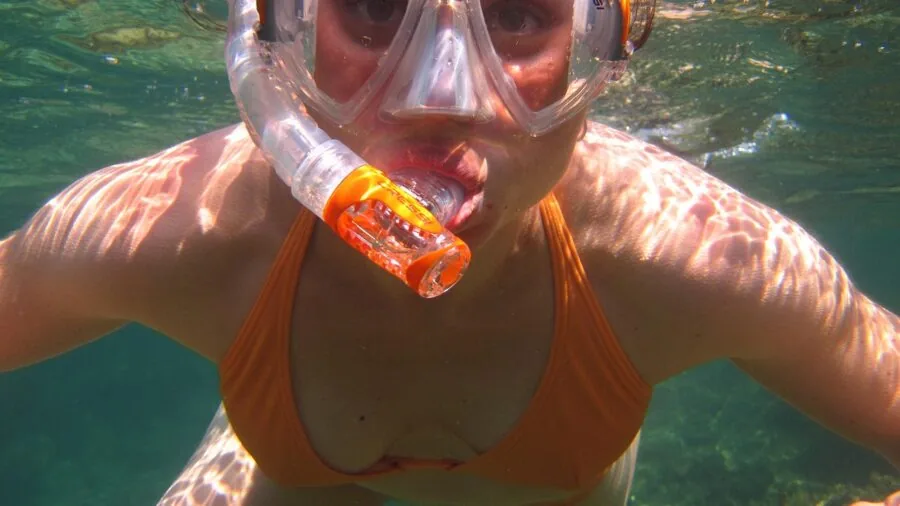
Fit is not a preference, it is a requirement. A mask that does not seal against your face will leak continuously regardless of how well you adjust the strap, and no amount of defog solution fixes a structural seal failure.
The silicone skirt is the component doing the real work here. High-quality masks use medical-grade or food-grade silicone that is both soft enough to conform to facial contours and resilient enough to hold its shape across hundreds of dives.
Clear silicone transmits more ambient light and feels less claustrophobic; black silicone reduces glare in bright tropical conditions, which is why experienced divers in sunny environments often prefer it.
Dual-layer or double-feathered skirt edges create a more refined contact surface than a single-edge skirt, resulting in a softer seal that is less likely to leave pressure marks after a long session.
To do a basic fit check at home, hold the mask to your face without using the strap, inhale gently through your nose, and release. The mask should stay in place for several seconds.
If it falls immediately, the skirt geometry does not match your facial profile. Divers with prominent cheekbones, narrower faces, or facial hair may need to audition several skirt profiles before finding the right match.
Nose pocket volume and shape also affect fit indirectly. A bulkier nose pocket may press against the upper lip on divers with flatter facial geometry, creating a gap at the bottom of the skirt.
Low-profile nose pockets found on frameless and semi-frameless designs often solve this problem while also reducing overall internal volume, which benefits freediving.
Lens Configuration and Field of View
The number and arrangement of lenses defines your field of view and the internal volume of the mask.
Single-lens masks offer a wide, uninterrupted horizontal view and are visually simple, but they cannot be fitted with prescription corrective lenses as easily as dual-lens designs.
Dual-lens masks place a lens in front of each eye and allow individual prescription lenses or stick-on corrective diopters to be inserted, making them the standard choice for divers who wear glasses.
Three-window designs like those used by Cressi add small side panels that extend peripheral vision without dramatically increasing internal volume.
Tempered glass is the standard for any mask used in scuba diving or freediving. Tempered glass resists shattering under pressure, is scratch-resistant, and optically superior to polycarbonate for underwater use.
Budget masks often use plastic or mineral glass lenses that can fog aggressively, distort colors, and degrade faster when exposed to salt water and UV.
For occasional snorkeling in calm conditions a polycarbonate lens may be acceptable, but for scuba or freediving tempered glass is non-negotiable.
Mirrored and tinted lenses, such as the bronze-mirrored lens on the SCUBAPRO Spectra, serve a practical function beyond aesthetics. They reduce glare in high-visibility, shallow-water environments and can enhance contrast underwater by filtering out green-blue spectrum scatter.
Photochromic or HD lenses take this further by boosting color rendition at depth, where warm hues are typically absorbed by the water column.
For recreational divers staying above 20 meters, the visual difference is meaningful; for deeper technical dives, lens tint matters less because ambient light is already limited.
Internal Volume and Clearing Ease
Internal volume refers to the amount of air space inside the mask between your face and the lenses.
Lower internal volume means less air to equalize as you descend, which is a significant advantage for freedivers and spearfishers who must equalize every drop of air space to prevent mask squeeze.
For scuba divers, low volume also means less air is needed to clear the mask if water enters, which is a practical safety consideration.
High-volume masks with panoramic three-window designs offer an expansive visual experience that many recreational divers prefer, but they require more air to clear and equalize.
Mask clearing technique, where you tilt your head back, press the top of the frame, and exhale through your nose to push water out, is easier when the mask has a well-positioned purge valve or a frame designed to channel water downward.
Some masks include a nose purge valve below the nose pocket that allows water to drain passively with minimal effort.
Experienced divers often have mixed opinions on purge valves, noting that they add a potential leak point, but for beginners or divers who flood their masks frequently they can reduce stress significantly.
Strap and Buckle System
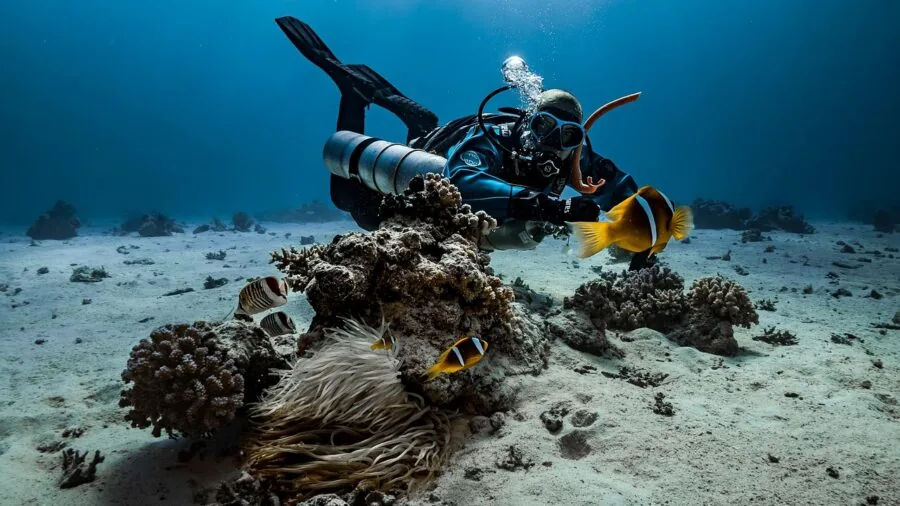
Strap systems are frequently overlooked but contribute meaningfully to long-term comfort and fit.
Wide silicone split straps distribute pressure across the back of the head more evenly than narrow single straps and reduce the tendency to tighten the strap excessively to compensate for a poor seal.
Over-tightening is one of the most common mask mistakes: it distorts the skirt, breaks the seal rather than improving it, and causes headaches on longer dives.
Buckle design determines how easily you can make micro-adjustments while already in the water. Swivel buckles that allow multi-directional strap adjustment are significantly easier to manage with gloves or cold hands than rigid single-direction buckles.
Quick-release side-entry buckles simplify donning and removal over a wetsuit hood.
On budget masks at the lower end of the price range, plastic buckles may become brittle after repeated UV and salt exposure, so inspecting strap hardware before each season is good practice.
Anti-Fog Performance and Lens Treatments
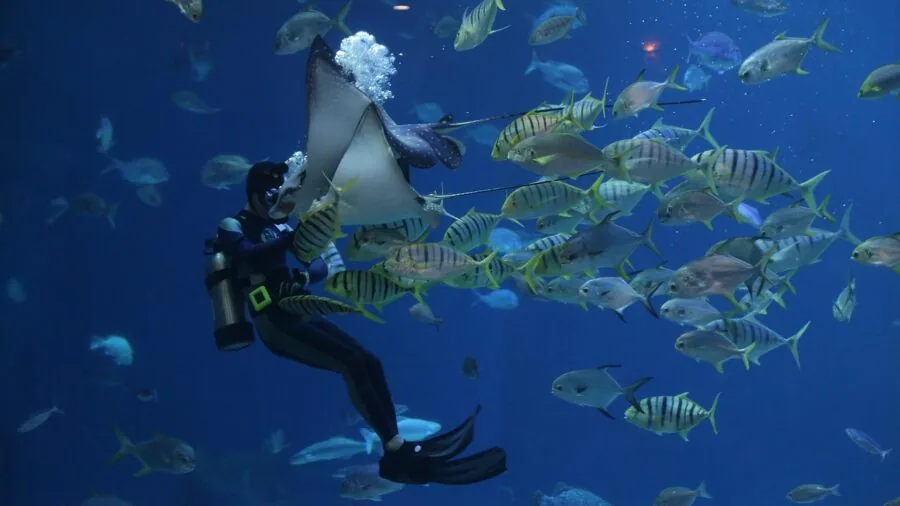
Fogging is the most common complaint divers have about otherwise functional masks, and it almost always has a fixable cause. New masks from the factory have a silicone residue on the lens surface that promotes fogging.
The standard remedy is to apply non-gel toothpaste to the lens, leave it for several hours or overnight, and rinse thoroughly. Repeating this two to three times on a new mask dramatically reduces chronic fogging.
Some manufacturers apply a proprietary anti-fog coating during production, which shortens the break-in period but degrades over time if the lens is scrubbed aggressively.
For ongoing use, a small amount of commercial defog solution or baby shampoo diluted heavily with water applied to the inside of the lens and rinsed lightly before each dive is standard practice.
Spitting on the lens and rinsing remains the most field-practical approach on live-aboard trips where defog supplies run low.
The key insight from buyer feedback is that expensive lenses on poorly maintained masks fog as badly as budget lenses, while inexpensive masks that are properly prepped often perform well. Lens treatment is a habit, not just a specification.
Durability and Long-Term Value
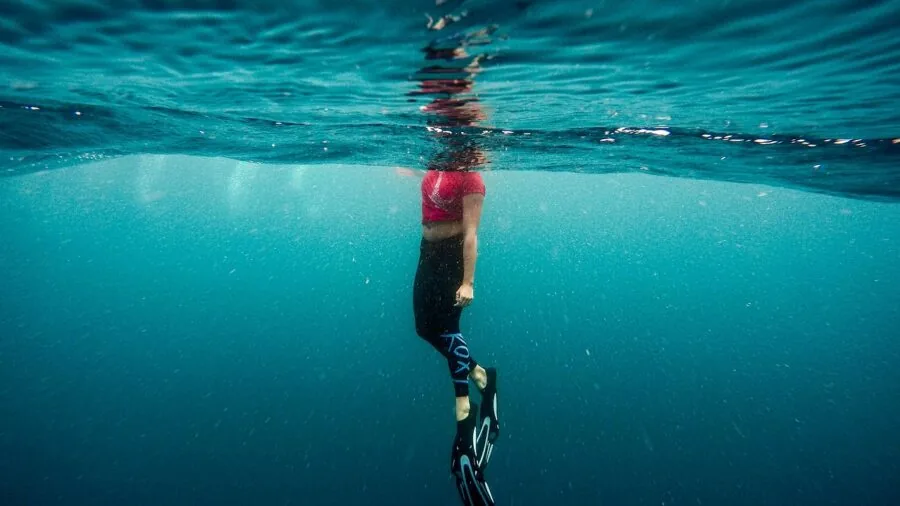
Diving masks are exposed to some of the harshest environmental conditions any consumer product faces: salt water, UV radiation, chlorine, temperature cycling from warm tropical surface water to cold deep water, and compression.
Silicone skirts on quality masks resist UV degradation significantly better than rubber, which hardens and cracks within a few seasons of regular use.
Storing a mask in its protective case away from direct sunlight and rinsing it thoroughly with fresh water after every dive extends lifespan meaningfully regardless of price tier.
Frame materials range from polycarbonate on entry-level masks to nylon-reinforced composites on professional-grade designs.
The frame’s primary function is to hold the lens in place and maintain shape under pressure, so flex or warping in the frame under repeated compression is a red flag.
Verified buyers on premium masks from SCUBAPRO and SeaDive consistently report five or more years of regular diving before skirt or buckle replacement is needed, which reframes the value calculation on higher-priced options.
A mask that lasts eight years at a premium price point may cost less per dive than a budget mask replaced every two seasons.
Why You Should Trust Us
ProductFind is an independent review publication. We do not sell products, accept manufacturer samples in exchange for favorable coverage, or allow commercial relationships to influence editorial decisions.
Every mask on this list was evaluated through a structured research process that draws on published manufacturer specifications, expert review consensus from the diving community, and verified buyer feedback from confirmed purchasers.
We do not conduct our own product trials; our evaluations are grounded in research, published data, expert review consensus, and verified buyer feedback.
Each product is scored on our 0 to 10 PF Score scale using a consistent set of criteria applied across the entire category, including fit versatility, lens quality, field of view, skirt seal performance, strap and buckle ergonomics, anti-fog characteristics, and long-term durability relative to price.
Scoring is calibrated so that a 7.0 or above represents a genuinely solid product with no major weaknesses, while scores approaching 8.5 and above reflect products that meaningfully outperform the competition on multiple criteria simultaneously.
Products are ranked by PF Score from highest to lowest.
ProductFind may earn a commission when you purchase through links on this page. That affiliate relationship has no influence on which products are selected, how they are scored, or where they appear in our rankings.
Our editorial independence is the foundation of the trust readers place in us, and we protect it accordingly.
Final Thoughts
The diving masks evaluated for this roundup span a wide range of price points, use cases, and face geometries.
Whether you are picking up your first mask for a snorkeling trip or replacing a worn-out scuba setup before a liveaboard, there is a clear match among these picks.
Here is how we assign standout recognition based on PF Score and confirmed strengths:
- Best Overall: CRESSI Pano 3, Black/Blue earns the top spot with the highest PF Score in this roundup. It delivers a genuine three-window panoramic view at a budget-friendly price, backed by Cressi’s decades of mask engineering and consistently strong feedback from recreational divers across experience levels.
- Best Premium Pick: SCUBAPRO Spectra Scuba Mask is the choice for divers who want professional-grade optics with a bronze-mirrored dual lens, an EZ Equalize nose pocket for easy pressure equalization, and SCUBAPRO’s reputation for long-haul durability in demanding conditions.
- Best Mid-Range Option: Cressi Liberty Triside 3-Lens Mask hits the sweet spot between field of view and price. The three side-window design expands peripheral vision meaningfully compared to standard dual-lens masks, and verified buyers consistently praise its comfortable skirt seal across a range of face shapes.
- Best for Prescription Lens Compatibility: SeaDive Eagleye RayBlocker HD Mask with Purge is the top choice for divers who need corrective lenses. The HD lens coating, integrated purge valve, and SeaDive’s RayBlocker UV-filtering technology make it a technically capable option for divers with specific visual requirements.
- Best Budget Entry Point: EXP VISION Adult Pano 3 Window Scuba Diving Mask offers tempered glass optics and a panoramic three-window frame at an entry-level price that is hard to argue with for casual snorkelers or first-time buyers who want to try the sport before committing to premium gear.
No single mask is universally perfect because fit determines function more than any specification. If a mask does not seal on your face, a higher PF Score does not help.
Order from a retailer with a generous return window, try the fit check at home, and prioritize the skirt geometry that matches your face shape above all else.
The right mask from this list will serve you well for years of dives to come.
Frequently Asked Questions
How do I know if a diving mask fits my face correctly?
Place the mask against your face without using the strap and inhale gently through your nose. The mask should stay in place and hold suction for several seconds.
If it falls or you feel air rushing in around the skirt edge, the frame geometry does not suit your face shape.
Divers with facial hair, high cheekbones, or narrower faces may need to audition multiple skirt profiles before finding a reliable seal.
Once a mask passes the suction check, wear it for a few minutes to assess pressure points around the nose bridge and temples.
Why does my new diving mask fog so badly?
New masks have a factory silicone residue on the inside of the lens that promotes fogging. The standard fix is to apply a small amount of non-gel toothpaste to the lens interior, leave it for several hours, and rinse thoroughly.
Repeat this two to three times before your first dive. After that, apply commercial defog solution or diluted baby shampoo before each dive.
Aggressive scrubbing with abrasive cloths removes anti-fog coatings and makes the problem worse over time, so handle the lens surface gently during cleaning.
What is the difference between a low-volume and a high-volume diving mask?
Low-volume masks have less air space between your face and the lens.
This means less air is needed to equalize the mask as you descend and less air is needed to clear it if water enters, making them popular with freedivers and spearfishers who want to conserve breath.
High-volume masks, including most panoramic three-window designs, offer a wider field of view and a more open, less confined feeling that many recreational scuba divers prefer.
For scuba diving with a tank where air supply is not the primary constraint, the difference in clearing effort is manageable and field of view may be the more important factor.
Can I use a diving mask for both snorkeling and scuba diving?
Yes, any mask with tempered glass lenses rated for scuba use is equally appropriate for snorkeling.
The distinction matters in reverse: masks sold specifically for snorkeling or swim goggles may use polycarbonate or mineral glass lenses not rated for the pressure changes of scuba diving and should not be used below the surface.
If you plan to do both activities, buy to the higher standard. A scuba-rated mask with a tempered glass lens performs well at the surface during snorkeling and handles depth without issue.
How long should a quality diving mask last?
With proper care, a quality silicone-skirted mask from a reputable brand can last five to ten years of regular diving.
The most common failure points are the silicone skirt, which can harden or tear, and the strap buckles, which can become brittle from UV exposure.
Rinsing the mask with fresh water after every use, storing it in a protective case away from direct sunlight, and avoiding contact with sunscreen and petroleum-based products extends lifespan significantly.
Replacement skirts and straps are available for most professional-grade models, making them repairable rather than disposable.
Is it worth buying an expensive diving mask or is a budget option good enough?
It depends on how frequently you dive and in what conditions. For occasional snorkeling on vacation, an entry-level mask with tempered glass and a decent silicone skirt is perfectly adequate.
For regular scuba diving, the cumulative comfort benefit of a better-fitting skirt, higher-quality optics, and more reliable buckle hardware adds up across dozens of dives.
Verified buyers of premium masks consistently report fewer headaches, fewer leaks, and longer service life, which over several years of diving can represent better value than replacing a budget mask every season or two.
Think of it the same way you would approach buying gear built for regular use: the upfront cost spreads across a much longer useful life.
About the author
Olivia is a reviewer and writer for ProductFind who specializes in Water Sports. Olivia evaluates products through independent research: specifications, expert review consensus, and verified buyer feedback, and rates each one on the PF Score. Olivia focuses on helping readers pick the right water sport for their needs and budget.