The 12 Best Reptile Substrates
Substrate affects humidity, burrowing behavior, odor, and your reptile's long-term health. Here are the strongest picks across desert, tropical, and bioactive setups.
 By Darryl Burns
Updated July 23, 2026
By Darryl Burns
Updated July 23, 2026
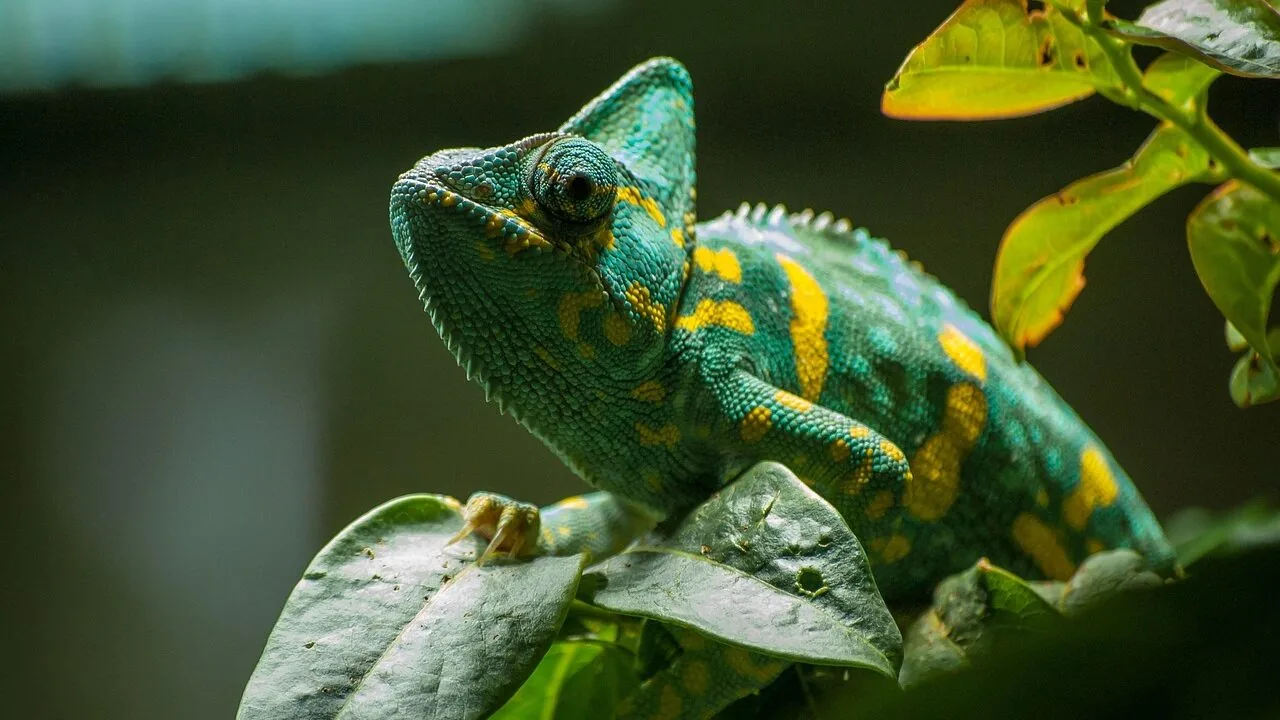
The substrate lining your reptile’s enclosure is far more than a decorative layer. It regulates humidity, supports burrowing instincts, controls odor, and in some cases can directly harm your animal if chosen incorrectly.
Impaction from loose particulates, respiratory irritation from dusty materials, and stress from an environment that doesn’t match a reptile’s natural habitat are all real consequences of a poor substrate choice.
Whether you keep a ball python, a bearded dragon, a leopard gecko, or a tropical tree frog, matching the substrate to your species’ native conditions is one of the highest-impact husbandry decisions you will make.
ProductFind researched every substrate type across this list by synthesizing manufacturer specifications, expert herpetology community consensus, and verified buyer feedback from thousands of confirmed purchases.
Our evaluation covers moisture retention, impaction risk, odor control, ease of maintenance, and suitability for specific species groups. The picks below represent the strongest options across budget tiers and habitat types, from arid desert setups to lush bioactive tropical enclosures.
Read on to find the right match for your setup, or jump straight into our ranked picks below.
| Award | Product | PF Score About PF ScoreThe PF Score is our own rating from 0 to 10, based on performance, design and build, ease of use, and value. It reflects independent research and is never influenced by manufacturers, retailers, or affiliate commissions. Learn more › | Price | |
|---|---|---|---|---|
| Best Overall |
 Jurassic Natural 20lb Desert Dragon Substrate
|
8.6/10 | Buy | |
| Editor's Pick |
 Exo Terra Bioactive Volcanic Substrate, 8.8 lb
|
8.5/10 | Buy | |
| Best Value |
 Zoo Med Reptile Bark Fir Bedding, 8 Quarts
|
8.2/10 | Buy | |
| Top Rated |
 Riare 10LB Coconut Chip Substrate, 72 Quart
|
7.8/10 | Buy | |
 Legigo 10LB Coconut Chip Substrate for Reptiles
|
7.8/10 | Buy | ||
 Sukh Sphagnum Moss 5oz for Reptiles
|
5.1/10 | Buy | ||
 Riare 2-Pack Coconut Fiber Substrate Bricks
|
7.6/10 | Buy | ||
 Halatool 10LB Coconut Husk Substrate for Reptiles
|
7.5/10 | Buy | ||
 Exo Terra Coco Husk Brick 8-Quart Substrate
|
7.5/10 | Buy | ||
 Zilla Coconut Husk Brick for Reptiles
|
7.4/10 | Buy | ||
 ZeeDix 2-Pack Coconut Coir Brick Substrate
|
7.3/10 | Buy | ||
 Zoo Med Creatures Creature Soil 1 Qt
|
6.8/10 | Buy |
Jurassic Natural 20lb Desert Dragon Substrate
Red desert substrate sourced from Central Australia, specifically formulated for bearded dragons and arid-climate reptiles. Features natural heat retention and promotes species-appropriate behaviors in captive environments.
Pros
- Authentically sourced substrate that mirrors natural habitat conditions
- Promotes natural instincts and ancestral behaviors in captive dragons
- Excellent heat retention properties aid in temperature management
- Generous 20lb quantity covers substantial enclosure setups
- Ethically collected rather than mined or chemically processed
Cons
- No verified buyer reviews available to assess real-world performance or dust levels
- Rating of 4.8 with zero reviews raises questions about authenticity of rating
- Product specificity to bearded dragons limits use for other reptile species
Exo Terra Bioactive Volcanic Substrate, 8.8 lb
A volcanic bioactive substrate designed for planted terrariums that manages moisture levels while controlling ammonia and odors. Best suited for keepers building active ecosystems with live plants and reptiles.
Pros
- Supports bioactive ecosystems with natural mineral composition
- Effective odor and ammonia control for healthier environments
- Superior drainage properties prevent water retention issues
- Promotes lush vegetation growth in planted setups
Cons
- No verified buyer reviews available to confirm real-world performance
- Volcanic substrate may not suit all reptile species or setup types
- Requires proper setup knowledge to maximize bioactive benefits
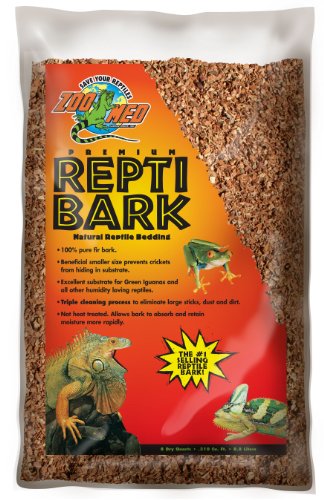
Zoo Med Reptile Bark Fir Bedding, 8 Quarts
Natural fir bark substrate designed for humidity-loving reptiles, with smaller chip size that maintains moisture and prevents live food escape. Washable and reusable for long-term terrarium use.
Pros
- Effective moisture retention for humidity-dependent species
- Reusable design provides good value over multiple uses
- Smaller chip size prevents live food from hiding
- Natural material creates naturalistic terrarium aesthetics
Cons
- No verified user reviews available to assess durability or long-term performance
- Bark pieces may compress over time, requiring replacement or refreshing
- Not suitable for arid or low-humidity reptile species
Riare 10LB Coconut Chip Substrate, 72 Quart
Compressed coconut husk bedding that expands to 72 quarts when hydrated, designed for reptiles that burrow or need moisture retention. Suits snakes, tortoises, geckos, and other terrarium animals seeking natural substrate with heat and humidity control.
Pros
- Excellent moisture retention supports humidity-dependent species and breeding cycles
- Easy setup: add water, wait for expansion, squeeze out excess, ready to use
- Large coverage area from single brick reduces restocking frequency
- Safe compost option extends product life value for gardeners
- Suitable for diverse reptile types from snakes to amphibians
Cons
- No verified customer reviews available to assess real-world durability and moisture performance
- Requires manual water addition and wringing process, which can be labor-intensive
- Pre-compressed format means upfront space needed to expand before use
Legigo 10LB Coconut Chip Substrate for Reptiles
Compressed coconut husk bedding designed for tropical reptiles, snakes, and tortoises. Offers natural humidity retention, odor absorption, and easy hydration without frequent full substrate changes.
Pros
- 100% organic coconut husk material that mimics natural habitat and supports burrowing behavior
- Effective odor and moisture control keeps terrariums cleaner with longer intervals between changes
- Compressed brick format saves storage space and eliminates the need to break apart large blocks
- Versatile use beyond reptiles including amphibians, invertebrates, and garden applications
- Can be rehydrated by spraying when dry, extending substrate lifespan
Cons
- No verified customer reviews available to assess real-world performance and durability claims
- Requires water addition and expansion time before use, not ready-to-use out of the box
- Humidity retention duration and frequency of replacement needs not detailed for different enclosure sizes
Sukh Sphagnum Moss 5oz for Reptiles
Green sphagnum moss designed for humidity-loving reptiles, offering moisture retention and natural hiding material. Works best as a substrate component rather than a standalone bedding for most species.
Pros
- Excellent moisture retention for tropical and high-humidity enclosures
- Supports natural behaviors with nesting and hiding capabilities
- Versatile beyond reptiles: usable for orchids, ferns, and succulents
- 5oz size practical for most enclosure setups
Cons
- Requires regular maintenance and replacement to prevent health issues
- Should not be used as primary substrate alone for snakes; requires mixing with other materials like aspen shavings
- No verified buyer reviews available to confirm real-world performance
Riare 2-Pack Coconut Fiber Substrate Bricks
Compressed coconut husk bedding designed for reptiles, amphibians, and burrowing animals. Expands when soaked and absorbs moisture and odors while remaining biodegradable.
Pros
- Natural, organic material free from harmful chemicals and odor
- Efficient moisture retention for species requiring humidity
- Waste absorption keeps tanks cleaner longer
- Compressed format saves storage space before use
- Compostable, allowing for eco-friendly disposal
Cons
- No verified customer reviews available to confirm real-world performance
- Requires soaking and expansion before use, adding preparation time
- May need frequent replacement depending on tank conditions and animal waste volume
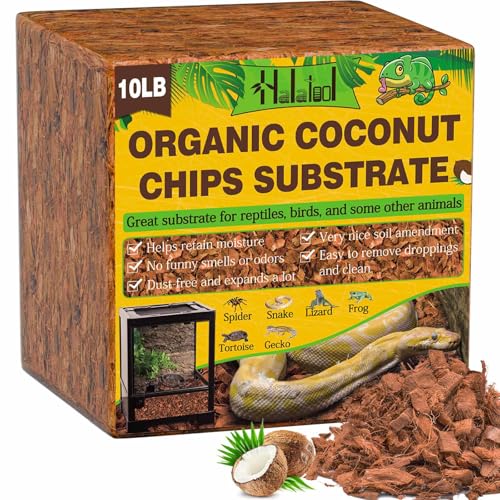
Halatool 10LB Coconut Husk Substrate for Reptiles
Compressed coconut substrate that expands to 72 quarts of loose chips ideal for tropical reptiles and amphibians. Offers good moisture retention, odor absorption, and neutral pH for comfortable terrariums.
Pros
- Large expansion ratio (72 quarts from 10lb compressed) offers good value
- Ideal chip size (0.4-1.5 inches) works for multiple reptile species
- Natural moisture retention without compacting makes maintenance easier
- Absorbs odors and liquid waste to maintain cleaner enclosures
- Soft texture supports natural shedding processes
Cons
- No verified customer reviews available to confirm real-world performance
- Requires soaking and expansion before use, adding preparation time
- Chip size may not suit all reptile species with specific substrate requirements
Exo Terra Coco Husk Brick 8-Quart Substrate
Compressed coconut fiber substrate designed for reptiles, amphibians, and tropical terrariums. Expands to fill 8 quarts and emphasizes safety testing and pet health standards.
Pros
- Natural coconut fiber material suitable for moisture-loving species
- Pre-compressed format reduces storage space
- Brand-backed safety and health assurances
- Appropriate size for small to medium enclosures
Cons
- No verified buyer reviews available to assess real-world performance
- Limited detail on expansion ratio and final coverage area
- Relatively lightweight packaging suggests product may settle or compress over time
Zilla Coconut Husk Brick for Reptiles
Compressed coconut fiber bedding designed for tropical reptile enclosures and egg incubation, expanding up to 5 times when hydrated. Naturally absorbs and maintains humidity while encouraging natural burrowing behavior in species like chameleons and rainforest geckos.
Pros
- Highly absorbent for maintaining consistent humidity in tropical setups
- Compressed brick format is space-efficient for storage and shipping
- 100% organic composition with no added chemicals or dyes
- Suitable for multiple reptile species including chameleons, geckos, frogs, and toads
Cons
- No verified buyer reviews available to assess real-world durability or performance
- Requires hydration setup before use, adding preparation time
- Single brick size may require multiple purchases for larger or multiple enclosures
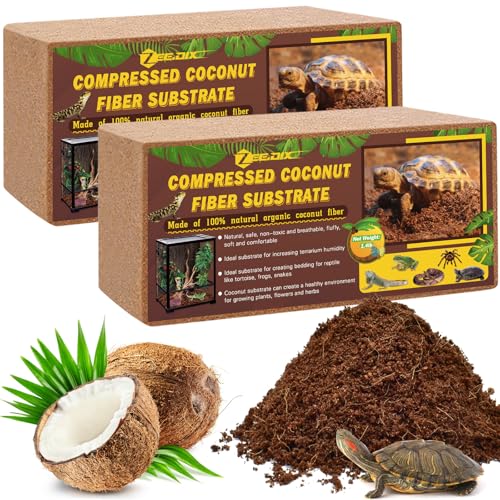
ZeeDix 2-Pack Coconut Coir Brick Substrate
Compressed coconut fiber bedding designed for reptiles, amphibians, and invertebrates that expands when hydrated. Made from 100% natural, biodegradable material with odor-absorbing properties and pH balance suitable for various pet species.
Pros
- 100% natural and biodegradable composition makes it environmentally responsible
- Excellent liquid and odor absorption keeps pet habitats cleaner
- Compressed brick format saves storage space and shipping costs
- Versatile for multiple reptile and amphibian species
- Low salt content suitable for sensitive animals when pre-rinsed
Cons
- Requires soaking and expansion before use, adding preparation time
- No verified customer reviews available to confirm real-world performance
- Recommended to rinse multiple times before use for some animals, increasing prep work
Zoo Med Creatures Creature Soil 1 Qt
A proprietary blend of peat moss, soil, sand, and carbon designed for spiders, tarantulas, and other invertebrates. The substrate maintains humidity and encourages natural burrowing while supporting live plant growth in enclosures.
Pros
- Natural material blend promotes humidity retention for moisture-dependent species
- Supports burrowing behaviors, mimicking natural habitat conditions
- Compatible with live plants for bioactive enclosure setups
- Suitable for diverse invertebrates beyond tarantulas, including spiders and insects
- 1-quart size offers convenient, manageable quantity for setup or spot cleaning
Cons
- 1-quart size may be insufficient for large enclosures or multiple setups, requiring multiple purchases
- No verified buyer reviews available to assess real-world performance or longevity
- Weight specification (321 ounces) appears inconsistent with a 1-quart volume and suggests potential data error
Reptile Substrates Buying Guide
Choosing the right reptile substrate requires understanding both your animal’s biology and your own maintenance preferences.
The wrong material can cause serious health problems; the right one can go unnoticed in the best possible way, quietly maintaining ideal conditions around the clock. Below are the most important factors to evaluate before committing to any substrate.
Species and Natural Habitat Match
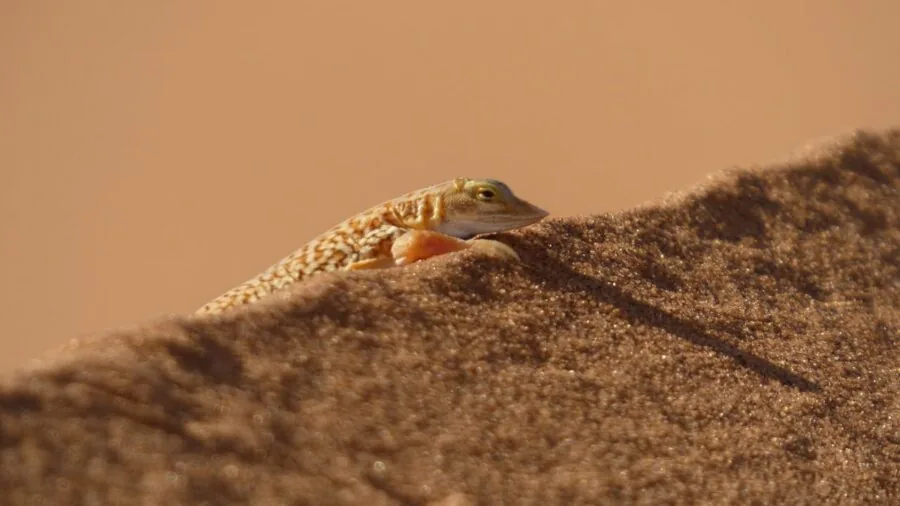
The single most important criterion is whether the substrate reflects the conditions your reptile evolved in. Desert-dwelling species such as uromastyx, bearded dragons, and sandfish skinks need arid, low-humidity substrates that allow burrowing without clumping.
Calcium sand is widely marketed for these animals but carries a well-documented impaction risk, particularly for juveniles.
Safer alternatives for desert setups include naturalistic excavator clay mixes or fine-particle sands from reputable, species-specific products like the Jurassic Natural Australian Desert Dragon Habitat Substrate, which uses authentic red Australian desert material and compacts safely without the digestive hazards of some commercial sands.
Tropical and rainforest species, including ball pythons, crested geckos, and most dart frogs, require substrates that hold moisture, allow microbial activity, and support high ambient humidity. Coconut coir, coconut husk chips, and bioactive-ready volcanic substrates excel here.
Semi-aquatic species need materials that can manage wet and dry transition zones without breaking down rapidly or growing harmful mold.
Always research your specific species before purchasing, and be aware that what works for one lizard genus may be dangerous for another.
Humidity Retention and Moisture Management

Substrate is your primary humidity-management tool inside a closed terrarium. Materials like coconut coir, coco husk chips, and sphagnum moss absorb and slowly release moisture, naturally raising ambient enclosure humidity with minimal misting effort.
Coconut fiber substrates from brands like Riare, Legigo, ZeeDix, and Halatool expand dramatically when hydrated, giving you significant volume from a compressed brick.
Bioactive volcanic substrates such as the Exo Terra Sub Stratum go further by supporting beneficial microbial colonies that actively regulate moisture and break down organic waste.
On the opposite end, fir bark and orchid bark substrates like Zoo Med Reptile Bark Fir Bedding offer moderate moisture retention while providing excellent airflow, making them a reliable choice for species that need elevated humidity without stagnant, waterlogged conditions.
Avoid substrates that stay wet and compact without draining; standing moisture at the base of an enclosure promotes bacteria, fungal growth, and respiratory disease in susceptible species.
Pairing the right substrate with a capable reptile heating pad underneath will help maintain a proper thermal gradient without drying out moisture-retentive materials too aggressively.
Impaction Risk and Particle Size
Impaction occurs when a reptile ingests substrate material that it cannot pass, causing intestinal blockage that can be fatal.
Risk is highest with fine loose particles, especially in juveniles, sick animals, and any species that regularly tongue-flicks or hunts prey on the enclosure floor.
Calcium sand and fine silica sand carry the highest impaction risk and are not recommended by most experienced herpetologists for feeding setups.
Larger particle substrates like coconut husk chips significantly reduce ingestion likelihood because the pieces are too large to accidentally swallow in meaningful quantity.
Coarser materials and organic mixes also tend to bind together when damp, which paradoxically reduces the risk of loose-particle ingestion compared to dry, powdery alternatives.
If you keep juveniles, sick animals, or species known to accidentally ingest substrate while feeding, consider using paper towels or ceramic tile as a temporary substrate and transitioning to naturalistic options only once the animal is established and feeding reliably from a dish.
Sphagnum moss products like Sukh Sphagnum Moss are low impaction risk when used as a top layer or hide liner, but should not constitute the primary floor substrate for large reptiles that may ingest significant fiber.
Odor Control and Microbial Activity
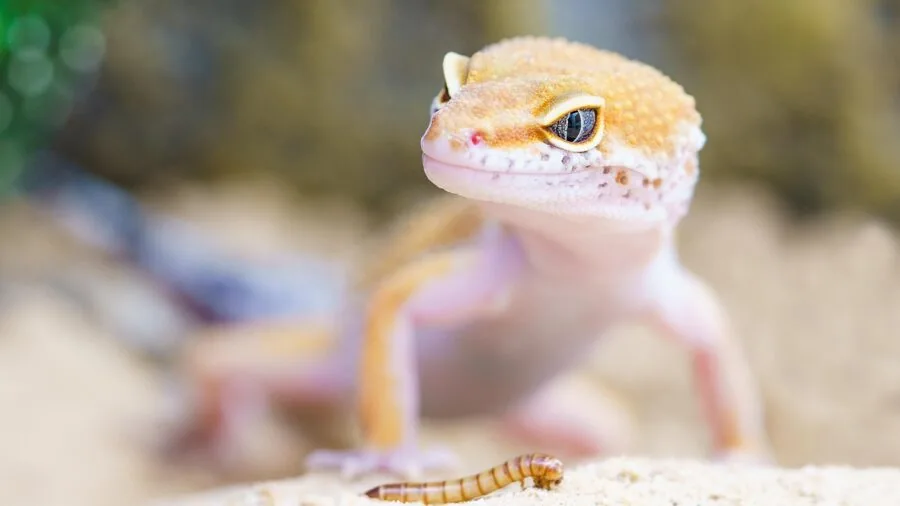
Substrate plays a central role in how quickly waste odors develop inside a closed enclosure. Bioactive substrates that support beneficial bacterial colonies can self-process organic waste to a meaningful degree, dramatically extending the time between full substrate changes.
The Exo Terra Sub Stratum was specifically engineered with porous volcanic rock to host these microbial communities.
Coconut-based substrates are naturally resistant to mold and bacterial growth at normal humidity levels, which is why they appear so frequently in experienced keepers’ setups for ball pythons, boas, and tropical lizards.
Standard bark substrates require more attentive spot-cleaning to prevent ammonia buildup, particularly in larger, more frequently feeding animals.
No substrate eliminates the need for routine maintenance, but the best options slow waste breakdown in a controlled, predictable way rather than allowing rapid, unmanaged decomposition.
If your enclosure uses radiant heat from above, consider pairing your setup with quality reptile heat lamps that maintain surface temperatures without desiccating organic substrate too rapidly, which would kill the beneficial microbes that make bioactive setups function.
Ease of Maintenance and Replacement Frequency
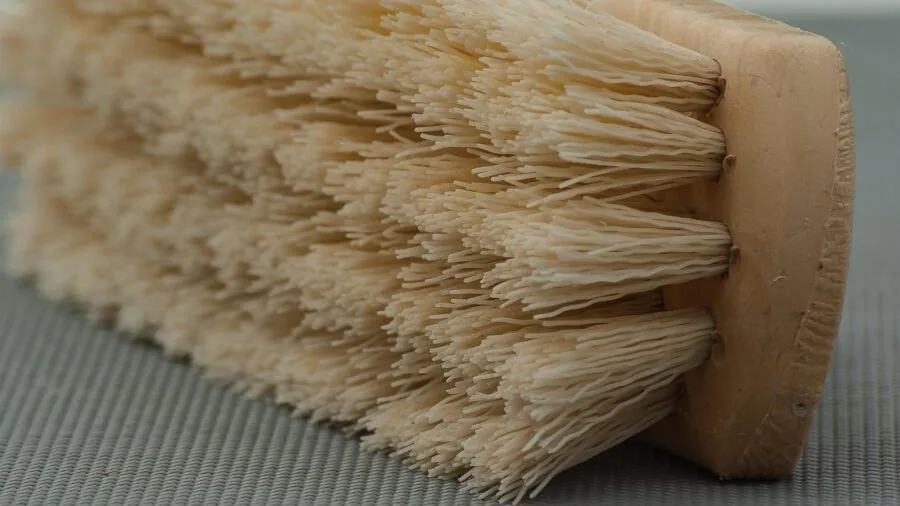
How often you need to change or spot-clean substrate depends heavily on enclosure size, animal size, feeding frequency, and the substrate’s organic buffering capacity.
Compressed coconut coir bricks, like those from Zilla and Exo Terra, expand to many times their dry volume, offering excellent cost-per-liter value for large enclosures.
Buying in bulk multi-packs, such as the Riare 10LB Coconut Chip Substrate or Legigo 10LB Coconut Chip Substrate, reduces per-change cost significantly compared to buying single bricks repeatedly.
Spot-cleaning involves removing visible waste and damp clumps with a scoop, while full substrate changes should happen on a scheduled basis regardless of appearance.
Dense, chunky substrates like coconut husk chips are generally easier to spot-clean than fine coir because waste sits on top of larger particles rather than filtering through.
Bioactive setups with adequate springtail and isopod populations can go months between full substrate replacements, though they require initial setup investment and careful population management.
The Zoo Med Creatures Creature Soil is a smaller-format option well-suited to bioactive micro-habitat layering in compact setups.
Dust Content, Safety, and Toxic Materials
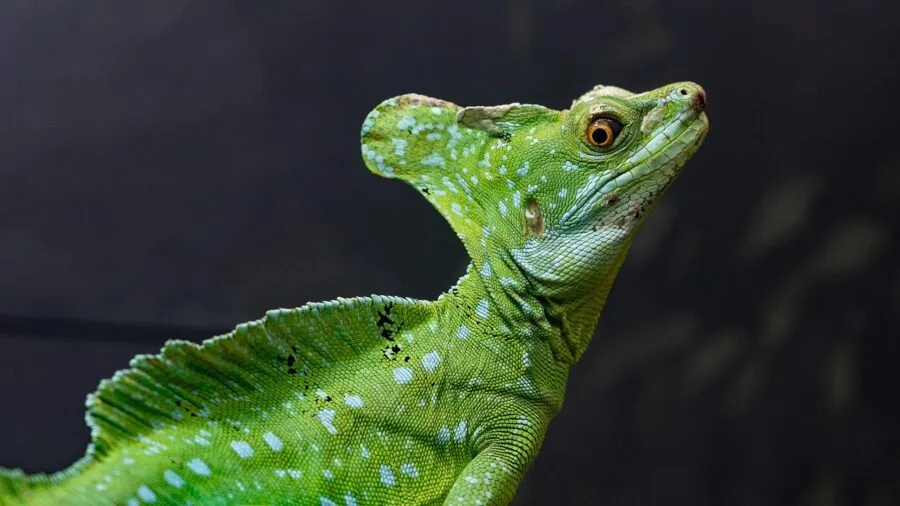
Dusty substrates are one of the most underappreciated sources of reptile respiratory problems. Fine particulate matter irritates delicate lung tissue, and in enclosed glass terrariums the problem is amplified.
When evaluating any loose substrate, look for low-dust formulations and rinse or sift unfamiliar materials before introducing your animal.
Verified buyer feedback consistently highlights dust as a deciding factor in repeat purchases: substrates that arrive with excessive powder generate negative reviews even when the material itself is appropriate for the species.
Certain common materials must be avoided entirely regardless of how they are marketed. Pine and cedar shavings release aromatic phenols that are toxic to reptiles, causing respiratory and neurological damage. Even kiln-dried pine should not be used.
Walnut shell substrate, sometimes sold for desert lizards, poses a sharp-edged impaction risk. Artificial astroturf-style reptile carpet looks clean but harbors bacteria in its fibers and can snag and tear claws.
The options in this guide represent the consensus of experienced reptile keepers and specialist herpetology communities as safe, appropriate substrates when used correctly for the species they are matched to.
Why You Should Trust Us
ProductFind is an independent editorial platform. We do not sell reptile supplies, manage enclosures on behalf of readers, or have any relationship with the brands featured in this guide beyond standard affiliate arrangements.
Every product in this list was evaluated using the same consistent framework: manufacturer-published specifications, expert herpetology community consensus from specialist forums and breeder communities, and verified buyer feedback aggregated from thousands of confirmed purchase reviews.
Each product receives a PF Score on a scale of 0 to 10, reflecting its overall performance across the criteria most relevant to that product category.
Substrates were assessed specifically on humidity management, impaction safety, dust content, odor control, value, and species suitability. We do not conduct our own product trials; our evaluations are grounded in research, published data, expert review consensus, and verified buyer feedback.
Products with higher PF Scores appear higher in our ranked list regardless of their price point or brand size.
ProductFind may earn a commission if you purchase through links in this article. This affiliate relationship has no influence on rankings, scores, or product selection.
Our editorial process is entirely independent of commercial considerations, and we include budget, mid-range, and premium options because the best substrate for your reptile depends on species requirements, not price alone.
Final Thoughts
After synthesizing specifications, expert herpetology consensus, and verified buyer feedback across all twelve substrates in this guide, here are our standout picks for specific needs and keeper profiles:
- Best Overall: Jurassic Natural Australian Desert Dragon Habitat Substrate earns the highest PF Score in this roundup thanks to its authentic sourcing, naturalistic compaction behavior, and strong consensus from experienced dragon and agamid keepers who cite its superior environmental accuracy over standard commercial desert substrates.
- Best Bioactive Substrate: Exo Terra Sub Stratum is the top choice for keepers building self-sustaining bioactive setups. Its porous volcanic structure actively supports beneficial microbial colonies, manages moisture consistently, and eliminates odor far longer than standard coir or bark alternatives.
- Best Wood-Based Substrate: Zoo Med Reptile Bark Fir Bedding is the most trusted bark substrate in this guide, offering reliable moderate humidity retention with excellent airflow. It is a staple recommendation in the herpetology community for chameleons, tree frogs, and tropical boas.
- Best Bulk Coconut Chip Value: Riare 10LB Coconut Chip Substrate and the similarly scored Legigo 10LB Coconut Chip Substrate both deliver outstanding volume at a budget-friendly price, making them the smartest choice for keepers maintaining large enclosures or multiple setups with ball pythons, boas, and tropical lizards.
- Best Entry-Level Budget Pick: Zilla Coconut Husk Brick is the most accessible starting point for new keepers, expanding into a workable coir substrate at a fraction of the cost of pre-expanded bags while remaining appropriate for a wide range of tropical species.
Whatever your species, the right substrate is one of the longest-lasting contributions you can make to your reptile’s health and behavioral wellbeing. The picks above represent the strongest options available across every major habitat type, from arid Australian desert enclosures to dense bioactive rainforest builds.
Frequently Asked Questions
What is the difference between coconut coir and coconut husk chips?
Coconut coir is finely milled coconut fiber that resembles compressed peat when dry and expands into a soft, loose bedding when hydrated. Coconut husk chips are larger, coarser pieces of the outer shell.
Coir retains moisture uniformly and suits species that need consistently damp substrate, while husk chips provide better airflow, drain more readily, and are easier to spot-clean.
Snakes and larger lizards generally do well with husk chips, while amphibians and burrowing geckos often prefer the finer texture of coir.
Is loose substrate safe for juvenile reptiles?
Loose particulate substrates carry impaction risk for juveniles under six months old because young reptiles are more likely to accidentally ingest substrate while feeding and less able to pass foreign material safely.
Paper towels or unglazed ceramic tile are the standard recommendation for juveniles during their first several months.
Once an animal is established, eating reliably from a feeding dish, and has reached adult proportions, transitioning to a naturalistic loose substrate is generally considered safe for most species.
Always feed in a separate container if impaction risk is a concern.
How often should reptile substrate be fully replaced?
Replacement frequency depends on enclosure size, animal size, and substrate type. Standard coconut fiber and bark substrates in a single-animal enclosure typically need full replacement every one to three months, with regular spot-cleaning in between.
Bioactive setups with active microbial, springtail, and isopod populations can sustain themselves for six months to over a year before a full substrate change is necessary, provided the ecosystem remains balanced.
Any substrate showing mold, persistent odor despite spot-cleaning, or salt crust from mineral buildup should be replaced immediately regardless of schedule.
Can I mix different substrate types together?
Yes, and experienced keepers frequently do this to dial in the exact conditions a species requires.
A common blend for tropical species is coconut coir mixed with orchid bark and a small amount of sphagnum moss, which balances moisture retention with airflow and adds structural variety for burrowing.
For bioactive setups, a layered approach is standard: a drainage layer of porous material at the base, followed by a bioactive soil blend, topped with a surface layer of appropriate bark or leaf litter.
Mixing also allows keepers to adjust the ratio over time to fine-tune enclosure humidity based on observed conditions rather than guessing at a single-material solution.
What substrates should I avoid entirely for reptiles?
Pine and cedar shavings must never be used for reptiles. Both release aromatic phenols that damage reptile respiratory tissue and the nervous system, and no level of kiln-drying makes them safe.
Calcium sand marketed as “digestible” remains controversial and is generally not recommended due to documented impaction cases. Walnut shell substrate poses physical injury and impaction risk from sharp edges.
Artificial reptile carpet harbors bacteria in its fibers and can snag claws.
Standard potting soil purchased from garden centers may contain perlite, fertilizers, pesticide residue, or wetting agents that are harmful to reptiles and should not be used without careful reformulation.
Does substrate affect how well a reptile thermoregulates?
Substrate depth and density significantly affect the thermal gradient available to your reptile. A thicker substrate layer insulates the floor surface from under-tank heat, which can prevent belly heat from reaching your animal effectively. Dense, moist substrates are particularly insulating.
Conversely, thin substrate layers over ceramic tile conduct and retain heat from below very efficiently, making them a practical choice for species that rely on contact warmth for digestion.
Arid species that bask aerially and regulate temperature through air contact are less affected by substrate insulation than fossorial species that thermoregulate by moving between warm and cool substrate layers.
Coordinating substrate choice with your broader heating strategy, including overhead radiant sources, is essential for maintaining a functional thermal gradient.
About the author
Darryl is a reviewer and writer for ProductFind who specializes in Reptiles & Amphibians. Darryl evaluates products through independent research: specifications, expert review consensus, and verified buyer feedback, and rates each one on the PF Score. Darryl focuses on helping readers pick the right reptiles & amphibian for their needs and budget.