The 8 Best Golf Balls
From tour-grade urethane to budget-friendly distance balls, the right golf ball can transform your game. Here are the top picks for every skill level and playing style.
 By Bernard Nguyen
Updated July 23, 2026
By Bernard Nguyen
Updated July 23, 2026
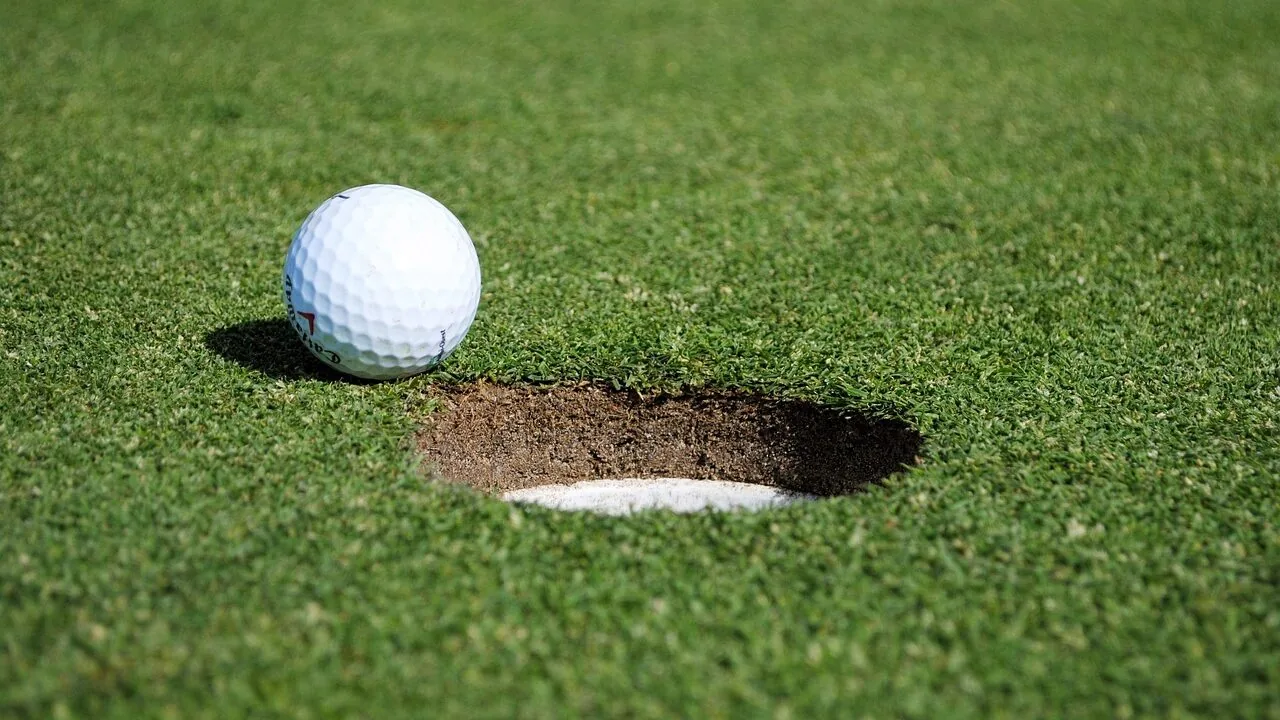
Choosing the right golf ball can meaningfully change how you play, yet most golfers never give it the attention it deserves.
Unlike clubs, which can be adjusted and swapped over time, your ball affects every single shot you take, from the tee to the green.
The sheer number of options across compression ratings, cover materials, dimple patterns, and price points makes this category genuinely confusing, especially when manufacturer marketing rarely translates cleanly into on-course results.
At ProductFind, we cut through the noise by analyzing published specifications, synthesizing expert review consensus from across the golf media, and weighing verified buyer feedback from confirmed purchasers.
The picks below span every golfer profile, from high-handicappers who need forgiveness and distance to low-handicappers demanding precise spin control around the greens.
Read on to see which golf balls earned a place on our shortlist and why each one stands out in its category.
| Award | Product | PF Score About PF ScoreThe PF Score is our own rating from 0 to 10, based on performance, design and build, ease of use, and value. It reflects independent research and is never influenced by manufacturers, retailers, or affiliate commissions. Learn more › | Price | |
|---|---|---|---|---|
| Best Overall |
 Titleist Pro V1 Golf Balls
|
9.1/10 | Buy | |
| Editor's Pick |
 Titleist AVX Golf Ball
|
8.6/10 | Buy | |
| Best Value |
 Callaway Chrome Soft 2026 Golf Balls (White, Dozen)
|
8.4/10 | Buy | |
| Top Rated |
 Callaway Chrome Soft Used Golf Balls, 72 Pack
|
7.4/10 | Buy | |
 Vice Pro Golf Balls White
|
7.2/10 | Buy | ||
 Titleist TruFeel Golf Balls
|
7.1/10 | Buy | ||
 TaylorMade Speed Soft Multi Pack Golf Balls
|
6.8/10 | Buy | ||
 TaylorMade Distance+ Golf Balls, 12 Count
|
6.1/10 | Buy |
Titleist Pro V1 Golf Balls
Pro V1 delivers a softer feel with lower long game spin and consistent flight, designed for golfers prioritizing distance and precision touch around the greens. The faster core and urethane cover balance speed with control across irons, wedges, and approach shots.
Pros
- Exceptional distance capability with controlled trajectory
- Responsive iron and wedge play from enhanced core technology
- Strong greenside spin for short game precision
- Consistent flight pattern across varied conditions
Cons
- No verified buyer reviews available to assess real-world performance durability
- Softer construction may appeal less to golfers preferring firmer ball feel
- Premium positioning means higher cost per dozen compared to standard balls
Titleist AVX Golf Ball
Titleist's AVX delivers a low-spinning, soft-feel ball engineered for players prioritizing distance off the tee and greenside control. The new core and dimple design balance penetrating flight with short-game precision.
Pros
- Soft feel with distance performance across the bag
- Greenside control through improved short-game spin
- Lower driver and long iron spin for straighter flights
- Engineered for players seeking balance between distance and control
Cons
- No verified buyer reviews available to confirm real-world performance
- Premium positioning may not suit budget-conscious golfers
- Low-spin design better suited to specific swing types, not universal
Callaway Chrome Soft 2026 Golf Balls (White, Dozen)
Callaway's Chrome Soft 2026 combines tour-level performance with consumer-friendly alignment tech. Built for faster ball speeds and soft greenside feel, these balls suit golfers seeking distance without sacrificing control around the greens.
Pros
- Triple Track alignment lines genuinely enhance visual confidence on the greens
- Tour-level performance specs designed for both distance and control
- Aerodynamic package supports higher, more consistent ball flight
- High-quality cover delivers reliable shot stopping with wedge play
Cons
- Premium positioning may not suit casual recreational golfers on a budget
- No verified buyer reviews available to validate real-world performance claims
- Typical premium ball pricing makes them a larger investment per sleeve
Callaway Chrome Soft Used Golf Balls, 72 Pack
Near mint recycled Callaway Chrome Soft balls deliver the performance characteristics of new premium golf balls at a lower price point. Built with advanced core technology for control and soft feel, these are suited for golfers seeking reliable distance and trajectory consistency without premium pricing.
Pros
- Control and soft feel balance suitable for all skill levels
- Consistent performance in all weather conditions
- Significant savings versus new premium balls in the same line
- Bulk quantity reduces need for frequent replacement
Cons
- No verified buyer reviews available to confirm actual condition and performance
- Used balls may show cosmetic wear despite near mint rating
- Performance longevity depends on prior ball history and use
Vice Pro Golf Balls White
A three-piece urethane golf ball engineered for intermediate to advanced golfers seeking balance between distance and spin control. The thin cover delivers responsive wedge performance while the closed alignment line aids consistency on the green.
Pros
- Outstanding spin control around the greens thanks to thin urethane cover
- Designed specifically for medium swing speed golfers rather than one-size-fits-all approach
- Soft feel combined with distance-focused construction appeals to advancing players
- Closed alignment line provides a practical aiming aid
Cons
- No verified buyer reviews available to confirm real-world performance claims
- Positioned for intermediate-to-advanced golfers, limiting appeal for beginners seeking forgiveness
- Three-piece construction typically costs more than two-piece alternatives
Titleist TruFeel Golf Balls
Titleist TruFeel prioritizes soft feel and distance with a new TruTouch core and 376 tetrahedral dimple design that delivers a low ball flight. Built for golfers who value the Titleist brand and want reliable distance paired with greenside control.
Pros
- Combines soft feel with distance, appealing to players who don't want to compromise on either
- Unique 376 tetrahedral dimple design promotes low, penetrating flight for consistent trajectory
- Enhanced greenside spin and control from softer cover material
- Established Titleist reputation for quality and performance
Cons
- No verified buyer reviews available to assess real-world performance feedback
- Soft cover may wear faster under aggressive play compared to harder competition models
- Limited to white color option
TaylorMade Speed Soft Multi Pack Golf Balls
Budget-friendly golf balls designed for everyday players seeking soft feel without sacrificing ball speed. The low-compression PWRCORE construction balances explosive distance on full swings with responsive touch around the greens.
Pros
- Combines soft feel with reliable ball speed for mid-handicap golfers
- Exceptional value pricing for performance level
- Responsive feedback on approach shots and chipping
- Multipack ensures consistency across rounds
Cons
- No verified buyer reviews available to assess real-world durability or distance claims
- Low compression may not suit golfers seeking maximum distance off the driver
- Limited color variety, available only as multipack
TaylorMade Distance+ Golf Balls, 12 Count
Two-layer distance balls built around TaylorMade's REACT Speed Core for high-velocity performance and extended flight. The Extended Flight Dimple Pattern and Plus Alignment Aid suit golfers seeking maximum distance, though limited verified buyer feedback makes it hard to assess real-world durability.
Pros
- Engineered specifically for distance-focused golfers with high-velocity core technology
- Extended Flight Dimple Pattern designed to cut through wind and extend carry
- Plus Alignment Aid simplifies aim on tee shots and approach play
- Two-layer construction balances speed with controlled spin
- Affordable distance ball option for casual and mid-handicap players
Cons
- No verified buyer reviews available to confirm real-world performance consistency
- Mid-to-high spin profile may not suit golfers seeking lower spin for tighter dispersion
- Limited information on durability across multiple rounds of play
Golf Balls Buying Guide
No single golf ball is right for every golfer. Your swing speed, skill level, preferred shot shape, and typical course conditions all influence which construction will serve you best.
The sections below walk through the factors that matter most, so you can match a ball to your game rather than to someone else’s handicap.
Compression Rating and Swing Speed

Compression describes how much a ball deforms on impact. Low-compression balls (typically 50 to 70) are softer and more forgiving for golfers with moderate swing speeds, often generating better distance because the ball stays in contact with the clubface slightly longer.
High-compression balls (90 and above) reward faster swing speeds with tighter energy transfer and more responsive feedback, particularly on iron shots and short-game wedges.
If your driver swing speed sits below roughly 85 mph, a low- to mid-compression ball will generally serve you better than a tour-caliber urethane model.
Conversely, if you generate significant clubhead speed, softer balls can actually feel mushy and cost you control. Most manufacturers publish compression ratings in product specs or on packaging, so it is worth cross-referencing before you buy.
Pairing the right ball with a well-fitted driver is equally important. If you are also evaluating your equipment setup, our guide to golf drivers for every swing speed and budget covers the club side of that equation in detail.
Cover Material: Urethane vs. Ionomer
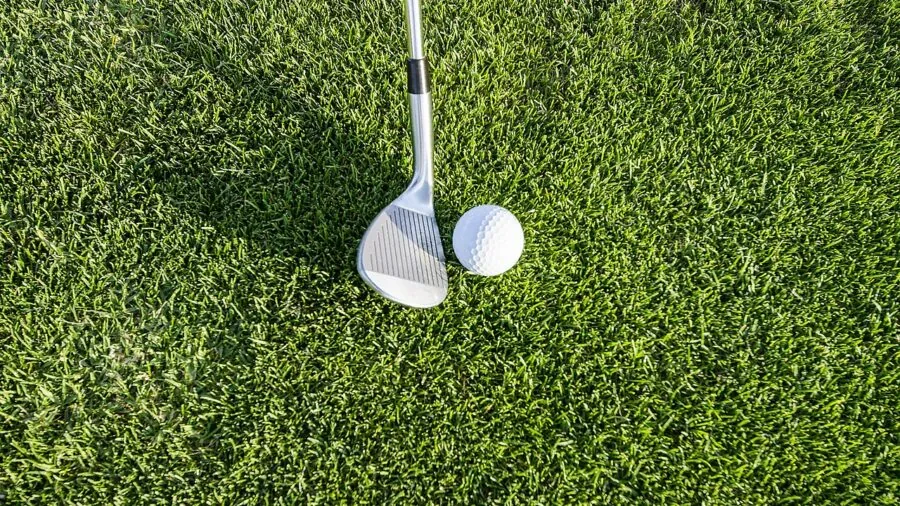
The cover is the outermost layer and has the greatest influence on feel and spin around the greens.
Urethane covers, used on premium tour balls from Titleist and Callaway, grip wedge grooves more aggressively and allow skilled players to shape shots and stop the ball quickly on firm greens.
They tend to carry a higher price per dozen but offer a noticeably more responsive touch on chip shots and putts.
Ionomer covers, standard on distance and value-oriented balls, are harder and more durable. They shed less spin off the driver, which can actually help high-handicappers who struggle with hooks and slices, since reduced side-spin keeps the ball straighter.
The trade-off is less stopping power on approach shots. For most recreational golfers who lose multiple balls per round, ionomer-covered options represent smart value without sacrificing too much performance.
Construction: Layer Count and Core Design
Modern golf balls range from two-piece constructions all the way up to five-piece tour models. Two-piece balls prioritize distance and durability, pairing a large, energetic core with a firm cover. They are the most common choice for beginners and high-handicappers.
Three-piece balls introduce a mantle layer that helps separate driver distance from short-game spin, offering a meaningful step up in versatility without reaching tour pricing.
Four- and five-piece balls, like the Titleist Pro V1x and Callaway Chrome Soft, are engineered to optimize each aspect of the game independently: low spin off the driver for distance, mid spin on irons for trajectory, and high spin on wedges for control.
These constructions benefit golfers with consistent ball-striking who can actually activate those different layers through varied shot types.
Understanding how your equipment works together matters just as much as ball selection. A comprehensive look at golf clubs for every level and budget can help you build a setup where ball and club performance align.
Dimple Pattern and Flight Characteristics

Dimples reduce aerodynamic drag and stabilize ball flight. The number, depth, and arrangement of dimples influence trajectory height and carry distance.
Shallow dimples tend to produce a higher, more penetrating flight, while deeper or more numerous dimples can create a lower, more boring trajectory useful in windy conditions.
Extended-flight dimple patterns, as seen on distance-category balls like the TaylorMade Distance+, are specifically engineered to maximize carry and roll-out.
Most golfers do not need to obsess over dimple geometry, but it is worth noting that manufacturers optimize these patterns for different swing profiles.
A ball designed for a 110 mph driver swing will behave differently at 80 mph, sometimes producing a ballooning, high-drag flight that costs distance. Reading the intended swing-speed range in manufacturer specs is a quick sanity check.
Price Per Dozen and Value Considerations
Golf balls span from budget-friendly to premium pricing per dozen. For golfers who regularly lose balls to water hazards, thick rough, or out-of-bounds areas, buying premium tour balls every round adds up quickly and rarely improves scores.
In those cases, mid-range options or even certified used/recycled balls in near-mint condition offer excellent performance at a fraction of the price.
Recycled ball programs, like the LostGolfBalls offering in our list, grade recovered balls by condition and typically provide a substantial quantity at a significantly lower per-ball cost.
Near-mint-grade recycled balls have been inspected for structural integrity and cosmetic condition, making them a practical choice for practice rounds or casual play. Premium new balls remain the right call for competitive rounds where consistent performance matters most.
Visibility and Alignment Aids
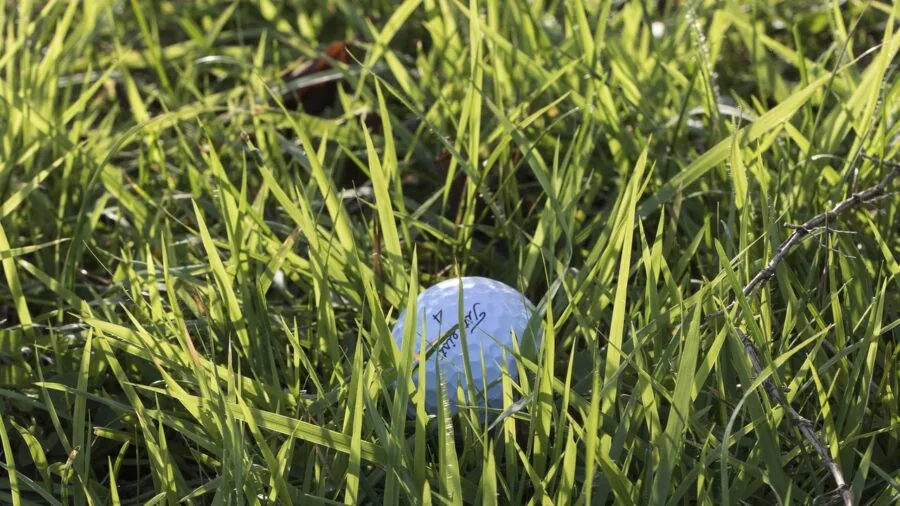
Ball visibility is an underrated consideration. High-visibility options in yellow, orange, and matte finishes are easier to track in flight and locate in rough or low-light conditions.
For golfers who play early morning or late afternoon rounds, or in courses with heavy rough, a bright-finish ball can save time and reduce lost-ball penalties.
Alignment aids, such as the Triple Track lines on the Callaway Chrome Soft 2026, are printed on the ball to assist with putting alignment. Research suggests visual alignment cues can meaningfully improve putting consistency for many golfers, particularly on short-to-mid-range putts.
If you putt with a marked ball, this feature alone may justify selecting a model that offers it.
Why You Should Trust Us
ProductFind is an independent editorial platform. We do not sell golf balls, and we have no relationship with any retailer or manufacturer that influences our recommendations.
Every product in this roundup was evaluated through our structured research process: we analyze published specifications, synthesize expert review consensus from established golf media and equipment reviewers, and weigh verified buyer feedback from confirmed purchasers across major retail platforms.
Each product receives a PF Score on a 0 to 10 scale, assigned according to a consistent set of criteria relevant to the category, in this case performance across compression, cover material, construction quality, flight consistency, feel, and value for money.
We do not conduct our own product trials; our evaluations are grounded in research, published data, expert review consensus, and verified buyer feedback.
ProductFind may earn an affiliate commission if you purchase through a link on this page. That commercial relationship has no bearing on which products are included, how they are ranked, or what PF Score they receive.
Our editorial process is kept separate from commercial considerations, and our rankings reflect research quality, not commission rates.
Final Thoughts
After evaluating the full field across performance tiers, price points, and golfer profiles, the picks below represent the standout choices in their respective categories for 2026.
- Best Overall: Titleist Pro V1 Golf Balls earn the top spot with the highest PF Score in this roundup. Expert consensus consistently places the Pro V1 at the pinnacle of tour-ball performance, with its urethane cover, consistent flight, and exceptional short-game spin setting the standard the rest of the category is measured against.
- Best for Low-Handicap Players Seeking Softer Feel: Titleist AVX Golf Balls score just behind the Pro V1 and are specifically designed for golfers who want lower trajectory and a softer feel off the putter face, making them a compelling alternative for players who find the Pro V1 a touch too firm on the greens.
- Best Mid-Range Premium Ball: Callaway Golf Chrome Soft 2026 delivers tour-grade urethane performance with the added benefit of Triple Track alignment technology, earning strong expert praise for its balance of distance, feel, and short-game versatility at a competitive premium price point.
- Best Value in Recycled Balls: LostGolfBalls Callaway Chrome Soft Used Golf Balls offer a smart path to premium-ball performance without the premium per-ball cost. Near-mint grading and a generous 72-ball count make this an excellent option for practice, high-loss rounds, or golfers transitioning from budget to performance balls.
- Best Budget Pick for Beginners: TaylorMade Distance+ Golf Balls represent the accessible end of the spectrum with an extended-flight dimple pattern and a React Speed Core that maximize distance for moderate swing speeds, all at a price that makes losing a sleeve far less painful.
Whichever ball you choose, pairing it with properly fitted clubs will maximize its benefits on the course. Our guide to golf clubs for every level can help you ensure your bag is working as hard as your ball.
Frequently Asked Questions
What is the difference between a distance ball and a tour ball?
Distance balls are engineered primarily to maximize carry and roll, typically using a two-piece construction with a firm ionomer cover and a large, high-energy core.
They produce less spin off all clubs, which benefits beginners by reducing hooks and slices but limits stopping power on approach shots.
Tour balls use multi-layer construction and urethane covers to let skilled golfers access different spin rates on different shots, trading a small amount of raw distance for significantly more control and feel.
Are recycled or used golf balls worth buying?
For many recreational golfers, yes. Certified near-mint recycled balls have been inspected for visible damage and structural integrity, and multiple independent reviews suggest performance differences between near-mint used premium balls and new equivalents are negligible for most amateur swing speeds.
The significant cost saving per ball is particularly meaningful for golfers who lose several balls per round. Competitive or low-handicap players who demand absolute consistency may still prefer new balls for tournament play.
Does ball color affect performance?
Aerodynamically, no. The dimple pattern and core construction determine flight, not the paint color. High-visibility colors like yellow or orange are purely a practical choice, making the ball easier to track in flight and locate in rough or low-light conditions.
Some golfers report that matte finishes reduce glare and improve visibility against bright skies, though this is a matter of personal preference rather than a measurable performance variable.
How many golf balls should I buy for a round?
A standard round of 18 holes is typically played with one ball if no losses occur, but the practical answer depends on your skill level and the course layout.
Beginners or golfers playing water-heavy courses should carry a comfortable buffer, perhaps six to twelve balls per round, to avoid the disruption of running out mid-game.
More experienced players on familiar courses may play a full round on two or three balls. Buying in dozens provides the best per-ball value regardless of which tier you choose.
Is it worth spending more on a premium golf ball as a beginner?
Generally, no. The performance advantages of premium tour balls, such as urethane short-game spin and low driver spin, require a reasonably consistent ball strike to activate.
Beginners are more likely to benefit from the forgiveness and distance optimization of mid-range or budget balls, and losing fewer expensive balls per round removes a frustrating financial drain.
As ball-striking consistency improves and a golfer develops a reliable short game, moving to a higher-tier ball becomes a logical and noticeable upgrade.
Can the same golf ball work for both practice and competitive rounds?
Yes, and playing the same ball in practice as in competition is actually recommended by most instructors. Consistent ball behavior across practice and play allows you to calibrate your distance control, feel, and spin expectations accurately.
Switching balls between sessions introduces variables that can disrupt muscle memory, particularly around the greens where feel is most sensitive. If budget is a concern, using recycled versions of your preferred tour ball during range sessions is a practical compromise.
About the author
Bernard is a reviewer and writer for ProductFind who specializes in Golf. Bernard evaluates products through independent research: specifications, expert review consensus, and verified buyer feedback, and rates each one on the PF Score. Bernard focuses on helping readers pick the right golf for their needs and budget.