The 12 Best Sewing Machines for Quilting
Throat space, feed system, and motor strength separate a true quilting machine from a basic sewing machine. Our research covers top picks from JUKI, Janome, Brother, and SINGER across every budget.
 By Kylie Duncan
Updated July 23, 2026
By Kylie Duncan
Updated July 23, 2026
Quilting demands more from a sewing machine than everyday garment work.
Managing the bulk of a king-sized quilt sandwich, maintaining even tension across multiple fabric layers, and executing crisp free-motion designs all require a machine built with the right combination of throat space, feed system, and stitch consistency.
The difference between a frustrating sewing session and a satisfying creative one often comes down to whether your machine is truly up to the task.
Whether you are piecing your first lap quilt or chasing heirloom-quality results, the machine you choose will shape every step of that journey.
For those who also love completing a project with a beautiful finish, pairing your machine with a set of quality quilts for every bed and season can offer useful reference for how different fabrics and batting behave under various machines.
To help you find the right fit, our team at ProductFind researched and analyzed a wide field of sewing and quilting machines, drawing on published specifications, expert review consensus across the quilting community, and verified buyer feedback from confirmed purchasers.
We evaluated each model against consistent criteria covering workspace, speed, stitch variety, feed system performance, and long-term reliability.
The result is a ranked list of top picks spanning budget-friendly entry points to professional-grade workhorses, so you can shop with confidence no matter where you are in your quilting journey. Scroll down to see our full recommendations.

Juki HZL-F600 Computerized Sewing Machine
The Juki HZL-F600 is a computerized sewing and quilting machine with 255 built-in stitches and an intuitive LCD display for stitch selection. Its automatic needle threader and user-friendly design make it accessible for beginners, while the variety of included accessories supports a wide range of projects.
Pros
- 255 built-in stitches covering basic, stretch, decorative, letters, and buttonhole options
- Automatic needle threader reduces eye strain and threading frustration
- LCD screen with push-button stitch selection for easy navigation
- Includes comprehensive accessories and soft-sided dust cover
- Compact footprint at 17.51 x 11.45 x 8.27 inches
Cons
- No verified buyer reviews available to assess real-world reliability or long-term performance
- Relatively heavy at 30 pounds, which may impact portability despite compact dimensions
- Limited information on fabric handling capabilities or maximum stitch speed

Janome MC6650 Computerized Sewing Machine
A computerized sewing machine built for both beginners and experienced sewers, featuring a 10-inch throat space, 1000 stitches per minute, and semi-industrial construction with an all-metal flatbed. Equipped with convenient features like automatic needle threading, independent bobbin winder, and 12 presser feet for quilting, dressmaking, and general garment work.
Pros
- Fast stitching speed at 1000 stitches per minute with all-metal construction for durability
- Beginner-friendly conveniences including automatic needle threader and one-push needle plate conversion
- Large 10-inch throat space suitable for quilting blocks and layered fabric projects
- Includes 12 presser feet and specialty plates, reducing need for additional purchases
- Adjustable presser foot pressure and extra-high lift accommodate multiple fabric types from quilting cotton to light leather
Cons
- No verified buyer reviews available to confirm real-world performance or reliability
- Weighs 24.25 pounds, making it less portable for frequent transport
- Learning curve for advanced features like programmable memory and stitch fine-tuning may require study time

Janome Skyline S6 AE Computerized Sewing Machine
A feature-rich computerized sewing and quilting machine built around Janome's AcuFeed Flex fabric feeding system for consistent results on layered projects. Offers 196 stitches, 4 fonts, generous workspace with extension table, and quilter-focused conveniences like knee lifter and automatic thread cutter.
Pros
- Dedicated quilter features like AcuFeed Flex and knee lifter reduce setup friction for complex projects
- Substantial workspace with extension table and printed rulers accommodate quilts and large-scale work
- Comprehensive stitch library and automatic adjustments handle garments, quilts, and mixed techniques
- Built-in convenience features (automatic thread cutter, memorized needle position, locking stitch) streamline repetitive tasks
- 91 needle positions and bright LED lighting enable precise, detailed work
Cons
- No verified buyer reviews available to confirm real-world durability or user experience
- 32-pound weight and 20-inch width make it less portable for crafters needing flexibility
- Premium feature set positions it as a significant investment for hobbyists
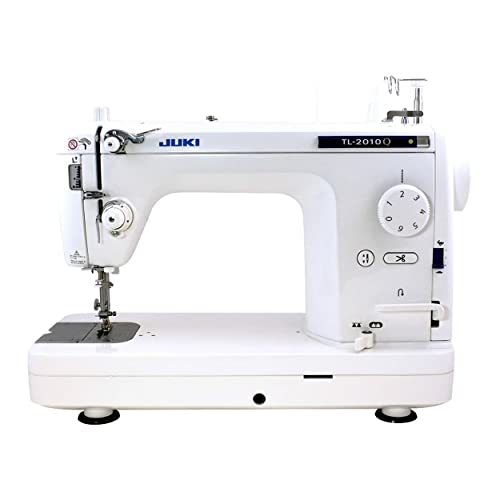
Juki TL-2010Q Portable Quilting Machine
A lightweight, portable lockstitch machine designed for quilting and apparel work with practical hands-free features like knee lifter and automatic thread trimming. Best suited for sewers who value convenience and portability over extensive stitch variety.
Pros
- Automatic thread trimmer saves time between seams and reduces thread waste
- Knee lifter lever improves workflow efficiency for extended sewing sessions
- Lightweight and portable at 38 pounds, suitable for transport to classes or retreats
- Automatic needle threader reduces eye strain and setup time
Cons
- No verified buyer reviews available to assess real-world reliability and performance
- Limited to single needle lockstitch, lacks variety in stitch options for decorative or specialized work
- Relatively heavy for portability at 38 pounds despite marketing as lightweight
Juki TL-2010Q High-Speed Quilting Machine
A professional-grade sewing and quilting machine built for speed and precision, with an extended arm workspace ideal for large fabric projects. The industrial construction minimizes vibration during high-speed operation, making it reliable for both quilters and general sewists tackling intensive work.
Pros
- Large workspace and extended arm designed specifically for quilting and handling oversized fabrics
- Industrial-quality construction delivers stable, reliable performance with minimal vibration
- Comes with complete bonus accessory package included out of the box
- Professional-grade precision stitching at high speeds
Cons
- No verified customer reviews available to assess real-world durability and performance
- Relatively heavy at 39 pounds, which may affect portability
- Limited information on available stitch options and advanced features beyond quilting capability
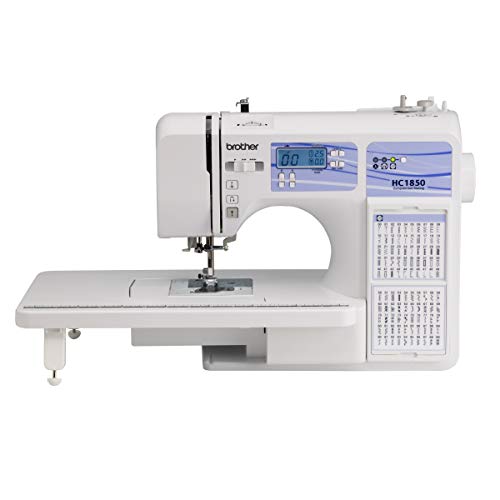
Brother HC1850 185-Stitch Sewing Machine
The HC1850 offers beginners and hobbyists a straightforward sewing and quilting machine with 185 built-in stitches, including alphanumeric options for embellishment. Key conveniences include automatic needle threading, drop-in bobbin, LCD stitch selection, and a wide table for larger projects, backed by lifetime technical support.
Pros
- 185 built-in stitches covering general sewing, quilting, and decorative work
- Automatic needle threader and jam-resistant drop-in bobbin reduce setup friction
- LCD display makes stitch selection intuitive
- Wide table and 8 included feet expand project versatility
- Lifetime phone, online, and live chat technical support included
Cons
- No verified buyer reviews available to assess real-world reliability or ease of use
- Limited information on stitch quality consistency or fabric compatibility range
- US-only warranty and 120V requirement restricts international use

Singer C5980Q Computerized Sewing Machine with 417 Stitches
A feature-rich computerized sewing machine designed for quilters and sewers who need versatility. The C5980Q offers 417 built-in stitches, an extension table for large projects, and programmable needle control, making it suitable for both beginners tackling various projects and experienced crafters.
Pros
- Extensive stitch library accommodates diverse sewing and quilting projects
- Extension table provides practical workspace for handling large pieces
- Programmable features enable precision work and free-motion quilting
- LED lighting and LCD display support detailed, accurate stitching
- Durable metal construction designed for long-term use
Cons
- No verified buyer reviews available to assess real-world performance and reliability
- High stitch count may overwhelm beginners unfamiliar with computerized machines
- Weight and size suggest limited portability for mobile crafters

Janome JW8100 Computerized Sewing Machine with 100 Stitches
A computerized sewing machine designed for both garment and quilting work, featuring 100 built-in stitches, an intuitive LCD interface, and quilting-ready accessories. Best suited for sewers seeking versatility and convenience features without premium pricing.
Pros
- Extensive stitch library and buttonhole options cover garment and decorative work
- Extension table and even feed foot make quilting projects more manageable
- Reliable feed system with balanced stitches across cotton, knits, and layered fabrics
- Generous accessory package and hard cover reduce need for additional purchases
- Computerized controls reduce setup time with needle up/down and start/stop buttons
Cons
- No verified buyer reviews available to assess real-world durability or user satisfaction
- LCD interface and computerized features may have a steeper learning curve for complete beginners
- 12-pound weight and compact design may limit sewing space for larger projects despite extension table

Brother CP100X Computerized Sewing Machine
The Brother CP100X offers 100 built-in stitches and automatic needle threading for beginners and intermediate sewers tackling quilts and everyday projects. Its metal frame and fixed needle bar deliver reliable construction, though it lacks advanced features for experienced quilters.
Pros
- Comprehensive stitch selection covers most general sewing and quilting needs
- Automatic needle threader reduces setup friction for less experienced users
- Metal frame and fixed needle bar provide stability and stitch quality
- Generous accessory bundle including quilt guide and protective case
- Handles heavy materials like denim and quilts without strain
Cons
- No reviews available to verify real-world performance or durability claims
- Limited to 120-volt US operation, reducing portability and international use
- Lacks advanced features like speed control or built-in stitch editing for experienced crafters

Brother XR3774 37-Stitch Sewing and Quilting Machine
The Brother XR3774 offers 37 built-in stitches covering everyday sewing, quilting, and decorative work with practical conveniences like automatic needle threading and drop-in bobbin. It's designed for beginners through advanced users seeking a versatile, all-purpose machine without complexity.
Pros
- Comprehensive stitch variety covers multiple sewing styles without needing specialty machines
- Automatic needle threader and jam-resistant bobbin reduce setup frustration
- Bundled accessories (8 feet, wide table, cover) provide value for starting projects
- Free arm design handles everyday garments and quilting applications
Cons
- No verified user reviews available to assess real-world reliability and performance
- Limited information on learning curve or whether feature complexity suits true beginners
- Category miscoding (listed under Kitchen & Dining) suggests potential data inconsistencies

SewLaVie 1130 Computerized Sewing Machine with 300 Stitches
A computerized sewing machine built to handle multiple fabric weights, from delicate silks to nine layers of denim, with 300 built-in stitches and an intuitive LCD interface. Best suited for beginners and hobby sewers who want quilting versatility without a steep learning curve.
Pros
- Solid power and feed mechanism designed specifically for thick fabrics and multiple layers
- Beginner-friendly controls with LCD screen, programmable needle up/down, and no-pedal operation
- Comprehensive stitch library covers clothing, quilting, and personalized projects
- Free arm and detachable wide table expand project possibilities
- Includes essential accessories and storage box for organized storage
Cons
- No verified customer reviews available to assess real-world reliability and durability
- Motor auto-stop for jam protection may require troubleshooting familiarity for beginners
- Some feature descriptions appear incomplete or unclear in original product materials

Brexfire Magnetic Seam Guide 3-Pack
A budget-friendly quilting accessory that uses polygonal magnetic guides to help maintain consistent seam width across projects. Best suited for sewers with metal needle plates who want a simple, reusable alternative to marking tape.
Pros
- Easy repositioning allows quick seam width adjustments mid-project
- Durable magnetic construction resists breakage and maintains hold
- Three guides in one package offer variety for different fabric types or project setup
Cons
- Only works on metal needle plates; requires adhesive metal square on plastic plates, adding extra steps
- No verified buyer reviews available to confirm real-world performance consistency
- Polygonal design appeals to specific sewing techniques, not universally useful for all seam types
Sewing Machines for Quilting Buying Guide
With so many options across such a wide price range, narrowing down the right quilting machine requires understanding what actually matters for the type of work you plan to do.
The following criteria are the ones that most consistently separate capable quilting machines from general-purpose sewing machines that happen to include a quilting foot. Use these as your decision framework before committing to a purchase.
Throat Space and Work Area
Throat space is the horizontal distance between the needle and the right side of the machine body, and it is the single most important specification for quilters working on anything larger than a small wall hanging.
A standard sewing machine typically offers around five to six inches of clearance, which can feel severely cramped when you are trying to maneuver a folded quilt through the machine.
Quilting-specific machines and straight-stitch models from brands like JUKI are designed with larger openings to reduce that friction.
For lap quilts and smaller projects, seven to eight inches of throat space is generally workable.
For queen-sized and king-sized quilts, look for machines that pair a larger throat with a wide extension table, since the table adds critical surface area to support the quilt’s weight and prevent drag on the needle.
Drag on the fabric caused by inadequate support is one of the most common reasons for uneven quilting lines, so do not overlook the workspace as a whole.
Your sewing area setup matters too, and a dedicated crafting surface keeps fabric moving smoothly throughout long sessions.
Portable straight-stitch machines like the JUKI TL-2010Q are popular among quilters precisely because they trade stitch variety for a more open work area and a lightweight aluminum body that handles heavy fabric stacks with less vibration.
If your projects skew toward lap quilts, table runners, and wall art rather than full-sized bed quilts, a more compact machine with good extension table support will serve you well at a significantly lower price point.
Feed System and Walking Foot Compatibility
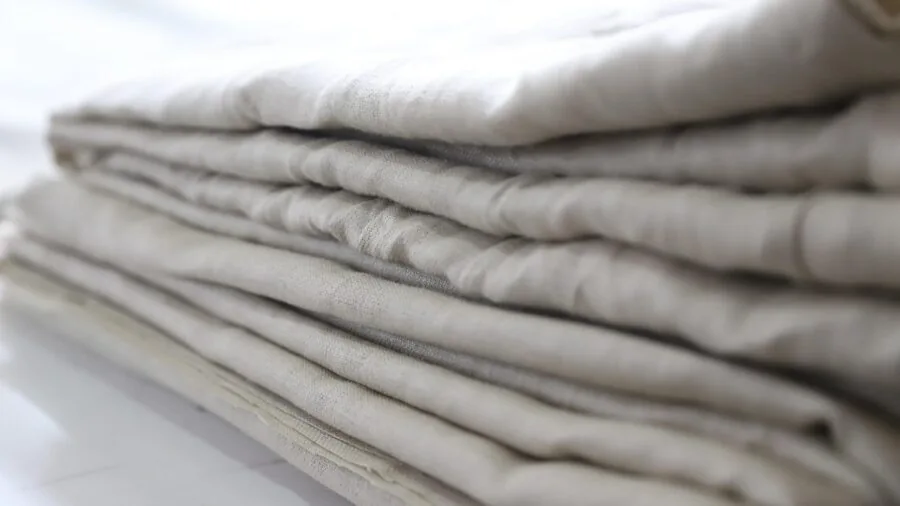
Feeding multiple layers of fabric, batting, and backing evenly is where many sewing machines fall short for quilting applications.
A standard single-feed system pulls the bottom layer faster than the top, causing the top fabric to shift, pucker, or bunch, especially over longer seam runs.
A walking foot, also called a dual-feed or even-feed foot, solves this by gripping the top and bottom layers simultaneously and moving them through at the same rate.
Some machines include a built-in walking foot or an AcuFeed-style integrated dual-feed system, which is the most seamless solution because the mechanism is engineered into the machine’s timing rather than bolted on as an accessory.
The Janome Skyline S6 AE is a strong example, featuring a built-in AcuFeed Flex system that handles thick fabric stacks with impressive consistency according to verified buyer accounts.
If a machine you are considering does not have a built-in walking foot, check whether a compatible one is included or available for purchase, since aftermarket walking feet vary significantly in quality.
Drop-feed capability is equally important for free-motion quilting. Lowering the feed dogs puts full directional control in the quilter’s hands, allowing for stippling, meandering, and custom motifs.
Look for machines with a physical drop-feed lever or switch that is easy to reach and reliably disengages the dogs, rather than models where the mechanism is stiff or prone to partial engagement.
A darning foot is the companion accessory for free-motion work and should be included or readily available for your machine model.
Stitch Speed and Motor Performance
Stitches per minute (SPM) ratings reflect a machine’s theoretical maximum, but what matters practically for quilters is how the motor behaves at various speeds and whether it maintains consistent stitch length and tension under the load of thick layered fabric.
A machine rated at 1,000 SPM that bogs down or skips stitches through dense batting is less useful than one rated at 800 SPM that stitches cleanly from start to finish.
Professional and semi-professional machines from JUKI and Janome tend to have high-torque motors that hold their performance through heavy fabric stacks.
The JUKI HZL-F600, for instance, earns consistent praise in expert reviews for its smooth, reliable motor performance across a wide range of fabric weights.
For quilters who do long session work, motor heat management also becomes relevant; machines that run hot tend to require more frequent breaks, which disrupts workflow on large projects.
Variable speed control, either through pedal pressure or a dedicated speed slider, gives you better command over detail work like pivoting at corners or echoing complex motifs.
A speed slider is especially useful when you want a fixed slow speed for intricate sections without having to modulate pedal pressure constantly.
Entry-level machines from Brother, such as the HC1850 and CP100X, include speed control features at an accessible price point, making them reasonable starting machines for quilters who are still developing their free-motion technique.
Stitch Selection and Quilting-Specific Stitches
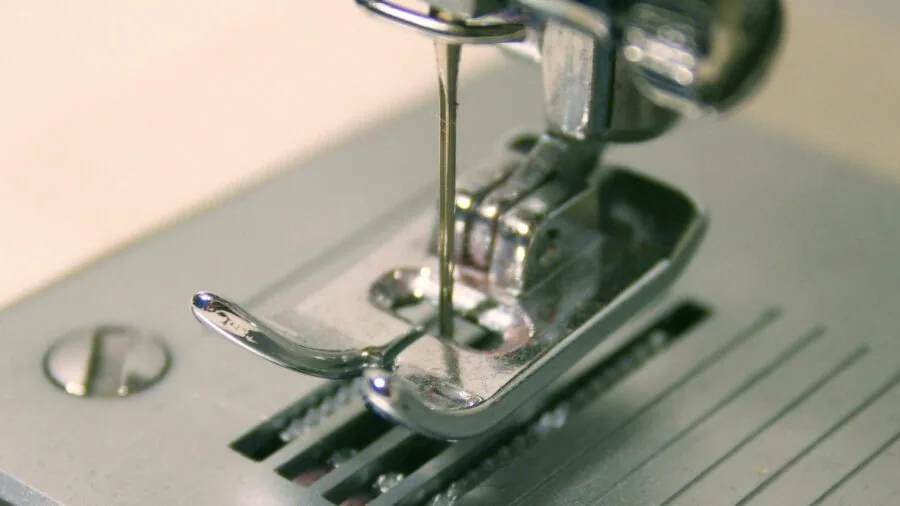
Quilters primarily rely on a very small subset of stitches: a reliable straight stitch, a zigzag for finishing edges, and a blanket or decorative stitch for appliqué work.
The number of built-in stitches listed in a machine’s marketing materials is often less important than the quality and consistency of those core stitches.
A machine with 300 built-in stitches that produces an uneven straight stitch at the throat of a thick quilt sandwich is far less useful than a straight-stitch specialist that sews a perfect seam every time.
That said, stitch variety does matter if you intend to use your quilting machine for garments, home decor, or decorative embellishment.
Machines like the Janome MC6650 and the Janome Skyline S6 AE offer substantial stitch libraries alongside their quilting-specific features, making them genuinely versatile workhorses for quilters who also sew clothing.
The SINGER C5980Q Patchwork Plus similarly positions itself as a dual-purpose machine at a mid-range price point.
Pay attention to stitch length and width adjustment range. For quilting, especially free-motion work, the ability to dial in very small stitch lengths for stippling or very consistent longer stitches for straight-line work is valuable.
Look for machines that allow fine incremental adjustments rather than preset jump values, as finer control produces cleaner results on finished quilts.
Computerized Features and Ease of Use
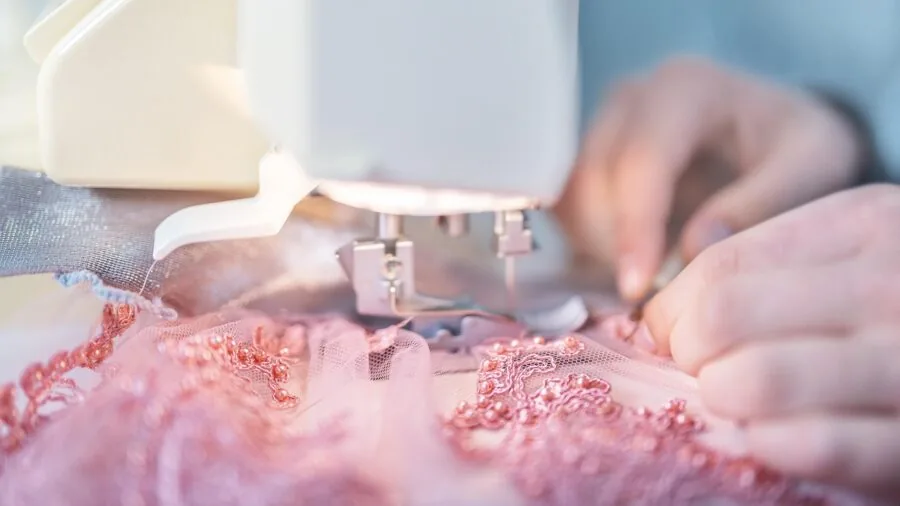
Computerized quilting machines offer automatic tension adjustment, needle-stop-down settings, automatic thread trimming, and precise stitch memory that can meaningfully reduce setup time and user error.
Needle-stop-down is particularly valuable for quilting because it keeps the needle in the fabric when you lift your foot, preventing the quilt from shifting between stitching bursts and maintaining accurate pivot points at corners.
Automatic thread trimmers and top-loading bobbins are quality-of-life features that add up over the course of a long quilting session.
Top-loading bobbins are easier to monitor and reload without removing the work from the machine, which is a real practical advantage when you are partway through a large quilt and run low on bobbin thread.
LCD displays with clear stitch preview and settings confirmation help reduce the chance of choosing the wrong stitch setting by mistake.
For newer quilters, machines with built-in tutorials, accessory storage, and clearly labeled presser foot storage make the learning curve more manageable.
Brother’s lineup tends to excel here, offering accessible interfaces and clear guidance, while JUKI and Janome machines are designed for users who already understand the fundamentals and prioritize build quality and performance over hand-holding features.
Consider how much guidance you want from the machine itself versus how much you will bring from your own experience.
Build Quality and Long-Term Reliability

Quilting places mechanical stress on a sewing machine that garment sewing does not. Pushing thick stacks of cotton fabric, dense polyester batting, and heavy backing through a machine repeatedly over years of use is a genuine durability evaluation.
Machines with metal frames and internal metal components consistently outperform plastic-chassis machines in verified buyer feedback over multi-year ownership periods, both in terms of stitch quality stability and resistance to wobble and vibration at higher speeds.
JUKI’s aluminum die-cast bodies are frequently cited by long-term users as a key reason for their loyalty to the brand, particularly for high-volume quilters who put hundreds of hours on their machines annually.
Janome also has a strong reputation for durability in the mid-to-high price tier. At entry-level price points, Brother machines deliver solid value but are more likely to show wear earlier under heavy production use.
Budget accordingly: a machine intended for occasional lap quilts has different durability requirements than one that will be running several hours a day.
Warranty terms and service network availability matter more for sewing machines than for many other product categories, since a machine out for repair means creative projects stall.
Look for brands with authorized service centers in your region and read warranty fine print to understand what is and is not covered.
Many experienced quilters treat their machine as a long-term investment and factor in brand support reputation alongside initial price when making their decision.
Similarly, organizing your workspace with reliable workshop clamps for holding patterns and fabric guides can make your quilting setup more efficient overall.
Why You Should Trust Us
ProductFind is an independent review publication. We do not sell products, accept payment for rankings, or have any commercial relationship with the brands we cover that influences our editorial output.
Every machine in this article was evaluated by our research team using a consistent, structured methodology built around the criteria that actually matter for quilters: throat space, feed system design, motor performance, stitch quality documentation, build materials, and long-term owner satisfaction.
Each product in our lineup receives a PF Score on a scale of 0 to 10.
This score is calculated by weighting multiple performance and value dimensions against one another, drawing on published manufacturer specifications, expert review consensus from the sewing and quilting community, and verified buyer feedback from confirmed purchasers.
We do not conduct our own product trials; our evaluations are grounded in research, published data, expert review consensus, and verified buyer feedback.
ProductFind may earn a commission if you purchase through a link on this page. That affiliate relationship has no effect on which products we include, how we score them, or how we rank them.
Our picks are determined entirely by research quality and editorial judgment, not by commission rates or brand relationships.
We are committed to giving you the clearest, most honest picture of each product so you can make the right decision for your quilting needs and your budget.
Final Thoughts
After thorough research and analysis, the quilting machines in this lineup represent a strong cross-section of what the market offers in 2026, from portable straight-stitch specialists to fully computerized multi-function workhorses.
Here are our standout picks by category, each earning its designation through consistent expert consensus and verified owner satisfaction reflected in its PF Score.
- Best Overall: Juki HZL-F600 Computerized Sewing and Quilting Machine earns the top spot with the highest PF Score in this lineup, backed by its aluminum construction, exceptional stitch consistency across heavy fabric layers, and a feature set that satisfies both quilting and garment sewing demands at a premium price that serious quilters consistently find justified.
- Best for Serious and High-Volume Quilters: Janome MC6650 Sewing and Quilting Machine delivers outstanding free-motion performance, a generous stitch library, and a robust build that experienced quilters cite as genuinely reliable over years of heavy use, earning it one of the strongest PF Scores in the group.
- Best Computerized Versatility Pick: Janome Skyline S6 AE stands out for its built-in AcuFeed Flex dual-feed system and impressive stitch count, making it the top choice for quilters who want integrated walking-foot capability, multiple fonts, and a high-end computerized experience without switching to a separate attachment.
- Best Portable Straight-Stitch Specialist: Juki TL-2010Q Portable Sewing Machine is the go-to recommendation for quilters who prioritize clean, fast, single-needle straight stitching over stitch variety, with a high PF Score reflecting its strong reputation for speed, precision, and durability in a portable aluminum-frame body.
- Best Budget Entry Point: Brother XR3774 Sewing and Quilting Machine offers a genuinely accessible entry into quilting-capable machines, with a walking foot included and enough core features to handle basic piecing and straight-line quilting at a price point that makes it easy to recommend for beginners building their first dedicated quilting setup.
Whatever your quilting ambitions, the right machine is one that matches your actual project scale, your current skill level, and the type of quilting you do most often.
Invest in more throat space and motor torque than you think you currently need, and you will grow into the machine rather than outgrow it.
For additional inspiration on what your finished quilts could look like, exploring a range of bed quilts across different styles and seasons is a great way to plan your next project.
And if you are building out a dedicated crafting space, quality runner rugs for hallways and workspaces can add comfort underfoot during long standing sessions at your machine.
Frequently Asked Questions
What is the minimum throat space I need for quilting?
Most quilting experts recommend at least seven inches of throat space as a practical minimum for lap quilts and smaller projects.
For queen-sized and king-sized bed quilts, eight inches or more is preferable, and an extension table that expands the work surface is equally important.
Straight-stitch specialty machines like the JUKI TL-2010Q are popular with quilters who regularly work on large projects because they combine a generous opening with a lightweight, stable frame that handles bulky fabric rolls with less effort.
Do I need a separate walking foot, or should I look for a machine with one built in?
A built-in dual-feed or integrated walking foot system is generally more reliable and better integrated with the machine’s timing than an aftermarket accessory.
Machines like the Janome Skyline S6 AE with built-in AcuFeed Flex offer the smoothest experience for straight-line quilting through multiple layers.
That said, a high-quality aftermarket walking foot on a capable machine is a perfectly workable solution, and many quilters use them successfully for years.
The key is making sure the foot is compatible with your machine’s shank type and that the feed engagement is consistent.
Is a computerized quilting machine worth the higher price over a mechanical one?
It depends on how you work. Computerized machines offer automatic tension, needle-stop-down, stitch memory, and precise digital adjustments that genuinely reduce errors and setup time during complex projects.
For quilters who work on detailed or varied projects regularly, those features pay off quickly.
For quilters who primarily do straight-line piecing and basic free-motion work on a predictable material set, a reliable mechanical machine can deliver excellent results at a fraction of the cost.
The SINGER C5980Q Patchwork Plus and Brother HC1850 represent good middle-ground computerized options at prices that do not require a major commitment.
Can I use a regular sewing machine for quilting, or do I need a dedicated quilting machine?
Many quilters produce excellent work on general-purpose sewing machines, particularly for piecing quilt tops where the fabric layers are still manageable.
The challenge comes during the quilting stage, when you are stitching through the full quilt sandwich of top, batting, and backing. A machine with limited throat space, a weak motor, or no walking foot capability will struggle at that stage.
If you are serious about quilting regularly, choosing a machine designed or optimized for quilting, even at an entry-level price point, will save you significant frustration.
The SewLaVie 1130 is an example of a budget-accessible machine with expanded stitch options that can bridge the gap for occasional quilters.
How important is brand reputation when choosing a quilting machine?
Brand reputation carries genuine weight in the sewing machine category because service network availability and parts sourcing directly affect your machine’s long-term usefulness. JUKI, Janome, Brother, and SINGER all have established service networks and documented histories of parts availability.
For quilters who plan to put significant hours on a machine over many years, investing in a brand with a strong service presence in your region reduces the risk of the machine becoming a paperweight after a warranty claim or repair need.
Verified buyer feedback across multiple years of ownership is one of the most reliable signals for long-term reliability, and it is a core input in how ProductFind scores machines in this category.
What accessories should I look for when buying a quilting machine?
The most important accessories for quilters are a walking foot (or confirmation that one is built in), a darning or free-motion foot, a quarter-inch presser foot for precise piecing seams, and an extension table for larger projects.
Beyond those essentials, a seam guide or quilting bar helps maintain consistent spacing between parallel quilting lines, and a set of quilting needles suited to the fabric and batting weight you use most often is a smart addition.
Some machines include a generous accessory bundle in the box, which adds real practical value even if it is not reflected in the base price.
Supplementary accessories like a reliable set of workshop clamps for securing patterns and templates to your cutting table round out a well-organized quilting workspace.
About the author
Kylie is a reviewer and writer for ProductFind who specializes in Sewing, Knitting & Needlecraft. Kylie evaluates products through independent research: specifications, expert review consensus, and verified buyer feedback, and rates each one on the PF Score. Kylie focuses on helping readers pick the right sewing, knitting & needlecraft for their needs and budget.