The 10 Best Obd2 Scanners
From a glowing check engine light to a full ABS fault, the right OBD2 scanner tells you exactly what your car needs. Here are the top picks for every skill level.
 By Aubree Howell
Updated July 23, 2026
By Aubree Howell
Updated July 23, 2026
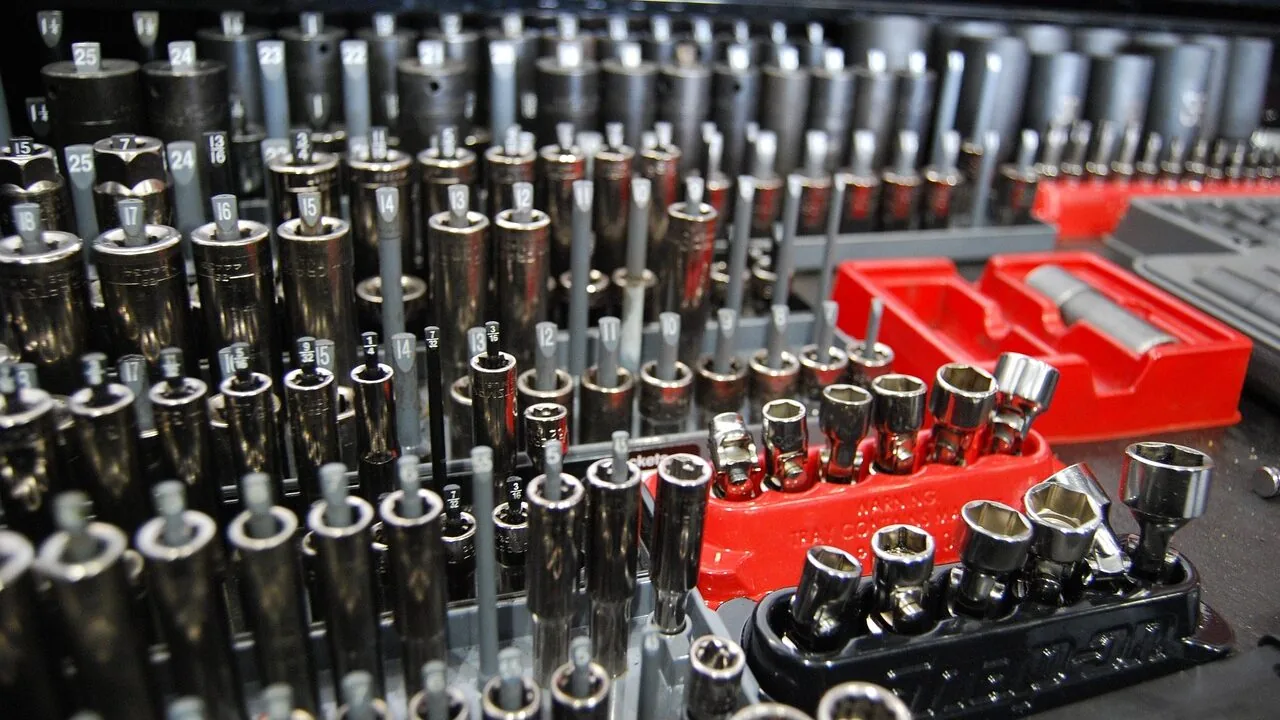
A check engine light glowing on your dashboard is one of those moments that can send even seasoned drivers into a mild panic. The truth is, that amber glow tells you almost nothing on its own.
What you need is an OBD2 scanner, a tool that plugs into the standardized diagnostic port found on virtually every car, truck, and SUV sold in the United States since 1996, and pulls the actual fault codes stored by your vehicle’s computer.
Armed with that information, you can make an informed decision: is this a loose gas cap, or something that genuinely needs a mechanic’s attention today?
Either way, you skip the guesswork and the costly diagnostic fees that shops charge just to read the same data.
The market for OBD2 scanners spans an enormous range, from budget dongles that simply read and clear codes to professional-grade bidirectional tablets capable of commanding individual vehicle systems.
Sorting through that range is exactly what this guide is built to do.
Our team at ProductFind researched and assessed each model on this list using a synthesis of manufacturer specifications, expert review consensus from automotive publications and ASE-certified technician communities, and verified buyer feedback from thousands of confirmed purchases.
That research feeds into our PF Score methodology, and the results are ranked so you can identify the right scanner for your skill level and budget in seconds. Here are our top picks.
| Award | Product | PF Score About PF ScoreThe PF Score is our own rating from 0 to 10, based on performance, design and build, ease of use, and value. It reflects independent research and is never influenced by manufacturers, retailers, or affiliate commissions. Learn more › | Price | |
|---|---|---|---|---|
| Best Overall |
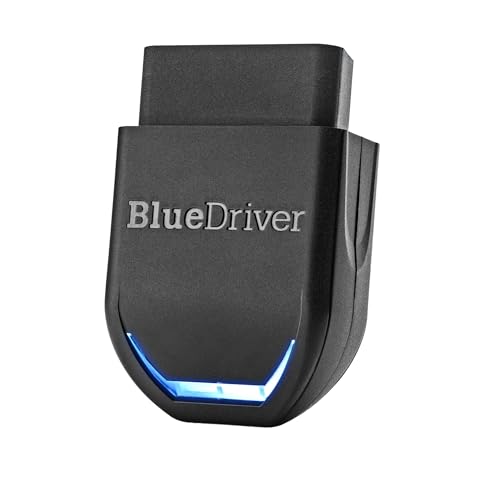 BlueDriver Pro Next-Gen OBD2 Scanner
|
8.7/10 | Buy | |
| Editor's Pick |
 ANCEL DS500BT Wireless OBD2 Scanner with 3000+ Tests
|
8.4/10 | Buy | |
| Best Value |
 Autel MX808S Bidirectional OBD2 Scanner
|
8.3/10 | Buy | |
| Top Rated |
 TOPDON AD600S OBD2 Scanner with 9 Reset Services
|
8.9/10 | Buy | |
 Launch CRP123X V3.0 OBD2 Scanner with Lifetime WiFi Updates
|
7.9/10 | Buy | ||
 MOTOPOWER MP69033 OBD2 Code Reader
|
6.2/10 | Buy | ||
 ANCEL AD410 OBD2 Code Reader
|
7.5/10 | Buy | ||
 TOPDON ONE 10.1" Bidirectional OBD2 Scanner with J2534
|
7.6/10 | Buy | ||
 OBDLink MX+ Bluetooth OBD2 Scanner
|
7.5/10 | Buy | ||
 FOXWELL NT301 OBD2 Code Reader with Live Data
|
7.8/10 | Buy |
BlueDriver Pro Next-Gen OBD2 Scanner
A wireless Bluetooth diagnostic tool that reads and clears codes across eight major vehicle systems (engine, ABS, SRS, TPMS, transmission) without subscription fees. Covers gas vehicles from 1996 onward and delivers VIN-matched repair reports with real-time data monitoring via smartphone.
Pros
- Eliminates recurring subscription costs common with competitor diagnostic tools
- Comprehensive code coverage across multiple vehicle systems beyond standard check engine diagnostics
- VIN-specific repair guidance reduces guesswork and unnecessary repair shop visits
- Broad vehicle compatibility across major manufacturers (GM, Ford, Honda, Toyota, BMW, Mercedes-Benz, and others)
- Wireless design removes cable clutter while maintaining professional-grade diagnostics
Cons
- No user reviews available to assess real-world reliability and ease of use
- Limited to vehicles 1996 and newer; incompatible with older classic cars
- Diesel truck coverage restricted to select light-duty models (F-250, RAM 2500, Silverado, Sierra only)
ANCEL DS500BT Wireless OBD2 Scanner with 3000+ Tests
A 7-inch Android tablet scanner offering full-system diagnostics, 3000+ active component tests, and 28+ service functions via wireless Bluetooth connectivity. Designed for DIYers, mobile mechanics, and small shops who need comprehensive vehicle diagnostics without recurring software fees.
Pros
- Extensive active testing capability reduces unnecessary parts replacement by confirming component faults
- Comprehensive service functions cover common maintenance procedures across multiple vehicle systems
- Wireless connectivity allows mobility around vehicle during diagnostics and live data monitoring
- Lifetime free updates eliminate ongoing subscription costs typical of competitor tools
- CAN FD support provides forward compatibility with newer vehicle platforms
Cons
- Function and compatibility vary significantly by vehicle year, make, model, and system configuration, requiring pre-purchase VIN verification
- No verified user reviews available to assess real-world reliability and ease of use
- Limited to 12V passenger vehicles, not suitable for heavy-duty or commercial applications
Autel MX808S Bidirectional OBD2 Scanner
A budget-friendly diagnostic scanner offering 3000+ active tests and OE-level full system diagnostics comparable to higher-end models. Covers 10,000+ vehicles from 1996 onward with 28+ service functions, making it suitable for both DIY mechanics and professional workshops.
Pros
- Active testing capability rivals premium models (MK900/MX900) at lower price point
- Fast hardware with 4GB RAM and 64GB storage enables smooth multitasking between vehicle systems
- Wide vehicle compatibility covers 95%+ of OBD2/EOBD vehicles globally
- 28+ service functions handle common maintenance tasks for 150+ brands
- Compact, portable design suitable for mobile mechanics and DIY use
Cons
- Limited to no customer reviews available to verify real-world performance and reliability
- Service availability varies by vehicle; requires VIN compatibility check before purchase, adding transaction friction
- Not compatible with pre-2000 vehicles without prior verification through vendor support
TOPDON AD600S OBD2 Scanner with 9 Reset Services
A mid-range diagnostic scanner for DIYers and home mechanics that reads codes across four systems (engine, ABS, SRS, transmission) and performs nine reset functions including oil, brake, TPMS, and injector coding. Best suited for owners of vehicles from 1996 onward across 90+ brands who need routine maintenance diagnostics without paying for dealer visits.
Pros
- 9 reset services including injector coding, oil, brake, TPMS, DPF, ABS bleeding, and SAS/BMS reset
- Works on vehicles from 1996 and later across 90+ vehicle brands with OBD2/EOBD/JOBD and CAN-FD protocol support
- 5-inch color touchscreen with Android 11.0 offers faster operation than button-based readers, with one-click Wi-Fi updates and no subscription fees
- Auto VIN identification and DTC lookup library reduce manual input and research time
- Live data display in multiple formats (text and 4-in-1 merged waveform graph) with report save and sharing options
Cons
- Auto VIN feature doesn't work on all vehicles, requiring manual VIN entry in some cases
- Does not work with 5G vehicles, limiting future compatibility
- No customer reviews available to validate real-world reliability or performance claims
Launch CRP123X V3.0 OBD2 Scanner with Lifetime WiFi Updates
A comprehensive diagnostic scanner covering 90+ vehicle brands with seven reset services (oil, ABS, SRS, throttle, EPB, BMS, DPF) included at no extra cost. Best suited for DIY mechanics and shop owners seeking multi-system diagnostics and live data streaming without recurring subscription fees.
Pros
- Seven diagnostic reset services included eliminates $300-700 annual shop visit costs
- Broad vehicle coverage across 90+ brands with FCA SGW and next-generation protocol support
- Lifetime free software updates and responsive support with 5-year backup guarantee
- Live data waveform display and built-in DTC library reduce troubleshooting time by up to 60%
- Fast performance with Android 8.1, 6000mAh battery, and high-resolution display suitable for dim workshop conditions
Cons
- Four-system diagnostics primarily compatible with vehicles manufactured after 2006, limiting coverage for older models
- AutoVIN feature does not cover all vehicle models; manual VIN entry sometimes required
- Advanced MALL features carry significant paid restrictions; full feature set requires clarification before purchase
MOTOPOWER MP69033 OBD2 Code Reader
A straightforward OBD2 diagnostic scanner that reads and clears engine fault codes on vehicles from 1996 onward. Operates via the car's power supply, features a 2.8-inch LCD display, and supports 9 OBD protocols across multiple languages, making it practical for DIY engine diagnostics.
Pros
- Comprehensive engine diagnostics covering most common OBD2 functions
- Universal compatibility across major vehicle protocols and regions
- No ongoing power requirements, powered through OBD2 connector
- Clear display with adjustable contrast for visibility
- User-friendly button layout for quick VIN and code queries
Cons
- Does not read or clear ABS, airbag, or oil service codes
- No customer reviews available to verify real-world performance and reliability
- Limited to OBD2 systems only, incompatible with non-OBD2 vehicle systems
ANCEL AD410 OBD2 Code Reader
A straightforward OBD2 scanner for reading and clearing engine fault codes on 1996+ vehicles. No app, no Bluetooth needed—just plug into your OBD2 port and view real-time engine data on the 2.4-inch color display. Practical for DIY diagnostics and understanding check engine lights before visiting a mechanic.
Pros
- Wide vehicle compatibility covers most 1996+ U.S. OBD2 cars and many 2000+ European/Asian models
- Real-time engine parameters help spot abnormal patterns and verify repairs
- Simple plug-and-play operation with clear on-screen definitions
- Compact design (9 x 6.3 x 1.6 inches) and lightweight (0.66 lbs) for portability
Cons
- Engine and emission codes only; does not support ABS, SRS, transmission, bidirectional control, or service resets
- Limited to OBD2 standard diagnostics, not suitable for advanced vehicle system scanning
- No verified buyer reviews available to confirm real-world performance and durability
TOPDON ONE 10.1" Bidirectional OBD2 Scanner with J2534
A professional-grade diagnostic scanner designed for shops needing dealer-level coding and advanced vehicle support. The 10.1-inch touchscreen, dual WiFi connectivity, and J2534 pass-thru capability enable ECU coding, ADAS calibration, and access to 50+ service functions across major automotive brands.
Pros
- Combines multiple factory-level capabilities in one tool, reducing need for separate diagnostic platforms
- First year of software updates included free; subscription options provide long-term value with continuous vehicle data updates
- Guided Functions for VAG vehicles offer step-by-step procedures and torque specs, lowering technician training burden
- Professional-grade topology mapping and advanced protocol support future-proofs against newer vehicle architectures
Cons
- No subscription required to operate core functions, but new vehicle data requires ongoing payment, effectively creating a mandatory subscription model for shops working on current models
- No verified buyer reviews available to assess real-world reliability, durability, or user experience consistency
- Premium pricing tier typical of professional shop equipment; requires significant upfront investment
OBDLink MX+ Bluetooth OBD2 Scanner
A compact Bluetooth OBD2 adapter that converts your smartphone or Windows PC into a diagnostic tool, compatible with popular apps like FORScan, Torque, and BimmerCode. Supports multiple vehicle brands with enhanced OEM compatibility and access to live parameters beyond basic code reading.
Pros
- Broad app ecosystem compatibility with industry-standard diagnostic software
- Extended live parameter access beyond basic OBD2 functions
- Built-in protection against electrical faults and battery drain
- Small, portable form factor suitable for any vehicle
Cons
- No user reviews available to verify real-world reliability
- Requires compatible diagnostic app purchase or download for full functionality
- Vehicle compatibility varies by model and year, verification recommended before purchase
FOXWELL NT301 OBD2 Code Reader with Live Data
A straightforward diagnostic scanner for DIY mechanics that reads fault codes, clears check engine lights, and displays live sensor data on a 2.8-inch color screen. Compatible with most 1996+ US vehicles and some European/Asian models, though it's limited to basic OBD2 functions without advanced system access.
Pros
- Comprehensive fault code reading and clearing for most 1996+ gasoline vehicles
- Live data graphing helps identify sensor trends and performance issues in real time
- Built-in emissions readiness checker with visual and audio feedback for smog test prep
- Compact, durable design requires no charging or initial setup
- Supports multiple OBD2 protocols (KWP2000, J1850 VPW/PWM, ISO9141, CAN)
Cons
- Does not access ABS, SRS, EPB, or A/C system diagnostics, limiting its scope to engine-only issues
- No bidirectional control or advanced reset functions like professional-grade scanners offer
- Compatibility varies significantly by vehicle year, make, model, and VIN, requiring pre-purchase verification
OBD2 Scanners Buying Guide
Choosing the right OBD2 scanner is less about finding the flashiest feature set and more about matching the tool to the way you actually use it.
A weekend DIYer who wants to clear a check engine light before an emissions evaluation has completely different needs than a home mechanic who rebuilds engines and wants to command solenoids.
The six criteria below cover the most important decision points, and understanding them will save you from either overspending on capability you’ll never use or underspending on a tool that leaves you stuck.
If you’re building out a capable home garage setup, pairing a solid scanner with reliable dash cams and a quality backup camera gives you a well-rounded safety and diagnostic toolkit.
Connection Type: Wired, Bluetooth, or Wi-Fi
OBD2 scanners connect to your car in two fundamental ways: via a physical cable that plugs directly into a standalone handheld unit, or wirelessly via Bluetooth or Wi-Fi to a companion app on your smartphone or tablet.
Neither is universally superior. Wired handheld devices like the FOXWELL NT301 or ANCEL AD410 are self-contained, work without a charged phone nearby, and often offer faster initial connection times.
They are also easier to hand off to a family member who is not tech-savvy.
Bluetooth scanners such as the BlueDriver Pro or OBDLink MX+ transmit data to an app, which typically means a richer, more frequently updated interface, cloud-based repair databases, and the ability to log data directly to your phone’s storage.
The trade-off is that you depend on your phone’s battery and the app’s continued development. For most home users who already carry a smartphone everywhere, a Bluetooth scanner offers more value per dollar.
Professional technicians working in a shop environment, however, often prefer a purpose-built handheld or tablet that does not share resources with personal apps.
Wi-Fi adapters are less common in the consumer space but can offer slightly more stable throughput for heavy live-data logging.
When evaluating connection type, also consider whether the scanner supports the newer CAN-FD and DoIP protocols, which are required for full diagnostic access on many vehicles from 2020 onward.
A scanner that lacks these protocols may connect fine but silently miss systems on a modern car.
Diagnostic Depth: Code-Only vs. Full-System Coverage
The most important functional distinction among OBD2 scanners is how deep they reach into your vehicle’s electronics.
Entry-level code readers access only the standardized OBD2 powertrain codes (the P0xxx codes that any scanner must read by federal mandate).
They can tell you a sensor is failing, but they cannot reach the ABS module, airbag system, transmission control unit, or body electronics.
For someone who just wants to address a check engine light on a straightforward engine issue, that coverage is often sufficient.
Mid-range and upper-tier scanners offer full-system diagnostics, meaning they communicate with every electronic module on the vehicle.
A warning light on your instrument cluster related to a stability control fault, for example, requires a scanner with ABS and SRS access to diagnose properly.
Models like the TOPDON AD600S and the Launch CRP123X Elite both reach beyond powertrain into these additional systems, which is why they represent a meaningful capability jump over basic readers.
At the professional end of the spectrum, tools like the Autel MaxiCheck MX808S and TOPDON ONE add bidirectional control, meaning the scanner can send commands to vehicle actuators, not just receive data from them.
This lets you perform active evaluations such as cycling an ABS pump, commanding an injector, or calibrating a throttle body without needing a separate professional scan tool.
If you regularly work on multiple vehicles or tackle complex repairs, bidirectional capability dramatically expands what you can do without a shop visit.
Service Reset Functions
Beyond reading and clearing fault codes, most modern vehicles require specific reset procedures after routine maintenance.
Oil life monitors, brake pad wear sensors, battery management systems, diesel particulate filters, and steering angle sensors all typically need a scanner-initiated reset after the relevant service is performed.
Without that reset, a warning light remains on even after the physical repair is complete, and in some cases the system will not function correctly.
The number of supported service functions varies enormously across scanner models. A basic reader may offer oil reset only. Mid-range tools typically bundle oil, TPMS, brake bleeding, and battery registration.
More comprehensive options like the TOPDON AD600S and ANCEL DS500BT cover a wider set of resets, which matters if you own a European or Asian vehicle with systems that are more demanding about reset procedures than typical domestic makes.
Vehicle Compatibility and Protocol Support
Federal law mandates OBD2 compliance for all cars sold in the US from 1996 onward, so any scanner on this list will communicate with the vast majority of vehicles on the road.
The nuances appear at the edges. Older vehicles from 1996 to around 2001 may use one of five legacy OBD2 protocols (ISO 9141-2, J1850 PWM, J1850 VPW, KWP2000, and CAN), and not every budget scanner supports all five equally well.
Newer vehicles, particularly from 2020 onward, increasingly use the faster CAN-FD bus and Ethernet-based DoIP protocols for modules like ADAS and active safety systems.
If your vehicle is a 2020 or newer model, especially a European make or a hybrid or electric vehicle, verify explicitly that the scanner you are considering lists CAN-FD and DoIP support.
The TOPDON ONE, for example, adds J2534 pass-through capability, which means it can also be used to reflash certain ECUs using manufacturer software.
That level of protocol depth is overkill for most home users but invaluable for a small independent shop working on late-model vehicles.
Also worth checking is truck and van compatibility. Light-duty trucks and full-size vans from the big three domestic brands typically communicate fine with any OBD2 scanner.
Heavy-duty commercial trucks use a different diagnostic standard (J1939) that most consumer-grade OBD2 scanners do not support.
If you work on fleet vehicles or diesel trucks, confirm compatibility before purchasing.
Display, Interface, and Ease of Use

A scanner’s interface determines how quickly you can move from plugging in to understanding the data.
Standalone handheld units range from small monochrome screens with simple button navigation to large color touchscreen tablets with graphing and vehicle health dashboards.
App-based Bluetooth scanners offload the interface entirely to your phone, which often means a more polished, frequently updated experience, since software updates are trivially easy to push compared to firmware updates on dedicated hardware.
For occasional home use, a clean app interface like the one BlueDriver Pro offers tends to be easier to navigate than a handheld with a small keypad.
For professional or shop use, a purpose-built screen that does not require a paired phone, like the Autel MaxiCheck MX808S or TOPDON ONE, is more practical in a work environment where phones may not be readily accessible or where multiple technicians share a single tool.
Update Policy and Long-Term Value

Vehicle coverage databases and protocol libraries require regular updates as new model years arrive.
A scanner that does not receive updates will gradually fall behind, eventually failing to fully communicate with newer vehicles.
When evaluating long-term value, look carefully at the update policy: is lifetime software updating included, or does it require an annual subscription after the first year?
Several scanners on this list, including the Launch CRP123X Elite and ANCEL DS500BT, advertise lifetime free updates, which meaningfully extends their useful life and justifies a higher upfront investment compared to cheaper tools with no update path.
App-based tools like the BlueDriver Pro benefit from app store update infrastructure, meaning the software evolves continuously.
Verify the update model before purchasing, particularly for mid-range and professional tools where the investment is substantial enough that you expect years of service.
One final consideration: customer support and community. Manufacturers like Autel and Launch have extensive user forums, YouTube tutorial libraries, and responsive support channels, which matters when you encounter a vehicle-specific quirk or a feature you are trying to enable.
Verified buyer feedback consistently highlights post-purchase support quality as a differentiator between brands at similar price points.
Why You Should Trust Us
ProductFind is an independent editorial platform.
We have no commercial relationship with any of the brands featured in this guide, and our editorial team operates separately from any advertising or affiliate functions.
Every product in this guide was assigned a PF Score on our 0 to 10 scale, derived from a consistent, multi-factor evaluation framework applied uniformly across all candidates in the category.
Our evaluation for OBD2 scanners drew on published manufacturer specifications and protocol documentation, consensus assessments from expert reviewers including ASE-certified technician communities and automotive publications, and verified buyer feedback aggregated from thousands of confirmed purchasers across major retail platforms.
We do not conduct our own product trials; our evaluations are grounded in research, published data, expert review consensus, and verified buyer feedback.
This approach lets us assess a broad range of products systematically and surface patterns in real-world reliability and capability that single-reviewer experiences can miss.
ProductFind may earn a commission when you purchase through links in this article. That affiliate relationship does not influence our rankings, PF Scores, or product selections in any way.
Scores are assigned before any affiliate arrangements are considered, and products are ranked solely on their evaluated merit.
We flag this relationship in the interest of full transparency.
Final Thoughts
The best OBD2 scanner for you comes down to three honest questions: how deeply do you need to diagnose, how often will you use the tool, and what kind of vehicles are you working on?
The scanners on this list span the full spectrum from a no-frills budget reader to a professional-grade bidirectional tablet with J2534 pass-through. Below are our recommended picks by use case, each grounded in their PF Score performance within the category.
- Best Overall: TOPDON AD600S earns the top overall position by delivering genuine full-system diagnostics, nine service reset functions, and CAN-FD support in a mid-range package that punches well above its price tier according to expert review consensus.
- Best Bluetooth Scanner: BlueDriver Pro Next Gen is the standout wireless option, pairing Bluetooth convenience with full-system coverage, a polished app, and repair report data matched to verified mechanic fixes, all with no subscription required.
- Best for Professional Use: ANCEL DS500BT delivers professional-tier bidirectional control, 3,000-plus active evaluation functions, and lifetime free updates in a wireless form factor that appeals to both advanced DIYers and small shop technicians.
- Best Full-Featured Tablet: Autel MaxiCheck MX808S provides one of the broadest vehicle coverage footprints in its class, with OE-level system access across 200-plus brands and a mature software ecosystem backed by Autel’s extensive update infrastructure.
- Best Budget Pick: ANCEL AD410 remains a reliable entry point for drivers who simply need to read and clear powertrain codes and verify readiness monitors before an emissions inspection, without spending more than necessary.
Whichever tier fits your needs, having any OBD2 scanner in your vehicle toolkit is a practical investment. The cost of a single mechanic diagnostic visit often exceeds the price of a quality scanner, and the knowledge you gain from reading your own codes gives you confidence in every repair conversation that follows.
Frequently Asked Questions
What is the difference between a code reader and a full OBD2 scanner?
A basic code reader accesses only the standardized powertrain fault codes that federal OBD2 regulations require every compliant vehicle to support. It can read and clear engine-related diagnostic trouble codes and check readiness monitors. A full OBD2 scanner goes further by communicating with additional control modules across the vehicle, including ABS, SRS (airbag), transmission, and body electronics. Higher-end scanners also add bidirectional control, live data graphing, and service reset functions that a simple code reader cannot perform.
Will an OBD2 scanner work on my specific car?
Any OBD2 scanner will communicate with every car, truck, and SUV sold in the United States from 1996 onward at the basic powertrain level, since OBD2 compliance is federally mandated. Full-system and bidirectional coverage depends on whether the scanner’s manufacturer has developed support for your specific make and model. Before purchasing, check the manufacturer’s compatibility list for your year, make, and model. If you own a 2020 or newer vehicle, also verify that the scanner supports CAN-FD and DoIP protocols, since many modern modules rely on these newer communication standards.
Can I leave an OBD2 Bluetooth dongle plugged in all the time?
Leaving a Bluetooth OBD2 adapter permanently plugged into your vehicle’s diagnostic port is generally safe, but there are two caveats worth knowing. First, some adapters draw a small amount of standby current even when the vehicle is off, which can contribute to battery drain if the vehicle sits unused for extended periods. Second, a Bluetooth adapter that remains powered and discoverable can theoretically be accessed by any nearby device running compatible software. For occasional home use, plugging in when needed and unplugging afterward is the safest and most battery-friendly approach.
Do I need a bidirectional scanner for basic home repairs?
For the majority of routine home maintenance tasks including oil changes, brake pad replacements, spark plug swaps, and sensor replacements, a bidirectional scanner is not necessary. A mid-range full-system scanner with service reset functions will handle the resets and code clearing those jobs require. Bidirectional control becomes valuable when you need to perform active component evaluations, such as cycling an ABS pump to bleed brakes, commanding an idle control valve, or calibrating a newly installed sensor. If your repairs stay on the simpler end of the DIY spectrum, save the budget and step up only when your repair ambitions grow.
How often should I update my OBD2 scanner’s software?
Updating your scanner’s software at least once or twice a year is good practice, and immediately before working on a recently purchased or newer-model vehicle is highly recommended. Updates add coverage for new model years, fix communication bugs with specific vehicles, and occasionally unlock new service functions. App-based scanners like the BlueDriver Pro update automatically through the app store, so they tend to stay current with minimal effort. Standalone handheld units typically require a manual firmware update via USB or Wi-Fi, and the process is straightforward on most modern devices from brands like Autel, Launch, and TOPDON.
About the author
Aubree is a reviewer and writer for ProductFind who specializes in Car Electronics. Aubree evaluates products through independent research: specifications, expert review consensus, and verified buyer feedback, and rates each one on the PF Score. Aubree focuses on helping readers pick the right car electronic for their needs and budget.