The 9 Best Tire Pressure Monitoring Systems
Slow leaks and pressure drops are among the most preventable causes of blowouts. Our research covers TPMS options from solar-charged budget units to full RV-grade systems with expandable sensors.
 By Aubree Howell
Updated July 23, 2026
By Aubree Howell
Updated July 23, 2026
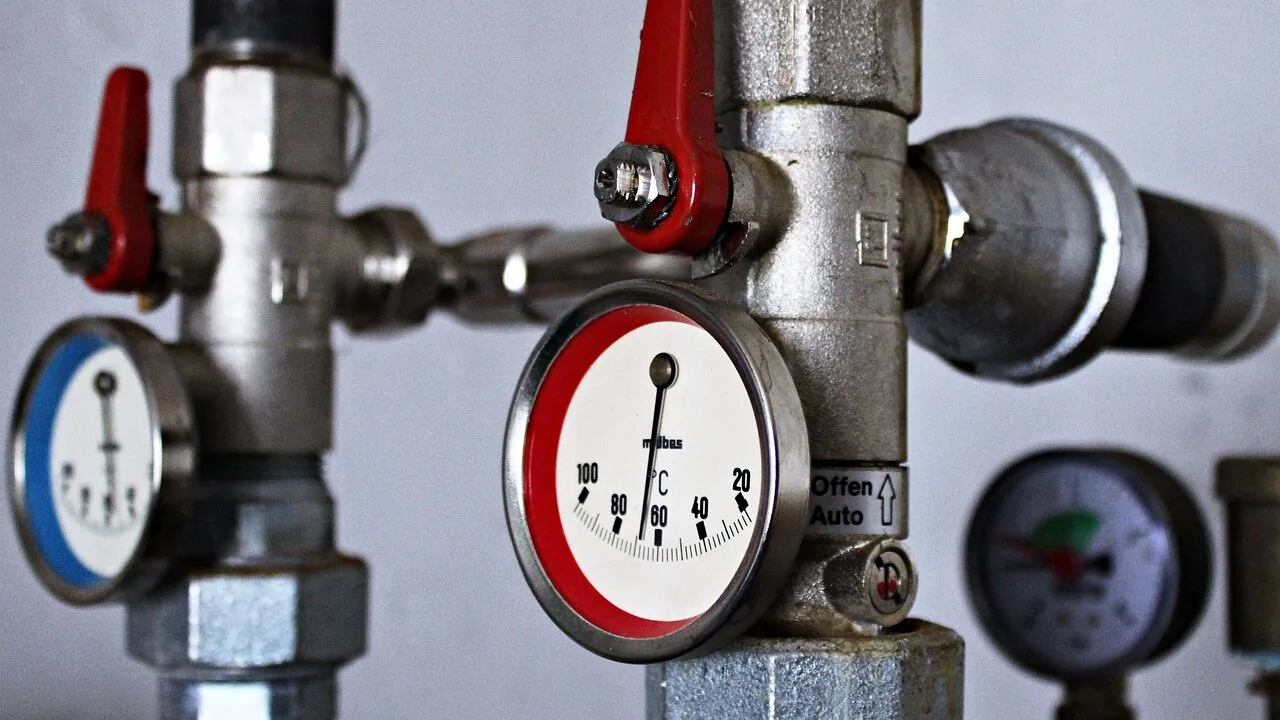
A tire pressure monitoring system (TPMS) is one of the most practical safety investments you can make for an RV, trailer, truck, or SUV.
Underinflated tires are a leading cause of blowouts on long highway hauls, and by the time you feel a shimmy in the wheel, significant damage may already be underway.
A quality TPMS gives you continuous, real-time pressure and temperature readings at every corner of your vehicle so you can act before a slow leak becomes a roadside emergency.
This guide covers a range of tire pressure monitoring systems, from solar-powered budget options under $50 to dedicated RV-grade systems with professional-level displays.
Our team at ProductFind researched each option by analyzing published specifications, synthesizing expert review consensus across automotive and RV communities, and combing through verified buyer feedback from thousands of owners.
Whether you’re a weekend camper or a full-time RVer, the picks below represent the strongest choices available right now across every price tier. Scroll down to see our full ranked list.
| Award | Product | PF Score About PF ScoreThe PF Score is our own rating from 0 to 10, based on performance, design and build, ease of use, and value. It reflects independent research and is never influenced by manufacturers, retailers, or affiliate commissions. Learn more › | Price | |
|---|---|---|---|---|
| Best Overall |
 TireMinder i10 RV TPMS with 4 Transmitters
|
8.3/10 | Buy | |
| Editor's Pick |
 Tymate TM12 12-Tire TPMS with Solar/USB Charging
|
7.9/10 | Buy | |
| Best Value |
 TireMinder A1AS RV TPMS with 4 Transmitters
|
7.8/10 | Buy | |
| Top Rated |
 Tymate TM2 RV Tire Pressure Monitor with Solar Charging
|
7.5/10 | Buy | |
 Truck Systems TST 507 RV TPMS with 4 Cap Sensors
|
7.2/10 | Buy | ||
 Masoll M13 TPMS with Solar Charging, 4 Sensors
|
6.4/10 | Buy | ||
 Masoll Wireless TPMS with Solar Charging, 4 Sensors
|
6.3/10 | Buy | ||
 Tymate TM7 Wireless TPMS with 4 External Sensors
|
6.1/10 | Buy | ||
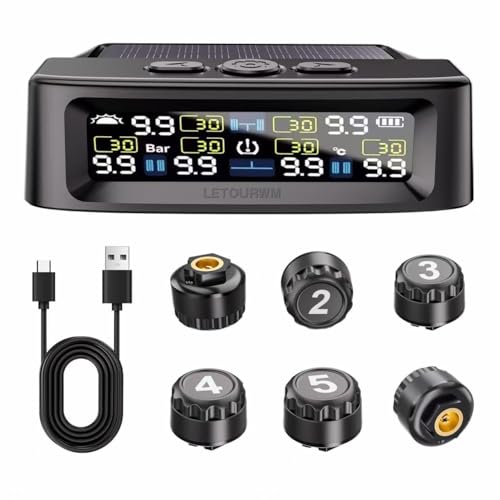 LETOURWM 6-Sensor TPMS Solar and USB Charging
|
5.8/10 | Buy |
TireMinder i10 RV TPMS with 4 Transmitters
A tire pressure and temperature monitoring system designed for RVs and multi-axle vehicles, capable of tracking up to 40 tires with real-time alerts for leaks, blowouts, and pressure anomalies. The 3.15-inch color LCD display shows simultaneous PSI and temperature readings, making it practical for owners managing numerous tires across large vehicles.
Pros
- Capable of managing high tire counts, ideal for RVs, trailers, and commercial vehicles
- Checks tire status every 6 seconds for rapid issue detection
- Includes signal booster for improved range and reliability in larger setups
- High accuracy at +/- 1 PSI helps catch subtle pressure changes early
- Color LCD display clearly shows both pressure and temperature simultaneously
Cons
- No verified customer reviews available to assess real-world reliability and ease of use
- Four-transmitter kit may require additional transmitters for maximum 40-tire capacity
- Installation and pairing process details not documented in provided specifications
Tymate TM12 12-Tire TPMS with Solar/USB Charging
A wireless tire pressure monitoring system designed for RVs and multi-axle vehicles, supporting up to 12 sensors with real-time alerts across six pressure and temperature thresholds. Dual power options (USB-C and solar panel) and plug-and-play installation appeal to owners seeking comprehensive tire monitoring without professional setup.
Pros
- Comprehensive monitoring for large vehicles and trailers with 12-sensor capacity and split-screen cycling display
- Flexible power supply via USB-C charging or solar panel reduces dependency on single power source
- Quick DIY setup with pre-programmed sensors and automatic pressure calibration saves installation time and cost
- Six distinct alarm modes provide thorough protection across multiple failure scenarios
- Wide PSI range and extended signal reach suitable for diverse vehicle types
Cons
- Requires full USB-C charge before first use despite solar panel inclusion, limiting immediate readiness
- Solar charging output depends on light conditions, making USB backup necessary in low-light or indoor storage scenarios
- No user reviews available yet to verify real-world performance and reliability claims
TireMinder A1AS RV TPMS with 4 Transmitters
A comprehensive tire pressure monitoring system designed for RVs and large fleets, capable of tracking up to 176 tires simultaneously with a 5.5-inch color display. Includes four wireless transmitters, a signal booster, and smartphone app integration for remote monitoring.
Pros
- Extensive monitoring capacity of 176 tires makes it suitable for large RVs and commercial fleets
- Frequent 6-second monitoring intervals catch rapid pressure changes and potential blowouts
- Smartphone app integration allows remote tire monitoring without vehicle proximity
- Included signal booster ensures reliable connectivity across larger vehicles
- 3-year warranty plus lifetime support from USA-based customer service
Cons
- No verified customer reviews available to assess real-world performance and durability
- Requires compatible smartphone with specific OS versions and Bluetooth capability for app features
- Large sensor count and system complexity may require professional installation on some RV models
Tymate TM2 RV Tire Pressure Monitor with Solar Charging
A solar-powered TPMS designed for RVs and trailers that monitors up to 10 tires with six alarm modes and a color LCD display. Pre-paired sensors and versatile charging options make it practical for extended trips, though the 0-87 PSI range is limited for high-pressure applications.
Pros
- Solar charging eliminates constant battery anxiety for long-haul RV trips
- Factory pre-pairing and easy threshold setup (plus or minus 15-25% of reference pressure) reduce installation friction
- Waterproof external sensors designed for durability in harsh travel conditions
- Six-month sensor battery life and extended two-year lifespan provide reliable long-term monitoring
- Supports mixed vehicle monitoring with trailer display switching functionality
Cons
- Maximum 0-87 PSI range excludes high-performance or heavy-load truck applications requiring higher thresholds
- Repeater module sold separately for trailers longer than 36 feet, adding extra cost
- No user reviews available yet (4.2 rating with zero verified purchases) limits real-world reliability validation
Truck Systems TST 507 RV TPMS with 4 Cap Sensors
A wireless tire pressure monitoring system designed for RVs, travel trailers, and campers, featuring a 3.5-inch color display and expandable monitoring for multiple vehicles. Offers real-time alerts for pressure, temperature, and leaks with user-replaceable sensors and three-year warranty.
Pros
- Expandable system allows monitoring multiple RVs and towed vehicles simultaneously
- Cap sensor design enables straightforward installation without tire removal
- Rechargeable display with multiple mounting methods (suction cup and magnetic mount)
- Three-year warranty and USA-based support provide consumer confidence
- Low sensor battery alerts prevent unexpected monitoring failures
Cons
- No verified buyer reviews available to assess real-world reliability and user experience
- Limited to four included sensors, requiring additional purchases to monitor more than four tires
- Expandability adds complexity for users managing multiple vehicles
Masoll M13 TPMS with Solar Charging, 4 Sensors
A solar-powered tire pressure monitoring system designed for RVs, trailers, and standard vehicles with automatic calibration and intelligent alarm thresholds. Delivers accurate readings from 0-87 PSI with minimal setup required.
Pros
- Auto calibration saves time by setting alarm values based on standard tire pressure without user intervention
- Solar panel with overcharge protection extends battery life significantly
- 0-87 PSI range with 1.5 PSI accuracy suitable for most vehicle types
- Intelligent display adjusts brightness automatically for day and night visibility
Cons
- No customer reviews available to verify real-world performance claims
- Requires signal booster for trailers longer than 38 feet, adding extra cost
- Limited pressure range does not explicitly cover high-PSI commercial vehicles or specialty applications
Masoll Wireless TPMS with Solar Charging, 4 Sensors
A wireless tire pressure monitoring system for RVs and multi-wheel vehicles that combines solar and USB charging to eliminate battery concerns. Offers six alarm modes and auto-calibration, though it requires manual pressure setup before installation and has a 99 PSI maximum limit.
Pros
- Solar charging reduces reliance on manual battery replacement during extended RV trips
- Automatic alarm threshold setup based on current tire pressure eliminates guesswork
- Pre-paired sensors and straightforward installation reduce setup complexity
- High pressure accuracy of ±1.5 PSI ensures reliable monitoring
- Waterproof and anti-theft sensor design suits outdoor RV conditions
Cons
- Maximum 99 PSI limit excludes high-pressure commercial or performance tires
- Requires tires set to standard pressure before sensor installation, adding an extra setup step
- Trailers longer than 38 feet need an additional signal booster, increasing total cost
- No verified buyer reviews available to assess real-world reliability and user experience
Tymate TM7 Wireless TPMS with 4 External Sensors
A plug-and-play tire pressure monitoring system designed for vehicles without factory TPMS, offering real-time pressure and temperature alerts across a 0-144 PSI range. The wireless sensors pair easily, and dual USB charging ports add practical utility for road trips and commercial use.
Pros
- Easy installation without complex wiring, ideal for older vehicles or DIY upgrades
- Comprehensive alert system covers pressure leaks, temperature spikes, and sensor battery status
- Dual USB ports provide added functionality for charging devices during travel
- Wide pressure detection range accommodates various vehicle types
- Replaceable CR1632 coin batteries with replacement guides provided
Cons
- No verified buyer reviews available to assess real-world reliability and durability
- Requires Tymate repeater module for trailers over 36 feet, adding extra cost
- Metal valve stem installation requirement may complicate setup for some users
LETOURWM 6-Sensor TPMS Solar and USB Charging
A solar and USB-powered tire pressure monitoring system designed for RVs, trailers, and trucks with six external sensors that install in minutes without wiring. Real-time monitoring covers pressure, temperature, and battery status across a 65-foot range with voice alerts and six alarm modes.
Pros
- Dual charging system eliminates power concerns on extended trips
- Quick external sensor installation without breaking beads or removing tires
- Voice alerts provide hands-free safety notifications while driving
- Six distinct alarm modes offer comprehensive tire and system monitoring
- IP67 rating ensures reliable performance in harsh weather and off-road conditions
Cons
- No verified buyer reviews available to validate real-world durability or reliability claims
- 4.8 rating is unsubstantiated without actual customer feedback
- Limited information on how consistently solar charging performs in various climates
Tire Pressure Monitoring Systems Buying Guide
Choosing the right TPMS comes down to matching the system’s capabilities to your specific vehicle type, number of axles, and how you plan to use it.
A budget solar-charged unit might be perfectly sufficient for a sedan driver who takes occasional road trips, while a full-time RVer towing a fifth wheel needs a far more robust setup with expandable sensor capacity and a high-visibility display.
The sections below walk through every key variable so you can shop with confidence.
Sensor Type: External Cap vs. Internal Flow-Through
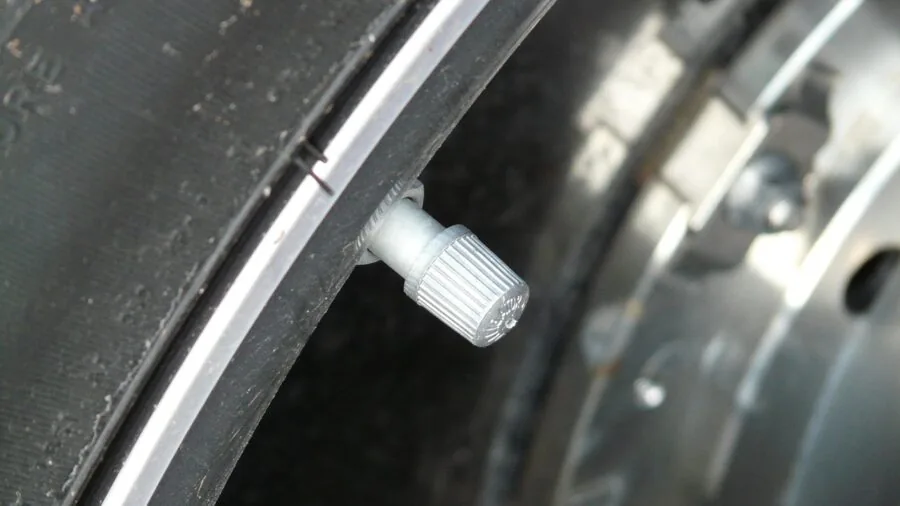
The vast majority of aftermarket TPMS units sold today use external cap sensors that thread directly onto existing valve stems.
These are easy to install without any tools and work on virtually any vehicle, but they do add a small amount of weight to the valve stem and are theoretically more exposed to theft or impact.
Internal (flow-through) sensors mount inside the wheel or in-line with the valve stem and offer a more secure, tamper-resistant installation, though they typically require a tire shop visit.
For RV and trailer use, where you may be swapping sensors between rigs or checking pressure before each departure, external cap sensors are the dominant choice among verified buyers.
They’re fast to attach, easy to re-torque if they loosen, and simple to replace if lost.
Premium systems like those from TireMinder use a locking aluminum cap design that significantly reduces the risk of road vibration loosening the sensor over thousands of miles of highway driving.
If your priority is a set-and-forget installation with zero fuss between trips, look for systems that include anti-theft lock nuts in the box. Several brands, including TireMinder, bundle these with their sensors, which is a meaningful convenience feature that budget brands often skip.
Pressure Range and Accuracy
Passenger vehicles and SUVs typically run tire pressures between 30 and 45 PSI, while Class A motorhomes and heavy-duty trucks can exceed 120 PSI on steer and drive axles.
Before purchasing any TPMS, confirm its rated pressure range covers the actual cold inflation pressure your tires require.
A system rated to 99 PSI is unsuitable for a large motorhome, and several of the budget picks in this guide carry that ceiling.
Accuracy tolerance matters just as much as range.
Expert reviewers consistently highlight that cheaper units can show readings 2 to 4 PSI off from a calibrated stick gauge, which is acceptable for a rough safety check but not ideal for precision inflation management on a heavily loaded trailer.
Mid-range and premium systems from TireMinder publish tighter accuracy specifications and receive consistently positive feedback from verified buyers on reading reliability.
Temperature monitoring is a feature sometimes overlooked by first-time buyers but praised by experienced RVers.
Excessive heat buildup in a tire often precedes a blowout even when pressure appears normal, so a system that alerts on both pressure drops and temperature spikes provides a meaningfully more complete safety picture.
All of the picks in this guide include temperature monitoring as a standard feature.
Display Quality and Alarm Modes

The monitor display is your primary interface, and it needs to be readable at a glance while driving.
Color LCD screens are now standard even on many budget units and make it far easier to spot a flagged tire at a glance versus older monochrome displays.
Look for backlit screens that remain visible in direct sunlight, which can wash out inexpensive LCD panels on a bright summer day.
Alarm modes determine what threshold violations trigger an alert. Most systems in this guide offer six alarm modes covering high pressure, low pressure, high temperature, rapid deflation, low battery, and sensor signal loss.
More sophisticated units let you customize alarm thresholds per axle position, which is valuable when your RV’s steer, drive, and trailer tires run at different target pressures.
Verified buyers frequently mention alarm sensitivity as a frustration point with budget brands: alarms that fire too easily on normal pressure fluctuations become noise that drivers start ignoring, which defeats the entire purpose of the system.
Premium display monitors like the TST 507’s color screen include per-sensor readouts for all tires simultaneously on one screen, while budget units may cycle through sensors one at a time.
If you’re monitoring six or more tires, a simultaneous multi-tire display is a strong quality-of-life upgrade worth paying for.
Scalability: How Many Sensors Does the System Support?

If you’re monitoring a standard four-wheel vehicle, virtually any system in this guide covers you.
But RV owners who tow a trailer, or who plan to upgrade from a Class B to a larger rig, should pay close attention to maximum sensor expansion.
Some systems support up to 10 or 12 sensors total, allowing you to cover a motorhome plus a towed vehicle or a trailer with dual-axle wheels, all from a single monitor.
The Tymate TM12, for example, ships as a four-sensor kit but expands to a maximum of 12 sensors, covering six-axle rigs or complex towing configurations without requiring a second receiver.
Buyers who plan to grow their setup later consistently recommend purchasing a scalable system from the start rather than replacing the entire unit when they upgrade their vehicle.
Power Source: Battery, Solar, and USB
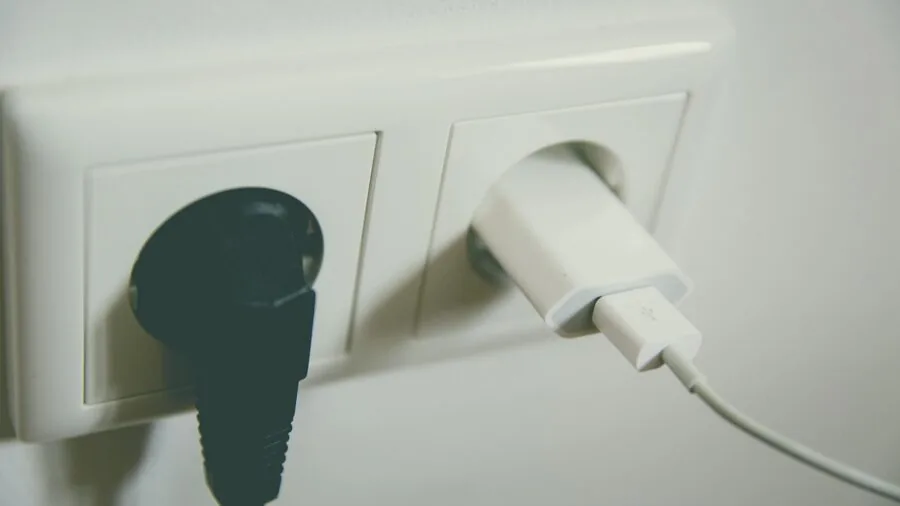
Monitor units are typically powered by your vehicle’s 12V or USB outlet, while individual sensors run on small coin-cell or replaceable batteries.
Sensor battery life varies significantly: budget sensors may need replacement every six to twelve months with continuous use, while premium sealed sensors from brands like TireMinder and TST are rated for multi-year intervals.
Verified buyers consistently flag sensor battery life as a hidden ongoing cost of cheaper systems.
Solar charging for the monitor display has become a popular feature in the mid-range segment. Units like the Tymate TM2 and Masoll systems include a small solar panel that supplements or replaces USB charging during daylight driving.
This is convenient for use cases where running a USB cable to the dashboard isn’t practical, such as on older vehicles or trailers without a powered port near the windshield.
That said, solar panels on these small units are supplemental rather than primary power sources; extended overcast conditions or indoor storage will deplete the internal battery.
USB charging via a standard Type-A or Type-C port remains the most reliable and universal power method. If your vehicle has reliable USB outlets on the dash, there’s no meaningful disadvantage to a USB-only unit compared to a solar model at the same price tier.
Signal Range and Interference Resistance

TPMS sensors transmit via RF (typically 433 MHz) to the monitor. Advertised ranges of 30 to 100 feet are common, but real-world performance through a vehicle’s body and nearby highway electronics can be lower.
For standard passenger vehicles and most RVs, a 50-foot effective range is more than sufficient.
However, owners of very long Class A motorhomes towing a four-wheel dinghy report that cheaper sensors with weaker transmitters can drop signal on the rearmost tow-vehicle wheels.
Expert consensus suggests choosing a system from a brand that specifically markets to the RV segment and publishes clear RF specifications.
TireMinder and TST both have documented histories in the RV TPMS market and receive more favorable feedback on long-rig signal reliability than generic budget brands.
If your rig exceeds 35 feet or includes a towed vehicle, verified buyer feedback strongly favors investing in a mid-range or premium system rather than rolling the dice on a sub-$50 unit.
Why You Should Trust Us
ProductFind is an independent editorial review site. We do not sell products, fulfill orders, or process returns.
Every product in this guide was evaluated through structured research: we analyzed published technical specifications, synthesized expert review consensus from automotive and RV specialist communities, and aggregated verified buyer feedback from thousands of confirmed purchases.
We do not conduct our own product trials; our evaluations are grounded in research, published data, expert review consensus, and verified buyer feedback.
Each product receives a PF Score on a 0 to 10 scale reflecting consistent, criteria-driven assessment across value, feature set, reliability signals, and fit for stated use case. Scores are assigned independently of any commercial relationship.
ProductFind may earn an affiliate commission if you purchase through a link on this page, but that relationship has no influence on rankings, scores, or which products are included.
Our picks are determined solely by research quality and usefulness to the reader.
Final Thoughts
Tire pressure monitoring systems span a wide range of price points and capability levels, and the right choice depends heavily on your vehicle type, rig length, and how much you value display quality versus raw budget savings.
After comprehensive research across specifications, expert consensus, and verified buyer feedback, here are our standout picks from this guide:
- Best Overall: TireMinder i10 RV TPMS with 4 Transmitters earns the top spot for its strong combination of signal reliability, display quality, and broad compatibility across RV types, supported by one of the highest research scores in this group.
- Best Premium Pick: TireMinder A1AS RV TPMS with 4 Transmitters is the choice for serious RVers who want professional-grade monitoring with expanded feature depth and a track record among long-haul owners.
- Best New-Generation System: Tymate TM12 RV Tire Pressure Monitoring System stands out as the most current design in the lineup, with USB and solar charging, 12-sensor expandability, and a 50-foot range that handles complex rigs with a single receiver.
- Best Mid-Range Value: Tymate TM2 RV Tire Pressure Monitoring System hits a practical sweet spot for four-to-ten wheel configurations, offering solar charging, a color LCD display, and solid alarm reliability at a fraction of the cost of premium alternatives.
- Best Dedicated RV Display: TST 507 Series TPMS is the pick for motorhome owners who prioritize a large, always-on color display and sensor hardware with a proven long-term durability record in the RV community.
If you’re building out a full vehicle safety and electronics setup, pairing a reliable TPMS with quality dash cams gives you both real-time tire safety alerts and a continuous driving record, a combination that experienced road trippers increasingly treat as standard equipment.
For two-wheel safety, the considerations around motorcycle helmets follow a similarly research-driven selection process where specifications and real-world consensus matter far more than marketing claims.
Frequently Asked Questions
Do I Need a TPMS If My Vehicle Already Has One Built In?
Most vehicles manufactured after 2008 in the United States include a factory TPMS that meets federal minimum standards, but these OEM systems typically only alert you when pressure drops more than 25 percent below the recommended level.
That threshold is already quite dangerous for highway driving. Aftermarket systems offer continuous real-time readouts, tighter alarm thresholds, and temperature monitoring that factory systems generally do not provide.
For towed trailers and fifth wheels, factory TPMS coverage rarely extends past the tow vehicle’s own wheels, making an aftermarket system essential for trailer tires.
How Hard Is It to Install an External Cap Sensor TPMS?
Installation of an external cap sensor system is generally straightforward and requires no professional tools.
The process involves removing your existing valve caps, threading on the sensor caps to the specified torque, mounting the display monitor on your dashboard with an included adhesive or suction mount, and powering the unit via USB or 12V.
Most buyers report completing a four-sensor installation in under 15 minutes. The monitor typically auto-pairs with sensors on first power-up or after a brief pairing sequence described in the manual.
The main ongoing maintenance task is checking sensor cap tightness periodically, as road vibration can slowly loosen them over time.
What Pressure Range Do I Need for My RV or Trailer?
Passenger cars, light SUVs, and most travel trailers run between 35 and 80 PSI, which any system in this guide covers comfortably. Class B and Class C motorhomes typically fall in the 55 to 85 PSI range.
Class A diesel pushers and heavy-duty trucks with dually rear axles can require 100 PSI or more on drive and tag axles.
Before purchasing, locate the tire placard on your vehicle’s doorjamb or owner’s manual and confirm your highest required inflation pressure falls within the system’s rated maximum.
Budget units capped at 99 PSI are insufficient for large Class A rigs and should be avoided in that application.
Will a TPMS Work on My Trailer or Fifth Wheel?
Yes, provided the system’s sensor count and RF range cover your trailer configuration. Most four-sensor kits can be expanded with additional sensors sold separately, and the better systems in this guide support up to 10 or 12 total sensors.
Signal range is the more common limitation: budget sensors with weaker transmitters may struggle to maintain reliable communication to the rearmost wheels of a long trailer at highway speed.
Verified buyer feedback consistently recommends mid-range or premium systems specifically marketed for RV use when trailer length exceeds 25 feet or when a towed dinghy vehicle is added behind a motorhome.
How Long Do Sensor Batteries Last?
Sensor battery life varies significantly by brand and design.
Budget sensors using standard coin cells (commonly CR1632 or CR2032) may need replacement every six to twelve months under continuous daily use, while higher-quality sensors with larger internal batteries or more efficient RF circuitry can last two to three years.
Premium sealed sensors from established RV TPMS brands typically publish estimated battery life in their specifications.
Factor replacement sensor cost and battery availability into your total cost of ownership calculation when comparing a budget system at a lower upfront price against a mid-range alternative with longer-lasting sensors.
Can I Use the Same TPMS on Multiple Vehicles?
In most cases, yes. External cap sensors are removable and can be transferred between vehicles, provided the valve stem threading matches (the near-universal standard thread works on virtually all passenger and RV tires). The monitor display is portable and vehicle-agnostic.
Some systems allow you to save multiple sensor profiles in memory for quick switching between a daily driver and an RV, while others require a fresh pairing sequence each time.
If multi-vehicle use is a priority, check user reviews specifically for comments on the pairing and re-pairing experience before purchasing.
About the author
Aubree is a reviewer and writer for ProductFind who specializes in Car Electronics. Aubree evaluates products through independent research: specifications, expert review consensus, and verified buyer feedback, and rates each one on the PF Score. Aubree focuses on helping readers pick the right car electronic for their needs and budget.