The 12 Best Bird Nesting Boxes
From cedar bluebird houses built to NABS specs to wooden breeding boxes for parakeets and lovebirds, these picks cover every nesting need with the right materials and design.
 By Bernard Carr
Updated July 23, 2026
By Bernard Carr
Updated July 23, 2026
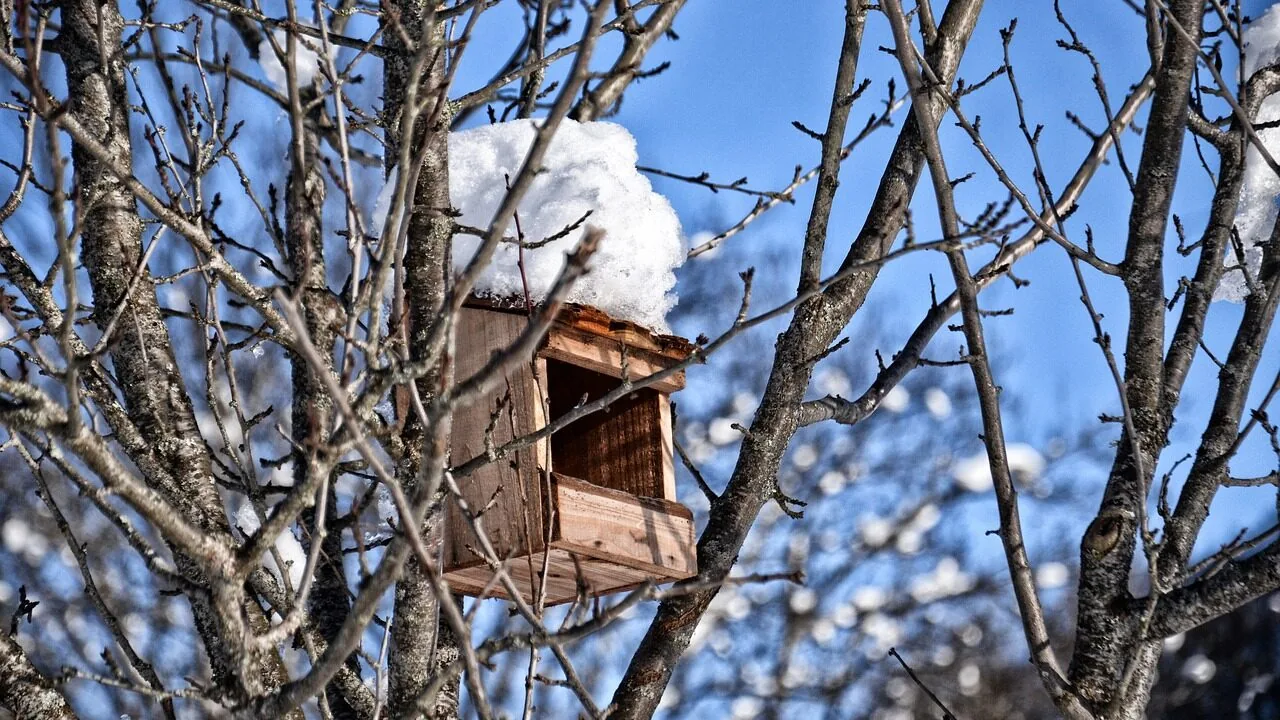
Providing a safe, well-designed nesting box is one of the most meaningful things a backyard birder or pet bird keeper can do.
Whether you want to attract bluebirds, wrens, and chickadees to your yard or support breeding pairs of parakeets and lovebirds in an aviary, the right box can make the difference between a thriving brood and an abandoned cavity.
A poorly built box with the wrong entrance diameter, inadequate ventilation, or materials that trap heat and moisture can actually harm the birds it was meant to help.
To help you cut through the noise, the ProductFind team analyzed specifications, manufacturer data, expert review consensus across wildlife and aviculture communities, and verified buyer feedback for every model in this roundup.
Our picks span outdoor cavity-nesting houses for wild songbirds, open-platform boxes for mourning doves, and enclosed wooden breeding boxes for caged birds, covering a wide range of budgets and use cases. Scroll down to see our top-ranked picks.
| Award | Product | PF Score About PF ScoreThe PF Score is our own rating from 0 to 10, based on performance, design and build, ease of use, and value. It reflects independent research and is never influenced by manufacturers, retailers, or affiliate commissions. Learn more › | Price | |
|---|---|---|---|---|
| Best Overall |
 WHITEHORSE Cedar Bluebird House 15 Sq In
|
8.4/10 | Buy | |
| Editor's Pick |
 SISTERBIRD Bluebird House Kit, Pack of 2
|
8.3/10 | Buy | |
| Best Value |
 Nature's Way CWH1 Cedar Wren House
|
8.2/10 | Buy | |
| Top Rated |
 Nature's Way WWCH3 Cedar Bluebird Box
|
8.1/10 | Buy | |
 SWANGSA Cedar Dove Nesting Box 36x27cm
|
8.0/10 | Buy | ||
 Briwooody Wooden Dove Nesting Box 14x11 inches
|
7.8/10 | Buy | ||
 Novabright 12-Inch Carbonized Wood Dove Nesting Box
|
7.6/10 | Buy | ||
 Hiceeden 2-Pack Parakeet Nest Box, 7.7x4.7 Inches
|
7.0/10 | Buy | ||
 Kathson Wooden Parakeet Nesting Box 7.8x7.8x10.2 inches
|
6.9/10 | Buy | ||
 PINVNBY M Parakeet Nesting Box, 7.9x4.7 inch
|
6.8/10 | Buy | ||
 Wildtier Herz Robin Nesting Box, 14.5cm Red
|
6.5/10 | Buy | ||
 Sukh Bird Nesting Material 80G Mixed Fiber Blend
|
5.2/10 | Buy |
WHITEHORSE Cedar Bluebird House 15 Sq In
Cedar birdhouse designed for Eastern Bluebirds and similar species, featuring weatherproof construction with angled vents and recessed door/floor. Built from 3/4-inch cedar with stainless-steel hardware and predator guards, it's built to NABS specs and includes a hinged bottom for easy cleaning.
Pros
- Solid cedar construction with quality hardware avoids cheap materials
- Dual predator protection layers target both small (woodpeckers, squirrels) and large (raccoons, cats) threats
- Angled vents and recessed openings keep interior dry in wet conditions
- Hinged bottom door simplifies annual maintenance without tools
- 1.5-inch entry hole accommodates multiple songbird species beyond bluebirds
Cons
- No verified buyer reviews available to confirm real-world durability claims
- 15-square-inch floor size may be snug for larger cavity-nesting species
- Requires proper mounting location and predator management for effectiveness
SISTERBIRD Bluebird House Kit, Pack of 2
A pair of cedar birdhouses with 1.5-inch entrance holes designed to attract bluebirds, wrens, and swallows while excluding larger predators. The kit ships unassembled for DIY construction and features an openable front door for seasonal cleaning and reuse.
Pros
- Properly-sized 1.5-inch entrance hole targets desired species like bluebirds and wrens while deterring European starlings
- Untreated, unpainted cedar construction resists weather damage and provides natural grip texture for birds
- Interior grooves act as climbing aids to help fledglings exit safely
- Front-opening door allows easy cleaning between nesting seasons
- Includes two houses, making it value-practical for multi-location yards
Cons
- Requires basic assembly with screwdriver; not ready-to-hang out of the box
- Unfinished cedar may require painting or sealing if customization is desired
- No user reviews available to validate real-world performance claims
Nature's Way CWH1 Cedar Wren House
A compact birdhouse crafted from rot-resistant cedar with stainless-steel hardware, designed specifically for wrens and chickadees. The 1 1/8 inch entrance hole excludes larger birds while strategic air vents support healthy ventilation.
Pros
- Durable cedar construction resists rot and weathering
- Rust-free stainless-steel hardware ensures long-term durability
- Entrance hole size (1 1/8 inch) naturally deters sparrows and larger bird species
- Multiple air vents provide adequate ventilation for bird health
- Compact dimensions suit small yards and spaces
Cons
- No customer reviews available to verify real-world performance
- Limited to attracting specific species, not ideal for diverse bird populations
- No information provided on cleaning access or maintenance design
Nature's Way WWCH3 Cedar Bluebird Box
A cedar bluebird house designed with ventilation and predator protection in mind. The clean-out door and interior grooves support easy maintenance and fledgling development.
Pros
- Air vents and floor openings prevent moisture buildup and ensure healthy nesting environment
- Easy-access clean-out door simplifies post-brood cleaning without full disassembly
- Interior climbing grooves support fledgling development and natural behavior
- Extended predator guard adds protection at the critical entry point
Cons
- No customer reviews available to verify real-world performance and durability claims
- Compact dimensions may limit appeal for larger bluebird populations or breeding colonies
SWANGSA Cedar Dove Nesting Box 36x27cm
Cedar construction with weatherproof coating makes this nesting box suitable for year-round outdoor use. The spacious interior and ventilation system support safe nesting for doves and small birds, though the 4.4 rating is based on zero verified reviews.
Pros
- Cedar construction provides natural insulation and durability without chemical treatments
- Thoughtful ventilation and waterproofing details address moisture management
- Large interior dimensions give nesting birds ample space for building
- Comes with hardware for straightforward mounting
Cons
- No verified buyer reviews available to confirm real-world durability or assembly quality
- Installation location flexibility may be limited depending on existing eaves or structures
- Cedar maintenance or seasonal treatment requirements not specified
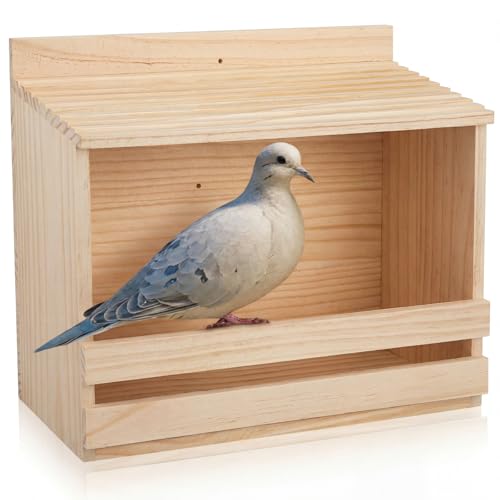
Briwooody Wooden Dove Nesting Box 14x11 inches
Natural pine construction nesting box designed for doves and small birds, featuring a large opening for cleaning and weather-resistant design. Built for durability and easy installation, it suits homeowners looking to support local bird populations in their gardens.
Pros
- Durable pine construction rated for 10+ years of outdoor use
- Roof design prevents water accumulation and protects interior
- Large opening enables straightforward cleaning without disassembly
- Stainless steel hardware resists corrosion in wet conditions
Cons
- No verified buyer reviews available to assess real-world performance and durability claims
- Specific installation instructions and mounting hardware details not provided in product data
- Wood treatment or finish specifications not documented, potentially affecting weatherproofing claims
Novabright 12-Inch Carbonized Wood Dove Nesting Box
This weatherproof wooden nesting box offers 7x6x11 inches of interior space for mourning doves and small birds, built from carbonized wood for durability and natural aesthetics. Pre-drilled mounting holes and seasonal cleanability make it straightforward to install and maintain in any garden.
Pros
- Waterproof roof and carbonized wood construction protect against outdoor weather exposure
- Spacious interior dimensions (7" x 6" x 11") accommodate nesting and roosting needs
- Pre-drilled mounting holes simplify installation without complex tools or adjustments
- Natural wood aesthetics blend into garden surroundings rather than standing out as artificial
- Easy seasonal access for cleaning and maintenance
Cons
- No verified buyer reviews available to confirm real-world durability or longevity claims
- Dimensions listed inconsistently in description (12x12x12 exterior vs. 13.19x8.86x3.74 specification)
- Limited information on wood treatment specifics or expected lifespan in harsh climates
Hiceeden 2-Pack Parakeet Nest Box, 7.7x4.7 Inches
A budget-friendly wooden nesting solution designed for small parrots and parakeets up to 6 inches. Features natural paulownia wood construction with a metal-reinforced entry hole and easy-access top opening for monitoring and cleaning.
Pros
- Two boxes included, making it a value option for multiple breeding pairs
- Metal-reinforced entry hole reduces wear from bird beaks while protecting birds from injury
- Top access design allows convenient egg checking and bedding removal without major disturbance
- Natural wood material provides authentic nesting environment without chemical odors
- Built-in bottom baffle keeps eggs stable during incubation
Cons
- No verified buyer reviews available to confirm durability or long-term performance claims
- Entry hole diameter (2.2 inches) limits use to smaller bird species under 6 inches only
- Specifications list shows conflicting dimensions (7.7x4.7x4.7 inches vs 3x3x1 inches), creating uncertainty about actual size
Kathson Wooden Parakeet Nesting Box 7.8x7.8x10.2 inches
Natural pine wood breeding nest designed for small parrots, parakeets, and finches with a drawer opening for easy cleaning. Features a built-in baffle to prevent egg rolling and a metal-lined entrance hole with perch for safe access.
Pros
- Natural pine construction provides security and comfort for breeding birds
- Practical drawer opening simplifies maintenance and nest material changes
- Built-in baffle protects eggs during nesting period
- Versatile size accommodates parakeets, finches, lovebirds, and similar species
- Bolt lock design keeps box securely attached to cage or mounting point
Cons
- No verified buyer reviews available to assess real-world durability or long-term performance
- Dimensions may be too small for larger parrot species despite broad compatibility claims
- Requires added nesting material (grass or bedding) not included with purchase
PINVNBY M Parakeet Nesting Box, 7.9x4.7 inch
Natural pine nesting box designed for small to medium birds like parakeets, budgies, and lovebirds, featuring a hinged top for easy cleaning and built-in egg baffle. Includes mounting hardware for quick cage installation.
Pros
- Durable natural pine material that is safe and non-toxic for birds
- Thoughtful design with built-in egg protection baffle and smooth entrance
- Complete with all mounting hardware needed for both inside and outside cage installation
- Top-hinged access makes regular cleaning and monitoring straightforward
Cons
- No verified customer reviews available to confirm real-world durability or bird acceptance
- Limited to small and medium bird species, not suitable for larger parrots
- Burlywood color only, no alternative finish options
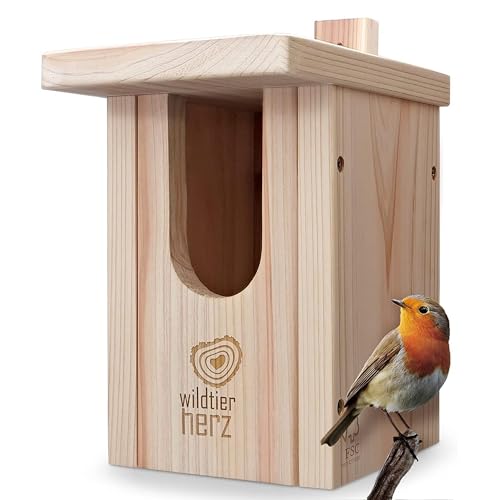
Wildtier Herz Robin Nesting Box, 14.5cm Red
A biologist-endorsed nesting box made from thick FSC-certified wood with brass screws, designed specifically for cavity-nesting birds like robins. The semi-open oval entrance and ventilation holes follow NABU conservation standards, making it a species-appropriate alternative to generic bird houses.
Pros
- Durable construction with weather-resistant brass hardware and resilient FSC wood
- Species-appropriate design following biologist and NABU recommendations
- Environmentally sustainable with untreated, certified materials
- Compact dimensions (14.5cm x 25cm x 21.5cm) fit various mounting locations
Cons
- No verified buyer reviews available to confirm real-world durability claims
- Limited to specific cavity-nesting species; not suitable for all bird types
- Red color may be less natural-looking than traditional wood finish options
Sukh Bird Nesting Material 80G Mixed Fiber Blend
A dust-free nesting material blend combining jute silk, straw, cotton, and agave fiber designed for small birds like finches, budgies, and canaries. The 80-gram supply offers enough material for building multiple nests while staying soft and easy to clean up.
Pros
- Dust-free construction minimizes particles and simplifies cage maintenance
- Generous 80-gram supply allows flexibility in nest size
- High-quality mixed materials of jute silk, straw, cotton, and agave create comfortable nesting conditions
- Appropriate for multiple small bird species
Cons
- No verified buyer reviews available to assess real-world performance and durability
- Limited product information on how long nesting material lasts or how frequently it needs replacement
- Single 80-gram package may need restocking depending on flock size and nesting frequency
Bird Nesting Boxes Buying Guide
Choosing the right nesting box requires more than picking a wooden box with a hole in it.
Species compatibility, material quality, ventilation, and ease of maintenance each play a direct role in whether birds will use the box and whether their young will survive.
Use the criteria below to match a box to your specific birds and environment.
If you are also outfitting an indoor aviary, pairing a good nesting box with quality bird cages that offer adequate space gives breeding pairs the best conditions to thrive.
Entrance Hole Size and Species Compatibility
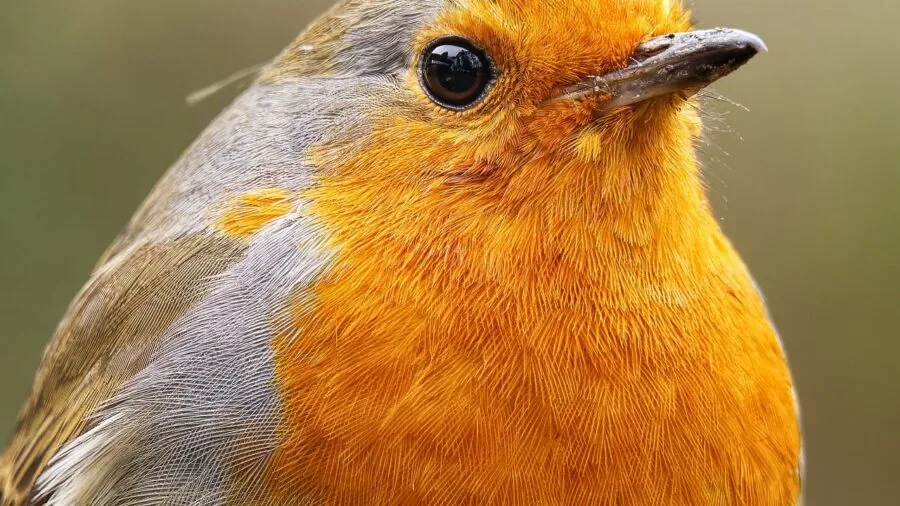
Entrance hole diameter is the single most critical specification on any cavity-nesting box. A 1-inch opening is sized for small wrens and chickadees, while a 1.5-inch opening suits Eastern bluebirds and tree swallows.
Getting this wrong in either direction causes problems: a hole that is too small prevents the target species from entering, while one that is too large invites European starlings and house sparrows, both of which are known to destroy eggs and attack native birds inside the box.
For wild songbirds, look for a metal predator guard or portal plate around the entrance. These reinforcements prevent squirrels and larger birds from chewing the opening wider over time.
Models like the WHITEHORSE Bluebird House are built to North American Bluebird Society (NABS) specifications, which define entrance diameter, interior floor dimensions, and hole height as a package, giving you confidence that the box was designed with real species biology in mind rather than aesthetics alone.
For caged birds such as parakeets, lovebirds, and cockatiels, entrance design shifts toward a circular or oval opening that allows birds to enter comfortably while still feeling secure inside.
The PINVNBY and kathson nesting boxes use arc-shaped entrances sized for small to medium parrots. Always cross-reference the manufacturer’s species compatibility list against your specific bird’s body size before purchasing.
Material Quality and Weather Resistance
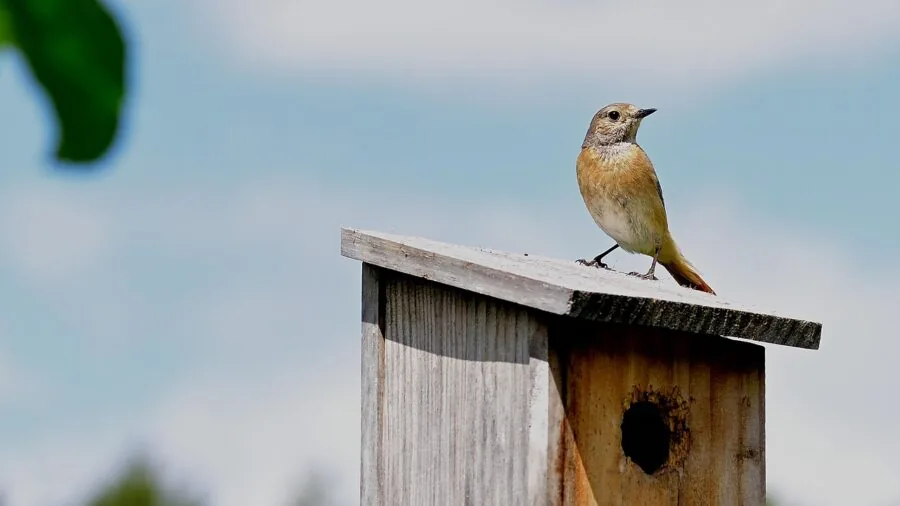
Untreated cedar is widely regarded as the best material for outdoor bird nesting boxes. It resists rot naturally, provides thermal insulation that buffers temperature swings inside the box, and contains no chemical preservatives that could harm eggs or nestlings.
The Nature’s Way cedar wren house and Wild Wings cedar bluebird box both use this material, and their longevity reflects it. Avoid boxes made from plywood with exterior coatings, painted finishes on interior surfaces, or pressure-treated lumber.
For caged-bird breeding boxes, solid natural pine is the most common choice. Pine is softer than cedar, which birds appreciate because they can chew and customize the interior to feel more like a natural cavity.
The Hiceeden and PINVNBY boxes both use natural wood without toxic finishes, which is important given that birds spend extended periods inside during incubation. Avoid boxes with laminated or varnished interiors.
Outdoor boxes made from carbonized wood, such as the Novabright dove nesting box, undergo a heat-treatment process that increases weather resistance without chemicals. Carbonization darkens the surface and closes wood pores, reducing moisture absorption.
This is a practical upgrade for boxes installed in exposed locations where rainfall or humidity is a concern.
Ventilation and Drainage
A nesting box without proper ventilation becomes an oven in summer, with interior temperatures reaching levels lethal to nestlings.
Look for small vent gaps or drilled holes near the roofline that allow hot air to escape without creating drafts at nest level.
Similarly, drainage holes in the floor prevent standing water from soaking nesting material after rain, which leads to hypothermia in young birds and mold growth that introduces fungal pathogens.
The WHITEHORSE Bluebird House and SISTERBIRD Bluebird Houses both incorporate ventilation and drainage features explicitly in their designs, reflecting NABS-influenced construction standards. When evaluating any outdoor box, tilt it and check whether water has a clear path out.
A recessed floor, where the floor sits slightly above the bottom edge of the side panels, also helps shed water away from the nest.
Cleanout Access
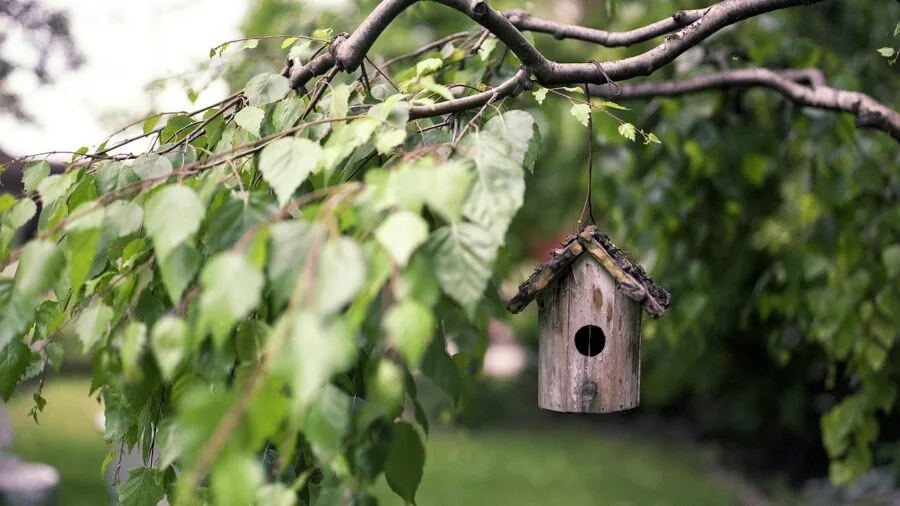
Annual or seasonal cleaning is essential for reducing parasite loads, removing old nesting material that harbors blowfly larvae and mites, and making the box hospitable for the next brood.
A box that cannot be easily opened will simply not get cleaned, which compounds health risks over multiple seasons.
Swing-open front panels, hinged roofs, and side-access doors are all acceptable designs; what matters is that the mechanism is secure enough to stay closed during storms but easy enough to open without tools.
For caged-bird breeding boxes, a top-hinged lid is the most common cleanout design, seen on the PINVNBY, kathson, and Hiceeden models. This gives keepers full access to the interior for bedding changes between clutches.
A bolt-lock closure keeps the lid shut during breeding without requiring tools to open it for inspection.
Easy cleanout access also makes it practical to check nest progress without disturbing the birds unnecessarily, which reduces stress during the sensitive incubation period.
Platform vs. Enclosed Box Design
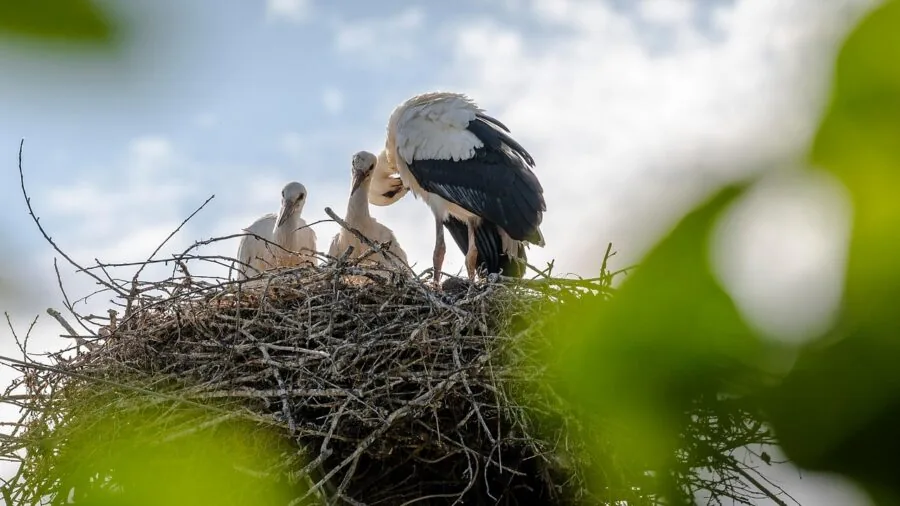
Not all nesting birds prefer enclosed cavities. Mourning doves, robins, and phoebes are open-nesting species that will reject a fully enclosed box.
For doves, an open or partially open platform design like the SWANGSA cedar mourning dove nesting box or the Briwooody open platform is the biologically correct choice.
These designs feature a shallow tray or half-open enclosure that mimics natural ledge nesting sites, giving the birds a stable surface while keeping the structure visible from multiple angles.
Enclosed boxes with small entrance holes are appropriate for cavity nesters such as bluebirds, wrens, chickadees, and titmice. The enclosed design gives these species the darkness and security they evolved to prefer.
Mixing up the types of boxes in a yard and spacing them at least 100 feet apart for the same species can attract a wider range of nesting birds across a single season.
Pair outdoor nesting boxes with perches for birds nearby to give fledglings safe landing spots when they first leave the box.
Mounting, Placement, and Predator Protection
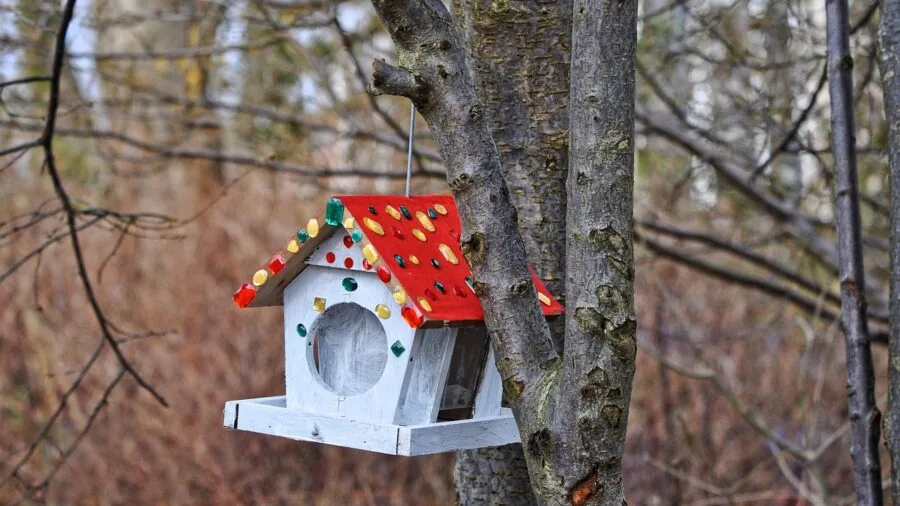
Even a perfectly designed box will fail if it is mounted incorrectly. Bluebird boxes should face away from prevailing winds and be mounted on a freestanding pole rather than a tree, where raccoons, cats, and snakes have easy access.
A smooth metal baffle below the pole is the most effective predator deterrent available and should be considered mandatory for any ground-level or pole-mounted box. Boxes mounted on trees or wooden posts without baffles are significantly more vulnerable to predation.
For caged-bird breeding boxes, placement inside the aviary or cage matters as much as the box design itself.
Boxes should be positioned high in the enclosure, away from feeding and watering stations, and ideally in a quieter corner that minimizes disturbance.
If you are managing an active breeding aviary, bird cage covers can help create a calm, darkened environment that encourages incubation behavior, particularly during early clutch stages.
Why You Should Trust Us
ProductFind is an independent review platform. Every product in this roundup was evaluated using a consistent, research-based methodology.
We assess each model against a defined set of criteria drawn from published specifications, expert review consensus from ornithology and aviculture communities, and verified buyer feedback from confirmed purchasers.
We do not conduct our own product trials; our evaluations are grounded in research, published data, expert review consensus, and verified buyer feedback.
Each product receives a PF Score on a scale of 0 to 10, reflecting its overall performance across the criteria most relevant to its category.
Scores weight factors differently depending on whether a box is intended for wild cavity nesters, open-platform nesters, or caged breeding birds, because the priorities differ meaningfully between those use cases.
A score near 8 or above reflects a product that performs well across most criteria with few significant drawbacks identified in the research. Lower scores indicate trade-offs that are worth understanding before purchasing.
ProductFind may earn a commission when you purchase through links in this article. That affiliate relationship has no influence on which products appear, how they are ranked, or what scores they receive. Our editorial recommendations are determined by research quality and product merit alone.
Final Thoughts
The right bird nesting box depends entirely on which birds you are trying to support and where you plan to place it. A precise entrance hole, rot-resistant cedar, cleanout access, and species-appropriate dimensions together define a high-performing outdoor box.
For caged birds, natural wood construction, a secure lid, and the correct interior volume for the species are what separate a box birds will actually use from one they will ignore.
After reviewing the full lineup, here are our category-specific standouts.
- Best Overall: WHITEHORSE Bluebird House earns the top position with NABS-specification construction, weatherproof cedar, and ventilation and drainage features that reflect genuine ornithological standards, giving it the highest confidence rating in the roundup.
- Best for Wild Bluebirds on a Budget: SISTERBIRD Bluebird Houses offers a two-pack format with solid wooden construction and verified buyer approval that makes it an excellent entry point for first-time bluebird monitors.
- Best for Wrens and Chickadees: Nature’s Way Cedar Wren House delivers proven cedar durability and wren-appropriate dimensions from a brand with a long track record in North American backyard birding.
- Best for Mourning Doves: SWANGSA Cedar Mourning Dove Nesting Box is purpose-built for open-nesting dove species with a platform design that mimics natural ledge sites, an often-overlooked niche in the outdoor nesting box market.
- Best for Caged Parakeets and Lovebirds: Hiceeden 2 Pack Parakeet Nest Box provides two solid-wood breeding boxes with metal-ring entry and sturdy construction at a price point that suits aviary keepers managing multiple breeding pairs.
Whichever box you choose, plan to clean it at least once per season for outdoor boxes and between clutches for caged-bird breeding boxes.
A box that is maintained consistently will attract nesting birds reliably year after year, turning a single purchase into a long-term wildlife habitat investment.
Frequently Asked Questions
What size entrance hole do I need for bluebirds?
Eastern bluebirds require an entrance hole of 1.5 inches in diameter. This size admits bluebirds and tree swallows while excluding European starlings, which need at least 1.75 inches to enter.
The North American Bluebird Society publishes free box plans that specify not just hole diameter but also floor dimensions and mounting height, all of which affect whether bluebirds will accept the box.
A metal predator guard around the entrance is strongly recommended to prevent squirrels from enlarging the opening.
How often should I clean a bird nesting box?
For outdoor wild bird boxes, clean once after each nesting season ends, typically in late summer or early autumn.
Remove all old nesting material, which can harbor blowfly larvae, feather mites, and mold spores that compromise the health of the next brood. A quick wipe-down with a diluted vinegar solution and thorough drying before closing the box is sufficient.
For caged-bird breeding boxes, clean between each clutch once the fledglings have left the box. Consistent cleaning is a far more effective disease prevention measure than any additive or spray.
Can I use a bird nesting box year-round?
Yes, and doing so is beneficial. Outside of breeding season, many cavity-roosting species such as chickadees, titmice, wrens, and nuthatches use nesting boxes as overnight roost sites during cold weather.
Leaving boxes up through winter provides shelter that can improve bird survival rates. If you are managing a monitored bluebird trail, some birders add wood shavings in late autumn to provide insulation for roosting birds.
For caged breeding birds, the box can be left in place year-round if it is not actively used for breeding, as birds often use it for sleeping and shelter.
What nesting material should I add to a bird nesting box?
For outdoor wild bird boxes, it is generally best not to pre-fill the box. Most cavity-nesting songbirds strongly prefer to build their own nest inside an empty box, and pre-added material can actually deter some species.
The exception is for roosting boxes in winter, where a small amount of untreated wood shavings provides insulation.
For caged breeding birds, offering nesting bedding material separately, as with the Sukh Bird Nesting Material included in this roundup, allows birds to carry material into the box themselves, which supports natural nesting behavior and reduces stress.
Pine shavings, untreated paper strips, and natural fibers are all appropriate options depending on the species.
How far apart should I space multiple nesting boxes?
For the same species, space boxes at least 100 feet apart to reduce territorial conflict, which can result in nest destruction and egg abandonment.
Bluebirds and tree swallows are particularly territorial with their own species but will sometimes nest in adjacent boxes if one is occupied by the other species.
For different species with different entrance hole sizes, closer spacing is generally acceptable because the birds are not competing for the same nesting sites.
In an aviary setting, provide one box per breeding pair and ensure each box is positioned with a clear flight path to the entrance to reduce stress during the breeding cycle.
Keeping the aviary well-organized with appropriate perches for small birds also helps pairs establish territories within the enclosure without excessive conflict.
Are open-platform dove boxes effective, or do doves prefer natural ledges?
Mourning doves readily accept open wooden platform boxes when they are mounted in suitable locations. Doves are notoriously minimal nest builders in the wild, often placing a loose twig structure on a tree branch or building ledge.
A purpose-built open platform like the SWANGSA or Briwooody models provides a stable base that actually improves nesting success compared to a natural ledge because it is less likely to drop eggs and offers better grip for nest material.
Mount dove platforms between 6 and 16 feet high in a partially shaded spot with clear flyway access and low nearby disturbance for best results.
About the author
Bernard is a reviewer and writer for ProductFind who specializes in Birds. Bernard evaluates products through independent research: specifications, expert review consensus, and verified buyer feedback, and rates each one on the PF Score. Bernard focuses on helping readers pick the right bird for their needs and budget.