The 10 Best Reptile Hygrometers
Humidity accuracy can mean the difference between a healthy shed and a vet visit. Here are the top reptile hygrometers across every budget and enclosure type.
 By Darryl Burns
Updated July 23, 2026
By Darryl Burns
Updated July 23, 2026
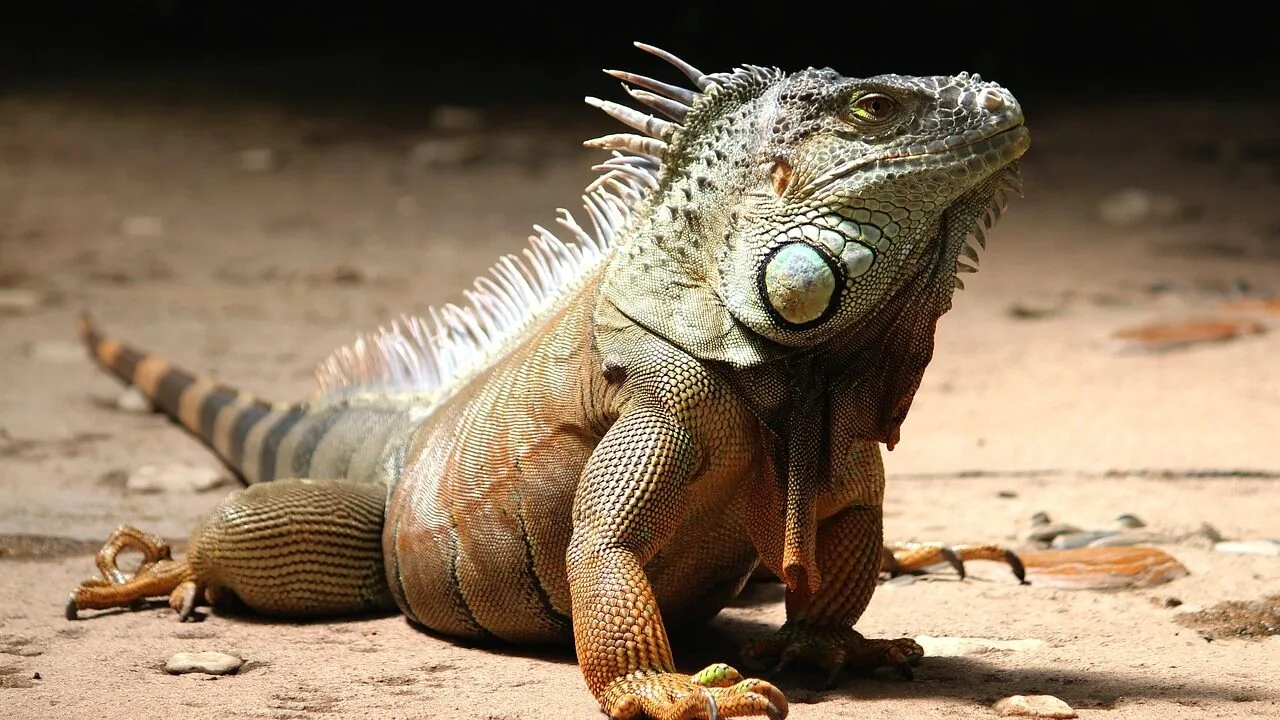
Humidity is not a minor detail in reptile keeping. For species like crested geckos, chameleons, ball pythons, and red-eyed tree frogs, staying within the correct humidity range is the difference between a healthy shed and a life-threatening stuck-shed episode.
Consumer-grade hygrometers vary wildly in accuracy, with some budget dial gauges drifting as far as 20 percentage points from true humidity, giving keepers a false sense of security while their animals silently suffer.
Choosing the right monitor for your enclosure is one of the most impactful decisions you can make as a reptile owner.
Pair it with the right reptile heating pad and a reliable heat lamp, and you have the foundation of a well-regulated terrarium environment.
At ProductFind, our team analyzed the reptile hygrometer market by synthesizing manufacturer specifications, expert review consensus from herpetology and reptile husbandry communities, and verified buyer feedback from thousands of confirmed purchasers.
We assessed models from brands including TempPro, REPTI ZOO, CAVACHEW, Veanic, JEDEW, QZQ, wwhako, and Exo Terra across criteria like sensor accuracy, display readability, mounting flexibility, and durability in high-humidity enclosures.
Whether you are monitoring a single bearded dragon vivarium or managing several reptile setups at once, the picks below represent the best options available across every need and budget.
| Award | Product | PF Score About PF ScoreThe PF Score is our own rating from 0 to 10, based on performance, design and build, ease of use, and value. It reflects independent research and is never influenced by manufacturers, retailers, or affiliate commissions. Learn more › | Price | |
|---|---|---|---|---|
| Best Overall |
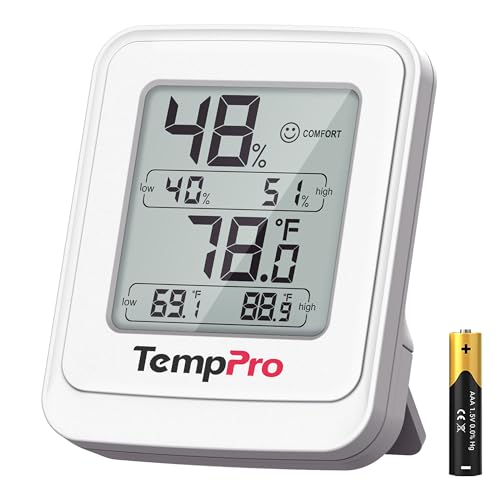 TempPro TP150 Digital Hygrometer Thermometer
|
8.2/10 | Buy | |
| Editor's Pick |
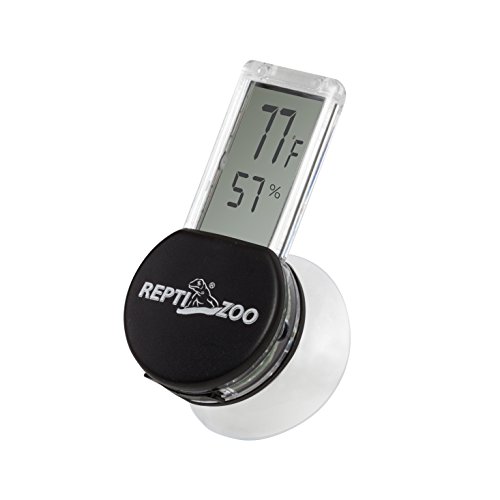 REPTI ZOO Digital Reptile Terrarium Thermometer Hygrometer
|
7.8/10 | Buy | |
| Best Value |
 QZQ 2-in-1 Reptile Thermometer and Humidity Gauge
|
7.6/10 | Buy | |
| Top Rated |
 REPTI ZOO Reptile Thermometer Hygrometer Dual Gauge
|
7.4/10 | Buy | |
 CAVACHEW Reptile Thermometer Hygrometer with LCD Display
|
7.2/10 | Buy | ||
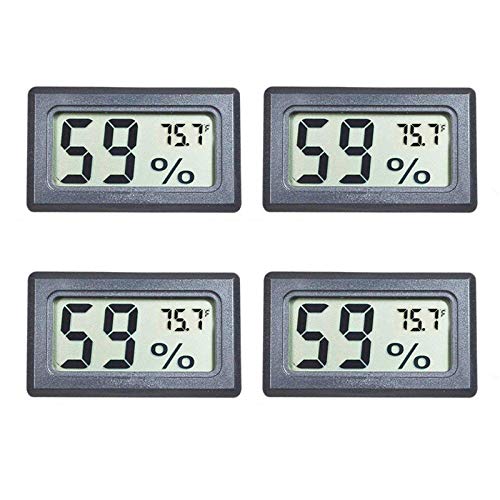 Veanic 4-Pack Mini Digital Thermometer Hygrometer
|
6.9/10 | Buy | ||
 REPTI ZOO Dial Hygrometer for Terrariums
|
6.8/10 | Buy | ||
 WWHAKO 4-Pack Mini Hygrometer Thermometer
|
2.0/10 | Buy | ||
 Exo Terra Analog Hygrometer
|
6.5/10 | Buy | ||
 JEDEW 2-Pack Digital Thermo-Hygrometer
|
6.3/10 | Buy |
TempPro TP150 Digital Hygrometer Thermometer
A compact indoor thermometer and humidity monitor designed for greenhouses, grow tents, and reptile enclosures, with IPX5 water resistance and 24-hour min/max tracking. Large LCD display shows real-time readings updated every 10 seconds, plus comfort face icons to guide environmental adjustments.
Pros
- Precise sensors with plus/minus 1F temperature and plus/minus 2% RH humidity accuracy
- Fast 10-second refresh rate captures environmental changes quickly
- IPX5 waterproof design built for high-moisture spaces like greenhouses and grow tents
- 24-hour high/low records help track temperature and humidity trends over time
- Both magnetic and stand mounting options for flexible placement on shelves or metal surfaces
Cons
- No verified buyer reviews available yet to confirm real-world performance consistency
- Limited to 24-hour historical data, no long-term logging or data export capabilities
- Compact size may make display harder to read from greater distances despite bold digits
REPTI ZOO Digital Reptile Terrarium Thermometer Hygrometer
A dual-function LCD thermometer and hygrometer designed for reptile enclosures, vivariums, and hatcheries. Features suction cup mounting on front or side glass with a clear digital display, backed by a 12-month warranty and included spare battery.
Pros
- Dual temperature and humidity monitoring in one compact device
- Flexible suction cup mounting allows placement on front or side glass
- Battery lasts over one year with included spare battery
- Clear LCD digital display for easy reading
- 12-month quality guarantee with responsive customer support
Cons
- No verified buyer reviews available to assess real-world accuracy or durability
- Compact size (2.55 x 0.99 x 0.2 inches) may be difficult to read from a distance
- Suction cup mounting reliability depends on glass surface condition and may require periodic reattachment
QZQ 2-in-1 Reptile Thermometer and Humidity Gauge
A dual-function digital monitor for reptile enclosures that displays temperature and humidity on a bright LED screen. Designed for easy setup with USB power and adhesive mounting, making it practical for tracking habitat conditions across various reptile species.
Pros
- Clear LED display easy to read in various lighting conditions
- Precise measurement capabilities with stated accuracy of ±1.8°F temperature and ±5% humidity
- Simple setup using adhesive mounting and USB power
- Long power cable allows flexible positioning within or near enclosure
- Covers temperature and humidity monitoring in one affordable unit
Cons
- No verified customer reviews available to confirm real-world accuracy and durability
- Humidity accuracy of ±5% may be insufficient for species requiring precise environmental control
- Adhesive mounting may not work well on textured or wet enclosure surfaces
REPTI ZOO Reptile Thermometer Hygrometer Dual Gauge
A dual-display temperature and humidity monitor designed for reptile enclosures, vivariums, and similar habitats. Features color-coded segments for quick reading and adhesive mounting, with no batteries required.
Pros
- Measures both temperature and humidity simultaneously in one compact unit
- Color-coded segments enable quick visual assessment without close inspection
- No battery requirement eliminates ongoing maintenance and replacement costs
- Adhesive mounting allows flexible placement on most enclosure surfaces
- 12-month warranty with stated 24-hour customer support response
Cons
- No verified buyer reviews available to assess real-world accuracy or durability
- Adhesive mounting may not be permanent or removable without surface damage
- Limited size information makes it unclear if display is easily readable from standard viewing distances
CAVACHEW Reptile Thermometer Hygrometer with LCD Display
A compact digital thermometer and humidity gauge designed for reptile terrariums, featuring magnetic mounting and LCD readout for real-time habitat monitoring. Best suited for keepers of bearded dragons, snakes, geckos, and similar pets who need reliable temperature and humidity tracking without cluttering their enclosures.
Pros
- Accurate readings across wide temperature range (14-122°F) suitable for most reptile species
- Magnetic mounting eliminates need for adhesives or complex installation
- Battery-powered design avoids cables and frequent charging, with affordable long-term operation
- Clear LCD display provides simultaneous temperature and humidity readings at a glance
- Compact form factor doesn't intrude on pet habitat space or aesthetic
Cons
- Measurement error of ±4°F and ±5% humidity may be less precise than professional-grade monitors
- No reviews currently available to verify real-world durability and long-term performance
- Limited to button battery power, requiring eventual battery replacement and manual installation
Veanic 4-Pack Mini Digital Thermometer Hygrometer
This four-piece set monitors temperature and humidity across multiple spaces with a compact 2-in-1 design and LCD display. Built-in probe measures conditions every 10 seconds across a wide range, making it practical for reptile tanks, greenhouses, guitar cases, and storage areas.
Pros
- Four-pack offers better value than single units for widespread monitoring
- Wide temperature range covers both cold storage and warm environments
- Measurement accuracy of ±2°F and ±5% RH meets general household needs
- Tiny form factor (1.89 x 1.13 inches) fits tight spaces like jars and cases
- Built-in probe eliminates need for external sensors
Cons
- Fahrenheit-only display limits appeal to international users
- No verified buyer reviews available to confirm real-world durability
- Accuracy tolerance of ±5% RH may not suffice for precision applications like instrument storage
REPTI ZOO Dial Hygrometer for Terrariums
A no-battery analog hygrometer designed for reptile enclosures and similar environments. Uses color-coded zones (white, green, red) to indicate humidity levels at a glance, with adhesive mounting for easy installation on most surfaces.
Pros
- No batteries required, reducing ongoing maintenance costs
- Intuitive color system (white/green/red) eliminates need to read numerical scales
- Adhesive mounting allows flexible placement on enclosure walls
- Covers multiple reptile habitat applications beyond terrariums
Cons
- No verified buyer reviews available to confirm real-world accuracy and durability
- Analog dial may be less precise than digital hygrometers for exact humidity readings
- Small 3.14-inch display could be difficult to read from a distance
WWHAKO 4-Pack Mini Hygrometer Thermometer
A compact four-pack digital hygrometer and thermometer set designed for monitoring temperature and humidity across multiple environments. Features dual Fahrenheit/Celsius modes, fast 10-second refresh updates, and versatile mounting options for terrariums, incubators, and storage containers.
Pros
- Four units included for the price of a bundle, covering multiple habitats or monitoring points
- Temperature accuracy of +/-1°F and humidity accuracy of +/-2% RH meets most hobby and household needs
- Flexible mounting options accommodate various enclosure types without permanent modification
- Wide operating range handles extreme environments from refrigerators to greenhouse setups
- Instant temperature/humidity mode switching via dedicated button
Cons
- No verified buyer reviews available to confirm real-world durability or long-term reliability
- Small circular display may be difficult to read from a distance or in low-light conditions
- Embedded opening installation requires specific mounting hole size, limiting retrofit options
Exo Terra Analog Hygrometer
A straightforward analog hygrometer designed for terrarium humidity monitoring with a clear dial display and adhesive mounting. Best suited for reptile and amphibian keepers who prefer simple, battery-free humidity tracking.
Pros
- Clear analog dial is easy to read at a glance
- Simple adhesive installation requires no tools or setup
- Battery-free operation means no maintenance or replacement costs
- Compact size fits easily in most terrarium spaces
- Effective for basic humidity level monitoring
Cons
- No user reviews available to verify real-world accuracy or durability
- Analog dials can be less precise than digital alternatives
- Color may vary, affecting aesthetic consistency in display terrariums
JEDEW 2-Pack Digital Thermo-Hygrometer
A dual-unit humidity and temperature monitor with LCD display covering a wide range of environments from terrariums to home offices. Measures every 10 seconds with accuracy ratings of ±1°F and ±3% RH, switchable between Fahrenheit and Celsius.
Pros
- Wide measurement range: 0-70°C (32-158°F) and 10-99% RH humidity
- Fast 10-second update interval with 24 sensitive vents for responsive readings
- Two-pack value with long battery life (up to 10 months per LR44 cell)
- Versatile applications: suitable for reptile tanks, greenhouses, humidors, aquariums, and home environments
- Compact size at 1.77 x 1.77 x 0.59 inches, portable for multiple locations
Cons
- No reviews available yet to validate real-world performance claims
- Requires button cell batteries with replacement frequency of approximately every 10 months
- Limited temperature accuracy (±1°F) may not satisfy precision-critical applications
Reptile Hygrometers Buying Guide
Buying a hygrometer for a reptile enclosure is not the same as buying one for a basement or a wine cellar.
The demands are different: sustained high humidity, temperature gradients, condensation on sensor surfaces, and the need for accurate spot readings rather than broad room averages.
The following criteria will help you cut through the noise and find the right monitor for your specific species and setup.
Sensor Accuracy and Calibration
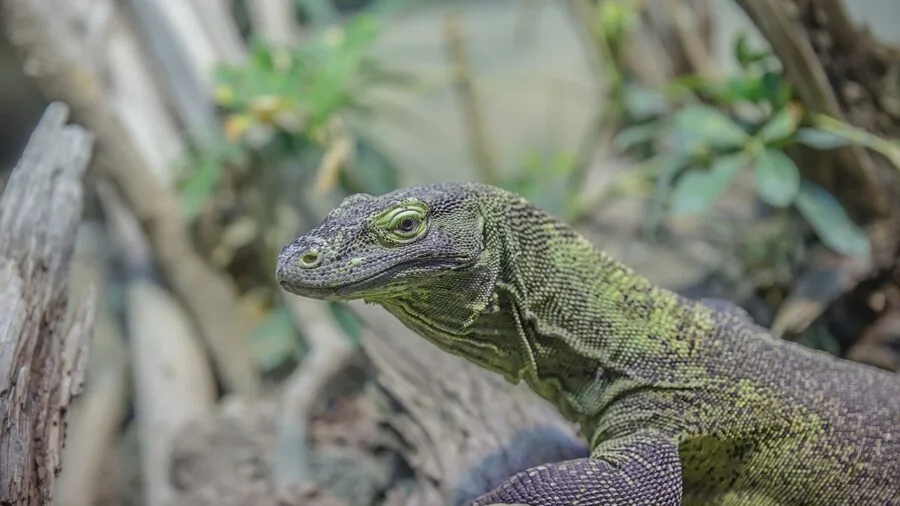
Accuracy is the single most important factor in any hygrometer, and it is where cheap dial gauges consistently fail. Look for a stated accuracy of plus or minus 5% relative humidity or better.
Many digital units in this category advertise accuracy in the 3 to 5% RH range, which is acceptable for most reptile species.
Analog dial gauges, while attractive and battery-free, typically carry accuracy tolerances of 10% or worse and are prone to calibration drift over time.
Before trusting any new hygrometer with your animals, experienced keepers recommend performing a simple salt evaluation: seal the unit in a bag with a saturated salt solution for six hours, and it should read approximately 75% RH.
If your unit reads significantly higher or lower, apply the offset mentally or discard it. Some digital models allow manual calibration adjustment directly on the device, which is a genuinely useful feature worth prioritizing.
Sensors with frequent refresh rates (every two to ten seconds) are far more useful for catching rapid humidity drops after misting than units that update only every few minutes.
Keep in mind that sensor accuracy can also degrade over time, especially in consistently high-humidity environments above 80% RH. Models with IPX-rated moisture resistance, like the TempPro TP150, are better suited for tropical setups where condensation is a regular occurrence.
Digital vs. Analog Design
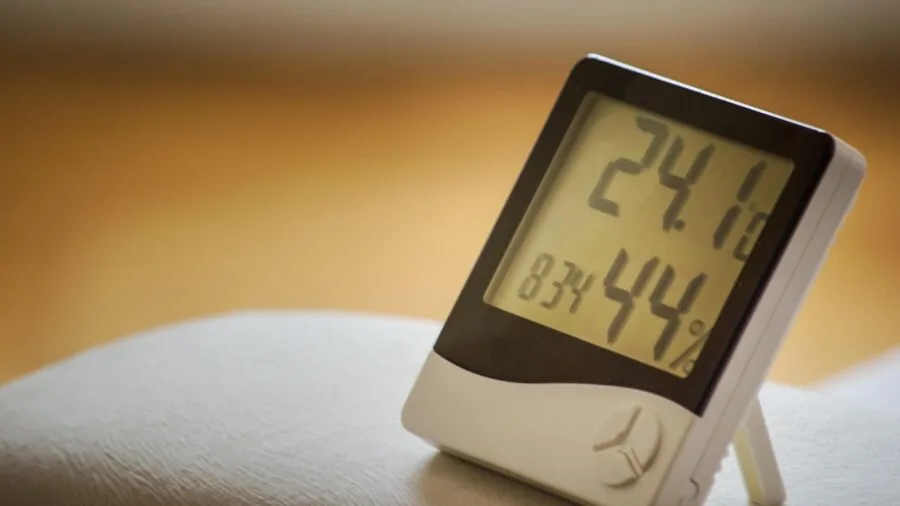
Digital hygrometers offer LCD or LED readouts that update at regular intervals and typically include simultaneous temperature and humidity readings.
They require batteries but provide far greater accuracy and often include extra features like high/low memory records, comfort indicators, or dual-probe support. For most reptile keepers, digital is the practical choice.
Analog dial gauges like the Exo Terra Analog Hygrometer and the REPTI ZOO Dial Gauge are appealing because they need no power source and never have a dead battery at an inconvenient moment.
They also fit the aesthetic of naturalistic vivariums well. However, their limited accuracy makes them best suited as a secondary backup monitor rather than a primary measurement tool.
If you are keeping species with tight humidity tolerances, such as chameleons or dart frogs, a digital unit should always be your primary reference.
Combination Units: Temperature and Humidity Together
Most serious reptile keepers monitor both temperature and humidity simultaneously, since the two are closely related and both matter for animal health.
Combination thermo-hygrometers save space, reduce clutter on the enclosure wall, and give you a complete picture of conditions at a glance.
Units like the REPTI ZOO Digital Dual Gauge and the CAVACHEW Magnetic Thermometer Hygrometer are designed specifically for terrarium use, with suction cups or magnetic mounts that attach to glass panels cleanly.
When evaluating combo units, check whether both sensors are co-located in the same housing or whether one (typically temperature) uses a remote probe.
A remote temperature probe is a significant advantage because it lets you place the temperature sensor precisely where your animal spends most of its time, such as in a warm hide or on the basking substrate, while the humidity sensor reads ambient air.
This mirrors the approach professional breeders use to monitor thermal gradients accurately.
Mounting Options and Enclosure Compatibility

How a hygrometer attaches to your enclosure matters more than most buyers anticipate. Suction cups are the most common mounting method for glass terrariums and work reliably on clean, smooth glass.
Magnetic mounts, as found on the CAVACHEW unit, offer a tool-free attachment that holds firmly on glass and requires no adhesive or drilling.
Some mini units like those from Veanic and wwhako rely on a small stand or a hanging hole, making them versatile enough to use on a shelf beside the enclosure, inside a jar terrarium, or within an open-top vivarium.
Consider the size of your enclosure before choosing a form factor. Large display units are easier to read from across a room, which matters if your terrarium is mounted high on a rack or display stand.
Smaller mini-format units are less intrusive in naturalistic builds where aesthetics matter. For keepers managing multiple enclosures, multi-packs from Veanic and wwhako offer cost-effective ways to monitor several setups without buying individual units for each tank.
This same logic applies when you are also managing climate across larger habitats, much like choosing the right appliances for varied spaces.
Display Readability and Extra Features

A humidity reading is only useful if you can actually see it. Look for units with high-contrast LCD or LED displays with large digit sizes, ideally visible from at least one meter away without crouching.
Backlit displays are helpful for terrariums housed in dimly lit rooms or at floor level.
The QZQ Reptile Thermometer and Humidity Gauge stands out for its LED display and USB power supply, making it a good fit for setups where constant visibility matters and swapping batteries is a nuisance.
High/low memory records are a particularly useful feature for reptile keepers who cannot monitor their enclosures around the clock.
If humidity drops dramatically at night or spikes after an automated misting cycle, a unit with min/max records will capture that data even when you are not watching.
The TempPro TP150 includes this feature alongside IPX5 moisture resistance, making it one of the more capable options for keepers managing tropical or humid-environment species.
Some units also include visual comfort indicators that flag dry, optimal, or wet conditions at a glance, which is helpful for newer keepers still learning to interpret raw percentage readings.
Multi-Enclosure Setups and Pack Value
Hobbyists maintaining more than one enclosure should think carefully about per-unit cost and consistency.
Buying the same model for every tank means your readings are directly comparable and you do not need to account for calibration differences between different sensor types.
Multi-pack options like the Veanic 4-Pack and the wwhako 4-Pack deliver real savings for keepers running gecko racks, snake rooms, or communal amphibian setups.
For keepers running larger climate-controlled rooms with multiple enclosures, it may also be worth thinking about how your overall environment is managed.
The same principles of consistent monitoring and environmental control apply whether you are managing a reptile room or tracking ambient conditions in other parts of your home.
Reliable humidity data from each enclosure gives you the confidence to intervene quickly if conditions drift outside the safe range for your animals.
Why You Should Trust Us
ProductFind is an independent review publication. We do not sell products, and we are not affiliated with any manufacturer or retailer in this category.
Every product in this roundup was evaluated using a consistent, structured research methodology: we analyzed published manufacturer specifications, assessed expert review consensus from reptile husbandry communities and specialist publications, and incorporated verified buyer feedback from confirmed purchasers across major retail platforms.
Each product is scored using our PF Score system on a scale of 0 to 10.
Scores reflect a weighted assessment of sensor accuracy, build quality for humid enclosure environments, display usability, mounting practicality, value for money, and long-term reliability as reported by verified owners.
We do not conduct our own product trials; our evaluations are grounded in research, published data, expert review consensus, and verified buyer feedback.
ProductFind may earn a commission if you purchase through links in this article. That affiliate relationship has no influence on which products appear in this roundup, the order in which they are ranked, or the PF Scores they receive.
Our recommendations are based entirely on the merit of each product as determined by our research criteria. If a product does not meet the bar, it does not make the list regardless of commercial considerations.
Final Thoughts
Getting humidity monitoring right is one of the most practical investments you can make in your reptile’s long-term health.
After thorough research across specifications, expert consensus, and verified owner experience, our top picks cover every keeper’s situation, from single-tank beginners to experienced hobbyists managing multi-species rooms. Here is how the standouts break down:
- Best Overall: TempPro TP150 Digital Hygrometer earns the top spot with its IPX5 moisture resistance, high/low record memory, and strong performance in sustained high-humidity environments, giving it the highest PF Score in this roundup.
- Best Digital Combo Unit: REPTI ZOO Digital LCD Thermometer Hygrometer combines temperature and humidity monitoring in a purpose-built terrarium design with suction-cup mounting and a clear LCD display, earning it a strong score among dual-function units.
- Best LED Display Pick: QZQ Reptile Thermometer and Humidity Gauge stands out for its bright LED readout and USB power supply, making it an excellent choice for keepers who want constant visibility without worrying about battery life.
- Best Budget Dual Gauge: REPTI ZOO Dual Gauges Thermometer Hygrometer delivers both temperature and humidity readings in one compact unit at a budget-friendly price point, making it a practical first purchase for new reptile owners.
- Best Magnetic Mount Design: CAVACHEW Magnetic Reptile Thermometer and Humidity Gauge offers a clean, tool-free magnetic attachment that works well on standard glass enclosures, combined with an easy-to-read LCD display suited for bearded dragons, snakes, and geckos.
Whichever unit you choose, verify its accuracy against a reference reading within the first week and factor in where you place the sensor inside the enclosure.
A hygrometer reading ambient air near the top of a tall vivarium tells you very little about humidity at substrate level where your animal actually lives.
Thoughtful placement and periodic calibration checks will serve your animals far better than any single product specification alone.
Frequently Asked Questions
How accurate do reptile hygrometers need to be?
For most reptile species, an accuracy of plus or minus 5% relative humidity is sufficient for day-to-day monitoring.
Species with tighter requirements, such as chameleons, dart frogs, or certain tropical tree frogs, benefit from units rated at plus or minus 3% or better.
Analog dial gauges rarely achieve this precision and are best treated as rough indicators rather than reliable primary measurements.
Where should I place the hygrometer inside a terrarium?
Placement depends on your species. For ground-dwelling animals like ball pythons or leopard geckos, place the sensor at mid-level to represent conditions in the breathing zone. For arboreal species like crested geckos or chameleons, a mid-to-upper placement is more representative.
Avoid placing sensors directly above misters or water features, where localized saturation will skew the reading high. Some keepers use two units, one at each end of the enclosure, to monitor the full humidity gradient.
Do I need a separate thermometer and hygrometer, or is a combo unit better?
Combination thermo-hygrometers are the practical choice for most keepers. They reduce the number of devices cluttering the enclosure wall, and most purpose-built reptile units in this category offer both readings simultaneously at a reasonable cost.
Separate units may be preferable if you need a remote probe for precise temperature measurement at a specific spot, such as a basking zone or warm hide, while keeping the humidity sensor in the ambient air.
How do I verify that my hygrometer is reading correctly?
The most practical method is the salt evaluation.
Mix table salt with just enough water to make a damp paste, seal it with your hygrometer in an airtight bag or container, and leave it undisturbed for six hours at room temperature.
A properly calibrated sensor should read approximately 75% relative humidity under these conditions. Readings that deviate significantly indicate calibration drift.
Some digital units allow you to apply a manual offset to correct this; on units without that feature, note the deviation and apply the correction mentally when reading the display.
Are multi-pack hygrometers worth buying for reptile rooms?
Yes, for keepers managing multiple enclosures. Buying the same model in a multi-pack ensures consistency across readings, since all units come from the same production batch with similar calibration characteristics.
Options from Veanic and wwhako offer four units at a per-unit cost well below buying individual monitors separately.
The trade-off is that multi-pack units tend to be simpler mini-format designs rather than full-featured thermo-hygrometers, so they work best as supplementary monitors or for species with less demanding humidity requirements.
Can a hygrometer get damaged by high humidity inside a terrarium?
Standard consumer-grade hygrometers are not rated for continuous exposure to high humidity above 80 to 90% RH, and prolonged condensation can degrade sensor accuracy or damage electronics over time.
If you are keeping tropical species that require consistently high humidity, look for units with an IPX moisture-resistance rating, like the TempPro TP150.
Positioning the sensor away from direct misting spray and wiping down the housing periodically will also extend the working life of any unit in a humid terrarium environment.
About the author
Darryl is a reviewer and writer for ProductFind who specializes in Reptiles & Amphibians. Darryl evaluates products through independent research: specifications, expert review consensus, and verified buyer feedback, and rates each one on the PF Score. Darryl focuses on helping readers pick the right reptiles & amphibian for their needs and budget.