The 8 Best Blue Light Reading Glasses
Eye strain and poor sleep from screen reading are real problems. Our research across specs, expert consensus, and verified buyer reviews identifies the best blue light reading glasses for every need.
 By Florence Flores
Updated July 23, 2026
By Florence Flores
Updated July 23, 2026
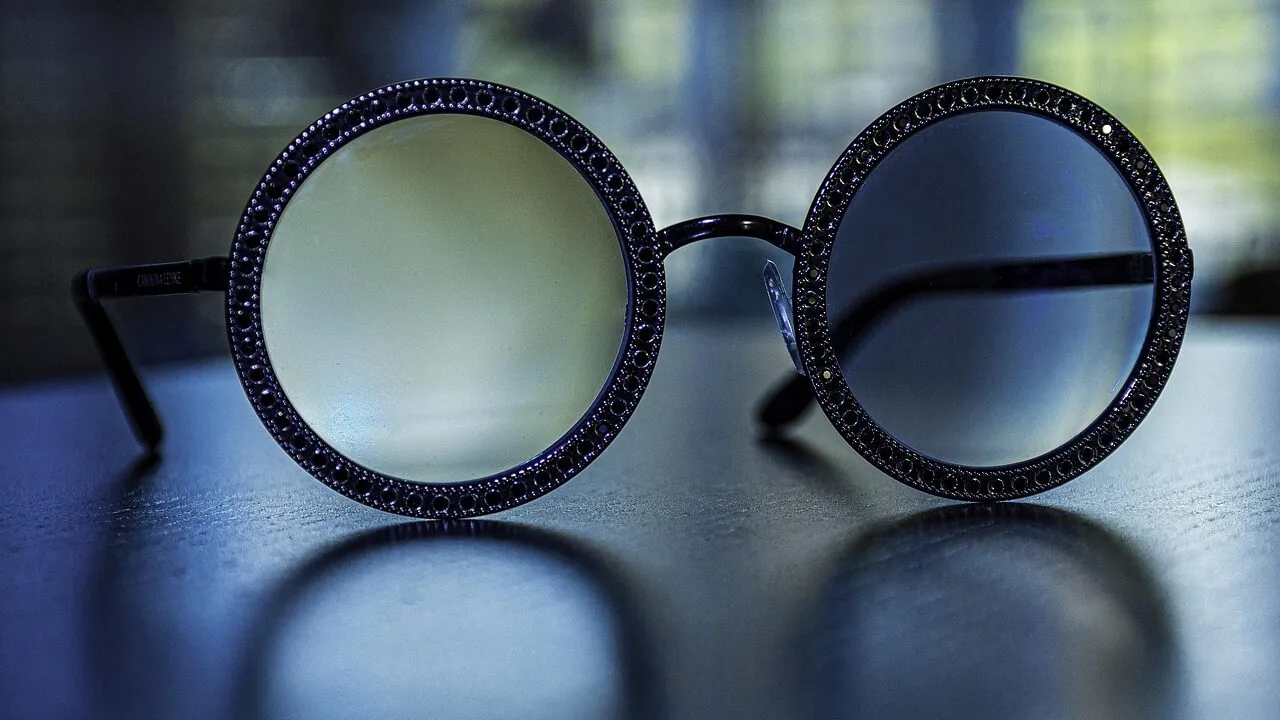
Spending hours reading on screens, tablets, or e-readers puts real pressure on your eyes.
Blue light emitted by digital displays has been linked to eye strain, headaches, dry eyes, and disrupted sleep patterns, according to research published by the University of California, Davis.
Blue light reading glasses combine magnification with blue-light-filtering lenses, giving you a practical two-in-one solution whether you are catching up on emails, diving into a novel on your Kindle, or scrolling through documents late at night.
With dozens of options ranging from budget multipacks to premium optical-grade frames, knowing which pair is worth your money takes more than a quick glance at the packaging.
The ProductFind editorial team researched the blue light reading glasses market by analyzing published lens specifications, synthesizing expert optometrist consensus, and reviewing verified buyer feedback across thousands of confirmed purchases.
We scored each model on our 0 to 10 PF Score scale and ranked them so you can find the right pair for your needs, whether you prioritize maximum blue-light filtration, all-day comfort, or the best value per dollar.
Our top picks are listed below.
| Award | Product | PF Score About PF ScoreThe PF Score is our own rating from 0 to 10, based on performance, design and build, ease of use, and value. It reflects independent research and is never influenced by manufacturers, retailers, or affiliate commissions. Learn more › | Price | |
|---|---|---|---|---|
| Best Overall |
 Gunnar Vertex +1.5 Blue Light Reading Glasses
|
8.2/10 | Buy | |
| Editor's Pick |
 Blue Cut Blue Light Blocking Glasses
|
7.3/10 | Buy | |
| Best Value |
 JOLISU Reading Glasses 4-Pack +1.25 Blue Light Blocking
|
7.2/10 | Buy | |
| Top Rated |
 THL SLEEP +1.5 Blue Light Blocking Reading Glasses
|
7.1/10 | Buy | |
 FSRTEP TR90 +1.75 Reading Glasses 3-Pair Set
|
7.0/10 | Buy | ||
 Gaoye 1.5 Reading Glasses 4-Pack with Blue Light Blocking
|
6.8/10 | Buy | ||
 Kerecsen 6-Pack Blue Light Blocking Reading Glasses
|
6.4/10 | Buy | ||
 BLUEMOKY Sport Square Blue Light Reading Glasses
|
6.2/10 | Buy |
Gunnar Vertex +1.5 Blue Light Reading Glasses
Doctor-recommended reading glasses that block 65% of peak blue light (450nm), designed to reduce eye strain and headaches during extended screen time. Lightweight frame weighs just 21 grams and comes with microfiber cleaning kit and 30-day return policy.
Pros
- Quantified blue light protection metric tells you exactly how much peak light is blocked
- Small frame size with minimal weight reduces fatigue during long screen sessions
- Multiple lens tints and power levels available to suit different vision needs
- Backed by one-year warranty and 30-day return policy
Cons
- No verified customer reviews available to assess real-world comfort and durability
- Small frame sizing (55mm lens width) may not fit larger face shapes
- Amber tint may alter color perception for color-critical work like design or photo editing
Blue Cut Blue Light Blocking Glasses
Blue Cut offers lightweight blue light filtering glasses designed for screen workers and gamers seeking eye strain relief. Available with or without magnification, they pair practical lens technology with all-day wearability.
Pros
- Multiple magnification options accommodate different vision needs
- Lightweight construction supports comfortable all-day wear
- Comes with protective case and cleaning cloth
- Two-year warranty provides consumer protection
- Targets both work and gaming use cases
Cons
- No verified customer reviews available to assess real-world performance
- Limited color options, currently listed only in black
- Product specifications show inconsistent categorization data
JOLISU Reading Glasses 4-Pack +1.25 Blue Light Blocking
A budget-friendly four-pack of reading glasses with blue light filtering and anti-reflective lenses, designed for men who spend extended time on digital devices. The spring hinges and wide square frames aim for all-day comfort across different face shapes.
Pros
- Four pairs provide good value and backup options
- Blue light and UV protection help reduce digital eye fatigue
- Anti-reflective coating supports clearer vision and reduces reflections
- Spring hinges add durability and accommodate different head sizes
- Lightweight construction at 0.04 pounds per pair
Cons
- No verified customer reviews available to confirm real-world durability and fit consistency
- Wide square frame style may not suit all face shapes despite the design claim
- Limited information on lens material quality or scratch resistance durability over time
THL SLEEP +1.5 Blue Light Blocking Reading Glasses
Orange-tinted reading glasses designed to filter 99.5% of blue light, targeting better sleep and reduced eye strain. Features a 7-layer CR-39 lens with anti-reflective coatings and hand-polished acetate frames, appealing to those seeking migraine relief or improved rest quality.
Pros
- High blue light filtration rate (99.5%) with multiple diopter options for prescription needs
- Premium lens construction including oleophobic and anti-fingerprint coatings for durability
- Designed by Swedish engineer with focus on reducing artificial light exposure
- Spring hinges and polished acetate frame suggest long-term wear comfort
Cons
- No verified customer reviews available to confirm real-world performance
- Limited color options (only black frame listed)
- Relatively lightweight product may indicate thinner frame construction
FSRTEP TR90 +1.75 Reading Glasses 3-Pair Set
A three-pack of lightweight reading glasses with blue light filtering lenses and sporty TR90 frames, designed for everyday comfort and durability. Best suited for readers who want multiple pairs positioned around home and office without breaking the bank.
Pros
- HD lenses provide clear, distortion-free magnification without bubbles or imperfections
- Blue light protection reduces eye fatigue during screen time on computers and phones
- Extremely lightweight construction minimizes facial pressure for all-day wear
- Three pairs included, making it practical to keep glasses in multiple locations
- Flexible TR90 frames with soft rubber temple tips offer secure, comfortable fit
Cons
- No verified buyer reviews available to confirm real-world durability or comfort claims
- Limited to +1.75 magnification strength, not suitable for users needing different prescriptions
- Rating of 4.6 appears to reflect only initial product listings with no actual customer feedback
Gaoye 1.5 Reading Glasses 4-Pack with Blue Light Blocking
A budget-friendly 4-pack of men's reading glasses in +1.5 magnification with blue light and UV protection. The flexible spring hinges and black rectangle frames offer practical versatility for daily reading and screen use.
Pros
- Four pairs in one purchase eliminate the need to constantly relocate a single pair
- Dual protection against blue light and UV rays addresses modern screen-heavy lifestyles
- Spring hinges provide adaptive fit across various face shapes without adjustment tools
- Lightweight construction minimizes fatigue during prolonged reading sessions
Cons
- Fixed +1.5 magnification limits users to one specific vision correction strength
- No verified customer reviews available to confirm real-world durability and comfort claims
- Black color only, no frame style variety despite the 4-pack format
Kerecsen 6-Pack Blue Light Blocking Reading Glasses
A budget-friendly multi-pack of blue light filtering readers with spring hinges, designed for all-day computer and device use. Best suited for those who need multiple pairs in different locations and want basic blue light protection without premium pricing.
Pros
- Excellent value: six complete pairs with accessories at a budget price point
- Spring hinge design accommodates different face widths without pressure
- Comprehensive package includes storage and cleaning supplies for maintenance
- Blue light blocking claimed to reduce eye fatigue and dryness during screen time
Cons
- No verified customer reviews available to confirm real-world performance of blue light blocking effectiveness
- Limited to one magnification strength per order, requiring separate purchases for different vision needs
- Medium size only, which may not fit all face shapes despite adjustable hinges
BLUEMOKY Sport Square Blue Light Reading Glasses
A budget-friendly blue light blocking reader with TR material frame and spring hinges designed for screen work and gaming. Multiple magnification options and UV400 protection make it practical for extended digital use.
Pros
- Comprehensive magnification options (12 strength levels) accommodate different vision needs
- Spring hinge design offers comfort and durability for various face shapes
- Anti-blue light and UV400 dual protection targets modern screen fatigue
- Lightweight, unbreakable TR frame material reduces everyday wear stress
- Anti-reflection coating minimizes glare during prolonged screen time
Cons
- No verified buyer reviews available to confirm real-world performance claims
- Limited information on lens clarity or optical quality specifics
- Single color option (Black/Grey) limits style preferences
Blue Light Reading Glasses Buying Guide
Choosing the right pair of blue light reading glasses is about more than picking the highest magnification on the shelf.
The lens tint, filtration percentage, frame material, and fit all play a role in how comfortable and effective a pair will be during a long reading session.
Use the criteria below as a practical framework before you commit to a purchase.
Blue Light Filtration Percentage and Lens Tint

Not all blue-light-blocking lenses are equal. Entry-level clear lenses typically filter around 30 to 40 percent of blue light, which is sufficient for casual daytime screen use.
Amber or orange-tinted lenses, like those found on Gunnar’s Vertex and THL Sleep’s orange-lens readers, block 65 percent or more and are significantly more effective for extended evening reading or for people who experience migraines triggered by screen exposure.
The trade-off with higher filtration is color distortion. An amber lens will make whites look yellow and can feel unnatural for tasks that require color accuracy, such as photo editing.
For pure reading, however, the warmer tint also reduces glare from harsh overhead lighting. If you primarily read in the evening and struggle to fall asleep after screen time, a high-filtration amber lens is worth the visual adjustment.
For daytime use only, a clear or lightly tinted lens keeps colors accurate while still reducing the sharpest blue wavelengths.
Always check whether a pair carries UV400 protection alongside its blue-light claim. Several models in our lineup, including the Gaoye TR90 readers, publish UV400 ratings alongside their blue-light specs, giving you a more complete picture of lens protection.
Unverified filtration claims on budget frames should be treated with skepticism unless the brand publishes spectral transmission data.
Magnification Strength and Reading Distance

Reading glasses are sold in diopter steps, typically ranging from +1.00 to +3.50. The right power depends on both your age-related presbyopia and the distance at which you hold your reading material. Most adults over 40 start around +1.00 to +1.50 for standard arm-length reading.
Holding a phone closer than usual or sitting farther from a monitor may require a different power than your standard over-the-counter pair.
A useful self-check: hold printed text at your natural comfortable reading distance and try the lowest power that makes the text crisp without effort. Going too strong causes a narrower in-focus zone and can actually accelerate eye fatigue.
Many of the multipack options from Kerecsen and JOLISU offer a single power across all pairs in the set, so confirm the diopter matches your needs before ordering rather than assuming you can mix strengths within the pack.
Frame Material and Durability
Frame material directly affects both comfort over long sessions and long-term durability.
TR90 thermoplastic, used in the Gaoye and FSRTEP sporty-style readers, is notably lighter than standard acetate and flexes rather than snapping under pressure, making it a practical choice if you tend to toss your glasses into a bag.
Standard plastic frames cost less but can become brittle with repeated bending.
Spring hinges are a valuable feature worth seeking out, especially in multipacks where the frames will be used frequently.
The JOLISU 4-Pack and Kerecsen 6-Pack both include spring hinges, which accommodate a wider range of head widths and reduce stress on the frame joints over time.
For premium single-pair purchases, metal or reinforced nylon frames like those used by Gunnar offer a more refined build that justifies the higher investment.
If you spend long hours in front of a screen in the same way a gamer would at a dedicated setup, frame weight matters more than you might expect.
A heavier frame creates pressure on the nose bridge and behind the ears within 90 minutes. Lightweight TR90 or memory-metal frames stay comfortable for three-plus-hour sessions without adjustment.
Think of it the same way you would pairing a lightweight [gaming mouse pad](https://productfind.com/best-gaming-mouse-pads/) with a long gaming session: the accessory should disappear from your awareness so you can focus on the task.
Lens Clarity and Anti-Glare Coatings

Clarity refers to how much distortion or aberration you perceive through the lens, especially toward the edges of the frame. Budget reading glasses sometimes use lower-grade resin lenses that introduce noticeable peripheral blur, which can trigger headaches during extended reading.
Premium brands invest in higher-refractive-index materials and multi-layer coatings that keep the image sharp across a wider viewing angle.
Anti-reflective (AR) coating and anti-glare coating are related but distinct features. AR coating eliminates internal reflections inside the lens, reducing halos around light sources.
Anti-glare coating reduces reflections off the front surface of the lens, which is particularly useful when reading under overhead fluorescent lighting or near windows. Both coatings together produce the cleanest reading experience.
BLUE CUT’s computer glasses and the Gunnar Vertex both incorporate multi-layer coatings that verified buyers consistently praise for low glare and high optical clarity.
Value Per Pair: Single Glasses vs. Multipacks

One of the most practical decisions in this category is whether to buy a single quality pair or a multipack of budget readers.
Multipacks make excellent sense if you want a pair in every room, at the office, in a travel bag, and on your nightstand.
Options like the Kerecsen 6-Pack and JOLISU 4-Pack deliver a surprisingly functional everyday reader at a cost per pair that is hard to argue with, particularly if you have a habit of misplacing glasses.
A single premium pair, on the other hand, justifies its higher investment when you need consistent optical quality, a specific prescription-like power, or a more confident level of blue-light filtration backed by published spectral data.
Gunnar’s Vertex, for instance, is positioned firmly in the premium tier and targets users who notice a tangible difference in eye comfort during multi-hour sessions.
Think of it similarly to choosing between a single high-quality [lens cleaning kit](https://productfind.com/best-lens-cleaning-kits/) for your main camera versus keeping disposable wipes everywhere: both have valid use cases depending on your habits.
Fit, Head Width, and Nose Bridge Comfort

A pair of reading glasses that slips down your nose or pinches your temples is useless no matter how good the lenses are. Over-the-counter frames come in limited widths, so understanding your head and face measurements before buying online matters.
Most product listings publish frame width, lens width, bridge width, and temple arm length in millimeters.
A total frame width between 130 mm and 145 mm fits most adult faces; wider square frames like those from JOLISU and BLUEMOKY are designed specifically for broader face shapes.
Nose pad style also affects long-term comfort. Fixed plastic nose bridges, common on budget frames, put pressure on a single contact point.
Adjustable silicone nose pads, found on some Gunnar models, allow you to customize the resting angle so the lens sits at the right reading distance from your eye.
If you already own reading glasses that you find comfortable, note their frame measurements and use those as a reference when cross-shopping new pairs.
Why You Should Trust Us
ProductFind is an independent review publication. We do not conduct our own product trials; our evaluations are grounded in research, published data, expert review consensus, and verified buyer feedback.
Every model in this roundup was assessed against a consistent set of criteria covering lens filtration performance, optical clarity, frame quality, comfort, and overall value.
Each product received a PF Score on our 0 to 10 scale, where scores above 8.0 indicate a genuinely outstanding performer in its category and scores in the 6 to 7 range indicate a solid option with notable trade-offs.
Our lens filtration assessments reference published spectral data and brand-disclosed specifications, cross-referenced against optometrist guidance on clinically meaningful filtration thresholds. Our comfort and durability ratings draw on aggregated verified buyer feedback, weighted toward long-term ownership impressions rather than first-impressions alone.
When expert sources disagree on a claim, we note the uncertainty rather than overstate confidence.
ProductFind may earn a commission when you purchase through links in this article. That affiliate relationship has no influence on our rankings, scores, or editorial selections. Products are recommended solely on the merit of our research findings.
We do not accept payment for placement, and brands have no opportunity to review or alter our evaluations before publication.
Final Thoughts
After evaluating the full field of blue light reading glasses across filtration performance, optical clarity, frame quality, fit, and value, a clear set of winners emerges for different types of buyers. Here are our top category awards based on PF Score and research findings.
- Best Overall: GUNNAR Premium Reading Glasses, Vertex Amber Tint earns the top spot with the highest PF Score in our lineup, backed by industry-leading 65 percent blue-light filtration, premium optical coatings, and a build quality that experienced users consistently rate above any other model in this category.
- Best Mid-Range Pick: BLUE CUT Blue Light Blocking Glasses strikes the most compelling balance between anti-fatigue coatings, daily comfort, and a price that sits comfortably in the mid-range, making it the smartest choice for buyers who want genuine optical quality without the premium-tier investment.
- Best Budget Multipack: JOLISU 4-Pack Reading Glasses with Spring Hinge delivers a cost-per-pair value that is genuinely difficult to beat, with spring hinges and wide square frames that outperform most single-pair budget options at a fraction of the combined cost.
- Best for Sleep and Migraine Relief: THL SLEEP Orange Blue Light Blocking Reading Glasses stands out for its high-filtration amber-orange lens, which is specifically aimed at buyers who experience sleep disruption or light-triggered headaches from evening screen use.
- Best Sporty Design: FSRTEP TR90 Sporty Blue Light Blocking Reader offers a flexible, lightweight TR90 build that suits active users or anyone who wants a durable everyday reader at a budget-friendly price point.
Whichever pair you choose, remember that blue light glasses work best as part of a broader eye health routine.
Taking regular screen breaks, adjusting display brightness in the evening, and keeping your reading distance consistent all compound the benefits of a good pair of blue light readers.
For readers who consume a lot of content on dedicated devices, pairing your glasses with a quality [e-reader case](https://productfind.com/best-e-reader-cases/) also helps manage screen-to-eye distance and reduces glare from ambient light.
Frequently Asked Questions
Do blue light reading glasses actually reduce eye strain?
The evidence is genuinely mixed. Some optometrists and a growing body of peer-reviewed research suggest that high-energy blue light from screens contributes to digital eye strain, dry eyes, and disrupted melatonin production.
However, the American Academy of Ophthalmology notes that current clinical evidence for blue light glasses specifically reducing eye strain is not conclusive.
Many verified buyers report meaningful comfort improvements, particularly when using high-filtration amber lenses for evening reading, though placebo effects and overall screen hygiene improvements likely play a role as well.
The practical takeaway: blue light reading glasses are a low-risk addition to a screen-heavy routine, especially at the budget multipack price points available in this roundup.
They are most likely to help if you notice that your eyes feel tired, dry, or irritated after long reading sessions, or if you find it hard to wind down after evening screen use.
They are not a substitute for regular breaks and proper screen distance.
What magnification strength do I need for reading glasses?
Start with the lowest power that makes normal-size print comfortable at your natural reading distance. Most people in their early 40s begin around +1.00 to +1.25, while those in their mid-50s and beyond often need +2.00 or higher.
If you are buying online without an eye exam, err on the side of lower power: too strong a lens creates a narrow focal zone that causes its own strain.
Many pharmacies carry reading glasses in-store so you can try a power before committing to an online order.
Are amber-tinted lenses better than clear blue-light lenses?
Amber lenses block significantly more blue light, typically 60 to 65 percent compared to 30 to 40 percent for clear lenses, and are better suited for evening use and for people sensitive to bright light or prone to migraines.
The downside is visible color distortion: whites appear yellow and some colors look washed out. Clear lenses preserve color accuracy and are more socially comfortable in daytime office settings, though they provide less filtration.
Choose based on when and where you will wear them most.
Can I use blue light reading glasses if I already wear prescription lenses?
If you have a current prescription for distance or astigmatism correction, over-the-counter blue light reading glasses are generally not appropriate as a replacement. They provide only uniform magnification without correction for other refractive errors.
However, if you are only dealing with age-related near-vision loss (presbyopia) and have no other prescription, over-the-counter readers can be effective.
The safest route is to discuss blue-light-filtering options with your optometrist, who can add a blue-light coating to your existing prescription lenses.
How do I clean blue light reading glasses without damaging the coating?
Anti-reflective and blue-light coatings are more delicate than standard lens surfaces. Always use a clean microfiber cloth rather than paper towels or clothing, which can leave micro-scratches that degrade optical clarity over time.
For stubborn smudges, dampen the cloth lightly with lens-safe cleaning solution or plain water before wiping. Avoid household glass cleaners containing ammonia or alcohol, as these can strip coatings.
For anyone who also maintains camera or optical equipment, the same careful technique used with a quality optical cleaning setup applies here.
Are multipack reading glasses worth buying, or is a single quality pair better?
Both approaches serve legitimate needs. Multipacks from brands like Kerecsen and JOLISU are excellent if you want the convenience of having a pair in every room or bag, and the per-pair cost makes losing or breaking one far less painful.
A single premium pair from a brand like Gunnar makes more sense if you want verified filtration data, superior optical clarity, and a frame that holds up to years of daily use.
Many buyers end up using both: a quality pair at their primary workstation and budget readers scattered around the home.
About the author
Florence is a reviewer and writer for ProductFind who specializes in Books & E-reader Accessories. Florence evaluates products through independent research: specifications, expert review consensus, and verified buyer feedback, and rates each one on the PF Score. Florence focuses on helping readers pick the right books & e-reader accessorie for their needs and budget.