The 8 Best Mountain Bikes
Frame material, wheel size, suspension travel and drivetrain all shape how a mountain bike feels on trail. This guide covers top picks across every budget, from capable entry hardtails to full-carbon builds.
 By Arlene Lawrence
Updated July 23, 2026
By Arlene Lawrence
Updated July 23, 2026
Mountain biking has exploded in popularity over the past decade, and for good reason.
Whether you are chasing technical singletrack through dense forest, sessioning jump lines at a bike park, or simply exploring fire roads on weekends, the right mountain bike transforms every ride.
The challenge is that the market now spans a huge price and geometry range, from budget-friendly entry hardtails to full-carbon trail rockets, and the wrong choice can leave you either overspending on features you will never use or frustrated by a bike that limits your progression.
At ProductFind, we cut through the noise by researching each model against consistent criteria, drawing on published manufacturer specifications, expert review consensus from the broader cycling community, and verified buyer feedback.
Options in this guide range from accessible entry-level hardtails to premium full-suspension rigs from brands including Canyon, SAVADECK, Eastern Bikes, Mongoose, Huffy, Ktaxon, and Betterland, covering the full spectrum from tight-budget commuters to serious trail weapons.
Read on to find the right mountain bike for your riding style and budget.
| Award | Product | PF Score About PF ScoreThe PF Score is our own rating from 0 to 10, based on performance, design and build, ease of use, and value. It reflects independent research and is never influenced by manufacturers, retailers, or affiliate commissions. Learn more › | Price | |
|---|---|---|---|---|
| Best Overall |
 Canyon Spectral 125 AL 5 Trail Bike
|
8.6/10 | Buy | |
| Editor's Pick |
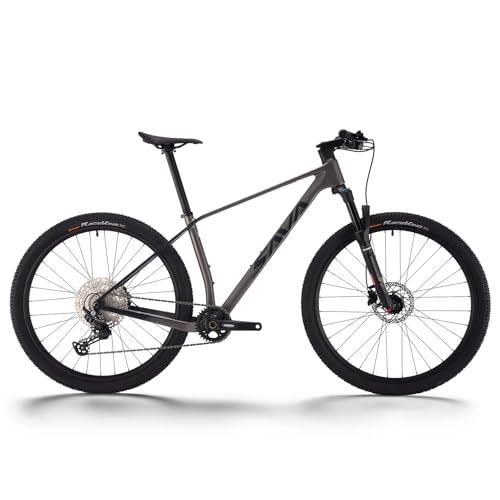 Savadeck 27.5 Carbon Mountain Bike with Shimano M6100
|
8.4/10 | Buy | |
| Best Value |
 Mongoose Switchback 2 29-Inch Mountain Bike
|
7.4/10 | Buy | |
| Top Rated |
 Eastern Bikes Alpaka 29 Hardtail Mountain Bike
|
7.2/10 | Buy | |
 Mongoose Grafton 26-Inch Hardtail Mountain Bike
|
6.1/10 | Buy | ||
 Ktaxon 27.5 Inch Mountain Bike 21-Speed
|
5.5/10 | Buy | ||
 Betterland 26-Inch Mountain Bike with 7-Speed Gearbox
|
5.2/10 | Buy | ||
 Huffy Stone Mountain 26-Inch Mountain Bike
|
Buy |
Canyon Spectral 125 AL 5 Trail Bike
The Spectral 125 AL 5 is a lightweight aluminum trail bike designed for playful, aggressive riding with 125mm rear travel and 140mm front suspension. It pairs a Shimano Deore drivetrain with RockShox components and tubeless-ready wheels, making it a capable mid-range option for trail enthusiasts seeking speed and control.
Pros
- RockShox suspension package provides reliable control on descents and technical sections
- Shimano Deore M6100 drivetrain delivers efficient shifting across steep climbs and fast descents
- Aluminum frame balances durability with light weight for aggressive trail riding
- Tubeless-ready setup and dropper seatpost come standard, reducing upgrade costs
- Compact 125mm rear travel keeps the bike playful and responsive
Cons
- No user reviews available to validate real-world performance claims
- Mid-range Shimano Deore drivetrain may require more frequent maintenance than higher-tier components
- 125mm travel limits capability on more demanding enduro or downhill terrain
Savadeck 27.5 Carbon Mountain Bike with Shimano M6100
A full-suspension carbon fiber mountain bike built for trail performance with Shimano Deore M6100 12-speed shifting and hydraulic disc brakes. The lightweight frame and dual-link suspension are engineered for rough terrain, making it suitable for intermediate to advanced riders tackling technical trails.
Pros
- Carbon frame construction keeps overall weight down without sacrificing durability
- Full suspension with lockout capability adapts to varied trail conditions
- Shimano component reliability and smooth 12-speed shifting across technical terrain
- Hydraulic disc brakes deliver consistent modulation and low maintenance
- Wide all-terrain tires provide confident grip on mud, gravel, and uneven surfaces
Cons
- No verified buyer reviews available yet, limiting real-world feedback on durability and fit
- 27.5-inch wheel size is becoming less common, potentially limiting replacement tire options in some markets
- Carbon fiber frames require careful handling to avoid impact damage and may need professional repair if cracked
Mongoose Switchback 2 29-Inch Mountain Bike
A hardtail mountain bike built for trail riding with a lightweight aluminum frame, 100mm suspension fork, and hydraulic disc brakes. The sloping top tube design and low standover height make it accessible for both men and women, while the 9-speed drivetrain handles varied terrain.
Pros
- Hydraulic disc brakes provide reliable stopping power in wet conditions
- 9-speed drivetrain offers adequate gearing for varied terrain
- Lightweight aluminum frame reduces fatigue on longer rides
- Sloping top tube with low standover height improves accessibility
- 100mm suspension fork helps manage trail impacts
Cons
- No user reviews available to verify real-world performance claims
- 43.9-pound weight is relatively heavy for a hardtail at this specification level
- Limited to 29-inch wheels and medium frame size, reducing customization options
Eastern Bikes Alpaka 29 Hardtail Mountain Bike
Entry-level 29-inch hardtail with lightweight aluminum frame and 130mm suspension fork, designed for beginner to intermediate trail riders. Solid build quality backed by a strong 5-year frame warranty, though component specs are basic for the category.
Pros
- Ultra light hydroformed 6061 aluminum frame reduces overall bike weight
- 130mm suspension fork provides adequate travel for light trail work
- 5-year frame warranty offers strong long-term protection
- Sealed bearing hubs require less maintenance
- 29-inch wheels with 2.2-inch tires suit varied terrain
Cons
- 9-speed drivetrain is relatively limited compared to modern standards (10+ speeds common at this level)
- No verified buyer reviews available to assess real-world reliability and user satisfaction
- Component spec details limited, making it difficult to assess upgrade path or durability of drivetrain and brakes
Mongoose Grafton 26-Inch Hardtail Mountain Bike
The Grafton is a hardtail mountain bike designed for casual trail riding and exploration across varied terrain. It combines a lightweight aluminum frame, 21-speed drivetrain, and mechanical disc brakes with a suspension fork to absorb impacts, making it accessible for riders between 5'2" and 6'1" tall.
Pros
- Wide rider height compatibility makes it suitable for different body types
- Knobby tires and suspension fork handle unpaved trails effectively
- Mechanical disc brakes work consistently in wet conditions
- 21-speed drivetrain covers a range of riding speeds and terrains
- Aluminum construction keeps overall weight manageable at 35.5 pounds
Cons
- No customer reviews available to verify real-world performance and durability
- Hardtail design means rear suspension is absent, which limits shock absorption on very rough terrain
- Trigger shifters are more basic than higher-end hydraulic or electronic shifting systems
Ktaxon 27.5 Inch Mountain Bike 21-Speed
Entry-level mountain bike with 21-speed transmission and dual disc brakes designed for mixed terrain riding. Arrives 85% assembled with a high-carbon steel frame built for durability on gravel and dirt trails.
Pros
- Multi-speed system handles different riding conditions without constant adjustments
- Dual disc braking provides responsive stops compared to rim brakes
- Suspension fork reduces impact fatigue on longer rides
- High-carbon steel construction offers longevity over lighter materials
- Pre-assembly reduces setup time for most buyers
Cons
- No verified customer reviews available to confirm real-world reliability
- Mechanical disc brakes require more maintenance than hydraulic systems
- Assembly still requires tools and some mechanical skill for wheels, pedals, and brake/gear tuning
Betterland 26-Inch Mountain Bike with 7-Speed Gearbox
A budget-friendly 26-inch mountain bike built on a high-carbon steel frame with dual V-brakes and front suspension for handling rough terrain. Best suited for casual riders and beginners looking for a stable, no-frills option with a 330-pound weight capacity.
Pros
- Robust carbon steel frame provides durability and high weight capacity
- Front suspension and sturdy tires handle uneven, rugged terrain effectively
- 7-speed gearbox allows smooth shifting across varied landscapes
- Ergonomic adjustable seat accommodates a range of rider heights
- Minimal assembly required out of box
Cons
- No verified buyer reviews available to confirm real-world performance claims
- 37-pound weight may be cumbersome for transport or storage
- Dual V-brakes are mechanical rather than hydraulic disc systems found on higher-end models
Huffy Stone Mountain 26-Inch Mountain Bike
A budget-friendly dual suspension mountain bike designed for casual trail riding and commuting. The 21-speed Shimano drivetrain and knobby tires handle mixed terrain, though the steel frame and entry-level components reflect its price positioning.
Pros
- Front and rear suspension reduces fatigue on rough terrain
- Shimano twist shifters provide intuitive gear control
- All-terrain tires deliver reliable grip across surfaces
- Compact frame geometry fits a broad rider range
Cons
- Steel frame adds weight at 35 pounds, heavier than aluminum alternatives
- Entry-level drivetrain and components limit performance on technical trails
- No verified buyer reviews available to assess real-world durability
Mountain Bikes Buying Guide
Choosing a mountain bike is more nuanced than picking the flashiest color or the highest gear count. The variables that matter most are frame architecture, wheel size, suspension travel, component quality, and intended terrain.
Working through each of these systematically will prevent buyer’s remorse and help you match a bike to your actual riding habits rather than your aspirational ones.
Frame Material and Construction
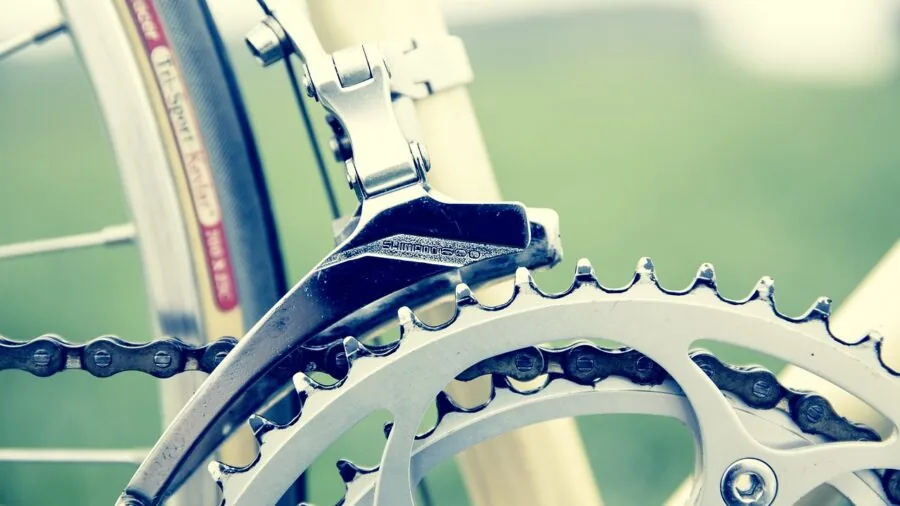
Frame material is the single biggest driver of both weight and cost.
High-carbon steel is the most common material at entry-level price points and offers genuine durability and easy repairability after impacts, which matters if you are new to trail riding and expect some tumbles.
The trade-off is weight: a steel frame adds noticeable mass that you will feel on longer climbs.
Aluminum alloy sits in the middle ground and represents the sweet spot for most riders.
It is significantly lighter than steel, stiff enough to transfer pedaling power efficiently, and affordable enough to appear on bikes ranging from budget hardtails to mid-range full-suspension models.
At the higher end of the market, carbon fiber frames deliver the best stiffness-to-weight ratio and improved vibration damping, but they command a substantial price premium and require more careful handling to avoid impact damage around the chainstays and downtube.
When evaluating frame quality, look beyond the material to the overall geometry. A slacker head tube angle (around 64 to 66 degrees) provides more stability at speed on steep descents, while a steeper angle (67 to 69 degrees) suits XC-style efficiency.
Reach and stack measurements determine how stretched out or upright your riding position will be, and getting these right for your torso length is just as important as getting the right frame size.
Hardtail vs. Full Suspension

A hardtail has a suspension fork up front and a rigid rear triangle. For riders on smooth-to-moderate trails, cross-country routes, or anyone riding on a budget, a hardtail is a compelling choice.
It is lighter, mechanically simpler, and more efficient on smooth surfaces because there is no rear suspension to absorb pedaling energy. Maintenance is also considerably easier, which translates to lower long-term ownership costs.
Full-suspension bikes add a rear shock that absorbs impacts from roots, rocks, and drops, dramatically improving traction and rider comfort on technical terrain. This benefit comes with added weight, increased cost, and additional pivot bearings that require periodic servicing.
For riders who plan to spend meaningful time on rough, chunky trail systems or bike parks, the traction and confidence advantages of full suspension justify the premium.
Suspension travel is the key spec to match to terrain. Short-travel bikes (80 to 120 mm) are efficient XC and light trail tools. Mid-travel trail bikes (120 to 150 mm) are the most versatile and cover the majority of popular trail networks well.
Long-travel enduro or park bikes (160 mm and up) prioritize downhill capability but feel sluggish on extended climbs.
Wheel Size and Tire Selection
Mountain bikes currently ship in three dominant wheel sizes: 26-inch, 27.5-inch, and 29-inch.
The 29-inch wheel rolls over obstacles more easily, maintains momentum better, and offers superior traction due to a larger contact patch, making it the dominant choice for trail and XC riding today.
Taller riders (above 5 foot 9 inches) typically feel most comfortable on 29ers and gain the most aerodynamic efficiency from them.
The 27.5-inch wheel sits between the other two in rollover capability and agility. It suits shorter riders and those who prioritize snappy, playful handling over outright momentum.
The 26-inch wheel is increasingly rare in new bikes but still appears on entry-level and youth-focused models, and it remains perfectly usable for casual trail riding and bikepacking on smoother surfaces.
Tire width and tread pattern matter as much as diameter. Wider tires (2.3 to 2.6 inches) run at lower pressures and provide more grip and cushioning, while narrower tires roll faster on hardpack.
Knobby tires with large, widely spaced tread blocks excel in loose or muddy conditions, while tighter tread patterns suit dry and hard-packed dirt.
If you ride mixed terrain, look for a bike shipped with a versatile mid-weight tread like a Maxxis Ardent or similar.
Drivetrain and Shifting Performance

Modern mountain bike drivetrains have shifted almost entirely to wide-range single-chainring setups, often branded as 1x (pronounced “one-by”).
A single front chainring eliminates the front derailleur, simplifying the cockpit, reducing mechanical complexity, and lowering the chance of chain drops on rough terrain.
A wide-range rear cassette (10-speed to 12-speed, with ratios spanning something like 10 to 50 or 10 to 52 teeth) compensates for the lack of a front derailleur by providing enough range to climb steep grades and pedal efficiently on flat sections.
Older and budget-focused bikes still use 21-speed setups (3×7) with three chainrings and seven rear cogs.
These systems are simple and parts are cheap and widely available, making them practical for casual riders who want easy maintenance and low replacement costs.
The trade-off is a more cluttered cockpit, occasional front derailleur adjustment requirements, and heavier overall weight.
Shimano is the dominant component brand across every price tier, and their groupsets are a reliable indicator of overall bike quality. Entry-level Shimano Tourney and Altus perform adequately for beginners.
Shimano Deore and Deore XT represent the performance sweet spot where shifting precision, durability, and cost intersect most favorably.
Higher-spec groups like Shimano Deore M6100 12-speed (found on the SAVADECK model in this guide) deliver smooth, confident shifting that holds up under hard use.
Braking Systems

Mechanical disc brakes and hydraulic disc brakes have both replaced the rim brakes of previous generations on virtually all mountain bikes sold today. Mechanical discs use a cable to actuate the caliper.
They are easy to adjust with basic tools, use widely available cables, and provide consistent stopping power for most riding conditions. For riders on entry-level or mid-range bikes, mechanical discs are a perfectly functional choice.
Hydraulic disc brakes use fluid-filled lines to transmit force from the lever to the caliper, providing self-adjusting pad wear compensation, better modulation, and significantly more stopping power with less hand fatigue on long descents.
Hydraulic systems do require occasional bleeding to maintain performance and are harder to service on trail if a line develops a problem, but for any rider spending serious time on technical terrain, the performance advantage is substantial and well worth the added cost.
Fit, Sizing, and Riding Position

Getting the right frame size is non-negotiable. A bike that is too large will feel unmanageable in tight corners and on technical climbs; one that is too small will feel twitchy, cramped, and inefficient.
Mountain bike sizing is typically expressed by frame size (small, medium, large, XL) or a specific measurement in inches.
Most manufacturers provide a rider height recommendation alongside each size, but reach and stack measurements give a more complete picture of actual fit.
Saddle height, handlebar height, and stem length can all be adjusted to dial in comfort, but these adjustments are limited in range. If a frame is fundamentally the wrong size, no amount of component swapping will fix it.
When in doubt between two sizes, taller riders typically prefer sizing up for stability and standover clearance on technical terrain, while shorter or more aggressive riders may prefer sizing down for nimbleness.
Checking the manufacturer’s size chart against your inseam and torso length before ordering is the safest approach, especially when buying online without being able to sit on the bike in person.
Why You Should Trust Us
ProductFind is an independent review publication. We do not sell mountain bikes, and we have no relationship with any retailer or manufacturer that influences our rankings.
Every product in this guide was evaluated against a consistent set of criteria covering frame material and construction quality, suspension design and travel, drivetrain spec, braking system, wheel and tire specification, geometry, and overall value relative to price.
Each model receives a PF Score on a 0 to 10 scale, allowing direct comparison across categories and price tiers.
We do not conduct our own product trials; our evaluations are grounded in research, published data, expert review consensus, and verified buyer feedback.
Our analysis draws on published manufacturer specifications, consensus from experienced cycling media and rider communities, and aggregated feedback from verified purchasers.
This research-based approach allows us to surface meaningful performance and quality signals without the geographic or sample-size limitations of a single reviewer’s experience.
ProductFind may earn a commission when you purchase through links in this article. That affiliate relationship does not influence which products we include, how we rank them, or the PF Score assigned to any model.
Our picks are determined solely by research quality and the criteria above. We apply the same rigorous approach across every category we cover, whether we are assessing outdoor gear or robotic lawn mowers for weekend yard maintenance.
Final Thoughts
The mountain bikes in this guide span a wide range of rider needs and budgets, and each earns its place based on what it delivers within its price tier. Here are our standout picks and what makes each one worth considering.
- Best Overall: Canyon Spectral 125 AL 5 earns the top position with the highest PF Score in this group, combining a capable aluminum trail platform with a well-sorted geometry and component spec that delivers confident performance on varied terrain without the carbon price tag.
- Best Carbon Upgrade: SAVADECK Carbon Fiber Mountain Bike is the pick for riders ready to invest in a premium build, pairing a full carbon frame with a Shimano Deore M6100 12-speed drivetrain and hydraulic disc brakes for a riding experience that rivals bikes costing significantly more.
- Best Mid-Range Trail Bike: Mongoose Switchback 2 hits a strong performance-to-price balance at a mid-range price point, offering 29-inch wheels and a 9-speed drivetrain in a proven aluminum frame that suits riders moving beyond beginner terrain.
- Best Entry-Level Hardtail: Eastern Bikes Alpaka 29″ Mountain Bike is the go-to recommendation for first-time mountain bikers who want a capable 29-inch hardtail without overcommitting on price, backed by a solid PF Score for its category.
- Best Budget Pick: Betterland 26 Inch Mountain Bike offers the most accessible entry point in the group for casual riders and those on the tightest budgets, covering the basics of front suspension and disc braking at a very low cost of entry.
Whichever direction you go, the most important step is matching the bike to the trails you actually ride rather than the trails you imagine riding.
A well-spec’d hardtail ridden regularly on local trails will build skills and provide more satisfaction than a premium full-suspension bike that spends most of its life in the garage.
Invest in a good fit, a quality helmet, and flat pedals to start, and let your riding tell you what upgrades to prioritize next.
Frequently Asked Questions
What is the difference between a hardtail and a full-suspension mountain bike?
A hardtail has front suspension only, making it lighter, simpler, and more efficient on smooth to moderately rough trails. Full-suspension bikes add a rear shock for improved traction and comfort on technical, rocky, or rooty terrain.
For most beginner and intermediate riders, a quality hardtail is the more practical starting point and offers better value at lower price tiers.
Which wheel size should I choose for mountain biking?
For most adult riders, 29-inch wheels are the strongest all-round choice. They roll over obstacles with less effort, maintain momentum better, and provide superior grip on longer trail descents.
Riders under 5 foot 5 inches may find 27.5-inch wheels more manageable, while 26-inch wheels are largely limited to entry-level and youth bikes today.
If you are looking at a 27.5-inch or 29-inch bike for mixed terrain, prioritize a model with tubeless-ready rims to take advantage of lower tire pressures and puncture resistance down the road.
Are cheap mountain bikes worth buying?
Entry-level mountain bikes from established brands can be genuinely good value for casual trail use, bike paths, and beginner riders learning the basics.
The key is to look for models with an aluminum frame, mechanical disc brakes, and a reliable drivetrain like entry-level Shimano components.
Bikes at the very bottom of the price range often use heavy steel frames, poor-quality brakes, and no-name drivetrains that require frequent adjustment.
Spending a modest amount more for a mid-range entry-level model often means the difference between a bike you enjoy and one you stop riding after a month.
If budget is a primary concern across hobbies, you might apply the same value-seeking mindset to other purchases, whether that means picking up quality socket sets for home maintenance or sourcing solid outdoor gear without overspending.
How do I know what size mountain bike to buy?
Start with the manufacturer’s height-to-frame-size chart, but also look at the reach and stack numbers if they are published.
Reach measures the horizontal distance from the bottom bracket to the top of the head tube and is the most reliable indicator of how stretched out you will feel on the bike.
When in doubt, aim for a size that gives you at least 2 to 4 inches of standover clearance (the gap between the top tube and your inseam while straddling the bike flat-footed), especially on hardtails where frame geometry is more unforgiving.
If you are ordering online without the ability to size up in person, read through verified buyer reviews from riders of similar height for real-world fit confirmation.
What accessories do I need when buying a mountain bike?
At minimum, budget for a well-fitting helmet, flat pedals if the bike ships without them, a quality floor pump with a pressure gauge, and a basic multi-tool for trailside adjustments.
A hydration pack or bottle cage, gloves, and knee pads are wise additions once you start riding more technical terrain.
If you are building out a home garage setup for maintenance, having a good repair toolkit on hand makes routine tasks like cable adjustments and brake bleeding far more manageable.
For riders who like to track their overall fitness and health beyond the bike, pairing your rides with a reliable pulse oximeter can provide useful baseline health data after hard efforts at altitude.
How often should I service my mountain bike?
For most riders doing moderate trail use, a basic service check every 30 to 50 hours of riding is a good baseline.
This includes cleaning and lubricating the chain, checking brake pad wear, inspecting tire condition and pressure, and tightening all bolts to spec. Suspension forks typically need a lower-leg service every 50 hours and a full service annually.
Rear shocks follow a similar schedule. Hydraulic brake lines should be bled when lever feel becomes spongy.
If you ride in wet or muddy conditions frequently, shorten all service intervals, as grit accelerates wear on every moving component significantly faster than dry-condition riding does.
About the author
Arlene is a reviewer and writer for ProductFind who specializes in Cycling. Arlene evaluates products through independent research: specifications, expert review consensus, and verified buyer feedback, and rates each one on the PF Score. Arlene focuses on helping readers pick the right cycling for their needs and budget.