The 10 Best Fight Sticks
From tournament-grade HORI and NACON builds to budget-friendly mini sticks, find the arcade controller that matches your platform, playstyle, and competitive goals.
 By Joann Wagner
Updated July 23, 2026
By Joann Wagner
Updated July 23, 2026
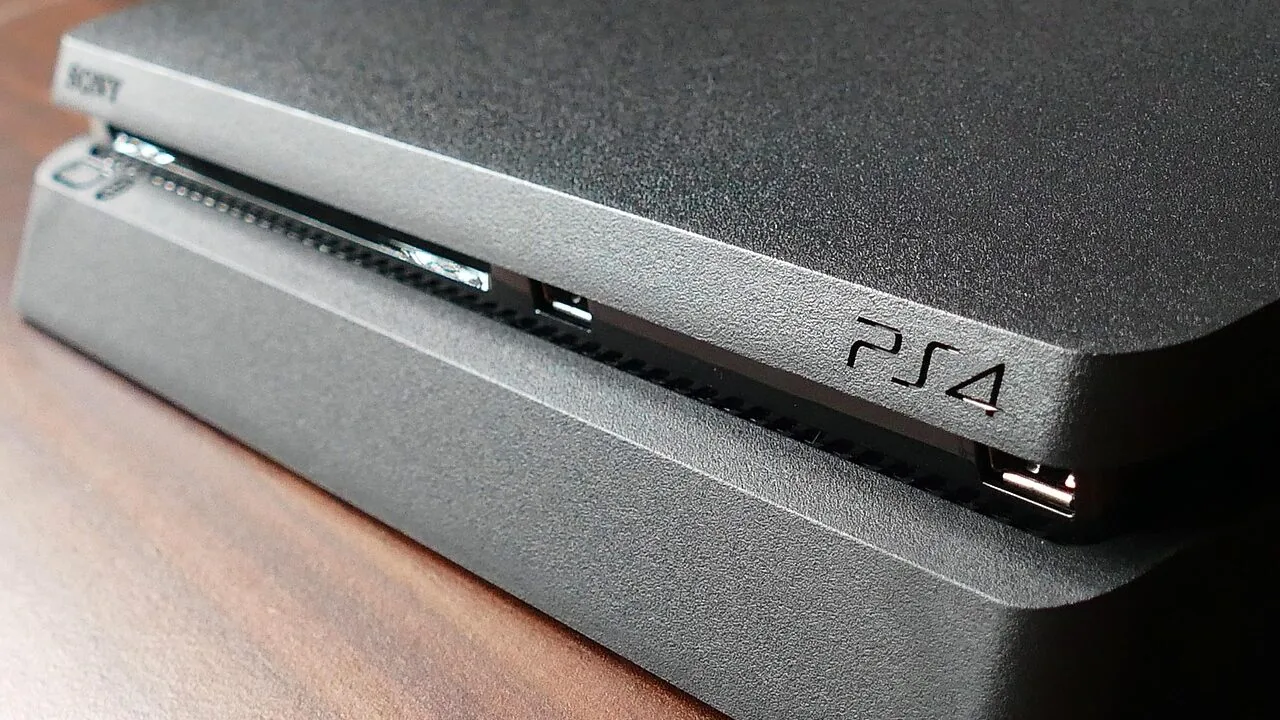
Fighting games demand precise, responsive inputs, and for serious players, a quality fight stick can mean the difference between landing a clean combo and dropping a critical punish.
Whether you’re grinding ranked in Street Fighter 6, practicing mix-ups in Tekken 8, or revisiting classics on an emulator, arcade sticks deliver the tactile, lever-based control that a standard gamepad simply cannot replicate.
The market has grown considerably, with options spanning entry-level mini sticks, mid-range tournament-ready builds, and premium leverless controllers that cater to the evolving preferences of the fighting game community (FGC).
At ProductFind, we cut through the noise by synthesizing published specifications, expert review consensus from across the FGC and gaming press, and verified buyer feedback to identify the fight sticks that genuinely earn their place in your setup.
Brands like NACON, HORI, Qanba, 8Bitdo, and MAYFLASH each bring different strengths, and our rankings reflect consistent, research-based evaluation, not marketing hype.
Read on for our top picks, and scroll further for a practical buying guide covering every key decision you’ll need to make.
| Award | Product | PF Score About PF ScoreThe PF Score is our own rating from 0 to 10, based on performance, design and build, ease of use, and value. It reflects independent research and is never influenced by manufacturers, retailers, or affiliate commissions. Learn more › | Price | |
|---|---|---|---|---|
| Best Overall |
 NACON Daija Arcade Fight Stick for PS4/PS5/PC
|
9.2/10 | Buy | |
| Editor's Pick |
 HORI PlayStation 5 Fighting Stick Alpha
|
8.6/10 | Buy | |
| Best Value |
 HORI PlayStation 5 Fighting Stick Alpha
|
8.5/10 | Buy | |
| Top Rated |
 8Bitdo Arcade Stick for Switch/PC
|
8.2/10 | Buy | |
 HORI Fighting Stick Mini for PS5/PS4/PC
|
8.1/10 | Buy | ||
 Mayflash F300 Elite Arcade Stick with Sanwa Components
|
7.8/10 | Buy | ||
 Qanba B1 Titan Wired Fighting Stick for PS5/PS4/PC
|
7.6/10 | Buy | ||
 Qanba Sapphire S1 Leverless Fight Stick
|
7.4/10 | Buy | ||
 Sehawei Haute42 M13 All-Metal Arcade Stick
|
6.8/10 | Buy | ||
 Mad Catz PS3 Street Fighter IV FightStick Tournament Edition
|
5.5/10 | Buy |
NACON Daija Arcade Fight Stick for PS4/PS5/PC
A professionally designed arcade stick built with Sanwa components and licensed for PlayStation and PC gaming. Best suited for serious fighting game players seeking tournament-grade build quality and full customization options.
Pros
- Sanwa components deliver durability and responsiveness expected in professional fighting game tournaments
- Full button mapping software allows detailed customization for different fighting games and playstyles
- Two interchangeable joystick heads and customizable faceplates provide flexibility for personal preference
- Textured palm rest designed for extended gaming sessions with proper ergonomic support
- Includes all necessary cables and tools out of the box, no additional purchases required
Cons
- No user reviews available yet to confirm real-world build quality and longevity claims
- Heavy at 7.7 pounds, making portability challenging for tournament travel
- Button configuration software limited to PC and Mac, not accessible from console
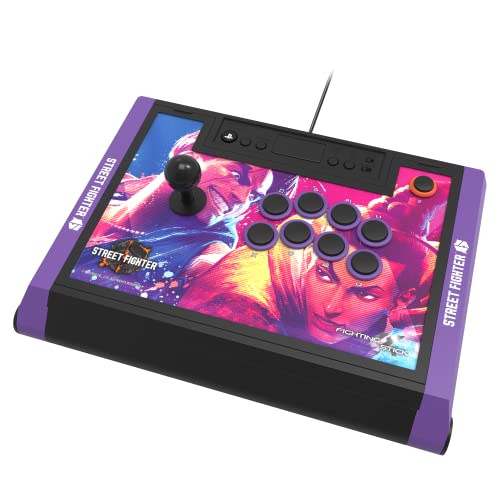
HORI PlayStation 5 Fighting Stick Alpha
A tournament-grade fightstick built for competitive play across PS5, PS4, and PC with HORI's proprietary HAYABUSA components. Street Fighter 6 branding and included character artwork make this a solid choice for fighting game enthusiasts seeking premium build quality and customization.
Pros
- HAYABUSA components deliver reliable, high-performance controls for tournament use
- Cross-platform compatibility spans PlayStation and PC ecosystems
- Tool-free customization design allows straightforward button and joystick swaps
- Official licensing ensures quality standards and authenticity
- Included artwork library adds personalization without extra purchase
Cons
- Premium price point reflects tournament-grade positioning, not budget-friendly
- Substantial size and weight may challenge portability for casual travel
- No customer reviews available to validate real-world performance claims
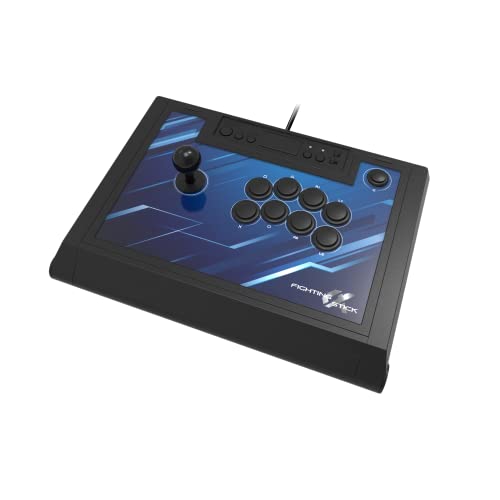
HORI PlayStation 5 Fighting Stick Alpha
HORI's officially licensed fighting stick for PS5, PS4, and PC brings tournament-grade components and customization options for competitive fighting game players. Built with Hayabusa buttons and joystick, it's designed for serious enthusiasts rather than casual gamers.
Pros
- Officially licensed by Sony with proven arcade-quality Hayabusa components
- Opens for easy customization and maintenance
- Replaceable top-panel artwork for personalization
- Cross-platform compatibility with PS5, PS4, and PC
- Premium build quality suited for tournament use
Cons
- No customer reviews available to verify real-world durability and performance
- Tournament-grade pricing positions it as a premium investment rather than entry-level option
- Relatively large footprint at 18.9 x 6.5 x 14.4 inches may limit portability for some users
8Bitdo Arcade Stick for Switch/PC
A wireless arcade fight stick with dynamic button layouts that adapt between Switch and PC modes, plus customizable controls through 8Bitdo's software. Connects via Bluetooth, 2.4G adapter, or wired USB-C, making it versatile for fighting game players across multiple platforms.
Pros
- Multi-platform compatibility covers Switch, Switch 2, and PC without hassle
- Three connection methods provide flexibility for different play scenarios
- Software customization allows button mapping and macro creation for any fighting game
- Tempered glass faceplate feels durable and looks polished
- Integrated 2.4G adapter with hidden storage keeps cable clutter minimal
Cons
- No user reviews available yet to verify real-world performance and reliability
- Customization features require learning the Ultimate Software interface
- Premium pricing typical of quality arcade sticks may not suit casual players
HORI Fighting Stick Mini for PS5/PS4/PC
A compact, officially licensed fight stick built around HORI's signature joystick with classic 8-button layout. Designed for fighting game enthusiasts who value portability without sacrificing arcade authenticity.
Pros
- Officially licensed by Sony, ensuring PS5/PS4 compatibility
- HORI's original joystick with V-cut housing delivers arcade-quality feel
- Lightweight and portable, weighing just over 1 pound
- Works across multiple platforms: PS5, PS4, and PC
- 8ft cable provides reasonable reach for console play
Cons
- No verified buyer feedback available to assess real-world durability or user satisfaction
- Small form factor may feel cramped for extended play sessions or users with larger hands
- Limited information on button responsiveness or build quality compared to larger arcade sticks
Mayflash F300 Elite Arcade Stick with Sanwa Components
A multi-platform arcade stick built with premium Sanwa buttons and joystick, offering broad compatibility across Switch, PlayStation, Xbox, and PC. Designed for modding enthusiasts who want customization potential alongside tournament-grade responsiveness.
Pros
- High-quality Sanwa components deliver consistent, tournament-grade performance
- Extensive platform compatibility covers casual and hardcore gamers across ecosystems
- Modular design lets users swap components to match their playstyle
- Dual input mode support (XINPUT/DINPUT) on Windows reduces compatibility friction
Cons
- No reviews currently available to validate real-world durability or user experience
- PS5 support requires purchasing a separate adapter, adding to total cost
- Heavier build (4.4 pounds) may be less portable than controller alternatives
Qanba B1 Titan Wired Fighting Stick for PS5/PS4/PC
An officially licensed Sony fighting stick built for competitive play, the B1 Titan combines tournament-grade Sanwa components with modern connectivity across PlayStation and PC platforms. Its full-featured control panel and sturdy construction appeal to both casual players and arcade enthusiasts.
Pros
- Official Sony licensing ensures guaranteed compatibility and quality assurance
- Tournament-grade Sanwa 30mm buttons and JLT joystick deliver responsive, reliable input
- Multi-platform support covers PS5, PS4, and PC from a single device
- Built-in touch pad, microphone input, and tournament lock switch add versatility
- Solid 5-pound weight with antislip base provides stable gameplay experience
Cons
- Large 22.1 x 38.4 inch footprint requires significant desk or lap space
- No user reviews available to assess real-world durability and long-term reliability
- Wired connection limits mobility compared to wireless alternatives
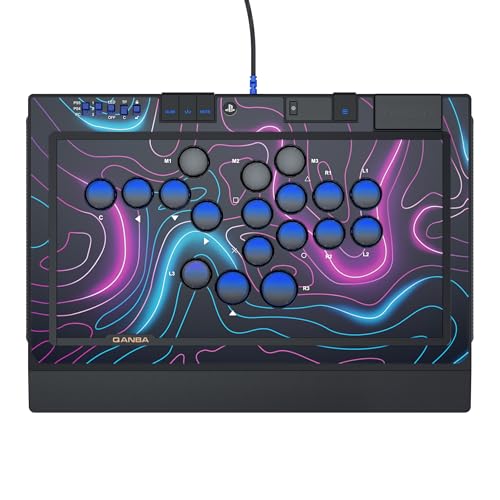
Qanba Sapphire S1 Leverless Fight Stick
An officially licensed fight stick for PS5, PS4, and PC built with Cherry Silver switches and 18 programmable buttons for competitive fighting game players. The leverless design combined with customizable RGB lighting and three saved button layouts makes it adaptable across different games and playstyles.
Pros
- Tournament-grade build with Cherry Silver switches designed for competitive play
- Three saved custom layouts allow quick adaptation between different fighting games
- Includes practical accessories like memory foam wrist rest and extra micro switches
- Integrated PlayStation touchpad enables full console navigation without additional controller
- Fully programmable buttons with adjustable key travel sensitivity
Cons
- No user reviews available to validate real-world durability or long-term performance
- Leverless design may have a learning curve for players accustomed to traditional joysticks
- Premium pricing typical of tournament-grade fight sticks
Sehawei Haute42 M13 All-Metal Arcade Stick
A compact all-metal arcade controller with 13 buttons, RGB lighting, and broad system compatibility across PC, PlayStation, Switch, and Steam Deck. Designed for fighting game enthusiasts seeking low-latency input with customizable controls.
Pros
- Genuine metal build provides durability and premium feel compared to standard plastic controllers
- Exceptional system compatibility spanning modern and retro platforms
- Customizable RGB and button layout for personalized gaming experience
- Ultra-low latency rated at 1ms, critical for competitive fighting games
- Multiple SOCD modes and turbo functions offer fighting game-specific features
Cons
- No verified buyer reviews available to confirm real-world performance and build quality claims
- PS4 and PS5 setup requires additional manual configuration per official documentation
- All-metal design may be overkill for casual players and adds weight compared to standard controllers
Mad Catz PS3 Street Fighter IV FightStick Tournament Edition
A tournament-grade arcade stick built for PS3 fighting games, featuring authentic Sanwa Denshi components and a genuine arcade layout. The 13-foot wired connection and premium construction make it suited for serious fighting game players, though availability is extremely limited.
Pros
- Authentic Japanese-style Sanwa Denshi joystick and buttons deliver arcade-accurate feel
- Genuine arcade layout with premium-quality components for competitive play
- Extra-long 13-foot wired USB cable provides flexibility in seating position
- Compatible with most PS3 fighting games
Cons
- Very limited quantities available, making it difficult to purchase
- No reviews available to assess real-world durability or user experience
- Wired connection limits mobility compared to wireless alternatives
Fight Sticks Buying Guide
Choosing the right arcade stick is more nuanced than picking the priciest option on the shelf. Your platform, preferred game genre, hand size, willingness to mod, and playing environment all factor into which stick will serve you best.
Pair your new stick with a sturdy gaming desk for a stable, comfortable session, and use this guide to match each feature to your actual needs.
Platform Compatibility
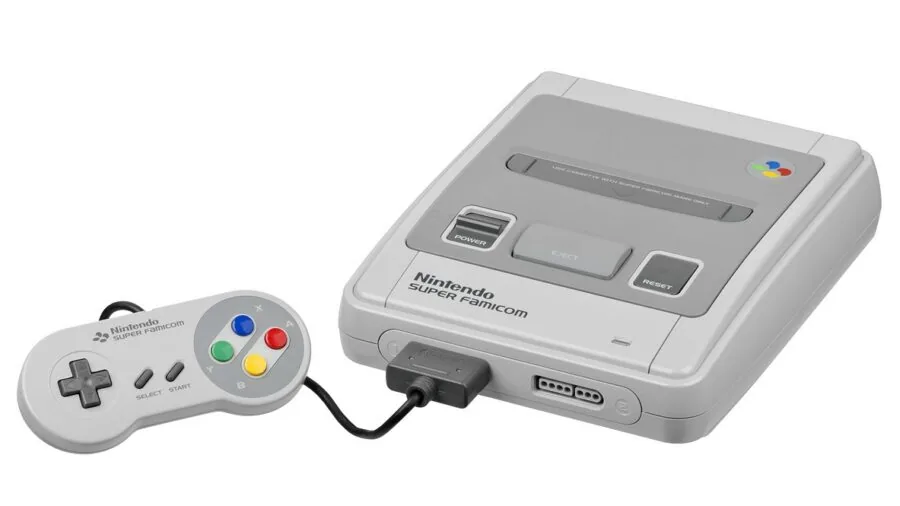
Platform compatibility is the first filter to apply.
A stick built for PlayStation 5 and PlayStation 4 will not work natively on Xbox Series X/S or Nintendo Switch without an adapter, and some adapters introduce input latency that undermines the whole point of an arcade stick.
Always verify the declared compatibility before committing.
Multi-platform sticks, like the MAYFLASH Arcade Stick F300 Elite, are an attractive solution for players who own multiple consoles or split their time between PC and console.
Dedicated PlayStation-licensed sticks from HORI and Qanba carry official Sony certification, which typically guarantees clean compatibility and feature support including tournament mode lock switches.
PC players have the widest selection, since most sticks present as standard HID controllers and work out of the box in Steam.
Nintendo Switch users have historically had fewer native options, but the 8Bitdo Arcade Stick changes that, offering wireless Bluetooth, 2.4G, and wired USB-C connectivity, making it a genuinely versatile pick for Switch and Windows PC without the need for workaround adapters.
If you regularly switch between platforms, consider which connection modes the stick supports and whether the directional layout can be remapped.
Joystick Lever vs. Leverless (Hitbox) Layout
The most consequential design choice in 2026 is whether to go with a traditional lever-based joystick or a leverless, all-button layout sometimes called a hitbox.
Traditional levers offer familiar quarter-circle and charge-motion inputs that many players trained on years of arcade hardware, and they suit a wide range of game genres beyond 2D fighters.
Leverless controllers replace the lever with directional buttons, which can enable faster, more consistent inputs for certain special moves and charge characters.
The Qanba Sapphire S1 Leverless is a strong example at the higher end, featuring a detachable joystick that allows players to configure the stick in either layout, offering flexibility for those still deciding.
The Sehawei Haute42 provides a budget-accessible all-button experience for PC, PS3, PS4, and Nintendo Switch users who want to experiment with the format without committing significant funds.
Neither layout is objectively superior. Competitive players use both at the highest levels.
The best choice depends on your muscle memory, the games you play most, and how much time you can invest in relearning fundamental motions if you switch from a lever you have used for years.
Component Quality and Modability
The internal components of a fight stick, particularly the lever mechanism and buttons, determine feel, longevity, and how the stick holds up under tournament-level use.
Sanwa Denshi parts from Japan have been the FGC standard for decades, offering crisp actuation, low spring resistance, and extensive aftermarket support.
The MAYFLASH F300 Elite ships with genuine Sanwa buttons and joystick, which is an exceptional value proposition at its price tier.
Premium sticks like the NACON Daija use high-grade components and modular construction, including removable faceplates that simplify button swaps and customization without tools.
Build quality also encompasses the chassis: heavier sticks tend to stay planted on your lap or desk, while lighter options trade stability for portability.
The HORI Fighting Stick Alpha, for instance, is a tournament-grade build with a large footprint and substantial weight, while the HORI Fighting Stick Mini is designed for portability and entry-level play.
If you plan to attend offline tournaments or local events, look for a stick with a tournament lock switch that disables the home button and other system buttons during matches.
Most licensed tournament-grade sticks include this feature, and it is worth prioritizing if competitive play is part of your agenda.
Modability is a longer-term consideration: some sticks accept standard Sanwa or Seimitsu parts with no soldering, while others require more involved work.
Size, Weight, and Ergonomics
Fight sticks range from compact travel-friendly units to full-size enclosures that replicate the feel of a dedicated arcade cabinet panel. Size affects portability, lap stability, and overall playing comfort.
Full-size sticks provide more surface area to rest your wrists and tend to feel more planted, especially during high-intensity play, while mini sticks are easier to slip into a bag and bring to a local.
Wrist fatigue is a genuine concern in long sessions, so ergonomics matter as much as component quality.
Consider how the stick height positions your hand relative to the buttons, and whether the overall footprint suits your playing posture, whether that means lap play on a couch or desk play in front of a monitor.
A supportive gaming chair can make lap play significantly more comfortable during extended sessions.
Wired vs. Wireless Connectivity

The vast majority of fight sticks are wired, and for good reason: competitive play demands zero input lag, and even a well-implemented wireless connection introduces a small but measurable amount of additional latency.
Most tournament organizers require wired connections, so if you plan to compete offline, a wired stick is the practical choice.
That said, wireless connectivity has improved significantly, and for casual home play, the difference is negligible in practice.
The 8Bitdo Arcade Stick stands out as one of the few fight sticks offering Bluetooth, 2.4G, and wired USB-C, making it a flexible option for Switch players who prefer the freedom of wireless without being locked into a single connection method.
Cable length is also worth checking: a longer cable lets you sit further from your TV without a cable extension, which improves the experience whether you play on a standard controller setup or a dedicated stick.
Budget Tier and Long-Term Value

Fight sticks span a wide price range, from entry-level budget options to professional-grade enclosures priced accordingly.
Entry-level sticks like the HORI Fighting Stick Mini deliver core functionality at an accessible price point and are excellent first sticks for players who want to try the format before investing heavily.
Mid-range sticks typically include better internal components, more robust chassis construction, and additional features like touchpad support or LED indicators.
High-end sticks justify their price through tournament-ready build quality, premium or Sanwa-equivalent components, modular customization, and long-term durability that can outlast multiple console generations.
If you are serious about the FGC long term, investing in a quality stick once often proves more economical than cycling through budget options.
Factor in the cost of potential aftermarket upgrades when evaluating mid-range choices, since a moddable mid-range stick with inexpensive aftermarket parts can rival the performance of a stock premium option at a lower total cost.
Why You Should Trust Us
ProductFind is an independent editorial platform dedicated to helping shoppers make confident, well-informed decisions without wading through promotional noise.
Every product in this roundup was evaluated using our structured research methodology: we analyze publicly available specifications, cross-reference expert review consensus from established FGC sources and gaming publications, and incorporate verified buyer feedback from confirmed purchasers across major retail platforms.
Each product receives a PF Score on a 0 to 10 scale, assigned through consistent, criteria-driven assessment rather than subjective impressions.
We do not conduct our own product trials; our evaluations are grounded in research, published data, expert review consensus, and verified buyer feedback.
This approach lets us cover a broad range of products objectively and update rankings as new information, firmware changes, or market shifts emerge.
ProductFind may earn an affiliate commission when you purchase through links on this page. That relationship does not influence our rankings, scores, or editorial recommendations in any way. Products are selected and ranked based on research merit alone.
We do not accept payment for placement, and we have no affiliation with any manufacturer listed in this article.
Final Thoughts
The right fight stick depends on your platform, your competitive ambitions, and how much you value modability and build quality over portability and price.
After synthesizing expert consensus, verified buyer feedback, and detailed specifications across every pick in this roundup, a few standouts earn specific recognition.
- Best Overall: NACON Daija Arcade Fight Stick earns the top position with the highest PF Score in this roundup, backed by premium build quality, a tournament-ready feature set, removable faceplates, and broad PlayStation compatibility that meets the demands of serious competitive players.
- Best Street Fighter Edition: HORI PlayStation 5 Fighting Stick Alpha (Street Fighter 6 Edition) offers the same tournament-grade engineering as the standard Alpha in a collector-worthy package, earning the second-highest PF Score and ideal for dedicated Street Fighter fans who want an officially licensed showpiece.
- Best for Tournament Play: HORI PlayStation 5 Fighting Stick Alpha delivers tournament-grade performance with official Sony licensing at a more accessible price than the collector edition, making it the go-to pick for competitive PS5 and PS4 players who prioritize reliability on the stage.
- Best for Nintendo Switch and PC: 8Bitdo Arcade Stick for Switch and Windows PC stands alone in offering Bluetooth, 2.4G, and wired USB-C connectivity in a single fight stick, making it the most versatile multi-connection option for players who move between Switch and PC without wanting to compromise on input quality.
- Best Budget Pick: HORI Fighting Stick Mini for PS5, PS4, and PC proves that entry-level does not mean unplayable, offering legitimate Sony-licensed compatibility, a compact footprint for travel, and strong value for players new to arcade sticks who want to try the format before investing further.
Whichever stick you choose, pairing it with reliable HDMI cables and a properly set up monitor at your station will help you get the most from your new controller.
If you are still deciding between a fight stick and other controller styles, our guide to controllers for every platform covers a wider range of input devices to help you find the right fit.
Frequently Asked Questions
Are fight sticks worth it for beginners?
For players who are new to fighting games, a fight stick is absolutely worth considering if you have any interest in the genre long term.
The initial learning curve can feel steep because quarter-circle and charge motions require a period of muscle memory adjustment, but most players find that they become more consistent with motion inputs on a lever than on a D-pad after several weeks of regular play.
Budget-friendly options like the HORI Fighting Stick Mini make it easy to try the format without a large upfront commitment, and the wide compatibility with PC means you can use it across a broad library of fighting games on Steam while you build familiarity.
You do not need a premium stick to develop solid fundamentals, a mid-range option with decent components is more than adequate for learning and casual competitive play.
What is the difference between a fight stick and a leverless controller?
A traditional fight stick uses a physical lever mechanism, also called a joystick, for directional input. Moving the lever in a direction actuates microswitches that send the corresponding input signal to the console or PC.
The lever is the defining characteristic of the classic arcade form factor and is what most people picture when they think of an arcade stick.
A leverless controller, sometimes called a hitbox after the popular brand that pioneered the format, replaces the lever with individual directional buttons, typically four buttons arranged for left, right, down, and up.
This allows certain motions to be executed faster and with less physical travel, particularly for charge inputs and back-to-back directional combinations.
Both formats are legal in most major tournaments, though specific events may have SOCD (simultaneous opposite cardinal direction) cleaning rules that affect leverless play. The Qanba Sapphire S1 offers a clever middle ground with its detachable joystick design.
Can I use a PlayStation fight stick on PC?
Yes, in most cases. Nearly all licensed PlayStation fight sticks are recognized as standard HID controllers when connected to a Windows PC via USB, and many are natively supported by Steam’s controller configuration layer.
This means you can use sticks like the HORI Fighting Stick Alpha or the Qanba B1 Titan on PC without any additional software in most fighting game titles.
Some older or more specialized sticks may require driver installation or DirectInput-compatible software to function correctly with certain titles.
Multi-platform sticks like the MAYFLASH F300 Elite explicitly support PC and macOS alongside consoles, making them a low-friction choice for players who primarily use a computer.
Always check the manufacturer’s listed PC compatibility before purchasing if PC play is your primary use case.
How important are Sanwa parts in a fight stick?
Sanwa Denshi components are widely considered the benchmark for fight stick hardware in the FGC, and for good reason. Sanwa levers and buttons offer light, consistent actuation with a feel that has been refined over decades of competitive use.
Many professional players and tournament organizers favor them, and the extensive aftermarket ecosystem means you can replace or customize individual parts easily.
That said, other quality components from brands like Seimitsu also have dedicated fan bases, and stock components on entry-level sticks are often serviceable for casual play.
If you purchase a budget or mid-range stick with generic components and find the feel unsatisfying after some time, swapping the lever and buttons for Sanwa equivalents is a relatively inexpensive upgrade on any modular stick that does not require soldering.
The MAYFLASH F300 Elite ships with genuine Sanwa parts already installed, which is part of why it scores well in its price tier.
What should I look for in a fight stick for offline tournaments?
Tournament play introduces a set of requirements that casual home use does not. A tournament lock switch is essential: it disables system buttons like the home button to prevent accidental game interruptions during a set.
Most officially licensed tournament-grade sticks include this, and it is a feature worth verifying explicitly in the product specifications before you buy.
Cable length and cable management also matter at events, where you may be sitting at varying distances from the console or setup station. A longer integrated cable or a detachable cable with a standard connector offers flexibility.
Build durability is another consideration: the stick needs to withstand transport and repeated use without developing stick drift, button sticking, or chassis flex. Sticks with heavier, more rigid enclosures generally hold up better to the rigors of tournament travel.
If you are serious about competing, a quality carry-on bag that can accommodate your stick safely is a practical investment alongside the hardware itself.
About the author
Joann is a reviewer and writer for ProductFind who specializes in Video Games & Gaming Gear. Joann evaluates products through independent research: specifications, expert review consensus, and verified buyer feedback, and rates each one on the PF Score. Joann focuses on helping readers pick the right video games & gaming gear for their needs and budget.