The 8 Best Mini Drones
Mini drones now offer real 4K cameras, smart tracking, and 30-minute flights in sub-250g frames. Here are the top picks for beginners, travelers, and creators.
 By Myrtle Hudson
Updated July 23, 2026
By Myrtle Hudson
Updated July 23, 2026
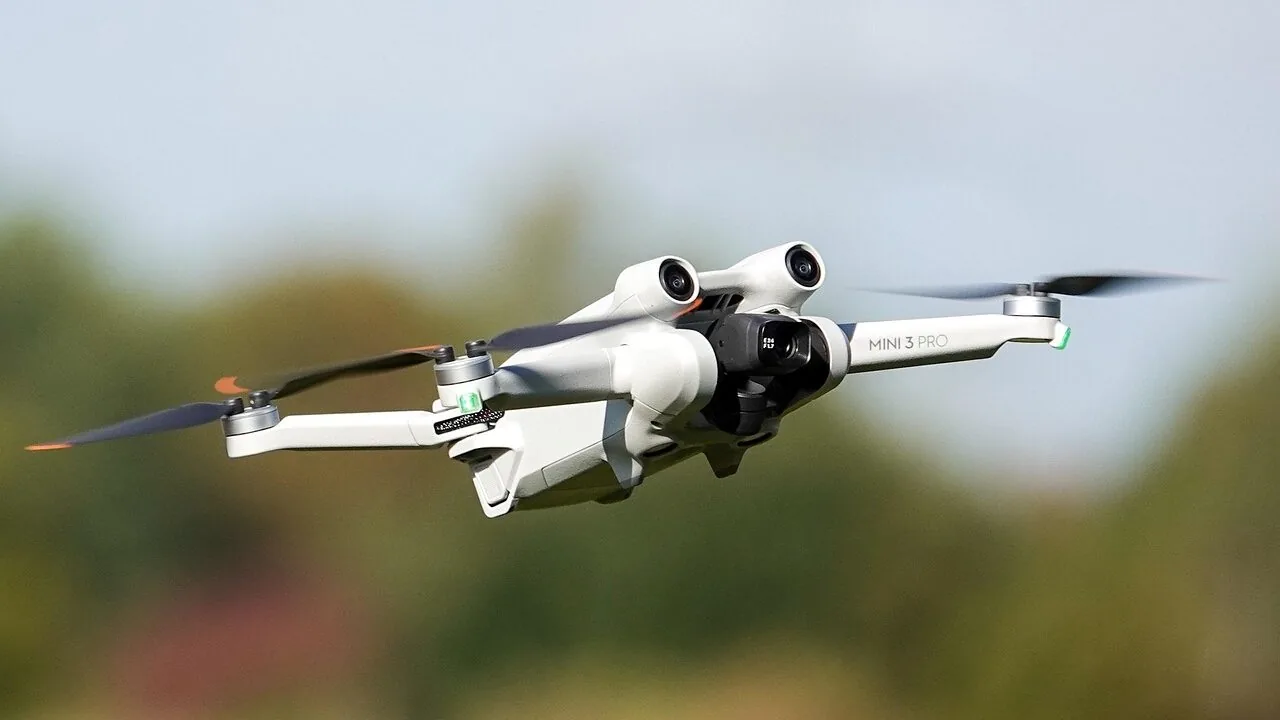
Mini drones have moved well beyond novelty status.
Whether you want a pocket-sized camera to capture travel footage, a beginner-friendly flyer for weekend fun, or a palm-launch drone that follows you around autonomously, the current market offers genuine capability at nearly every price point.
The challenge is cutting through the noise: dozens of brands make bold claims about flight time, camera quality, and range, but very few live up to them in real-world conditions.
From DJI’s polished flagship offerings to budget-friendly options from Pallton and BLINORY, the range of what counts as a “mini drone” today is wider than ever.
ProductFind researched this category by synthesizing manufacturer specifications, expert review consensus across the drone community, and verified buyer feedback from confirmed purchasers. Every product on this list was assessed against consistent criteria and scored on our 0 to 10 PF Score scale.
If you are just getting started, our guide to drones for beginners is a useful companion read. Below you will find our ranked picks for the best mini drones available right now.
| Award | Product | PF Score About PF ScoreThe PF Score is our own rating from 0 to 10, based on performance, design and build, ease of use, and value. It reflects independent research and is never influenced by manufacturers, retailers, or affiliate commissions. Learn more › | Price | |
|---|---|---|---|---|
| Best Overall |
 DJI Neo 2 4K Compact Drone
|
8.5/10 | Buy | |
| Editor's Pick |
 DJI Neo 135g Pocket Drone with 4K Camera
|
8.2/10 | Buy | |
| Best Value |
 Contixo F27 Halo Mini Foldable Drone with 4.3" Screen Remote
|
7.3/10 | Buy | |
| Top Rated |
 DJI Mini 3 with DJI RC Remote
|
7.1/10 | Buy | |
 Specta Mini Drone 4K, 31-Min Flight, 10km Range
|
6.3/10 | Buy | ||
 Pallton 1080P Foldable Mini Drone with 2 Batteries
|
7.0/10 | Buy | ||
 BLINORY 2K Foldable Drone with 36 Min Flight Time
|
6.2/10 | Buy | ||
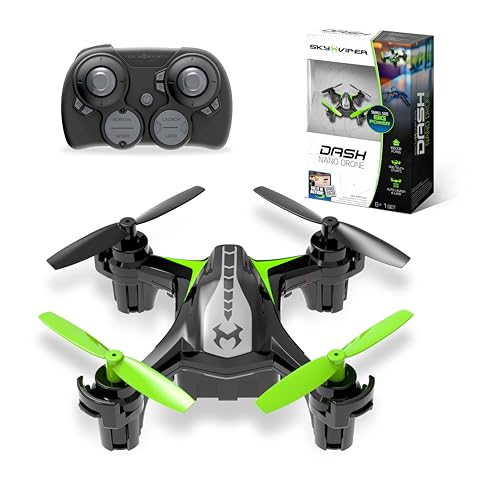 Sky Viper Dash Nano RC Drone
|
3.2/10 | Buy |
DJI Neo 2 4K Compact Drone
A lightweight 151g drone built for casual aerial photography with 4K capture, palm takeoff, and gesture controls. Best suited for travel and quick content creation where portability matters more than advanced features.
Pros
- Extremely lightweight and portable design, ideal for travel
- Intuitive controls including palm launch and gesture recognition
- 4K imaging capability in a compact form factor
- Safety features like obstacle detection and propeller guards
Cons
- No user reviews available to verify real-world performance claims
- DJI Fly app not available on Google Play, requiring manual download from DJI website
- Limited to drone-only bundle, batteries and accessories sold separately
DJI Neo 135g Pocket Drone with 4K Camera
The DJI Neo is an ultra-lightweight 135g drone that doesn't require FAA registration, making it accessible for casual flyers and travel. It captures 4K stabilized video with subject tracking and QuickShots, though it lacks a dedicated controller in the standard package and requires app download from DJI's website due to platform issues.
Pros
- Genuinely pocket-sized at 135g, lighter than most smartphones
- 4K stabilized video performs well in varied conditions including windy environments
- Flexible control methods accommodate different user preferences and skill levels
- Built-in propeller guards reduce damage risk during learning and casual use
- Subject tracking and QuickShots automate vlog creation without manual piloting
Cons
- Requires manual app download from DJI website due to Google Play removal, adding setup friction
- No reviews available yet, limiting real-world performance validation from verified buyers
- Optional controller sold separately, making true controller-free operation limited to basic movements
Contixo F27 Halo Mini Foldable Drone with 4.3" Screen Remote
A beginner-friendly foldable drone featuring a built-in 4.3-inch FPV screen remote, dual HD camera with adjustable tilt, and one-key takeoff/landing for intuitive control. Delivers up to 9 minutes of flight time and 350 ft range, making it accessible for first-time pilots and casual backyard flying.
Pros
- Integrated screen remote removes app dependency and simplifies initial setup for new pilots
- Adjustable camera angle and wide-angle lens provide flexibility for framing shots
- Lightweight foldable design with guards makes transport and safe handling straightforward
- Beginner-focused features like one-key controls and optical hover reduce learning curve
- LED lights and 360-degree stunt capability add entertainment value beyond basic flying
Cons
- Video transmission range of 150 ft is noticeably shorter than the 350 ft control range, limiting FPV exploration distance
- 9-minute maximum flight time per charge is modest for extended outdoor sessions
- 720p HD resolution at 30fps is functional but modest compared to mid-range consumer drones
DJI Mini 3 with DJI RC Remote
A lightweight 249g drone designed for recreational flyers, offering 4K HDR video, 3-axis gimbal stabilization, and up to 51 minutes flight time. The included DJI RC remote with built-in 5.5-inch display simplifies operation for beginners while delivering professional-grade aerial imagery.
Pros
- No registration needed for recreational flying due to sub-250g weight class
- Compact and portable design with strong wind resistance up to Level 5
- Quick content transfer via Wi-Fi at up to 25Mb/s without remote needed
- Built-in learning resources and intuitive controls suit beginners
- 4K HDR with Dual Native ISO captures detail in varied lighting conditions
Cons
- Maximum 51-minute flight time requires purchasing optional Intelligent Flight Battery Plus separately, adding weight over 249g threshold
- No verified buyer reviews available to assess real-world performance and reliability
- 10km transmission range may be theoretical maximum under ideal conditions
Specta Mini Drone 4K, 31-Min Flight, 10km Range
Specta's compact 4K drone targets beginners with a straightforward flight experience, combining a 31-minute battery, 3-axis gimbal stabilization, and 10km transmission range in a sub-249g frame that skips FAA registration. The one-button takeoff and GPS return-to-home ease the learning curve, though no verified user feedback yet exists to validate real-world durability and performance claims.
Pros
- Extended flight time at 31 minutes reduces need for multiple battery swaps during shooting sessions
- Long transmission range of 10km enables exploration and capture across larger landscapes
- Sub-249g weight eliminates FAA registration and Remote ID requirements in the US
- 3-axis gimbal provides stabilized 4K footage suitable for landscape and action recording
- GPS return-to-home and one-button controls lower the barrier for beginner pilots
Cons
- Zero verified buyer reviews available, making real-world reliability and performance unconfirmed
- Battery must cool before charging and requires the proprietary cable, adding operational friction
- 4.9-star rating with no reviews suggests placeholder or limited market presence
Pallton 1080P Foldable Mini Drone with 2 Batteries
A beginner-friendly quadcopter with 1080P HD camera and one-key takeoff that makes aerial photography accessible for kids and adults new to drones. Includes two batteries for extended flight time and smart features like 3D flips and gesture selfie mode.
Pros
- Genuinely accessible for beginners and children ages 8 and up with minimal flight learning curve
- Dual battery setup eliminates downtime during casual backyard or park sessions
- Integrated 1080P camera captures usable aerial footage without separate gimbal costs
- Built-in safety features like propeller guards and headless mode reduce crash damage
- Compact foldable form factor and included case make it genuinely portable
Cons
- No verified buyer reviews available to confirm real-world performance claims
- Flight time per battery appears modest at 12 minutes each, limiting extended outdoor sessions
- Limited specification details on camera resolution, control range, and battery capacity
BLINORY 2K Foldable Drone with 36 Min Flight Time
A beginner-friendly foldable drone with 2K camera, real-time FPV feed, and dual batteries delivering up to 36 minutes of flight time. Equipped with brushless motors and one-key controls, it's designed for newcomers seeking stable performance without registration requirements under 250g.
Pros
- 2K camera with 90-degree adjustable lens and real-time FPV viewing via app
- Extended flight time with two batteries, totaling 36 minutes under ideal conditions
- Brushless motors provide smoother, quieter operation and longer lifespan than brushed alternatives
- Multiple beginner features including one-key takeoff/landing, altitude hold, headless mode, and 3 speed modes
- Sub-250g weight eliminates FAA registration and Remote ID requirements for recreational use
- Includes carrying case, propeller guards, and multiple accessories for portability
Cons
- No verified customer reviews available to validate real-world performance claims
- Requires manual setup including battery charging, arm unfolding, calibration, and propeller guard installation before first flight
- 36-minute flight time is a theoretical maximum under ideal conditions; actual performance may vary significantly
Sky Viper Dash Nano RC Drone
A compact indoor drone designed for beginners and casual flyers, featuring auto-launch, one-button stunts, and adaptive flight stabilization. Best suited for ages 6 and up in controlled indoor spaces.
Pros
- Advanced flight software automatically corrects drift and keeps drone steady
- Multiple difficulty modes allow progression from beginner to advanced
- One-button stunt capability makes tricks accessible without flight experience
- Compact size optimized for safe indoor flying in tight spaces
- Includes replacement parts and USB charging cable out of box
Cons
- 100mAh battery capacity is small, limiting flight duration per charge
- No user reviews available to assess real-world performance and durability
- Limited to indoor flying due to small size and weight
Mini Drones Buying Guide
Picking the right mini drone comes down to matching the machine to what you actually plan to do with it. A drone built for cinematic travel footage has almost nothing in common with one designed for five-year-olds flying indoors.
The subsections below walk through the criteria that separate genuinely useful drones from disappointing purchases.
Weight Class and Regulatory Threshold
In the United States, drones weighing under 250 grams do not require FAA registration for recreational use. That single threshold shapes the entire mini drone market, and every serious manufacturer designs around it.
A drone that tips over 250 grams forces you into registration paperwork, Remote ID compliance, and additional scrutiny at national parks and sensitive airspace.
All of the DJI options on this list, including the Neo 2 and the Mini 3, sit comfortably below that line, which makes them genuinely travel-friendly in a way heavier drones are not.
Weight also affects portability in a practical sense. A 135-gram drone like the DJI Neo fits in a jacket pocket. A folded Mini 3 slips into a small daypack alongside a water bottle.
By contrast, a heavier drone almost always requires a dedicated bag. If you plan to carry your drone every day, treat weight as a primary filter rather than an afterthought.
Think of it the same way you would approach choosing a carry-everywhere backpack: the one you actually bring matters more than the one sitting at home.
Camera Quality and Stabilization
Camera specs in the mini drone space are frequently misrepresented. A headline claiming “4K” can mean anything from a genuinely sharp, color-accurate image with a 3-axis mechanical gimbal to an upscaled 1080p feed from a fixed lens with digital stabilization.
The distinction matters enormously if you plan to use the footage for anything beyond social media snippets. Look specifically for a mechanical gimbal rather than purely electronic image stabilization (EIS).
A 3-axis mechanical gimbal physically compensates for pitch, roll, and yaw, which means smooth footage even in moderate wind. EIS crops into the frame and degrades image quality.
Frame rate matters too. Shooting at 4K/30fps gives you sharp daylight footage. Stepping up to 4K/60fps lets you slow footage down in post without the choppy look.
Budget drones in the sub-fifty-dollar range typically use fixed cameras with no gimbal and deliver results that look acceptable on a smartphone screen but fall apart on a larger display.
If cinematic footage is your goal, a gimbal-equipped option is non-negotiable. Mini drones with strong cameras pair well with a capable vlogging camera setup if you shoot multi-angle content.
Flight Time and Battery Management
Advertised flight times are almost always measured under ideal conditions: no wind, hovering at low altitude, no camera transmission running. Real-world flight time typically runs 15 to 25 percent shorter.
A drone advertising 31 minutes will realistically deliver around 22 to 26 minutes of useful flight in light outdoor conditions. That gap is worth factoring into your expectations, especially for travel scenarios where you cannot easily swap batteries mid-shoot.
Battery count is a practical multiplier. Many budget drones include two batteries in the box, which doubles your total flight window per outing.
Charging time is the other side of that equation: a drone that charges in 60 to 90 minutes lets you cycle through batteries reasonably quickly, while one that requires 3 or more hours per charge creates real friction.
Check whether the drone uses USB-C charging, which is faster and more universally compatible, or a proprietary charger that adds another cable to your kit.
Control Range and Signal Reliability
Control range on spec sheets is measured in open-air, obstacle-free conditions with no radio interference. In urban environments with competing Wi-Fi signals and building reflections, effective range drops significantly.
For recreational flying in parks, backyards, and open fields, a reliable working range of 300 to 500 meters is more than adequate.
Consumer FPV transmission systems like DJI’s OcuSync-based links offer meaningfully more stable connections than basic Wi-Fi-dependent drones, which can experience lag, dropouts, or signal loss at modest distances.
The presence or absence of a physical controller also shapes the flying experience. Some drones in this category, like the DJI Neo, are designed to be flown controller-free via smartphone or palm takeoff modes.
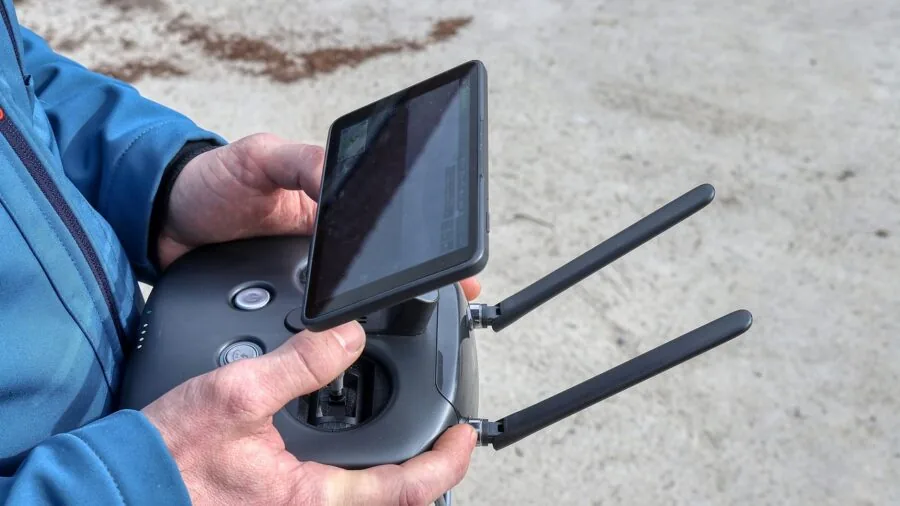
Others require or strongly benefit from a dedicated remote with physical sticks, which gives much finer control for precise maneuvers and longer range.
If you prioritize immersive visual flying or plan to shoot in dynamic environments, a physical controller is almost always the better choice.
Intelligent Flight Modes and Smart Features
Smart flight modes have become a genuine differentiator among mid-range and premium mini drones.
Subject tracking, QuickShots (automated cinematic maneuvers like a Dronie, Helix, or Rocket), and ActiveTrack-style follow modes let a solo operator capture footage that would otherwise require a dedicated camera operator.
These features are not marketing fluff at the DJI level: they use real computer vision to lock onto subjects and maintain composition through movement.
For beginners, altitude hold and one-key takeoff and landing dramatically lower the skill floor.
Altitude hold uses a barometric sensor or optical flow camera to keep the drone at a fixed height without constant input from the pilot, which frees attention for framing shots.
GPS-based return-to-home is another genuinely useful safety feature, automatically bringing the drone back if the signal is lost or the battery runs critically low.
These automation layers make flying less stressful and protect against common beginner mistakes that lead to crashes or fly-aways.
Durability, Propeller Guards, and Build Quality

Mini drones are small and light, which means crashes carry less kinetic energy than with heavier machines. That said, build quality varies enormously.
Budget drones often use brittle plastic that cracks on the first significant impact, while better-built options use flexible polymer frames or folding arm designs that absorb impact rather than fracturing.
Propeller guards are essential for indoor flying and for any environment where fingers, furniture, or curious pets might intersect with spinning blades.
Some drones, like the DJI Neo, integrate propeller guards directly into the structural frame so you never need to clip on external guards.
Replacement parts availability is worth checking before you buy. DJI has a well-established parts ecosystem: spare propellers, batteries, and even full repair services are straightforward to access.
Smaller brands may offer only what is bundled in the box, which means a cracked arm or lost propeller can effectively retire the drone.
If you are buying for a child or a complete beginner who will likely crash frequently, prioritize drones with readily available spare propellers and a reinforced frame over ones that look impressive on a spec sheet but feel fragile in hand.
Why You Should Trust Us
ProductFind is an independent review publication. We do not manufacture, sell, or distribute any of the products we cover.
Every product in this roundup was assessed using a consistent evaluation framework and scored on our 0 to 10 PF Score scale, which weighs camera quality, flight performance, build quality, intelligent features, portability, and overall value relative to price.
We do not conduct our own product trials; our evaluations are grounded in research, published data, expert review consensus, and verified buyer feedback.
Our research process draws on published manufacturer specifications, consensus from drone enthusiast communities and specialist reviewers, and patterns in verified buyer feedback from confirmed purchasers.
Where expert reviewers and real-world buyers consistently agree on a strength or weakness, we weight that consensus heavily. Where claims are made only by manufacturers without independent corroboration, we note the gap.
This approach lets us identify which spec-sheet promises translate into real performance and which are marketing exaggerations.
ProductFind may earn a commission if you purchase through links in this article. That affiliate relationship has no influence on our rankings, scores, or product selections.
We do not accept payment for placement, and no brand has the ability to purchase a higher PF Score or a more favorable position in our list. Our recommendations reflect research quality, not commission rates.
Final Thoughts
The mini drone category covers a genuinely wide spectrum in 2026, from palm-sized indoor toys to near-professional compact camera platforms.
The products on this list represent the strongest options across that range, each selected because they deliver on their core promise without significant caveats. Here is how we would label each standout pick based on our research.
- Best Overall: DJI Neo 2 earns the top spot with the highest PF Score in this roundup. It delivers 4K footage in a lightweight, genuinely portable form factor with DJI’s proven flight stability and software ecosystem. For most buyers who want a capable, low-hassle mini drone, this is the one to start with.
- Best for Beginners and Controller-Free Flying: DJI Neo strips away the complexity with palm takeoff, subject tracking, and built-in propeller guards. It is one of the most approachable drones ever made for someone who has never flown before, and the autonomous QuickShots produce impressive footage with minimal input.
- Best Compact Option with a Screen Remote: Contixo F27 Halo stands out at its price point by bundling a 4.3-inch screen remote, dual cameras, and LED lights into a beginner-friendly package with a solid verified buyer reputation.
- Best Premium Compact Camera Drone: DJI Mini 3 brings a 3-axis mechanical gimbal to a sub-249g frame for buyers who want professional-grade stabilization without stepping up to a heavier platform.
- Best Budget Pick for Casual Flying: Pallton Mini Drone delivers genuine value for casual indoor and outdoor flying at a budget-friendly price, with two batteries included and one-key controls that work well for new pilots.
If you are weighing a mini drone against other ways to capture footage, it is worth considering how it fits into your broader creative setup.
A quality mini drone pairs naturally with a solid vlogging camera for creators who shoot both aerial and ground-level content.
And if you are shopping for a first drone for a younger flyer in the household, our beginner drone guide covers the additional considerations worth knowing before you commit.
Frequently Asked Questions
What counts as a mini drone?
In practical terms, a mini drone is any drone weighing under 250 grams including battery and propellers.
That weight threshold is significant because it is the FAA limit below which recreational pilots in the United States do not need to register the drone.
Manufacturers widely use this definition, which is why you see so many products in the 135g to 249g range.
Terms like micro or nano are used more loosely by brands and generally refer to even smaller, lighter drones intended primarily for indoor use.
Do I need to register a mini drone in the US?
For recreational use, drones under 250 grams do not require FAA registration.
However, you are still expected to follow FAA safety guidelines: fly below 400 feet, avoid flying near airports or controlled airspace without authorization, keep the drone within visual line of sight, and never fly over people or moving vehicles.
If you use the drone for any commercial purpose, including paid content creation, additional rules apply regardless of weight. Always check current FAA guidance for the most up-to-date requirements.
How long do mini drones actually fly on a single charge?
Advertised flight times are measured under ideal, windless conditions. Real-world flights typically run 15 to 25 percent shorter due to wind, camera use, altitude, and flying style. A drone marketed as delivering 31 minutes will realistically give you 22 to 26 minutes of useful flight.
Budget models with smaller batteries often land in the 8 to 15 minute range regardless of what the spec sheet says.
Buying a drone that includes two batteries, or purchasing a spare, is the most practical way to extend a session without waiting for a lengthy recharge.
Is a mechanical gimbal really necessary for good footage?
For anything you plan to watch on a screen larger than a smartphone, yes. A 3-axis mechanical gimbal physically stabilizes the camera against the drone’s movement, producing smooth footage in breezy conditions.
Electronic image stabilization (EIS) works by cropping the frame and processing the image digitally, which introduces softness and limits the working envelope considerably. If your goal is social media clips watched on a phone, EIS may be acceptable.
If you want footage that looks deliberate and professional on a laptop or TV screen, a mechanical gimbal is worth the price premium.
Which mini drone is best for an absolute beginner with no flying experience?
For someone who has never flown before, prioritize altitude hold, one-key takeoff and landing, and propeller guards over camera specs and range. These features keep the drone stable and forgiving while you build confidence.
The DJI Neo is the strongest option for beginners who also want good footage, thanks to its palm launch system and autonomous QuickShots.
If budget is the primary concern, the Pallton Mini Drone includes two batteries, altitude hold, and a straightforward control scheme that works well for new pilots.
Our guide to beginner drones covers the full range of entry-level options if you want to explore further before deciding.
Can mini drones be used indoors safely?
Yes, with the right features. Drones with built-in or clip-on propeller guards are essential indoors, where contact with walls, furniture, and people is far more likely than outside.
Optical flow sensors, which use a downward-facing camera to hold position without GPS, make hovering much more stable indoors where GPS signals are unavailable.
Very small and lightweight drones like the Sky Viper Dash Nano are specifically designed for indoor use and are a lower-risk choice for tight spaces than larger folding camera drones.
Avoid flying any drone without propeller guards indoors around young children or pets.
About the author
Myrtle is a reviewer and writer for ProductFind who specializes in Drones & RC. Myrtle evaluates products through independent research: specifications, expert review consensus, and verified buyer feedback, and rates each one on the PF Score. Myrtle focuses on helping readers pick the right drones & rc for their needs and budget.