The 12 Best Drone Landing Pads
Prop wash can send debris straight into a gimbal in seconds. These drone landing pads ranked by size, weight system, and build quality protect your aircraft on every flight.
 By Myrtle Hudson
Updated July 23, 2026
By Myrtle Hudson
Updated July 23, 2026

A drone landing pad is one of those accessories that seems optional until the moment you need it.
Prop wash from even a compact drone like the DJI Mini 4 Pro can kick sand, gravel, and debris directly into a spinning gimbal or motor intake, and a single bad landing on rough terrain can cost far more than any landing pad ever would.
Whether you fly recreationally on grassy fields or operate professionally with enterprise-grade multirotors, a quality helipad gives you a clean, stable, and defined landing zone every single time.
This guide covers the most important things to look for when shopping for drone landing pads in 2026, from pad size and weight system to surface material and night-flying features.
Our editorial team at ProductFind researched each option through a rigorous synthesis of published specifications, expert review consensus, and verified buyer feedback, so you can make a confident decision without wading through conflicting opinions.
Scroll down to see our ranked top picks and the buying guide below.

Hoodman 3-Foot Weighted Landing Pad for DJI Drones
A 3-foot landing pad designed to protect drone cameras and rotors from dust, grass, and debris during takeoff and landing. The weighted perimeter cable system eliminates the need for stakes, while the durable orange polyester pad collapses into a compact carrying bag for portability.
Pros
- No stakes required. Weighted zinc-coated cable keeps the pad stable during drone operations without additional setup equipment.
- Protects optics and mechanics. Prevents sand blast damage to camera lens, motors, and rotors caused by landing thrust.
- Compact storage. Collapses to one-third size and fits in a 13-inch carry bag for transport.
- Easy maintenance. Urethane-coated bottom and overall construction clean up quickly with a wet towel.
- Wide drone compatibility. Fits DJI Matrice 4E, Mini 4 Pro, Mini 3 Pro, Mavic series, and Spark models.
Cons
- No user reviews available yet, limiting real-world feedback on durability and long-term performance.
- Five-pound weight may be noticeable for operators carrying multiple accessories during field work.
- Limited to orange color option if blending into certain environments is a concern.

CQT 40-Inch Weighted Drone Landing Pad
A universal landing pad designed for large DJI drones and multirotors, featuring weighted edges and a 1m x 1m surface with double-sided yellow and dark gray visibility. Built from waterproof PU material to protect against dust and debris during takeoff and landing on various terrain types.
Pros
- Heavy-duty construction with weighted edges suitable for large drone models
- Compact storage in carrying bag despite large 40-inch deployed size
- High-visibility design with contrasting yellow and dark gray colors
- Waterproof and wear-resistant material for outdoor durability
- Versatile terrain compatibility from grass to concrete
Cons
- No verified buyer reviews available to assess real-world durability claims
- Relatively heavy at 5.51 pounds may be cumbersome for frequent transport
- Limited information on how effectively it prevents dust entry on extremely windy conditions

Klyyo Clyro 28-Inch Weighted Drone Landing Pad
A 28-inch foldable landing pad with self-weighted water gel base that eliminates the need for stakes. Built for broad drone compatibility with waterproof, tear-resistant fabric, it's designed for outdoor use across grass, dirt, and concrete surfaces.
Pros
- Large 28-inch landing zone reduces crash risk in windy conditions
- Self-weighted design eliminates stake setup, stays put on any surface
- Durable water gel and fabric construction resists tears, water, and UV damage
- Compact when folded and includes carrying bag for portability
Cons
- No verified buyer reviews available to assess real-world durability and performance
- Requires flat surface placement for optimal stability, limiting versatility on uneven terrain
- 5-pound weight may be noticeable during frequent transport despite foldable design

CQT 55cm Universal Drone Landing Pad
A foldable landing pad designed for DJI drones and other quadcopters, featuring a dual-color yellow and dark gray design for better position visibility. Built from waterproof PU material, it's lightweight and portable with included ground nails and storage bag for field use.
Pros
- Universal design works with multiple drone brands and models
- Waterproof PU material resists stains and weather conditions
- Lightweight at 0.92 pounds with foldable construction for easy transport
- Yellow and dark gray dual-sided design aids visual positioning
- Includes ground nails for secure placement on grass, sand, or dirt
Cons
- No verified buyer reviews available to assess real-world durability
- 55cm size may be tight for larger professional drones
- Limited information on wind resistance performance in strong gusts

STARTRC 22-Inch Foldable Drone Landing Pad
A portable landing pad designed for DJI Mini and entry-level drones, offering waterproof durability and double-sided visibility in a compact, travel-friendly package. Best suited for pilots who need reliable ground positioning across varied terrain without breaking portability.
Pros
- Durable waterproof material that cleans easily with water rinses
- Weighted base keeps pad stable without requiring additional anchoring
- Compact fold design makes it practical for backpack or hard case storage
- Double-sided colors provide visibility options in different lighting conditions
- Works across varied surfaces including grass, dirt, sand, and snow
Cons
- No verified user reviews available to validate real-world durability claims
- Limited to smaller drone models, not suitable for heavier professional drones
- Weight specification relatively light at 0.76 pounds, which may limit wind resistance despite 'weighted' claims
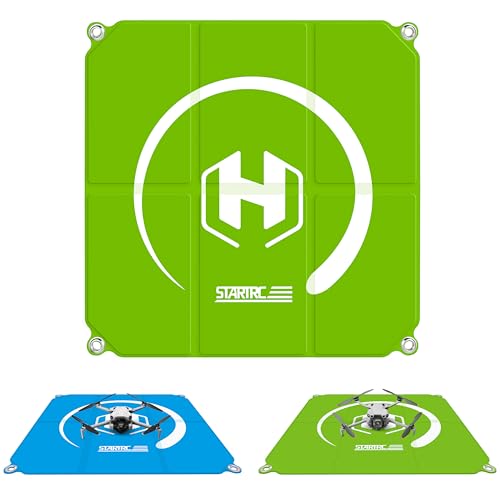
STARTRC 22-inch Foldable Drone Landing Pad
A compact, waterproof landing pad designed for DJI Mini and smaller drone models, featuring dual-color visibility markers and ground stakes for outdoor stability. Best suited for casual drone pilots who need portable protection during takeoff and landing in varied weather.
Pros
- Waterproof nylon construction resists rain, mud, and dust to keep drones clean
- Folds compactly in three seconds and stores easily in standard drone backpacks
- High-contrast blue-green design with positioning circle aids visual lock-in for autonomous landings
- Includes four ground stakes and safety buckles for secure anchoring on grass, sand, or concrete
- Quick 30-second setup requires no tools or assembly
Cons
- 22-inch size not recommended for larger drones like Air 3S or Mavic 4 Pro, requiring separate 65-inch pad purchase
- No verified buyer reviews available to assess real-world durability or long-term performance
- Premium nylon fabric may require occasional cleaning to maintain visibility contrast over time

JIAMEIXING 20-Inch Reflective Drone Landing Pad
A dual-sided blue and red landing pad designed for DJI drones and compatible models, offering quick fold-up portability and weatherproof construction. Best suited for pilots who fly in variable lighting conditions or uneven terrain and value compact storage.
Pros
- Bright reflective dual-color design enhances landing accuracy in poor visibility
- Genuinely compact fold-up size fits standard drone backpacks without bulky footprint
- Weighted and stable enough to handle wind and uneven outdoor surfaces
- Waterproof material and easy cleaning make it practical for muddy or wet environments
- Broad compatibility across DJI Mini, Mavic, Air series and other brands
Cons
- No verified buyer reviews available to confirm real-world durability or performance claims
- 20-inch size may be tight fit for larger professional drones despite universal compatibility claims
- Weight of 1.16 pounds adds modest bulk to overall drone kit
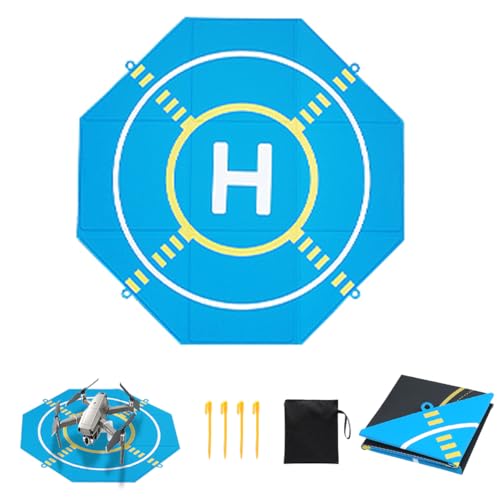
jaming 20in Foldable Drone Landing Pad with Storage Bag
Portable landing pad designed for DJI drones (Neo, Mini 4K, Air 3S, Mavic 3) and other RC aircraft, featuring double-sided waterproof PU leather and ground stakes for stability. Best suited for pilots needing a compact, weather-resistant landing surface for field operations.
Pros
- Compact and portable when folded, stored in dedicated waterproof bag
- Double-sided waterproof construction withstands dust and mud easily
- Ground stakes provide stability on grass, gravel, and uneven surfaces
- Dual-color design enhances visibility for takeoff and landing operations
Cons
- No verified buyer reviews available to assess real-world durability and long-term performance
- Limited size options (20in or 25in) may not suit all drone sizes or user preferences
- Rating of 4.6 appears to be placeholder without actual customer feedback data
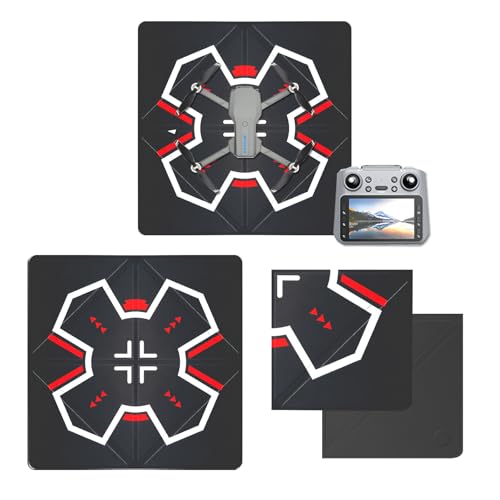
mcokoe Universal Drone Landing Pad 50cm
A lightweight, foldable landing pad designed for DJI and other consumer drones, featuring a waterproof surface and high-visibility pattern for accurate landings in various conditions. At 450g with quick-fold portability, it suits drone operators who need stable ground setup during travel or outdoor shoots.
Pros
- Compatible with a wide range of drone models across different price points
- Waterproof construction simplifies maintenance with basic rinsing
- Extremely portable at under 1 pound, ideal for travel and location shooting
- High-visibility pattern reduces landing errors in variable lighting
Cons
- No verified buyer reviews available to assess real-world durability or wind performance claims
- 50x50cm size may feel tight for larger drones or multi-rotor models outside the listed compatibility range
- Weight resistance specification lacks detailed testing data for extreme wind conditions

Ruko H002 16.85-Inch Foldable Drone Landing Pad
A universal landing pad designed for small to medium drones with a 16.85-inch square footprint and double-sided color marking for visibility outdoors. Made from durable, waterproof PU material, it protects sensitive drone components from dust and grass while folding compact for travel.
Pros
- Broad drone compatibility across multiple brands and models
- Waterproof and stain-resistant material simplifies cleaning and maintenance
- Portable with compact carrying bag, suitable for field work and travel
- Protective surface reduces risk of motor and lens damage during takeoff and landing
- Visible double-sided color design aids positioning on various outdoor surfaces
Cons
- No verified customer reviews available to assess real-world durability or ease of use
- 16.85-inch size may be insufficient for very large commercial drones
- Thin profile at 0.08 inches offers minimal surface protection on extremely rough terrain
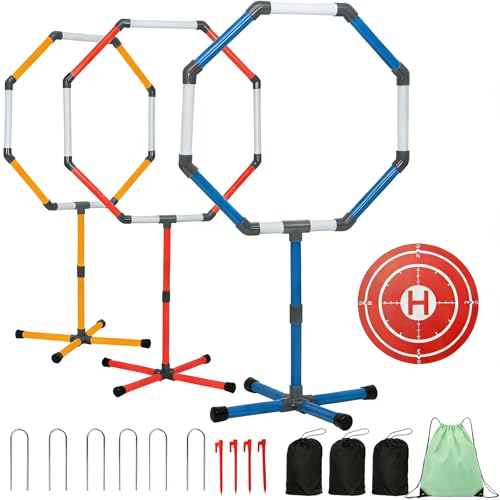
YRYUZEM Drone Obstacle Course Kit with 3-Size Hoops
A portable FPV racing gate system with three hoop sizes (20, 23, 27 inches) designed for progressive drone training from beginner to advanced. Quick 3-5 minute setup and included storage bags make it convenient for practice anywhere, though you'll need to supply your own drone.
Pros
- Three hoop sizes accommodate different drone types and skill levels
- Tool-free assembly and compact storage with shoulder strap bag
- Durable construction with heavy-duty ground stakes resists wind and downwash
- DIY course flexibility allows custom racing layouts
Cons
- Drone not included; requires separate purchase
- No verified buyer reviews available to confirm real-world durability claims
- 5-pound weight and 13x6x14 inch packed dimensions may limit portability for frequent travel

FPVtosky 25-Inch Weighted Drone Landing Pad
A portable landing pad designed for DJI Mini and Air series drones, featuring reflective markings for night operations and a weighted 730g construction to stay grounded in wind. The foldable design with waterproof PU material makes it convenient for outdoor transport and quick cleanup.
Pros
- Substantial weight ensures stability in wind without additional anchoring hardware
- Nighttime reflective design simplifies locating the pad for safe landings
- Compact fold size (12.4x8.7 inches) with waterproof bag included for easy transport
- High-quality waterproof material cleans quickly with water
- Compatible with multiple DJI drone models across different size classes
Cons
- No verified buyer reviews available to confirm real-world durability claims
- Reflective nighttime feature requires manually activating drone bottom lights to be effective
- Heavy weight (1.65 pounds) may reduce portability appeal compared to lighter alternatives
Drone Landing Pads Buying Guide
Choosing the right drone landing pad comes down to matching the product’s real-world strengths to your flying environment and your aircraft’s footprint. The market ranges from budget-friendly foldable mats to serious weighted pads built for professional UAV operations.
The six criteria below cover everything that separates a pad you’ll reach for every flight from one that ends up forgotten in the bottom of your bag.
If you’re still deciding which drone to pair a pad with, our guide to drones for beginners is a good starting point.
Pad Size and Drone Compatibility
Size is the single most important spec to match before buying.
As a general rule, the landing pad should be at least as wide as your drone’s diagonal motor-to-motor distance, and ideally a bit larger to give the pilot a forgiving target zone.
For compact models like the DJI Mini series, a 20-inch to 22-inch pad covers the footprint comfortably. Mid-size aircraft such as the Mavic 3 family or Air 3S benefit from 25-inch to 30-inch pads.
Enterprise-class drones like the Matrice 350 RTK or Inspire 3 need 36 inches or more.
Most pads on the market ship with compatibility lists that call out popular DJI models by name, which is a helpful shortcut, but the underlying diameter number is what actually matters.
If you fly multiple drones, size up to the largest aircraft in your kit so one pad serves the whole fleet.
A pad that is too small creates a stressful landing window and defeats the purpose of having a defined zone.
Weighted vs. Staked Designs

Landing pads stay on the ground in one of two ways: weighted perimeter stitching that uses the pad’s own mass to resist wind, or ground stakes that pin the edges into soil. Each approach has a clear use case.
Weighted pads work on any surface, including concrete, asphalt, rooftops, and boat decks, making them far more versatile for pilots who fly in varied locations.
The Hoodman 3 Foot Weighted UAV pad and the CQT professional-grade pad both use this system and require no tools or setup beyond unfolding.
Staked designs anchor more firmly in soft ground like grass or dirt, which can be useful in very high wind conditions, but they are useless on hard surfaces and add setup time.
Some pads, including the STARTRC Foldable model, ship with stakes as a bonus accessory while also incorporating enough weight to function without them. If you can only have one system, weighted wins on versatility.
Stakes make sense as a supplementary tool rather than your primary retention method.
Surface Material and Waterproofing
The ground-facing side of a quality landing pad should be waterproof and resistant to moisture wicking so a dewy lawn or a puddle on a parking lot does not soak through to your drone.
PU-coated PVC and vinyl-coated polyester are the most common materials at this end of the product.
The topside surface needs to be firm enough that landing gear does not sink or skid, but soft enough that an off-center landing does not scratch or chip a camera housing.
High-denier polyester, like the 600-denier fabric used in Hoodman’s professional pad, holds its shape better and resists abrasion from repeated folding and unfolding in the field.
Budget pads made from thinner Oxford cloth may still be waterproof but tend to fray at the edges after extended outdoor use.
If you fly frequently in rain-prone areas or on wet grass, prioritize wipe-clean surface treatments that let you pack the pad away without tracking mud into your bag.
Folding System and Portability
The best landing pad in the world is one you actually bring to the field.
A pad that folds down to a compact disc and slips into the side pocket of a drone backpack will be used on every flight; a stiff or bulky pad tends to get left behind.
Fast-fold designs, where the pad collapses into thirds or sixths and springs open with a flick of the wrist, are now standard in most mid-range and premium options.
Hoodman’s design is particularly well regarded here, collapsing to roughly one-third of its deployed footprint.
Look at the packed dimensions alongside the open diameter when comparing options. Some 25-inch pads fold smaller than some 20-inch pads, depending on the geometry of the folding system.
A carry bag or pouch is a small but meaningful bonus that keeps the pad clean in transit and prevents it from scratching lenses or screens packed nearby.
Pilots who hike to their shooting locations will appreciate pads with carrying loops or snap-closure pouches that attach to a backpack.
Visibility and Night-Flying Features
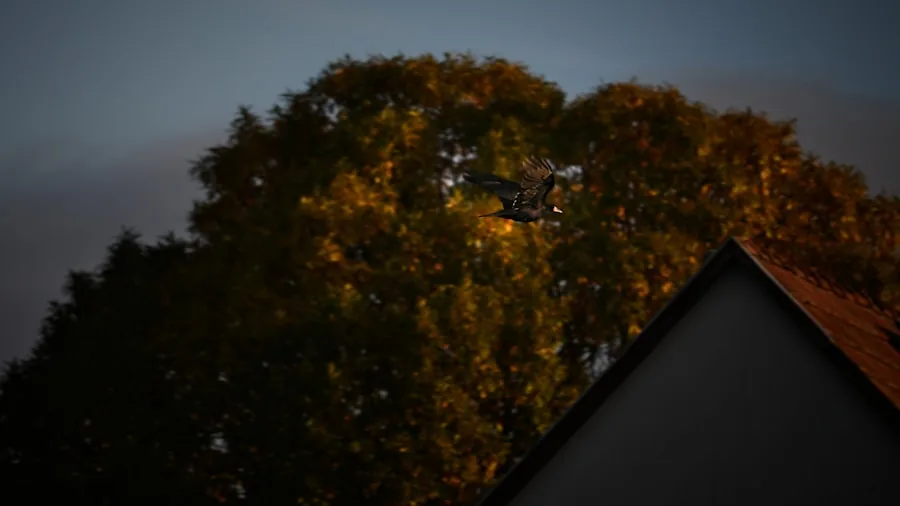
High-contrast color combinations, typically bright yellow or orange against dark gray or black, make a landing pad easy to spot from altitude and help the drone’s vision positioning system lock onto the pad during Return-to-Home maneuvers.
Double-sided pads give you the flexibility to flip the pad depending on the background terrain, choosing the side that offers the most contrast against grass, sand, or concrete.
For pilots who fly at dusk or in low-light conditions, nighttime reflective strips or built-in LED lighting are genuine safety upgrades, not marketing extras.
The FPVtosky 25-inch pad and the Jaming 20-inch pad both incorporate reflective materials that bounce back a drone’s onboard lights, making the landing zone visible even when ambient light is minimal.
If you rely on automated landing features like DJI’s Precision Landing, a high-visibility pad surface significantly improves reliability. This is also relevant if you capture footage with an action camera mounted to your aircraft during low-light sessions.
Value and Build Quality at Your Budget
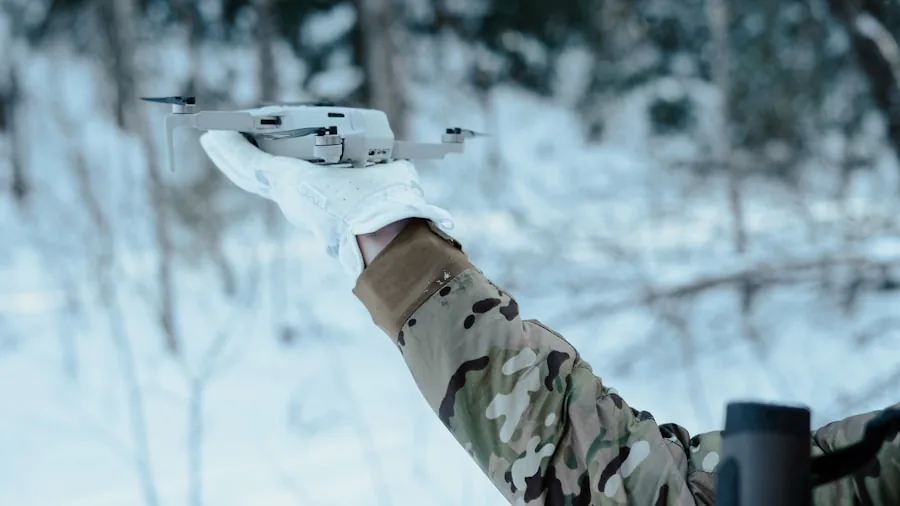
The drone landing pad market spans a wide price range, from budget-friendly compact mats to premium professional pads built for enterprise UAV workflows.
At the entry-level end, brands like STARTRC, CQT, JIAMEIXING, and mcokoe offer double-sided waterproof pads with weighted perimeters at accessible prices, making them solid choices for recreational pilots who want reliable protection without a large outlay.
The trade-off is typically thinner material and less precise stitching compared to premium options.
Mid-range options from Klyyo Clyro and FPVtosky step up with heavier weighting, better fabric, and added features like reflective strips.
At the professional tier, Hoodman and CQT’s enterprise-grade pads are built for repeated commercial use with aircraft that cost thousands of dollars, and the build quality reflects that.
Match your investment to the value of the drone you’re protecting and how frequently you fly.
A pilot who flies twice a week in varied terrain will benefit more from a premium pad than a casual weekend flyer who sticks to calm grassy parks.
Why You Should Trust Us
ProductFind is an independent editorial platform. We do not sell products, manage orders, or handle warranties.
Every recommendation on this site is produced by our research team, which evaluates each product using a consistent methodology built around four pillars: published specifications and manufacturer data, expert review consensus drawn from credible aviation and consumer publications, verified buyer feedback from confirmed purchasers, and publicly available performance data with traceable sources.
We do not conduct our own product trials; our evaluations are grounded in research, published data, expert review consensus, and verified buyer feedback.
Each product in this guide received a PF Score on a scale of 0 to 10, reflecting its overall merit within its category and price tier.
Higher PF Scores indicate stronger agreement across our research sources on build quality, practical performance, and value. We do not reserve high scores for expensive products; budget picks that genuinely outperform their price point score accordingly.
ProductFind may earn a commission when you purchase through links in this article. That affiliate relationship has no influence whatsoever on PF Scores, rankings, or which products are included.
Our editorial independence is the foundation of the trust readers place in our recommendations, and we protect it strictly.
Final Thoughts
A well-chosen drone landing pad is a small investment that pays off every time you avoid a debris-damaged gimbal or a motor clogged with grit.
After synthesizing specifications, expert review consensus, and verified buyer feedback across all twelve pads in this guide, a few standout picks emerged for different flying styles and budgets.
Here are our top danh hiệu assignments based on PF Scores and real-world strengths.
- Best Overall: FPVtosky Drone Landing Pad Weighted 25 in earns the top PF Score in this roundup thanks to its nighttime reflective construction, substantial weighted perimeter, and broad compatibility with current DJI and FPV aircraft. It is the pad we’d reach for first across the widest range of conditions.
- Best for Professional UAV Operations: Hoodman 3 Foot Weighted UAV Drone Landing Pad is built for pilots flying enterprise aircraft like the Matrice series or Inspire line. Its 600-denier construction, no-stakes design, and durable perimeter weighting make it a genuine workhorse for commercial operators.
- Best Professional Enterprise Pad: CQT Weighted UAV Drone Landing Pad targets pilots operating DJI Matrice 400, 350 RTK, and Inspire-class aircraft, offering a large weighted platform that holds steady without stakes even with the significant prop wash those drones generate.
- Best Mid-Range Pick: Klyyo Clyro 28 Inch Weighted Drone Landing Pad strikes a strong balance between generous size, weight-based wind resistance, and foldable portability, making it a compelling choice for pilots who fly Mavic-class aircraft regularly and want a durable pad at a moderate price.
- Best Budget Pick: CQT Drone Landing Pad Universal 55CM delivers waterproof, double-sided, weighted performance at an accessible price point, earning one of the stronger PF Scores in the budget tier and covering most consumer DJI models comfortably.
Whatever your budget or aircraft, the right drone landing pad is the kind of gear you only regret not buying sooner. Pair it with solid pre-flight habits and quality accessories, and your drone will stay cleaner and safer flight after flight.
Frequently Asked Questions
Do I Really Need a Landing Pad for My Drone?
For most pilots, yes. Even light prop wash from a compact consumer drone can throw pebbles, sand, or grass clippings directly into a gimbal or motor intake.
A damaged gimbal ribbon cable or a motor bearing worn down by debris is an expensive repair that a landing pad, often priced below a round of coffee, would have prevented.
It also gives you a clean, consistent reference point for takeoff and landing, which improves precision landing reliability on aircraft that support it.
What Size Landing Pad Do I Need for a DJI Mini 4 Pro?
A 20-inch to 22-inch pad is the standard recommendation for the DJI Mini 4 Pro and similar compact aircraft.
The Mini 4 Pro’s diagonal motor span is well within that range, giving you a comfortable landing zone with margin for slight positional drift.
If you also fly a larger aircraft like a Mavic 3 or Air 3S, sizing up to a 25-inch pad covers both without any compromise.
Most of the budget and mid-range picks in this guide fall in that 20 to 25-inch window for exactly that reason.
Do Landing Pads Help With Precision Landing and Return-to-Home?
Yes, with the right pad. DJI’s Precision Landing feature uses downward-facing cameras to recognize visual patterns at the takeoff point.
A high-contrast landing pad with a distinctive pattern, particularly pads with dual-color designs or printed crosshair markers, gives the system a reliable visual anchor.
Pads with nighttime reflective strips improve reliability further during dusk or dawn flights when ambient light is low. Using a consistent pad also trains you to always take off from the same marked location, which makes Return-to-Home landings more predictable.
Can I Use a Landing Pad on Sand or Gravel?
Absolutely, and this is one of the most common use cases. Sand and gravel are the terrain types most likely to damage a drone on landing, so a pad is especially valuable in those environments.
A weighted pad works well on sand because its mass resists being blown by rotor downwash, even without stakes. On loose gravel, a firm waterproof pad surface prevents small stones from being kicked upward.
Staked pads struggle on hard-packed gravel where stakes cannot penetrate, so weighted designs are the better choice for mixed or hard-surface terrain.
How Should I Clean and Store a Drone Landing Pad?
Most pads with a PU or vinyl-coated surface can be wiped clean with a damp cloth after use. For heavier soiling like mud or grass stains, a mild soap and water rinse followed by air drying is usually sufficient.
Avoid folding a wet pad into its carry bag, as trapped moisture can cause mildew on the fabric.
Store the pad loosely folded in its pouch rather than tightly compressed for extended periods, which helps the fabric retain its shape and keeps the fast-fold spring mechanism working smoothly over time.
Are Drone Landing Pads Useful for FPV Racing or Obstacle Course Practice?
A standard landing pad works fine as a takeoff and landing zone for FPV aircraft.
If you are setting up a more complete practice environment, a dedicated drone obstacle course kit that includes a landing pad alongside racing gates and hoops gives you a structured training setup in one package.
For casual FPV pilots who just want a clean surface to arm and disarm their quad safely, any weighted 20-inch pad in this guide will do the job.
Keep in mind that FPV freestyle drones produce significant prop wash relative to their size, so a heavier weighted pad is preferable over a lightweight staked design in open fields.
About the author
Myrtle is a reviewer and writer for ProductFind who specializes in Drones & RC. Myrtle evaluates products through independent research: specifications, expert review consensus, and verified buyer feedback, and rates each one on the PF Score. Myrtle focuses on helping readers pick the right drones & rc for their needs and budget.