The 11 Best Miter Saws
Choosing a miter saw depends on blade size, bevel type, and whether you need sliding capacity. Here are the strongest options across corded, cordless, and budget tiers.
 By Lydia Gordon
Updated July 23, 2026
By Lydia Gordon
Updated July 23, 2026
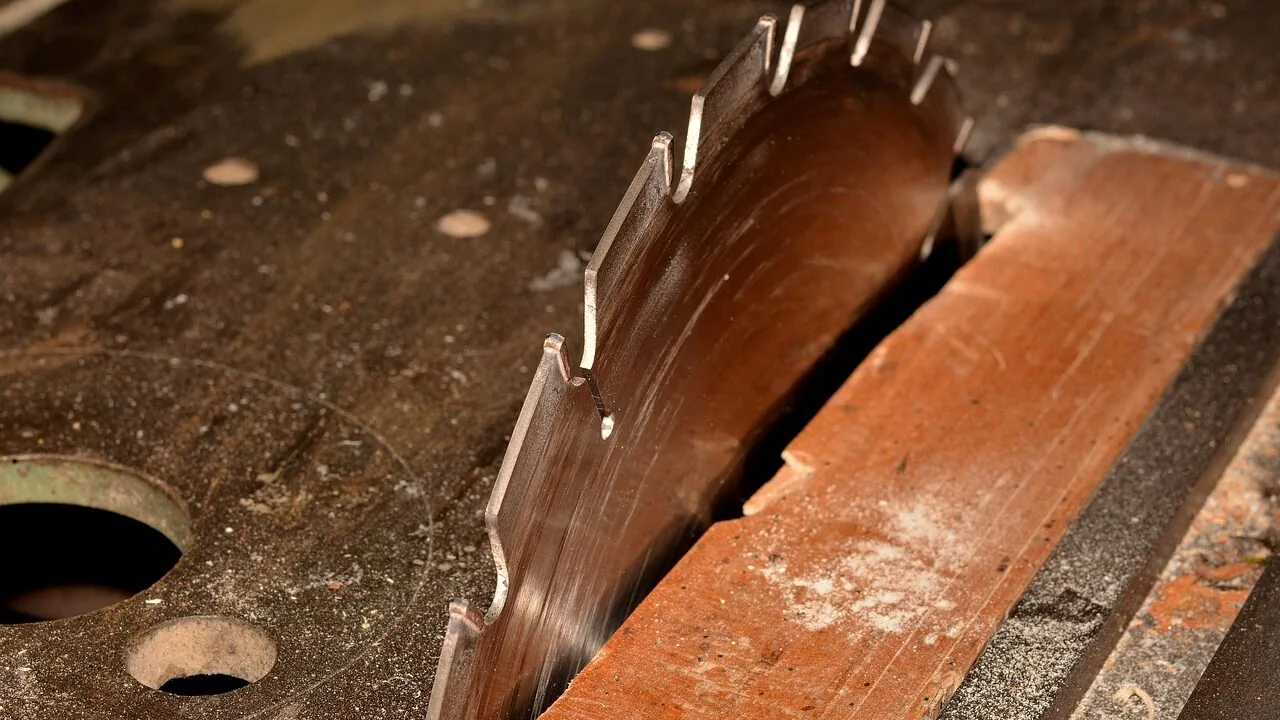
A miter saw is one of the most transformative tools you can add to a workshop or jobsite.
Whether you’re installing crown molding, framing a deck, building furniture, or tackling weekend trim projects, a quality miter saw delivers fast, repeatable, and precise angled cuts that hand saws and circular saws simply can’t match.
The category has matured significantly over the past decade, with options now ranging from compact cordless models for mobile contractors to heavy-duty dual-bevel sliding saws built for professional finish carpentry.
Choosing the right one, however, means navigating a crowded market full of competing specs, brand claims, and varying price points from budget-friendly to professional-grade.
To cut through the noise, the ProductFind editorial team researched and analyzed eleven miter saw models drawing on manufacturer specifications, expert review consensus from professional carpenters and tool critics, and verified buyer feedback from thousands of confirmed purchasers.
Every pick was scored using the PF Score system (0 to 10) and ranked by overall value to the buyer.
Whether you need a dependable corded workhorse, a versatile cordless option, or a budget saw for occasional DIY use, the picks below represent the strongest options across every category. Scroll down to explore our top-ranked miter saws right now.
| Award | Product | PF Score About PF ScoreThe PF Score is our own rating from 0 to 10, based on performance, design and build, ease of use, and value. It reflects independent research and is never influenced by manufacturers, retailers, or affiliate commissions. Learn more › | Price | |
|---|---|---|---|---|
| Best Overall |
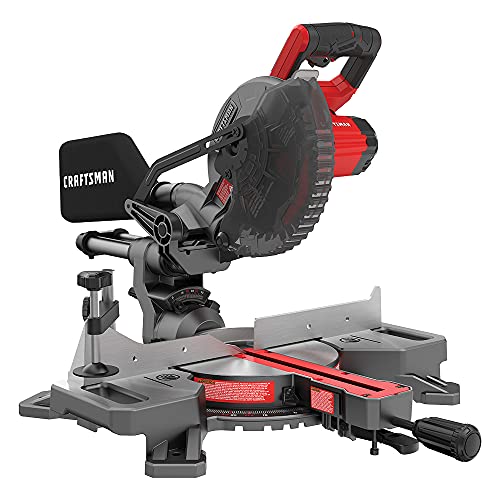 CRAFTSMAN CMCS714M1 7-1/4 Inch Cordless Miter Saw
|
8.4/10 | Buy | |
| Editor's Pick |
 DeWalt DWS716XPS 12-Inch Double Bevel Miter Saw
|
8.3/10 | Buy | |
| Best Value |
 DeWalt DWS779 12-Inch Double Bevel Sliding Miter Saw
|
8.2/10 | Buy | |
| Top Rated |
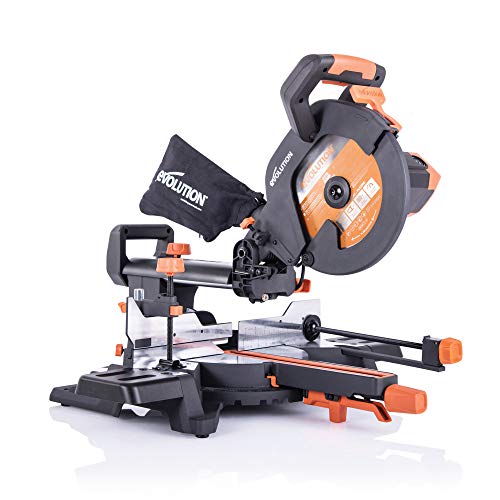 Evolution R255SMS+ 10-Inch Sliding Miter Saw
|
7.2/10 | Buy | |
 Makita LS1019L 10" Dual-Bevel Sliding Miter Saw
|
7.1/10 | Buy | ||
 Makita LS1219L 12" Dual-Bevel Sliding Miter Saw
|
6.8/10 | Buy | ||
 Evolution R185SMS+ 7-1/4" Sliding Miter Saw
|
6.5/10 | Buy | ||
 VEVOR 12-Inch Sliding Compound Miter Saw
|
6.4/10 | Buy | ||
 DOVAMAN 12-Inch Dual-Bevel Compound Miter Saw
|
6.3/10 | Buy | ||
 Yumark 10-inch Miter Saw 6000RPM
|
5.1/10 | Buy | ||
 MarvTool 10-inch Compound Miter Saw, 15 Amp, 5000 RPM
|
5.0/10 | Buy |
CRAFTSMAN CMCS714M1 7-1/4 Inch Cordless Miter Saw
A lightweight cordless sliding miter saw built for trimwork and dimensional lumber, delivering 585 cuts per charge on a single battery. The 3,800 RPM motor and LED cut line system support both 90-degree and 45-degree crosscuts with nine detent stops for repeatability.
Pros
- Long battery runtime, up to 585 cuts on MDF baseboard per charge
- Lightweight at 21.8 pounds with side carry handles for job site portability
- LED cut line visibility and nine miter detents for quick angle adjustments
- Slide capability handles 8-inch crosscuts at 90 degrees and 5.5-inch at 45 degrees
- Vertically cuts 3.5-inch baseboards and 3-5/8-inch nested crown molding
Cons
- No customer reviews available to verify real-world durability or performance
- 7.25-inch blade limits rip capacity compared to larger miter saw models
- Battery and charger included, but long-term battery replacement costs unknown
DeWalt DWS716XPS 12-Inch Double Bevel Miter Saw
A compound miter saw built for precision work and repetitive cuts, featuring dual-bevel capability up to 48 degrees and positive miter stops for quick setup. The XPS LED cutline system and tall fences accommodate crown and base molding, making it suitable for trim carpentry and finish work.
Pros
- Double-bevel and miter range covers most residential and light commercial angle cuts
- Positive detent stops at common angles (0, 22.5, 33.9, 45 degrees) speed up repetitive work
- XPS LED cutline system eliminates laser alignment issues and blade-induced shadow
- Tall fences accommodate full-size crown molding without supplemental supports
Cons
- No customer reviews available to assess real-world durability or reliability feedback
- Relatively heavy at 49 pounds, which may impact portability for jobsite rotation
- Limited information on dust collection effectiveness or noise levels
DeWalt DWS779 12-Inch Double Bevel Sliding Miter Saw
This 12-inch sliding compound miter saw pairs a robust 15-amp motor with dual bevel capacity and tall sliding fences designed for crown and base molding work. It delivers solid cutting accuracy through a precise detent system and handles dimensional lumber up to 2x14 at 90 degrees, making it a capable choice for both carpentry and trim work.
Pros
- Powerful 15-amp motor maintains speed under load for extended cutting sessions
- Tall sliding fences and innovative rail design simplify crown molding work without repositioning
- Adjustable stainless-steel detent plate with 10 positive stops ensures repeatable miter angles
- Efficient dust collection system reduces cleanup and improves visibility
Cons
- No verified buyer reviews available to confirm long-term durability or user experience
- Weight of 67.72 pounds and fixed base design limit portability for job-site work
- Double bevel crosscut capacity is asymmetrical (2x14 at 90 degrees but only 2x10 at 45 degrees)
Evolution R255SMS+ 10-Inch Sliding Miter Saw
A multi-material sliding miter saw that cuts through wood, steel, plastic, and composite in one setup, making it practical for mixed-material projects. The design prioritizes safety with cool-to-touch operation on metal and includes useful accessories like dual clamps and extended fences.
Pros
- Multi-material capability eliminates blade changes for mixed projects
- Enhanced safety design when cutting mild steel with minimal sparks
- Complete accessory package includes clamps, dust bag, and taller fences
- Integrated carry handles and slide rail protector for portability and durability
Cons
- No verified buyer reviews available to confirm real-world performance claims
- Limited bevel range at 0-45 degrees compared to some competitor models
- Relatively heavy at 41.8 pounds, which may affect transport despite handles
Makita LS1019L 10" Dual-Bevel Sliding Miter Saw
A compact 10-inch sliding miter saw engineered for crown molding work with the cutting capacity of larger 12-inch models. The linear ball bearing system and dual-rail design prioritize accuracy and portability, making it suitable for finish carpenters and jobsite work.
Pros
- Delivers 12-inch miter saw cutting capacity in a more compact, portable package
- Two-rail sliding system reduces saw footprint and allows operation against walls
- Linear ball bearing construction engineered for dead-on accuracy
- Lighter weight relative to class makes jobsite transport feasible
Cons
- No verified buyer reviews available to assess real-world durability and performance reliability
- Weight specification listed as both 57.9 lbs and 72.765 lbs in data, creating uncertainty on actual unit weight
- Laser feature functionality not detailed in available specifications
Makita LS1219L 12" Dual-Bevel Sliding Miter Saw
A premium sliding compound miter saw designed for trim carpenters and serious DIYers who need precise crosscuts and crown molding capacity. The dual-rail sliding system and dual dust ports address two common pain points, though the substantial weight and footprint require dedicated shop space.
Pros
- Unique 2-steel rail sliding system allows single glide operation with reduced footprint, enabling flush-wall setup
- High crosscut capacity: handles 15" at 90 degrees, 8" crown molding vertically nested, and 6.75" baseboard
- Front-mounted bevel lock provides convenient access during operation
- Dual dust collection ports deliver excellent extraction performance
- Direct drive motor system engineered for increased vertical cutting capacity
Cons
- Heavy at 81.6 pounds, making repositioning difficult without a dedicated stand
- Large footprint requires significant workshop real estate despite space-saving rail design
- No user reviews available yet, so real-world reliability data is limited
Evolution R185SMS+ 7-1/4" Sliding Miter Saw
A multi-material miter saw designed to cut steel, aluminum, wood, and plastic with a single TCT blade and minimal sparks. Best suited for contractors and DIYers who need occasional metal cutting alongside standard wood work.
Pros
- Genuine multi-material capability reduces blade changes and tool inventory
- Covers full miter and bevel angles for common cutting tasks
- Substantial 3-year warranty demonstrates manufacturer confidence
- Laser cutting guide and clamp system improve accuracy and convenience
- 1500W motor provides adequate power across material types
Cons
- No verified buyer reviews available to assess real-world reliability or durability
- Weight specification appears incorrect (0.000625 lbs implausibly light), limiting confidence in dimensions
- 210mm slide is relatively compact, may limit crosscut capacity compared to full-size saws
VEVOR 12-Inch Sliding Compound Miter Saw
This dual bevel miter saw combines a sliding mechanism for wider crosscuts with LED precision alignment and handles both straight and angled cuts up to 45 degrees. Built on an aluminum base for portability, it suits woodworkers and DIYers tackling framing, composite decking, and detailed furniture projects.
Pros
- LED alignment system provides clear, accurate cutting guides without guesswork
- Axial sliding design enables wider crosscuts while allowing placement against walls to save workshop space
- Lightweight aluminum base makes transport easier than traditional cast iron alternatives
- Dual bevel function supports intricate angled joinery for complex woodworking
- Handles diverse materials including hardwood, composite decking, and laminates
Cons
- No verified buyer reviews available to confirm real-world durability and long-term performance
- 46-pound weight, while lighter than cast iron, remains substantial for frequent relocation
- Requires corded power setup, limiting mobility on job sites without nearby outlets
DOVAMAN 12-Inch Dual-Bevel Compound Miter Saw
A mid-range compound miter saw with dual-bevel capability, sliding rail system, and laser guide for woodworking projects. Features ambidextrous operation and a 15-amp motor delivering 3800 RPM, making it suitable for both hardwoods and softer materials.
Pros
- Compound cutting versatility with both horizontal and vertical 45-degree capabilities
- Laser guide and nine preset angle stops improve cut accuracy and reduce setup time
- Ambidextrous operation and integrated safety lock accommodate different user preferences
- Comprehensive accessory package includes blade, dust collection, clamp, and spare carbon brushes
- Transparent blade guard allows visibility of cutting process without sacrificing safety
Cons
- May require realignment after shipment before first use, adding setup complexity
- No customer reviews available yet to validate real-world reliability and durability
- 53.9-pound weight and space footprint may limit portability for job site use
Yumark 10-inch Miter Saw 6000RPM
A lightweight, compact miter saw with a powerful all-copper motor reaching 6,000 RPM, designed for cutting wood, plastic, aluminum, and soft metals. Its 20-pound weight and foldable design suit users who need portability across job sites, though the lack of verified buyer reviews limits confidence in real-world durability claims.
Pros
- Lightweight and portable design ideal for job site mobility
- Powerful all-copper motor handles various cutting materials
- Dual 45-degree adjustable table with stable fixing stopper
- Safety features include semi-closed cover and spiral exhaust cooling
- Effective dust collection structure
Cons
- No verified buyer reviews available to validate performance claims
- Compact design may limit cutting capacity compared to larger models
- Limited warranty or support documentation provided in product data
MarvTool 10-inch Compound Miter Saw, 15 Amp, 5000 RPM
A lightweight, portable compound miter saw with a powerful 15-amp motor designed for cutting wood, metal, plastic, and laminates. The 0-45 degree bevel range and dual miter capability make it versatile for DIYers and hobbyists, though the lack of verified buyer feedback limits confidence in real-world durability.
Pros
- Lightweight design (20.5 lbs) makes transport and storage practical for job site use
- Compound angle capability enables diverse cutting applications without repositioning
- Includes extension tables and 36-tooth blade, reducing upfront accessory costs
- 2-year warranty and 24/7 customer support provides consumer protection
Cons
- Zero verified customer reviews limit real-world performance assessment and reliability validation
- Single bevel design (not dual bevel) restricts flexibility compared to premium compound saws
- 10-inch blade size limits cutting depth for thicker materials or larger projects
Miter Saws Buying Guide
Buying a miter saw is not just about picking the biggest blade or the most recognizable brand.
The right saw depends on how you plan to use it, what materials you’ll be cutting, where you’ll be working, and how much precision your projects demand.
The guide below breaks down the key criteria that separate a great miter saw from a frustrating one, helping you match a model to your real-world needs rather than a spec sheet.
Blade Size and Cutting Capacity

Blade diameter is the first specification most buyers look at, and for good reason. Ten-inch blades are the sweet spot for most DIYers and light contractors.
They handle dimensional lumber, trim, and molding with ease, and the saws themselves tend to be lighter and more affordable.
Twelve-inch blades extend crosscut capacity significantly, allowing cuts through wide boards, large crown molding in the nested position, and thicker stock in a single pass.
If you’re regularly working with material wider than about ten inches, a 12-inch saw pays for itself in saved time and avoided repositioning.
Beyond raw blade size, pay close attention to the actual cutting capacity numbers published by the manufacturer.
A saw’s miter and bevel capacity ratings tell you exactly what angles it can achieve, while its crosscut capacity at 90 degrees and 45 degrees tells you the widest board it can cut in one motion.
These numbers vary meaningfully between models even within the same blade-size class, so comparing them directly is essential before you buy.
Sliding vs. Non-Sliding Design
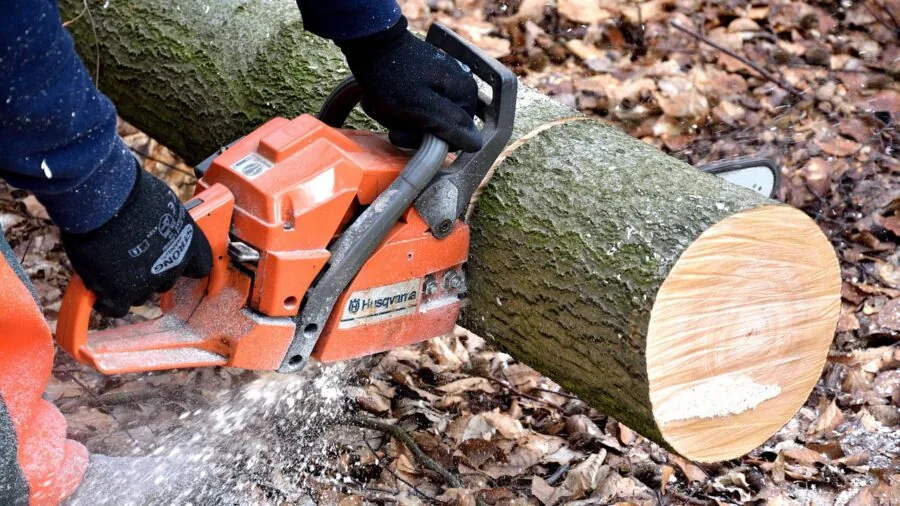
A sliding miter saw adds rails or an axial-glide mechanism that allows the blade to travel horizontally through the cut, dramatically increasing crosscut width.
This is the feature that separates finish carpenters and remodelers from casual users: sliding saws can crosscut a 2×12 or wider in one clean pass, which is nearly impossible on a fixed-head compound saw.
If your work regularly involves wide stock, a sliding design is essentially non-negotiable.
The trade-off is size and rear clearance. Traditional rail-based sliding saws require several inches of space behind the saw as the rails extend during a cut, which can be a real constraint in tight shop setups.
Some manufacturers have addressed this with rear-rail-free glide systems that let you push the saw flush against a wall. If workspace is limited, prioritize models that advertise wall-hugging capability.
Compact tools for tight jobsite spaces often benefit from this kind of thoughtful footprint design across categories.
Bevel and Miter Range
A compound miter saw tilts the blade on a bevel axis in addition to pivoting left and right for miter cuts, allowing you to make complex compound angles in a single pass.
Single-bevel saws tilt in one direction only, which means you sometimes have to flip your workpiece to cut the mirror angle.
Dual-bevel saws tilt both left and right, eliminating workpiece flipping and saving significant time on projects with repetitive compound angles like crown molding installations or picture frames.
The range of those angles matters too. Most saws handle miter angles up to 45 or 50 degrees in each direction and bevel angles up to 45 or 47 degrees.
A handful of premium models extend to 52 or even 60 degrees on the miter, which is valuable for specialty work. If you’re doing standard trim carpentry, a 45-degree range on both axes is sufficient.
For architectural millwork or complex joinery, the wider the range the better.
Motor Power and RPM

Corded miter saws in this guide predominantly run on 15-amp motors, which is the standard for full-size saws. The real-world indicator of cutting performance is blade speed measured in RPM.
Higher RPM generally produces cleaner cuts through hardwood and dense trim materials, with less tendency for the blade to bog down mid-cut.
A saw running at 3,800 to 6,000 RPM under a 15-amp motor will handle virtually any wood-cutting task a homeowner or contractor is likely to encounter.
Cordless miter saws introduce a different calculation. Battery voltage and amp-hour capacity determine how long you can cut before recharging and how the saw handles demanding cuts.
Cordless models are genuinely practical today for trim and framing work on sites without reliable power access, but corded saws still hold an edge in sustained heavy use.
If you’re evaluating a cordless option, look for a battery platform you already own from a brand with a broad ecosystem, since sharing batteries across tools maximizes the value of the investment.
The same logic applies when evaluating a comprehensive socket set for your garage toolkit.
Cutline Indicators and Accuracy Features

The ability to make accurate cuts reliably, not just occasionally, separates a great miter saw from an adequate one.
Cutline indicators come in two main forms: laser guides that project a beam onto the workpiece showing where the blade will cut, and LED shadow systems that cast a shadow along the cut line.
Laser guides are popular and useful for quick alignment, but their accuracy depends on calibration and can drift over time.
LED shadow systems, favored by many experienced users, create a kerf-width shadow that is arguably more precise and does not require calibration.
Beyond cutline indicators, look for positive stops (also called detents) at the most commonly used angles. Quality saws offer positive stops at 0, 15, 22.5, 30, and 45 degrees, giving you instant, repeatable settings without dialing in angles from scratch on every cut.
The fence system also matters: a taller, more rigid fence supports tall workpieces like crown molding and reduces vibration during the cut.
Cam-lock miter adjustments that lock firmly without creeping are another detail that separates well-engineered saws from budget models that drift over time.
Dust Collection and Portability

Miter saws produce a remarkable volume of fine sawdust, and effective dust collection keeps your workspace cleaner and reduces airborne particles. The dust collection systems on miter saws vary widely in effectiveness.
Most saws include a dust bag and a port that connects to a shop vacuum, but the actual collection efficiency depends on how well the blade guard and housing funnel debris toward that port.
In real-world use, even the best built-in systems capture around 75 to 85 percent of dust; the rest settles on the saw table and surrounding area.
If clean air is a priority, pair any miter saw with a quality shop vacuum connected to the dust port.
Portability is relevant if you plan to carry the saw between jobsites or store it away between projects. Saw weight ranges dramatically in this category, from lightweight cordless compact models under 30 pounds to heavy-duty 12-inch sliding saws exceeding 55 pounds.
Carrying handles and integrated hang hooks help, but if you’ll be hauling a saw frequently, weight is a criterion worth weighting heavily in your decision.
A sturdy utility cart can make moving even a heavier saw around the shop much more manageable.
Why You Should Trust Us
ProductFind is an independent review platform with no affiliation to any manufacturer or retailer. Every product featured in this guide was evaluated using a consistent, multi-source research methodology.
We assess each miter saw across five core dimensions: cutting capacity and versatility, motor performance, build quality and accuracy features, ease of use, and overall value relative to price.
Each model receives a PF Score on a 0 to 10 scale reflecting its overall standing against those criteria.
Our research draws on published manufacturer specifications, expert review consensus from professional carpenters, finish contractors, and tool critics, and verified buyer feedback aggregated from thousands of confirmed purchasers.
We do not conduct our own product trials; our evaluations are grounded in research, published data, expert review consensus, and verified buyer feedback.
This approach allows us to assess a wider range of products than any single shop could practically handle, while remaining grounded in real-world performance data.
ProductFind may earn a commission when you purchase through links in this article. That affiliate relationship has zero influence on which products are included, how they are ranked, or what PF Score they receive.
Our rankings reflect research-based quality assessment only. We do not accept payment for placement, and no manufacturer reviewed or approved this content before publication.
Final Thoughts
The miter saws in this guide cover a genuine range of use cases, from cordless portability to professional-grade corded performance, and from budget-conscious entry points to feature-rich options for serious woodworkers.
Here is how the top picks break down by category based on PF Score and verified buyer consensus:
- Best Overall: CRAFTSMAN V20 Cordless Sliding Miter Saw earned the highest PF Score in the group thanks to its combination of cordless convenience, genuine sliding capacity, and strong value relative to comparable corded options. It stands out as a versatile pick for DIYers and light contractors who want flexibility without sacrificing capability.
- Best Corded Workhorse: DEWALT DWS779 12-Inch Double Bevel Sliding Compound Miter Saw is the benchmark corded option in this lineup, consistently praised by professional users for its crosscut capacity, powerful motor, and DEWALT’s track record for durability. It earns its place as the go-to recommendation for contractors who demand reliable daily performance.
- Best for Accuracy-Focused Work: DEWALT DWS716XPS brings the XPS LED cutline system that many finish carpenters prefer over traditional laser guides, making it a strong choice for trim work, cabinetry, and any application where cut placement precision is critical.
- Best for Multi-Material Cutting: Evolution Power Tools R255SMS+ 10-Inch Sliding Miter Saw uses a TCT blade engineered to cut steel, aluminum, plastic, and wood without blade swaps, making it a uniquely practical option for fabricators and contractors who regularly work across material types.
- Best Budget Entry Point: Yumark 10-Inch Miter Saw and the Marvtool 10-Inch Compound Miter Saw occupy the entry-level tier for occasional DIY use. Expectations should be calibrated accordingly; buyers who need a saw for infrequent light cuts and prioritize cost above all else will find serviceable performance here, though neither approaches the build quality or longevity of the established brands above.
For most homeowners and active DIYers, the CRAFTSMAN V20 and DEWALT DWS779 represent the clearest value propositions in the lineup.
Professionals doing daily trim and finish work will be best served by the DEWALT DWS779 or the Makita LS1019L depending on blade size preference.
Whatever your budget or project type, using this guide alongside the detailed product cards above should give you the clarity to buy with confidence.
Frequently Asked Questions
What is the difference between a compound miter saw and a sliding compound miter saw?
A compound miter saw pivots left and right for miter cuts and tilts on a bevel axis for compound angles, but the blade head stays in a fixed position relative to the table.
A sliding compound miter saw adds a rail or glide system that allows the blade to travel forward and back through the workpiece, dramatically increasing crosscut capacity.
For most buyers working with boards wider than about six inches, the sliding design is strongly preferred. It handles wider stock in a single pass and eliminates the need to flip or reposition material.
Is a 10-inch or 12-inch miter saw better for general use?
A 10-inch miter saw handles the vast majority of trim, molding, and dimensional lumber tasks that most homeowners and contractors encounter. It is lighter, typically less expensive, and easier to move around a shop or jobsite.
A 12-inch saw becomes genuinely useful when you regularly need to crosscut wide boards, work with large crown molding profiles, or cut 4x stock at 45 degrees in a single pass.
If you’re unsure, a 10-inch sliding model often offers the best of both worlds: manageable size with extended crosscut reach.
Can a miter saw cut metal or plastic?
Standard wood-cutting blades are not designed for metal or hard plastics. However, certain miter saws are specifically engineered for multi-material cutting using TCT (tungsten carbide tipped) blades designed for ferrous and non-ferrous metals, plastics, and wood without blade changes.
The Evolution R255SMS+ in this lineup is a prime example. For most users, a standard miter saw should stay dedicated to wood and wood composites.
Attempting to cut metal with a standard wood blade creates dangerous kickback and ruins the blade quickly. Always verify the blade and saw are rated for the material you intend to cut.
Safety is as fundamental here as using the right face shields for your work environment.
Do I need a miter saw stand?
A miter saw stand is not strictly required, but it makes a meaningful difference in both safety and productivity. Cutting long boards on a saw placed on a low workbench or the floor is awkward and physically demanding.
A dedicated stand raises the saw to a comfortable working height, supports long stock on both sides of the blade, and often includes material support arms that extend outward for wide panels.
For anyone doing regular trim or framing work, particularly on a jobsite, a foldable portable stand is a worthwhile companion investment. It is also far more stable than improvised setups and reduces the risk of the workpiece shifting mid-cut.
How do I maintain a miter saw for long-term accuracy?
Regular calibration checks are the most important maintenance habit. Verify that the blade is square to the fence at 0 degrees miter and 0 degrees bevel using a reliable square, and check the positive stops at 45 degrees in both directions.
Dust accumulation in the pivot and bevel mechanisms is the most common cause of accuracy drift over time, so blow out the saw with compressed air after heavy use sessions.
Keep the blade sharp; a dull blade causes the motor to work harder, increases the risk of kickback, and produces rough, splintered cuts.
Replace or resharpen blades when you notice burning, tearout, or the motor bogging down on wood that should be well within the saw’s capacity.
What safety precautions should I follow when using a miter saw?
Always keep both hands clear of the blade path and use the blade guard at all times unless performing a specific cut type that requires it to be temporarily adjusted.
Clamp small or narrow workpieces rather than holding them by hand near the blade. Allow the blade to come to a complete stop before raising the head or reaching near the cut zone.
Wear appropriate hearing protection and safety glasses on every cut; miter saws operate at high RPM and produce significant noise and debris.
Keep the saw on a stable, level surface and ensure the fence and table locks are fully engaged before beginning a cut sequence. Good workshop habits compound over time into a much safer environment for every project you take on.
About the author
Lydia is a reviewer and writer for ProductFind who specializes in Power Tools. Lydia evaluates products through independent research: specifications, expert review consensus, and verified buyer feedback, and rates each one on the PF Score. Lydia focuses on helping readers pick the right power tool for their needs and budget.