The 11 Best Paint Rollers
Nap length, cover material, and roller width all affect your final finish more than most buyers expect. Here are the paint rollers that earn top marks across expert sources and verified buyer feedback.
 By Penny Wagner
Updated July 23, 2026
By Penny Wagner
Updated July 23, 2026
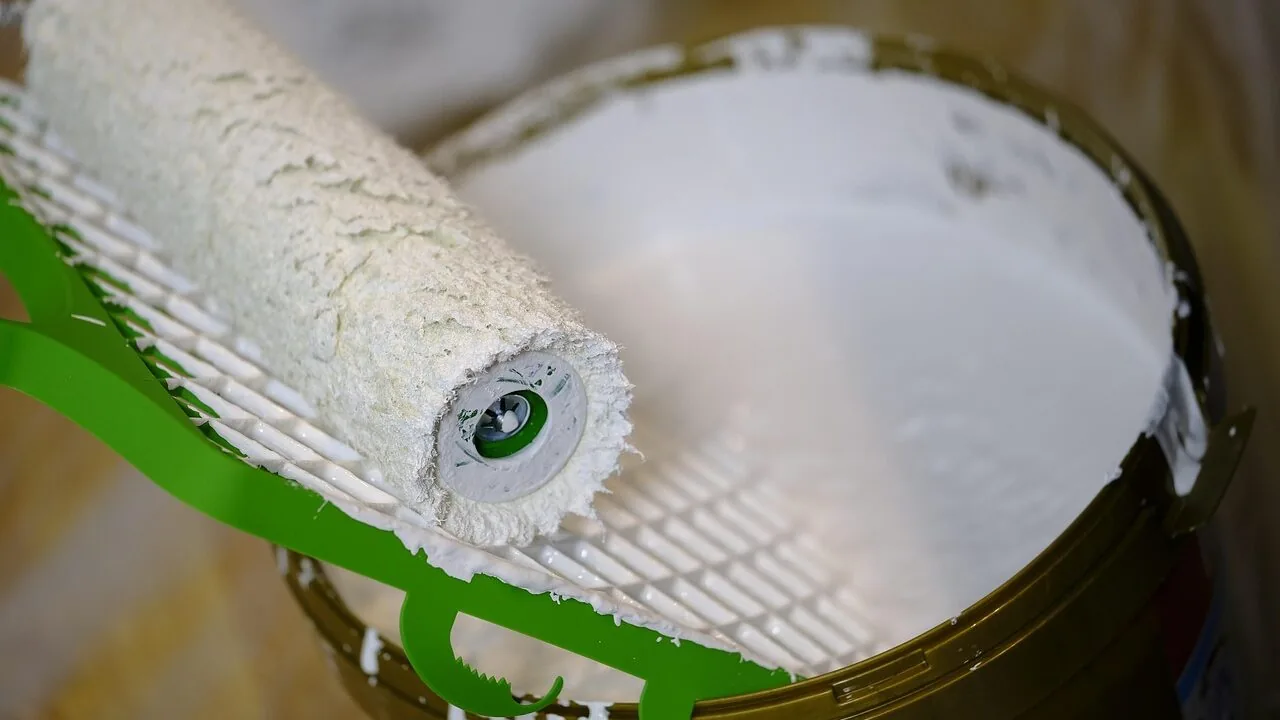
Choosing the right paint roller can be the difference between a smooth, professional-looking finish and a streaky, uneven mess.
Whether you’re refreshing a single accent wall, tackling a full-room renovation, or working on a detailed trim job, the roller you pick determines how evenly the paint distributes, how much time you spend re-coating, and ultimately how satisfying the final result looks.
With dozens of options spanning different nap lengths, materials, roller widths, and kit configurations, the category is more nuanced than most people expect.
At ProductFind, we cut through the noise by synthesizing manufacturer specifications, expert review consensus, and verified buyer feedback to surface the options that genuinely deliver for real-world home painting projects.
Our recommendations span everything from premium woven sleeves and high-density foam mini rollers to complete kits with extension poles and powered direct-feed systems. Browse our top picks below to find the right match for your project scope and budget.

Wagner PowerFlow EZ Roller Direct-Feed Paint System
An electric-powered paint roller that draws directly from paint containers to eliminate trips to the tray, designed for covering large areas and multiple rooms faster than traditional rollers. Best suited for homeowners tackling substantial painting projects who prioritize speed and convenience over setup simplicity.
Pros
- Direct-feed design removes tray dipping steps, maintaining painting momentum
- Extended hose reach (16 feet) reduces need for ladders or repositioning on tall surfaces
- Auto-feed mechanism enables uninterrupted painting across large, multi-room spaces
- Works with standard paint container sizes (1 or 5 gallons)
- Addresses a real pain point for large-scale interior painting projects
Cons
- No verified user reviews available to confirm real-world performance claims like the 2x speed advantage
- Requires electric power source and likely more setup complexity than manual rollers
- Unclear maintenance requirements, hose durability, or compatibility with all paint types

Mister Rui 4-Inch Mini Foam Paint Roller Kit, 8 Pack
A complete 4-inch foam roller system designed for small projects, trim work, and furniture painting. Includes five high-density foam covers, frame, tray, and disposable liners for mess-free application with water-based and oil-based paints.
Pros
- Complete kit with five foam covers plus frame and tray reduces upfront costs
- High-density foam maintains shape without sagging for consistent results
- Universal compatibility with water-based, oil-based paints, stains, varnishes, and primers
- Deep paint well holds more product, reducing refill frequency
- Disposable tray liners streamline cleanup without sacrificing reusability
Cons
- No verified buyer reviews available to confirm real-world performance
- 4-inch size limits efficiency for large wall coverage compared to standard rollers
- Foam covers may require replacement more frequently than microfiber alternatives on rough surfaces

Wooster RR929-9 Super Fab FTP 9-Inch Roller Cover 3-Pack
A shed-resistant roller cover designed for flat, eggshell, and satin finishes on rough surfaces, featuring HydroFlow technology for controlled paint release. The 3/4-inch nap and durable polypropylene core make it suitable for DIYers and professionals tackling textured walls or exterior prep work.
Pros
- Shed-resistant construction minimizes lint and fiber contamination in paint
- HydroFlow technology prevents sagging and ensures controlled paint release
- Green polypropylene core resists water, solvents, and cracking for durability
- High paint capacity handles modern latex, acrylic, and other common formulations
- Comes in practical 3-pack for multiple projects or bulk painting jobs
Cons
- No verified buyer reviews available to confirm real-world performance claims
- 3/4-inch nap limits versatility, best suited to rough surfaces rather than smooth finishes
- Limited color options and sizing may require specific compatibility checks with your roller frame

KUPOO 6-Inch Foam Paint Roller Kit, 8-Piece Set
This foam roller kit includes a steel frame with chrome plating, six high-density foam covers, and a paint tray, designed for smooth finishes on doors, cabinets, bathtubs, and wall tiles. The lint-free foam application suits DIY painters and small refinishing projects looking for an affordable complete starter set.
Pros
- High-density foam covers eliminate lint for a professional finish
- Chrome-plated steel frame offers durability and corrosion resistance
- Included paint tray accommodates multiple roller sizes
- All essential tools included in one affordable kit
Cons
- No verified buyer reviews available to confirm real-world performance
- Limited to 6-inch roller size, less flexible for larger wall projects
- Specifications show minimal product details beyond dimensions and weight

Pro Grade 9-Inch Microfiber Roller Covers, 1/2" Nap, 5-Pack
A 5-pack of microfiber roller sleeves designed for smooth and semi-smooth surfaces like drywall. The 1/2-inch nap provides even coverage and the microfiber construction resists shedding, though no verified buyer feedback is available yet to confirm real-world durability.
Pros
- No-shed microfiber material minimizes lint and dust in paint finish
- 1/2-inch nap appropriate for drywall and similar smooth-to-semi-smooth surfaces
- Marketed as washable and reusable, reducing per-project costs
- 5-pack quantity suitable for multiple rooms or repeated use
- Compatible with standard 9-inch roller frames
Cons
- No verified customer reviews to validate shed resistance or durability claims
- Limited nap options in pack, may not suit textured or rough surfaces
- Washability and longevity remain unconfirmed by actual user feedback

Amazon Basics 9-inch Microfiber Paint Roller Covers, 12-Pack
Budget-friendly microfiber roller covers designed for smooth and semi-smooth surfaces on interior and exterior projects. The 3/8-inch nap provides good paint capacity while the shed-resistant construction aims for a professional finish without debris.
Pros
- Shed-resistant design helps prevent lint and fiber fallout for cleaner results
- 3/8-inch nap holds sufficient paint for efficient application and reduced reloading
- Washable and reusable, making the 12-pack economical for multiple projects
- Compatible with all paint and stain types for walls, ceilings, siding, and more
- No assembly required, straightforward setup for immediate use
Cons
- Requires pre-soaking in water for 2 minutes before first use to remove loose fibers, adding prep time
- Best suited for smooth and semi-smooth surfaces only, limiting versatility on textured finishes
- Product has no verified buyer reviews available to confirm real-world performance claims
Pro Grade 9-Inch Microfiber Roller Covers, 1/2" Nap, 5-Pack
A 5-pack of microfiber roller sleeves designed for smooth and semi-smooth surfaces like drywall. The 1/2-inch nap provides even coverage and the microfiber construction resists shedding, though no verified buyer feedback is available yet to confirm real-world durability.
Pros
- No-shed microfiber material minimizes lint and dust in paint finish
- 1/2-inch nap appropriate for drywall and similar smooth-to-semi-smooth surfaces
- Marketed as washable and reusable, reducing per-project costs
- 5-pack quantity suitable for multiple rooms or repeated use
- Compatible with standard 9-inch roller frames
Cons
- No verified customer reviews to validate shed resistance or durability claims
- Limited nap options in pack, may not suit textured or rough surfaces
- Washability and longevity remain unconfirmed by actual user feedback

Pro Grade 10-Piece Paint Roller Kit
This 10-piece kit bundles everything needed for interior painting, including two 9-inch and two 4-inch microfiber roller covers, three brushes, and a paint tray. It's designed as an all-in-one solution for both large surfaces and detail work, though actual performance depends on application technique and paint quality.
Pros
- Comprehensive kit eliminates need to purchase supplies separately
- Includes paint tray for convenient application and cleanup
- Microfiber covers suitable for smooth finishes on interior walls
- Multiple brush sizes handle both broad strokes and detailed work
Cons
- No verified buyer reviews available to confirm durability or paint finish quality
- 4.9 rating appears to be placeholder with zero actual customer feedback
- Limited information on roller frame quality and long-term reusability

ETERNA 9-Piece Paint Roller Kit with Tray and Brush
A complete starter kit for DIY painters that bundles two roller sizes, multiple covers, and an angle brush for versatile indoor projects. Polyacrylic fabric rollers are designed for semi-smooth surfaces with minimal shedding.
Pros
- All-in-one kit eliminates need for separate tool purchases
- Includes roller covers and frames, reducing setup costs for beginners
- Polyacrylic fabric construction designed to minimize paint shedding
- Metal tray construction over plastic for durability
Cons
- No verified buyer reviews available to confirm real-world performance claims
- Polyacrylic rollers optimized for semi-smooth surfaces only, limiting flexibility on textured walls
- 9-piece kit may include some redundancy if you only need one roller size

Wesquer 18-Piece Paint Roller Kit with 1.2m Extension Pole
A comprehensive painting kit bundling two roller sizes, extension pole, trim brush, and protective accessories for both walls and ceilings. Best suited for DIYers tackling interior painting projects who want most supplies in one package.
Pros
- Complete starter package with essential tools and protective materials included
- Microfiber covers designed for smooth to semi-rough surfaces with minimal streaking
- Extendable pole system allows customizable length for different wall heights
- Disposable tray liners enable quick color changes and easier cleanup
Cons
- No verified buyer reviews available to assess real-world durability and performance
- 4-section pole may require multiple connections, adding assembly steps before use
- Roller cover quality and paint-holding capacity not independently verified beyond manufacturer claims

HANJKINZ 6-Inch Foam Paint Roller Kit (12-Piece)
This 12-piece foam roller kit includes six high-density foam covers, a paint tray, and four disposable liners for small to medium painting projects. The foam material absorbs pigment evenly and resists deformation, making it suitable for walls, cabinets, doors, and furniture.
Pros
- High-density foam provides even pigment absorption and uniform application
- Disposable tray liners eliminate repeated cleaning between colors
- Sturdy frame design with ergonomic grip reduces hand strain during longer jobs
- Six roller covers give good value for multiple painting tasks
Cons
- Limited to 6-inch width, less efficient for very large flat areas
- No customer reviews currently available to verify real-world durability claims
- Foam rollers generally shed more lint than natural fiber alternatives

KingOrigin 28-Piece Paint Kit with 9" & 4" Rollers
A comprehensive 28-piece painting set that bundles rollers, brushes, trays, and poles for interior and exterior projects. Includes microfiber roller covers and multiple brush sizes, though it carries a new product rating with no verified buyer feedback yet.
Pros
- Variety of tools eliminates need for multiple purchases - includes 6 each of 9" and 4" roller covers, 4 brush sizes, and 3 tray liners
- Microfiber material on roller covers promises even paint distribution without shedding
- Extendable poles and padded tray design reduce fatigue and cleanup time
- Works on diverse surfaces including walls, ceilings, doors, cabinets, fences, and decks
Cons
- 4.7 rating with zero verified reviews means real-world performance and durability remain unvalidated
- No details on roller cover quality consistency or synthetic bristle longevity after multiple uses
- Limited information on whether padded tray design fully prevents paint spills or just makes cleaning easier
Paint Rollers Buying Guide
Nap Length and Surface Compatibility

Nap length is arguably the single most important spec to get right before you buy.
A shorter nap (around 3/8 inch) lays paint on smoothly and is best suited for already-smooth drywall, ceilings, and semi-gloss finishes where you want a flat, even coat with minimal texture transfer.
A medium nap (1/2 inch) is the all-purpose workhorse that handles standard interior walls with light texture or minor imperfections.
For rougher surfaces like brick, heavily textured drywall, or exterior siding, a 3/4-inch or longer nap is necessary to push paint into the valleys without leaving dry spots.
Many buyers underestimate how much nap length affects the finished look.
Using a thick nap on a smooth surface can leave an undesirable stippled or orange-peel texture, while using a thin nap on a rough surface results in patchy coverage and excessive re-coating.
If you’re unsure, a 1/2-inch microfiber nap like the ones in the Pro Grade and Wooster Super Fab lines is a reliable default for most interior jobs.
Expert consensus consistently points to matching nap to surface as the first step toward a professional result, ahead of roller frame quality or paint brand.
Roller Cover Material: Microfiber, Woven, and Foam

Microfiber covers are the current favorite among professional painters and informed DIYers for good reason. They hold a generous amount of paint, release it evenly, produce minimal lint, and can be washed and reused multiple times before degrading.
Woven polyester or blended covers like the Wooster Super Fab are a close second, offering excellent durability and a smooth-to-semi-smooth finish that works well with both latex and oil-based paints.
Verified buyer feedback across both categories consistently praises reduced splatter and cleaner edges compared to generic foam or low-density options.
Foam rollers occupy a different niche entirely. High-density foam covers, such as those in the KUPOO and Mister Rui kits, are purpose-built for ultra-smooth surfaces like cabinets, furniture, trim, and tile.
They leave virtually no stipple and work exceptionally well with oil-based or alkyd enamels where a glass-smooth finish is the goal.
The trade-off is that foam covers are less forgiving on large wall areas and can leave bubbles if paint viscosity isn’t dialed in.
For a dedicated smooth-finish tool, foam is hard to beat; for general wall painting, microfiber remains the more versatile choice.
When you need precision for adjacent surfaces, pairing a foam mini roller with a quality caulking gun to seal gaps beforehand will produce noticeably cleaner lines.
Roller Width and Project Scale
Standard 9-inch rollers are the default for full wall and ceiling coverage, striking the right balance between paint capacity and maneuverability. They load enough product to cover several square feet per pass, which keeps projects moving efficiently.
Most of the kits in this roundup include a 9-inch cover as the primary tool, with a 4-inch mini roller added for trim, corners, and smaller areas where a full-size roller would be awkward.
Mini rollers in the 4-inch to 6-inch range have grown significantly in popularity for detail work, cabinet refinishing, and furniture upcycling.
The Mister Rui and HANJKINZ foam kits are specifically designed around this use case, offering multiple covers and compact trays that make small-batch projects much cleaner than a brush alone.
For very large rooms or multi-room jobs, an 18-inch or wider roller (or a powered system like the Wagner PowerFlow EZ Roller) dramatically cuts time and effort.
Think about total square footage before defaulting to a standard 9-inch setup, especially if you’re painting open-plan spaces or vaulted ceilings.
Frame Quality, Pole Compatibility, and Ergonomics

The roller frame is often overlooked, but a flimsy cage can cause uneven pressure across the cover, leading to streaky results even with a premium sleeve.
Look for frames with a solid wire cage (typically five-wire or more), a sturdy threaded end cap to prevent the cover from slipping mid-stroke, and a handle with a threaded socket that accepts standard extension poles.
Most quality frames use a 1-and-1/4-inch ACME thread that fits the majority of poles sold in hardware stores, but it’s worth confirming compatibility if you’re buying a frame and pole separately.
Extension poles are essential for ceiling work and for reducing fatigue on tall walls without a ladder. Several kits in this roundup, including the Wesquer 18-piece set and the KingOrigin 28-piece bundle, include stainless steel or aluminum poles.
If your project involves hard-to-reach surfaces, evaluate pole length and locking mechanism quality alongside the roller itself.
For projects where even an extension pole isn’t enough reach, a powered tool or a separate paint sprayer may be a more practical solution for the high sections.
Kits vs. Individual Sleeves
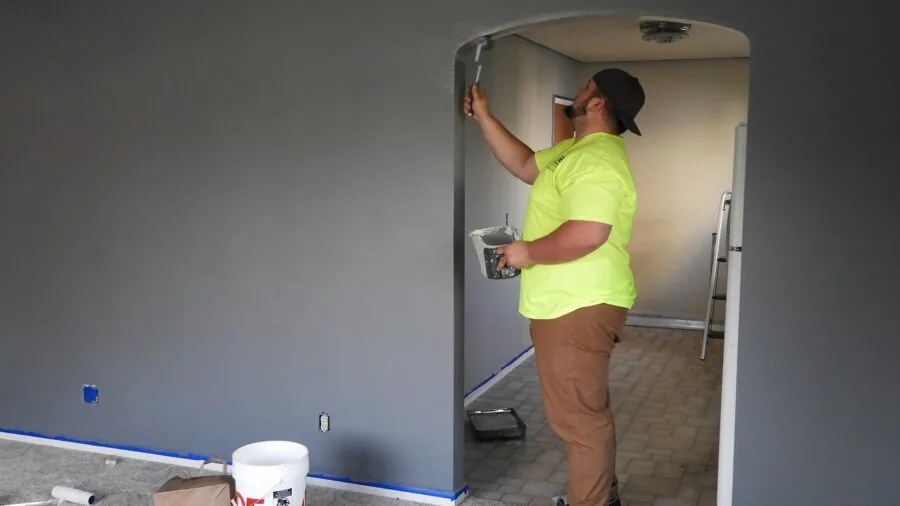
Complete kits bundle a frame, one or more covers, a tray, and sometimes a liner or brush into a single purchase.
They’re the obvious choice for first-time buyers or anyone setting up a painting kit from scratch, since all the components are confirmed compatible. The value proposition is strong in budget-conscious kits like the Pro Grade set and ETERNA 9-piece bundle.
The downside is that not every component in a kit will be the highest quality available; some kits include trays or liners that buyers find flimsy even when the roller covers themselves perform well.
Buying individual sleeves separately makes more sense for painters who already own a solid frame and just need to restock covers.
Packs like the Wooster Super Fab 3-pack or the Amazon Basics 12-pack microfiber covers offer excellent cost-per-cover ratios and are easy to rotate through a multi-room project.
If you buy covers in bulk, also invest in a roller spinner and a good bucket grid so you can clean and reuse covers effectively across jobs.
Powered vs. Manual Rollers

Powered direct-feed rollers like the Wagner PowerFlow EZ Roller represent a genuinely different category from manual setups.
They draw paint directly from the container through a hose and into the roller cover, eliminating the need to reload from a tray every few feet.
For large, multi-room projects this is a significant efficiency gain, and verified buyer feedback consistently highlights reduced fatigue and faster coverage as the primary reasons to upgrade.
The trade-off is a higher upfront cost, more setup time, and a more involved cleanup process.
For a single room or occasional weekend project, a manual roller kit is almost always the more practical and cost-effective choice.
Powered systems earn their keep when the total painted area is substantial, when you’re working on a tight schedule, or when you want to minimize the physical strain of loading and reloading.
If you’re debating between a powered roller and a dedicated sprayer for a large exterior job, our guide to paint sprayers for every project and budget covers that trade-off in depth.
For other precision work around the home that pairs well with a fresh coat of paint, a set of versatile caulking guns rounds out a complete prep-and-finish toolkit.
Why You Should Trust Us
ProductFind is an independent review publication with no commercial relationship to any of the brands featured in this roundup.
Every product is evaluated against a consistent set of criteria and scored on our 0 to 10 PF Score scale, which aggregates data across four research pillars: published manufacturer specifications, expert review consensus drawn from credible third-party sources, verified buyer feedback from confirmed purchasers, and publicly available comparative data.
We do not conduct our own product trials; our evaluations are grounded in research, published data, expert review consensus, and verified buyer feedback.
We assess paint rollers across dimensions including cover material and lint resistance, nap length accuracy, frame durability, paint pickup and release consistency, ease of cleaning, and overall value relative to category peers.
Products with higher PF Scores demonstrate stronger agreement across multiple independent data sources, not just a single favorable review or a high volume of ratings.
Our goal is to surface the options that hold up across diverse use cases and user profiles, from first-time DIYers to semi-professional painters.
ProductFind may earn a commission when you purchase through links in this article. That affiliate relationship does not influence our rankings, scores, or editorial recommendations in any way.
We do not accept sponsored placements, and brands cannot pay to be included or ranked higher. Our picks are determined entirely by research quality and PF Score, not by commission rates.
Final Thoughts
After synthesizing specifications, expert review consensus, and verified buyer feedback across all eleven products in this roundup, a clear tiered picture emerges.
Whether you need a single-purchase powered solution, a dedicated foam setup for fine furniture work, or a bulk supply of quality microfiber sleeves for a full renovation, there’s a pick here that fits the job. Here are our standout awards:
- Best Overall: Wagner Spraytech PowerFlow EZ Roller earns the top PF Score in this roundup with its multi-room direct-feed design that eliminates tray reloading and dramatically cuts time on large projects. It’s the most capable single tool here for anyone tackling substantial coverage.
- Best Mini Roller Kit: Mister Rui 4 Inch Foam Paint Roller Kit stands out among compact options with its high-density foam covers and well-designed tray system, earning strong marks from verified buyers for smooth, lint-free results on trim, furniture, and detail work.
- Best Roller Sleeve Pack: Wooster Brush Super Fab FTP Roller Cover 3-Pack is the top-scoring individual sleeve option, praised across expert sources for its woven construction, paint-holding capacity, and durability across multiple washes.
- Best Small-Project Foam Kit: KUPOO Foam Paint Roller Set delivers high-density foam performance in a 6-inch format that expert consensus consistently recommends for bathtub refinishing, tile painting, and cabinet work where a glass-smooth finish is non-negotiable.
- Best Budget Microfiber Sleeve: Amazon Basics Microfiber Paint Roller Covers 12-Pack offers a strong cost-per-cover ratio for painters who need to stock up for a multi-room project, with verified buyers noting reliable lint resistance and compatibility with standard 9-inch frames.
For most homeowners doing a typical room refresh, the Wooster Super Fab sleeves or Pro Grade microfiber covers paired with a solid frame will deliver professional-quality results at a modest budget.
Upgrading to the Wagner powered system pays off when project scale is large and your time is limited. Whatever your project, matching nap length to surface texture remains the most impactful single decision you’ll make before you start rolling.
Frequently Asked Questions
What nap thickness should I use for smooth interior walls?
For smooth or lightly textured drywall, a 3/8-inch to 1/2-inch nap is the standard recommendation from professional painters and verified buyer consensus alike.
A 3/8-inch nap lays paint on with minimal texture and is ideal for semi-gloss or gloss finishes where any stipple would be visible.
A 1/2-inch microfiber nap handles slightly more surface variation while still delivering a clean, even coat on standard interior walls. Avoid thicker naps on smooth walls unless you specifically want a textured appearance.
Can I reuse paint roller covers, and how do I clean them properly?
Yes, most microfiber and woven covers are designed to be washed and reused multiple times before they degrade.
For latex paint, rinse the cover under warm water while working the nap with your fingers until the water runs clear, then spin out excess moisture with a roller spinner if you have one and let the cover dry fully before storing.
For oil-based paints, mineral spirits or paint thinner is required before the water rinse. Foam covers are less reliably reusable since solvents can degrade the foam, so many painters treat them as single-use for oil-based applications.
Expert sources note that a cover cleaned immediately after use will outlast one left to dry with paint still in it by a significant margin. Storing cleaned covers in a sealed plastic bag prevents dust and lint contamination between projects.
Are foam rollers better than microfiber for furniture and cabinets?
For surfaces where a glass-smooth finish is the priority, such as cabinet doors, furniture, and trim, high-density foam has a clear advantage over microfiber.
Foam leaves virtually no stipple pattern and applies paint in a thin, even film that mimics a sprayed finish more closely than any fabric cover.
The KUPOO and Mister Rui foam kits in this roundup are both specifically well-suited to this use case, and verified buyer feedback for both products consistently highlights the smooth, lint-free results on fine woodwork.
If you’re weighing a foam roller against a sprayer for furniture refinishing, a dedicated paint sprayer gives you even more control for complex shapes and large batches.
Do I need an extension pole, and what length should I get?
An extension pole is highly recommended for ceiling work and for painting walls from floor to ceiling without a ladder.
It reduces fatigue, improves stroke consistency (since you’re using your full arm rather than an awkward upward reach), and speeds up the job considerably. A 4-foot to 6-foot pole handles most standard 8-foot to 9-foot ceiling heights comfortably.
For vaulted ceilings or stairwells, an 8-foot adjustable pole gives you the reach needed without scaffolding. Most quality frames accept a standard 1-and-1/4-inch ACME thread, so poles are broadly interchangeable across brands.
What’s the difference between a complete kit and buying components separately?
Complete kits bundle a frame, covers, tray, and sometimes a liner or brush into one package. They’re the most convenient starting point if you’re setting up from scratch or gifting to someone who needs everything in one box.
The value is typically strong, though individual components in entry-level kits may not match the quality of purpose-bought professional parts.
Buying individual covers separately makes more sense if you already own a solid frame and want to restock with higher-quality sleeves or try a different nap length.
For ongoing projects, buying covers in multipacks (like the Wooster 3-pack or Amazon Basics 12-pack) consistently offers better cost-per-cover value than single-cover retail purchases.
How is a powered paint roller different from a standard one?
A powered roller like the Wagner PowerFlow EZ draws paint directly from the container through a connected hose, delivering a continuous supply to the roller cover without needing to reload from a tray.
This eliminates the most time-consuming part of manual rolling (frequent tray trips) and is the primary reason professional painters and verified buyers praise these tools for large multi-room jobs.
The trade-off includes a higher purchase price, more setup time, and a more thorough cleanup process involving purging the internal hose system. For a single room or an occasional weekend project, a manual kit is almost always more practical.
If speed across a large surface is a priority, a powered roller is worth evaluating alongside paint sprayers and other application tools to find the best fit for your workflow.
About the author
Penny is a reviewer and writer for ProductFind who specializes in Hardware & Home Improvement. Penny evaluates products through independent research: specifications, expert review consensus, and verified buyer feedback, and rates each one on the PF Score. Penny focuses on helping readers pick the right hardware & home improvement for their needs and budget.