The 11 Best Changing Pads
From wipeable shell foam to portable vegan leather, the right changing pad makes diaper duty faster and safer. Here are the top picks across every price point.
 By Leonard Perez
Updated July 23, 2026
By Leonard Perez
Updated July 23, 2026
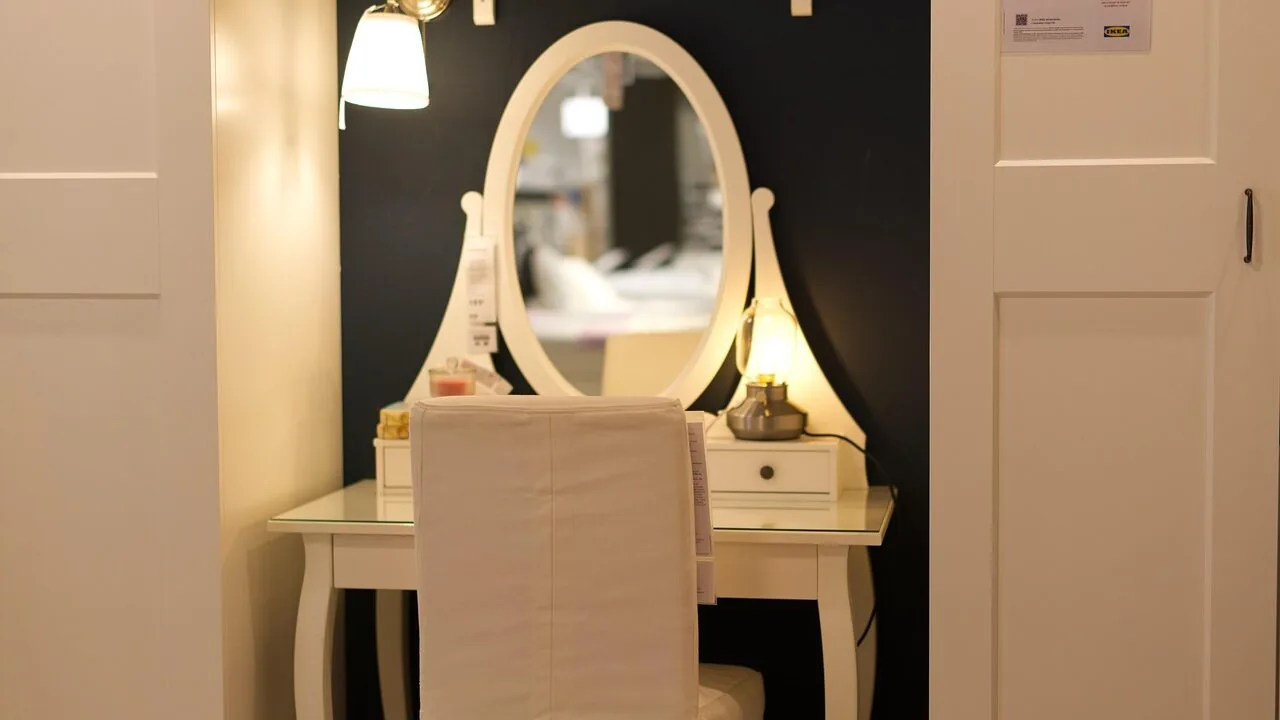
Newborns typically need six to ten diaper changes every single day, which means a reliable changing pad quickly becomes one of the most-used pieces of gear in any nursery.
The right pad protects your baby from a cold, hard surface, gives you a secure spot to work efficiently, and keeps cleanup fast when things inevitably get messy.
Whether you are outfitting a dedicated changing table or looking for something that travels well from room to room, the options on the market range from simple foam contours to wipeable vegan leather platforms with built-in safety straps.
To cut through the noise, ProductFind researched eleven of the most-discussed changing pads by analyzing manufacturer specifications, synthesizing expert review consensus across parenting and baby-gear publications, and weighing verified buyer feedback from thousands of confirmed purchases.
Our picks span budget-friendly foam pads, mid-range contoured options, and premium wipeable surfaces so every family can find the right fit. Read on to see our top-ranked choices.
| Award | Product | PF Score About PF ScoreThe PF Score is our own rating from 0 to 10, based on performance, design and build, ease of use, and value. It reflects independent research and is never influenced by manufacturers, retailers, or affiliate commissions. Learn more › | Price | |
|---|---|---|---|---|
| Best Overall |
 Keekaroo Peanut Changing Pad, Vanilla
|
9.2/10 | Buy | |
| Editor's Pick |
 Skip Hop Contoured Changing Pad with Toy Bar
|
8.6/10 | Buy | |
| Best Value |
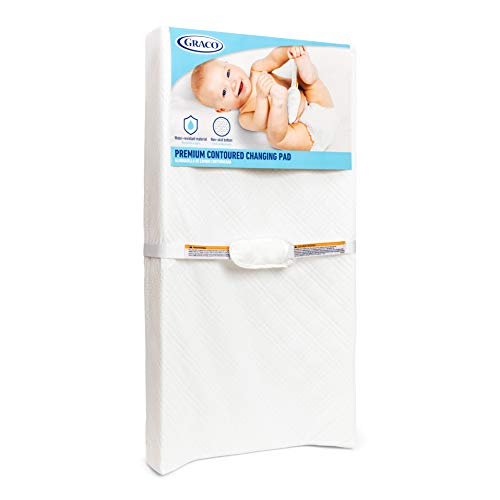 Graco Premium Contoured Changing Pad, 32x16 in
|
7.5/10 | Buy | |
| Top Rated |
 Jool Baby Waterproof Changing Pad 30.5 x 16 Inch
|
7.4/10 | Buy | |
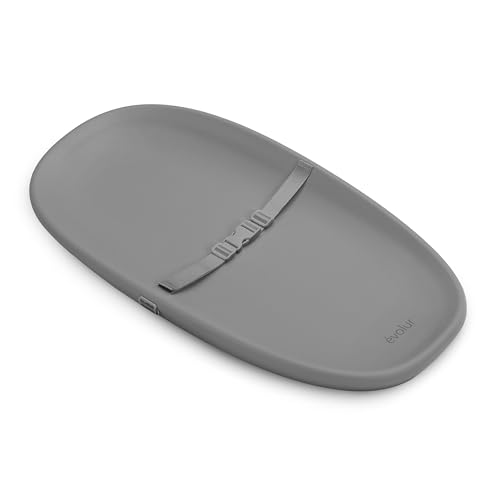 Evolur Eva Changing Pad, 30x16 inches
|
7.3/10 | Buy | ||
 Jool Baby Serenity Soft Changing Pad with Washable Cover
|
7.2/10 | Buy | ||
 Papablic 30x17 Waterproof Changing Pad
|
7.1/10 | Buy | ||
 Blissful Diary Vegan Leather Changing Pad, 31.25" x 16"
|
6.8/10 | Buy | ||
 Modera Organic Cotton Disposable Changing Pad Liners, 50-Pack
|
6.5/10 | Buy | ||
 JVEOO Waterproof Changing Pad 31.5x16 inches
|
6.3/10 | Buy | ||
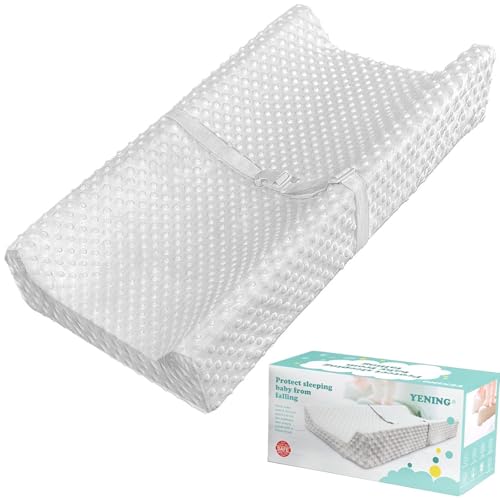 YENING 31x16 Inch Soft Baby Changing Pad
|
6.2/10 | Buy |
Keekaroo Peanut Changing Pad, Vanilla
A wipeable changing pad with a proprietary shell-over-foam design that repels water completely, making cleanup effortless for busy parents. Built in the USA and certified to JPMA 2.0 safety standards, it's designed to withstand daily wear while maintaining a soft, cushioned feel.
Pros
- Completely water repellant shell eliminates liquid absorption and odors
- Proprietary material is tested for medical and institutional use
- JPMA 2.0 certified and made in the USA
- Soft, cushioned foam core balances comfort with durability
- Wide color selection to coordinate with nursery design
Cons
- No verified buyer reviews available to assess real-world durability or comfort feedback
- Premium positioning likely reflects higher price point than basic foam pads
- Shell-over-foam construction is proprietary, so replacement options are limited to Keekaroo products
Skip Hop Contoured Changing Pad with Toy Bar
This wipe-clean changing pad combines practical features like a non-skid base and safety belt with built-in entertainment via a tuck-away toy bar. The contoured foam design prioritizes comfort, making it a solid mid-range option for parents seeking low-maintenance diaper changing setup.
Pros
- Easy-to-clean wipe-down surface saves time and laundry hassle
- Built-in toy bar with mirror provides distraction during changes
- Contoured design with raised sides helps contain baby movement
- Non-skid base and tabletop attachment offer reliable stability
- Safety belt rated for up to 30 lbs gives parents peace of mind
Cons
- No verified customer reviews available to assess real-world durability or comfort feedback
- Weight limit of 30 lbs means it won't accommodate older toddlers as long
- Cushioned foam may compress over time with heavy daily use
Graco Premium Contoured Changing Pad, 32x16 in
A GREENGUARD Gold certified changing pad built for safety-conscious parents, with formaldehyde-free construction and water-resistant cover. The contoured design and non-skid bottom keep it stable on standard changing tables, though it arrives with no verified buyer feedback to validate real-world durability.
Pros
- Certified free from formaldehyde and screened for 10,000+ harmful chemicals
- Water-resistant surface simplifies diaper changes and mess cleanup
- Dual safety straps plus non-skid bottom provide secure placement on changing tables
- Contoured design offers ergonomic shaping for baby comfort
Cons
- No verified customer reviews available to assess long-term durability or cover wear
- Fits only standard-size changing toppers, limiting compatibility with non-standard surfaces
- Contoured padding adds minimal cushioning compared to thicker alternatives
Jool Baby Waterproof Changing Pad 30.5 x 16 Inch
Award-winning waterproof pad designed to contain messes with a slanted surface that directs liquids away from baby. Raised sides and safety strap provide stability during changes, while the lightweight foam cushion and wipe-clean surface eliminate the need for covers or extra laundry.
Pros
- Award-recognized design with proven parent approval
- Waterproof surface eliminates need for replaceable covers and reduces laundry
- Thoughtful slanted design and safety features reduce mess contact and provide ergonomic support
- Accommodates growing infants with large 30.5 x 16 inch surface
Cons
- No verified buyer reviews available to validate real-world performance claims
- Premium pricing may deter budget-conscious shoppers compared to standard alternatives
- Fixed foam cushion cannot be adjusted or replaced if it degrades over time
Evolur Eva Changing Pad, 30x16 inches
A lightweight, portable changing pad with waterproof padding and contoured walls that fits standard changing tables. Designed for newborns through larger babies up to 30 pounds, with a restraint belt for security and easy-to-clean surfaces.
Pros
- Waterproof construction makes cleanup quick and hassle-free
- Lightweight and portable design works across different changing tables
- Contoured walls and restraint belt add containment and security
- Supports wider weight range from newborns to 30 pounds
Cons
- No verified customer reviews available to assess real-world durability and comfort feedback
- Weight specification inconsistency in data (listed as 3.3 lbs in description but 4.5 lbs in specs) raises clarity concerns
- Limited information on long-term padding firmness and whether contours provide adequate support for larger babies
Jool Baby Serenity Soft Changing Pad with Washable Cover
A padded changing surface with contoured sides and non-slip base designed to fit standard changing tables and dressers. The included machine-washable cover and safety strap address common parent pain points, though the product has no verified buyer reviews to confirm real-world durability.
Pros
- Washable cover eliminates need to replace entire pad after accidents
- Contoured design and safety strap reduce movement of active infants
- Non-slip base and optional fastening keep pad from shifting during use
- Accommodates infant growth with 31.25 x 16 inch surface
Cons
- No verified buyer reviews available, so durability and long-term washability are unconfirmed
- Specifications list conflicting dimensions, creating uncertainty about actual sizing
- Non-slip performance and fastener effectiveness not validated by customer feedback
Papablic 30x17 Waterproof Changing Pad
A lightweight, wipeable changing pad designed for quick cleanups and minimal laundry. The slope design and one-handed safety buckle prioritize convenience, making it practical for parents recovering from surgery or frequent travelers.
Pros
- Easy-to-clean waterproof material saves time on laundry and sanitizing
- Thoughtful slope engineering helps contain messes efficiently
- Portable and lightweight design suits parents with mobility concerns or on-the-go lifestyles
- One-handed operation with dual buckles simplifies diaper changes solo
Cons
- No verified customer reviews available to assess real-world durability or long-term performance
- Safety strap adjustability range not detailed, may limit how long it actually grows with baby
- Limited furniture compatibility details beyond general dresser, bed, and sofa mention
Blissful Diary Vegan Leather Changing Pad, 31.25" x 16"
A waterproof, wipe-clean changing pad with PU vegan leather and contoured anti-roll sides that fits standard changing tables and dressers. Designed for parents seeking low-maintenance diaper changes without frequent laundry, available in neutral light gray.
Pros
- Waterproof, wipe-clean surface eliminates need for removable covers and frequent washing
- Safety-certified vegan leather construction without harmful chemicals
- Contoured sides and secure straps prevent rolling and provide stability
- Fits standard changing tables and most dressers with lightweight, travel-friendly design
- Modern aesthetic in neutral gray enhances nursery without visual clutter
Cons
- No verified buyer reviews available to assess real-world durability and long-term performance
- Wipe-clean surface may eventually show wear or discoloration with extended use
- Fixed size may not accommodate all dresser configurations or non-standard tables
Modera Organic Cotton Disposable Changing Pad Liners, 50-Pack
Disposable changing pad liners with organic cotton and waterproof backing designed for standard diaper tables, travel, and portable use. Pre-folded for compact storage and marketed as hypoallergenic for sensitive skin.
Pros
- Waterproof backing protects furniture and car seats from leaks
- Organic cotton construction appeals to parents seeking natural materials
- Large 50-pack quantity reduces frequent repurchasing
- Pre-folded format maximizes portability for travel and daycare use
- Fits standard diaper table dimensions without additional sizing
Cons
- No verified customer reviews available to confirm real-world performance claims
- Disposable format creates ongoing waste and replacement costs compared to reusable pads
- Product weight and bulk of 50-pack may be awkward for frequent travelers despite pre-folding
JVEOO Waterproof Changing Pad 31.5x16 inches
A portable changing pad with vegan leather surface that wipes clean easily, paired with high-density foam cushioning and a non-slip base. Designed for parents who need a lightweight, durable pad that works on standard furniture.
Pros
- Waterproof cover simplifies cleanup compared to fabric changing pads
- Contoured design with cushioning supports infant spinal alignment
- Non-slip grip and safety strap provide stability and security
- Compact size makes it portable for travel or multipurpose furniture
Cons
- No verified buyer reviews available to assess real-world durability and performance
- Vegan leather surface may show wear differently than traditional materials over time
- Relatively firm foam may feel less plush than premium alternatives
YENING 31x16 Inch Soft Baby Changing Pad
A contoured changing pad with waterproof cover and safety features designed for dresser or table placement. The removable cotton dots cover is machine washable and the foam is CertiPUR-US certified, making it a straightforward choice for parents prioritizing easy cleaning and safety standards.
Pros
- Removable, machine washable cover simplifies cleaning routine
- Safety features including contoured sides, strap, and non-slip base provide stable placement
- CertiPUR-US certification confirms absence of PBDEs, TDCPP, and TCEP flame retardants
- Waterproof foam core resists moisture penetration
- Fits most standard dresser and changing table dimensions
Cons
- No verified buyer reviews available to confirm real-world durability or comfort claims
- 4.6 rating appears unsubstantiated without actual customer feedback
- Limited information on long-term foam resilience or cover wear resistance
Changing Pads Buying Guide
Choosing the right changing pad is not just about price. The pad needs to keep your baby safe, make your diapering routine faster, and hold up to hundreds of washes or wipe-downs over the course of toddlerhood.
Pair a great pad with a sturdy nursery dresser and you have a diapering station that works hard for years. Below are the six criteria that matter most when you are comparing models.
Surface Material and Cleanup Ease

The surface of a changing pad determines how quickly you can clean up between changes and how well the pad holds up over time.
There are three main surface types: traditional foam covered by a removable fabric cover, molded foam with a fully encapsulated waterproof shell, and pads wrapped in vegan leather or PU-coated material.
Fully wipeable surfaces like the shell-over-foam construction used by Keekaroo require no separate cover at all, because liquid beads right off the surface. This makes midnight changes dramatically faster.
Fabric covers that zip or snap on and off are machine-washable, which is convenient, but they add a step to the cleanup process and require you to own at least two covers so one can be in the laundry.
Vegan leather surfaces fall in between: they wipe clean instantly but can feel cooler to the touch in cold rooms. If your priority is speed and hygiene, a fully wipeable surface wins.
If softness and plushness for your baby matter more, a fabric cover with a waterproof inner liner is a sensible choice.
Whatever surface you choose, look for a pad that has no deep seams, stitching grooves, or decorative tucks along the top side. Those design details trap moisture and odor over time and make even simple wipe-downs tedious.
Size, Contour, and Fit
Most standard changing table toppers are designed to accept pads measuring roughly 16 inches wide by 32 inches long, and most pads on the market hit close to those dimensions.
However, verify measurements before you buy, especially if you own a combination dresser-changing station rather than a dedicated table.
A pad that is too short will leave your baby’s legs dangling, and one that is too narrow reduces the security margin during a squirmy change.
Contoured pads have raised side bolsters that cradle the baby and reduce side-to-side rolling. Flat pads offer more usable surface area and are easier to reposition a larger infant on.
For newborns through about six months, a contoured design provides meaningful passive security. After that, most parents find the contour less critical because babies are active enough to escape any bolster anyway, and the safety strap becomes the primary safeguard.
Safety Strap and Buckle Design
A safety strap is a non-negotiable feature. Even with your hand on the baby at all times, a buckle-style strap adds an important secondary layer of restraint for active babies.
Look for a strap that adjusts easily one-handed, lies flat against the pad when not buckled (so it does not create a pressure ridge under the baby), and uses a buckle mechanism that an adult can release quickly but a toddler cannot easily undo.
Some pads include a tuck-away or magnetic strap that disappears into the pad body when not in use. This prevents the strap from flopping off the side of the dresser and keeps the surface looking tidy.
The Skip Hop pad takes this further by adding a built-in toy bar alongside the strap, which provides distraction during changes. However, be aware that extra hardware adds complexity to cleanup, so weigh convenience against hygiene priorities.
Non-Slip Base and Stability
A changing pad that slides across the dresser or table creates a hazard during a change.
The underside of a quality pad should have rubberized strips, a full non-slip coating, or grippy feet that anchor the pad firmly to its surface.
Run your hand along the bottom before purchase if possible, or check verified buyer reviews specifically for comments about movement during use.
Heavier foam pads with dense cores tend to stay put better than lightweight travel-oriented pads by nature of their mass.
Portable pads that fold or roll often sacrifice some grip in exchange for packability, so if you plan to use a pad exclusively at home on a nursery dresser, prioritize a thicker, heavier model.
Nursery storage organization matters too: keep a dedicated nursery storage bin within arm’s reach of the changing station so you never have to move away from the baby to find a fresh diaper.
Foam Density and Comfort

The foam inside a changing pad serves two purposes: cushioning the baby and providing a firm, stable platform so your hands have good leverage during a change.
Foam that is too soft can make it hard to fasten snaps or pull on pants because the baby sinks and shifts. Foam that is too firm offers little comfort for a baby lying still.
The ideal density is somewhere in the middle, firm enough to work on efficiently but with enough give that the baby rests comfortably.
Thickness matters as well. Pads in the range of two to four inches of foam provide a good balance. Very thin pads feel inadequate under a newborn and may bottom out against a hard surface under a heavier toddler.
Look for pads that specify foam density or at least describe it as high-density or firm-grade, and cross-reference those claims with verified buyer comments from parents who used the pad past the newborn stage.
Portability and Use Case

Standard contoured pads are designed to stay put on a changing table or dresser.
If you want the flexibility to change your baby on a bed, couch, or floor in another room, or to take a pad to a grandparent’s house, a portable changing pad is worth considering.
Portable models tend to be foldable, lighter, and sometimes come with a carry handle or storage strap.
For true travel use, disposable changing pad liners are a practical supplementary option. A single-use liner laid over a changing table in a public restroom provides a hygienic barrier without requiring you to carry and clean a full pad.
The Modera disposable liners in our roundup are sized generously at 18 by 24 inches and add a quilted absorbent layer that handles leaks.
They are not a replacement for a home pad but serve a useful role in a complete diapering kit alongside your main setup.
While building out your nursery, it is also worth reviewing crib mattresses and crib sheets that meet the same waterproofing and safety standards you are looking for in a changing pad.
Why You Should Trust Us
ProductFind is an independent review publication. We do not sell any of the products we evaluate, and we have no commercial relationship with any of the brands featured in this roundup.
Every product in this article was scored using our standardized PF Score methodology, which rates each item on a scale of 0 to 10 based on a consistent set of criteria applied uniformly across the category.
Our evaluation process draws on four sources of information: published manufacturer specifications, expert review consensus gathered from specialist baby-gear and parenting publications, verified buyer feedback from confirmed purchasers, and publicly available safety and certification data.
We do not conduct our own product trials; our evaluations are grounded in research, published data, expert review consensus, and verified buyer feedback.
This approach lets us analyze a broader range of products and identify patterns across thousands of real-world use cases rather than relying on a single reviewer’s experience.
ProductFind may earn a commission when you purchase through links on this page. That affiliate relationship does not influence which products we include, how we rank them, or what PF Scores we assign. Rankings reflect assessed quality and verified performance, not commission rates.
Final Thoughts
After evaluating eleven changing pads across contoured foam, wipeable shell, portable, vegan leather, and disposable liner categories, here are our standout picks and the reasons each one earned its title.
If you are still building out your nursery, consider pairing your new changing pad with a gentle baby shampoo for the diapering station and a well-organized baby crib setup nearby.
- Best Overall: Keekaroo Peanut Changer Baby Vanilla earns the top PF Score in this roundup thanks to its unique shell-over-foam construction that makes it fully waterproof and wipe-clean without any removable cover. Expert reviewers and thousands of verified buyers consistently praise its durability and hygiene advantages, making it the most recommended changing pad across baby-gear publications.
- Best Premium Alternative: Skip Hop Baby Changing Pad earns the second-highest PF Score in this group with its contoured wipe-clean foam, built-in safety belt, non-skid base, and tuck-away toy bar that distracts babies during changes. It is a polished, feature-rich option for parents who want convenience engineered into every detail.
- Best Budget Pick: Graco Premium Contoured Changing Pad delivers GREENGUARD Gold certification, water-resistant material, an ultra-soft buckle cover, and a non-skid bottom at a budget-friendly price point that makes it one of the most accessible quality options in this category.
- Best for Travel and Portability: Jool Baby Waterproof Baby Changing Pad combines a generous foam cushion with a lightweight, easy-carry design that works well both at home on a dresser and on the go at a grandparent’s house or on a trip.
- Best Disposable Option: Modera Organic Cotton Enhanced Disposable Changing Pad Liners are the practical choice for travel, public restrooms, or supplementing a home pad when you want a hygienic single-use barrier that is large, absorbent, and hypoallergenic.
Whatever your budget or nursery setup, a quality changing pad is one of the most cost-effective investments you can make in your daily diapering routine.
It pays to choose one that fits your space, cleans quickly, and keeps your baby securely in place from the newborn days through toddlerhood.
For more nursery essentials, take a look at our roundup of gliders and rockers for the nursery and baby mobiles that complete a comfortable, stimulating space for your little one.
Frequently Asked Questions
What size changing pad fits most standard changing tables?
Most standard changing table toppers are designed to accept a pad approximately 16 inches wide by 32 inches long.
The majority of contoured pads sold in the United States fall within or very close to those dimensions, but always verify the exact measurements of both your table topper and the pad you are considering before purchasing.
Some dressers with retrofitted changing toppers have slightly smaller recesses, so measure yours first.
Do I need a cover for my changing pad?
Whether you need a separate cover depends on the pad’s surface material. Pads with a fully wipeable shell, such as the Keekaroo Peanut Changer, do not require any cover because liquid cannot penetrate the surface.
Pads made from standard foam with a vinyl or fabric exterior should be used with a cover to protect the foam from saturation and to provide a softer surface for the baby.
Most fabric-covered pads come with at least one cover included; many parents buy a second cover so one can be washed while the other is in use.
How do I keep a changing pad clean between changes?
For wipeable surfaces, a quick wipe with a baby-safe disinfecting wipe or damp cloth after each change is sufficient for everyday maintenance. A deeper clean with mild soap and water once a week is a good habit.
For pads with removable fabric covers, machine-wash the cover whenever it gets soiled, and wipe the inner foam or vinyl body with a damp cloth. Avoid soaking foam cores as they dry slowly and can harbor mildew.
Disposable changing pad liners placed over any surface add an extra hygienic barrier and reduce the frequency of deeper cleans.
At what age can I stop using a changing pad?
Most families transition away from a dedicated changing pad when their child is reliably potty-trained, typically somewhere between two and three years of age.
Some parents stop using the raised changing station earlier, around 18 to 24 months, when the child is strong enough to roll or climb off and it feels safer to change them on the floor on a portable pad.
The safety strap is important throughout the entire period of changing pad use, regardless of the child’s age, because even older toddlers can move suddenly during a change.
Is a wipeable changing pad better than one with a fabric cover?
Each design has genuine advantages. Wipeable pads, whether they use a PU coating, vegan leather, or a full waterproof shell, clean up in seconds and never need to go in the washing machine.
This is a meaningful convenience during the newborn stage when blowouts can happen multiple times a day.
Fabric covers are softer and warmer against bare skin, which some babies prefer, and machine-washable covers can be sanitized more thoroughly after a major mess. If low-maintenance cleanup is your top priority, a wipeable surface is the better choice.
If tactile comfort and the ability to fully launder the surface matter more, a fabric cover setup makes sense. Many parents end up keeping one of each type.
Can I use a changing pad on a dresser instead of a changing table?
Yes, and this is a very common nursery setup. A dresser topped with a dedicated changing topper rail and a well-fitting pad is functionally equivalent to a standalone changing table, and it has the advantage of doubling as clothing storage.
Make sure the dresser is anchored to the wall using an anti-tip strap before placing any weight on top of it, and confirm that the pad you choose fits the dimensions of your specific topper frame.
For guidance on pairing the right furniture piece with your changing pad setup, our guide to changing tables covers dresser-topper combos and standalone units side by side.
About the author
Leonard is a reviewer and writer for ProductFind who specializes in Nursery & Sleep. Leonard evaluates products through independent research: specifications, expert review consensus, and verified buyer feedback, and rates each one on the PF Score. Leonard focuses on helping readers pick the right nursery & sleep for their needs and budget.