The 11 Best Aerobic Steppers
Aerobic steppers are a surprisingly versatile home gym staple, combining cardio, toning, and strength training in one compact platform. Here are the best picks for every budget and fitness goal.
 By Chad Owens
Updated July 23, 2026
By Chad Owens
Updated July 23, 2026

Aerobic steppers have made a strong comeback in home gyms, and for good reason.
They deliver an effective low-impact cardio workout, help tone the glutes, quads, hamstrings, and calves, and can double as an elevated surface for strength moves like Bulgarian split squats and incline push-ups.
Whether you are just starting a cardio routine or looking to add intensity to an existing one, a quality step platform is one of the most versatile and affordable pieces of equipment you can own.
Unlike a full-size treadmill, a stepper takes up minimal space and costs a fraction of the price.
To help you find the right fit, the ProductFind editorial team analyzed specifications, manufacturer data, expert review consensus, and verified buyer feedback across eleven popular models currently on the market.
We weighed factors including platform size, height adjustability, weight capacity, surface grip, stability, and overall value. Our top picks are ranked below so you can compare at a glance.
| Award | Product | PF Score About PF ScoreThe PF Score is our own rating from 0 to 10, based on performance, design and build, ease of use, and value. It reflects independent research and is never influenced by manufacturers, retailers, or affiliate commissions. Learn more › | Price | |
|---|---|---|---|---|
| Best Overall |
 Freestyle STEP Small Aerobic Stepper
|
8.5/10 | Buy | |
| Editor's Pick |
 Yes4All 16x16 Adjustable Step Platform
|
8.2/10 | Buy | |
| Best Value |
 BalanceFrom Aerobic Step Platform, 3-Level Adjustable
|
7.6/10 | Buy | |
| Top Rated |
 Fitvids 31-Inch Step Platform with Adjustable Risers
|
7.5/10 | Buy | |
 Yes4All 2-in-1 Adjustable Step Platform, 4-6 Inch
|
7.4/10 | Buy | ||
 Fitvids 27-Inch Adjustable Aerobic Stepper
|
7.3/10 | Buy | ||
 Amazon Basics 27" Adjustable Exercise Step Platform
|
7.2/10 | Buy | ||
 Goplus 30in Aerobic Stepper with Adjustable Heights
|
7.1/10 | Buy | ||
 Yes4All Mini Exercise Step Platform with Risers
|
6.9/10 | Buy | ||
 GYMMAGE Aerobic Step Platform, 26.5" with Adjustable 4-8" Height
|
6.8/10 | Buy | ||
 Saicool 27.5" Adjustable Aerobic Step Platform
|
6.5/10 | Buy |
Freestyle STEP Small Aerobic Stepper
A compact, adjustable step platform that shifts between 4, 6, and 8 inches high to scale cardio and strength workouts. Rated 4.8 stars, it's built for home, office, or gym use with a 400-pound weight capacity and lightweight, lockable design.
Pros
- Multiple height options let you progress workouts or modify intensity without buying new equipment
- Non-slip, shock-absorbing surface reduces joint stress during impact exercises
- Lightweight at 9.2 pounds with locking mechanism makes setup and storage straightforward
- High weight capacity of 400 pounds accommodates most users
Cons
- No verified customer reviews available to confirm real-world durability or build quality
- Compact width of 11.4 inches may feel narrow for users with larger feet or those doing lateral movements
- Specifications show placeholder dimensions, suggesting incomplete product data
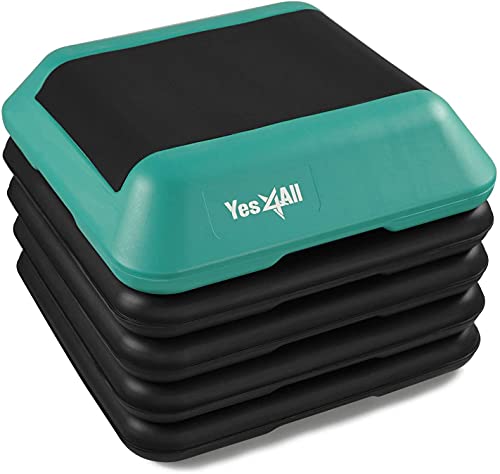
Yes4All 16x16 Adjustable Step Platform
A compact aerobic step platform with four removable risers that adjust from 4 to 12 inches, designed for home gym cardio workouts. Built from high-density polyethylene with a 275-pound weight capacity and slip-resistant surface.
Pros
- Height adjustability accommodates different fitness levels and exercise variations
- Lightweight and compact design makes it easy to move and store
- Anti-slip surface provides stability during workouts
- Sturdy construction with 275-pound weight capacity
Cons
- No customer reviews available to verify real-world durability and user experience
- Base platform appears limited to 4 inches minimum height, which may be too high for beginners
- Single 16x16 inch footprint may feel constraining for users with larger frames
BalanceFrom Aerobic Step Platform, 3-Level Adjustable
This adjustable step platform lets you customize height between 4, 8, and 6 inches to scale cardio and strength workouts. Built with non-slip surfaces and rated for 400 pounds, it's compact and lightweight enough for home gyms or group fitness classes.
Pros
- Adjustable risers let you scale intensity without buying multiple platforms
- Solid 400-pound weight capacity supports sustained daily use and various body types
- Textured top and rubber feet grip floors reliably during lateral and dynamic movements
- Lightweight and compact, fits small spaces and travels easily
- Smooth, rounded design minimizes injury risk for beginners
Cons
- No verified customer reviews available to confirm real-world durability or comfort
- Limited information on long-term wear of the non-slip surface with heavy use
- ABS plastic construction may show wear faster than steel alternatives under intensive studio-class settings
Fitvids 31-Inch Step Platform with Adjustable Risers
A compact aerobic step platform with four stackable risers that let you adjust heights from 4 to 6 inches for varied cardio and strength training. The textured, shock-absorbing surface provides stability during workouts, and the lightweight ABS construction makes it easy to move and store for home gym use.
Pros
- Multiple height adjustments via included risers let you customize intensity and progression
- Non-slip surface provides reliable grip and shock absorption during repetitive stepping
- Lightweight and durable ABS construction makes setup, movement, and storage straightforward
- Safety-conscious design with rounded edges reduces impact risk during workouts
Cons
- No verified user reviews available to assess real-world durability or performance feedback
- Weight specification listed as 0 pounds, suggesting incomplete or missing product data
- Limited to standard 31-inch square dimensions, which may not suit larger users or varied exercise preferences
Yes4All 2-in-1 Adjustable Step Platform, 4-6 Inch
A versatile step platform with interchangeable legs that adjusts from 4 to 6 inches, designed for both aerobic stepping and balance work. Its dual-leg system and compact design make it practical for home fitness, though durability under heavy use remains unverified by customer feedback.
Pros
- Dual-leg configuration provides multiple exercise options in one platform
- Adjustable height allows progressive difficulty increases
- Anti-slip surface and reinforced rubber feet protect both user and flooring
- Lightweight at 5.29 lbs and stores easily in small spaces
- Straightforward assembly without tools required
Cons
- No verified customer reviews available to confirm real-world durability or long-term reliability
- Limited to 200 lbs weight capacity, which may restrict use for heavier individuals
- Polypropylene construction may lack the durability of metal-based alternatives
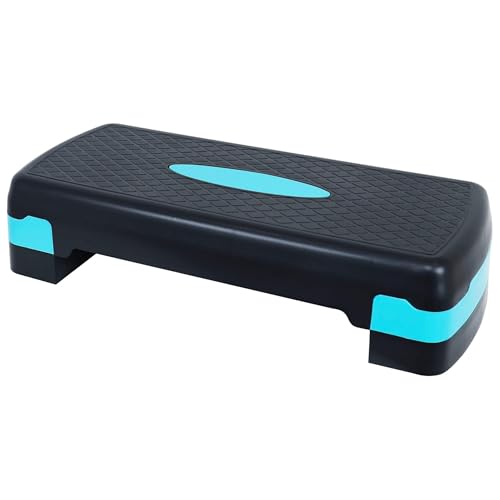
Fitvids 27-Inch Adjustable Aerobic Stepper
A compact step platform with adjustable height settings (4 or 6 inches) and non-slip textured surface, designed for home aerobic workouts. Built from durable ABS material and lightweight enough to move and store easily.
Pros
- Two height settings via included risers provide workout versatility
- Non-slip surface reduces fall risk during stepping exercises
- Lightweight and portable for easy relocation and storage
- Durable ABS material built to withstand regular use
Cons
- No verified customer reviews available to assess real-world durability claims
- Width (11 inches) may feel narrow for some users during high-impact stepping
- 4.5 rating appears to reflect zero actual customer feedback data
Amazon Basics 27" Adjustable Exercise Step Platform
A stackable aerobic stepper with adjustable 4 and 6-inch risers that lets you customize workout intensity for home cardio and strength training. Built from recycled materials with a 400-pound weight capacity and non-slip surface, it's compact enough to store risers underneath.
Pros
- Adjustable risers allow customizable workout intensity for different fitness levels
- High weight capacity of 400 pounds accommodates most users
- Eco-friendly construction using 100% recycled materials
- Compact design with under-platform storage keeps space efficient
- Non-slip surface and non-skid feet provide stable, safe stepping
Cons
- No verified customer reviews available to assess real-world durability and performance
- Limited color options (only Black/Grey available)
- Lightweight at 4.5 pounds may indicate less premium construction versus heavier alternatives
Goplus 30in Aerobic Stepper with Adjustable Heights
A lightweight, compact step platform offering three adjustable heights (5, 7, 9 inches) for progressive aerobic training and strength work. Designed for home or gym use with a 330 lb weight capacity and non-slip surface, though it lacks user reviews to validate real-world durability claims.
Pros
- Adjustable heights let users scale intensity gradually without buying multiple platforms
- Exceptionally lightweight and stackable for small spaces or portability between locations
- Non-slip surface and floor-protective base address safety and floor damage concerns
- High weight capacity of 330 lbs accommodates a wide range of users
Cons
- No verified user reviews available despite 4.5 rating, making durability and build quality difficult to assess independently
- Limited exercise variety compared to larger step platforms with handles or additional features
- 30 inch length may feel narrow for certain exercises or less stable positions
Yes4All Mini Exercise Step Platform with Risers
A compact, lightweight step platform designed for small spaces and apartments, featuring adjustable height from 3.1 to 5.1 inches and non-slip surfaces. Works well for cardio, strength training, and step aerobics across fitness levels.
Pros
- Easy height adjustment from 3.1 to 5.1 inches allows progressive intensity increases
- Non-slip diamond knurled platform and thickened rubber risers provide stable grip during workouts
- Compact, lightweight construction with built-in storage for risers makes it ideal for apartments and small home gyms
- Versatile for multiple workout types including step aerobics, squats, and pushups
Cons
- No verified customer reviews available to assess real-world durability and performance feedback
- Fixed platform size may limit exercise variety compared to larger step platforms
- Maximum height of 5.1 inches is relatively low for some advanced step training progressions
GYMMAGE Aerobic Step Platform, 26.5" with Adjustable 4-8" Height
A lightweight, adjustable aerobic step designed for cardio workouts and HIIT training at home or in the gym. The platform supports up to 400 lbs and offers three height settings via removable risers, with anti-slip surfaces and compact storage underneath.
Pros
- Height adjustability via removable risers accommodates all fitness levels and progressive training
- Durable ABS material with shock absorption provides stable performance for extended use
- Anti-slip design on top and base ensures safety during dynamic movements
- Lightweight and stackable storage makes it practical for home gym spaces
- Large platform surface allows variety of exercises beyond step-ups
Cons
- No verified customer reviews available to confirm real-world durability and user satisfaction
- 400 lb weight capacity may limit use for heavier individuals seeking lower impact options
- Risers require manual assembly and adjustment, adding setup time between workouts
Saicool 27.5" Adjustable Aerobic Step Platform
A lightweight, height-adjustable step platform that accommodates users up to 400 pounds with risers for 4, 6, and 8-inch heights. The non-slip rubber construction makes it suitable for home cardio workouts, though it lacks verified customer feedback to assess real-world durability.
Pros
- Adjustable heights let you scale difficulty from beginner to advanced
- High 400-pound weight capacity covers a wide user range
- Anti-slip design on both feet and surface improves safety during cardio
- Portable and lightweight for home or outdoor use
Cons
- No verified buyer reviews available to confirm long-term durability or build quality
- Limited information on material specifics beyond rubber construction
- 4.8-star rating lacks context without actual customer feedback
Aerobic Steppers Buying Guide
Choosing the right aerobic stepper comes down to more than just picking the cheapest option on the shelf. Platform size, height range, weight capacity, surface texture, and stability all affect how safe and effective your workouts will be.
The sections below break down each factor so you can match a stepper to your goals, space, and fitness level.
Platform Size and Footprint

The stepping surface needs to be large enough to accommodate your foot placement comfortably, especially when performing lateral step-overs or wide-stance moves. Most home steppers measure somewhere between 26 and 31 inches in length and 10 to 12 inches in width.
Shorter platforms are more portable and easier to store, while longer ones give you more room to shift your stance during a routine.
If you plan to use the stepper exclusively for traditional step aerobics, a compact model around 16 inches square can work well in a small apartment.
If you want to incorporate strength exercises or partner drills, a longer platform in the 27 to 31-inch range provides more flexibility.
Always measure your available floor space before buying, because even a lightweight stepper needs enough clearance for you to move freely around it.
Height Adjustability and Riser System

Most aerobic steppers use a stackable riser system that lets you raise the platform in two-inch increments.
Entry-level models typically offer two or three height settings (commonly four, six, and eight inches), while more advanced platforms can reach ten or twelve inches.
The higher the step, the greater the cardiovascular demand and the more muscle activation you get per repetition, which is why adjustability matters so much as your fitness improves.
Pay attention to how the risers attach. Snap-on risers that click firmly into place stay secure during high-intensity routines, whereas loosely fitting risers can shift mid-workout and create a safety hazard.
Some models use a half-round or curved leg design that offers a subtle rocking motion for balance training, which adds variety but may feel unstable for beginners.
Beginners will generally do best starting at four to six inches and progressing gradually.
Weight Capacity and Build Quality
Weight capacity varies widely across budget and mid-range steppers. Many models support between 220 and 300 pounds, while heavy-duty options can handle up to 400 pounds or more.
Always check the stated capacity against your own body weight with a meaningful safety margin, especially if you plan to perform jumping or plyometric movements that place additional dynamic load on the platform.
Build quality is closely tied to the materials used. High-density polypropylene platforms tend to be more durable and crack-resistant than lower-grade plastics, and they hold up better under repeated impact.
Look for reinforced connection points where the risers lock into the deck, as this is the most common failure point on cheaper models. Verified buyer feedback across multiple platforms consistently highlights riser durability as a top concern for long-term satisfaction.
Non-Slip Surface and Foot Pads
The stepping surface should provide firm grip whether you are wearing athletic shoes or working out in socks. A textured or rubberized top layer reduces the risk of slipping during fast lateral movements or sweaty sessions.
Some steppers feature a ridged texture molded directly into the deck, while others apply a separate rubber mat on top. Both approaches can work well, but the molded texture tends to last longer and does not peel over time.
The underside of the platform matters just as much. Rubber or silicone foot pads grip hardwood floors and tile without scratching or sliding. If you work out on carpet, a flatter base with wider contact points will feel more stable.
Thin rubber dots are common on budget models and may compress under heavy use, so look for thicker, wider pads if you work out on smooth or slippery surfaces.
Pairing your stepper with a quality exercise mat also helps, particularly on hard floors.
Portability and Storage
One of the biggest advantages of an aerobic stepper over larger cardio equipment like a folding treadmill is how easy it is to move and store.
Most steppers weigh between five and ten pounds, making them simple to carry between rooms or tuck under a bed or couch after use. Risers typically stack underneath the deck for a compact footprint when not in use.
If storage space is very limited, prioritize a model with a short deck length and risers that nest neatly inside or underneath the platform.
Some longer platforms do not offer built-in riser storage, which means you will need a separate spot to keep the risers.
If portability is a priority and you travel frequently, look for lighter models under seven pounds with handles or a compact profile that fits in a gym bag or travel case.
Value and Long-Term Durability
Aerobic steppers span a wide range of price points, from budget-friendly entry-level options to more substantial mid-range platforms with higher weight capacities and more height settings.
A lower price can be very appealing, but verified buyer reviews frequently note that the cheapest models develop wobble or cracking within months of regular use.
Spending a bit more on a model with thicker deck material and secure riser locks usually pays off over a longer workout life.
Consider how often you plan to use the stepper. Occasional light use a couple of times per week can be handled by most budget options, but daily intense sessions call for a sturdier build.
Brands like Yes4All and BalanceFrom have established track records across multiple step platform models, and their products consistently earn positive marks from verified buyers for durability and stability.
Checking manufacturer warranty terms (typically one year on most models) gives you an added layer of confidence in the purchase.
Why You Should Trust Us
ProductFind is an independent editorial platform. We do not sell products, manage orders, or handle returns. Our goal is to give you clear, research-backed guidance so you can make a confident purchase decision on your own.
Every aerobic stepper in this roundup was evaluated using our structured research process. We analyze published specifications, assess expert review consensus from fitness publications and certified trainers, and weigh verified buyer feedback from confirmed purchasers.
We do not conduct our own product trials; our evaluations are grounded in research, published data, expert review consensus, and verified buyer feedback.
Each product receives a PF Score on a scale of 0 to 10, reflecting overall quality relative to the category. The scores drive our ranking order and are never influenced by commercial relationships.
ProductFind may earn an affiliate commission when you purchase through links on this page. That relationship has no effect on our rankings, scores, or editorial selections. Products are recommended solely on the merits of our research.
Final Thoughts
After evaluating eleven aerobic step platforms across adjustability, stability, surface grip, weight capacity, and overall build quality, a few models stand out clearly for different types of buyers. Here are our top picks by category:
- Best Overall: The Step Small Aerobic Stepper earns the top PF Score in this roundup thanks to its proven design, reliable grip surface, and consistent praise from both fitness experts and long-term users.
- Best Adjustable Platform: Yes4All 16×16 Adjustable High Step Aerobic Platform offers the widest height range in the group, from four inches all the way up to twelve, making it ideal for users who want to progress their training over time.
- Best for Heavy-Duty Use: BalanceFrom Aerobic Step Platform Trainer stands out for its 400-pound weight capacity, making it the most inclusive option in the lineup for users who need extra peace of mind on load limits.
- Best Budget Pick: Amazon Basics Aerobic Exercise Step Platform delivers reliable adjustability and a non-slip surface at one of the lowest price points in the roundup, making it a smart entry point for beginners.
- Best for Balance Training: Yes4All 2-in-1 Adjustable Aerobic Stepper adds a half-round leg design that introduces a balance challenge alongside standard step routines, broadening the range of exercises you can perform.
No matter your fitness level or budget, there is a solid aerobic stepper in this list to match your needs.
If you are also building out a more complete home cardio setup, an under-desk treadmill pairs well with a stepper for variety across different workout styles.
Frequently Asked Questions
What height should I start with on an aerobic stepper?
Most fitness trainers recommend beginners start at four inches, which is the lowest riser setting on the majority of platforms.
This height is enough to elevate your heart rate through basic step-up patterns without placing excessive strain on the knees or ankles.
Once you can complete a 20 to 30-minute routine comfortably at four inches, stepping up to six inches provides a noticeable increase in intensity. Progress further only when you feel stable and confident at each level.
Are aerobic steppers safe for people with knee problems?
Step aerobics is generally considered low-impact compared to running or jumping, which makes it a popular option for people managing mild knee discomfort.
However, the safest approach is to keep the platform height low and focus on controlled, deliberate movements rather than fast footwork.
If you have an existing knee injury or chronic joint condition, consult a physical therapist or physician before starting a step routine. Using proper footwear with good cushioning also reduces impact on the joints during each step.
How do aerobic steppers compare to using actual stairs?
Aerobic steppers offer a controlled, consistent step height that real stairs cannot replicate, which makes them better suited for choreographed aerobic routines.
The non-slip surface and stable platform also reduce fall risk compared to household stairs, particularly during lateral or crossing movements. Steppers also allow you to work out in a small, dedicated space without navigating a staircase.
For pure cardiovascular conditioning, both approaches are effective, but a stepper gives you far more exercise variety in a confined area.
Can I use an aerobic stepper for strength training as well?
Yes, and this is one of the most underutilized benefits of a step platform. You can use a stepper as an elevated surface for incline push-ups, decline push-ups, Bulgarian split squats, step-up lunges, and even seated dumbbell exercises.
NASM-certified trainers frequently highlight the stepper’s versatility for combining cardio intervals with strength movements in a single session.
At higher height settings (eight inches or more), the platform also works well as a bench substitute for lighter upper-body work, making it a genuinely multi-purpose piece of home gym equipment.
How do I clean and maintain an aerobic stepper?
Most aerobic step platforms are made from polypropylene plastic, which is easy to wipe down with a damp cloth and mild soap after each session.
Avoid harsh chemical cleaners that can degrade the rubber foot pads or surface texture over time. Periodically check that the risers are locked firmly in place and inspect the contact points for any signs of cracking or wear.
Storing the stepper indoors away from direct sunlight and extreme temperatures will extend its lifespan significantly, as UV exposure and heat can cause plastic to become brittle over time.
Is an aerobic stepper worth buying if I already own a treadmill?
Absolutely. A stepper complements a treadmill rather than duplicating it. While a treadmill provides steady-state walking and running, a stepper adds choreographed cardio variety, lateral movement training, and strength exercise options that a treadmill simply cannot deliver.
Steppers are also far more compact and less expensive, so they add significant training versatility without a major investment in space or budget.
Many home gym enthusiasts use both for a balanced weekly routine that covers endurance, agility, and functional strength.
About the author
Chad is a reviewer and writer for ProductFind who specializes in Cardio & Conditioning Equipment. Chad evaluates products through independent research: specifications, expert review consensus, and verified buyer feedback, and rates each one on the PF Score. Chad focuses on helping readers pick the right cardio & conditioning equipment for their needs and budget.