The 11 Best Electric Bikes
Choosing an electric bike means weighing motor power, battery range, frame style, and tyre type all at once. This guide breaks down the top picks for commuters, trail riders, and everyone in between.
 By Arlene Lawrence
Updated July 23, 2026
By Arlene Lawrence
Updated July 23, 2026
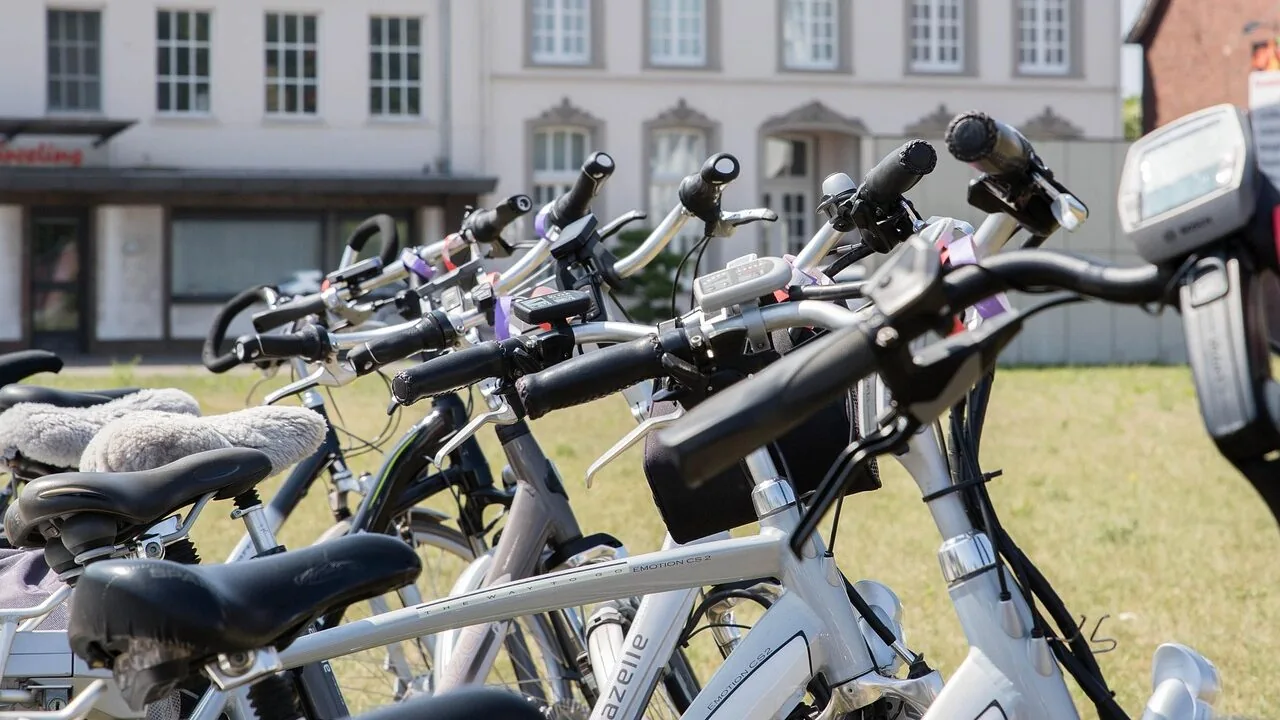
Electric bikes have moved well beyond novelty status.
Whether you’re cutting your commute time, exploring gravel paths on weekends, or looking for a way to stay active without the sweat-soaked arrival at work, the right e-bike can genuinely change how you move through your day.
The market has exploded in recent years, and with it have come hundreds of models spanning wildly different price points, motor sizes, frame styles, and battery capacities.
Sorting through all of that on your own is a real challenge, especially when spec sheets are written to impress rather than inform.
At ProductFind, we cut through the noise by synthesizing manufacturer specifications, expert review consensus from across the cycling and tech media landscape, and verified buyer feedback from confirmed purchases.
Every model in this guide has been assessed against a consistent set of criteria and awarded a PF Score on our 0 to 10 scale.
From budget-friendly folding commuters to full-suspension fat tire rigs, the picks below represent the strongest value at every niche. Scroll down to find your best match.
| Award | Product | PF Score About PF ScoreThe PF Score is our own rating from 0 to 10, based on performance, design and build, ease of use, and value. It reflects independent research and is never influenced by manufacturers, retailers, or affiliate commissions. Learn more › | Price | |
|---|---|---|---|---|
| Best Overall |
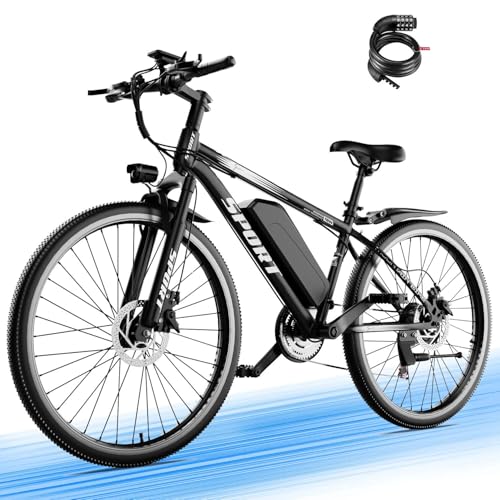 ASKGO 1500W Electric Mountain Bike, 65-Mile Range
|
7.5/10 | Buy | |
| Editor's Pick |
 Jasion EB5 26-Inch Electric Mountain Bike, 1000W Motor
|
7.0/10 | Buy | |
| Best Value |
 Gotrax R1 20-Inch Folding E-Bike, 40-Mile Range
|
6.5/10 | Buy | |
| Top Rated |
 TS TST GRP LLC 1500W Fat Bike, 65-Mile Range
|
6.5/10 | Buy | |
 TST 1500W Peak Fat Tire E-Bike, 48V 15Ah, 60-Mile Range
|
6.0/10 | Buy | ||
 Jasion EB5 MAX 2000W Fat Tire E-Bike, 48V 720Wh
|
6.0/10 | Buy | ||
 Gotrax Dolphin 26in Step-Through Electric Bike
|
5.5/10 | Buy | ||
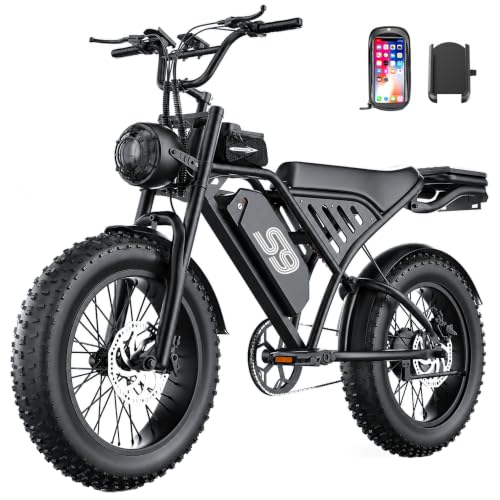 ASKGO S9 2500W Electric Fat Bike, 65-Mile Range
|
5.5/10 | Buy | ||
 DTTZH F6 Peak 1500W Fat Tire E-Bike
|
5.5/10 | Buy | ||
 VEBLUE 1500W Folding E-Bike, 52V 20Ah, 70-Mile Range
|
5.0/10 | Buy | ||
 Yozma IN10 2600W Electric Dirt Bike, 40 MPH
|
4.0/10 | Buy |
ASKGO 1500W Electric Mountain Bike, 65-Mile Range
This 1500W peak motor e-bike combines trail capability with commute practicality, reaching 25 MPH and delivering up to 65 miles per charge. Dual suspension and 400-lumen lighting prioritize comfort and visibility, though the 4-5 hour recharge time and lack of verified buyer feedback warrant consideration.
Pros
- High power output (1500W peak) handles steep inclines and sustained speed well
- Extended range of 65 miles reduces charging frequency for longer trips
- Dual suspension and all-weather features suit both urban commuting and trail riding
- Fast recharge window (4-5 hours) keeps downtime minimal
- Comprehensive 36-month warranty provides long-term confidence
Cons
- No verified customer reviews available to assess real-world reliability or durability
- Recharge time of 4-5 hours may not suit riders needing quick turnarounds
- 26-inch frame and Large size limit accessibility for shorter riders or those preferring compact options
Jasion EB5 26-Inch Electric Mountain Bike, 1000W Motor
A budget-friendly commuter e-bike with a 1000W motor, 500Wh removable battery offering 25-40 mile range, and practical features like 7-speed gears and front suspension. Best suited for daily urban and light off-road riding rather than aggressive terrain.
Pros
- Removable battery design makes charging flexible and eliminates carrying the whole bike indoors
- Four distinct riding modes cater to different commuting situations and rider preferences
- Lightweight frame and suspension provide comfort on uneven roads without excessive weight
- Mechanical disc brakes on both wheels offer reliable stopping power in various conditions
- Customizable pedal assist levels (1-3) and adjustable LCD display backlight add user control
Cons
- No verified buyer reviews available yet, making real-world durability and performance unconfirmed
- 26-inch tires are smaller than some modern e-bike standards, potentially limiting traction on technical trails
- Booster mode limited to 4.5-7.5 km/h may not provide significant assistance on steeper climbs
Gotrax R1 20-Inch Folding E-Bike, 40-Mile Range
A compact folding electric bike designed for urban commuters and casual riders, the R1 pairs a 48V battery with a 350W motor to hit 20mph while weighing just 45 pounds. The foldable frame fits car trunks and subways, making it practical for mixed-mode commuting.
Pros
- Genuinely portable for a full-sized e-bike at 45 pounds; folds to fit car trunks
- Reasonable range on mixed riding (25 miles with pedal assist covers typical commutes)
- Dual disc brakes and night-ride safety gear included from the box
- Responsive customer support with extended warranty coverage
- Affordable entry point for e-bike shoppers hesitant about cost
Cons
- No verified buyer reviews available yet, so real-world durability and user experience remain unproven
- 40-mile max range assumes ideal conditions; pure electric mode limited to 15.5 miles
- 20mph top speed is modest compared to mid-range e-bikes and may feel slow on longer commutes
TS TST GRP LLC 1500W Fat Bike, 65-Mile Range
This 1500W electric fat bike targets serious off-road riders and long-distance commuters with a 65-mile range and dual suspension. Oversized 20-inch tires and high torque handle varied terrain, though real-world range and build quality depend on actual user conditions.
Pros
- Powerful 1500W motor with 90N.m torque climbs steep grades (35-degree hills claimed)
- 65-mile range on removable 15Ah battery suits extended commutes and weekend trips
- Full dual suspension (front and rear) reduces vibration on rough trails
- 20x4-inch fat tires provide stable traction across sand, snow, mud, and gravel
- 5 pedal-assist levels and 7-speed transmission adapt to different terrains and fitness levels
Cons
- No verified customer reviews available to validate manufacturer claims about range and motor performance
- Fat bike design and 1500W motor weight likely makes it heavy; portability and storage unclear
- 180-day warranty is relatively short for an e-bike investment; long-term durability unproven
TST 1500W Peak Fat Tire E-Bike, 48V 15Ah, 60-Mile Range
A full-featured electric bike designed for commuting and off-road riding, powered by a 750W motor (1500W peak) with up to 60 miles of range per charge. The 20-inch fat tires, dual suspension, and 7-speed gearing make it suitable for varied terrain, though its 66-pound weight and lack of verified owner feedback limit its evaluation.
Pros
- Strong motor performance with 1500W peak power suits daily commuting and light off-road use
- Removable battery allows flexible charging at home or outdoors; 6-7 hour full charge time is reasonable
- Full suspension system and fat tires cushion bumps and provide stable grip on varied surfaces
- Decent range for a single charge, especially in PAS mode, reduces frequent recharging needs
- Multiple riding modes and 7-speed gears adapt to city streets, mountains, and beaches
Cons
- No verified buyer reviews available (4.9 rating with zero reviews) limits real-world performance validation
- 66-pound weight and 20-inch frame may be challenging for users seeking a lightweight or compact e-bike
- Battery range drops to 40 miles in throttle mode, requiring mode selection awareness for longer rides
Jasion EB5 MAX 2000W Fat Tire E-Bike, 48V 720Wh
A powerful full-featured electric mountain bike with a 2000W motor, 48V 15Ah battery, and 26" x 4" fat tires designed for mixed terrain. Best suited for riders seeking high performance and range, with practical features like cruise control, fenders, and rear rack for commuting or off-road adventures.
Pros
- High power motor and generous battery capacity enable long-distance riding and steep terrain handling
- Fat tires and lockable suspension fork provide stable, comfortable performance across diverse terrains
- Practical accessories included: fenders, rear rack, and enhanced lighting reduce need for purchases
- Removable, lockable battery offers charging flexibility and theft deterrence
- Password-protected dashboard adds personalized security layer
Cons
- No customer reviews available yet to validate real-world performance and reliability claims
- High peak wattage and weight (inherent to fat tire e-bikes) may limit portability and maneuverability in tight spaces
- Limited information on warranty coverage, customer support, or long-term durability from independent sources
Gotrax Dolphin 26in Step-Through Electric Bike
A step-through commuter e-bike with 350W motor, 26-inch wheels, and flexible riding modes. Offers 15.5 miles on electric-only power or 30+ miles with pedal assist, plus adjustable comfort features and dual disc brakes for daily urban and suburban use.
Pros
- Extended range in pedal-assist mode makes it practical for longer commutes
- Step-through frame design suits riders of various heights and mobility needs
- Multiple riding modes adapt to different trip purposes and rider preference
- Removable battery allows for charging flexibility and potential extra battery use
- Shimano 7-speed drivetrain handles varied terrain
Cons
- Limited electric-only range of 15.5 miles means frequent recharging for longer pure e-bike trips
- No verified customer reviews available to validate real-world performance claims
- 5.5-hour charge time may be inconvenient for daily commuters without multiple batteries
ASKGO S9 2500W Electric Fat Bike, 65-Mile Range
A powerful off-road e-bike built for serious terrain with a 2500W motor, 65-mile range, and full suspension. Best suited for riders seeking aggressive performance over casual commuting, though the lack of verified buyer feedback limits real-world insights.
Pros
- Powerful drivetrain handles steep terrain and demanding off-road conditions
- Removable battery enables flexible charging at home or away
- Full suspension and fat tires reduce vibration on rough surfaces
- 80% pre-assembly and included tools lower setup friction
- NFC unlock is a practical convenience feature
Cons
- No verified buyer reviews available to confirm real-world performance claims
- 2500W power output may exceed legal limits in some regions
- Heavy-duty specs suggest significant weight, affecting portability and handling
DTTZH F6 Peak 1500W Fat Tire E-Bike
A full-suspension electric fat bike with 1500W peak power and 60-mile PAS range, designed for varied terrain and daily commuting. Features NFC unlock, removable battery with fast charging, and 3 riding modes, though real-world performance depends on terrain and rider weight.
Pros
- Powerful 1500W peak motor cuts through challenging terrain efficiently
- Fast 3A charging significantly reduces downtime versus standard 2A chargers
- Full suspension and oversized fat tires absorb impacts and grip diverse surfaces
- NFC unlock and LCD display simplify daily operation and trip planning
- 30-day return policy and comprehensive warranty reduce purchase risk
Cons
- No verified buyer reviews available yet to confirm real-world performance claims
- 60-mile range requires pedal-assist; pure electric mode offers only 24 miles
- Removable battery design adds complexity and potential wear over time
VEBLUE 1500W Folding E-Bike, 52V 20Ah, 70-Mile Range
A powerful folding electric bike with a 1500W motor and 52V 20Ah battery capable of 40-70 miles per charge, designed for commuting and off-road trails. Fat 20-inch tires, dual suspension, and dual disc brakes handle varied terrain, though the 71-pound weight and lack of verified user reviews limit confidence in real-world durability claims.
Pros
- High-torque 1500W motor delivers strong acceleration and hill-climbing ability
- Removable 52V 20Ah battery with dust and moisture protection charges fully in 6-8 hours
- Fat tires and dual suspension provide comfortable, stable riding on multiple terrain types
- Foldable design prioritizes storage and portability for urban commuters
- Five assist modes and bright headlight enhance safety and ride customization
Cons
- No verified customer reviews yet, so real-world reliability and durability are unconfirmed
- At 71 pounds, the weight may challenge some users during manual folding or transport
- Range claims (40-70 miles) are theoretical and depend heavily on terrain, rider weight, and assist mode
Yozma IN10 2600W Electric Dirt Bike, 40 MPH
A 2600W mid-drive electric dirt bike designed for off-road trails with a 48V/23Ah battery offering up to 53 miles of range. Full hydraulic suspension and EABS braking make it capable on steep terrain, though it requires proper assembly and legal compliance checks before riding.
Pros
- High torque output and hill-climbing capability meet motocross performance standards
- Extended range battery with safety certifications suitable for long trail rides
- Premium suspension system provides stable damping on demanding terrain
- Hydraulic disc brakes deliver consistent stopping power in adverse conditions
- Removable battery allows convenient charging away from the bike
Cons
- Requires correct assembly of brakes and wheels before initial use, suggesting potential setup complexity
- Subject to local age and licensing restrictions that vary by jurisdiction
- No verified customer reviews available to confirm real-world performance claims
Electric Bikes Buying Guide
Buying an electric bike in 2026 is a very different experience from buying a traditional bicycle. The motor system, battery chemistry, frame geometry, and braking hardware all interact in ways that make a huge difference to real-world rideability.
Use the criteria below to match the right machine to your actual riding life rather than the ideal riding life you imagine on a sunny afternoon.
Motor Type and Peak Power

Every e-bike in this guide carries a rated continuous motor output alongside a “peak” figure. Peak power is the burst a motor can produce for short intervals on steep climbs or from a standing start.
Continuous wattage is what the motor actually sustains during normal riding, and that number matters far more to everyday feel.
A 350W continuous motor paired with a quality torque sensor will often feel livelier than a nominally higher-wattage hub motor running a cadence sensor.
Hub motors, which are mounted in the front or rear wheel, dominate the budget and mid-range segments represented here. They are simpler, cheaper to maintain, and more than adequate for flat-to-moderate terrain.
Mid-drive motors, found mostly on premium trail bikes, place the motor at the bottom bracket, which lowers the centre of gravity and delivers more natural handling, especially on technical climbs.
If you plan to tackle serious hills regularly, prioritise torque output (measured in Newton-metres) alongside peak wattage, since torque determines pulling power at low speed.
Riders who want two-wheel transport that pairs well with trail-ready mountain bikes for weekend mixed-terrain outings should look specifically at mid-drive or high-torque hub options, since flat-trail pedalling efficiency is where hub motors sometimes fall short on very technical singletrack.
Battery Capacity and Real-World Range

Battery capacity is measured in watt-hours (Wh), calculated by multiplying voltage by amp-hours. A 48V 15Ah pack delivers 720Wh of stored energy, and that number sets a rough ceiling on how far you can ride.
Advertised range figures are always best-case scenarios captured on flat roads at low assist levels with a light rider.
Expect real-world range to be 60 to 70 percent of the claimed figure when you factor in hills, wind, higher assist settings, and a loaded rack.
Removable batteries are a significant quality-of-life advantage. Being able to charge the pack indoors without rolling the whole bike to a socket, or swap a second battery for extended touring, adds meaningful flexibility.
Check whether the battery uses a standard lock-and-key or a proprietary mounting system, since proprietary setups complicate future replacement once the original cell degrades after several hundred charge cycles.
Frame Style and Fit
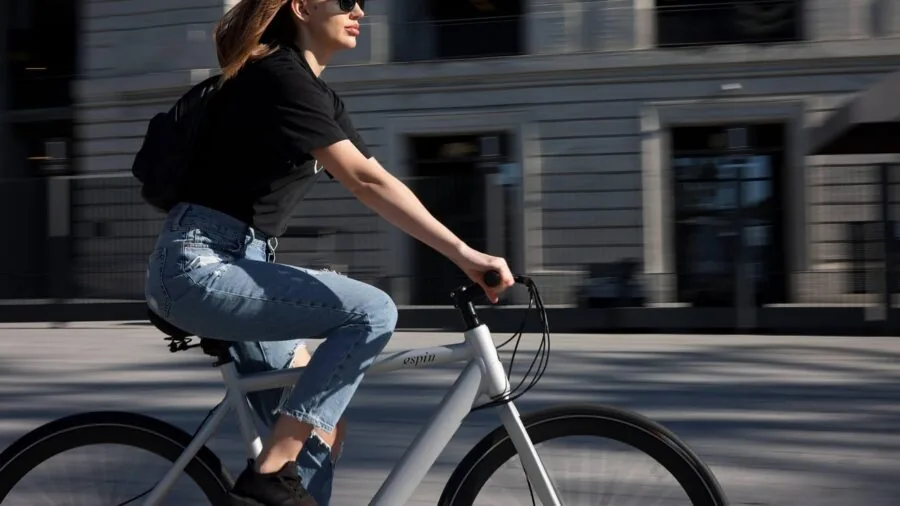
E-bike frames fall into a handful of practical categories, and choosing the wrong one is the most common buyer regret.
Step-through frames, like those on the Gotrax Dolphin in this guide, make mounting and dismounting effortless, which matters enormously for urban stops and for riders with limited hip mobility.
Traditional diamond frames offer greater structural rigidity for heavier motor and battery loads, making them the default choice for mountain and fat tire builds.
Folding frames, such as the Gotrax R1, trade a small amount of rigidity for the ability to store the bike in an apartment, under a desk, or in the boot of a car.
They are almost always heavier than comparable rigid frames because of the hinge hardware, so weigh that trade-off carefully.
If you share a household with younger riders on their own bikes, a folding e-bike with a compact footprint makes garage space much less contentious.
Rider height and inseam determine whether a given frame size is comfortable for extended riding.
Always check the minimum and maximum saddle-height range before purchasing, since many budget e-bikes offer limited adjustability, and a poor fit causes fatigue and knee strain long before the battery runs out.
Tyre Size and Terrain Suitability
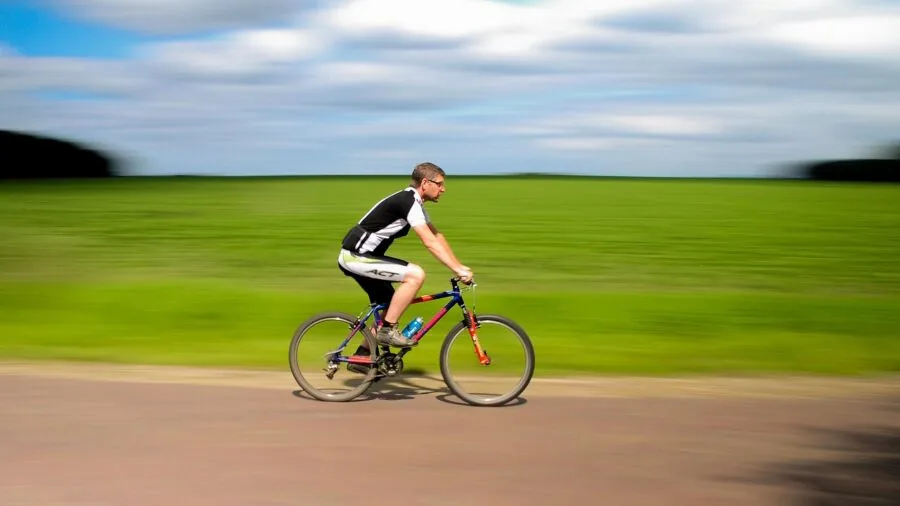
Tyre width is one of the fastest ways to categorise an e-bike’s intended use. Standard road or hybrid tyres (1.75 to 2.2 inches wide) roll efficiently on pavement, reduce rolling resistance, and keep weight manageable.
Fat tyres (3.8 to 4.8 inches wide), like those on the DTTZH F6 and the ASKGO models in this guide, provide dramatically increased traction on sand, gravel, mud, and snow, making them a versatile choice for riders who face mixed surfaces or live in climates with variable weather.
The trade-off with fat tyres is rolling resistance. On smooth asphalt at cruising speed, a fat tyre e-bike will consume more battery energy per kilometre than a comparable narrow-tyre model.
If your riding is 90 percent urban pavement, a fat tyre setup may be overkill and you will pay in range. If your routes include unpaved paths, fire roads, or beach access, the added grip and cushioning are well worth it.
Riders who also enjoy gravel riding on unpowered bikes will find fat tire e-bikes occupy a similar headspace for mixed-surface adventure.
Braking System

An electric bike can weigh two to three times as much as an equivalent acoustic bicycle, and it reaches higher speeds, which makes braking hardware genuinely safety-critical rather than a minor spec point.
Mechanical disc brakes are the minimum acceptable standard for any e-bike in 2026. They offer reliable stopping in wet conditions, resist rim-wear from heavy weight, and are straightforward to adjust.
Hydraulic disc brakes go further: they modulate more progressively, require less lever force, and self-adjust as pads wear down.
Motor inhibitors, sometimes called cut-off sensors, are a closely related safety feature. These sensors detect brake-lever activation and cut motor power instantly, preventing the motor from fighting the brakes mid-stop.
Verify that any bike you consider includes motor inhibitors on both levers, not just one. Budget models sometimes omit the front inhibitor, which creates an inconsistent braking feel that takes time to get used to.
The Yozma IN10 in this guide specifies full hydraulic brakes and is the only model here positioned as a full dirt bike, so brake quality carries extra weight in that context.
Pedal-Assist Levels and Throttle
Pedal-assist systems (PAS) engage the motor in response to pedalling. Most bikes in this guide offer five PAS levels, giving you a broad spectrum from barely-there assistance to near-full motor power.
More PAS levels mean finer control over the energy-versus-effort trade-off, which is particularly useful for longer commutes where you want to arrive fresh but still get some exercise.
Throttle operation, where the motor engages without pedalling, is also present on many models here. In many jurisdictions, throttle use classifies a bike as a moped rather than a bicycle and requires registration, insurance, and a driving licence.
Check your local regulations before relying on throttle mode for daily use. For pure commuters who want to stay within bicycle classification, models with a PAS-only mode are the safer long-term choice.
Riders already familiar with performance road bikes often find they prefer PAS-only configurations, since the pedalling feedback feels far closer to a traditional cycling experience.
Why You Should Trust Us
ProductFind is an independent review publication. We do not sell products, fulfil orders, or represent any manufacturer.
Every e-bike in this guide was selected through a structured research process: we examined published specifications, cross-referenced expert review consensus from cycling media, analysed verified buyer feedback from confirmed purchasers, and consulted publicly available safety and certification data.
We do not conduct our own product trials; our evaluations are grounded in research, published data, expert review consensus, and verified buyer feedback.
Each product is rated using our PF Score on a consistent 0 to 10 scale.
The criteria applied to every e-bike include motor output and torque delivery, battery capacity and claimed range, frame quality and fit options, braking hardware, display and control usability, safety certifications (such as UL 2849 for the electrical system), and long-term owner satisfaction drawn from aggregated verified reviews.
Products are ranked by PF Score within this article, with the highest-scoring models listed first.
ProductFind may earn an affiliate commission when you purchase through links in this article. That commercial relationship has no bearing on which products appear in our guides, how they are ranked, or what PF Score they receive.
Our editorial positions are determined by research quality and consumer benefit, not by commission rates.
Final Thoughts
The electric bike market rewards careful research, and the models in this guide cover an unusually wide range of rider needs, from lightweight urban commuters to heavy-duty off-road machines.
Below are the standout picks by category, each reflecting the PF Score earned through our evaluation process.
- Best Overall: ASKGO Electric Bike for Adults 26″ Mountain Ebike earns the top PF Score in this group with a compelling combination of accessible pricing, solid range, a removable battery, and a well-regarded motor output for everyday commuting and light trail use.
- Best for Everyday Commuting: Jasion EB5 Electric Bike 26″ is the closest runner-up overall, offering a refined commuter package with seven-speed gearing, front suspension, and a removable battery at a budget-friendly price point that makes it one of the strongest value propositions in the guide.
- Best Folding E-Bike: Gotrax R1 20″ Folding Electric Bike is the top pick for riders who need a compact, storable commuter. At a manageable weight for a folding e-bike and five pedal-assist levels via a clear LCD display, it handles leisure rides and urban commutes without taking over your living space.
- Best Fat Tire Pick: TS TST GRP LLC Retro Ebike 20″x4″ Fat Tire stands out in the fat tire segment with full suspension, a generous claimed range, and a retro aesthetic that sets it apart from utilitarian-looking competitors. It earns the joint-highest PF Score among the fat tire entries in this guide.
- Best Budget Entry: Gotrax Dolphin 26″ Step-Thru Electric Bike is the most accessible starting point for riders new to e-bikes who want a reputable brand, a comfortable step-through frame, and enough range for neighbourhood and light commute use without a major financial commitment.
Whichever model you choose, prioritise fit, battery removability, and braking quality above headline motor wattage. Those three factors have the biggest effect on whether an e-bike becomes a daily-use tool or ends up gathering dust.
If you are still building out a broader cycling setup, exploring options like mountain bikes or gravel bikes alongside an e-bike can give you a well-rounded fleet for every type of ride.
Frequently Asked Questions
How fast do electric bikes go?
Most Class 1 and Class 2 electric bikes in the US are electronically limited to 20 mph in motor-assisted mode. Class 3 bikes, sometimes called speed pedelecs, can assist up to 28 mph.
Several models in this guide, including the Jasion EB5 MAX and the ASKGO S9, advertise speeds above 28 mph, which may classify them as mopeds rather than bicycles in many jurisdictions.
Always check local regulations before riding at top assist speed on public roads or shared paths.
How long does an e-bike battery last before it needs replacing?
Lithium-ion battery packs used in electric bikes typically retain around 80 percent of their original capacity after 500 to 800 full charge cycles, depending on cell quality and how the battery is stored and charged.
For a rider covering 20 to 30 miles per charge several times a week, that translates to roughly three to five years of useful battery life.
Avoid storing a depleted battery for extended periods and keep it away from temperature extremes to maximise longevity. Replacement packs are available for most models in this guide, though proprietary mounting systems can limit your options to the original brand.
Do I need a licence or insurance to ride an electric bike?
In most US states, Class 1 and Class 2 e-bikes are legally treated as bicycles and require no licence, registration, or insurance. Class 3 bikes may require a helmet by law and can be restricted from certain shared paths.
E-bikes with throttle modes that exceed 750W continuous or 28 mph may be reclassified as motor vehicles in some states.
Several models in this guide, notably the Yozma IN10 positioned as an electric dirt bike, operate in a regulatory grey area and should be ridden only on private property or designated off-road areas unless you have confirmed their legal status locally.
What is UL 2849 certification and why does it matter?
UL 2849 is a safety standard published by Underwriters Laboratories that covers the entire electrical system of an e-bike, including the battery, charger, motor, and wiring. A bike carrying UL 2849 certification has been independently assessed for electrical and fire safety risks.
Given that low-quality lithium-ion batteries have been responsible for serious residential fires, UL 2849 certification provides meaningful reassurance that the battery management system meets a recognised benchmark. The DTTZH F6 in this guide explicitly carries this certification.
When comparing models that lack it, factor in whether the brand has a credible track record and whether the battery uses name-brand cells.
Is a fat tire e-bike better than a standard e-bike for commuting?
It depends entirely on your commute surface and local weather. Fat tire e-bikes shine on unpaved paths, loose gravel, wet cobblestones, and light snow, providing grip and cushioning that narrower tyres cannot match.
On smooth urban asphalt, the additional rolling resistance of fat tyres drains the battery faster and makes pedalling without assist more laborious. A standard hybrid-tyre setup is the more efficient choice for pure pavement commuters.
If your route mixes both surfaces, or if you want one bike that doubles as a weekend trail machine, a fat tire model earns its keep.
Riders who also spend time on road bikes for pure-speed pavement riding will likely prefer keeping those two use cases on separate machines.
Can children ride on an electric bike as a passenger?
Some e-bikes, particularly cargo-oriented models and those with reinforced rear racks rated for high payloads, can legally carry a child passenger in a properly mounted child seat or cargo box.
None of the models in this specific guide are purpose-built cargo bikes, so passenger use should be approached cautiously and only on frames with racks rated to the combined weight.
For families looking at younger riders independently, a dedicated kids bike sized to their age and height is a much safer and more appropriate solution than adapting an adult e-bike.
About the author
Arlene is a reviewer and writer for ProductFind who specializes in Cycling. Arlene evaluates products through independent research: specifications, expert review consensus, and verified buyer feedback, and rates each one on the PF Score. Arlene focuses on helping readers pick the right cycling for their needs and budget.