The 10 Best Floor Bike Pumps
Proper tire pressure prevents flats and improves every ride. Our research across gauges, valve designs, and build quality surfaces the floor pumps that consistently deliver accurate, reliable inflation.
 By Arlene Lawrence
Updated July 23, 2026
By Arlene Lawrence
Updated July 23, 2026
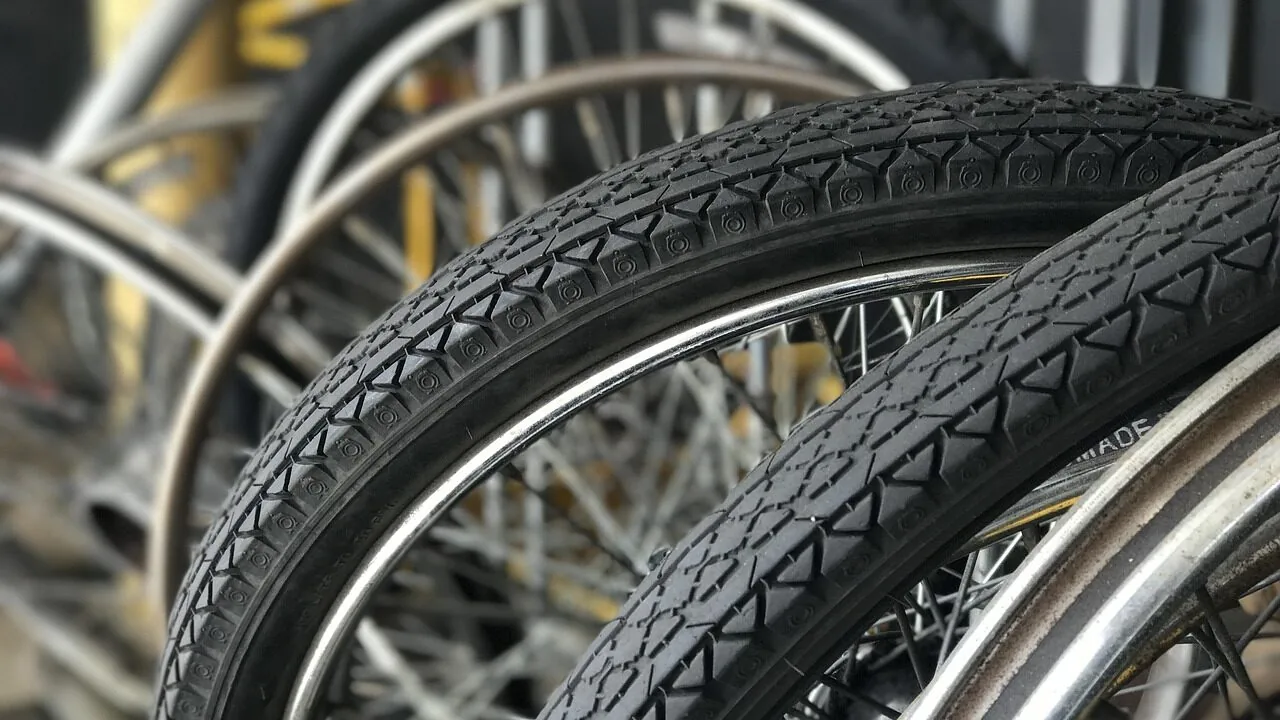
A reliable floor bike pump is one of those tools that quietly earns its keep every single ride.
Running your tires at the wrong pressure costs you speed on the road, traction on the trail, and can cause pinch flats that ruin an otherwise perfect morning.
Yet most cyclists still make do with a wobbly, hard-to-read pump that leaves them guessing.
With options ranging from budget-friendly basics to high-performance models built for tubeless seating, choosing the right floor pump takes more than a glance at the price tag.
To help you cut through the noise, the ProductFind team researched the most popular floor bike pumps available today, synthesizing manufacturer specifications, expert review consensus from across the cycling press, and verified buyer feedback from thousands of confirmed purchases.
Whether you ride a high-pressure road bike, a mountain bike dialed to low single-digit PSI, or anything in between, our ranked list below covers every budget and riding style.
| Award | Product | PF Score About PF ScoreThe PF Score is our own rating from 0 to 10, based on performance, design and build, ease of use, and value. It reflects independent research and is never influenced by manufacturers, retailers, or affiliate commissions. Learn more › | Price | |
|---|---|---|---|---|
| Best Overall |
 Topeak JoeBlow Booster Floor Pump
|
9.2/10 | Buy | |
| Editor's Pick |
 Vibrelli Floor Pump 160 PSI with Gauge and Puncture Kit
|
8.5/10 | Buy | |
| Best Value |
 BV Ergonomic Floor Pump 160 PSI with Auto Valve Head
|
8.3/10 | Buy | |
| Top Rated |
 Lezyne CLIK Floor Drive High-Volume Pump
|
8.1/10 | Buy | |
 LEZYNE Classic Floor Drive 3.5 - 220 PSI Floor Pump
|
7.8/10 | Buy | ||
 GIYO GF27 Floor Pump, 160 PSI
|
6.1/10 | Buy | ||
 Biketube Air Handler Floor Pump 160 PSI
|
7.2/10 | Buy | ||
 GOBKO Floor Pump 160PSI Dual Valve
|
5.8/10 | Buy | ||
 Panaride Floor Pump with 160 PSI Gauge
|
5.6/10 | Buy | ||
 Panaride Dual Valve Bike Pump, 120 PSI
|
5.5/10 | Buy |
Topeak JoeBlow Booster Floor Pump
A dual-function floor pump that works as both a standard pump and air compressor with 160 psi capacity, built from anodized aluminum and steel for durability. Best suited for cyclists who need versatile inflation options without purchasing separate equipment.
Pros
- Dual functionality eliminates need for separate compressor and pump
- High 160 psi capacity handles both high and low pressure tires
- Robust construction with anodized aluminum and steel components
- Extra-long hose and SmartHead DX3 design improve usability
Cons
- No verified buyer reviews available to assess real-world reliability
- Weight of 6.4 pounds makes it less portable than compact pumps
- High-capacity feature comes at a premium price point relative to basic floor pumps
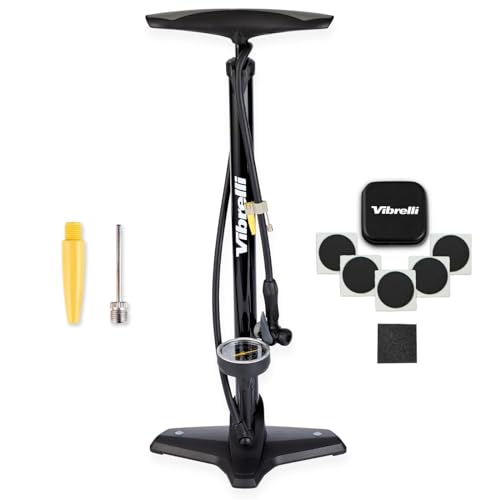
Vibrelli Floor Pump 160 PSI with Gauge and Puncture Kit
A floor pump designed for road bikes that handles both Presta and Schrader valves via a switchable T-Valve system. Includes a large, readable gauge, strong steel construction, and comes with an emergency glueless puncture kit for trailside repairs.
Pros
- Large, accurate pressure gauge that's easy to read at a glance
- Rapid T-Valve switches between Presta and Schrader valve types without tools
- Reaches 160 PSI, suitable for high-pressure road bike tires
- Includes emergency puncture kit, ball needle, and inflator valve for multi-purpose use
- Reinforced steel barrel and handle for durability
Cons
- No verified buyer reviews to assess real-world reliability or longevity
- Relatively heavy at 2.5 pounds, which may matter for frequent storage or transport
- Floor pump format limits portability compared to portable hand pumps
BV Ergonomic Floor Pump 160 PSI with Auto Valve Head
This floor pump features an automatically reversible valve head that switches between Presta and Schrader valves without air leaks, eliminating the need for manual adjustments. The steel barrel with ergonomic handle and large, easy-to-read gauge make it straightforward for routine bike maintenance.
Pros
- Auto-reversible valve head eliminates manual switching and air loss
- Large gauge is readable and helps set precise tire pressure
- Steel construction with ergonomic handle provides durability and comfort
- Works with both common valve types on most bicycles
Cons
- No verified customer reviews available to confirm real-world reliability
- Limited information on hose length or attachment options
- Weight and footprint may be less convenient for travel or apartment storage
Lezyne CLIK Floor Drive High-Volume Pump
A shop-grade floor pump built for high-volume tires on mountain and gravel bikes, featuring steel and aluminum construction with Lezyne's ABS Pro Clik Chuck system for secure valve engagement. The reinforced hose and optimized airflow design deliver consistent inflation up to 100 psi with minimal effort, though the lack of verified buyer reviews limits real-world performance insight.
Pros
- Professional-grade durability and stability from precision-engineered piston and alloy base
- Advanced chuck system eliminates air leakage and enables fine-tuned pressure control
- Smooth, efficient airflow across multiple tire sizes and types
- Rebuildable construction allows component replacement without full replacement
- Wooden handle offers ergonomic grip and classic workshop aesthetic
Cons
- No verified buyer reviews available to confirm real-world durability or performance claims
- High-volume focus may feel oversized for riders with smaller tire needs
- Weight of 4.25 pounds and 25-inch height make it less portable than compact alternatives
LEZYNE Classic Floor Drive 3.5 - 220 PSI Floor Pump
A high-pressure floor pump designed for road and track bikes, delivering up to 220 PSI with an accurate 3.5-inch gauge. The steel and aluminum construction paired with an ergonomic oversized handle makes it suitable for cyclists who need reliable, fast inflation with minimal effort.
Pros
- High 220 PSI capacity meets demands of road and gravel bike users
- Large, easy-to-read gauge eliminates guesswork during inflation
- Dual-valve compatibility works across multiple bike types without adapters
- Durable materials and thoughtful handle design minimize user fatigue
- Efficient small barrel design reduces pumping effort for high pressures
Cons
- No customer reviews available to validate real-world reliability or longevity
- Relatively heavy at 3.09 pounds, less portable than compact floor pumps
- Limited information on warranty or customer support from the manufacturer
GIYO GF27 Floor Pump, 160 PSI
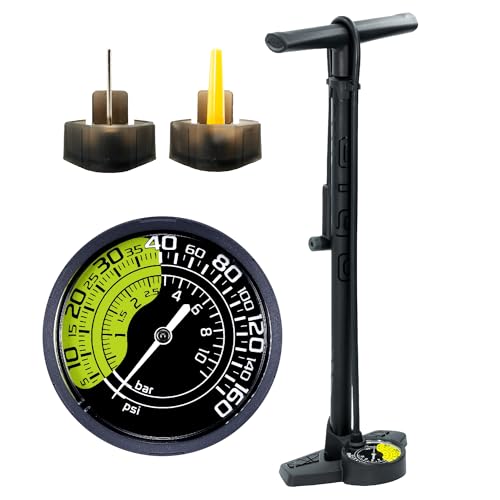
A versatile floor pump with dual-scale gauge (1 PSI for low pressure, 5 PSI for high) and one-handed thumb-lock operation that works with both Presta and Schrader valves without adapters. Includes needle valve and ball inflator for multi-purpose use.
Pros
- Dual-scale gauge eliminates guesswork between MTB and road tire pressures
- Universal valve head saves money and hassle versus separate pumps or adapters
- One-handed operation speeds up inflation process
- Included accessories add functionality beyond just tire inflation
- High 160 PSI capacity handles demanding tire types
Cons
- No verified buyer reviews available to assess real-world reliability or durability claims
- Weight of 2.4 pounds may be noticeable for portable trail use compared to lighter models
- Gauge precision claims at high pressures cannot be independently verified from data
Biketube Air Handler Floor Pump 160 PSI
A durable aluminum floor pump with automatic valve detection and a large industrial gauge for precise pressure monitoring. Built for road, MTB, and gravel bikes, it inflates a 700c tire to 100 PSI in 20 strokes with a stable 9-inch steel base.
Pros
- Fast inflation: reaches 100 PSI on 700c x 23mm tire in just 20 strokes
- Precise pressure control with high-accuracy industrial-grade gauge
- Automatic valve detection eliminates threading and manual adjustments
- Heavy-duty construction with aluminum barrel and stable steel base
- Works across multiple bike types without additional adapters
Cons
- No verified buyer reviews available to assess real-world durability or long-term performance
- Relatively heavy at 3.125 pounds, less portable for travel or casual riders
- Large footprint may require dedicated storage space due to 9-inch base width
GOBKO Floor Pump 160PSI Dual Valve
A mechanical floor pump with 160 PSI capacity and dual-valve compatibility for road bikes, MTB, and sports equipment. Built with steel construction and includes multiple adapters for versatile inflation needs.
Pros
- Accurate mechanical pressure gauge with easy readability
- Durable materials including high-strength steel and temperature-resistant tubing
- Comprehensive accessory kit covers multiple valve types and inflation applications
- Compact footprint at approximately 17.7 x 9.25 x 4.7 inches
Cons
- No verified customer reviews available to assess real-world performance and longevity
- Mechanical gauge may require periodic recalibration over extended use
- Weight of 1.87 pounds makes it heavier than some ultra-portable pump alternatives
Panaride Floor Pump with 160 PSI Gauge
A dual-valve floor pump designed for road and mountain bikes, equipped with a 2-inch dial gauge and comprehensive adapter kit. Offers solid compatibility and stability for cyclists needing reliable tire inflation.
Pros
- Dual valve compatibility eliminates need for separate adapters for different bike types
- Comprehensive accessory bundle covers multiple inflation needs beyond bikes
- Stable floor pump design with organized storage keeps adapters accessible
- 160 PSI capacity suitable for both road and mountain bike requirements
Cons
- No verified buyer reviews available to validate real-world performance or durability
- 2-inch dial gauge readability may be challenging in low-light conditions
- Weight of 1.5 pounds could be heavy for portable inflation needs
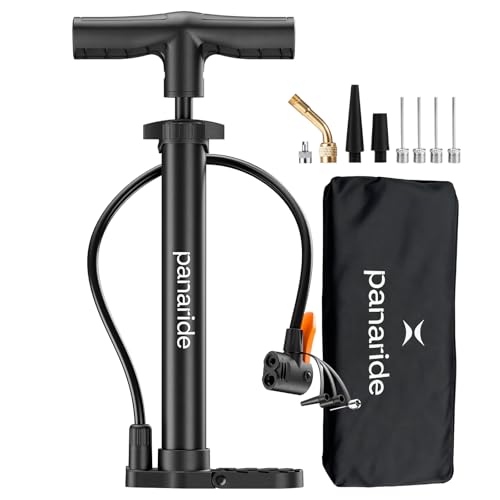
Panaride Dual Valve Bike Pump, 120 PSI
A compact, dual-valve floor pump that handles both Presta and Schrader valves, making it versatile for road bikes, mountain bikes, and sports equipment. The 120 PSI capacity and lightweight design suit casual riders and multi-use inflation needs.
Pros
- Dual valve compatibility eliminates need for multiple pumps
- Sturdy foot pedestal design reduces hand fatigue during use
- Compact and lightweight for transport and storage
- Solid 120 PSI capacity adequate for most road and mountain bike tires
- Extended versatility beyond bikes to strollers and sports balls
Cons
- No verified customer reviews available to assess real-world reliability and durability claims
- 120 PSI may be modest compared to high-performance road bike pumps requiring 130+ PSI
- Limited details on gauge accuracy or ease of pressure control for precision inflation
Floor Bike Pumps Buying Guide
Buying a floor pump feels simple until you realize how many variables separate a great pump from a frustrating one.
Gauge accuracy, valve compatibility, barrel construction, and base stability all affect how confidently you can set your tire pressure before every ride.
If you also own a mountain bike or a road bike, the pressure requirements are very different, and some pumps serve both disciplines better than others. Work through the criteria below to match the right pump to your specific needs.
Gauge Accuracy and Readability
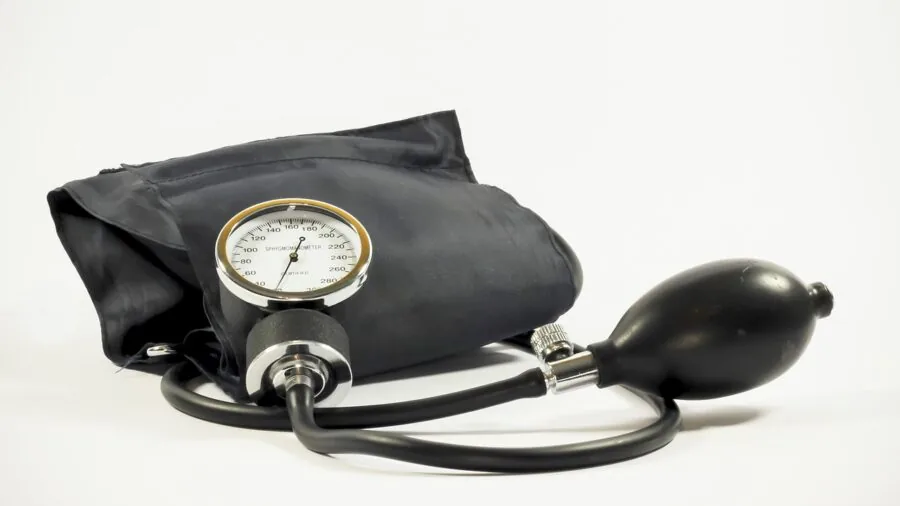
The gauge is arguably the most important single component on a floor pump. An inaccurate gauge is worse than no gauge at all because it gives you false confidence.
Expert reviewers consistently note that entry-level pumps often ship with gauges that read two to five PSI high or low straight out of the box, which matters a great deal when road bikes need precise pressure in the 80 to 120 PSI range.
Look for a gauge dial that is at least two to three inches in diameter so it is legible while you are crouched over the pump.
Dual-scale dials showing both PSI and BAR are useful if you travel internationally or follow European wheel-pressure recommendations.
Premium models like the Lezyne Classic Floor Drive use large, high-contrast analog faces that remain readable in low garage lighting, while budget options sometimes use tiny dials that require squinting to read.
Some pumps include a bleed valve that lets you release small amounts of air for fine-tuning.
This feature is particularly handy for mountain and gravel riding, where dropping from 30 PSI to 26 PSI can meaningfully change how a tire grips loose terrain. If you ride a gravel bike with wide tires, a bleed valve is worth prioritizing.
Valve Head Compatibility
Modern bikes use two main valve standards: Presta (the narrow threaded valve found on most road and performance mountain bikes) and Schrader (the wider car-style valve common on entry-level mountain bikes and hybrids).
A good floor pump should handle both without requiring you to carry a separate adapter or unscrew an internal component.
Smart valve heads, sometimes called auto-valve or clever-valve designs, detect the valve type automatically and create a seal without manual adjustment.
The BV Bicycle Ergonomic Bike Floor Pump is a well-regarded example of this design, and verified buyers repeatedly cite how much time the reversible smart head saves during quick pre-ride top-offs.
Traditional dual-head designs require you to flip or swap an internal rubber seal, which works fine but adds a step.
If you are running tubeless tires, check whether the valve head seals securely enough to generate the brief high-volume burst needed to seat a tubeless bead. Not every floor pump handles this well.
The Topeak JoeBlow Booster is purpose-built for tubeless seating, combining a floor pump and a pressure chamber that releases a concentrated blast of air, making it uniquely suited to riders who convert wheels to tubeless at home.
Maximum PSI and Barrel Construction
Most floor pumps are rated to 160 PSI, which covers the full working range of road, gravel, and mountain bike tires.
High-end steel-barreled options like the Lezyne CLIK Floor Drive are rated to 220 PSI, which is relevant for track bike tires that run at extremely high pressures, though most recreational riders will never approach that ceiling.
The barrel material directly affects durability and pumping feel. Steel barrels withstand years of daily use and maintain tighter tolerances over time, contributing to more consistent pressure delivery. Aluminum barrels are lighter and resist corrosion.
Plastic barrels are cheaper to manufacture and find their way into most budget pumps; they work adequately for occasional use but can develop air leaks around joints as the material ages.
Stroke volume, the amount of air moved per pump stroke, matters more than maximum PSI for most riders. A high-volume barrel fills a 29-inch mountain bike tire quickly with fewer strokes.
A narrow, high-pressure barrel makes it easier to hit 110 PSI in a road tire without exhausting effort at the end of the stroke. Some pumps balance both, using a medium-bore barrel that performs acceptably across disciplines.
Base Stability and Build Quality
A pump that tips over mid-inflation is genuinely dangerous: it can yank a valve stem sideways, damaging a tube or tubeless rim strip.
Wide, weighted bases with rubber feet that grip the floor are a strong indicator of overall build quality. Expert reviewers across the cycling press consistently penalize pumps with narrow or lightweight bases, particularly when used on smooth workshop floors.
The length and quality of the hose also matter. A longer hose (at least 30 inches) lets you stand comfortably upright while pumping rather than crouching over the valve.
Braided or reinforced hoses resist kinking and last significantly longer than simple plastic hose found on budget models. Check whether the hose is permanently attached or uses a threaded fitting, as threaded fittings are field-replaceable if damaged.
Handle design affects comfort during sustained pumping. Ergonomic T-style handles distribute grip pressure evenly, which is appreciated when inflating a very flat tire from zero.
Wooden handles, used on models like the Lezyne CLIK Floor Drive, add a premium tactile quality and resist the hand fatigue that smooth plastic can cause during longer sessions.
Warranty and Long-Term Value
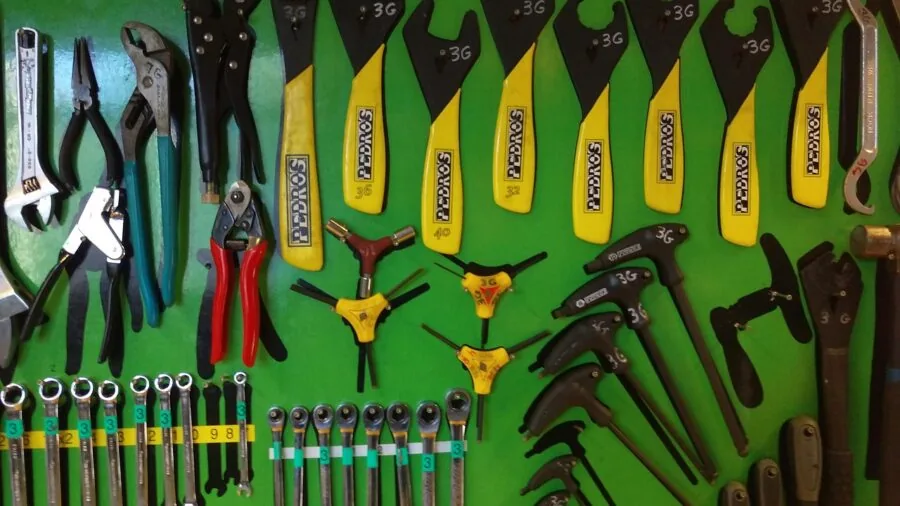
A floor pump lives in your garage or workshop and gets used hundreds of times per year. Warranty terms are a meaningful signal of how confident the manufacturer is in their product. Entry-level pumps typically carry a one-year warranty.
Mid-range options often extend to two or three years.
The Vibrelli Bike Floor Pump backs its product with a five-year warranty, which is notably strong for its price tier and has been cited consistently by verified buyers as a reason to choose it over similarly priced alternatives.
Consider replacement parts availability as well. Premium brands like Topeak and Lezyne sell individual replacement seals, valve heads, and gauges, meaning you can maintain a high-quality pump indefinitely rather than discarding it when one component wears out.
This lifecycle approach makes a premium pump a better long-term investment than cycling through budget replacements every two years.
Extras: Pressure Release Valves, Bundled Adapters, and Storage

Some floor pumps include needle adapters and ball inflation tips, making them useful beyond bike tires for sports balls and inflatable toys.
The Vibrelli includes a puncture repair kit, adding genuine value for commuters and casual riders who want a one-stop emergency solution stored with their pump.
These extras rarely justify paying significantly more, but when two pumps are otherwise comparable, bundled accessories tip the balance.
Storage hooks or clips that keep the hose tidy when the pump is not in use are a small quality-of-life feature that separates thoughtfully designed pumps from purely functional ones.
If pump storage space is limited in your home, look for models with a compact footprint and an integrated hook.
Riders who also care about workshop organization might find our overview of workshop tools a useful companion resource for building out a well-equipped home bike workshop.
Why You Should Trust Us
ProductFind is an independent editorial platform. We do not conduct our own product trials; our evaluations are grounded in research, published data, expert review consensus, and verified buyer feedback.
Every floor pump in this roundup was assessed against a consistent set of criteria covering gauge accuracy, valve compatibility, barrel construction, base stability, and long-term durability.
Each model then receives a PF Score on a scale of 0 to 10, reflecting how well it performs across those criteria relative to the rest of the category.
We cross-reference manufacturer specifications against what verified purchasers actually report after months of real-world use. Where expert reviewers from the cycling press reach a consistent consensus, that consensus carries significant weight in our scoring.
Where buyer feedback reveals a pattern of quality-control issues or gauge drift that specs alone would not reveal, we factor that in as well. No single data point drives a ranking; PF Scores reflect the full picture.
ProductFind may earn an affiliate commission when you purchase through links in this article. That relationship does not influence rankings, PF Scores, or which products appear in our roundups.
Our editorial selections are made independently, and commission rates play no role in how products are ordered or described. We surface the best options for readers, not the most profitable ones for us.
Final Thoughts
After a thorough review of specifications, expert consensus, and verified buyer feedback across ten floor pumps spanning a wide range of price points and designs, a few clear winners emerge for different types of cyclists. Here is how the field breaks down.
- Best Overall: Topeak JoeBlow Booster Bike Pump earns the top PF Score in this roundup. Its purpose-built tubeless seating capability, combined with rock-solid build quality and dual-function floor pump plus booster chamber design, makes it the most versatile and capable option for serious cyclists at home.
- Best Value: Vibrelli Bike Floor Pump delivers an impressive combination of a high-pressure 160 PSI rating, rapid T-valve compatibility, a long reinforced hose, and a five-year warranty at a mid-range price. Verified buyers consistently rate it among the most dependable pumps in its price tier.
- Best Smart Valve Design: BV Bicycle Ergonomic Bike Floor Pump earns recognition for its automatically reversible smart valve head that switches between Presta and Schrader without any manual adjustment, backed by an enormous base of verified buyer reviews that confirm consistent real-world performance.
- Best Premium Build: LEZYNE CLIK Floor Drive Bike Pump stands out for its ABS Pro Clik Chuck, steel and aluminum construction, large 3.5-inch analog gauge, and wooden handle, delivering professional-grade durability and precision for riders who want a pump built to last a decade.
- Best Budget Pick: GOBKO Bike Pump offers an accessible entry point for casual riders who need a functional Presta and Schrader compatible pump with a gauge and do not require premium build materials. It handles basic inflation tasks reliably at a fraction of the cost of mid-range options.
No matter which pump you choose, keeping your tires properly inflated before every ride is one of the highest-return maintenance habits you can build.
Pair a quality floor pump with a well-maintained bike and you will spend far less time dealing with flats and far more time actually riding.
If you are still researching the right bike to go with your new pump, our guides to mountain bikes and road bikes are good places to start.
Frequently Asked Questions
What PSI should I inflate my bike tires to?
The right PSI depends on your tire type, width, and rider weight. Road bike tires (23 to 28mm) typically run between 80 and 120 PSI. Gravel tires run lower, often in the 40 to 60 PSI range depending on width and surface.
Mountain bike tires are generally run between 22 and 35 PSI for trail riding, with tubeless setups allowing even lower pressures without pinch flat risk.
Always check the sidewall of your tire for the manufacturer’s recommended range, and use that as your starting point rather than inflating to the maximum printed value.
What is the difference between Presta and Schrader valves?
Presta valves are the narrow, all-metal valves with a threaded tip and a lock nut found on most road, gravel, and higher-end mountain bike wheels. They require you to unscrew the lock nut before inflating.
Schrader valves are the wider, spring-loaded valves identical to those used on car tires, common on entry-level mountain bikes and hybrid bikes.
Most quality floor pumps handle both, either through a smart auto-detecting head or a dual-mode chuck that flips or swaps between the two formats.
Can I use a floor bike pump to seat tubeless tires?
Standard floor pumps can sometimes seat tubeless tires if the tire-to-rim fit is not too tight, but it often requires rapid, forceful pumping to build pressure quickly enough.
Dedicated tubeless-capable pumps, or pumps with an integrated pressure chamber like the Topeak JoeBlow Booster, are significantly more reliable for this task.
They store compressed air and release it in a single concentrated burst that is far more effective at popping a bead into place. If you run tubeless on multiple wheels, investing in a booster-capable pump saves considerable frustration.
How do I know if my pump gauge is accurate?
The simplest way to check gauge accuracy is to compare your pump’s reading against a known-accurate digital tire pressure gauge after inflating a tire to a target pressure.
Digital gauges are generally more precise than analog dials and are inexpensive enough to use as a reference. If your floor pump consistently reads higher or lower than the digital gauge, factor in that offset when inflating.
Gauges on premium pumps from brands like Lezyne and Topeak tend to maintain better calibration over time, while budget options can drift meaningfully after a season of regular use.
How long should a floor bike pump last?
A well-built floor pump with a steel or aluminum barrel and quality internal seals can last five to ten years or more with regular home use.
The most common failure points are the valve head seal (which wears with repeated attachment and detachment) and the piston seal inside the barrel (which can dry out and lose efficiency over time).
Both are replaceable on premium pumps from brands like Topeak and Lezyne, extending the useful life considerably.
Budget pumps with plastic barrels and non-replaceable seals typically have a shorter functional lifespan, making a slightly higher upfront investment worthwhile for frequent riders.
Do floor pumps work for car tires too?
Most floor bike pumps can technically inflate car tires because car tires use Schrader valves, which bike pumps support.
However, car tires require much higher air volume than bike tires, so filling a completely flat car tire with a bike floor pump would take an impractical number of strokes.
Floor bike pumps are best suited for topping off a slightly low car tire in an emergency rather than inflating one from flat. For routine car tire maintenance, a dedicated automotive inflator is a more practical tool.
If you are exploring other useful gear for your home and garage, our roundup of cordless vacuums covers another workshop and home essential worth having on hand.
About the author
Arlene is a reviewer and writer for ProductFind who specializes in Cycling. Arlene evaluates products through independent research: specifications, expert review consensus, and verified buyer feedback, and rates each one on the PF Score. Arlene focuses on helping readers pick the right cycling for their needs and budget.