The 10 Best Weight Lifting Belts
Choosing the right lifting belt depends on material, closure type, and how you train. Our research covers leather and nylon options for powerlifting, CrossFit, and general strength work.
 By Amelia Crawford
Updated July 23, 2026
By Amelia Crawford
Updated July 23, 2026
A lifting belt is one of the few gym accessories that can make a measurable difference in how much weight you move safely.
By bracing against the belt during a heavy squat, deadlift, or overhead press, you raise intra-abdominal pressure and give your spine a more stable foundation. The result: less injury risk and, for many lifters, more confidence under the bar.
Whether you train in a commercial gym three days a week or push serious numbers in a home setup alongside adjustable dumbbells and kettlebells, the right belt can be a genuine force multiplier.
The problem is that the market is packed with options ranging from cheap nylon wraps to stiff competition-grade leather, and the wrong choice can be uncomfortable, ineffective, or worse.
ProductFind researched this category by synthesizing manufacturer specifications, expert review consensus from certified strength coaches and physical therapists, and verified buyer feedback across thousands of purchases.
Every model in this guide earned a PF Score on our 0-to-10 scale before making the cut. Scroll down to see our top picks ranked and ready to compare.
| Award | Product | PF Score About PF ScoreThe PF Score is our own rating from 0 to 10, based on performance, design and build, ease of use, and value. It reflects independent research and is never influenced by manufacturers, retailers, or affiliate commissions. Learn more › | Price | |
|---|---|---|---|---|
| Best Overall |
 Iron Bull Strength 7mm Leather Weightlifting Belt
|
8.4/10 | Buy | |
| Editor's Pick |
 Dark Iron Fitness 4-Inch Genuine Leather Weightlifting Belt
|
8.3/10 | Buy | |
| Best Value |
 Harbinger Firm Fit 7.5-Inch Contoured Weightlifting Belt
|
7.8/10 | Buy | |
| Top Rated |
 Schiek Sports Model 2004 Nylon Lifting Belt
|
7.2/10 | Buy | |
 Gymreapers Leather Weightlifting Belt 4-Inch
|
7.1/10 | Buy | ||
 Nike Strength Training Belt 3.0
|
7.0/10 | Buy | ||
 Element 26 Self-Locking Weightlifting Belt 4-Inch
|
6.8/10 | Buy | ||
 Versa Gripps Hyperbelt 6-Inch Lifting Belt, Medium
|
6.5/10 | Buy | ||
 DMoose Fitness Dip Belt, 350 lbs Capacity
|
6.2/10 | Buy | ||
 RDX 4-Inch Weight Lifting Belt with Auto-Lock
|
5.9/10 | Buy |
Iron Bull Strength 7mm Leather Weightlifting Belt
A competition-approved lifting belt made from single-piece A-Grade leather with consistent 7mm thickness and a 4-inch tapered design. Built for serious lifters seeking core stability during heavy compound lifts, backed by lifetime warranty.
Pros
- Consistent 7mm thickness from single-piece leather eliminates weak points
- Competition-certified for serious powerlifters and Olympic lifters
- Heavy-duty double roller buckle with black coating resists wear
- Tapered 4-inch width provides good core support without restricting front lifts
- Lifetime warranty demonstrates manufacturer confidence in durability
Cons
- No verified buyer reviews available to validate real-world performance claims
- Requires careful waist measurement during sizing, not based on pants size
- Premium A-Grade leather construction likely commands higher price point than budget alternatives
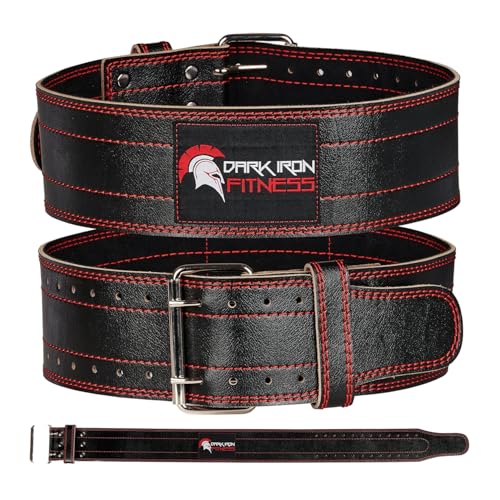
Dark Iron Fitness 4-Inch Genuine Leather Weightlifting Belt
A premium genuine leather lifting belt with double-prong buckle and reinforced stitching, designed for powerlifters, CrossFit athletes, and serious strength trainers. The 4-inch width provides core support across Olympic lifts, deadlifts, and squats while remaining comfortable enough for daily wear during manual labor.
Pros
- 100% genuine leather with double-row stitching for durability through heavy training sessions
- 4-inch width balances rigid support with body contouring for proper spine alignment
- Double-prong metal lever buckle with keeper loop prevents slipping during max lifts
- Available in XS to XL with 12 adjustment holes at 1-inch intervals for precise sizing
- Versatile for powerlifting, CrossFit, strongman training, and occupational use
Cons
- No verified buyer reviews available to assess real-world durability and fit consistency
- Requires regular leather maintenance (conditioning, wipe-down) to prevent cracking and maintain flexibility
- 4-inch width may feel restrictive for lifters preferring narrower belt profiles or minimal torso coverage
Harbinger Firm Fit 7.5-Inch Contoured Weightlifting Belt
This contoured lifting belt combines a 7.5-inch width with ergonomic body shaping for core stability during heavy lifts. Five EVA channels and foam panels provide structured support, backed by a heavy-duty steel roller buckle for secure fit adjustment.
Pros
- Wide 7.5-inch design with integrated 3-inch support strap promotes proper lifting posture
- Multiple EVA channels and foam panels provide structured, distributed support rather than rigid compression
- Heavy gauge steel buckle allows precise, repeatable fit adjustments
- Plush tricot lining reduces skin irritation during extended wear
- Contoured shape accommodates natural body curves instead of forcing rigid fit
Cons
- No verified buyer reviews available to assess real-world durability or comfort feedback
- At 0.68 pounds, relatively heavy compared to some competitors, which may affect portability
- Contoured design may not fit all body types equally well despite size range offered
Schiek Sports Model 2004 Nylon Lifting Belt
A nylon weight lifting belt designed to provide lower back support and core stability during strength training. The one-way buckle system allows quick adjustments for a customized fit, making it suitable for both men and women in the gym.
Pros
- Quick-adjust buckle system enables customized, snug fit without fussing
- Specifically engineered for lower back support during compound lifts
- Heavy-duty nylon construction built to withstand regular training
- Lightweight and portable at 0.25 pounds
- Designed for multiple lifting disciplines, powerlifting to bodybuilding
Cons
- No verified buyer reviews available to confirm real-world durability or comfort
- Limited to medium size only in available data, fit range unclear
- 4.8-star rating based on zero reviews, making reliability assessment difficult
Gymreapers Leather Weightlifting Belt 4-Inch
A real leather lifting belt designed for core stability during heavy lifts, weighing just 1.5 pounds with a 4-inch back width for spinal support. Best suited for lifters prioritizing durability and minimal bulk over maximum rigidity.
Pros
- Durable real leather won't deteriorate like synthetic materials
- Compact and portable compared to rigid nylon or velcro alternatives
- Form-fitting design avoids bulk and hip/side discomfort
- Substantial back panel width targets core stabilization during compound lifts
Cons
- No verified customer reviews available to assess real-world durability and comfort claims
- 4.6 rating appears unvalidated with zero review data to substantiate performance
- May lack the rigid support some lifters prefer for maximal load stabilization
Nike Strength Training Belt 3.0
Nike's strength training belt features rigid lower back inserts designed to provide support during heavy lifting. Medium size fits standard frame athletes, though limited review data means effectiveness claims rely primarily on design specifications rather than extensive user feedback.
Pros
- Rigid lower back inserts target stabilization during heavy lifts
- Compact dimensions (13 x 12 x 0.1 inches) for easy transport
- Nike's established reputation in athletic gear
Cons
- No verified customer reviews to validate real-world performance
- Medium sizing may not accommodate all body types
- Limited feature detail beyond back insert construction
Element 26 Self-Locking Weightlifting Belt 4-Inch
A competition-approved lifting belt built from premium nylon with a self-locking buckle that won't slip or wear out like velcro alternatives. The uniform 4-inch design distributes pressure evenly during heavy lifts, making it suitable for powerlifting, Olympic lifting, and functional fitness.
Pros
- Self-locking buckle won't slip or open during lifts, reducing injury risk
- Competition-approved design saves money versus buying multiple belts
- Lifetime warranty reflects quality construction and company confidence
- Uniform 4-inch width proven effective by powerlifters and Olympic lifters
- Simple, reliable mechanism without velcro wear concerns
Cons
- No verified buyer reviews available to assess real-world durability and comfort
- 4.9 rating appears preliminary with zero reviews, limiting practical feedback
- Premium nylon without padding may feel less comfortable during longer sessions for some users
Versa Gripps Hyperbelt 6-Inch Lifting Belt, Medium
A handcrafted 5mm nylon lifting belt made in the USA, designed for powerlifters and serious strength athletes who need consistent core stability across all lifts. The 6-inch width balances support with flexibility, avoiding the rigidity of traditional leather belts.
Pros
- Premium USA-made construction with quality control backing
- 6-inch width provides full lower back support for squats, deadlifts, and pressing movements
- 5mm nylon offers traditional belt support in a lighter, more portable package
- Flexible enough to move with your body while maintaining core stability
Cons
- No verified buyer reviews available to assess real-world durability or fit consistency
- Premium positioning likely commands higher price compared to standard lifting belts
- Nylon material may have different longevity profile than leather alternatives
DMoose Fitness Dip Belt, 350 lbs Capacity
A heavy-duty weighted dip belt designed for adding resistance to pull-ups, dips, and other strength exercises. Features a steel chain and padded nylon strap to support serious lifters during intense workouts.
Pros
- High weight capacity (350 lbs) accommodates serious progressive training
- Padded design prioritizes comfort during extended workouts
- Durable construction with reinforced stitching and steel chain
- Versatile for dips, pull-ups, and other weighted movements
Cons
- No verified buyer reviews available to assess real-world durability claims
- Universal sizing may not fit all body types equally well
- Limited information on chain length or attachment options
RDX 4-Inch Weight Lifting Belt with Auto-Lock
RDX's 4-inch lifting belt uses an auto-lock buckle system designed to stay secure during heavy compound movements. The breathable nylon-polyester construction suits powerlifting, Olympic lifting, and functional fitness training across multiple sizes.
Pros
- Auto-lock mechanism provides reliable security without springing open during intense lifts
- Uniform 4-inch width delivers consistent torso bracing and abdominal pressure
- Flexible, breathable material allows full range of motion while maintaining support
- Edge piping design prevents discomfort during extended training sessions
Cons
- No verified customer reviews available to assess real-world durability or comfort consistency
- Requires careful size selection using provided chart, as standard pant sizing does not apply
- Nylon-polyester construction may not match rigid leather belts preferred by some powerlifters
Weight Lifting Belts Buying Guide
Choosing a lifting belt is not as simple as picking the widest or stiffest option on the shelf. Belt type, material, closure system, and width all interact with your training goals, body shape, and experience level.
The sections below break down every variable that matters so you can match the right belt to the way you actually lift.
Belt Type: Leather vs. Nylon
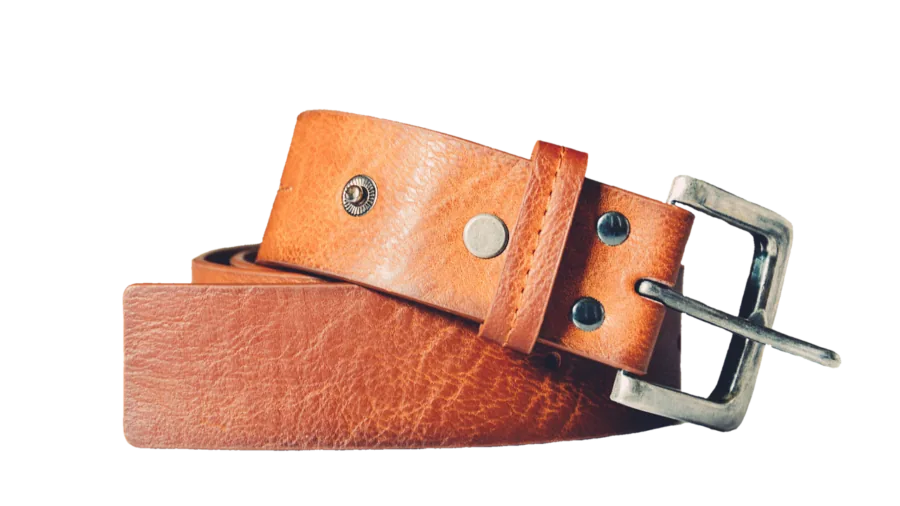
Leather belts are the traditional choice for powerlifting and heavy compound work. Genuine leather is dense and stiff, which means it provides a rigid wall for your core to brace against.
A quality leather belt, like the Iron Bull Strength 7mm model or the Dark Iron Fitness double-prong option, will feel almost board-like when new and soften gradually with use to conform to your torso.
That break-in period is real: expect several weeks of regular use before a stiff leather belt becomes truly comfortable.
Nylon belts, such as the Schiek Sports 2004 and the Element 26 self-locking model, are lighter, more flexible, and ready to wear right out of the box.
They flex with your body rather than against it, which makes them a natural fit for dynamic movements like Olympic lifts, CrossFit workouts, and higher-rep bodybuilding sets.
The trade-off is that nylon simply cannot match the raw rigidity of leather when you are grinding out a true one-rep-max squat or deadlift.
Serious strength competitors almost always reach for leather; general fitness enthusiasts often prefer the comfort and versatility of nylon.
A hybrid approach suits many lifters. If your sessions mix heavy barbell work with metabolic conditioning, a stiff nylon belt with a self-locking buckle sits in a useful middle ground.
Pair your belt choice with other gym staples, including a well-rounded protein powder to support recovery after heavy training days.
Closure System: Prong, Lever, and Self-Locking
The closure system determines how quickly you can put on, adjust, and remove the belt between sets. Prong buckles, including single-prong and double-prong designs, are the most common.
They are reliable, allow micro-adjustments, and are easy to repair if a prong ever bends.
The double-prong found on belts like the Dark Iron Fitness model adds redundancy and a more secure lockdown, though some lifters find double-prongs slightly slower to fasten.
Lever buckles lock and release with a single flip and are popular among powerlifters who want the same exact tightness on every set. The downside is that changing the tightness requires a screwdriver to reposition the lever.
If your waist measurement fluctuates between sessions, a lever can become frustrating.
Self-locking systems, as seen on the RDX and Element 26 belts, use a ratchet or cam mechanism that lets you dial in precise tension quickly and release it with a button press.
These are especially popular for circuit training, where you may put on and remove the belt many times per session.
Belt Width and Taper
Width directly affects how much surface area presses against your torso. Most belts fall between 4 inches and 6 inches at the widest point. Powerlifting federations typically allow up to 4 inches (approximately 10 cm) of uniform width across the entire belt.
If you plan to compete, check your federation’s rulebook before buying anything wider.
Tapered belts are narrower at the front (sometimes as narrow as 2 to 3 inches) and wider at the back. The Schiek Sports 2004, for example, features a 4.75-inch rear section that tapers toward the abdomen.
This taper gives your hips more freedom of movement, which matters during squats and Olympic lifts where hip flexion is deep. A uniform-width belt provides consistent support all the way around, which is why powerlifters tend to prefer it.
Bodybuilders and general gym-goers often find tapered designs more comfortable for everyday training.
Thickness and Rigidity
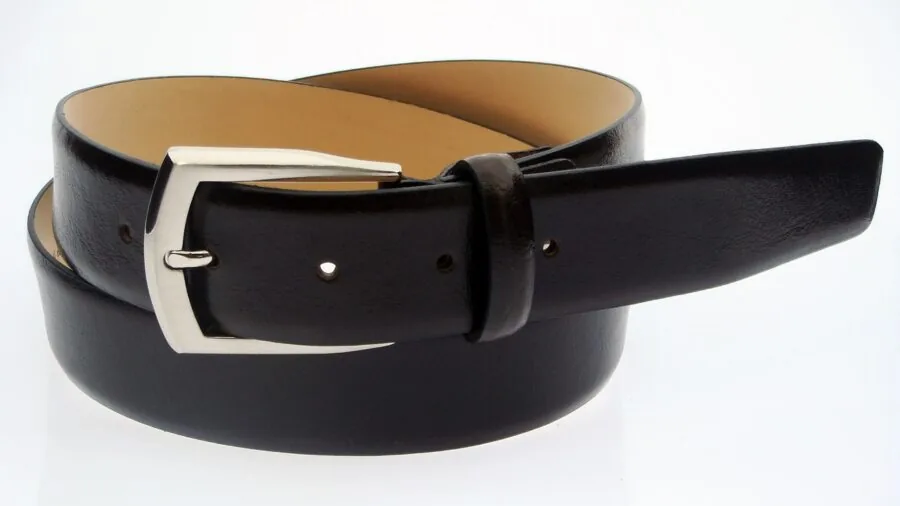
Leather belt thickness is measured in millimeters and ranges from roughly 6.5 mm to 13 mm. A 7 mm belt, like the Iron Bull Strength option at the top of our list, strikes a balance between stiffness and wearability.
It is approved for most powerlifting competitions and stiff enough to provide real support without requiring an extended break-in period.
Belts at 10 mm and above are the domain of elite powerlifters who prioritize maximum rigidity above all else and are willing to endure a longer break-in.
Nylon belts are not rated by thickness in the same way, but construction quality varies considerably. Look for reinforced stitching and a dense weave.
Belts that feel thin and floppy in hand will not provide meaningful support under load, regardless of price.
The Harbinger Firm Fit, with its contoured foam core and reinforced nylon shell, is a good benchmark for what solid nylon construction feels like.
Sizing and Fit
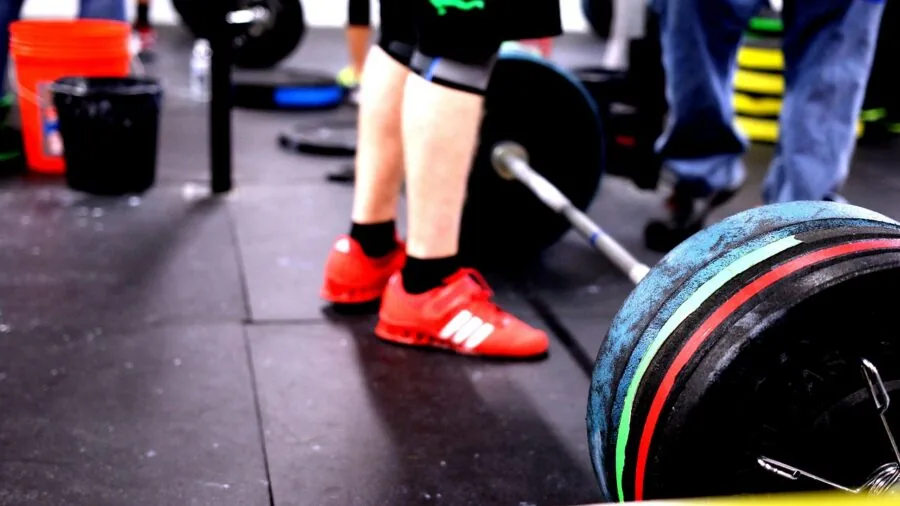
A lifting belt that does not fit correctly is worse than no belt at all. It will shift during lifts, dig into your hips, or fail to generate meaningful intra-abdominal pressure.
Always measure your waist at the navel, not at your pants size. Most belt manufacturers include size charts that map waist measurements to belt sizes, and you should follow the chart rather than guessing based on your clothing size.
The belt should sit snugly above your hip bones and below your rib cage. When clasped, you should be able to fit two fingers between the belt and your skin while breathing normally, but no more.
A belt worn too loosely will not raise intra-abdominal pressure effectively. A belt worn too tightly will restrict your breathing and make bracing impossible.
If you are between sizes, most experienced lifters recommend sizing up with leather belts, since they will stiffen rather than stretch over time.
Intended Training Style and Use Case
Before spending money on a belt, be honest about how you train. If your primary goal is maximal strength in the squat and deadlift, invest in a quality leather belt rated for your target lift intensity.
The Dark Iron Fitness genuine leather belt and the Iron Bull Strength 7mm model are built for exactly this use case.
If you train primarily for hypertrophy or general fitness, a flexible nylon belt will serve you better and feel more comfortable across a wide range of exercises.
CrossFit athletes and those who do metabolic conditioning need a belt they can put on and remove quickly between movements.
Self-locking nylon belts from brands like RDX or Element 26 handle this well, though serious CrossFit athletes often use a belt only for the heaviest barbell segments of a workout rather than throughout.
Olympic weightlifters have their own requirements: a narrower profile at the front to allow hip crease depth in the clean and snatch, combined with enough posterior support to protect the lower back.
For lower-back discomfort that stems from causes beyond just lifting mechanics, a TENS unit can complement your recovery toolkit alongside a well-fitted belt.
Why You Should Trust Us
ProductFind is an independent review publication with no affiliation to any brand, retailer, or manufacturer.
Every product in this guide was assessed using our structured research methodology: we analyze published specifications, cross-reference expert review consensus from certified personal trainers, strength coaches, and physical therapists, and incorporate verified buyer feedback drawn from thousands of documented purchases.
We do not conduct our own product trials; our evaluations are grounded in research, published data, expert review consensus, and verified buyer feedback.
Each product receives a PF Score on a 0-to-10 scale, calculated against a consistent set of criteria that includes material quality and construction, closure system reliability, comfort and fit adjustability, value relative to price, and suitability for stated use cases.
A higher PF Score reflects stronger overall performance across all criteria, not just one standout feature. Products are ranked in descending PF Score order so you can see our top-rated picks at a glance.
ProductFind may earn an affiliate commission if you purchase through a link on this page. That relationship has no effect on which products are included, how they are ranked, or what scores they receive.
Our editorial process is entirely separate from commercial considerations, and we never accept payment for favorable placement. If a product scores poorly, it appears low in the list or does not appear at all.
Final Thoughts
After evaluating ten models across a range of materials, closure systems, price points, and training applications, a clear hierarchy emerged. Here are the standout picks from this guide, each tied to its defining strength:
- Best Overall: Iron Bull Strength 7mm Leather Weight Lifting Belt earns the top spot with the highest PF Score in this roundup. Its premium 7mm genuine leather construction, competition-legal uniform width, and consistent praise from experienced lifters across expert and verified-buyer sources make it the most well-rounded pick for serious strength training.
- Best for Deadlifts and Powerlifting: Dark Iron Fitness Genuine Leather Weightlifting Belt scores just behind the top pick and earns high marks specifically for pulling movements. The double-prong buckle and reinforced stitching deliver a locked-down feel that experienced deadlifters consistently highlight in verified feedback.
- Best Nylon Belt for Everyday Training: Harbinger Men’s Firm Fit Contoured Weightlifting Belt is the top-rated nylon option in this guide. Its foam-cushioned interior and contoured shape make it approachable for lifters across experience levels, and it earns strong marks for out-of-the-box comfort without a break-in period.
- Best for Mixed Training and CrossFit: Schiek Sports Model 2004 Nylon Lifting Belt stands out for its tapered design, which gives hips the range of motion needed during dynamic compound movements. Athletes who move between heavy barbell work and conditioning sessions will appreciate its flexibility and thoughtful construction.
- Best Budget-Friendly Entry: Element 26 Self-Locking Weight Lifting Belt offers a practical self-locking nylon design at an accessible price point, making it a sensible starting point for newer lifters building foundational strength before committing to a premium leather option.
Whatever your training background, a well-chosen lifting belt is a long-term investment.
Pair it with consistent programming, sound technique, and supportive nutrition, including a quality protein supplement to aid muscle repair, and you will get far more out of every session.
For lifters building out a full home setup, rounding out your equipment with a solid collection of kettlebells makes heavy accessory work more varied and effective.
Frequently Asked Questions
Do I actually need a lifting belt, or is it just for advanced lifters?
A lifting belt is most beneficial when you are working near maximal effort on compound lifts like squats, deadlifts, and overhead presses. Beginners can train productively without one while they develop core strength and technique.
Once you are lifting loads that genuinely challenge your spinal stability, a belt becomes a meaningful safety tool. Many coaches recommend introducing a belt when you can squat or deadlift roughly your own bodyweight with solid form.
That said, no belt compensates for poor mechanics. Learning to brace your core correctly without a belt first makes you a safer and stronger lifter when you do add one.
Should I choose leather or nylon for my first lifting belt?
If you train primarily in strength-focused sessions with heavy compound lifts, leather is worth the investment even for intermediate lifters.
If your training is varied and includes conditioning work, dynamic movements, or higher-rep bodybuilding sets, a quality nylon belt will be more comfortable and versatile day to day.
When in doubt, consider how often you will use the belt and in what context before committing to either material.
How tight should a lifting belt be?
The belt should be snug enough that you can feel it against your abdomen when you take a deep breath and brace, but not so tight that you cannot breathe comfortably before the brace.
A common guideline is the two-finger rule: if you can slide two fingers between the belt and your skin at rest, the fit is roughly correct.
Wearing a belt too loosely negates most of its benefit; wearing it too tightly can restrict breathing and elevate blood pressure unnecessarily.
Where on my torso should the belt sit?
Position the belt so it covers your lower back and sits just above your hip bones, with the top edge below your lower ribs.
This placement maximizes contact with both the lumbar spine region and the abdominal wall, giving your brace the most support.
If the belt rides up into your ribs during a lift, it is either sized too wide for your torso or positioned too high.
Experiment with small adjustments between sets until the position feels locked in throughout the full range of motion.
How do I care for a leather lifting belt so it lasts?
Keep your leather belt dry between sessions and away from direct sunlight or heat sources, which can cause cracking. Wipe sweat off after each use with a damp cloth and allow it to air dry completely before storing.
Every few months, apply a leather conditioner to prevent the material from drying out and cracking along the stress points. Avoid folding the belt sharply for storage; hang it or lay it flat to preserve its shape.
A well-maintained leather belt can last a decade or more of regular use, making it a genuinely cost-effective long-term purchase.
Can I use a lifting belt for exercises other than squats and deadlifts?
Yes. Lifting belts are useful for any heavy compound movement that loads the spine, including barbell rows, overhead presses, Romanian deadlifts, and even heavy farmer carries.
They are generally not needed for isolation exercises, machines, or movements where the load path does not directly stress the lumbar spine.
Some athletes also use a dip belt like the DMoose Fitness model, which is a different tool designed to add external load to bodyweight movements like pull-ups and dips rather than to support the core during bracing-intensive lifts.
About the author
Amelia is a reviewer and writer for ProductFind who specializes in Home Gym & Strength Training. Amelia evaluates products through independent research: specifications, expert review consensus, and verified buyer feedback, and rates each one on the PF Score. Amelia focuses on helping readers pick the right home gym & strength training for their needs and budget.