The 10 Best Spinning Reels
From inshore saltwater to finesse freshwater rigs, the right spinning reel matters. Our research covers build quality, drag performance, and value across options from Shimano, PENN, Daiwa, KastKing, and Pflueger.
 By Bernard George
Updated July 23, 2026
By Bernard George
Updated July 23, 2026
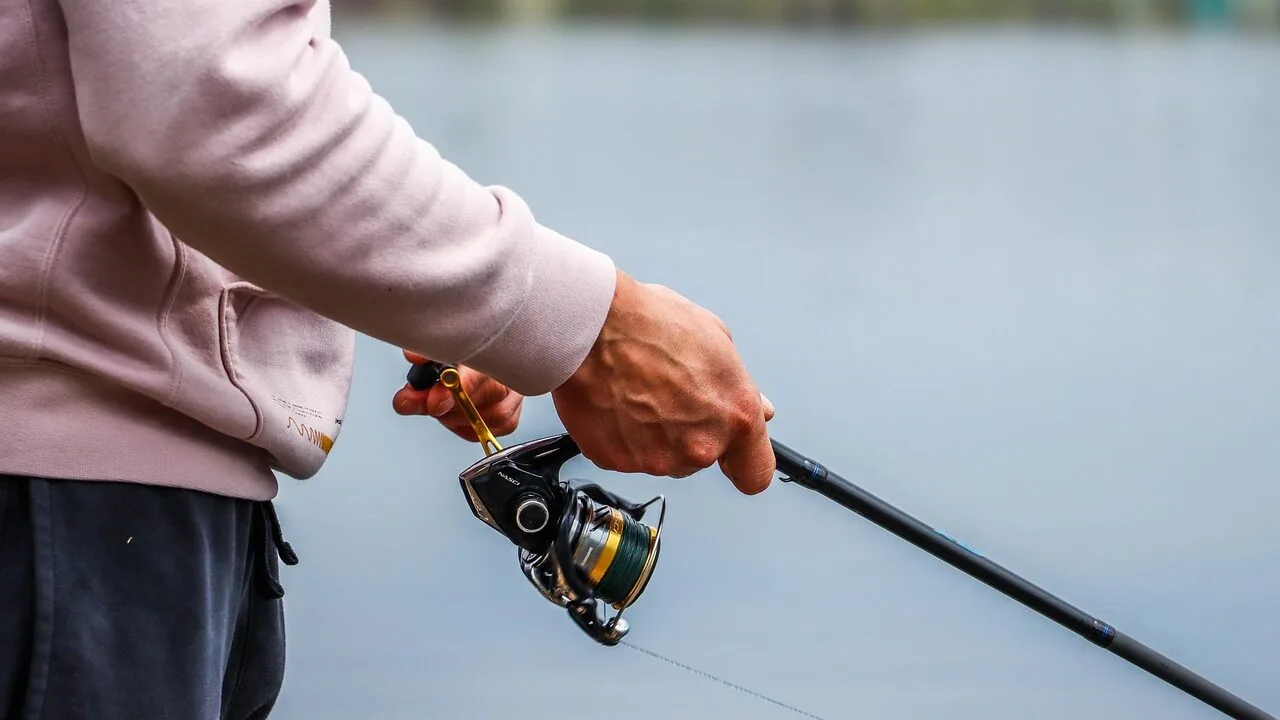
Choosing the right spinning reel can make a genuine difference on the water, whether you’re working a jig along a dock piling, pitching soft plastics into grass, or grinding through a full day of surf fishing.
The market ranges from entry-level graphite frames to precision-machined aluminum bodies with sealed carbon drag systems, and the sheer number of options makes narrowing things down genuinely difficult.
Brands like Shimano, PENN, Daiwa, KastKing, and Pflueger each bring different strengths to the table, and knowing which specs actually matter for your fishing style is the real key to a good decision.
This guide cuts through the noise.
Our team at ProductFind researched specifications, analyzed expert review consensus from across the fishing and outdoor gear community, and incorporated verified buyer feedback to build a shortlist of spinning reels that hold up across different budgets, target species, and environments.
Whether you need a workhorse reel for saltwater, a silky-smooth freshwater setup, or a value-oriented option that punches above its price, our top picks below represent the most defensible choices available right now.
If you’re also assembling a complete setup, pairing any of these reels with one of the top-rated spinning rods on the market makes a significant difference in overall feel and balance.
| Award | Product | PF Score About PF ScoreThe PF Score is our own rating from 0 to 10, based on performance, design and build, ease of use, and value. It reflects independent research and is never influenced by manufacturers, retailers, or affiliate commissions. Learn more › | Price | |
|---|---|---|---|---|
| Best Overall |
 PENN Battle III 3000 Spinning Reel
|
8.4/10 | Buy | |
| Editor's Pick |
 Shimano NASCI FD C3000 Spinning Reel
|
8.5/10 | Buy | |
| Best Value |
 Shimano Sahara FJ 2500 Spinning Reel
|
8.4/10 | Buy | |
| Top Rated |
 Daiwa Regal LT 2500-XH Spinning Reel
|
8.6/10 | Buy | |
 Daiwa Crossfire LT 2500 Spinning Reel
|
7.8/10 | Buy | ||
 Pflueger President Size 25 Spinning Reel
|
7.5/10 | Buy | ||
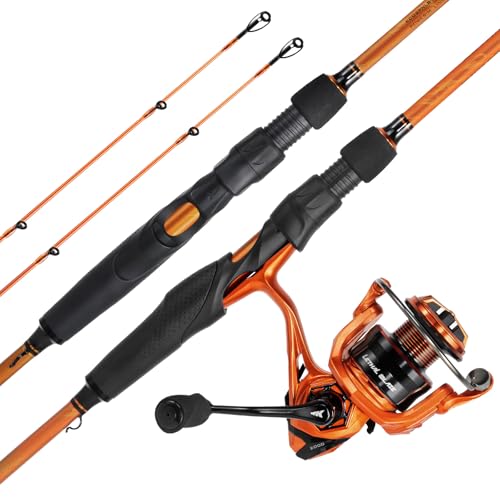 KastKing Lethal Blaze 6'8" Medium Spinning Combo
|
7.3/10 | Buy | ||
 KastKing MegaTron Size 6000 Spinning Reel
|
6.3/10 | Buy | ||
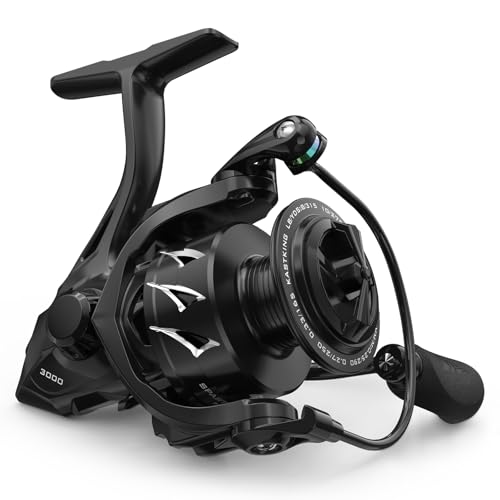 KastKing Spartacus II Plus 3000 Spinning Reel
|
6.4/10 | Buy | ||
 Accuretta 5000 Saltwater Spinning Reel
|
6.2/10 | Buy |
PENN Battle III 3000 Spinning Reel
A durable aluminum spinning reel built for saltwater inshore fishing with a 6.2:1 gear ratio and 15lb max drag capacity. The HT-100 front drag system and six total bearings deliver smooth operation for anglers targeting medium-sized fish.
Pros
- Aluminum construction designed for saltwater durability and corrosion resistance
- Smooth operation across six bearings with reliable anti-reverse mechanism
- Carbon fiber drag system rated for 15lb max drag handles larger inshore species
- Fast gear ratio recovers 35 inches of line per turn, useful for quick retrieves
Cons
- No verified buyer reviews available to assess real-world reliability or longevity
- Drag capacity of 15lb limits use to smaller to medium inshore fish species
- Capacity specifications show modest line ratings, with braided line topping out at 250 yards for 15lb test
Shimano NASCI FD C3000 Spinning Reel
Shimano's NASCI FD delivers smooth, high-torque performance in a compact C3000 size, built with features like Infinity Drive and a one-piece bail designed to minimize tangles. Best suited for anglers seeking reliable midrange spinning gear with solid water resistance.
Pros
- Infinity Drive system provides smooth reeling under heavy load
- One-piece bail design reduces friction and tangle risk
- Anti-Twist Fin prevents uneven spool wraps and line sag
- CoreProtect coating adds water resistance without compromising feel
Cons
- No verified buyer reviews available to assess real-world durability
- C3000 size limits versatility to lighter to medium applications
- Limited specification transparency on drag capacity and retrieve rate
Shimano Sahara FJ 2500 Spinning Reel
Shimano's Sahara FJ 2500 is a lightweight spinning reel built with HAGANE Gear and SilentDrive technology for smooth, quiet retrieves. Designed for anglers seeking reliable mid-range performance without excess bulk.
Pros
- HAGANE Gear construction delivers durability and smooth operation
- SilentDrive technology reduces noise during retrieval
- G-Free Body design minimizes weight at 0.85 pounds
- Propulsion Line Management System for consistent casting
- Compact 2500 size suits freshwater and light saltwater applications
Cons
- No verified buyer reviews available to assess real-world reliability
- Limited information on drag system strength and specifications
- Specifications lack detail on bearing count and spool capacity
Daiwa Regal LT 2500-XH Spinning Reel
A lightweight spinning reel built around Daiwa's Air Rotor system and Zaion V carbon body for reduced weight without sacrificing strength. The ATD drag mechanism offers smooth, predictable performance under load, making it suitable for anglers seeking a premium mid-range option.
Pros
- Air Rotor technology delivers enhanced sensitivity and balanced rotation
- Zaion V material keeps overall weight minimal without compromising strength
- ATD drag provides smooth startup and consistent drag performance
Cons
- No customer reviews available to verify real-world durability claims
- Limited size range in this model line may not suit all fishing applications
Daiwa Crossfire LT 2500 Spinning Reel
A lightweight spinning reel designed for smooth casting and reliable drag control across skill levels. The AIRDRIVE design and LC-ABS spool technology work together to reduce friction and extend casting distance, making it a solid choice for anglers seeking dependable performance without added weight.
Pros
- Smooth gear performance from durable Digigear construction
- Reduced friction through AIRDRIVE design improves casting feel
- Lightweight at just 0.55 pounds, minimizing angler fatigue
- LC-ABS spool technology enhances casting distance and line management
Cons
- No verified buyer reviews available to confirm real-world durability claims
- Size 2500 may be limiting for anglers targeting larger species or longer-distance casting
Pflueger President Size 25 Spinning Reel
A lightweight graphite spinning reel built for smooth, reliable performance across fresh and saltwater conditions. The sealed oil felt drag system and 10-ball bearing setup make it a solid mid-range choice for anglers seeking dependable gear without premium pricing.
Pros
- Lightweight construction with sealed drag system provides durability in wet environments
- 10-ball bearing setup delivers smooth, consistent reeling across various line types
- Decent line capacity across multiple weights, from 2lb mono to 8lb braid
- Balanced performance-to-price positioning makes it accessible for recreational anglers
Cons
- No verified buyer reviews available yet to confirm real-world durability and reliability
- 8lb max drag is modest for larger freshwater or saltwater species
- Limited color options (metal finish only)
KastKing Lethal Blaze 6'8" Medium Spinning Combo
A budget-friendly spinning combo built on IM6 graphite with a 2-piece design for portability and dual tip sections. The 5.2:1 gear ratio reel delivers smooth 17.6 lb drag and stainless steel construction, making it suitable for freshwater and light inshore fishing across bass, trout, and walleye applications.
Pros
- Two matching tip sections provide flexibility and backup options
- Smooth drag system with dual-shielded stainless steel bearings for dependable operation
- Titanium oxide ceramic guides and lightweight design reduce casting fatigue
- Versatile size and power rating covers multiple freshwater species and light inshore work
- Two-piece portability with claimed one-piece performance via Power Transition System
Cons
- No verified buyer reviews available to assess real-world durability and long-term performance
- 5.2:1 gear ratio is moderate, limiting appeal for anglers seeking faster retrieval speeds
- 2000 reel size skews toward lighter applications, restricting use for larger fish species
KastKing MegaTron Size 6000 Spinning Reel
A mid-range aluminum-frame spinning reel engineered for both fresh and saltwater fishing, with a triple-disc carbon fiber drag system rated over 30 lbs. Designed for anglers targeting larger fish who prioritize durability and smooth drag performance.
Pros
- Aerospace aluminum alloy skeletal frame combines lightweight design with exceptional strength
- Professional-grade gears (zinc alloy main gear, solid brass pinion) deliver smooth, rigid performance
- Triple-disc carbon fiber drag system provides 30+ lbs. of stopping power without hesitation
- 7+1 MaxiDur double-shielded stainless-steel ball bearings suitable for saltwater and freshwater
- Instant anti-reverse and CNC machined T6061 aluminum spool for precision mechanics
Cons
- No verified buyer reviews available to validate real-world performance claims
- Marketing language emphasizes aesthetics as much as function, making practical differentiation unclear
- Lack of comparative data on how the drag system and bearing count stack against competing mid-range reels
KastKing Spartacus II Plus 3000 Spinning Reel
A mid-range spinning reel built for freshwater and saltwater use, featuring IPX5 waterproofing, 7+1 stainless steel bearings, and a versatile 5.2:1 gear ratio. The 17.6 lb carbon fiber drag and anodized aluminum spool deliver reliable performance for bass, walleye, trout, and inshore species.
Pros
- IPX5 waterproof rating protects against spray, rain, and saltwater corrosion without compromising retrieval smoothness
- Seven stainless steel bearings deliver consistent, low-friction cranking under load
- Versatile 5.2:1 gear ratio works across multiple freshwater and inshore species without requiring multiple reels
- Anodized aluminum spool improves line flow for cleaner lay and longer casting distance
- Instant anti-reverse bearing eliminates backplay for solid hooksets and better fish control
Cons
- No verified buyer reviews yet, so real-world durability and long-term reliability remain unconfirmed
- 5.2:1 ratio is a compromise speed, not optimized for either fast-retrieve or high-torque specialized applications
- Limited to size 3000 in this product listing, ruling out smaller finesse or larger saltwater options
Accuretta 5000 Saltwater Spinning Reel
A mid-range saltwater spinning reel built around 13+1 stainless steel bearings and a 26 lb carbon fiber drag system. The aluminum spool and CNC-machined handle appeal to anglers seeking smooth retrieval and durability in saltwater conditions.
Pros
- Strong drag capacity (26 lbs) handles larger saltwater species without excessive wear
- Waterproof design with sealed bearings extends reel lifespan in harsh saltwater environments
- Smooth retrieval from precision-machined bearings and brass tooth components
- Solid aluminum construction throughout reduces flex and improves casting distance
- Tight screw-in rocker arm eliminates gear play for more responsive control
Cons
- No verified buyer reviews available to confirm real-world performance and durability claims
- Limited information on drag smoothness progression or potential hitching during extended use
- Repair and parts availability unclear for this lesser-known brand
Spinning Reels Buying Guide
Spinning reels sit at the intersection of engineering and personal preference, and the right choice depends heavily on where and how you fish.
The sections below walk through the criteria that matter most, from the structural decisions baked into a reel’s frame to the fine-tuned feel of its drag system.
Use these factors to cross-reference against the picks above and find the configuration that fits your specific situation.
Frame Material and Build Quality
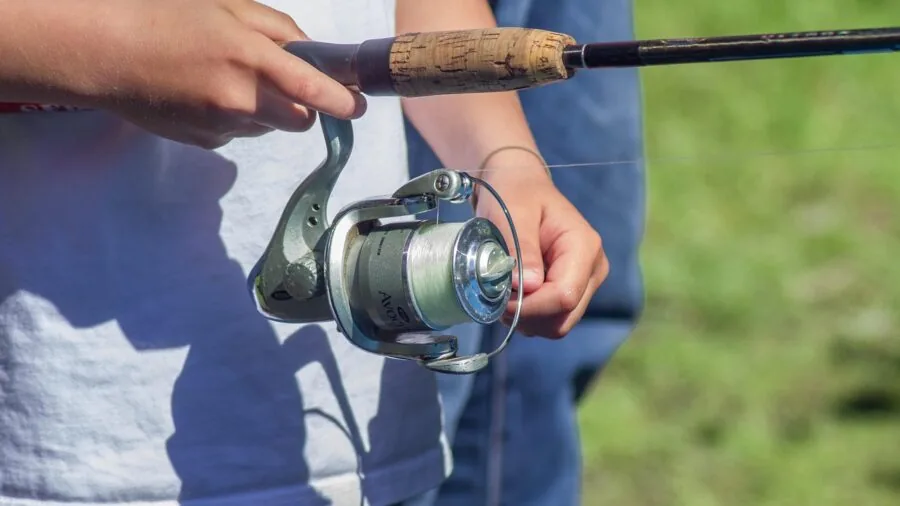
The body and rotor of a spinning reel determine its long-term durability and how much flex it introduces under load.
Aluminum-bodied reels, like the PENN Battle III, offer a rigid platform that prevents gear wobble during hard hook sets and extended fights.
That rigidity translates directly into consistent gear mesh and a longer service life, which is why aluminum dominates saltwater-focused designs.
Graphite and composite-bodied reels trade some rigidity for reduced weight. Pflueger’s President line leans on lightweight graphite construction to keep fatigue low during long casting sessions, which matters enormously for anglers throwing finesse presentations all day.
Neither material is universally superior; the choice depends on whether you prioritize absolute durability or all-day comfort.
For kayak anglers and those who spend time on the water in varied conditions, build integrity becomes even more important. A well-constructed reel pairs naturally with quality gear across your whole setup, much like a sturdy tandem kayak rewards careful outfitting decisions.
Drag System Performance
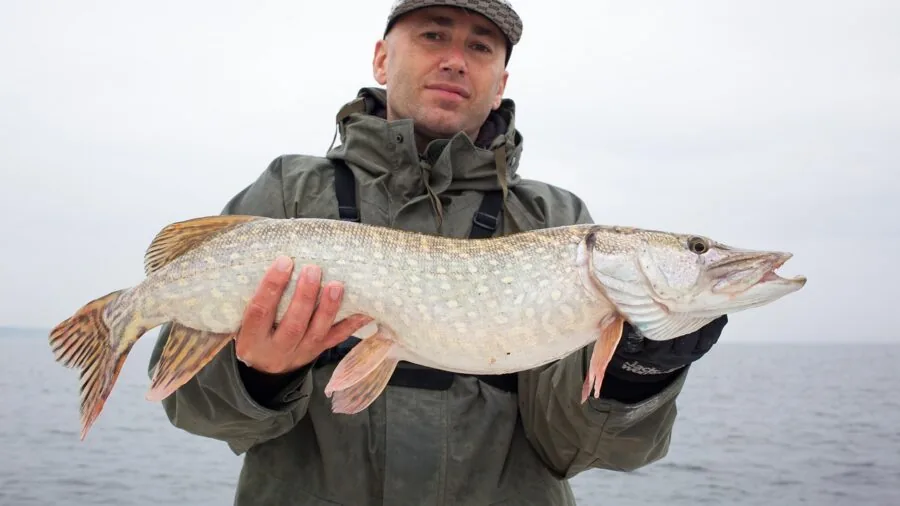
Drag is arguably the most performance-critical system in any spinning reel. A smooth, consistent drag protects light tippets from breaking and prevents large fish from pulling free with a sudden lunge.
Front drag systems, such as the HT-100 carbon fiber washers found in the PENN Battle III, are generally smoother under sustained pressure than rear drag systems because they use larger-diameter washers with more surface area.
Maximum drag rating gets a lot of attention in marketing copy, but drag smoothness at sub-maximum settings is a more useful indicator for most fishing scenarios.
Reels with ATD (Automatic Tournament Drag) systems from Daiwa, including those found in the Regal LT and Crossfire LT, are engineered to self-adjust as line is peeled off, maintaining consistent pressure throughout the fight without requiring manual intervention.
Carbon drag washers are the current standard in mid-range and premium reels because they produce less stick-slip than felt and handle heat more effectively during long runs.
If you’re targeting species that make strong initial runs, like redfish, striped bass, or large trout, prioritizing drag quality over maximum drag rating is the smarter approach.
Gear Ratio and Retrieve Rate
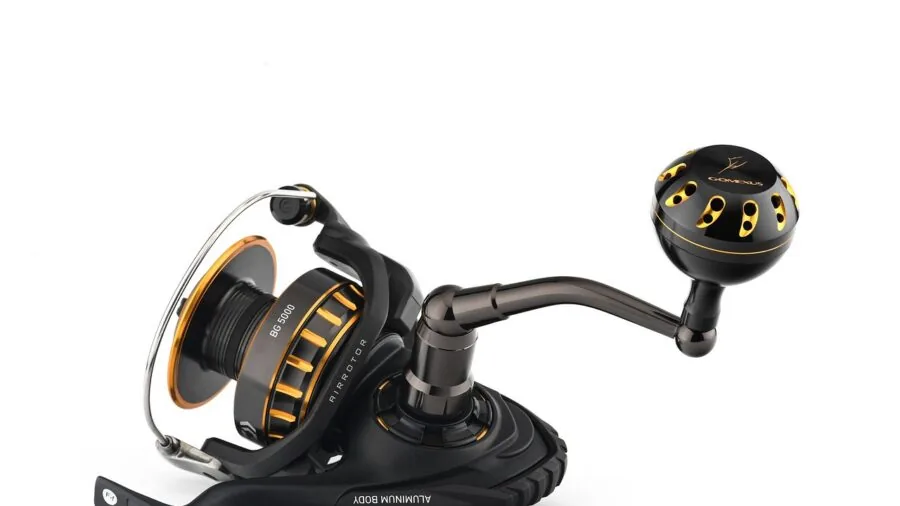
Gear ratio describes how many times the bail rotates per single handle turn. A 5.0:1 ratio is considered standard and provides excellent torque for bottom fishing, jigging, and slow-rolling swimbaits.
High-speed ratios in the 6.0:1 to 7.0:1 range excel at burning topwater lures, quickly picking up slack after a hook set, and fishing techniques where you need to keep up with a fish running toward you.
Retrieve rate, the actual inches of line recovered per handle turn, is a more complete picture than gear ratio alone because it accounts for spool diameter.
A high-ratio reel with a small spool may retrieve less line per turn than a moderate-ratio reel with a larger spool.
Cross-referencing both figures gives you a clearer sense of how a reel will actually perform with the presentations you use most.
For anglers who fish multiple techniques, many experienced anglers keep two reel sizes rigged simultaneously, one at a moderate ratio for power applications and one at a high-speed ratio for reaction baits.
This approach is particularly useful when fishing from a dedicated casting setup alongside a spinning outfit.
Bearing Count and Smoothness
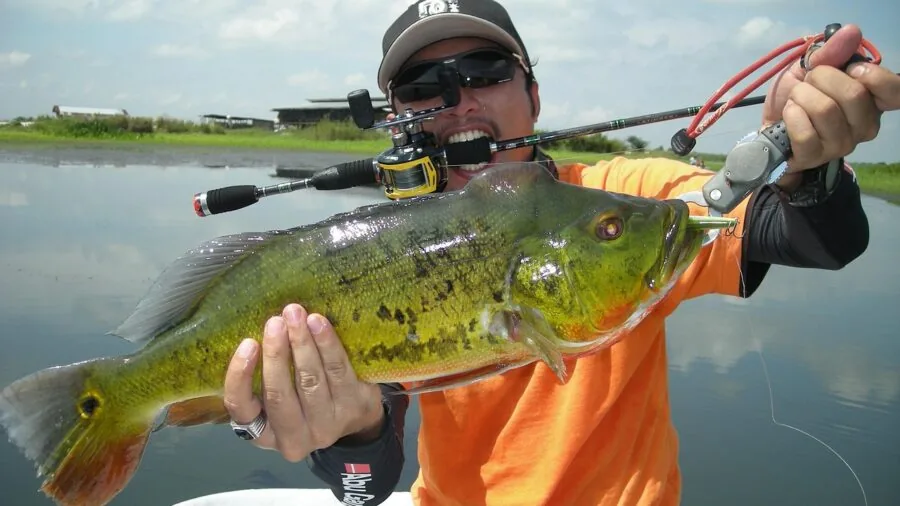
Ball bearings reduce friction at key points of rotation throughout the reel, contributing to smoother casting, a more fluid retrieve, and more consistent bail operation. However, bearing count alone is a misleading proxy for quality.
Stainless steel bearings in a well-toleranced housing outperform a higher count of lower-grade bearings in almost every real-world scenario.
Shimano’s cold-forging technology, present in reels like the Nasci FD and Sahara FJ, produces gears with extremely tight tolerances that deliver a smooth, refined retrieve feel at prices that would have required a significantly higher spend just a few years ago.
In verified buyer feedback, both reels consistently receive praise for a retrieve quality that feels disproportionately good relative to their price category.
For saltwater applications, shielded or sealed bearings matter more than raw bearing count.
Salt intrusion is one of the primary causes of early bearing failure, so reels engineered with corrosion-resistant bearings, like those using stainless steel with polymer shielding, offer meaningfully better long-term reliability in brackish and saltwater environments.
Spool Design and Line Capacity

Spool design affects casting distance, line lay consistency, and how well the reel handles different line types.
Long-cast spool profiles allow line to peel off the front lip with minimal resistance, which translates to noticeably longer casts with light lures and monofilament.
Daiwa’s LC-ABS (Long Cast Anti-Backlash System) spool geometry, found in the Crossfire LT, is engineered specifically around this principle.
Machined aluminum spools, found on more premium offerings, provide a rigid platform that resists deforming under drag pressure and produces a more consistent line lay than injection-molded alternatives.
Anodized finishes on aluminum spools also provide a degree of corrosion resistance that raw aluminum lacks. For braid-heavy setups, a machined aluminum spool prevents the braid from digging in under pressure, which is a real problem with soft graphite spools.
Freshwater vs. Saltwater Suitability

The environment where you fish should be a primary filter before any other consideration. Saltwater accelerates corrosion aggressively, and reels not designed for marine environments can deteriorate within a single season.
Look for sealed body designs, corrosion-resistant coatings on gears and shafts, and IPX-rated water resistance if you regularly fish surf, inshore, or around brackish water.
The PENN Battle III was designed specifically with inshore saltwater use in mind, using all-aluminum construction and sealed bearing systems to maintain performance in environments that destroy lesser reels quickly.
On the opposite end, reels like the Pflueger President prioritize lightweight refinement for freshwater applications where corrosion resistance is less critical than all-day comfort.
Even freshwater-focused reels benefit from thorough rinsing and periodic maintenance if used near saltwater. Proper maintenance habits extend the lifespan of any reel significantly, regardless of its original corrosion-resistance rating.
The same attentiveness to gear care that makes outdoor gear last in harsh conditions applies equally on the water.
Why You Should Trust Us
ProductFind is an independent review publication. We do not accept manufacturer samples, sponsored placements, or paid-for rankings.
Every spinning reel in this guide was assessed using our standardized research methodology: we evaluate products against a consistent set of criteria drawn from manufacturer specifications, expert review consensus from across the fishing and outdoor gear community, and verified buyer feedback from confirmed purchasers.
We do not conduct our own product trials; our evaluations are grounded in research, published data, expert review consensus, and verified buyer feedback.
Each reel in this guide was rated on our PF Score system, a 0 to 10 scale that weighs build quality, drag performance, value, bearing quality, and suitability across freshwater and saltwater environments.
The PF Score is calculated consistently across every product we assess, so scores are directly comparable across the list. Reels are ranked by PF Score, with the highest-rated option appearing first.
Transparency about our affiliate relationships is important to us. ProductFind may earn a commission when you purchase through a link in this article.
That relationship has no influence whatsoever on which products are included, how they are ranked, or what PF Score they receive. Our recommendations follow the evidence, not the commission structure.
Final Thoughts
The spinning reel market in 2026 offers genuinely strong options at every price point, and the picks in this guide cover the full spectrum from high-value budget performers to serious mid-range workhorses built for demanding conditions.
Here are the standout designations based on our research and PF Score rankings:
- Best Overall: Daiwa Regal LT. The top PF Score in this roundup reflects a reel that delivers exceptional drag refinement, an impressively lightweight ZAION body, and ATD technology in a package that outperforms its price category by a meaningful margin. Anglers who want a premium feel without a premium price will find this reel difficult to beat.
- Best for Saltwater Inshore Fishing: PENN Battle III. All-aluminum construction, a full-metal body and side plate, and HT-100 carbon fiber drag washers make this the most defensible choice for anglers targeting redfish, striped bass, flounder, and other inshore species where corrosion resistance is non-negotiable.
- Best Smooth Retrieve in Its Class: Shimano Nasci FD. Shimano’s cold-forged Hagane gearing and X-Protect water resistance technology combine to produce a retrieve quality and durability level that consistently earns expert praise at a mid-range price point.
- Best Budget Pick: Daiwa Crossfire LT. At the entry-level end of the price range, the Crossfire LT’s AIRDRIVE design, Digigear system, and LC-ABS long-cast spool deliver performance that punches well above what you would expect for the spend, making it the strongest value recommendation in the group.
- Best for Finesse Freshwater Anglers: Pflueger President. Ten stainless steel ball bearings, a sealed oil-felt front drag, and graphite construction designed for light lures and finesse presentations make this a consistent favorite among freshwater anglers who prioritize sensitivity and comfort over raw power.
Regardless of which reel fits your needs best, pairing it with a quality rod matched to the same line weight and lure range will maximize the combination’s real-world performance. Our guide to spinning rods worth buying covers compatible options across the same budget tiers.
Frequently Asked Questions
What Size Spinning Reel Do I Need?
Reel size is typically expressed as a number (1000, 2500, 4000, 6000, etc.) that loosely correlates to spool capacity, body size, and the line weights the reel is designed to handle.
Smaller sizes in the 1000 to 2500 range work best for light freshwater fishing with 4 to 10 lb monofilament or 6 to 15 lb braid. Mid-sizes around 3000 to 4000 cover most freshwater and light inshore applications.
Larger sizes from 5000 upward are designed for surf fishing, offshore light tackle, and targeting larger species.
A practical approach is to match the reel size to the rod’s rated line weight and the average size of fish you’re targeting.
Going too small creates drag pressure limitations; going too large adds unnecessary weight that reduces sensitivity and increases fatigue over a long day on the water.
Can I Use a Freshwater Spinning Reel in Saltwater?
Technically yes, but it carries real risk. Freshwater reels are typically not built with corrosion-resistant coatings on internal gears, shafts, and bearings, which means salt exposure accelerates deterioration significantly.
A reel rated for freshwater use can function adequately in saltwater for a short period if rinsed thoroughly with fresh water immediately after each use, but it will degrade faster than a purpose-built saltwater reel.
If you fish in both environments, investing in a reel specifically engineered for saltwater use, such as a model with sealed bearings, corrosion-resistant treatment on internal components, and an IPX water resistance rating, protects your investment far more effectively over multiple seasons.
How Many Ball Bearings Does a Good Spinning Reel Need?
There is no magic number. Five to seven quality stainless steel bearings in a well-engineered housing will outperform twelve low-grade bearings in a reel with loose tolerances.
Bearing quality, material (stainless steel vs. carbon steel), and shielding type matter far more than raw bearing count when evaluating how smooth and durable a reel will be over time.
When comparing reels, prioritize the overall retrieve feel as described in expert reviews and verified buyer accounts over the bearing count listed in spec sheets. Shimano’s reputation for smooth retrieves, for example, comes as much from its gear manufacturing precision as from bearing placement.
Is Monofilament or Braided Line Better for Spinning Reels?
Both line types work with spinning reels, and the choice depends primarily on your technique and target species. Monofilament is more forgiving, has natural stretch that can prevent hook pulls on light-biting fish, and is less visible underwater.
It also costs less and is easier to manage for beginners. The drawback is that it has significantly more stretch than braid, which reduces sensitivity at longer distances.
Braided line offers superior strength-to-diameter ratio, near-zero stretch for maximum sensitivity, and much longer usable lifespan on the spool.
Most experienced anglers running braid use a monofilament or fluorocarbon leader to provide some shock absorption and reduce visibility near the lure.
If you’re using braid on a graphite-spooled reel, filling the spool with a short monofilament backing first prevents the braid from slipping under pressure.
How Do I Maintain a Spinning Reel to Make It Last Longer?
Basic reel maintenance is straightforward and extends service life significantly.
Rinse the exterior with fresh water after every saltwater outing, and allow the reel to air-dry with the drag loosened to prevent the drag washers from compressing and deforming over time.
Periodically apply light reel oil to the line roller and bail pivot, and use a heavier reel grease on the main gear and pinion gear during annual service.
Avoid submerging the reel entirely unless it carries a meaningful IPX water resistance rating. Even sealed reels benefit from regular rinsing rather than relying solely on their seals.
Inspect the line roller for grooves periodically, as a grooved roller shreds line and is one of the most common causes of unexplained line breakage during a fight.
What Is the Difference Between a Spinning Reel and a Baitcasting Reel?
Spinning reels mount below the rod, use a fixed spool with a rotating bail to manage line, and are significantly easier to use for casting light lures and light line weights.
They’re the preferred choice for beginners, finesse techniques, and applications where casting accuracy with light presentations matters most.
Baitcasting reels mount above the rod, use a revolving spool, and require more technique to cast without causing backlash.
They excel with heavier lures and line, offer superior casting accuracy for experienced anglers, and provide more direct contact with the lure during the retrieve.
Many anglers fish both reel types depending on technique, and understanding casting rods built for baitcasters helps clarify when each system makes sense. Neither is universally superior; they serve different purposes effectively.
About the author
Bernard is a reviewer and writer for ProductFind who specializes in Fishing. Bernard evaluates products through independent research: specifications, expert review consensus, and verified buyer feedback, and rates each one on the PF Score. Bernard focuses on helping readers pick the right fishing for their needs and budget.