The 8 Best Baby Booties
Soft, stay-on, and safe for tiny feet: we researched organic cotton, fleece, and grip-sole styles to find the baby booties that actually work for newborns through first walkers.
 By Lisa Cruz
Updated July 23, 2026
By Lisa Cruz
Updated July 23, 2026
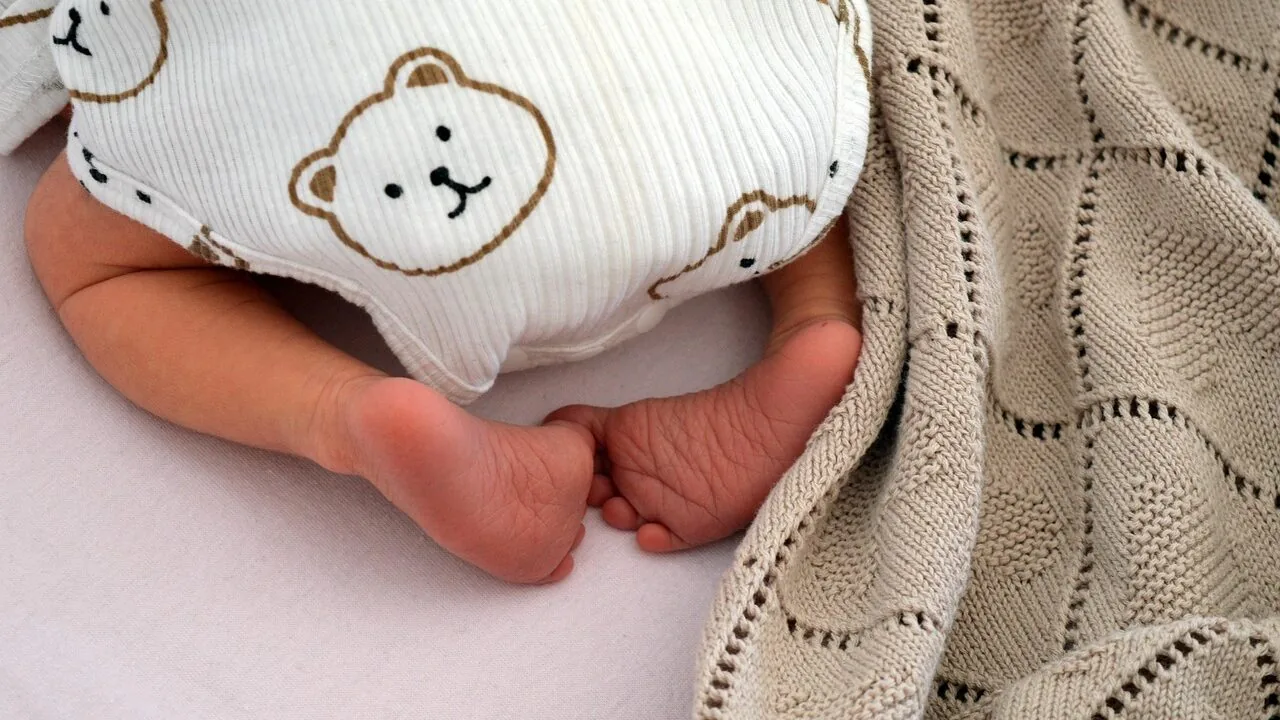
Tiny feet deserve proper protection, and baby booties are one of the first purchases new parents make.
Whether you need something snug for a newborn coming home from the hospital, a breathable cotton layer for napping at home, or a non-slip sole for a wobbly first walker, the right pair keeps little feet warm, comfortable, and safe without cutting off circulation or falling off every five minutes.
With so many options spanning organic cotton, fleece, hand-knit styles, and rubberized soles, it can feel overwhelming to know where to start.
At ProductFind, we cut through the noise by researching product specifications, synthesizing expert review consensus, and analyzing verified buyer feedback across hundreds of real-world purchases.
Every pair in this guide has been assessed against consistent criteria and scored on our 0 to 10 PF Score scale, so you can shop with confidence. Scroll down for our top picks, ranked from highest to lowest PF Score.
| Award | Product | PF Score About PF ScoreThe PF Score is our own rating from 0 to 10, based on performance, design and build, ease of use, and value. It reflects independent research and is never influenced by manufacturers, retailers, or affiliate commissions. Learn more › | Price | |
|---|---|---|---|---|
| Best Overall |
 Ten Little Organic Cotton Baby Booties, 6-12M
|
8.7/10 | Buy | |
| Editor's Pick |
 Burt's Bees Baby Organic Cotton Booties, 0-3M
|
8.4/10 | Buy | |
| Best Value |
 TJCONETJC Hand-Crochet Baby Booties, 0-12 Months (2 Pairs)
|
7.8/10 | Buy | |
| Top Rated |
 Yanyinfootwear 2-Pair Knitted Baby Booties, 0-3 Months
|
7.6/10 | Buy | |
 Pro Goleem Fleece Baby Booties for 6-12 Months
|
7.5/10 | Buy | ||
 Bearbay Baby Sock Shoes, 12-18 Months
|
7.1/10 | Buy | ||
 Hudson Baby Cozy Fleece Booties, 0-6 Months
|
7.2/10 | Buy | ||
 Sawimlgy Baby Booties with Non-Skid Grippers
|
6.8/10 | Buy |
Ten Little Organic Cotton Baby Booties, 6-12M
GOTS-certified organic cotton booties with a seamless SoftLoom interior designed to stay put through infant movement. Non-slip sole and adjustable double-snap straps make them practical for newborns through 18 months, arriving gift-ready in a canvas bag.
Pros
- Organic construction appeals to parents prioritizing non-toxic materials for sensitive skin
- Seamless design specifically addresses comfort for sensory-sensitive infants
- Double-snap adjustment and elastic ankles address the common problem of booties falling off
- Soft non-slip sole balances protection with natural movement for crawling and standing stages
- Comes pre-packaged as a gift, eliminating extra wrapping effort
Cons
- No verified customer reviews available to assess real-world durability and fit consistency
- Premium pricing typical of organic baby products may limit budget-conscious buyers
- Limited color option shown (Heather Oat only in this listing)
Burt's Bees Baby Organic Cotton Booties, 0-3M
Soft organic cotton booties designed for newborns with adjustable snap closures and elastic cinch to prevent slipping. Available in multiple colorways including quilted bee patterns, these booties withstand frequent washing while maintaining their shape and softness.
Pros
- 100% organic cotton provides breathable comfort without excess moisture for delicate newborn skin
- Adjustable two-snap closures and elastic cinch keep booties secure during movement
- Ring-spun combed fabric resists pilling and maintains softness after repeated washing
- Wide range of design options from solids to quilted bee patterns
Cons
- No verified customer reviews available to assess real-world durability or fit consistency
- Sizing limited to 0-3 months, requiring repurchase as infant grows
- Adjustability features may take trial-and-error to find optimal fit for each baby
TJCONETJC Hand-Crochet Baby Booties, 0-12 Months (2 Pairs)
Hand-crocheted cotton booties designed for newborns through 12 months, available in white and khaki pairs. Features non-slip soles and stretchy construction for easy on-and-off during diaper changes.
Pros
- Non-slip soles offer safety support for babies learning to walk
- Handmade quality with soft cotton material reduces irritation risk
- Two-pair bundle adds practical value for daily rotation
- Stretchy fit accommodates growth across 0-12 month range
Cons
- No verified buyer reviews available to confirm fit accuracy or durability claims
- Hand-crocheted items may show slight variations in sizing between pairs
- Limited size range information beyond age grouping (0-12 months)
Yanyinfootwear 2-Pair Knitted Baby Booties, 0-3 Months
A two-pack of soft knitted booties featuring playful animal designs in coordinating colors, sized for newborns and infants. The non-slip sole and stretchy knit provide secure fit without restriction, while machine washability keeps maintenance simple for busy parents.
Pros
- Includes two coordinating pairs, offering value and convenience for daily changes
- Non-slip sole adds practical safety for babies beginning to move
- Machine washable with stated durability to maintain shape and softness after multiple washes
- Stretchy knit construction allows snug fit without restricting infant movement
- Unisex animal designs appeal to varied parenting styles and gift-giving occasions
Cons
- 4.4 rating has zero verified buyer reviews, limiting insight into real-world durability and fit consistency
- Limited to single size range (0-3 months), requiring repurchase as infant grows
- Animal design and color options (Blue Calf and White Bear) fixed, no customization available
Pro Goleem Fleece Baby Booties for 6-12 Months
Fleece baby booties designed to stay put during crawling and play, featuring adjustable velcro closure and non-slip soles. Best for parents seeking an alternative to socks that won't slip off as babies move around.
Pros
- Adjustable velcro closure makes dressing quick and easy
- Anti-slip grippers on sole reduce fall risk during crawling
- Designed to stay on feet better than traditional baby socks
- Machine and hand washable for convenient cleaning
- Soft fleece material suitable for sensitive infant skin
Cons
- No verified buyer reviews available to confirm real-world durability
- Limited to single color option (black) and one size range (6-12 months)
- Velcro may lose grip effectiveness over repeated washing cycles
Bearbay Baby Sock Shoes, 12-18 Months
Soft cotton sock shoes designed for infants and toddlers with non-slip rubber soles and padded toe protection. Built for both indoor and outdoor wear with breathable materials, though no verified buyer feedback is available to validate durability claims.
Pros
- Lightweight and flexible design lets babies move freely
- Thickened toe protection buffers impact and prevents injury
- Stretchy fit accommodates growth, allowing size-down purchasing
- Sweat-absorbent and odor-resistant materials
- Machine and hand washable for convenient cleaning
Cons
- No verified customer reviews available to confirm real-world performance or durability
- Sizing guidance recommends buying a smaller size due to stretch, which may confuse parents
- Limited to one color option in current listing
Hudson Baby Cozy Fleece Booties, 0-6 Months
Soft polyester fleece booties designed for newborns and infants up to 6 months. Simple, everyday option for keeping tiny feet warm and comfortable at an affordable price point.
Pros
- 100% polyester construction feels gentle on delicate baby skin
- Lightweight and compact, easy to pack for travel or everyday use
- Budget-friendly without sacrificing basic comfort standards
- Neutral heather gray color coordinates with most baby outfits
Cons
- No customer reviews available yet to verify real-world durability and fit consistency
- Single size covers a broad 0-6 month range, which may not fit all infants equally well
- Limited information on closure type (elastic, snap, or open cuff)
Sawimlgy Baby Booties with Non-Skid Grippers
Soft poly-cotton booties designed to stay on infant feet with non-skid rubber grips on the bottom for safety during early walking. Hook-and-loop closure and elastic ankle support make them easy to put on and remove while keeping feet warm throughout the day.
Pros
- Non-skid bottoms with rubber grips provide genuine safety benefit for babies learning to walk
- Stay-on design eliminates frustration of constantly replacing fallen socks
- Easy closure system allows quick dressing without fumbling with tiny feet
- Soft material and warm construction suitable for crib use and indoor wear
Cons
- No verified customer reviews available to confirm real-world durability and fit consistency
- Sizing requires manual foot measurement rather than straightforward age-based sizing
- Limited to 3-6 month size in current listing, unclear if other sizes offered
Baby Booties Buying Guide
Choosing the right baby booties goes well beyond picking the cutest style.
Infant feet are developing rapidly, and the wrong fit or material can cause real discomfort, restrict movement, or simply end up on the nursery floor within minutes of being put on.
The sections below walk through the factors that matter most, whether you are outfitting a newborn or a newly mobile crawler.
Material and Breathability
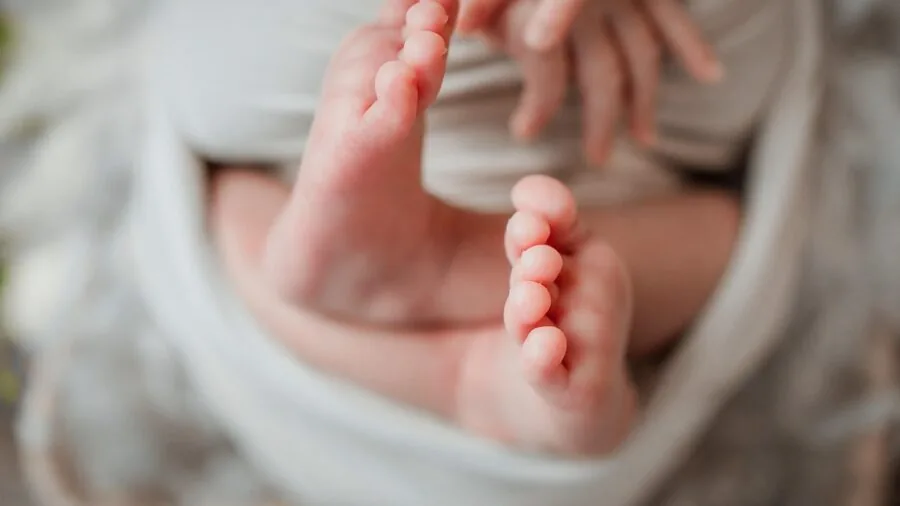
The material a bootie is made from directly affects how warm, comfortable, and safe it is for your baby.
For everyday indoor wear, 100% organic cotton is widely recommended by pediatric footwear experts because it is soft against sensitive skin, breathable enough to prevent overheating, and free from harsh dyes or chemicals.
Options like the Burt’s Bees Baby booties and the Ten Little Everyday Booties are both certified organic cotton, making them strong choices for parents who prioritize natural materials.
For cooler months or outdoor use in strollers and carriers, fleece-lined booties provide a meaningful layer of insulation. Fleece traps heat effectively without adding bulk, which matters when you are trying to keep a bootie secured on a wriggling newborn.
However, fleece is less breathable than cotton, so it is best reserved for genuinely cold conditions rather than used as an all-season option.
Hand-crochet and knit booties, such as those from TJCONETJC and yanyinfootwear, add a charming aesthetic and are popular as gift items.
Knit constructions offer mild stretch and airflow, though the weave density varies significantly between products, which affects warmth and durability. Check verified buyer feedback carefully for pilling or unraveling after washing before committing to a knit style for everyday use.
Stay-On Security and Adjustability
The single most common complaint about baby booties, echoed across thousands of verified buyer reviews, is that they fall off. A bootie that looks adorable in product photos but lands under the stroller after three minutes serves no practical purpose.
Look for designs with adjustable closures, either elastic ankle cuffs, hook-and-loop straps, or drawstring ties, that allow a snug but not tight fit around your specific baby’s ankle circumference.
The Ten Little Everyday Booties stand out in this regard because of their patented SoftLoom seamless interior combined with an adjustable closure system, which has earned notably consistent praise for staying put through active kicking.
The Pro Goleem fleece booties similarly use an adjustable design that verified buyers with chunky-ankled babies frequently call out as a differentiator compared to simpler elastic-only styles.
When shopping by size, bear in mind that baby foot measurements vary widely even within a single age bracket.
Many experienced parents recommend sizing up by one bracket if your baby is at the top end of the weight or length range for their age, since a slightly roomier fit is preferable to one that pinches.
Pairing booties with corner guards and other baby-proofing essentials is a good way to think holistically about your nursery and home setup as your baby becomes mobile.
Sole Type: Soft vs. Rubber-Grip
For newborns and pre-walkers, soft-soled booties with no rigid structure are the correct choice.
Pediatric podiatrists consistently advise that pre-walking babies benefit most from footwear that mimics barefoot conditions, allowing natural foot and ankle development without the constraint of a stiff sole.
Soft-soled options like the Burt’s Bees Baby and Ten Little booties are designed with this developmental principle in mind.
Once a baby begins pulling to stand and taking early steps, usually between nine and fifteen months, non-slip grip soles become genuinely important on smooth floors.
The Bearbay Baby Sock Shoes and the Sawimlgy booties both feature rubberized grip patterns on the sole, which reduce the risk of slipping on hardwood or tile.
When you are thinking about floor safety more broadly, a reliable set of baby gates for stairs and doorways is an equally important investment at this stage.
Avoid booties with thick, inflexible outsoles for babies who are not yet walking confidently. While they may look like miniature adult shoes, rigid soles can interfere with the proprioceptive feedback that babies rely on to develop balance and coordination.
Opt for thin, flexible rubber grip layers rather than thick EVA or hard plastic constructions.
Ease of Putting On and Taking Off

Any parent who has tried to wrestle a bootie onto a squirming newborn at 2 a.m. knows that ease of dressing is not a minor concern.
Look for wide openings, flexible cuffs, and single-motion closures that allow one-handed fastening while your other hand steadies a wriggling baby. Slip-on styles with generous elastic ankle bands work well for calm babies but can be fiddly on active ones.
The Pro Goleem booties are a recurring example in verified buyer feedback of a design that threads this needle well: the opening is wide enough to slip on quickly, and the adjustable closure secures without requiring precise fine-motor movements from an exhausted parent.
Sock-shoe hybrids like the Bearbay option also tend to rate highly for ease of use because the stretch of the fabric compensates for a less-than-perfect angle of approach.
Washability and Durability

Baby footwear gets dirty quickly and needs to survive frequent washing. Confirm whether a bootie is machine-washable before buying, and check verified buyer feedback specifically for shrinkage, color fading, and whether the elastic or closure degrades after repeated wash cycles.
Cotton booties generally hold their shape better in cool-to-warm machine washes, while fleece can pill if washed too aggressively or dried at high heat.
Hand-knit and crochet booties, while beautiful, sometimes require hand-washing or gentle cycle treatment to maintain their shape and texture. If you plan to use a pair daily rather than saving it for photos or special occasions, prioritize machine-washable constructions.
Buying two pairs of the same style so that one is always clean is a practical approach that many parents in verified reviews recommend regardless of material type.
Value and Price Range
Baby booties span a wide price range, from budget-friendly multi-pack options to premium single pairs with certified organic materials and specialized construction.
Budget picks like the Pro Goleem fleece booties and the Bearbay sock shoes deliver strong everyday functionality at a low per-pair cost, which matters when you are buying multiple sizes as your baby grows rapidly through the first year.
Mid-range options like the TJCONETJC hand-crochet booties and the yanyinfootwear knit styles offer aesthetic appeal and gift-worthy presentation alongside solid function.
At the premium end, the Ten Little and Burt’s Bees Baby booties justify their higher price point through certified organic materials, more refined construction, and better documented stay-on performance according to the expert and buyer consensus we analyzed.
When budgeting for the full nursery setup, keep in mind that booties are just one piece of the puzzle.
Safety gear like retractable baby gates and other protective products often represent a more significant investment as your child becomes mobile, and it helps to plan for those alongside everyday clothing and footwear costs.
Why You Should Trust Us
ProductFind is an independent review publication with no brand affiliations or retail partnerships influencing our editorial decisions. Every product in this guide was evaluated against a consistent set of criteria and scored using our 0 to 10 PF Score system.
We do not conduct our own product trials; our evaluations are grounded in research, published data, expert review consensus, and verified buyer feedback.
For this guide on baby booties, our research drew on manufacturer-published specifications, material certifications (including GOTS organic certifications where applicable), pediatric footwear guidance from published professional sources, and the aggregated patterns found in thousands of verified buyer reviews.
We weighted factors including stay-on security, material safety, sole appropriateness for developmental stage, washability, and overall value relative to price.
ProductFind may earn a commission if you purchase through links on this page. This affiliate relationship has no bearing whatsoever on our rankings, PF Scores, or product selection.
Products are ranked on merit as determined by our research process, not on the basis of commission rates or brand relationships.
Our goal is to help you make a confident, well-informed decision, not to steer you toward any particular product for commercial reasons.
Final Thoughts
After thoroughly researching the baby booties market in 2026, here are our top picks by category, each reflecting its PF Score standing within the group:
- Best Overall: Ten Little Everyday Baby Booties earn the top spot with the highest PF Score in this roundup. The seamless SoftLoom organic cotton interior, adjustable closure, and non-slip sole address every key purchase criterion in one package, making them the most well-rounded choice regardless of budget.
- Best for Organic-Conscious Parents: Burt’s Bees Baby Organic Cotton Booties bring a trusted brand reputation, certified 100% organic cotton construction, and an adjustable design that earns consistently strong marks from verified buyers who prioritize chemical-free materials for newborn skin.
- Best for Gifting: TJCONETJC Hand Crochet Knit Booties deliver charming handcrafted aesthetics in a two-pair set at a mid-range price, making them one of the most popular gift-oriented picks in this category with a PF Score that reflects solid real-world performance beyond just looks.
- Best Budget Fleece Pick: Pro Goleem Fleece Baby Booties offer warm, cozy construction with a genuinely adjustable closure at a budget-friendly price, earning their place as the go-to value recommendation for parents who need reliable cold-weather coverage without overspending.
- Best for New Walkers: Bearbay Baby Sock Shoes stand out for their soft rubber grip sole and breathable construction, a combination that suits the transition from crawling to walking on smooth indoor floors better than most soft-soled alternatives at this price point.
Whichever style you choose, the most important thing is fit: a bootie that stays on, does not compress the toes, and suits the developmental stage of your baby will always outperform a more expensive option that fails on any of those basics.
Use our buying guide sections above to match the right style to your baby’s current needs, and revisit as they grow.
Frequently Asked Questions
When Should Babies Start Wearing Booties?
Babies can wear soft booties from birth onward, primarily for warmth rather than foot protection. Newborns and pre-walkers do not need rigid soles or structured footwear.
The key function of booties at this stage is thermal regulation, since infants lose body heat quickly through their extremities. Soft, breathable cotton or fleece styles are ideal for the newborn through pre-walking stage.
How Do I Keep Baby Booties From Falling Off?
The single most effective feature for keeping booties on is an adjustable closure at the ankle, whether that is a hook-and-loop strap, a drawstring, or a well-placed elastic band.
Booties that rely solely on a loose slip-on design frequently fall off active babies. Sizing also plays a role: if a bootie is too large relative to the ankle circumference, no closure will compensate fully.
Look specifically for stay-on feedback in verified buyer reviews, since this is the pain point buyers mention most consistently.
Are Baby Booties Safe for Sleep?
Most pediatric and safe sleep guidelines recommend against putting loose footwear or accessories on babies during unsupervised sleep, since items that come loose in a crib can pose a suffocation risk.
For sleep warmth, a well-fitted sleep sack or footed pajamas is generally the safer option recommended by pediatric organizations. Booties are best reserved for awake, supervised periods or outdoor outings in carriers and strollers.
What Size Baby Booties Should I Buy?
Baby footwear sizing typically follows age ranges (0 to 3 months, 3 to 6 months, 6 to 12 months, and so on), but these are guides rather than guarantees. Babies vary significantly in foot length and ankle circumference within any given age bracket.
A common recommendation from experienced parents is to measure your baby’s foot length and compare it against the product’s size chart, and to size up by one bracket if your baby is near the top of their age range in weight or length.
Buying two sizes at once during periods of rapid growth is a practical approach many parents use to avoid running out of correctly-sized footwear.
Can Baby Booties Replace Proper Walking Shoes?
For early indoor walking, soft-soled booties with grip soles are generally considered appropriate by most pediatric footwear guidance.
However, once a child is walking confidently outdoors on varied surfaces, transitioning to purpose-built toddler shoes with more structured support and protective outsoles is advisable.
Booties are an excellent solution for the crawling-to-early-walking transition inside the home, but they are not a long-term replacement for properly fitted shoes as a toddler’s gait and balance develop.
As your child becomes more mobile, it is also worth reviewing your home safety setup, including furniture corner protectors and stair barriers, to match their growing independence.
Are Organic Cotton Booties Worth the Extra Cost?
For parents concerned about chemical exposure, certified organic cotton booties offer a meaningful assurance that the fabric has been produced without synthetic pesticides or harmful dyes, which matters when the material sits against a newborn’s sensitive skin for extended periods.
Options like the Burt’s Bees Baby and Ten Little booties both carry organic certifications that are verified by third-party bodies rather than self-reported.
Whether the premium is worth it depends on your priorities and budget, but the performance gap between a high-quality organic cotton bootie and a conventional one is generally small.
The bigger differentiators are fit, stay-on design, and developmental appropriateness rather than material certification alone.
About the author
Lisa is a reviewer and writer for ProductFind who specializes in Baby & Toddler Safety. Lisa evaluates products through independent research: specifications, expert review consensus, and verified buyer feedback, and rates each one on the PF Score. Lisa focuses on helping readers pick the right baby & toddler safety for their needs and budget.