The 9 Best Cat Trees
Finding a cat tree that survives daily use, fits your space, and actually gets used is harder than it looks. Here are the strongest picks across size, budget, and household type.
 By Wilma Austin
Updated July 23, 2026
By Wilma Austin
Updated July 23, 2026
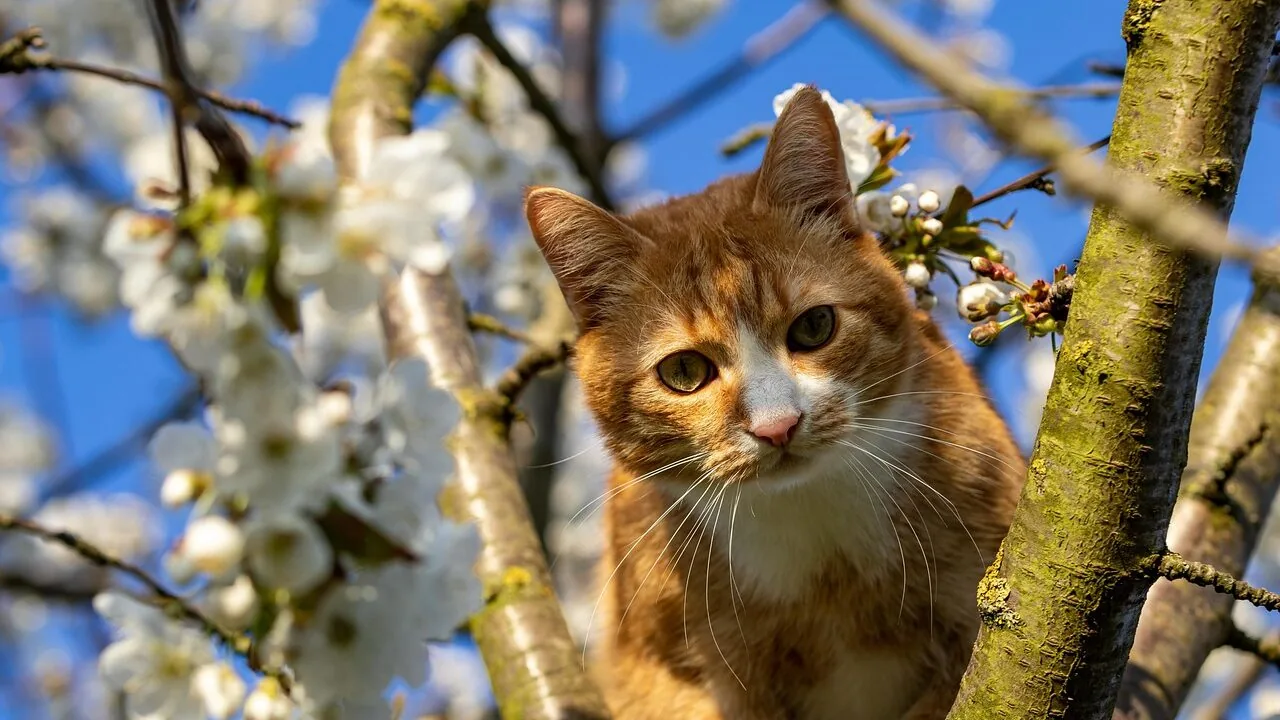
A well-chosen cat tree does far more than keep your furniture intact. It gives indoor cats a dedicated space to climb, scratch, rest, and survey their territory, all of which are behaviours rooted in instinct.
Without an outlet, cats redirect those urges onto sofas, curtains, and door frames.
The right structure, matched to your cat’s size, activity level, and the space available in your home, can meaningfully improve both your pet’s wellbeing and your daily quality of life.
This guide covers nine cat trees spanning compact budget-friendly towers to tall multi-level condos, with options from brands including Yaheetech, Feandrea, Globlazer, and Taoqimiao.
ProductFind selected each pick through a synthesis of published specifications, expert review consensus from veterinarians and pet product reviewers, and verified buyer feedback from confirmed purchasers.
If you want to keep your pet’s setup complete, pairing a good tree with a quality self-cleaning litter box is one of the smartest upgrades an indoor cat owner can make. Scroll down to see our ranked picks.
| Award | Product | PF Score About PF ScoreThe PF Score is our own rating from 0 to 10, based on performance, design and build, ease of use, and value. It reflects independent research and is never influenced by manufacturers, retailers, or affiliate commissions. Learn more › | Price | |
|---|---|---|---|---|
| Best Overall |
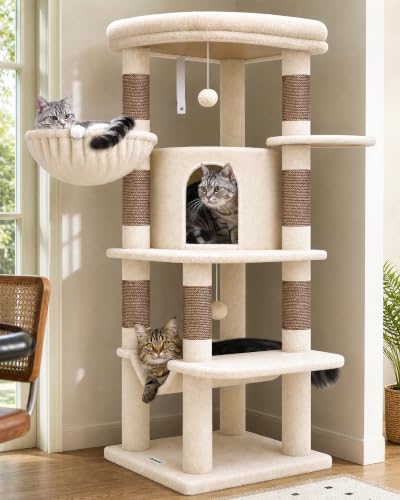 Globlazer C51 51-Inch Corner Cat Tree with Hammock
|
7.8/10 | Buy | |
| Editor's Pick |
 Feandrea UPCT190G 81-Inch Multi-Level Cat Tree
|
7.5/10 | Buy | |
| Best Value |
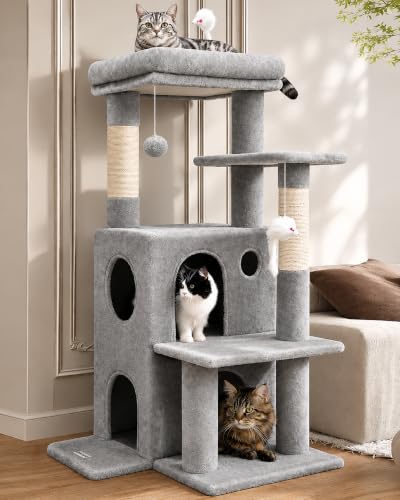 Globlazer FC50 50-Inch Cat Tree Tower
|
7.3/10 | Buy | |
| Top Rated |
 Taoqimiao 71-Inch Cactus Cat Tree for Multiple Cats
|
7.2/10 | Buy | |
 SHA CERLIN 65in Cat Tree Tower for Large Cats
|
7.0/10 | Buy | ||
 Hey-brother MPJ050W 60.6-Inch Multi-Level Cat Tree
|
6.5/10 | Buy | ||
 Yaheetech 63in Cat Tree for Large Cats
|
6.0/10 | Buy | ||
 Pawfessor 32-Inch Cat Tree with Hammock and Self-Groomer
|
5.5/10 | Buy | ||
 Happi N Pets 28-Inch Cat Tree for Large Cats
|
5.0/10 | Buy |
Globlazer C51 51-Inch Corner Cat Tree with Hammock
A space-efficient corner cat tree designed with a fan-shaped platform and 7 sisal posts to accommodate larger indoor cats. Features a generous 17.71-inch top perch, hammock, and hanging basket for varied resting options in a modern aesthetic.
Pros
- Optimized for corner placement, maximizing unused space in rooms
- Multiple scratching surfaces with natural sisal reduce furniture damage
- Generous platform dimensions and 51-inch height work well for large cats
- Variety of resting spots (hammock, basket, platforms) caters to different cat preferences
- Padded platform edges add safety and comfort
Cons
- No verified buyer reviews available to assess real-world durability or assembly difficulty
- Weighs nearly 28 pounds, requiring secure anchor points for stability with active cats
- Beige color may show wear and dust more visibly than darker alternatives
Feandrea UPCT190G 81-Inch Multi-Level Cat Tree
This 81-inch tall cat tower offers five climbing levels with 13 scratching posts and multiple perches, caves, and hammocks suited for multi-cat households. Built with reinforced particleboard and an anti-tip kit, it accommodates up to six cats while keeping furniture safe from scratching.
Pros
- Substantial height and multi-level design ideal for cats that enjoy climbing and elevated perches
- Diverse activity options accommodate multiple cats with different preferences in one structure
- Reinforced base and anti-tip kit provide confirmed stability for larger or multi-cat setups
- Plush material resists dust accumulation and cleans easily without special tools
- Short 12-16 inch distance between levels makes climbing accessible even for less agile cats
Cons
- No verified buyer reviews available to assess real-world durability or assembly difficulty
- Relatively heavy at 43.4 pounds, which may complicate repositioning or relocation
- Tall profile (81 inches) requires ceiling clearance and significant floor space
Globlazer FC50 50-Inch Cat Tree Tower
A tall, spacious cat tree designed for large adult cats with double-layer condos and a commanding top perch for surveying. The 50-inch height and corner-friendly design maximize vertical space while offering multiple hideaways and rest areas.
Pros
- Generous height and spacious layout provide ample activity areas and multiple resting spots
- Double-layer condo design satisfies cats' natural desire for exploration and security
- Versatile positioning works in corners, against walls, or by windowsills to fit various room layouts
- Includes integrated scratching surfaces and toys for enrichment
Cons
- No verified buyer reviews available to confirm durability and stability claims
- 23-pound weight may require two people for assembly despite easy setup instructions
- Single color option (light grey) limits aesthetic matching with different home styles
Taoqimiao 71-Inch Cactus Cat Tree for Multiple Cats
A tall, multi-level cat tower designed to accommodate 5-8 adult cats with 8 sisal scratching posts, a spacious hammock, and multiple perches. The weighted base and anti-tip straps provide stability for active play, though assembly takes about 45 minutes.
Pros
- Accommodates multiple cats with diverse play and rest areas
- Comprehensive scratching surfaces reduce furniture damage
- Sturdy construction designed for long-term durability with active use
- Includes interactive toys (bell and silent pom-poms)
Cons
- No verified customer reviews available to assess real-world performance
- Requires 45 minutes assembly time with multiple components
- Large footprint (20.47 x 18.1 x 12.2 inches) demands significant floor space
SHA CERLIN 65in Cat Tree Tower for Large Cats
A 65-inch multi-level cat condo designed for larger cats and multiple felines, featuring a wide base for stability, plush perches, and sisal scratching posts. Rated 4.6 stars, it supports up to 33 pounds and includes everything needed for assembly.
Pros
- Spacious design specifically engineered for larger cat breeds with expanded platform
- Heavy-duty wide baseboard construction ensures stability without wobbling
- Combines multiple activity zones: perches, hammock, and sisal scratching surfaces to discourage furniture damage
- Includes all necessary assembly tools and clear step-by-step instructions
- 4.6-star rating demonstrates consistent buyer satisfaction
Cons
- At 46 pounds and 65 inches tall, requires significant floor space and may be difficult to move or reposition
- No verified user reviews available to assess real-world durability or assembly difficulty claims
- Particleboard construction may show wear over extended use with larger, more active cats
Hey-brother MPJ050W 60.6-Inch Multi-Level Cat Tree
A tall, feature-rich cat tower designed for multi-cat households, offering climbing steps for senior cats, multiple lounging spots (hammock, cave, basket, perch), and sisal scratching posts to redirect claw activity. The 60.6-inch height and anti-tip kit provide stability, though actual durability and assembly difficulty depend on construction quality not detailed in available reviews.
Pros
- Accessible design with side climbing steps makes it suitable for elderly or mobility-limited cats
- Comprehensive play features include hammock, cave, basket, pompoms, and padded perch in one structure
- Sisal-covered posts provide dedicated scratching surfaces to help protect furniture
- Reported 4.6-star rating and anti-tip safety kit for secure use with multiple cats
- Clear assembly instructions with labeled parts positioned as user-friendly
Cons
- No verified buyer reviews available to confirm durability, wobbling, or assembly ease in practice
- Compact 17.7-inch footprint may limit stability for heavier or very active cats despite weight capacity claims
- Light gray color finish shown in product name only, material durability and plush covering longevity not specified
Yaheetech 63in Cat Tree for Large Cats
A 63-inch tall cat tree designed to support cats up to 22 lbs, featuring five platforms, a condo, hammock, and seven sisal scratching posts. The wide base and anti-toppling kit provide stability for multi-cat households, while machine-washable components and FSC-certified materials keep maintenance manageable.
Pros
- Stable base and anti-toppling hardware designed for heavy cats and active play
- Multiple scratching zones with sisal posts and board reduce furniture damage
- Removable, machine-washable hammock simplifies cleaning
- Made with certified sustainable materials and low-VOC components
Cons
- No verified buyer reviews available to validate real-world durability claims
- Weighs 33.69 lbs, making repositioning challenging for single users
- Plush materials may require regular vacuuming to maintain appearance
Pawfessor 32-Inch Cat Tree with Hammock and Self-Groomer
A compact 32-inch cat tower designed for both small and large cats, featuring a spacious 15.7-inch hammock, built-in self-groomer, removable perch, and dual sisal scratching posts. The sturdy metal frame and multiple activity zones make it a functional furniture-saving option for indoor cats.
Pros
- Larger resting surfaces than typical 32-inch trees, suitable for bigger cats
- Integrated self-groomer adds functional value beyond basic scratching
- Stable metal-reinforced hammock reduces tipping risk
- Dual scratching posts provide adequate claw-maintenance outlets
- Includes assembly tools and customer support
Cons
- No verified buyer reviews yet to confirm real-world durability and assembly difficulty
- 32-inch height is relatively short, limiting appeal for cats that prefer higher perches
- Beige color only may not suit all home aesthetics
Happi N Pets 28-Inch Cat Tree for Large Cats
A three-level cat tower designed for large breeds like Maine Coons, featuring a spacious 23.6x15.7-inch bed with machine-washable cushion and durable sisal-wrapped scratching posts. Stability comes from a reinforced base, though assembly and floor space requirements merit consideration.
Pros
- Generous bed dimensions (23.6x15.7 inches) suit larger cat breeds without cramping
- Reinforced engineered wood base provides stable, wobble-free performance
- Soft, removable cushion is machine-washable for practical cleaning
- Tightly wound sisal posts redirect scratching away from furniture
Cons
- No customer reviews available to verify real-world durability and stability claims
- 28-inch height and 21.3x15.7-inch footprint require significant floor space
- Assembly complexity not detailed, though described as simple
Cat Trees Buying Guide
Choosing a cat tree is not simply a matter of picking the tallest or cheapest option.
Construction quality, the size of your cat, how many pets share the space, and the footprint your home can spare all shape what will actually work long-term.
The sections below walk through the criteria that matter most, so you can match features to your specific situation rather than guessing.
Height and Structure

Height matters because cats are instinctively drawn to elevated vantage points. A taller structure gives multiple cats a way to establish their own vertical territory without competing over a single perch.
Most indoor cats thrive with a tree in the 50- to 80-inch range, which is tall enough to feel meaningful but compact enough to fit beneath standard ceilings without anchoring to a wall.
Pay close attention to how the height is achieved.
A tree that is tall but relies on a single central pole with a narrow base is far more prone to tipping than one built around a wide, weighted footprint or a corner-braced frame.
Anti-wobble hardware, reinforced joints, and a heavy base panel are the details that separate a stable structure from one that sways every time a cat lands on an upper perch.
If you have large or heavy cats, this consideration becomes even more critical.
Weight Capacity and Size Appropriateness
Manufacturers publish maximum weight ratings for their trees, and it is worth taking those figures seriously.
A perch or hammock rated for a cat up to 15 pounds may flex or shift noticeably under a 20-pound Maine Coon, which both reduces comfort and accelerates wear on the mounting hardware.
Look for trees that explicitly state suitability for large or heavy adult cats if yours fall into that category.
Beyond raw weight capacity, the diameter of resting platforms matters enormously. A platform that measures under 12 inches in diameter may suit a small shorthair but will leave a larger cat hanging off the edge uncomfortably.
Hammocks and basket-style beds tend to be more accommodating because they conform slightly to the cat’s body, but check their stated dimensions before assuming they will fit a bigger animal.
For multi-cat households specifically, look for trees with multiple distinct resting zones at varied heights, so cats can spread out and avoid friction. A shared hammock between two cats that do not get along will simply go unused.
Scratching Post Quality
Sisal rope is the gold standard for scratching posts because it closely mimics the texture of bark, provides genuine resistance, and holds up to repeated use far better than carpet-wrapped posts.
Cats scratch to shed the outer layer of their claws and to mark territory visually and through scent glands in their paws. A post that shreds or compresses quickly will be abandoned in favour of your couch.
Thicker posts, typically 3.5 inches or more in diameter, are more satisfying for adult cats and last longer.
The number of posts also matters on taller trees: a structure with eight or more sisal-wrapped posts gives cats several scratching opportunities at different heights, which is especially useful in multi-cat homes.
Some trees also incorporate a flat scratch board near the base, which appeals to cats that prefer a horizontal scratching posture.
You may find that pairing a well-stocked tree with a good cat litter mat nearby completes the dedicated cat zone in a room.
Condo and Sleeping Space Design
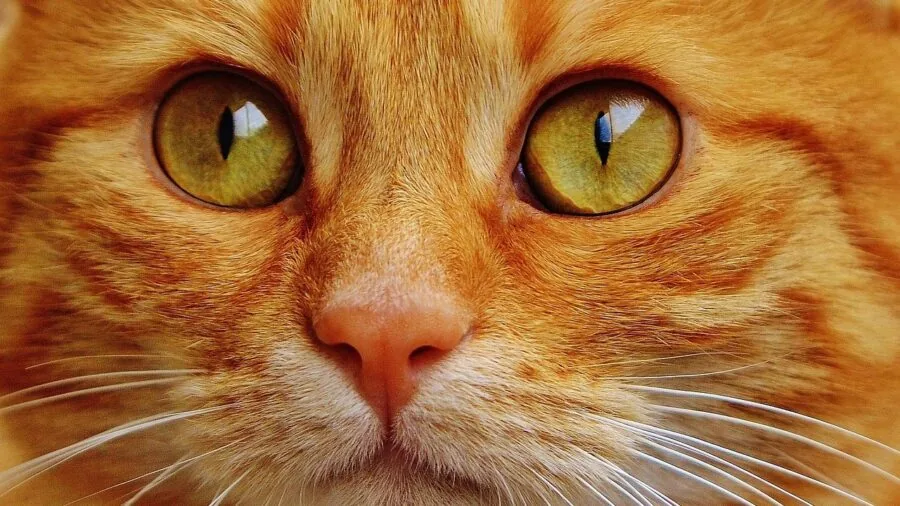
Enclosed condos give cats a sense of security and privacy, which is particularly important for shy, anxious, or recently adopted cats. A good condo should be roomy enough for the cat to turn around inside comfortably.
Single-hole condos provide more seclusion; dual-opening condos allow a cat to monitor the room while still feeling sheltered. Plush interior lining retains warmth and encourages use.
Hammocks are a popular secondary sleeping option. They are best positioned on sturdy mounting brackets, and the sling fabric should have enough give to cradle the cat without sagging all the way to the structure below.
Metal-framed hammocks, like those found on some taller cactus-style or curved-frame designs, are more durable than ones held in place by elastic cord alone.
Stability and Base Design

A wobbling cat tree will be abandoned almost immediately. Cats are sensitive to movement and will not trust a structure that sways or shifts under their weight. Wide, heavy bases are the most reliable solution.
Some manufacturers add anti-wobble adjustable feet, which are especially valuable on uneven flooring or thick carpet.
Corner trees have a structural advantage here: they brace against two walls simultaneously, dramatically reducing lateral movement without requiring any additional hardware.
If your room layout allows for a corner placement, this style is worth prioritising, especially if you have larger, more active cats that leap between levels rather than climbing carefully.
Assembly quality also feeds into long-term stability. Trees that use bolted connectors and thick engineered wood panels stay tight over months of use.
Trees assembled with only cam locks and thin particleboard tend to loosen at the joints, creating the wobble that cats quickly learn to distrust.
Reading verified buyer feedback for comments about six-month or one-year durability is one of the most useful research steps you can take before buying.
Footprint and Space Fit
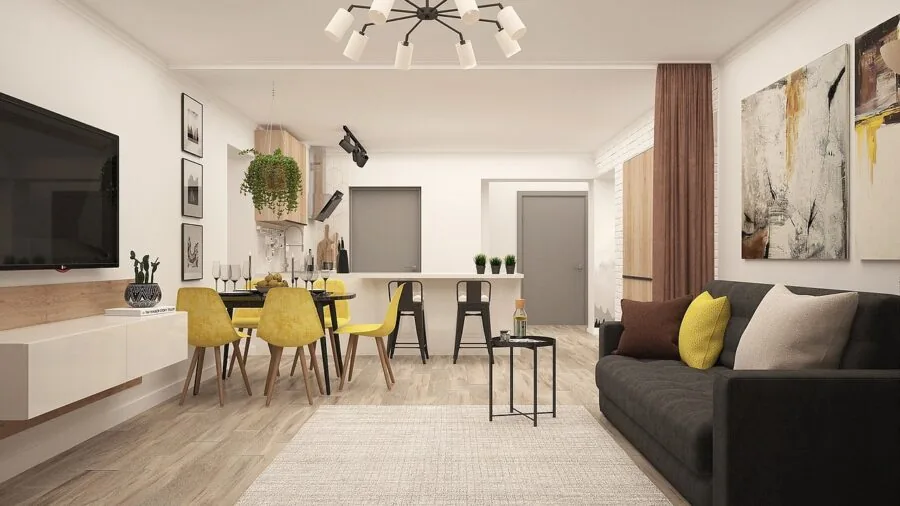
Cat trees vary widely in their floor footprint.
A compact 28- to 32-inch tree might fit neatly beside a window seat or in a bedroom corner, while a sprawling multi-level tower with an angled base could require 18 or more square feet of floor space.
Measure your intended placement area, including ceiling clearance, before purchasing.
For apartments and smaller rooms, trees with a narrow base and vertical design make more sense than wide-footprint structures. Space-saving designs often compensate with more creative vertical layouts, stacking condos and perches on a smaller ground plan.
Some curved or L-shaped designs use corner placement to gain structural support while minimising the footprint in the room itself.
If you are also rethinking your cat’s full setup, litter box placement and design is another area worth revisiting at the same time.
Why You Should Trust Us
ProductFind is an independent review publication. We do not sell cat trees, manage inventory, or handle fulfilment of any kind.
Every pick in this guide was selected through structured research: we evaluated each model against a consistent set of criteria covering stability, scratching post construction, sleeping and condo space, weight capacity, and overall build quality, then assigned a PF Score on a 0 to 10 scale to reflect how well each product performed across those dimensions relative to others in its category.
We do not conduct our own product trials; our evaluations are grounded in research, published data, expert review consensus, and verified buyer feedback.
Sources consulted include manufacturer-published specifications, consensus from veterinarians and professional pet product reviewers, and aggregated feedback from verified purchasers who have lived with these products over months of real-world use.
This synthesis approach lets us identify patterns, including recurring durability problems and widely praised features, that no single review source captures on its own.
ProductFind may earn a commission when you purchase through links in this article. That affiliate relationship has no bearing on which products are included, how they are ranked, or what PF Score they receive. Our recommendations are driven by research quality, not commission rates.
Final Thoughts
After evaluating all nine models against our criteria, the strongest performers in this roundup cover a wide range of needs and budgets. Here are the standout picks by category:
- Best Overall: Globlazer Corner Cat Tree, 51in Curved Series earned the highest PF Score in this group. Its corner-brace design provides exceptional stability without wall anchoring, the fan-shaped upper platform is genuinely large enough for adult cats, and the seven sisal-wrapped posts give multiple cats meaningful scratching options throughout the day.
- Best for Multi-Cat Households: Feandrea Cat Tree, 81.1-Inch Large Cat Tower stands out for sheer capacity. Thirteen scratching posts, two perches, two caves, a basket, and a hammock mean even a three-cat household can find separate territories within a single structure.
- Best Mid-Range Value: Globlazer Cat Tree Tower, 50-Inch offers a strong balance of height, dual cave access, and built-in enrichment at a mid-range price point, making it one of the most well-rounded options for a one- or two-cat home.
- Best for Design-Conscious Spaces: Taoqimiao Cactus Cat Tree, 71-Inch uses a sculptural cactus silhouette with a metal frame, eight sisal posts, and a cosy metal-framed hammock. It is the pick for owners who want a tree that reads as furniture rather than as a utility object.
- Best Budget Option: Yaheetech 63in Large Cat Tree delivers a tall, anti-wobble structure with a condo and hammock at a budget-friendly price, making it the most accessible pick for owners equipping their first cat setup without overspending.
Whichever model you choose, the most important long-term factor is placement. A cat tree positioned near a window with an outdoor sightline will get used far more consistently than the same tree placed against a bare interior wall.
Combine that thoughtful placement with the right structure for your cat’s size and household count, and you will see the investment pay off in reduced furniture damage and a noticeably more content cat.
Frequently Asked Questions
What height cat tree is best for indoor cats?
Most indoor cats are well served by a tree in the 50- to 70-inch range. This height gives them a meaningful elevated vantage point without requiring ceiling anchoring.
Taller structures approaching 80 inches are a good choice for multi-cat homes where vertical territory separation reduces conflict. For apartments with lower ceilings, compact options under 35 inches are available, though they sacrifice the enrichment value of genuine height.
How do I stop a cat tree from wobbling?
Start by checking that all bolts and connectors are fully tightened, as joints often loosen slightly after the first few days of use. Placing the tree on a hard floor surface rather than thick carpet improves base stability significantly.
If wobble persists, look for models with adjustable anti-wobble feet, which compensate for minor floor unevenness.
Corner-brace designs are inherently more stable than freestanding towers of comparable height, because the wall contact distributes lateral forces rather than concentrating them at the base.
Are sisal or carpet scratching posts better?
Sisal rope posts are generally superior for cats that scratch to maintain their claws and mark territory. The coarse fibre provides genuine resistance, sheds cleanly, and holds up to repeated use over many months.
Carpet posts tend to snag claws rather than helping shed the claw’s outer layer, and the looser loops unravel faster under heavy use.
Most cats show a clear preference for sisal when given a choice, which is why the strongest performers in this roundup all use sisal-wrapped posts rather than carpet.
How many levels does a cat tree need for multiple cats?
As a general rule, aim for at least one distinct resting zone per cat, ideally at different heights.
Two cats need at minimum two separate perches or condos; three cats benefit from four or more zones so no individual cat is forced to share.
Separate sleeping areas reduce stress, particularly in households where cats have a clear dominance hierarchy.
Multi-level trees with a mix of open perches, enclosed condos, hammocks, and baskets give each cat a style of rest they prefer independently of the others.
Can large or heavy cats use standard cat trees safely?
It depends on the specific product. Many standard cat trees are engineered for cats up to around 15 pounds, which covers most domestic shorthairs but not larger breeds like Maine Coons, Ragdolls, or Norwegian Forest Cats that commonly reach 18 to 22 pounds.
For larger cats, look explicitly for trees that state a higher weight capacity per platform, have wider resting surfaces, and use thicker engineered wood panels in their construction.
Several picks in this roundup are designed specifically with heavier cats in mind and are a better starting point for owners of large breeds.
How long does a cat tree typically last?
A well-built cat tree with solid construction and sisal posts typically lasts two to four years with regular use by one or two cats.
The plush covering shows wear first, usually within the first year on heavily used perches, but this is cosmetic rather than structural. Sisal posts may need replacing after 18 months to two years if a cat uses them intensively.
Structural failure at joints is the most common reason for early retirement, and this usually traces back to thin particleboard or cam-lock-only assembly rather than material quality.
About the author
Wilma is a reviewer and writer for ProductFind who specializes in Cats. Wilma evaluates products through independent research: specifications, expert review consensus, and verified buyer feedback, and rates each one on the PF Score. Wilma focuses on helping readers pick the right cat for their needs and budget.