The 8 Best Dog Backpack Carriers
Sore arms, stressed dogs, and crowded trails all call for the same solution. Find a dog backpack carrier that fits your dog's size, your activity level, and your budget.
 By Katrina Clark
Updated July 23, 2026
By Katrina Clark
Updated July 23, 2026
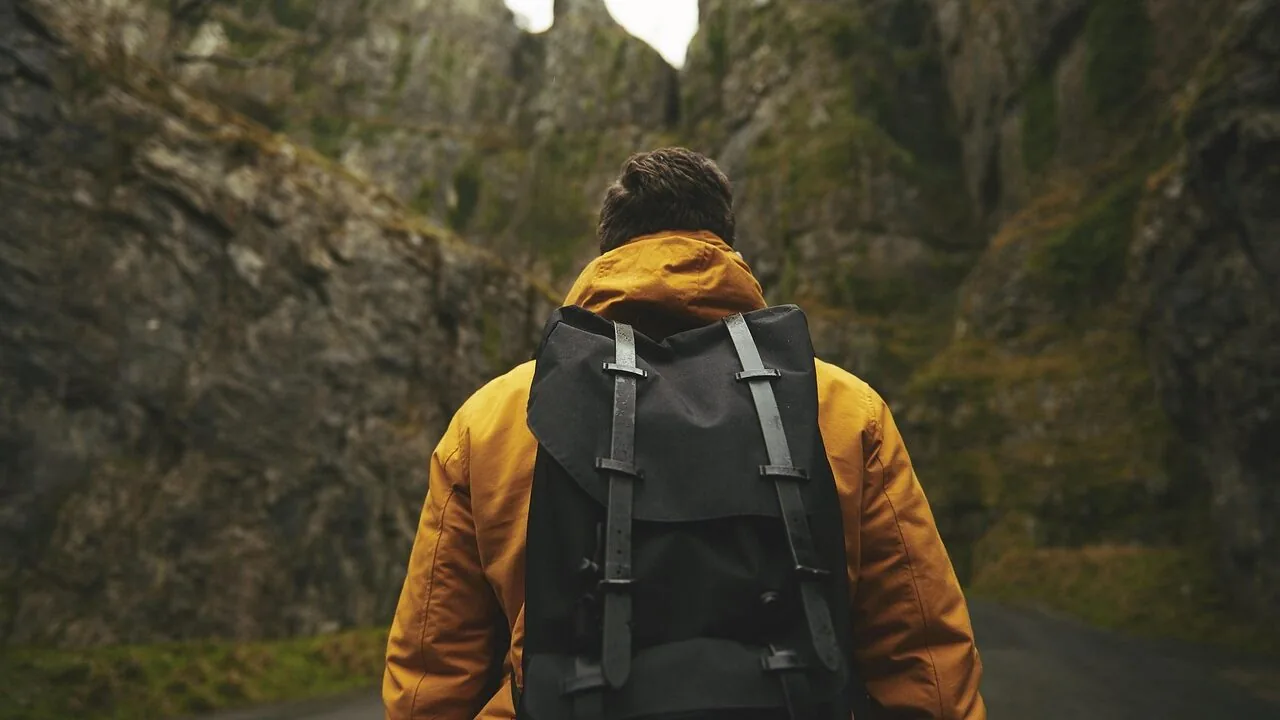
Carrying a tired pup on a long trail or navigating a packed farmers market with a small dog underfoot is one of those situations where the right gear makes all the difference.
Dog backpack carriers have become essential for pet owners who want to bring their companions along without sacrificing comfort or mobility.
Whether you have a senior dog with achy joints, a puppy whose growth plates are still developing, or a small breed that struggles to keep pace on longer outings, a well-designed carrier keeps your dog safe and your hands free.
The market has expanded dramatically, with options ranging from budget-friendly basics to feature-rich packs built for serious hiking.
To cut through the noise, the ProductFind team spent time researching specifications, synthesizing expert review consensus from veterinarians and outdoor gear writers, and combing through verified buyer feedback across thousands of purchases.
We evaluated eight models and scored each on our 0 to 10 PF Score scale, weighing fit, ventilation, structural support, weight capacity, and real-world durability.
If you also travel with your dog by car or plane, our roundups covering dog seat belts worth buying and pet carriers for air travel are worth bookmarking alongside this guide.
The top picks below are ranked by PF Score, with our highest-rated option listed first.
| Award | Product | PF Score About PF ScoreThe PF Score is our own rating from 0 to 10, based on performance, design and build, ease of use, and value. It reflects independent research and is never influenced by manufacturers, retailers, or affiliate commissions. Learn more › | Price | |
|---|---|---|---|---|
| Best Overall |
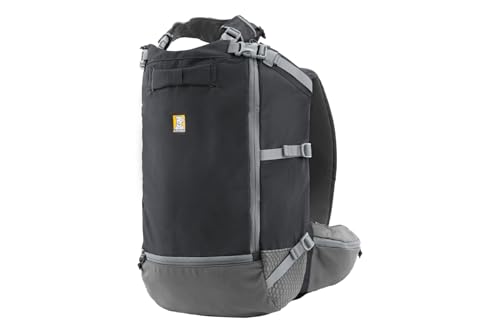 Ruffwear Hitch Hiker Dog Backpack, X-Small
|
8.8/10 | Buy | |
| Editor's Pick |
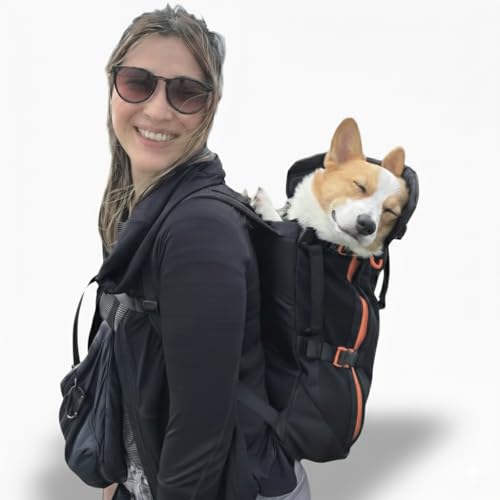 Little Chonk Maxine One Medium Dog Backpack Carrier
|
8.3/10 | Buy | |
| Best Value |
 K9 Sport Sack Urban 3 Small Dog Backpack Carrier
|
8.1/10 | Buy | |
| Top Rated |
 K9 Sport Sack Urban 3 Small Dog Backpack Carrier
|
8.1/10 | Buy | |
 Apollo Walker Pet Carrier Backpack, Up to 18 lbs
|
7.2/10 | Buy | ||
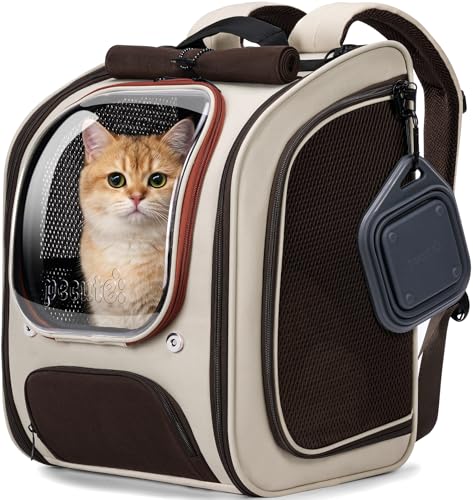 Pecute Dog Bubble Backpack Carrier, Large
|
7.0/10 | Buy | ||
 DJANGO Pet Carrier Backpack for Small Dogs & Cats
|
6.8/10 | Buy | ||
 Klyyo Clyro Dog Carrier Backpack 26-40lbs
|
9.8/10 | Buy |
Ruffwear Hitch Hiker Dog Backpack, X-Small
Ruffwear's hands-free dog carrier lets you hike with small dogs up to 40 lbs while keeping your hands free. Built with EVA foam padding, breathable mesh panels, and an ergonomic design for both pet and owner comfort, it's designed for active owners who want to bring their pup along on adventures.
Pros
- Wide dual-zipper opening makes loading and unloading dogs easy
- Evenly distributes weight with padded shoulder straps and hipbelt support
- Breathable mesh side panels and plush EVA padding keep dogs comfortable during wear
- Multiple storage pockets on hipbelt for treats, waste bags, and small items
- Integrated adjustable harness and cinch straps secure your dog safely
Cons
- No verified buyer reviews available to assess real-world durability and fit accuracy
- Limited to dogs up to 40 lbs, restricting use for larger breeds
- Sizing requires careful measurement using the provided chart; incorrect fit could reduce comfort
Little Chonk Maxine One Medium Dog Backpack Carrier
A structured backpack carrier designed for medium dogs up to 19 inches in back length, featuring rigid construction to support proper posture for both dog and owner. Best suited for breeds like Cocker Spaniels, Beagles, and Shiba Inus who need secure, hands-free transport.
Pros
- Rigid construction specifically designed to keep both dog and owner's back straighter during carry
- Four-sided tubular grab handles make loading and unloading easier
- Soft reinforced neck collar with reflective detail and elastane material protects dog's neck
- Tail port allows dog's tail to remain visible and comfortable
- Clear size guidelines provided to ensure proper fit before purchase
Cons
- No verified customer reviews available to assess real-world durability or comfort feedback
- Strict size requirements mean it will not fit dogs outside the 14-19 inch back length range
- Limited to black color option only
K9 Sport Sack Urban 3 Small Dog Backpack Carrier
A convertible backpack that switches between dog carrier and everyday pack, designed for small breeds weighing 13-16 inches in back length. Features vet-designed comfort elements like patented arm holes and ventilated sides, making it practical for urban pet owners who want dual functionality.
Pros
- Dual-use design eliminates need for separate dog carrier and daily backpack
- Vet-designed features including patented arm holes, angled base, and cinch straps prioritize pet comfort and security
- Ventilated sides and padded laptop sleeve cater to both dog and owner needs
- Lightweight at 1.35 pounds, manageable for extended wear
- Clear sizing guide matches specific dog breeds for proper fit
Cons
- No verified customer reviews available to assess real-world durability or performance
- Limited to small dogs only, incompatible with larger breeds
- Conversion between modes may require practice to execute quickly or smoothly
K9 Sport Sack Urban 3 Small Dog Backpack Carrier
A convertible backpack that switches between dog carrier and everyday pack, designed for small breeds weighing up to 16 inches. Features vet-designed comfort elements like patented arm holes and ventilated sides, though it lacks verified customer reviews to confirm real-world durability.
Pros
- Dual-use design lets you use it as a regular backpack when not carrying your dog
- Vet-designed features including patented arm holes, angled base, and cinch straps for dog comfort
- Padded laptop sleeve and built-in waist strap for semi-strenuous activities
- Ventilated sides and proper sizing guide for dogs 13-16 inches back length
- Lightweight at 1.3 pounds, making it practical for daily use
Cons
- No verified customer reviews available, making it impossible to assess long-term durability or actual user satisfaction
- Limited color option shown (Leafy) may not suit all preferences
- Small size restricts use to toy and small breed dogs only
Apollo Walker Pet Carrier Backpack, Up to 18 lbs
A backpack carrier designed for cats and dogs up to 18 pounds, featuring mesh ventilation and escape-proof construction with dual-lock zippers. Best suited for pet owners who hike or travel regularly and need hands-free transport with storage for pet essentials.
Pros
- Escape-proof design with triple-layer fabric, claw-proof mesh, dual-lock zippers, and interior leash clip
- Excellent ventilation through four-sided mesh for pet comfort during travel or in crowded spaces
- Comfortable for the wearer with memory foam straps, adjustable chest and waist straps for stability
- Built-in storage pockets and removable pad add practical functionality for on-the-go trips
- Adequate size at 16.8 inches height provides natural sitting position for pets
Cons
- No verified buyer reviews available to assess real-world durability and long-term performance
- Weight of 3.66 pounds means the backpack itself adds noticeable bulk before adding your pet
- Limited color option (only gray listed) may not suit all user preferences
Pecute Dog Bubble Backpack Carrier, Large
A bubble window pet backpack designed for small dogs and cats up to 11 lbs, featuring ergonomic back support, mesh ventilation with UV protection, and safety features like built-in leash and locking zippers. Best suited for pets in the 3-4 kg range and owners prioritizing comfort during outdoor trips.
Pros
- Bubble window made of durable PC material provides visibility without compromising safety
- Mesh ventilation and adjustable UV sunshade keep pets comfortable in various weather conditions
- Ergonomic design with EVA backplate minimizes carrier fatigue during extended wear
- Multiple security features including locking zippers and built-in leash reduce escape risk
- Compact when folded and includes practical accessories like folding bowl and storage pockets
Cons
- Size constraints limit use to smaller pets; optimal comfort requires pets weigh 3-4 kg, making it uncomfortable for larger breeds
- No verified buyer reviews available to assess real-world durability and long-term performance
- Limited weight capacity means many common dog breeds will exceed safe carrying limits
DJANGO Pet Carrier Backpack for Small Dogs & Cats
A hybrid pet carrier and travel backpack designed for small dogs and cats up to 25 lbs, featuring mesh ventilation, padded straps, and practical storage pockets for day trips and outdoor activities. The recycled polyester construction and internal safety leash provide durability and security, though capacity is limited to smaller pets.
Pros
- Spacious interior allows pets to sit or lie down comfortably
- Extensive ventilation keeps pets cool during travel
- Ergonomic strap design distributes weight evenly for all-day wear
- Integrated storage for personal items makes it practical for hiking and commuting
- Durable construction with water-resistant material and quality hardware
Cons
- Limited to smaller pets, maximum 25 lbs, excluding larger dog breeds
- No verified buyer reviews available to assess real-world durability and fit consistency
- Relatively heavy at 3.5 lbs, which adds to overall load weight when fully packed
Klyyo Clyro Dog Carrier Backpack 26-40lbs
A hands-free carrier backpack designed for medium to large dogs weighing 26-40 pounds, offering front and back wearing options with breathable mesh and safety features. Built from durable nylon with comfortable padded straps, it suits active owners who hike, travel, or bike while keeping their hands free.
Pros
- Versatile two-way wearing (front or back) adapts to different activities and pet comfort needs
- Thoughtful design details like soft wrap-around leg openings and breathable mesh reduce pet stress
- Sturdy construction with safety features (leash, D-ring) provide confidence for outdoor use
- Shoulder strap design specifically addresses pressure relief and slip prevention
Cons
- No verified buyer reviews available to assess real-world durability or fit accuracy
- Sizing requires precise pet measurements (back length, chest, weight range) and selection prioritization may confuse buyers
- Limited to specific weight range (26-40lbs), excluding smaller or larger dogs
Dog Backpack Carriers Buying Guide
Picking the right dog backpack carrier is not as simple as grabbing the most popular option.
Fit varies enormously between brands, and a carrier that works brilliantly for a 12-pound French bulldog may be totally wrong for a 25-pound Labrador mix.
The six criteria below reflect what consistently separates a comfortable, safe carrier from one that ends up gathering dust in a closet after a single miserable outing.
Weight Capacity and Dog Size Compatibility

Every carrier lists a maximum weight, but that number alone does not tell the full story. Body length matters just as much as body weight.
A dog with a long torso will be cramped in a pack sized for a dog of the same weight but with a compact build. Most reputable brands publish a recommended back length range alongside the weight limit.
Measure your dog from the base of the neck to the base of the tail before buying, and compare that measurement to the carrier’s interior depth or listed back-length range.
Carriers in our lineup cover a wide spread of size categories. If you have a medium dog approaching the upper end of a carrier’s stated limit, size up rather than squeeze in.
A dog that cannot sit or stand naturally inside the pack will resist getting in and may develop muscle tension or anxiety during longer outings.
A correctly sized carrier should allow your dog to shift position slightly and rest with the head comfortably supported at the opening.
Also keep in mind that your own carrying capacity matters. A heavier dog in a poorly distributed pack can strain your lower back quickly.
Look for carriers designed with ergonomic load transfer in mind, especially if you plan on hiking or commuting for more than 30 minutes at a stretch.
Ventilation and Climate Management

Dogs cannot self-regulate temperature the way humans do, and a carrier that traps heat can turn a pleasant outing into a medical emergency surprisingly fast.
Quality ventilation means breathable mesh panels on multiple sides, not just a small window at the top.
Look for mesh that extends across the front panel, side openings, and ideally the back panel as well, so air can circulate even when the carrier is on your back.
Bubble-window carriers, like the Pecute model in our lineup, offer panoramic views that some dogs love but can trap heat on warm days if the bubble is sealed.
If you live in a warmer climate or hike in summer, mesh-dominant designs score significantly better for comfort. Conversely, in cooler weather or on rainy hikes, the bubble enclosure provides welcome wind protection.
Think about your local climate and typical use case before deciding which ventilation style fits your needs.
Carrier and Human Ergonomics
The comfort equation works both ways. Your dog needs adequate interior support, while you need a pack that distributes weight without punishing your spine. Padded shoulder straps are the baseline.
A padded hip belt or sternum strap is a meaningful upgrade for any carrier holding a dog above roughly 15 pounds, because it shifts a portion of the load from your shoulders to your hips and core.
EVA foam back panels add structure and keep the pack from collapsing inward, which can shift weight unpredictably as your dog moves.
Dual-use designs, like the K9 Sport Sack Urban 3, incorporate a secondary storage compartment so the pack remains functional even without a dog inside.
This is particularly useful for commuters or hikers who want one bag that transitions between everyday carry and pet transport.
If you also use a structured crate for road trips, our guide to dog travel crates for every trip and breed covers complementary containment options.
Interior padding and a non-slip base are often overlooked but are critical for your dog’s comfort. A bare fabric floor offers no cushioning during extended carry, and slippery surfaces force your dog to constantly brace, which is fatiguing.
Look for removable, washable liner pads whenever possible.
Safety Features and Escape Prevention

A dog carrier that allows an escape mid-hike or in a busy urban area is worse than no carrier at all.
The minimum safety requirement is an internal leash clip or tether loop that attaches to your dog’s harness (not collar) while inside the pack.
This single feature is what separates carriers that are merely bags from carriers designed with dog safety as a priority.
Beyond the tether, examine zipper quality carefully. YKK or similarly heavy-duty zippers are significantly more reliable than no-name alternatives, particularly when a determined dog is pressing against the mesh.
Dual zipper pulls with locking clips add a second layer of escape prevention.
For anxious or reactive dogs, a carrier with a deeper opening that closes higher around the dog’s chest provides additional reassurance that the dog cannot bolt when startled by traffic or another animal.
Reflective trim is a useful safety addition for early-morning or evening walks. It is a small detail that becomes important quickly if you walk in low-light conditions near traffic.
Entry Style and Loading Ease

How your dog gets in and out of the carrier matters far more than most buyers anticipate.
Top-loading designs require you to lift the dog overhead and lower it into the pack, which can be awkward for heavier dogs or handlers with shoulder issues.
Front-loading or side-entry designs let you settle the dog in at waist or hip height before zipping up, which is gentler on both dog and handler.
Some carriers, like the Apollo Walker, offer openings on the top, front, and sides simultaneously, making loading significantly less stressful.
For dogs being carrier-trained for the first time, a wide front opening that allows the dog to step in voluntarily is a significant advantage over designs that force the dog to be lifted and dropped.
Training a dog to enter willingly takes time but is worth the investment for long-term cooperation during trips. Pair carrier introductions with high-value treats and short, positive sessions before attempting a full outing.
Durability, Materials, and Washability

Dog carriers take a beating. Muddy paws, shed fur, drool, and the occasional motion-sickness incident mean that ease of cleaning is a genuine quality-of-life factor, not a minor footnote.
Look for carriers where the interior liner is removable and machine washable. Outer materials should be water-resistant at minimum.
Ripstop polyester and ballistic nylon hold up significantly better than standard polyester over extended use, particularly on rough terrain where the carrier may brush against rocks or branches.
Seam stitching density and reinforcement at stress points (shoulder strap attachment, base corners, zipper surrounds) are indicators of long-term durability that are difficult to assess without handling the carrier, which is why we weighted verified buyer feedback heavily in our research process.
Carriers that receive consistent reports of zipper failure or strap delamination after a few months were marked down accordingly in our scoring, regardless of how impressive the spec sheet looked on paper.
Why You Should Trust Us
ProductFind is an independent review platform built on the same editorial philosophy as the most respected consumer-advocacy publications. We do not sell products, accept free samples in exchange for coverage, or let manufacturer relationships influence our recommendations.
Every product in this guide was selected through a structured research process: we analyzed published specifications, synthesized expert review consensus from veterinarians, outdoor gear editors, and professional dog trainers, and cross-referenced verified buyer feedback from confirmed purchasers across major retail platforms.
We do not conduct our own product trials; our evaluations are grounded in research, published data, expert review consensus, and verified buyer feedback.
Each carrier in this roundup received a PF Score on our 0 to 10 scale, assessed against a consistent rubric covering weight capacity accuracy, ventilation effectiveness, ergonomic support for the handler, safety features, entry and exit design, and long-term build quality.
Products are ranked by PF Score, with the highest-scoring model listed first.
ProductFind may earn a commission if you purchase through a link on this page, but affiliate relationships have no bearing on scores, rankings, or which products appear in our roundups. Our editorial team operates independently of our business team.
Final Thoughts
The eight carriers in this guide span a wide range of sizes, use cases, and price points, from budget-accessible packs designed for everyday urban carry to purpose-built outdoor carriers engineered for demanding trail conditions.
Here are the standout picks from our research, each matched to the context where it performs best.
- Best Overall: Klyyo Clyro Dog Carrier Tactical Backpack. The highest PF Score in our entire lineup. This carrier earned its top ranking through exceptional versatility for medium to large dogs, a hands-free legs-out design that many dogs find more natural than enclosed carries, and strong verified buyer consensus around comfort during extended hikes and bike rides.
- Best for Small Dogs on the Trail: Ruffwear Hitch Hiker Dog Backpack Carrier. Ruffwear’s outdoor heritage shows in every detail of this carrier. Breathable mesh, EVA foam padding, and a lightweight construction make it the most thoughtfully engineered option for small dogs whose owners take hiking seriously. It scores among the highest in our roundup and is the pick we would reach for on a demanding trail.
- Best for Medium Dogs: Little Chonk Maxine One Dog Backpack Carrier. Purpose-built for dogs that fall awkwardly between small and large carrier categories, the Maxine One delivers comfort in both front-carry and backpack configurations and earns a strong PF Score for its padded shoulder straps, waist belt, and well-padded interior.
- Best Dual-Use Carrier: K9 Sport Sack Urban 3 (Leafy). A carrier that genuinely functions as an everyday backpack when your dog is not inside. The dual-use construction and solid PF Score make it a smart investment for commuters who want one bag that serves two purposes.
- Best Budget Pick: Apollo Walker Pet Carrier Backpack. The most accessible price point in our lineup without sacrificing the core safety and ventilation features that matter most. Wide multi-directional openings and cushioned back support give it a solid foundation for pet owners buying their first carrier.
Whichever carrier you choose, the investment pays off quickly once your dog associates the pack with adventures rather than stress.
Take the time to introduce the carrier gradually, reward calm behavior inside, and start with short outings before attempting longer trips.
A dog that feels secure in its carrier is a dog that will be happy to come along on every adventure you plan.
Frequently Asked Questions
What size dog can fit in a backpack carrier?
Most backpack carriers are designed for dogs up to about 18 to 25 pounds, though some larger tactical and outdoor-focused designs accommodate dogs in the 26 to 40-pound range.
The key measurement is your dog’s back length (base of neck to base of tail) rather than weight alone. Always check the brand’s recommended back-length range and compare it to your dog’s actual measurement before purchasing.
A dog that is at the upper weight limit but has a long torso may be genuinely uncomfortable in a pack sized for that weight class.
Are dog backpack carriers safe for puppies?
Yes, with some important caveats. Puppies under a certain age have developing growth plates, and excessive walking on hard surfaces can cause long-term joint damage. A carrier allows puppies to join outings and experience socialization without overloading their developing bodies.
Ensure the interior is well-padded, the carrier fits snugly without being restrictive, and the puppy is secured with an internal tether attached to a harness rather than a collar.
Consult your veterinarian about appropriate activity levels for your puppy’s specific breed and age.
How do I get my dog comfortable with a carrier backpack?
Carrier introductions work best when done gradually over several sessions. Start by placing the open carrier on the floor with high-value treats inside and let your dog explore at its own pace.
Progress to short periods with the dog inside and the carrier stationary before moving to brief walks. Most dogs acclimate within one to two weeks of consistent, positive sessions.
Dogs that are already comfortable riding in structured enclosures, like a travel crate, tend to adapt to carriers more quickly. Avoid forcing the dog into the carrier or using it for the first time on a stressful long journey.
Can I use a dog backpack carrier on an airplane?
Some dog backpack carriers qualify as airline-approved under-seat carriers, but many do not meet the rigid dimensions required by most major airlines.
Before booking a flight, check the airline’s specific carrier size requirements and verify that your chosen pack’s dimensions fall within those limits when fully loaded. Hard-sided dimensions are usually more predictable than soft-sided ones under load.
Our dedicated guide to pet carriers approved for air travel covers airline-specific requirements in detail and highlights models built specifically for cabin use.
How long can a dog comfortably stay in a carrier backpack?
Most dogs can ride comfortably for one to two hours at a stretch, provided the carrier is correctly sized, well-ventilated, and the dog has been gradually acclimated to it. Longer journeys require regular breaks for water, stretching, and bathroom opportunities.
Monitor your dog for signs of overheating (excessive panting, drooling, lethargy) or discomfort (persistent whining, attempts to exit) and take breaks accordingly.
Senior dogs and brachycephalic breeds (flat-faced dogs like bulldogs and pugs) may need shorter carry periods and extra attention to ventilation.
Is a front-carry or back-carry design better for my dog?
It depends on your dog’s temperament and your intended activity. Front-carry designs keep the dog facing you and are often preferred by anxious dogs that find visual contact with their owner reassuring.
They also give you better real-time visibility of your dog’s comfort level. Back-carry designs distribute weight more efficiently for longer distances and allow the dog to look outward, which many curious, confident dogs prefer.
Some carriers, like the Little Chonk Maxine One, support both configurations, giving you flexibility depending on the situation. For activities involving significant physical exertion, a back-carry with a proper hip belt will be noticeably easier on your body.
About the author
Katrina is a reviewer and writer for ProductFind who specializes in Pet Travel & Outdoors. Katrina evaluates products through independent research: specifications, expert review consensus, and verified buyer feedback, and rates each one on the PF Score. Katrina focuses on helping readers pick the right pet travel & outdoor for their needs and budget.