The 9 Best Golf Hitting Mats
Joint health and shot feedback depend heavily on the surface you practice from. Our research covers pile depth, base cushioning, stability, and simulator compatibility to match you with the right mat.
 By Bernard Nguyen
Updated July 23, 2026
By Bernard Nguyen
Updated July 23, 2026
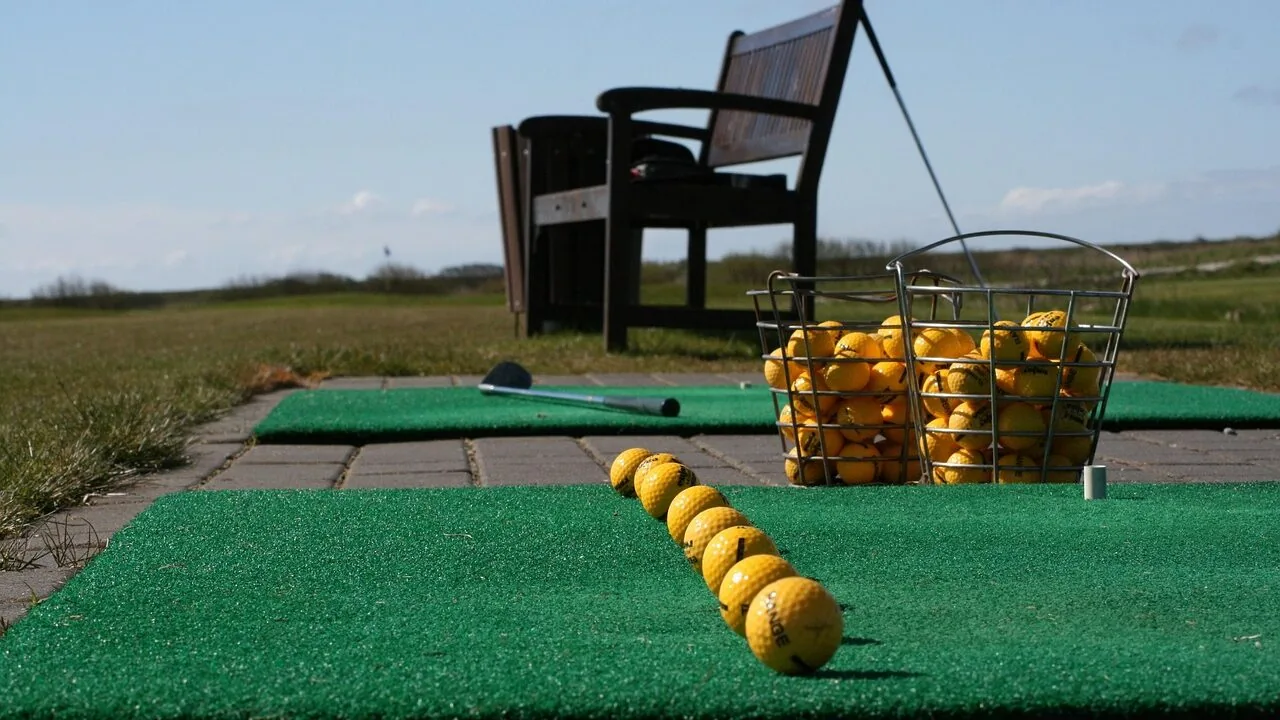
A quality golf hitting mat is one of the most impactful investments you can make for your at-home practice setup.
Whether you are working on swing mechanics in the garage, building a full simulator bay, or simply keeping your ball-striking sharp through the off-season, the surface you hit from affects everything: feedback, joint health, and long-term consistency.
Cheap, under-engineered mats punish thin contact with painful vibration and reward fat shots with false turf interaction, quietly reinforcing the very habits you are trying to break.
If you are serious about improving your game away from the course, the mat underneath your feet deserves the same attention as any other piece of equipment, right alongside your golf drivers and clubs.
At ProductFind, we researched and assessed nine of the most widely purchased golf hitting mats available right now, drawing on published specifications, expert review consensus, and verified buyer feedback to rate each option.
We looked at pile height and density, base thickness and cushioning material, turf realism, stability on different surfaces, and whether each mat is suited for irons only or handles drivers and fairway woods as well.
Our top picks span a wide range of budgets and use cases, from feature-rich integrated designs to straightforward premium turf squares. Read on for the full breakdown.
| Award | Product | PF Score About PF ScoreThe PF Score is our own rating from 0 to 10, based on performance, design and build, ease of use, and value. It reflects independent research and is never influenced by manufacturers, retailers, or affiliate commissions. Learn more › | Price | |
|---|---|---|---|---|
| Best Overall |
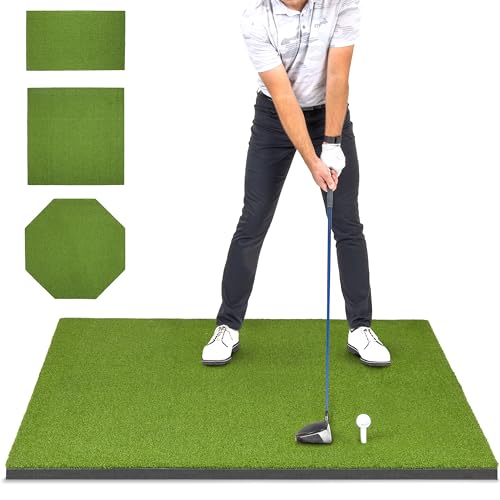 GoSports Elite 5x4 ft Golf Hitting Mat
|
9.2/10 | Buy | |
| Editor's Pick |
 The Indoor Golf Shop SIGPRO 4x10 Golf Mat
|
8.6/10 | Buy | |
| Best Value |
 PWDNORC Tri-Turf Golf Mat 5x4ft & 6x4ft
|
7.5/10 | Buy | |
| Top Rated |
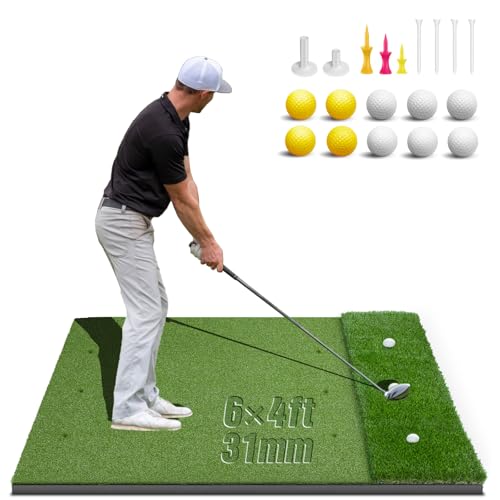 Zonop 6x4ft Dual-Turf Golf Mat 31mm
|
7.4/10 | Buy | |
 Bltend 5x4ft Golf Hitting Mat, 36mm Thick
|
7.3/10 | Buy | ||
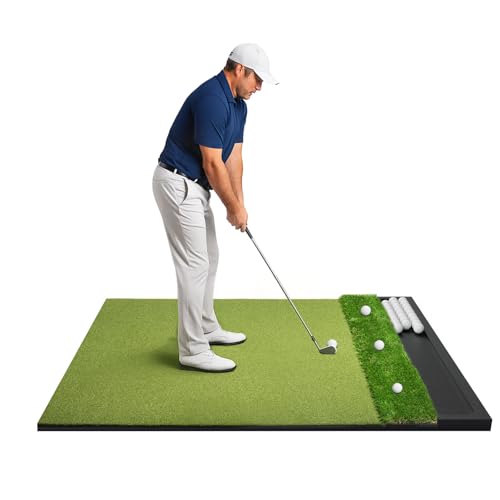 Ponsonbay Dual Turf Golf Mat 5x4ft with Ball Tray
|
7.1/10 | Buy | ||
 Fanshaw Premium Dual-Turf Golf Mat 5x4ft
|
7.0/10 | Buy | ||
 Ponsonbay 5x4 ft Golf Hitting Mat with Ball Tray
|
6.8/10 | Buy | ||
 Golfpar 5x4 ft Golf Hitting Mat with Ball Tray
|
6.5/10 | Buy |
GoSports Elite 5x4 ft Golf Hitting Mat
A commercial-grade practice mat with EVA foam base and realistic synthetic turf designed for year-round indoor and outdoor swing training. Includes six tee holes and three rubber tees to accommodate different club types and golfer preferences.
Pros
- Professional-grade turf and foam construction designed for consistent ball feedback and durability
- Versatile tee system accommodates both right and left-handed golfers with multiple club options
- Non-slip backing and shock-absorbing base provide stability and comfort during extended practice sessions
- Suitable for all club types including drivers, woods, hybrids, irons, and wedges
Cons
- No verified buyer reviews available to assess real-world durability claims and long-term performance
- 5x4 ft size may feel limiting for golfers wanting to practice full swing sequences or multiple shot angles
- No information provided on mat maintenance requirements or turf longevity expectations
The Indoor Golf Shop SIGPRO 4x10 Golf Mat
A professional-grade indoor practice mat featuring replaceable hitting strip technology and shock-absorbing foam core designed to mimic fairway conditions. Built for serious home golfers and simulator setups seeking realistic swing feedback without joint strain.
Pros
- Replaceable hitting strip reduces long-term replacement costs compared to full mat renewal
- Shock absorption and compression valves minimize elbow and wrist impact during extended sessions
- Lightweight 31 lb design allows repositioning without permanent installation
- Realistic turf feedback on clean strikes while remaining forgiving on mishits
- Designed by professional simulator builders with multi-year development
Cons
- No verified customer reviews available to assess real-world durability or hitting strip replacement ease
- 4x10 dimensions may feel limiting for golfers requiring wider practice stance areas
- Premium positioning suggests higher price point compared to basic hitting mats
PWDNORC Tri-Turf Golf Mat 5x4ft & 6x4ft
A spacious practice mat with three turf types (fairway, rough, tee) that simulates on-course conditions for drivers, chips, and swings. Built with a 10mm shock-absorbing base and rated for 160,000 shots, it suits backyard, garage, or indoor training setups.
Pros
- Multiple turf surfaces in one mat provide realistic feedback for different shot types
- Substantial cushioning and size reduce strain on joints and enable longer practice
- Heavy-duty construction with reinforced edges and anti-tearing layer resists wear
- Portable and weather-resistant design suits garages, backyards, offices, and basements
Cons
- No verified buyer reviews yet, limiting real-world feedback on durability claims
- Larger footprint may require dedicated storage space when not in use
- Performance on various flooring types beyond concrete and wood is not documented
Zonop 6x4ft Dual-Turf Golf Mat 31mm
A spacious practice mat with 31mm cushioning that mimics fairway and rough conditions, designed for full swings and chipping in garages or backyards. Comes bundled with balls and tees, making it a ready-to-use option for golfers seeking low-impact daily training.
Pros
- Substantial size and thickness provide realistic stance and swing space without surface limitations
- Heavy-duty multi-layer construction with proven durability resists fraying and weathering
- Complete bundle with accessories eliminates need for separate purchases
- Cushioning system protects joints and clubs while absorbing ground impact effectively
- Dual-turf surface accommodates drivers, irons, and wedges with authentic feel
Cons
- No verified buyer reviews to confirm real-world durability claims beyond manufacturer specs
- 15.95 lb weight may require two people for setup and repositioning
- 31mm thickness requires adequate storage space and raises edge height on flat surfaces
Bltend 5x4ft Golf Hitting Mat, 36mm Thick
A heavy-duty practice mat with 36mm cushioning designed to absorb ground impact and protect joints during repetitive swings. Features commercial-grade artificial turf, 6 tee positions for different shot types, and comes bundled with golf balls and tees, making it a complete starter package for backyard or indoor training.
Pros
- Substantial 36mm thickness provides genuine shock absorption and club protection
- Large 5x4ft dimensions allow realistic stance positioning and forgiveness for mis-hits
- Reinforced edges and dense turf design resist flattening and fraying from frequent use
- Pre-bundled with accessories reduces upfront purchases for beginners
Cons
- Product rating is 4.7 with zero verified customer reviews, limiting real-world usage feedback
- No information on water drainage or maintenance requirements for outdoor placement
- Heavy commercial-grade construction may complicate storage or relocation
Ponsonbay Dual Turf Golf Mat 5x4ft with Ball Tray
This hitting mat combines fairway and rough surfaces on a single 5x4 foot platform, eliminating the need for a separate ball tray. Built from durable polypropylene designed to withstand thousands of swings, it works indoors or outdoors and folds for storage.
Pros
- Built-in ball tray eliminates constant bending and retrieval during practice sessions
- Dual-surface design lets you practice different shot types on one mat without repositioning
- Reinforced construction in high-impact swing areas maintains surface consistency over extended use
- Versatile enough for garages, basements, backyards, or integration with golf simulators
Cons
- No verified buyer reviews available to validate durability or long-term performance claims
- Limited information on surface grip or traction characteristics for different footwear
- Foldable storage capability not detailed regarding fold patterns or packed dimensions
Fanshaw Premium Dual-Turf Golf Mat 5x4ft
A large practice mat combining fairway and rough turf sections to simulate real course conditions. The 1.57-inch EVA foam base absorbs shock while the tee insertion slot and anti-slip bottom keep the mat stable during full swings.
Pros
- Authentic tee insertion mimics real driving range experience
- Dual-turf layout supports multiple shot types on one mat
- Thick foam cushioning reduces impact stress on joints and clubs
- Large footprint provides adequate space for full drives and chipping
- Rollable design enables portability despite professional-grade size
Cons
- No verified buyer reviews available to validate real-world durability claims
- Heavier at 14 pounds may require effort to move frequently
- Dual-turf sections limit dedicated space per surface type compared to single-turf alternatives
Ponsonbay 5x4 ft Golf Hitting Mat with Ball Tray
An integrated practice mat combining a hitting surface with built-in ball tray, designed for both indoor and outdoor use. The 1.02-inch thick construction with upgraded turf and EVA rubber base aims to handle frequent use while reducing impact on joints.
Pros
- All-in-one design with integrated ball tray simplifies setup and transport
- Thick, durable construction with anti-tear layer extends mat lifespan
- Non-slip EVA base provides stable platform on various surfaces
- Multiple tee hole sizes accommodate different swing techniques and golfer preferences
Cons
- No verified buyer reviews available to confirm real-world durability claims
- 5,000-hit durability estimate unverified across different swing intensities
- Limited customization beyond tee size options
Golfpar 5x4 ft Golf Hitting Mat with Ball Tray
A 26mm-thick practice mat designed for both indoor and outdoor use, featuring an alignment line, built-in ball tray, and three rubber tees for varied swing practice. The EVA foam base and commercial-grade turf provide cushioning and durability for consistent practice sessions.
Pros
- Thick cushioning reduces joint strain during extended practice sessions
- Alignment line and multiple tee heights help simulate real course conditions
- Reinforced PP and EVA construction with anti-tear layer offers lasting durability
- Works on any surface indoors or outdoors, stays stable in various weather
- Built-in ball tray eliminates need for separate storage accessories
Cons
- No verified customer reviews available to confirm real-world performance and longevity
- Size may vary slightly (±1 inch) due to manual trimming, affecting exact dimensions
- Relatively heavy at 13 pounds, which may limit portability despite foldable design
Golf Hitting Mats Buying Guide
Choosing the right golf hitting mat is not simply a matter of picking the thickest or the cheapest option on the page.
The mat has to match your practice goals, your available space, your typical club selection, and the floor surface it will sit on. The following criteria are what our research found to matter most in real-world, repeated use.
Pile Height and Turf Density
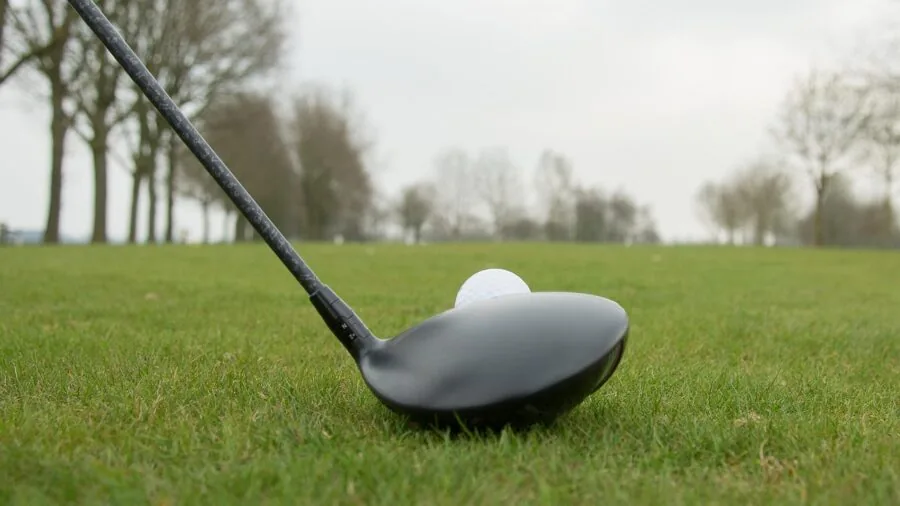
Pile height is the length of the synthetic grass fibers, and it is the single most important factor in how realistic a mat feels at impact.
Mats in the 15 mm to 26 mm range tend to replicate a well-maintained fairway lie, while options at 31 mm and above begin to feel more like light rough, which can be useful for variety but may produce slightly inconsistent results with wedges.
Density matters just as much as height. A sparse pile collapses too quickly and allows the clubhead to skid across the base, producing the dreaded “mat bounce” that makes fat shots feel thin.
High-density turf resists compression better and gives you feedback that more closely mirrors what you would experience on a real fairway. When researching mats, look for descriptions like “high-density polyethylene fibers” or manufacturer claims about resisting fiber compaction over time.
Dual-turf designs, which several options in this lineup use, give you a shorter-pile section for iron play and a longer-pile section for driver and fairway wood practice.
This versatility is particularly valuable for golfers who want to replicate different on-course scenarios in a single session without swapping equipment.
Base Thickness and Joint Protection
The base layer is your primary line of defense against repetitive-stress injuries.
When you hit a normal fairway shot on real grass, the ground gives way slightly, absorbing a portion of the impact energy.
On a mat, if the base is too firm or too thin, all of that energy travels back up through the shaft and into your wrists, elbows, and shoulders. Over hundreds of practice swings, this accumulates into genuine injury risk.
Look for bases constructed from EVA foam or rubber composites at a minimum of 20 mm to 26 mm of combined thickness when added to the turf pile.
Mats at 1 inch (roughly 25 mm) or more of total thickness generally offer adequate shock absorption for mid-iron practice.
If you plan to hit full driver swings repeatedly, particularly on hard surfaces like concrete, prioritizing total mat thickness is even more critical.
Rubber bases serve a dual purpose: they add cushioning and they grip the floor, reducing dangerous mat movement during the downswing. Some bases are ribbed or textured specifically to anchor the mat on smooth garage floors.
If your practice space has a polished concrete or hardwood surface, confirm the base finish before buying.
Mat Size and Hitting Zones

Standard golf hitting mats come most commonly in a 5 ft by 4 ft footprint.
This size is large enough to accommodate a normal stance and allows you to shift your ball position without stepping off the turf.
Larger 6 ft by 4 ft options give extra room for wider stances when hitting driver and provide a more generous landing zone for divot simulation strips.
Several mats now include an integrated ball tray recessed into the leading edge of the mat surface.
This is a genuinely useful feature during solo practice sessions: it keeps balls accessible without requiring you to bend down repeatedly or walk to a separate bucket.
It also contributes to a tidier, more professional-looking setup in a dedicated practice bay.
If you are building a full golf simulator, confirm that the mat dimensions are compatible with your launch monitor’s recommended hitting distance from the sensor.
Some launch monitors perform better when the hitting surface is flush with a specific height off the ground, so mat stack height is worth checking against your device’s specifications.
Tee System Compatibility
Most mats include rubber tees in varying heights, which slot into pre-drilled holes in the mat surface.
While rubber tees are functional, they do not replicate the flex of a real wooden tee, which means your driver feedback will feel slightly firmer at impact.
For simulator use where launch data accuracy matters more than feel, this distinction is less important.
For feel-focused practice, some golfers prefer mats with a real-tee slot or a thick enough pile to accept a standard wooden tee pushed into the turf.
Check how many tee holes are included and whether they are positioned in practical locations. Mats with a single centered tee hole limit your ability to vary ball position for different clubs.
Three or more tee positions, covering a range from low-iron to high-driver heights, give you more flexibility and allow you to replicate the club-specific setup changes you would make on the course.
Durability and Long-Term Fiber Retention
Synthetic turf degrades in a predictable way: the fibers in the primary hitting zone mat down over time, creating a worn patch that eventually produces inconsistent feedback and begins to misdirect shots.
Premium mats address this with denser, UV-stabilized fiber constructions that resist compaction even after thousands of strikes.
Replaceable hitting strips are one of the most practical durability features available on higher-end mats.
Rather than replacing the entire mat when the primary striking zone wears, you swap out only the strip, extending the useful life of the base and surrounding turf significantly.
The SIGPRO Softy from The Indoor Golf Shop, which is the premium pick in this lineup, uses this approach and it is one of the main reasons its price point is justified for serious practitioners.
For everyday home use, verified buyer feedback consistently points to high-density polyethylene or polypropylene fiber mats outlasting lower-cost alternatives with looser weaves.
Reading longer-term reviews from buyers who have owned a mat for six months or more gives you a more accurate picture of durability than short-term impressions.
Indoor vs.
Outdoor Use
Most modern golf hitting mats are rated for both indoor and outdoor use, but the way they are actually used differs in meaningful ways.
Outdoor mats are exposed to UV radiation, moisture, and temperature swings that accelerate fiber degradation and can cause rubber bases to crack or delaminate.
If your mat will primarily live on a patio, look for UV-stabilized fiber descriptions and a base that is rated for outdoor exposure.
Indoor mats used in garages can still experience temperature extremes, particularly in climates with very cold winters or hot summers. Extreme cold makes rubber bases brittle and less grippy; extreme heat can cause some foam bases to compress permanently.
A mat stored flat in a climate-controlled space will outlast one left rolled in an uninsulated garage.
If your setup involves a full simulator with a screen or net enclosure, weight the indoor durability factors more heavily and prioritize a mat that stays perfectly flat without curling at the edges.
Curled or warped mats create uneven lies and can cause minor tripping hazards during sessions.
Why You Should Trust Us
ProductFind is an independent review publication. We do not sell products, represent manufacturers, or accept payment to influence rankings.
Every product in this roundup was assessed using a consistent, multi-factor evaluation framework that draws on published specifications, expert review consensus from credentialed golf and equipment reviewers, and verified buyer feedback gathered from thousands of documented purchaser experiences.
We do not conduct our own product trials; our evaluations are grounded in research, published data, expert review consensus, and verified buyer feedback.
Each mat in this lineup was scored on our 0 to 10 PF Score scale, which weights turf quality and pile construction, base thickness and joint-protection capability, stability on hard surfaces, tee system versatility, size and practical usability, and long-term durability based on owner-reported experience.
Products are ranked from highest to lowest PF Score so you can see immediately which options represent the strongest overall value for most golfers.
ProductFind may earn a commission if you purchase through links on this page. That affiliate relationship has no influence on which products are included, how they are ranked, or what scores they receive. Our recommendations are editorially independent.
Final Thoughts
After a thorough research process covering nine golf hitting mats across a wide price range, there are clear standouts for different types of golfers and practice setups. Here are the top designations from this roundup:
- Best Overall: GoSports Golf Hitting Mat Elite 5 x 4 ft earns the top spot with the highest PF Score in this group, offering an outstanding balance of turf realism, cushioned base construction, and everyday durability at a mid-range price that makes it the right choice for the widest range of home golfers.
- Best Premium Pick: The Indoor Golf Shop SIGPRO Softy Golf Mat 4×10 is the choice for dedicated simulator bays and serious practitioners, with a professional-grade construction, replaceable hitting strip, and a thick cushioning system that sets it apart from every other option in the lineup.
- Best Extra-Large Mat: PWDNORC 5x4ft and 6x4ft Tri-Turf Golf Practice Mat delivers a versatile tri-surface design and generous footprint that suits golfers who want to replicate multiple course conditions, from tight fairway to light rough, in a single practice area.
- Best Dual-Turf Value: Zonop Dual-Turf Golf Mat 6x4ft stands out among budget-to-mid-range dual-turf options with an extra-large format and high-density construction that punches above its price for golfers focused on iron and driver practice variety.
- Best Integrated Design: Ponsonbay Integrated Golf Hitting Mat with Ball Tray combines a practical recessed ball tray, thick cushioned base, and a clean, functional layout that makes solo practice sessions more efficient without requiring a separate ball bucket or stand.
No matter which option you choose from this list, upgrading from a thin, low-quality range mat to any of these picks will have a noticeable positive effect on both the quality of your feedback and the health of your joints over a long practice season.
Pair your mat with the right setup and your at-home game improvement work becomes meaningfully more productive.
Frequently Asked Questions
Which golf hitting mat is best for protecting your wrists and joints?
Joint protection comes primarily from total mat thickness and the quality of the base layer.
Mats with EVA foam or dense rubber bases at a combined total thickness of at least one inch (around 25 mm) absorb significantly more impact energy than thin, flat alternatives.
If wrist or elbow pain is a concern, prioritize mats with clearly stated base construction specs rather than relying on turf pile height alone, since pile compresses under the club and the base does most of the shock absorption work.
Can you use golf hitting mats with a launch monitor or simulator?
Yes, and most of the mats in this roundup are specifically designed with simulator use in mind.
For accurate launch monitor data, the key considerations are mat flatness (no curling edges), consistent pile height that does not significantly alter ball lie angle, and a stable, non-slip base so the mat does not shift between shots.
Some launch monitors are sensitive to hitting surface height, so check your device’s documentation to confirm the mat stack height is within the recommended range.
If you are building a dedicated bay, consider pairing a large-format mat with an appropriately sized impact screen or net enclosure.
How do you keep a golf hitting mat from sliding on a concrete floor?
Most quality mats include a textured or rubberized base that provides adequate grip on smooth floors during normal swings. However, on polished concrete, even good rubber bases can shift under repeated heavy contact.
A non-slip rug pad cut to the mat’s dimensions placed underneath adds significant friction without affecting feel.
Some golfers also use heavy rubber anti-fatigue matting as a secondary layer beneath the hitting mat, which simultaneously adds grip and a small amount of additional cushioning underfoot.
What is the difference between a driving range mat and a quality home hitting mat?
Commercial driving range mats are typically engineered for maximum cost-efficiency across very high volumes of use. They are often extremely firm, minimally cushioned, and designed to last under commercial abuse rather than to provide realistic feedback or protect joints.
Home practice mats prioritize turf realism, shock absorption, and features like integrated ball trays and dual-turf zones that improve the quality of individual practice sessions.
The feedback you get from a well-made home mat is generally more representative of real course conditions and noticeably gentler on your body than what a standard commercial range surface provides.
Do golf hitting mats work well for chipping practice?
They can, but the results depend heavily on pile height and fiber density. Very dense, shorter-pile sections of dual-turf mats replicate tight fairway lies well and give reasonable feedback on chip and pitch shots.
Thicker, softer piles can mask slightly fat contact, which is less ideal for building consistent short-game technique.
For serious chipping practice, look for mats with a distinct short-pile zone specifically intended for iron and wedge use, and consider pairing the mat with a quality putting green target surface to complete a functional short-game area in your practice space.
About the author
Bernard is a reviewer and writer for ProductFind who specializes in Golf. Bernard evaluates products through independent research: specifications, expert review consensus, and verified buyer feedback, and rates each one on the PF Score. Bernard focuses on helping readers pick the right golf for their needs and budget.