The 9 Best Hiking Backpacks
Capacity, frame type, and fit matter more than marketing claims. This guide covers hiking backpacks from compact daypacks to expedition carriers, for every trail type and spending range.
 By Vernon Jackson
Updated July 23, 2026
By Vernon Jackson
Updated July 23, 2026
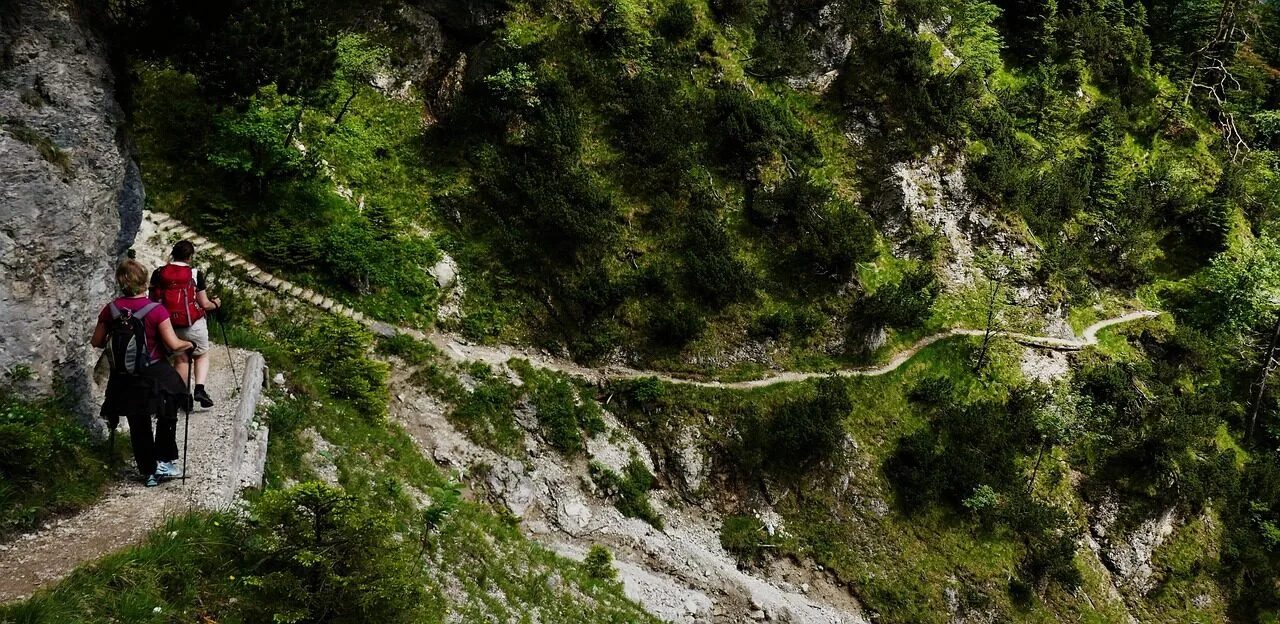
A hiking backpack is one of the few pieces of gear that touches every minute of your time on trail.
The wrong pack creates pressure points by mile two, shifts unpredictably on steep terrain, and leaves you reaching for items buried at the bottom when you need them most.
Get it right and the pack disappears into the background, letting the landscape take over.
With so many options across so many price points, from sub-budget packables to premium suspension systems used by serious thru-hikers, narrowing the field without a framework is genuinely difficult.
At ProductFind, we researched hiking backpacks across every major category by analyzing manufacturer specifications, synthesizing expert review consensus from published outdoor gear sources, and weighing verified buyer feedback from thousands of confirmed purchasers.
We looked at packs from Osprey, TETON Sports, MOUNTAINTOP, Maelstrom, WoneNice, Water Buffalo, IGOLUMON, SKYSPER, and Eddie Bauer to build a shortlist that covers every trail type and budget. Scroll down to see our top picks.
| Award | Product | PF Score About PF ScoreThe PF Score is our own rating from 0 to 10, based on performance, design and build, ease of use, and value. It reflects independent research and is never influenced by manufacturers, retailers, or affiliate commissions. Learn more › | Price | |
|---|---|---|---|---|
| Best Overall |
 Osprey Atmos AG 65L Backpack
|
9.1/10 | Buy | |
| Editor's Pick |
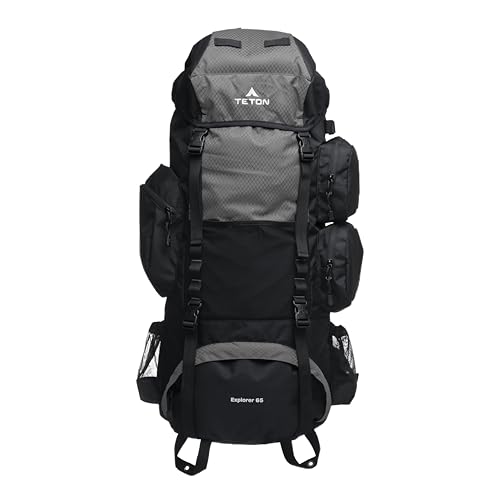 TETON Sports Teton 65L Internal Frame Backpack
|
7.4/10 | Buy | |
| Best Value |
 Water Buffalo Sherpa 22L Hiking Hydration Backpack
|
6.8/10 | Buy | |
| Top Rated |
 MOUNTAINTOP 40L Hiking Backpack
|
6.3/10 | Buy | |
 WoneNice 50L Waterproof Hiking Backpack with Rain Cover
|
6.1/10 | Buy | ||
 Maelstrom 40L Hiking Backpack with Rain Cover
|
5.8/10 | Buy | ||
 IGOLUMON 40L Hiking Backpack
|
5.5/10 | Buy | ||
 Eddie Bauer Stowaway Packable 20L Backpack
|
5.2/10 | Buy | ||
 SKYSPER 20L Hiking Daypack
|
5.1/10 | Buy |
Osprey Atmos AG 65L Backpack
A 65-liter pack designed for multi-day backpacking trips, built with sustainable materials including PFAS-free raincover and bluesign-approved fabrics. The curved-zip panel access and dedicated sleeping bag compartment make organization straightforward for backcountry expeditions.
Pros
- PFAS-free DWR raincover and bluesign-approved materials reduce environmental impact
- Curved zip panel access provides intuitive loading and gear retrieval
- Removable sleeping pad straps and zippered sleeping bag compartment keep sleep system secure
- Floating top lid with lash points adds attachment flexibility
- 4.79-pound weight is reasonable for a 65L pack in this capacity class
Cons
- No verified buyer reviews available to assess real-world performance and durability
- Large-XL sizing may not fit smaller-framed users comfortably
- Curved-zip design, while functional, differs from traditional top-load packs some users prefer
TETON Sports Teton 65L Internal Frame Backpack
A feature-rich 65-liter pack designed for beginners and experienced backpackers alike, offering adjustable torso support, a dedicated sleeping bag compartment, and practical organization across men's and women's frames. The included rain cover and durable construction make it a solid choice for multi-day hiking and camping trips without premium pricing.
Pros
- Adjustable multi-position torso fits both medium and tall adventurers
- Open-cell foam lumbar pad with molded channels balances comfort and airflow
- Large sleeping bag compartment plus multiple compression straps and pockets
- Includes rain cover for weather protection
- Reasonably lightweight at 5 pounds for the capacity
Cons
- No verified buyer reviews available to confirm real-world durability claims
- 65L capacity sits mid-range, so not ideal for ultralight trips or extended expeditions requiring 75L or 85L variants
- Limited color options (Graphite only in this listing)
Water Buffalo Sherpa 22L Hiking Hydration Backpack
A practical 22-liter daypack built around a 2-liter water bladder, offering six storage pockets and waterproof zippers for all-day trail use. Best suited for day hikers who prioritize hydration access and gear organization without sacrificing comfort.
Pros
- Waterproof zippers provide genuine weather protection for electronics and gear
- Integrated hydration system eliminates need for separate water bottle or pack attachment
- Adjustable straps accommodate different body types and layering for day-long comfort
- Trekking pole attachment points are a practical feature for uneven terrain
Cons
- No verified buyer reviews available to confirm real-world durability or ease of bladder cleaning
- 2L bladder capacity may require refills on longer or hotter day hikes
- Medium sizing only, limiting options for very large or small frame users
MOUNTAINTOP 40L Hiking Backpack
A 40-liter pack with water-repellent 400D polyester and multiple compartments designed for day hikes and camping trips. Its breathable mesh straps and sponge padding aim to distribute weight evenly, though it lacks built-in hydration and carries a 4.8-star rating with no verified buyer reviews yet.
Pros
- 40L capacity fits a 16-inch laptop plus gear for day trips and weekend camping
- Water-repellent 400D polyester and YKK zippers provide basic weather resistance
- Breathable mesh shoulder straps and padded back panel reduce shoulder fatigue
- Multiple compartments and pockets (main, 2 front zippered, 2 side) organize gear efficiently
- Bladder compartment included for hydration planning, though bladder sold separately
Cons
- No verified buyer reviews available to validate real-world durability and fit claims
- Water bladder not included despite dedicated compartment
- Relatively heavy at 2.3 pounds for a daypack, which may matter on longer hikes
WoneNice 50L Waterproof Hiking Backpack with Rain Cover
A 50L capacity daypack built with water-resistant polyester and nylon for multi-day treks. Features adjustable straps, ergonomic back support, and included rain cover, making it versatile for hikers of various sizes and experience levels.
Pros
- Spacious 50L capacity with organized compartments for tents, sleeping bags, and gear
- Durable water-resistant and tear-resistant fabric construction
- Adjustable chest and waist belts accommodate different body types
- Ergonomic S-shaped shoulder straps with breathable back panel reduce strain
- Includes waterproof rain cover for weather protection
Cons
- No verified buyer reviews available to confirm real-world durability claims
- 4.9 rating lacks sufficient review sample size for reliable assessment
- Material described as water-resistant rather than fully waterproof on main pack
Maelstrom 40L Hiking Backpack with Rain Cover
A lightweight 40L daypack designed for hiking and camping, featuring water-resistant rip-stop nylon, multiple compartments, and ergonomic padding. Best suited for day trips and multi-day treks where weight matters and weather protection is a priority.
Pros
- Comprehensive pocket organization with dedicated waterproof wet compartment for post-exercise gear
- Well-designed ergonomics including padded back panel, breathable straps, and adjustable chest buckle to distribute weight
- Practical additional features: reflective safety printing, built-in whistle, headphone port, and elastic side straps for trekking poles
- Genuinely lightweight construction suitable for extended hiking without excessive fatigue
- Includes rain cover rather than selling separately
Cons
- No verified buyer reviews available to assess real-world durability or user experience
- Dimensions suggest this may pack less space than advertised 40L capacity for bulkier items
- Multi-pocket design could complicate packing organization for minimalist travelers
IGOLUMON 40L Hiking Backpack
A packable 40-liter daypack designed for hiking and camping with a foldable frame that compresses to pocket size. Notable for its wet pocket system, reflective safety strips, and gear attachment points, though it carries a 4.8 rating with no verified buyer reviews yet.
Pros
- Genuine packability: compresses significantly smaller than most 40L packs for travel
- Thoughtful compartmentalization including dedicated wet pocket and slip pockets for organization
- Durable construction with reinforced stress points, double-layer bottom, and tear-resistant nylon
- Practical outdoor features like reflective strips, survival whistle, and external gear attachment points
- Lightweight at 1.1 pounds, ideal for minimalist backpackers
Cons
- No verified customer reviews available to validate durability or fit claims despite 4.8 rating
- Limited detail on shoulder strap padding thickness or hip belt support for heavier loads
- Waterproof claim needs clarification, as fabric appears water-resistant rather than fully waterproof
Eddie Bauer Stowaway Packable 20L Backpack
This 20-liter packable backpack compresses into its own pocket for ultralight travel and weekend trips. Built with ripstop polyester and a weather-resistant finish, it balances durability with portability at just 0.3 pounds.
Pros
- Extremely packable design saves luggage space when not in use
- Lightweight construction minimizes pack weight for travel
- Weather-resistant finish provides practical rain protection
- Comfortable support straps and hip belt reduce shoulder strain
- 20L capacity suits weekend getaways and day adventures
Cons
- No customer reviews available to verify real-world durability and comfort
- Limited color option (Maroon only in this listing)
- Small packed size may be difficult to locate when compressed
SKYSPER 20L Hiking Daypack
A lightweight 20-liter daypack built from water-resistant 600D polyester with reinforced stress points for durability. Designed for casual hikers and commuters, it balances practicality with a clean aesthetic, though the lack of verified buyer feedback limits confidence in long-term reliability.
Pros
- Exceptionally lightweight at 1.1 lbs, ideal for minimalist hikers and frequent travelers
- Water-resistant materials and reinforced stress points address durability concerns for outdoor use
- Thoughtful details like anti-theft zipper, safety whistle, and emergency guide add practical value
- Breathable grooved system and mesh back fabric provide ergonomic comfort on extended outings
- Adjustable straps and trekking pole fixtures adapt to varied packing needs and activities
Cons
- No verified buyer reviews available to validate durability or real-world performance claims
- 20L capacity may feel limiting for overnight trips or users who prefer larger daypacks
- Reflective design and contrasting yellow webbing are fixed aesthetic choices with no color customization beyond the listed colorway
Hiking Backpacks Buying Guide
The backpack market spans a wide range of capacities, frame types, and price points, and the differences between categories matter far more on a long uphill than they appear on a product page.
Understanding what actually separates a capable trail pack from a marketing exercise saves you from returning a bag that felt fine in your living room but fell apart on a steep switchback.
If you also need a general-purpose pack for men or a versatile everyday bag for women that pulls double duty for commuting and weekend travel, we cover those separately. For the trail, here is what to focus on.
Capacity and Trip Length
Backpack volume is measured in liters, and matching that number to your typical trip length is the single most important sizing decision you will make. Day hikes generally call for 15L to 25L packs.
These carry water, snacks, a light layer, and a first aid kit without unnecessary bulk. The SKYSPER 20L and Eddie Bauer Stowaway 20L fall into this range and suit casual hikers who want something nimble and packable for single-day outings.
Overnight and weekend trips typically require 35L to 50L of space to accommodate a sleeping bag, shelter, food, and clothing changes.
The Maelstrom 40L, IGOLUMON 40L, and WoneNice 50L target this use case and represent the middle tier where most recreational hikers spend their time. For multi-day or week-long treks, you will want 55L and above.
The TETON Sports Explorer 65L and the Osprey Atmos AG 65L live in that range, with the Osprey representing the premium end of long-haul comfort and load support.
Overpacking is a common and expensive mistake. Buying a 65L pack for day hikes means you either carry too much or manage a half-empty bag that shifts uncomfortably with every step.
Size up only as much as your heaviest anticipated load actually requires.
If you find yourself regularly switching between short day hikes and occasional weekend trips, a versatile 40L to 50L option bridges both use cases without forcing you to own two separate packs.
Frame Type and Load Transfer
Internal frame backpacks use a built-in aluminum or composite stay system that keeps the pack close to your back and transfers weight onto your hips rather than your shoulders.
This design dramatically reduces fatigue on longer hauls and is the dominant choice for backpacking and hiking above two or three hours.
The TETON Sports Explorer and the Osprey Atmos AG both rely on internal frame systems, though the Osprey’s Anti-Gravity suspension takes the concept considerably further with a tensioned mesh back panel that separates your spine from the pack body entirely, allowing airflow and eliminating hot spots on sustained climbs.
Frameless or minimally structured packs, like the IGOLUMON 40L Packable and the SKYSPER 20L, prioritize packability and light weight over load transfer.
They are excellent for short day hikes or as emergency stuff-sacks inside a larger travel bag, but carry heavier loads in them and you will feel every gram in your shoulders by mile five.
The rule of thumb most outdoor specialists agree on: if you are carrying more than roughly 20 lbs (9 kg) for more than a couple of hours, choose an internal frame pack with a padded hip belt.
Hip-belt carry should account for about 80 percent of the load, with shoulder straps serving mainly to stabilize the pack rather than bear its weight.
For hikers who move between trail days and city travel, a well-organized laptop backpack can handle easy urban trails, but it will not replace an internal frame pack once the terrain gets serious.
Frame type is not a spec to compromise on when the mileage adds up.
Fit and Torso Length
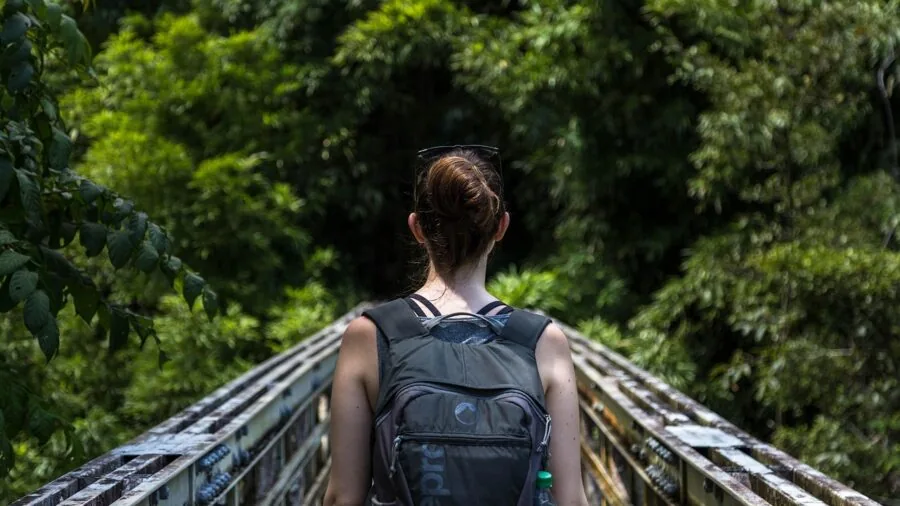
A pack that does not fit your torso length will never be comfortable, regardless of how sophisticated the suspension system is. Most brands size their packs by torso measurement rather than overall height.
Measure from the base of your neck (C7 vertebra) to the top of your hip bone (iliac crest) to find your correct size.
Skipping this step is the most common reason hikers return packs that had strong reviews but felt wrong on their body.
The Osprey Atmos AG 65L, for instance, is available in S/M and L/XL torso lengths and offers gender-specific harness geometry in its women’s counterpart, while many budget options offer one-size-fits-all harnesses with adjustable straps.
Adjustable harnesses are workable for lighter loads and shorter trips, but they rarely replicate the precision fit of a sized system under heavy weight. Shoulder strap contouring also matters.
Anatomically shaped straps that wrap around the chest reduce pressure points and chafing significantly on long days compared to straight-cut straps.
If you are investing in a pack intended for years of use, try it on with weight inside before committing.
A travel duffel or weekender bag does not need this level of precision, but a hiking pack that will carry 30 lbs over mountain terrain absolutely does.
Waterproofing and Weather Protection

Most hiking backpacks are made from water-resistant but not fully waterproof materials. Ripstop nylon and polyester weaves with DWR (durable water repellent) coatings handle light rain adequately, but prolonged downpours will eventually soak through seams and zippers.
This is why many packs in this roundup, including the WoneNice 50L, MOUNTAINTOP series, and Maelstrom 40L, ship with a packaged rain cover that slips over the entire bag.
A bundled rain cover is meaningfully better than buying one separately because manufacturers size it precisely for their own pack geometry.
The Water Buffalo Sherpa 22L takes a different approach by specifying waterproof zippers and water-resistant fabric throughout, which matters when the pack is doubling as a hydration system carrier and a trail companion in variable weather.
For anything protecting electronics, a sleeping bag, or dry clothing, always use a rain cover or line the interior with a trash compactor bag as a dry liner regardless of what the product description claims.
Marketing language around waterproofing is consistently optimistic.
If you regularly hike in wet climates or plan river crossings, prioritize packs that include a rain cover in the box, or budget separately for one sized to your specific pack dimensions.
Hikers who also spend time at the beach or near water may find guidance in our beach bag roundup, where waterproofing standards and priorities differ considerably from trail use.
Organization and Pocket Layout
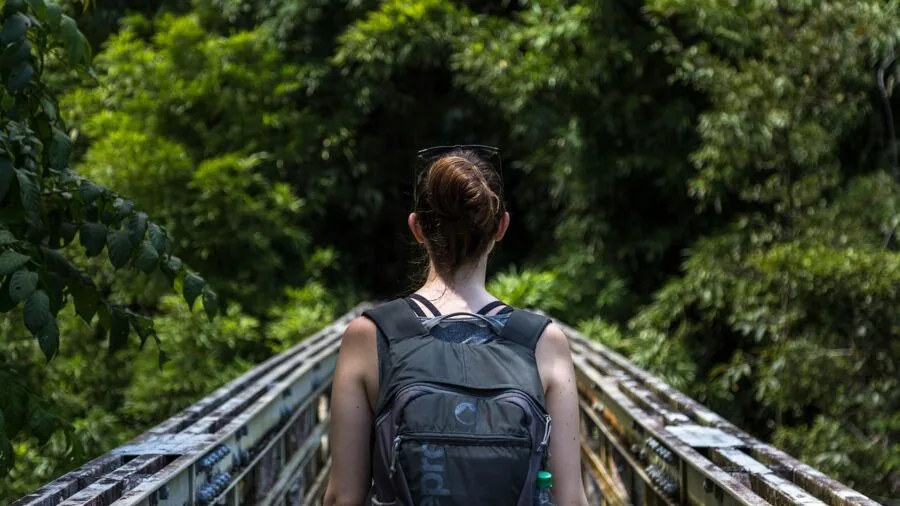
Organizational systems vary significantly across price points. Budget packs often offer a single main compartment and a small front pocket, which keeps things simple but makes accessing items mid-hike genuinely inconvenient.
Mid-range and premium options add hip belt pockets for snacks and phones, side mesh pockets for water bottles, sleeping bag compartments at the base, and top lid pockets for quick-grab items like a map, sunscreen, or headlamp.
These features are not luxury additions; on a full day in the backcountry, the difference between a pack you can access without taking off and one you cannot is measured in cumulative frustration.
The Water Buffalo Sherpa 22L distinguishes itself in this regard with a dedicated phone compartment alongside its hydration bladder sleeve, trekking pole holders, and side mesh pockets.
For hydration-focused hikes, a dedicated bladder sleeve that keeps the reservoir stable and routes the drinking tube cleanly over the shoulder strap makes a genuine difference in convenience compared to just dropping a bladder loose into a main compartment.
Packs with a sleeping bag divider and a separate bottom compartment also help enforce a logical packing system: heavy items like food and water belong high and central, lighter items go lower and against your back, and frequently accessed items belong in the lid or hip pockets.
Hikers who carry both trail gear and a laptop for base camp or hut-to-hut travel may want to cross-reference messenger bags and shoulder bags for lighter carry on rest days when a full hiking pack is unnecessary.
Weight and Packability
Pack weight is a legitimate concern, particularly for hikers who count ounces on longer trips. Ultralight backpackers generally target packs under 2 lbs (about 900 g), while a well-featured internal frame pack for multi-day trips often falls in the 3 to 5 lb range.
The Osprey Atmos AG 65L sits at around 4.5 lbs in the L/XL size, but the load transfer and comfort system it provides effectively makes that weight disappear on trail.
The meaningful number is not the pack weight in isolation but the combination of pack weight plus how well it distributes what is inside it.
Packable designs like the Eddie Bauer Stowaway and the IGOLUMON 40L compress into their own pocket or a small pouch, making them ideal as travel day-bag backups or secondary carry for a larger trip.
The trade-off is almost always structural support: packable packs sacrifice frame stays and rigid hip belts to achieve their stuffable form factor.
If you are gearing up for rugged backcountry travel rather than a casual nature walk, a packable pack is unlikely to serve as your primary bag.
Travelers who want a compact, compressible option that doubles as a personal item on flights should also look at mini backpacks designed for that specific use case.
For gym sessions and short urban outings between trail days, a dedicated gym bag is often more practical than bringing a full hiking pack into the weight room.
Hydration System Compatibility
Hydration bladder compatibility is standard on most packs above 25L, but the quality of the sleeve, routing, and bite valve anchor varies enormously.
A poorly designed bladder sleeve that lets the reservoir shift during movement or routes the tube awkwardly across the shoulder strap creates constant irritation.
Look for sleeves with a rigid back wall, a hanger hook to keep the bladder upright, and a dedicated port for the drinking tube to exit cleanly.
The Water Buffalo Sherpa 22L is purpose-built around this feature set and represents the strongest hydration-focused option in this roundup.
For longer overnight trips where you are also carrying cooking water, a larger internal frame pack with multiple side bottle pockets tends to offer better overall organization than a hydration-only design.
Many experienced backpackers use both: a hydration pack for active day segments and bottle pockets for camp water management.
Hikers who prioritize staying light on fast-moving trails may also want to explore crossbody bags for very short out-and-back routes where a full pack is overkill. For multi-day trips requiring serious gear haul, however, hydration compatibility within a structured hiking backpack is non-negotiable.
Why You Should Trust Us
ProductFind is an independent review publication. We do not accept free products from brands, we do not take payment to alter rankings, and we have no manufacturer relationships that influence our editorial decisions.
Every product in this guide was evaluated through ProductFind’s structured research methodology, applied consistently across all nine packs regardless of brand size or price tier.
Each pack is assigned a PF Score on a consistent 0 to 10 scale based on a multi-factor assessment that synthesizes published technical specifications, expert review consensus drawn from credible outdoor gear sources, and verified buyer feedback from confirmed purchasers.
We evaluate each model against the same set of criteria and score it accordingly, which means a budget pack can earn a strong PF Score if it excels within its price tier, and a premium pack can score lower if its real-world performance does not justify its positioning.
We do not conduct our own product trials; our evaluations are grounded in research, published data, expert review consensus, and verified buyer feedback.
This approach lets us assess a broad field of products with consistent criteria and flag meaningful differences between budget, mid-range, and premium options without the conflicts of interest that can arise from manufacturer loan programs.
ProductFind may earn a commission if you purchase through a link in this article. That relationship does not influence PF Scores, rankings, or which products appear in our roundups. Our recommendations are made entirely on the basis of research quality and consumer value.
Final Thoughts
After researching the full field of hiking backpacks across every major category, several packs stand out for specific types of hikers.
The right choice depends on how far you hike, how much you carry, and what you are willing to spend, but the picks below represent the clearest wins in their respective niches based on PF Score and the attributes that most distinguish each pack within its category.
- Best Overall: Osprey Atmos AG 65L earns the highest PF Score in this roundup through the brand’s industry-leading Anti-Gravity suspension, exceptional hip-belt load transfer, and consistent praise across expert and buyer sources alike. It is the clear choice for serious multi-day hikers who want premium comfort and are prepared to invest at the high end of the market.
- Best Value for Long Trips: TETON Sports Explorer 65L delivers a genuine internal frame experience with a rain cover included at a fraction of the price of premium alternatives. Expert consensus and verified buyers consistently highlight its load comfort and organizational depth as well above average for its price tier, making it the strongest argument for anyone who wants full-size backpacking capability without a premium outlay.
- Best Hydration Pack: Water Buffalo Sherpa 22L is the top-scoring pack in the hydration category, combining a proper bladder sleeve, waterproof zippers, trekking pole holders, and a dedicated phone compartment in a compact trail-ready design. Ideal for fast day hikes and trail running where hands-free hydration matters more than raw volume.
- Best Mid-Range Daypack: MOUNTAINTOP 25L/40L earns its place through lightweight construction and a well-considered harness designed to work comfortably for both men and women. Buyer feedback points to consistent satisfaction across a wide range of conditions and trip lengths, which is a meaningful signal for a pack at this price point.
- Best Budget Packable Pick: Eddie Bauer Stowaway 20L serves travelers and casual day-hikers who need a compressible backup bag that takes up almost no luggage space. It does not compete with structured hiking packs on load support, but it does its intended job reliably and is built from durable ripstop polyester that holds up to regular use.
Whatever your hiking style, matching pack capacity to trip length and frame type to load weight are the two decisions that matter most.
The picks in this guide cover the full spectrum from compact daypacks to expedition-ready carriers, so there is a well-researched option regardless of where you are heading next.
If you are still building out your outdoor kit, men’s thermal underwear and lightweight trail joggers pair naturally with a properly fitted hiking pack for three-season use.
Frequently Asked Questions
How do I choose the right size hiking backpack?
Match pack volume to your trip length: 15L to 25L for day hikes, 35L to 50L for overnight and weekend trips, and 55L or more for multi-day backcountry adventures.
It is also worth measuring your torso length before selecting a pack, since most serious hiking packs are sized by torso rather than overall height.
A correctly fitted pack distributes weight onto your hips efficiently and reduces shoulder fatigue over distance.
Buying a pack that is too large for your typical load leads to a shifting, uncomfortable bag that is harder to manage than a properly sized one.
Do hiking backpacks need to be waterproof?
Most hiking backpacks are water-resistant rather than waterproof. Fabrics like ripstop nylon with DWR coating handle light rain well, but heavy or sustained rain will eventually penetrate seams and zippers.
Look for a pack that either includes a rain cover in the box or budget for one separately.
For electronics, a sleeping bag, or dry clothing, a dry liner inside the pack provides extra insurance regardless of what the product description claims about weather resistance.
What is a hydration pack and who needs one?
A hydration pack includes a reservoir sleeve and drinking tube system that lets you sip water hands-free while moving.
They are most popular among trail runners, mountain bikers, and day hikers who cover ground quickly and do not want to stop to pull a bottle from a side pocket.
The Water Buffalo Sherpa 22L in this roundup combines a proper bladder slot with enough storage for half-day hikes, making it a strong option for that use case.
For longer overnight trips, a larger internal frame pack with multiple bottle pockets tends to offer better overall organization than a hydration-specific design.
Are packable hiking backpacks worth buying?
Packable backpacks serve a specific niche: travelers who want a light, compressible daypack for sightseeing or short walks while keeping their main luggage intact, and hikers who need a secondary bag for rest-day outings.
They are also useful as emergency layers inside a larger bag. What they do not do well is carry heavy loads over long distances.
Options like the Eddie Bauer Stowaway or the IGOLUMON 40L are excellent for their intended use case but should not replace a structured internal frame pack for serious hiking.
If you travel frequently and want a packable option that also works as a compact carry-on personal item, packable daypacks make excellent additions to a travel kit without adding meaningful luggage weight.
What is the difference between a hiking daypack and a backpacking pack?
A hiking daypack (typically 15L to 30L) is designed for single-day outings. It carries water, food, and light layers without the frame systems or sleeping bag compartments found on overnight packs.
A backpacking pack (40L and above) is built to carry camping gear, food for multiple days, and heavier loads, and it uses structured suspension to make that weight manageable over many miles.
If you hike both casually and overnight, you may benefit from owning one of each, or choosing a versatile mid-volume option around 40L to 50L that bridges both use cases without forcing you to commit to two separate bags.
Can I use a hiking backpack as a carry-on bag for flights?
Smaller hiking daypacks in the 20L to 25L range often qualify as personal items on most airlines. Larger packs above 40L almost never meet carry-on dimension requirements and will need to be checked.
If you are flying to a trailhead, a packable daypack stored inside your main bag is a practical way to have a trail-ready option on arrival without checking extra luggage.
For city travel where you also need laptop protection and clean organization, a structured laptop backpack is often a better fit than a trail-specific design.
Travelers who want a single bag that handles both roles should also consider travel duffel bags with detachable daypacks, which offer flexibility without the bulk of a full hiking pack at the airport.
About the author
Vernon is a reviewer and writer for ProductFind who specializes in Camping & Hiking. Vernon evaluates products through independent research: specifications, expert review consensus, and verified buyer feedback, and rates each one on the PF Score. Vernon focuses on helping readers pick the right camping & hiking for their needs and budget.