The 11 Best Microwave Ovens
Sensor cooking, inverter technology, and the right wattage make a real difference in daily results. Our research across Panasonic, Toshiba, and more surfaces the countertop microwaves worth buying in 2026.
 By Freddie Hansen
Updated July 23, 2026
By Freddie Hansen
Updated July 23, 2026
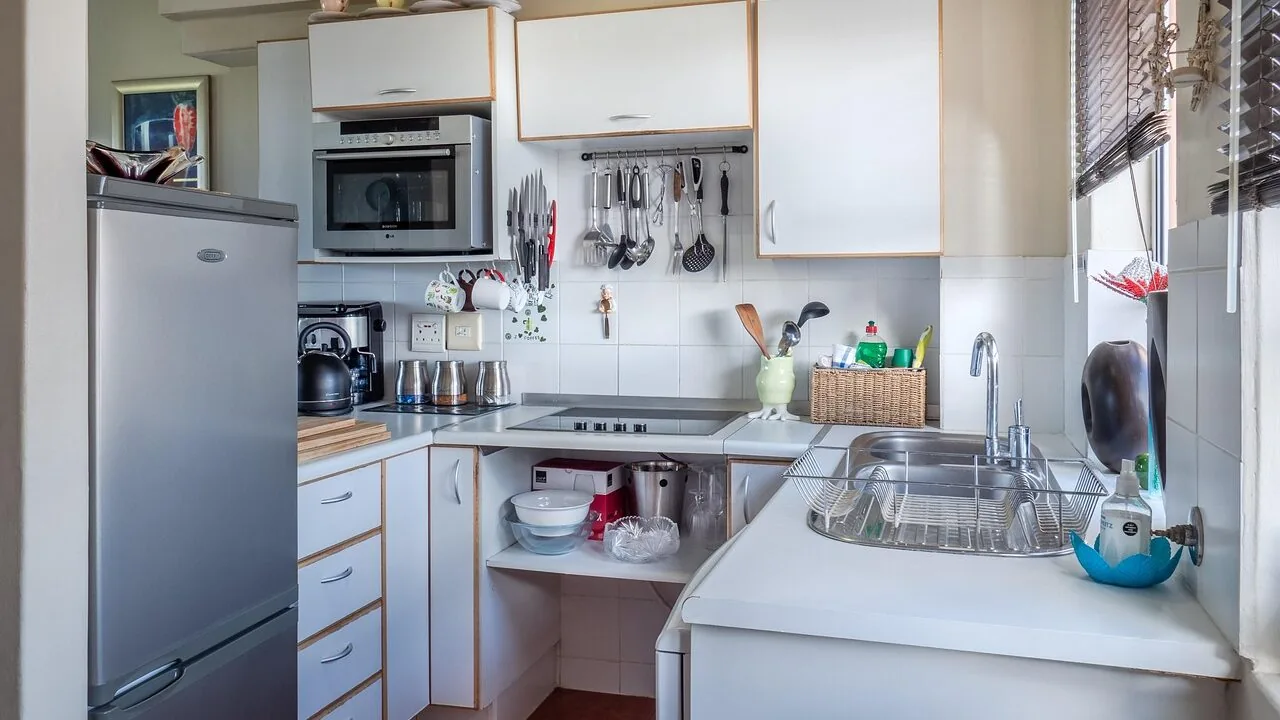
A microwave oven is one of those kitchen appliances you never think about until it stops working.
Whether you’re defrosting chicken for dinner, reheating leftovers at midnight, or steaming vegetables for a quick weeknight meal, a reliable countertop microwave makes everyday cooking dramatically faster and less stressful.
Yet the market is crowded with models ranging from bare-bones budget units to feature-rich inverter-powered machines, and sorting through them without guidance can be genuinely overwhelming.
At ProductFind, we analyzed specifications, synthesized expert review consensus, and examined verified buyer feedback across dozens of countertop microwave models from brands including Panasonic, Toshiba, BLACK+DECKER, Breville, LG, Sharp, and Farberware to build this shortlist.
Each model was scored on our 0 to 10 PF Score scale using consistent, research-grounded criteria. If you’re shopping for a countertop microwave that balances power, even heating, and everyday usability, the picks below cover every need and budget.
| Award | Product | PF Score About PF ScoreThe PF Score is our own rating from 0 to 10, based on performance, design and build, ease of use, and value. It reflects independent research and is never influenced by manufacturers, retailers, or affiliate commissions. Learn more › | Price | |
|---|---|---|---|---|
| Best Overall |
 Panasonic NN-SN67QS 1.2 Cu. Ft. Countertop Microwave
|
8.6/10 | Buy | |
| Editor's Pick |
 Toshiba EM131A5C-BS 1.2 Cu Ft Countertop Microwave
|
8.5/10 | Buy | |
| Best Value |
 Panasonic NN-SN67KS 1.2 cu.ft. Countertop Microwave
|
8.4/10 | Buy | |
| Top Rated |
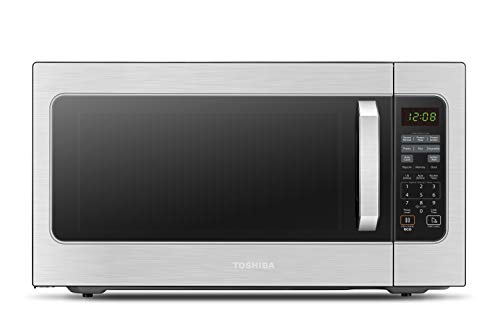 Toshiba ML-EM62P 2.2 Cu Ft Countertop Microwave
|
8.3/10 | Buy | |
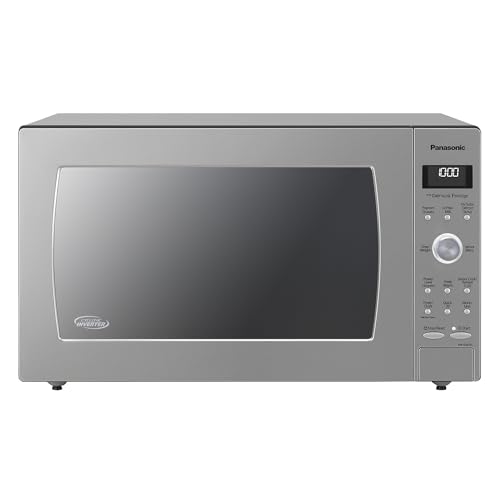 Panasonic NN-SD975S 2.2 Cu.Ft Countertop Microwave
|
8.2/10 | Buy | ||
 Breville BMO650SIL 25L Compact Microwave
|
7.3/10 | Buy | ||
 LG 0.9 cu. ft. Countertop Microwave with Smart Inverter
|
6.7/10 | Buy | ||
 Sharp SMC0962KS 0.9 cu. ft. Countertop Microwave
|
6.3/10 | Buy | ||
 Farberware 1.1 Cu. Ft. Countertop Microwave
|
7.1/10 | Buy | ||
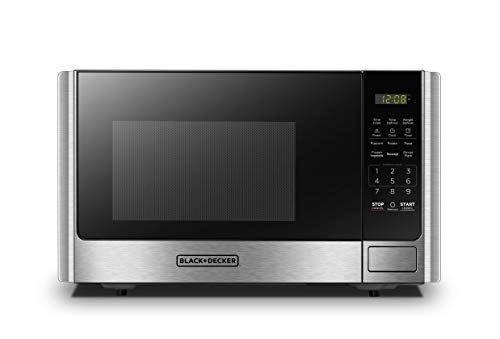 BLACK+DECKER 0.9 Cu Ft Digital Microwave
|
8.0/10 | Buy | ||
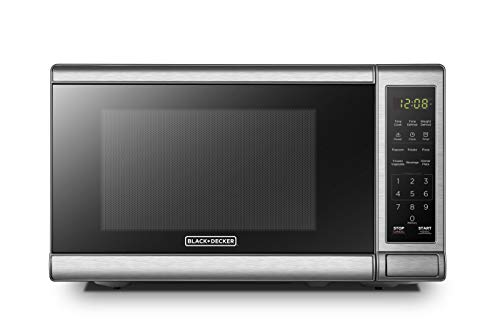 BLACK+DECKER EM720CB7 0.7 Cu.ft Countertop Microwave
|
5.6/10 | Buy |
Panasonic NN-SN67QS 1.2 Cu. Ft. Countertop Microwave
Panasonic's inverter-powered countertop microwave delivers even heating across 1.2 cubic feet of cooking space, making it suitable for families or those reheating larger portions. Genius Sensor automation reduces guesswork, though the unit lacks user reviews to validate real-world performance claims.
Pros
- Inverter technology reduces uneven cooking common in standard microwaves
- Spacious 1.2 cubic foot interior accommodates family-size meals without excessive counter footprint
- Genius Sensor cooking eliminates repeated time-and-power adjustments
- 1250W power output speeds up cooking across various food types
- Stainless steel construction resists fingerprints and integrates with most kitchen aesthetics
Cons
- No verified customer reviews available to assess durability or real-world sensor accuracy
- 4.3 rating appears incomplete without actual user feedback to validate performance
- Compact footprint (15.87 x 20.75 x 11.87 inches) may still challenge very tight counter spaces
Toshiba EM131A5C-BS 1.2 Cu Ft Countertop Microwave
A mid-range countertop microwave with smart humidity sensor technology that automatically adjusts cooking time and power for consistent results. Offers 10 power levels, 6 preset menus, and convenient features like easy defrost and mute function, making it suitable for everyday cooking and reheating tasks.
Pros
- Smart sensor technology reduces guesswork and helps prevent overcooked or undercooked food
- Multiple power levels and preset menus offer flexibility for different cooking needs
- Convenient defrost options by weight or time
- Mute function provides quiet operation when needed
- Reasonably compact at 1.2 cu ft with 12.4-inch turntable for standard kitchen counter space
Cons
- No verified buyer reviews available to confirm real-world performance and reliability
- Limited to 6 preset menus compared to more feature-rich competitors
- Relatively modest 1.2 cu ft capacity may feel constraining for larger households
Panasonic NN-SN67KS 1.2 cu.ft. Countertop Microwave
A mid-size countertop microwave with inverter technology for even cooking and 16 sensor cook settings that automate power and timing. Smart features like Turbo defrost and a 3-level popcorn button appeal to users seeking convenience over basic reheating.
Pros
- Inverter technology delivers consistent microwave power for more evenly cooked results
- Sensor reheat preserves nutrients and texture in leftovers through intelligent power adjustment
- Compact 1.2 cu.ft. capacity saves counter space while fitting most household needs
- Three popcorn settings reduce guesswork across different bag sizes
- Stainless steel finish resists fingerprints and blends with modern kitchens
Cons
- No verified buyer reviews available to assess real-world reliability and performance consistency
- Mandatory child lock adds complexity for households without children
- 1200W power is modest compared to premium competitors, potentially extending cook times for larger portions
Toshiba ML-EM62P 2.2 Cu Ft Countertop Microwave
A large-capacity microwave designed for households needing to heat full-sized dishes and accommodate family meals. The 2.2 cubic foot interior, 1200W power, and smart humidity sensor handle defrosting and cooking with preset menus, though it lacks verified user feedback to assess real-world reliability.
Pros
- Spacious 2.2 cu ft interior fits 16 inch pizzas and whole chickens
- Smart humidity sensor automatically adjusts cooking power and time for even heating
- 23 one-touch menu presets covering common dishes like pizza, potatoes, and beverages
- Dedicated auto-defrost programs by weight or time for meat, poultry, and fish
- Practical features including mute option, memory function, ECO mode, and child lock
Cons
- No verified buyer reviews available to validate performance claims or durability
- 16.5 inch turntable is fixed in size, limiting flexibility for unusually shaped cookware
- Heavy at 49.2 pounds, making installation and relocation challenging for counter space
Panasonic NN-SD975S 2.2 Cu.Ft Countertop Microwave
Panasonic's NN-SD975S brings inverter technology and sensor cooking to a compact 2.2 cubic foot frame, designed for even heating and simplified meal prep. The 1250W power and preset menus reduce guesswork, though it's better suited for kitchens with limited counter space than heavy-duty use.
Pros
- Inverter technology provides more even cooking than standard microwaves
- Sensor functions remove the need to guess cooking times for common tasks
- Balanced design maximizes interior space while minimizing counter footprint
- Dedicated turbo defrost speeds up thawing compared to standard defrost modes
- Wide selection of preset options simplifies meal preparation
Cons
- No verified customer reviews available to assess real-world reliability and performance consistency
- Limited information on noise levels or operational quietness during use
- Mandatory child lock may add complexity to basic operation for some users
Breville BMO650SIL 25L Compact Microwave
A space-efficient 25-liter countertop microwave designed for quiet operation, with preset functions for reheating, defrosting, and cooking. Best suited for kitchens with limited counter space that prioritize low noise levels.
Pros
- Notably quiet operation with soft close door and mute button option
- Efficient preset functions and food menu reduce manual programming
- Compact footprint (17.3 x 19.1 x 11.5 inches) ideal for limited space
- Thoughtful features like child lock and Breville Sound Suite add convenience
Cons
- No customer reviews available to verify real-world performance claims
- 25L capacity limits meal sizes compared to standard microwaves
- 1-year limited warranty is relatively basic coverage
LG 0.9 cu. ft. Countertop Microwave with Smart Inverter
LG's compact 0.9 cu. ft. microwave combines Smart Inverter technology for even heating with convenient auto cook presets for seven common foods. The stainless steel design fits easily on most counters, though the lack of verified buyer reviews means real-world reliability remains unconfirmed.
Pros
- Smart Inverter tech provides consistent cooking results across different food types
- Seven preset auto cook options streamline common meal preparation tasks
- EasyClean interior design minimizes cleanup effort
- Compact footprint and stainless steel finish suit modern kitchen aesthetics
- 10 power level adjustments offer flexibility for different cooking needs
Cons
- No verified customer reviews available, limiting insight into actual performance and durability
- 0.9 cu. ft. capacity is relatively small, limiting the size of dishes and portions
- Limited information on noise level, defrost precision, or comparison to competing models at similar price points
Sharp SMC0962KS 0.9 cu. ft. Countertop Microwave
A mid-size countertop microwave with 900 watts of power and a modern stainless steel design, featuring a gray interior and LED lighting. It includes convenient shortcuts like Express Cook and Weight/Time Defrost, making it suitable for everyday cooking and reheating tasks.
Pros
- Full-sized 0.9 cu. ft. capacity balances counter space with usable interior
- 10.6-inch carousel turntable supports even heating across dishes
- 10 power levels with 2-stage cooking for precise temperature control
- Quick-start features like +30 seconds key and Express Cook up to 6 minutes
- Modern design with gray interior, white LED display, and LED interior lighting
Cons
- No verified buyer reviews available to assess real-world reliability and performance
- Auto Cook limited to popular menu items, not customizable for specific foods
- Standard 900-watt output, middling for faster cooking compared to higher-wattage models
Farberware 1.1 Cu. Ft. Countertop Microwave
A compact 1000-watt microwave designed for small spaces with ten power levels and six one-touch preset functions. Includes helpful features like express cooking controls, interior lighting, and child safety lock, making it practical for home or office use.
Pros
- Flexible defrost options by weight or time for convenient meal prep
- Quick express cooking controls (1-6 minutes) reduce wait times
- Compact footprint solves storage constraints without sacrificing capacity
- Child safety lock adds peace of mind in family homes
- LED display and interior lighting provide visibility and convenience
Cons
- No verified buyer reviews available to assess real-world durability or performance consistency
- 1.1 cubic feet capacity limits cooking volume for larger households or meal portions
- Limited information on noise levels or energy efficiency ratings
BLACK+DECKER 0.9 Cu Ft Digital Microwave
A compact 900-watt microwave with pre-programmed cooking buttons and essential convenience features like a child safety lock and express cooking function. Best suited for small kitchens or basic reheating and cooking needs.
Pros
- Pre-programmed buttons for common foods (popcorn, pizza, vegetables, beverages)
- 10 power settings and 30-second express cooking for flexibility
- Child safety lock for households with young children
- Push-button door release for easy one-handed operation
- Large LED digital display with readable control panel
Cons
- 0.9 cubic foot capacity is on the smaller side for larger families or batch cooking
- No customer reviews available to verify real-world performance and durability
- Limited to 900 watts, lower than many competitors in the countertop segment
BLACK+DECKER EM720CB7 0.7 Cu.ft Countertop Microwave
A compact 700W microwave with pre-programmed buttons for common foods and essential convenience features like a child safety lock and interior light. Best suited for small kitchens or dorm rooms where space is limited.
Pros
- Six pre-programmed buttons for popcorn, potato, pizza, frozen vegetables, beverages, and dinner plates
- 30-second express cooking function for quick reheating
- Child safety lock adds peace of mind in homes with young children
- Push-button door release and removable glass turntable for easy cleaning
- Large LED digital display with clear, easy-to-read control panel
Cons
- 0.7 cu.ft capacity is quite small, limiting what size dishes you can reheat
- 700W output power is on the lower end, potentially resulting in slower cooking times compared to standard microwaves
- No user reviews available to assess real-world reliability and long-term performance
Microwave Ovens Buying Guide
Choosing the right countertop microwave comes down to more than wattage and price. Cavity size, heating technology, control layout, and noise all affect how much you’ll actually enjoy using the appliance day to day. Here’s what to weigh before you decide.
Capacity and Countertop Footprint
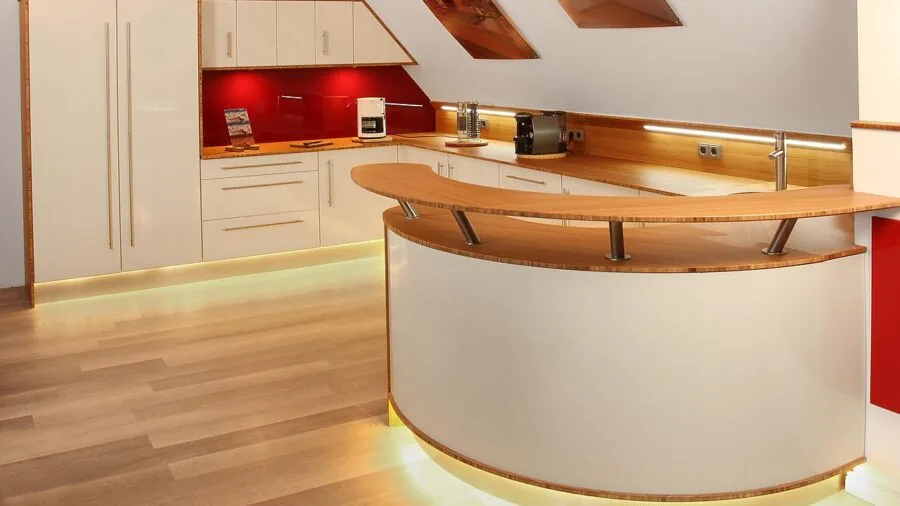
Microwave capacity is measured in cubic feet, and manufacturers’ stated numbers tend to be optimistic.
Most industry evaluations find that usable interior space is roughly half to two-thirds of the advertised figure, because the turntable, walls, and magnetron housing take up real room.
As a practical guide, a 0.7 to 0.9 cu. ft. model suits singles, small apartments, or anyone who mainly reheats drinks and small portions. A 1.2 cu. ft. unit is the versatile midsize sweet spot for couples or small families.
If you regularly cook large casseroles, family-size frozen meals, or tall bowls of soup, a 2.2 cu. ft. model gives the headroom you need.
Footprint matters just as much as interior volume. A larger cavity means a wider, deeper chassis, which can crowd a small kitchen counter significantly.
Measure your intended spot carefully, and remember to leave a few inches on each side and above for ventilation.
If counter space is truly at a premium, you might also consider a compact toaster oven that doubles as a small convection unit, though a dedicated microwave will always be faster for liquid-heavy reheating tasks.
Power Output and Heating Technology

Wattage is the single biggest driver of heating speed and evenness. Budget microwaves commonly ship at 700W, midrange models sit at 900W to 1000W, and premium units push 1200W to 1250W.
Higher wattage shortens cook times and generally produces more consistent results because the food spends less time in the microwave field, reducing hot and cold spots.
Beyond raw wattage, inverter technology changes how power is delivered. Traditional microwaves cycle their magnetron on and off to simulate lower power levels, which can leave the edges of food overcooked while the center is still cold.
Inverter-based models, most famously associated with Panasonic’s line, deliver a steady, regulated stream of energy at whatever power level you select.
The practical result is noticeably more even defrosting and reheating, particularly for proteins, dense vegetables, and layered dishes like lasagna. If you cook anything beyond simple reheating, inverter technology is worth the premium.
For similar reasons, if you’re comparing a countertop microwave against a countertop convection unit, keep in mind that each technology excels at different tasks, and many households benefit from having both.
Sensor Cooking and Auto-Menus
Humidity sensors detect steam released by food and automatically adjust cook time and power level, stopping when the food is done rather than when a timer runs out. This single feature eliminates most overcooked popcorn, rubbery eggs, and dried-out vegetables.
Expert reviewers consistently rate sensor cooking as one of the most impactful upgrades available in a countertop microwave, and verified buyer feedback across thousands of reviews confirms that households who switch from a non-sensor to a sensor model rarely want to go back.
Auto-menu presets are a related but distinct feature. They use preprogrammed time-and-power combinations for common tasks like pizza, popcorn, soup, or frozen vegetables.
Quality varies significantly between brands: a well-calibrated preset from a reputable manufacturer is genuinely useful, while a poorly tuned one can be less accurate than just entering a manual time.
Look for models with at least six to twelve presets and check buyer feedback to confirm those presets actually work reliably for real-world foods.
Controls, Interface, and Noise
Control layout divides into two broad camps: dial-and-button combinations and fully digital touchpads. Dials are intuitive for time entry and preferred by users who cook frequently by feel. Touchpads offer precision, preset access, and a cleaner look.
Push-button doors, as found on several models in this roundup, are a genuine ergonomic upgrade over pull-handle doors because they free up the hand you’re using to hold a bowl or plate.
Noise is an underappreciated buying criterion. The magnetron fan, turntable motor, and end-of-cycle beeps all contribute to the overall sound profile.
Several models now offer a mute or silent mode that disables the beep sequence, which is a surprisingly valuable feature for households with sleeping children or open-plan living spaces.
Child safety locks, which disable the control panel without a PIN-style button sequence, are standard on most current models and worth confirming before purchase if you have young children at home.
Interior Finish and Ease of Cleaning
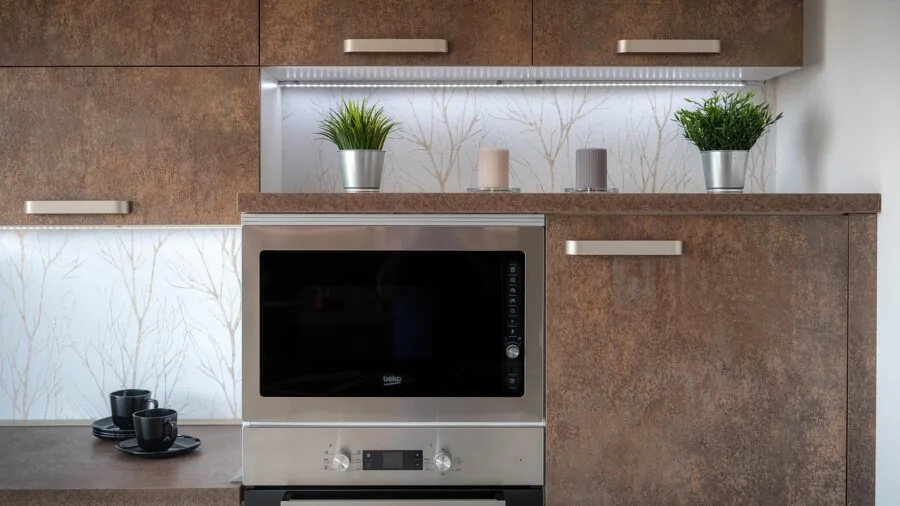
Splatter is inevitable, and how easily a microwave cleans up determines whether you’ll stay on top of it or let residue bake on over time.
Smooth, flat interior walls without ridges or exposed screw heads are dramatically easier to wipe down than older textured surfaces.
Several manufacturers now coat interiors with an easy-clean enamel or acrylic finish marketed under names like Toshiba’s ECO Mode interior, which reduces grease adhesion.
Whether or not the marketing language holds up, a flat interior is objectively simpler to clean than a ribbed or embossed one.
Turntable diameter is the other cleaning variable. A removable glass turntable that fits in your dishwasher saves time every week.
Larger turntables, like the 16.5-inch position-memory plate on the Toshiba ML-EM62P, allow larger cookware but are also heavier and take up more dishwasher space.
Position memory turntables that resume their last orientation after each cook are a small but appreciated quality-of-life detail.
The interior color also matters practically: stainless interiors look premium but show water spots, while white or light-colored interiors make food splatters easier to spot before they bake on.
Price Range and Value Tiers

The countertop microwave market breaks cleanly into three value tiers. The budget tier covers compact 0.7 to 0.9 cu. ft. models at 700W to 900W: suitable for light use, small spaces, and secondary locations like an office break room or dorm room.
The midrange tier, where the majority of expert recommendations cluster, delivers 1.0 to 1.2 cu. ft. capacity, 1000W output, sensor cooking, and a meaningful preset library. This is the tier where most households will find the best long-term satisfaction.
The premium tier adds inverter technology, larger cavities up to 2.2 cu. ft., and 1200W to 1250W output, and is the right investment for households that use the microwave as a genuine cooking tool rather than just a reheating appliance.
It’s worth noting that a capable countertop microwave pairs naturally with other kitchen appliances.
If you’re building out a complete kitchen, air fryers and espresso machines are similarly high-use daily appliances worth researching carefully, and a well-stocked kitchen often benefits from pairing a quality microwave with a solid refrigerator that keeps ingredients fresh longer.
Why You Should Trust Us
ProductFind is an independent editorial platform dedicated to helping consumers make well-informed purchase decisions. We do not conduct our own product trials; our evaluations are grounded in research, published data, expert review consensus, and verified buyer feedback.
For every microwave in this roundup, our research process involved analyzing published manufacturer specifications, synthesizing findings from multiple expert reviewers across the appliance industry, and examining patterns in verified buyer feedback from thousands of confirmed purchasers.
Each product is assigned a PF Score on a 0 to 10 scale based on a consistent set of weighted criteria: heating performance and evenness, wattage and capacity relative to price, sensor and inverter technology quality, ease of use and controls, interior design and cleanability, and overall reliability signals from long-term buyer feedback.
Products are ranked solely by PF Score; no brand pays for placement or receives preferential treatment.
ProductFind may earn a commission when you purchase through links on this page. That affiliate relationship has no influence on our rankings, scores, or recommendations.
Our editorial independence is the foundation of the trust you place in us, and we protect it rigorously.
We update our research and scores regularly to reflect new product releases, price shifts, and evolving buyer feedback, so the recommendations here reflect the best available information as of our most recent review cycle.
Final Thoughts
After synthesizing specifications, expert review consensus, and verified buyer feedback across all eleven models in this roundup, a few clear winners emerge across different needs and budgets. Here are our top awards from this category:
- Best Overall: Panasonic NN-SN67QS Countertop Microwave earns the top spot with the highest PF Score in this roundup, combining 1250W inverter-powered output, Genius Sensor cooking, and a compact 1.2 cu. ft. form factor that suits most households without dominating the counter.
- Best Midsize Value: Toshiba EM131A5C-BS delivers an exceptional balance of features per dollar, with smart humidity sensor cooking, a mute function, ECO mode, and 12 auto menus in a 1.2 cu. ft. package. It’s the pick expert consensus returns to again and again for midrange shoppers.
- Best Inverter Upgrade: Panasonic NN-SN67KS is the go-to recommendation for households graduating from a basic non-inverter model, offering Panasonic’s proven inverter platform and Genius Sensor in a slightly more accessible configuration.
- Best Large-Capacity Pick: Toshiba ML-EM62P Countertop Microwave is the strongest choice for families or heavy cooks who need a 2.2 cu. ft. interior, smart sensor cooking, and a 16.5-inch position-memory turntable that accommodates large cookware comfortably.
- Best Budget Pick: BLACK+DECKER 0.9 Cu. Ft. Digital Microwave covers light daily use in small spaces reliably and earns strong verified buyer marks for straightforward operation, making it the most practical entry-level option in this roundup.
Whichever model fits your kitchen and cooking habits, investing in a microwave with at least sensor cooking and 1000W of output will make a noticeable difference in everyday results compared to a basic budget unit.
For most households, the midrange inverter options from Panasonic and Toshiba represent the clearest path to long-term satisfaction.
Frequently Asked Questions
What wattage should I look for in a countertop microwave?
For most households, 1000W is the practical minimum if you want reliably fast and even heating.
Budget models at 700W work for simple tasks like reheating a mug of coffee, but they struggle with dense foods and take noticeably longer on almost everything.
Premium models at 1200W to 1250W are the fastest and most consistent, especially when paired with inverter technology that delivers steady power rather than cycling on and off.
Is inverter technology worth the extra cost?
Yes, for most regular microwave users. Inverter technology delivers a continuous, regulated power stream instead of pulsing the magnetron on and off to simulate lower settings.
The result is dramatically more even defrosting, gentler reheating of delicate foods like fish or cream-based sauces, and fewer cold spots in thick dishes.
If you regularly defrost proteins or reheat layered meals, the improvement in food quality is immediate and consistent. Budget shoppers who only reheat liquids and simple snacks may not notice the difference as strongly.
How much capacity do I actually need?
For one to two people, 0.9 to 1.2 cu. ft. covers nearly every task. For families of three or more, or anyone who regularly heats large casserole dishes, a 1.6 to 2.2 cu. ft. model is worth the larger footprint.
Keep in mind that usable interior space is typically only about half to two-thirds of the advertised cubic footage, so a 2.2 cu. ft. model doesn’t fit twice as much food as a 1.2 cu. ft. one.
Turntable diameter is a more useful practical measure: a 12-inch plate fits standard dinner bowls, while a 16-inch plate accommodates large Pyrex dishes and family-sized containers.
What features are worth paying more for, and which ones are just marketing?
Genuinely useful upgrades include inverter technology, humidity sensor cooking, push-button door release, a mute function, and smooth easy-clean interiors. These features meaningfully improve the experience for regular users.
Features that tend to be more marketing than substance include very high preset counts beyond what you’ll realistically use, claimed interior coatings with dramatic brand names, and aesthetics-only design elements.
Child safety locks are a genuine safety feature worth having if you have young children. ECO standby mode is a small but real energy-saving benefit for units that sit plugged in all day.
Can a countertop microwave replace a toaster oven or air fryer?
Not fully, but there’s some meaningful overlap. A microwave excels at reheating, defrosting, steaming, and cooking liquid-heavy dishes quickly. It cannot brown, crisp, or caramelize food the way dry heat does, which is where toaster ovens and air fryers shine.
If crispy textures matter to you and counter space allows, many households keep both. Some combination microwave-convection units attempt to bridge the gap, but dedicated appliances generally outperform combination units at each individual task.
If you’re short on counter space, air fryer toaster ovens that combine multiple cooking modes are another space-efficient option worth considering alongside a compact microwave.
How long should a quality countertop microwave last?
A well-made countertop microwave from a reputable brand typically lasts seven to ten years under regular household use. Magnetrons are the component most likely to fail over time, and repair costs often approach or exceed replacement cost for budget models.
Buying from brands with strong verified buyer reliability records, like Panasonic and Toshiba based on long-term ownership feedback, generally yields better longevity than the lowest-cost alternatives.
Keeping the interior clean, not running the unit empty, and not slamming the door are the three most impactful habits for extending lifespan.
About the author
Freddie is a reviewer and writer for ProductFind who specializes in Kitchen Appliances. Freddie evaluates products through independent research: specifications, expert review consensus, and verified buyer feedback, and rates each one on the PF Score. Freddie focuses on helping readers pick the right kitchen appliance for their needs and budget.