The 12 Best Motorcycle Boots
Foot and ankle protection is too important to leave to chance. Our research across CE certifications, expert consensus, and verified buyer feedback surfaces the best motorcycle boots at every price level.
 By Wade George
Updated July 23, 2026
By Wade George
Updated July 23, 2026
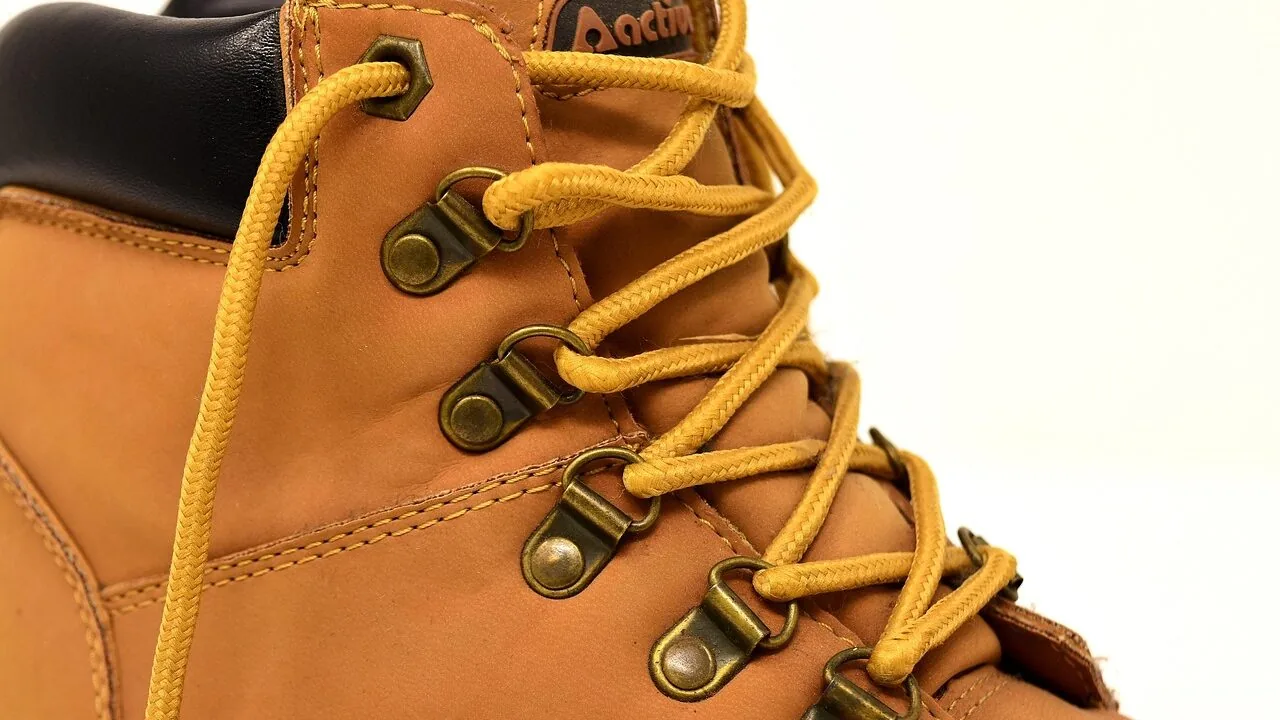
Your feet and ankles are among the most vulnerable parts of your body on a motorcycle, yet boots are the piece of gear riders are most likely to skip.
A dedicated pair of motorcycle boots does far more than regular footwear: they provide ankle articulation protection, oil-resistant soles that grip pegs securely, toe-box reinforcement to resist crush forces, and often waterproofing for all-weather riding.
Whether you commute daily on city streets, tour cross-country on adventure bikes, or carve canyon roads on weekends, the right boots make an enormous difference in both comfort and survivability.
Pairing quality boots with a reliable motorcycle jacket and proper riding gloves forms the foundation of a complete protective kit.
This guide covers twelve boots across a wide range of prices, riding styles, and protection levels, from budget-friendly CE-certified riding shoes to high-performance sport boots engineered for the racetrack.
ProductFind assembled this list through synthetic research: we analyzed published specifications, weighed expert review consensus from veteran moto journalists and community forums, and cross-referenced verified buyer feedback to arrive at objective, consistent evaluations.
Scroll down for our ranked picks, then read the buying guide below to understand exactly what separates a truly protective boot from a stylish but underbuilt alternative.

Alpinestars SMX-6 V3 Motorcycle Boots
High-performance sport motorcycle boots built with microfiber construction and biomechanical ankle protection, CE-certified to EN 13634:2017 standards. Designed for aggressive riders seeking durable footwear with replaceable toe sliders and flexible zones for natural foot movement.
Pros
- Lightweight microfiber material resists abrasion effectively
- Integrated ankle brace enhances protection without sacrificing mobility
- Replaceable toe sliders extend boot lifespan and reduce replacement costs
- CE certification confirms adherence to strict European safety benchmarks
- Flex zones balance protection with natural foot movement during riding
Cons
- No verified customer reviews available to assess real-world durability and fit consistency
- Premium pricing typical of Alpinestars professional-grade equipment
- Microfiber material may require specific care to maintain appearance

KLIM Outlander GTX Motorcycle Boots Size 10
KLIM's Outlander GTX combines all-day comfort both on and off the bike with Gore-Tex waterproofing and a BOA dial fit system for secure fastening. Built from durable leather with an aggressive tread pattern, these boots are engineered for motorcycle riders who need dependable protection and everyday wearability.
Pros
- Gore-Tex waterproofing keeps feet dry in wet conditions
- BOA fit system allows quick and precise adjustment
- Durable leather construction for longevity
- Aggressive sole designed for varied surface traction
- Comfortable enough for off-motorcycle wear
Cons
- No verified buyer reviews available yet to confirm real-world durability claims
- Premium positioning may exceed budget for casual riders
- Limited color customization beyond the Asphalt-High Risk Red option shown

Alpinestars Sektor Vented Riding Shoes
Alpinestars' Sektor shoes combine lightweight microfiber construction with strategic ventilation for riders seeking breathable, all-day comfort. CE-certified protection at the ankle and heel adds safety appeal, though real-world durability feedback remains limited.
Pros
- Lightweight construction ideal for performance-focused riders
- Enhanced ventilation system addresses common heat buildup in riding shoes
- CE-certified impact protection at high-wear areas
- Versatile design transitions between track and casual wear
Cons
- No verified buyer reviews available to assess real-world durability claims
- Limited information on sizing accuracy or break-in period
- Vented panels may reduce weather protection compared to fully sealed designs

KEMIMOTO Motorcycle Boots with Quick-Release Dial
Riding boots designed for quick one-handed adjustment via dial system, even with gloves on. Built with reinforced protection at heel, toe, and ankle, plus a gearshift pad to reduce foot strain during extended rides. Waterproof construction suits all-weather touring and commuting.
Pros
- Quick-adjust dial system eliminates fumbling with laces or buckles during rides
- Dedicated gearshift reinforcement addresses real motorcycle rider wear patterns
- Waterproof rating backed by immersion testing, not just marketing claim
- Impact protection across multiple zones exceeds standard motorcycle boot specs
Cons
- No verified customer reviews available to assess real-world durability and comfort
- 4.7 rating lacks context without actual buyer feedback on fit or break-in period

KEMIMOTO Motorcycle Shoes with Heel Protection
Built for riders prioritizing ankle support and abrasion resistance, these black motorcycle boots feature reinforced shift pads, thickened heel protection, and YKK zippers. The EVA insoles and lace storage design add practical comfort for daily riding.
Pros
- Multi-layer protection with reinforced toe pads and thick heel PVC layer addresses key impact zones
- High-rebound EVA insoles conform to foot shape for extended wear comfort
- Practical lace storage design keeps laces secured during rides
- Reflective strips and durable YKK zippers add safety and longevity
- Included shoelaces allow style customization
Cons
- No customer reviews available to verify real-world durability claims
- Limited visibility into fit consistency across different foot widths and arch types
- Only available in black with no color options mentioned

IRON JIA'S Motorcycle Boots, CE-Certified
CE-certified protective motorcycle boots built with durable Cordura fabric and composite rubber sole for reliable grip and abrasion resistance. Designed for riders prioritizing safety certifications and all-weather traction.
Pros
- Meets official safety certification standards for motorcycle gear
- Cordura fabric balances protection with breathable comfort
- Anti-slip sole performs reliably in wet conditions
- Side zipper eliminates lacing hassle during gear-up
- Reinforced ankle and heel support for longer rides
Cons
- No verified buyer reviews available to assess real-world durability claims
- Sizing limited to specific widths, potential fit challenges for non-standard foot shapes
- Cordura durability claims not independently validated in product data
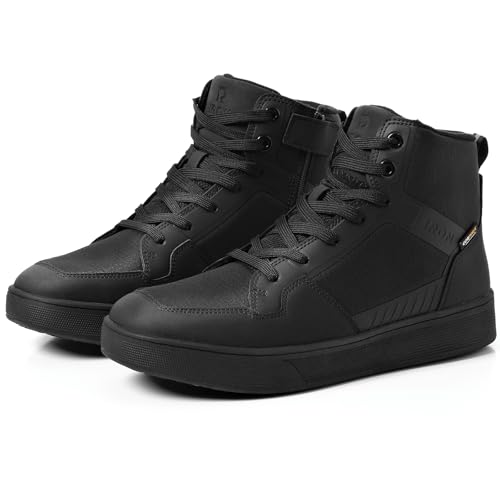
RIDEIRON CE Certified Motorcycle Boots Size 11
These CE-certified riding boots combine water-repellent Oxford fabric with a reinforced 1.5-inch composite sole designed for grip and stability. Built with ankle guards and a gear shift pad, they're well-suited for riders prioritizing protective features and all-weather durability.
Pros
- Meets EN 13634:2017 motorcycle safety certification with professional protection features
- Water-repellent upper and anti-slip tread pattern suited for wet road conditions
- YKK side zippers and included dual laces provide convenience and styling flexibility
- Reinforced heel and ankle design supports extended riding sessions
- Breathable mesh interior promotes airflow for long-wear comfort
Cons
- No verified buyer reviews available to confirm real-world durability or fit consistency
- Limited color options, available only in black
- Relatively heavy at 3.4 pounds, which may affect comfort on long rides

Milwaukee Leather MBM9113 Waterproof Motorcycle Riding Shoes
Full-grain cowhide riding shoes built for protection and all-weather durability. Features waterproof leather, reinforced ankle support, and a steel-reinforced shank for serious riders who prioritize safety and grip on long rides.
Pros
- Waterproof construction keeps feet dry in wet riding conditions
- Multi-layered reinforcement includes ankle support, hard toe cap, and shift panel for comprehensive protection
- Climate-control insole with moisture wicking manages comfort across different weather conditions
- Steel-reinforced shank maintains shoe structure and fit over time
- Combination lace and side zipper closure balances security with convenience
Cons
- No verified buyer reviews available to confirm real-world durability or fit accuracy
- Relatively heavy at 8 pounds, which may cause fatigue on extended rides
- Premium pricing typical of motorcycle-specific gear may not suit budget-conscious buyers

Harley-Davidson Rambert Leather Motorcycle Boot
Full grain leather harness boot designed for motorcycle riders seeking classic styling with practical features. Combines cement construction with a zip closure for ease of wear, though limited review data makes durability assessment difficult.
Pros
- Full grain leather construction offers durability and develops patina over time
- Zip closure provides quick fastening compared to traditional lacing
- Heritage design reflects iconic motorcycle boot aesthetics
- Flat sole supports all-day wear comfort
Cons
- No verified customer reviews available to assess real-world performance or fit consistency
- Limited detail on break-in period or initial comfort expectations
- Cement construction durability over extended use not documented in available data

O'NEAL 0325-111 Men's Rider Boot Size 11
Motocross-focused riding boot with injection-molded impact protection and snap-lock buckle closure for secure fit. Built for riders prioritizing protection over versatility, with reinforced support and heat-resistant synthetic leather.
Pros
- Robust impact protection via molded plastic plates suitable for motorsports use
- Four-buckle snap-lock system offers quick adjustment and secure fastening
- Metal shank reinforcement provides solid arch support
- Heat-resistant synthetic leather shields against engine heat and friction
Cons
- Only available in whole sizes, requiring half-size wearers to size up with potential fit compromises
- No customer reviews available to verify real-world durability or comfort claims
- Specialized motorsports design limits crossover appeal for casual or everyday wear

Zeozoom Motorcycle Leather Boots for Men and Women
White leather motorcycle boots designed for men and women with anti-slip protection for racing and sports riding. Built from motorcycle-grade leather with protection-focused construction for road and track use.
Pros
- Leather upper built for motorcycle riding conditions
- Anti-slip sole provides grip during riding
- Available in both men and women sizing
Cons
- No verified buyer reviews to assess real-world durability or fit consistency
- Limited product details on specific protective features or construction quality
- White color may show wear and dirt more readily than darker alternatives

BORLENI Motorcycle Riding Boots with Gear Shift Protection
Street-style motorcycle boots combining leather and breathable fabrics with reinforced ankle protection and anti-slip soles. Designed for riders prioritizing both safety features and everyday wearability with convenient side-zip fastening.
Pros
- Comprehensive protective design targeting vulnerable riding areas with PP shells and thickened toe cap
- Practical side-zip entry system eliminates frequent lacing adjustments during rides
- Anti-slip rubber sole provides grip and durability for both street and shifting use
- Street-styled aesthetic with dual lacing options allows customization to match riding gear
Cons
- No verified buyer reviews available to validate real-world comfort and durability claims
- Limited information on sizing accuracy and width options for proper fit across different foot shapes
- Breathability claims not independently verified; actual ventilation performance in warm conditions unclear
Motorcycle Boots Buying Guide
Choosing motorcycle boots means balancing protection, comfort, and versatility. A track boot that excels at impact resistance can be miserable to walk in during a lunch stop.
A casual riding shoe that looks at home off the bike may lack the ankle support you need when you put a foot down on a slick road surface.
The following criteria are what our research consistently identified as the most important variables to evaluate before buying.
Safety Certification and Protection Level

CE certification under the EN 13634 standard is the clearest objective signal of protective performance for motorcycle footwear. The standard grades boots on four criteria: abrasion resistance, cut resistance, transverse rigidity, and ankle energy absorption.
Each criterion is rated at Level 1 or Level 2, with Level 2 being the higher standard. When a product listing says “CE-certified,” always check which level it carries.
A boot rated CE Level 2 across all four axes is meaningfully safer than one that scrapes by at Level 1.
Beyond the certification label, look for specific structural features: a reinforced toe box, heel counter, and ankle cups or external ankle protectors. Taller boots that rise above the ankle provide more coverage and are generally preferred for higher-speed riding.
Shorter riding shoes can be CE-certified and perfectly adequate for urban commuting but offer less protection in a high-side crash where the ankle is subjected to severe rotational forces.
For riders building a complete safety setup, the same principles of layered protection that apply to choosing a helmet apply here: match the certification level to the riding you actually do, not to the riding you imagine doing on your most cautious days.
Boot Height and Ankle Support
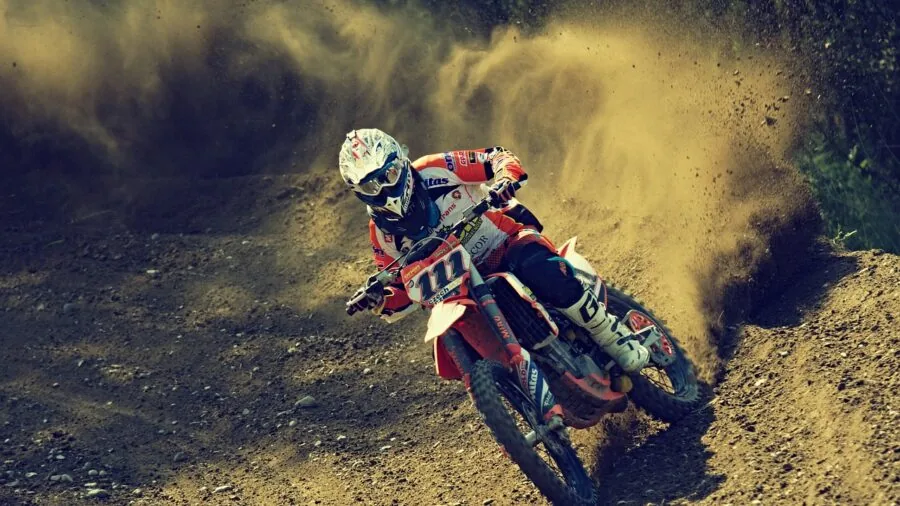
Motorcycle boots broadly fall into three height categories. Full-height boots (typically 10 inches or taller) cover the shin and are standard for off-road, adventure, and track riding.
Mid-height boots cover the ankle and lower calf and represent the most versatile category, popular for touring and sport-street riding. Low-cut riding shoes sit at or just above the ankle and prioritize walkability at the expense of coverage.
Ankle articulation systems vary considerably. Premium sport boots like those from Alpinestars integrate a hinged chassis that allows a controlled range of forward flexion while blocking dangerous lateral and rotational movement.
More affordable boots rely on thick padding and a reinforced heel counter to achieve a similar effect with less precision engineering.
Neither approach is wrong, but the biomechanical support from a well-designed hinge system is more predictable and more effective in high-energy impacts.
Riders who frequently step into gravel or uneven terrain should prioritize a boot with a grippy, thick-lug sole and at minimum ankle-height coverage.
Urban riders who park and walk several blocks to a meeting have different priorities, making a mid-height boot with a flatter, more walkable sole the sensible compromise.
Upper Material and Weatherproofing
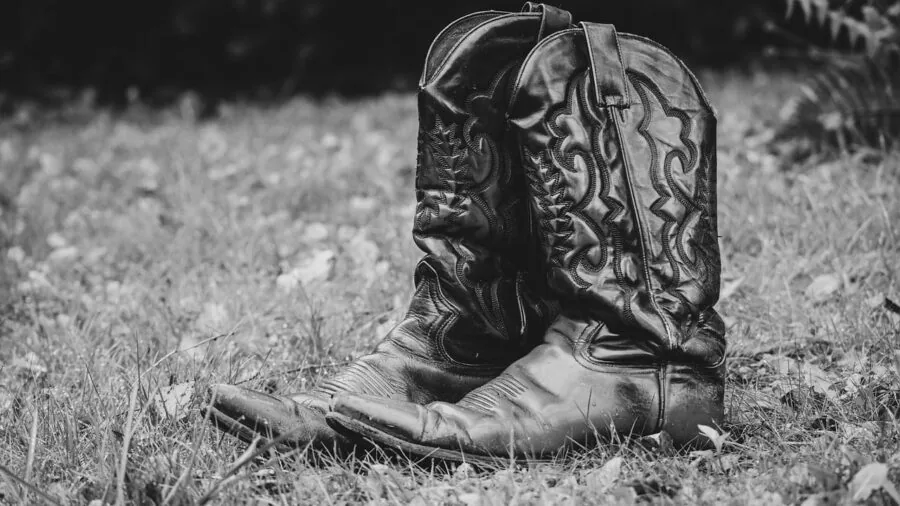
Leather remains the benchmark upper material for motorcycle boots because of its natural abrasion resistance and durability. Full-grain leather requires more break-in time but develops a protective patina over years of use.
Split-grain or suede leathers are softer from the start but offer slightly less abrasion resistance. Synthetic uppers, common in budget and sport-oriented boots, can match leather in abrasion resistance when properly reinforced but tend to breathe worse in summer heat.
Waterproofing is handled in two main ways: a laminated membrane (Gore-Tex or proprietary equivalents) bonded inside the upper, or an external coating on the leather.
Membrane-lined boots like those using Gore-Tex technology are reliably waterproof in sustained rain and stream crossings but can reduce breathability in warm weather. External coatings are less durable over time and need occasional reapplication.
For any rider who regularly commutes in variable weather, a membrane-lined boot is worth the additional investment.
Ventilated or perforated uppers, such as those found on the Alpinestars Sektor Vented, sacrifice waterproofing entirely in exchange for airflow. These are best suited to dry, warm climates or riders who run especially hot.
Many experienced riders own two pairs: one vented for summer and one waterproof for shoulder seasons and commuting.
Sole Design and Footpeg Grip
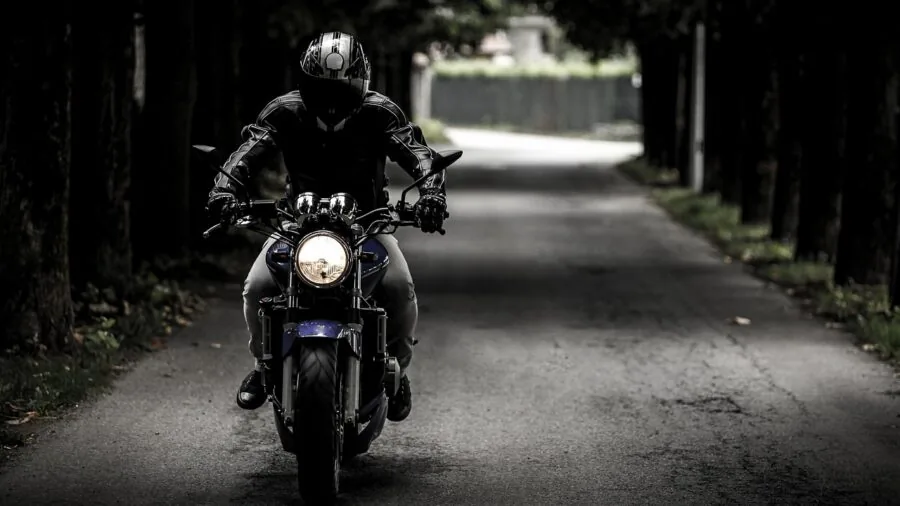
The sole of a motorcycle boot must satisfy two competing demands: it needs to grip the footpegs securely during riding and provide reasonable traction when walking on pavement, gravel, or wet surfaces.
Oil-resistant rubber compounds are the standard for the outsole. Thin, flat soles popular on classic-style and lifestyle boots transfer feel to the pegs well but offer minimal walking cushion.
Thick-lug adventure and off-road soles grip dirt and gravel better but can feel clumsy on street pegs.
Heel height matters for riders of certain styles. Sport and track boots use a very low heel to allow precise footpeg work. Touring and adventure boots typically have a modest heel that provides comfortable walking posture.
Harness-style and fashion-adjacent boots often have a taller block heel that looks distinctive but can interfere with smooth gear-shifting feel. Match sole design to your primary riding environment rather than aesthetics alone.
A dedicated shift pad or gear-change reinforcement on the left upper is a small feature that pays off noticeably over thousands of gear changes. Boots without this reinforcement show accelerated wear at the shifter contact point, which eventually compromises the upper’s structural integrity.
Closure System and Entry
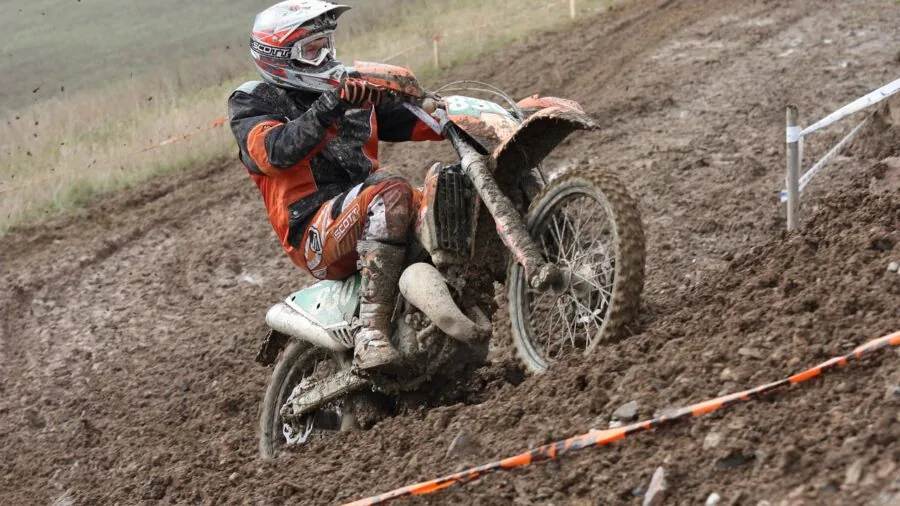
Laces are simple and allow a precise fit but can come untied, catch on footpegs, or wick water into the boot. Most quality motorcycle boots eliminate or fully conceal laces behind a protective flap.
Buckle systems are fast, durable, and allow one-handed adjustment; they are standard on adventure and off-road boots.
Zip entry with a magnetic or ratchet closure is common on sport boots and touring shoes because it allows quick on and off without compromising fit.
Quick-release dial (BOA-style) systems represent a newer approach that a few brands have adopted.
The KEMIMOTO model with its quick-release dial system is an example: these closures allow micro-adjustment of tension across the foot and are extremely fast to operate, even with gloves on.
The main trade-off is repairability in remote locations if the dial mechanism fails.
Fit, Sizing, and Break-in

Motorcycle boot sizing frequently runs differently from street shoe sizing, particularly for European brands like Alpinestars and KLIM.
Always check the brand’s specific size chart before ordering, as a rider who wears a US 10 in sneakers may need a different size in a given European boot model.
Verified buyer reviews are especially useful here: riders consistently report whether a model runs large, small, or true to size, which is information a size chart alone cannot provide.
Leather boots in particular require a break-in period. New full-grain leather boots can feel stiff and uncomfortable for the first several hours of wear. This is normal and expected.
Attempting to accelerate break-in by soaking leather in water can damage adhesives and stitching. Gradual wear is the most reliable method, and most quality leather boots conform noticeably to the foot’s shape within the first few weeks of regular use.
Toe box volume is worth checking if you have wider feet or prefer wearing thick socks. Sport-oriented boots tend to be narrow and low-volume for a precise feel on the pegs. Adventure and touring boots are generally more accommodating.
If you wear custom orthotics, look for boots with removable insoles.
Why You Should Trust Us
ProductFind is an independent review platform. We do not conduct our own product trials; our evaluations are grounded in research, published data, expert review consensus, and verified buyer feedback.
Every boot in this guide was assessed against the same consistent set of criteria: CE certification level, protection architecture, upper and sole materials, closure system quality, weatherproofing, fit and sizing accuracy, and overall value relative to competing options at the same price tier.
Each product receives a PF Score on a scale of 0 to 10. This score synthesizes performance across all evaluated criteria, weighted toward protection and build quality for a safety-critical product category like motorcycle boots.
A high PF Score means a boot delivered strong results across most or all criteria relative to its direct competitors, not just in one dimension. Scores are assigned independently of commercial relationships.
ProductFind may earn a commission when you purchase through links on this page. That affiliate relationship has no influence on rankings, PF Scores, or which products are included or excluded. Our editorial recommendations are determined entirely by research quality and product merit.
Final Thoughts
After reviewing the full field, these are the picks we would confidently recommend depending on your riding style and budget:
- Best Overall: Alpinestars SMX-6 V3 earns the top spot with the highest PF Score in this group, combining a CE-certified protective chassis, a premium ankle articulation system, and race-derived engineering that translates directly to street and track use. It represents the clearest expression of what a purpose-built sport motorcycle boot should be.
- Best for Adventure and All-Day Touring: KLIM Outlander GTX stands out for its Gore-Tex waterproofing, robust construction, and the kind of all-day comfort that long-distance riders demand. It scores exceptionally well among adventure-oriented boots and is the obvious choice for dual-sport and touring applications.
- Best Mid-Range Sport Boot: Alpinestars Sektor Vented hits an appealing balance between sport-boot protection and ventilated summer comfort. Riders in warm climates who want genuine Alpinestars protection without a full closed-leather construction will find it a well-priced option.
- Best Budget CE-Certified Option: IRON JIA’S Motorcycle Shoes deliver CE certification and meaningful ankle protection at an accessible price point, making them a credible entry-level pick for newer riders or those who want protective daily footwear without a premium outlay.
- Best for Quick On/Off Convenience: KEMIMOTO Quick-Release Dial Boots earn this recognition for the practicality of their dial closure system, which stands out in a category where laces and buckles still dominate. Commuters and urban riders who frequently remove their boots throughout the day will appreciate the design.
Whatever your budget or riding style, investing in a purpose-built motorcycle boot is one of the highest-return safety decisions you can make. Ankle and foot injuries are disproportionately common in motorcycle incidents, and the right footwear is a direct countermeasure.
Combined with quality head protection and protective gloves, boots complete a full-coverage approach to riding safety.
Frequently Asked Questions
Do I really need dedicated motorcycle boots, or can I ride in regular work boots?
Regular work boots and leather dress boots offer some incidental protection but lack the features that make motorcycle footwear effective in a crash: reinforced ankle cups, CE-certified impact absorption, oil-resistant soles designed for footpeg grip, and abrasion-resistant uppers engineered for sliding contact with pavement.
A standard boot may hold together fine at low speeds but is likely to fail at the ankle in any significant impact. If you ride regularly, purpose-built motorcycle footwear is worth the investment at almost every price tier.
What does CE certification actually mean for motorcycle boots?
CE certification for motorcycle boots is governed by the EN 13634 standard, which evaluates four protective properties: abrasion resistance, cut resistance, transverse rigidity (resistance to lateral compression), and ankle energy absorption.
Each property is graded at Level 1 (minimum acceptable) or Level 2 (higher performance). A boot marked CE Level 2 across all four criteria provides meaningfully better protection than one certified at Level 1 only.
Always verify the specific certification level and not just the presence of a CE marking.
Are riding shoes safe enough, or should I always wear full-height boots?
CE-certified riding shoes provide legitimate protection and are a reasonable choice for low-speed urban commuting where walkability and practicality matter. They are generally less protective than taller boots because they cover less of the ankle and lower leg.
For highway speeds, track days, off-road riding, or any situation with a higher crash risk, a full-height boot with an ankle articulation system offers substantially better coverage.
The choice ultimately depends on the realistic risk profile of your typical ride, not your most conservative scenario.
How do I find my correct size in motorcycle boots, especially European brands?
European brands like Alpinestars and KLIM use EU sizing that does not convert directly from US sizes on a simple one-to-one basis.
Always consult the brand’s own size chart and measure your foot length in centimeters rather than relying on your usual sneaker size.
Verified buyer reviews are your best secondary source: riders routinely note whether a specific model runs narrow, wide, long, or short.
If you are between sizes, most motorcycle boot fitters recommend sizing up slightly to accommodate thick riding socks and prevent toe-box pressure during long rides.
Can I use motorcycle boots for off-road and adventure riding as well as street use?
Yes, but the design priorities differ enough that dedicated boots for each discipline make sense if you ride both regularly.
Adventure boots like the KLIM Outlander GTX are designed to perform on unpaved surfaces while remaining walkable and waterproof enough for touring.
True off-road boots prioritize height, shin protection, and sole lugs for dirt and gravel, sometimes at the cost of road walking comfort. A versatile adventure boot is the best single-boot compromise for riders who mix pavement and dirt.
Riders who split time roughly equally between trail riding and street touring often find they want two separate pairs.
How should I care for and maintain leather motorcycle boots?
Leather motorcycle boots benefit from regular cleaning with a damp cloth to remove road grime and salt, followed by conditioning with a leather-specific product every few months.
Conditioner keeps the leather supple, slows drying and cracking, and helps maintain abrasion resistance over time.
After riding in wet conditions, allow the boots to dry naturally at room temperature and away from direct heat sources, which can shrink and crack the leather.
Zips and buckles should be kept clean and occasionally lubricated with a silicone-based product. Resoling by a qualified cobbler can extend the life of quality boots significantly once the original outsole wears down.
About the author
Wade is a reviewer and writer for ProductFind who specializes in Motorcycle & Powersports. Wade evaluates products through independent research: specifications, expert review consensus, and verified buyer feedback, and rates each one on the PF Score. Wade focuses on helping readers pick the right motorcycle & powersport for their needs and budget.