The 12 Best Origami Papers
Paper weight, size, and print type shape every fold you make. Our research across expert folders and verified buyers surfaces the origami paper packs worth buying, from beginner-friendly kits to beautiful washi pattern sets.
 By Constance Torres
Updated July 23, 2026
By Constance Torres
Updated July 23, 2026
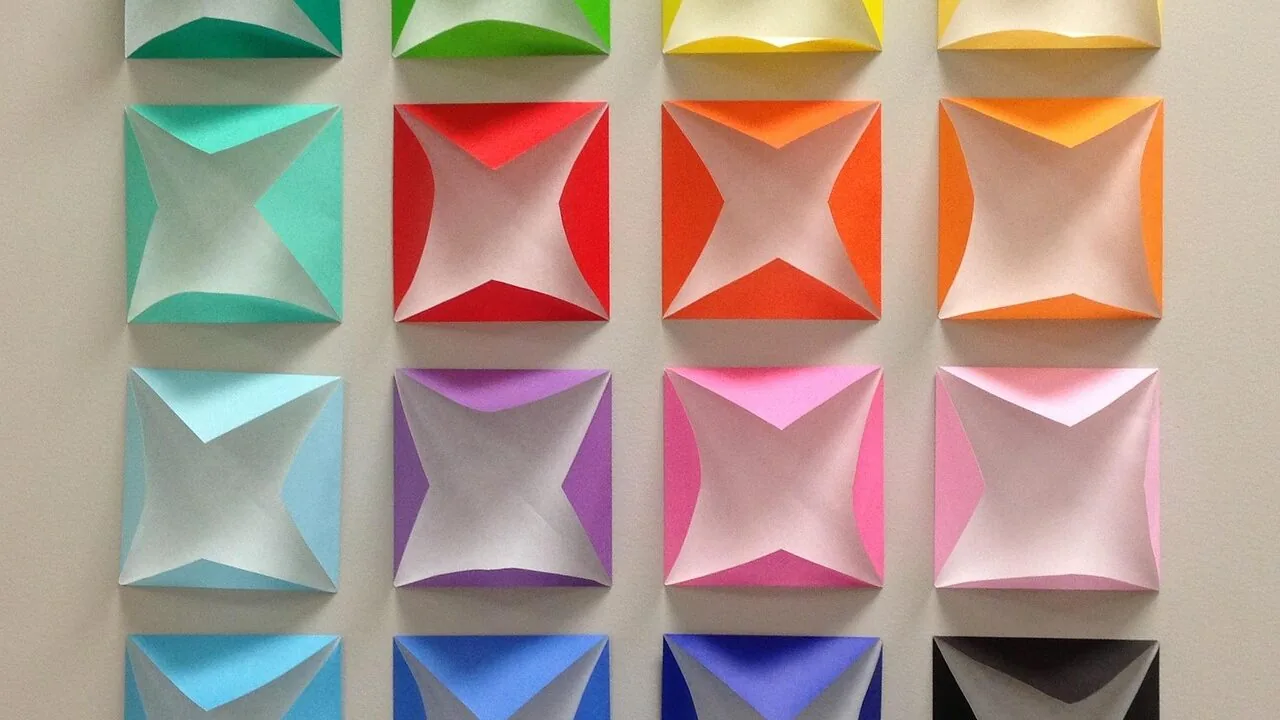
Origami transforms a flat sheet of paper into something extraordinary, but the paper you choose shapes everything from how cleanly a crease holds to whether a finished model looks polished or ragged.
With dozens of packs flooding the market, ranging from budget classroom sets to specialty Japanese washi sheets, finding the right fit for your skill level and project type can feel surprisingly overwhelming.
Whether you are folding simple cranes with children or constructing intricate modular sculptures, the paper underneath your fingers genuinely matters.
At ProductFind, we cut through the noise by analyzing published specifications, synthesizing expert folder reviews, and weighing verified buyer feedback across hundreds of purchases.
Our independent research covers paper weight, print quality, sheet count, sizing consistency, and suitability for different folding styles. The result is a shortlist you can trust, no matter your budget or experience level. Scroll down for our top picks.

KOOL KRAFTS 350-Sheet Origami Paper Kit with Patterns & Guide
A comprehensive origami starter set featuring 300 colored sheets, 50 Japanese pattern templates, and a 25-project instruction book designed for kids ages 8-12. The thick paper stock promises crisp folds, making it accessible for beginners while offering enough volume for extended creative play.
Pros
- All-in-one package eliminates need to buy supplies separately
- Thick paper quality supports clean, durable folds
- Illustrated instruction book makes projects accessible for beginners
- Large quantity (300 sheets) allows extended use without restocking
Cons
- No verified customer reviews available to confirm quality claims in practice
- Book contains only 25 projects, limiting variety once completed
- Limited detail on paper weight specifications or durability confirmation

Tuttle Publishing Origami Paper 500 Sheets, 6 Inch
A bulk origami paper set featuring 500 double-sided sheets in 12 different Japanese washi patterns, sized at 6 inches square. Includes instructions for 6 projects, making it practical for both beginners and intermediate folders.
Pros
- 500 sheets provide substantial value for regular practice and projects
- Double-sided printing maximizes design variety within one pad
- 12 different washi patterns add visual interest to finished folds
- Includes 6 project instructions for guided learning
- Standard 6-inch square size suits most origami designs
Cons
- No user reviews available to verify paper quality, weight, or crease performance
- Loose-leaf binding means sheets are unbound and require storage management
- Limited project instructions relative to 500 sheets may not guide extensive use

Tuttle Origami Paper 500 Sheets 6 inch Chiyogami
This loose-leaf origami set delivers 500 double-sided sheets in 6-inch squares, each printed with one of 12 traditional Chiyogami patterns. Includes instructions for 6 projects, making it accessible for both beginners and experienced folders.
Pros
- Large quantity of 500 sheets provides extended creative use
- Double-sided printing with 12 different traditional patterns adds visual variety
- 6-inch size is versatile for multiple project complexities
- Includes project instructions to guide users
- Loose-leaf binding allows easy sheet removal without damaging others
Cons
- No user reviews available to verify paper quality and crease performance
- Instructions limited to only 6 projects despite 500 sheets
- Relatively heavy at 2.3 pounds, which may indicate thickness or density trade-offs

Tuttle Origami Paper 500 Sheets, 6 Inch Cherry Blossoms
A substantial pack of 500 double-sided origami sheets featuring 12 different cherry blossom patterns, ideal for both beginners and experienced folders. Includes instructions for 6 projects, making it accessible for learners while offering plenty of material for regular practice.
Pros
- 500 sheets provide exceptional value and quantity for ongoing practice
- Double-sided printing maximizes usable designs from each sheet
- 12 different patterns add visual variety to projects
- Includes project instructions for guided learning
- Standard 6-inch size works for most traditional origami designs
Cons
- No customer reviews available to assess real-world durability or paper quality
- Loose leaf binding means sheets require organization and storage solution
- Limited to cherry blossom theme, offering less versatility for diverse aesthetic preferences

Enmousvan Origami Paper 6x6 Inch, 220 Sheets, 20 Colors
A colorful origami set with 220 double-sided sheets in 20 distinct hues, designed for children and beginners. Includes helpful accessories like googly eyes, easy-peel tabs, and a multi-function helper card to support learning and creativity.
Pros
- Variety of 20 colors encourages creative exploration and easy color recognition for children
- Soft texture makes folding accessible to young hands while maintaining crisp creases
- Included accessories like the helper card and googly eyes add practical value and engagement
- Precise laser-cut squares reduce alignment frustration in projects
- Tear-resistant quality supports independent completion of multi-fold models
Cons
- No verified buyer reviews available to validate claimed quality and performance
- Minor size variations noted between different colors, which may affect consistency in some projects
- Helper card utility depends on project complexity; may not be essential for simple folds

Tuttle Origami Paper 500 Sheets 6 inch Kaleidoscope
A substantial origami paper pack featuring 500 double-sided sheets in 6-inch squares with 12 different kaleidoscope pattern designs. Includes instructions for 6 origami projects, making it suitable for both beginners and experienced folders seeking variety in paper aesthetics.
Pros
- Large quantity at 500 sheets reduces frequent repurchasing
- Double-sided designs give two pattern options per sheet
- Multiple design patterns add visual interest to finished projects
- Includes instructional content for 6 origami projects
- Standard 6-inch square size works for common origami patterns
Cons
- No detailed information available about paper weight, texture, or durability specifications
- Limited insight into crease-holding quality or fold-ability from available data
- Review data unavailable to verify actual user satisfaction beyond the 4.7 rating

Pigipigi Kids 230-Sheet Origami Paper Kit with Instruction Book
A comprehensive origami starter set with 150 double-sided patterned sheets, 80 practice papers, and step-by-step guidance. Designed for children ages 5-12, it offers smooth, durable paper with soft edges and includes video tutorials alongside an instructional book for creative crafting at home or on the go.
Pros
- Generous quantity: 230 sheets total with 75 unique double-sided patterns provide extensive creative options
- Complete learning package with instructional book and video tutorials for beginners
- Soft-edged paper designed specifically for kids, reducing risk of cuts during folding
- Compact, travel-friendly size (14 x 14 cm sheets) suitable for family activities, trips, and quiet time
- Pattern variety ranges from simple to difficult, supporting skill progression across age groups
Cons
- No verified customer reviews available yet, limiting real-world feedback on paper quality and instruction clarity
- Paper weight and durability claims lack independent verification for repeated folding
- Single instruction book format may create bottleneck when multiple children want to follow along simultaneously

Taro's Origami Studio 6-Inch Standard Paper, 300 Sheets
Japanese-made origami paper designed by experienced instructors, featuring one-sided color on 23 hues with strong crease memory ideal for both beginners and intermediate folders. Comes with free instructional videos and includes metallic gold and silver sheets.
Pros
- Authentic Japanese KAMI paper engineered by origami instructors with proven teaching experience
- Excellent crease memory and thin-yet-strong construction suitable for beginner through intermediate projects
- Substantial quantity of 300 sheets provides long-term value and color variety
- Free step-by-step video tutorials help develop proper folding technique
- Includes specialty metallic colors alongside standard palette
Cons
- No verified buyer reviews available to assess real-world durability or performance feedback
- 6-inch square size may feel limiting for larger or more complex origami designs
- Premium positioning suggests higher price point compared to mass-market alternatives
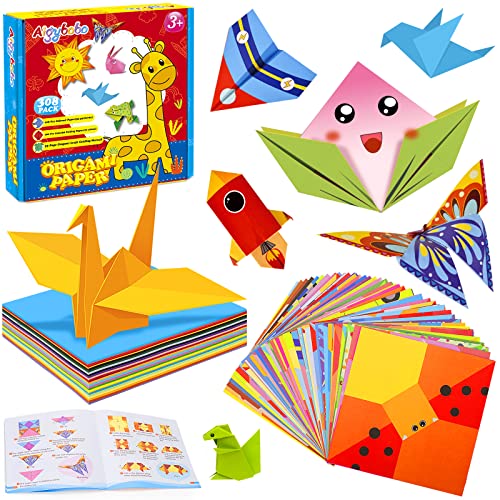
Aigybobo 308-Piece Origami Paper Set for Kids
A comprehensive origami kit with 108 patterned papers and 200 practice sheets in 20 colors, designed for children ages 6-12. Includes an instructional manual with step-by-step guidance from beginner to advanced levels, making it suitable for home, school, and classroom use.
Pros
- Substantial quantity with good variety of patterns and practice paper to extend usage
- Detailed instruction manual with step-by-step visual guidance accommodates different skill levels
- High-quality, durable paper that holds creases well and resists fading
- Eco-friendly materials with soft edges and odor-free composition for child safety
Cons
- No verified buyer reviews available to assess real-world durability and user satisfaction
- Instruction manual quality and clarity cannot be independently verified from product data alone
- Small paper size (10cm x 10cm) may limit complexity of larger origami projects
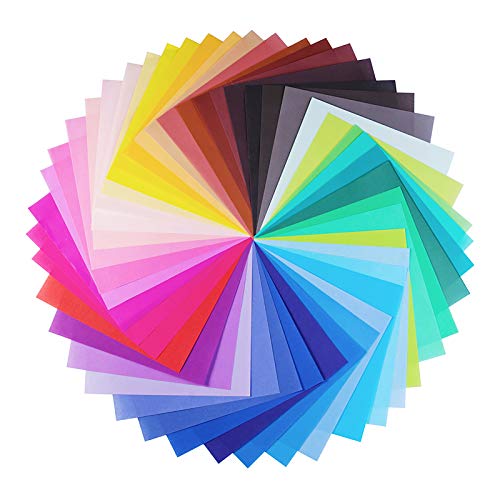
Opret Origami Paper 8x8 inch, 100 Sheets 50 Colors
A bulk origami set with 100 sheets in 50 vivid colors, each sized 8x8 inches for detailed folding work. The single-sided design pairs colored fronts with white backs, and the moderate thickness holds creases well for both beginners and experienced crafters.
Pros
- Large 8x8 inch size provides ample space for intricate designs and detailed folds
- Single-sided paper creates visual contrast between colored and white sides, enhancing design depth
- Moderate thickness holds creases cleanly without tearing easily during folding and cutting
- 100 sheets across 50 colors with two sheets per color offers variety without excess waste
- Suitable for both beginner and advanced crafters due to balanced paper quality
Cons
- No customer reviews available to verify real-world performance and durability
- Single-sided design may limit versatility for projects requiring uniform coloring on both sides
- 4.7 rating appears unverified with zero actual user feedback documented

Taro's Origami Studio 13.8" Jumbo 30-Color Paper
Premium Japanese origami paper designed by experienced instructors, featuring 60 GSM weight with excellent crease memory and one-sided color. Includes 30 assorted colors in jumbo 13.8-inch sheets plus free instructional videos, making it suitable for beginners through intermediate folders.
Pros
- Made in Japan with high-quality non-toxic inks and machine-cut precision
- One-sided color (KAMI standard) with strong crease memory ideal for clean folds
- Jumbo 13.8-inch size allows for larger, more detailed origami projects
- Includes free step-by-step video tutorials via Taro's Origami Method
- 30 assorted colors per pack expands creative possibilities
Cons
- No verified buyer reviews available to confirm real-world performance
- Jumbo size may be less practical for traditional smaller origami designs
- Premium pricing typical of specialty Japanese papers

WOYS Floating Origami Boats Marine Set
Waterproof origami paper boats designed for bath, pool, and beach play with three animal-themed designs plus two customizable sheets. Combines screen-free creative activity with developmental benefits like fine motor skills and instruction-following.
Pros
- Waterproof and reusable design holds up across multiple water environments
- Simple instructions lower barrier to entry for children and families
- Dual approach of pre-made designs and blank sheets balances guided and open-ended creativity
- Supports multiple developmental areas including motor skills and patience
Cons
- No verified buyer reviews available to confirm real-world durability or longevity
- Limited to 5 sheets total, which may exhaust the activity quickly for frequent users
- Postcard-size format (6 x 4.4 inches) creates relatively small finished boats
Origami Papers Buying Guide
Picking origami paper is not as simple as grabbing the prettiest pack off the shelf. Paper weight, size, print type, and sheet quantity all interact in ways that dramatically affect the folding experience. Use these criteria to match a pack to your actual needs.
Paper Weight and GSM
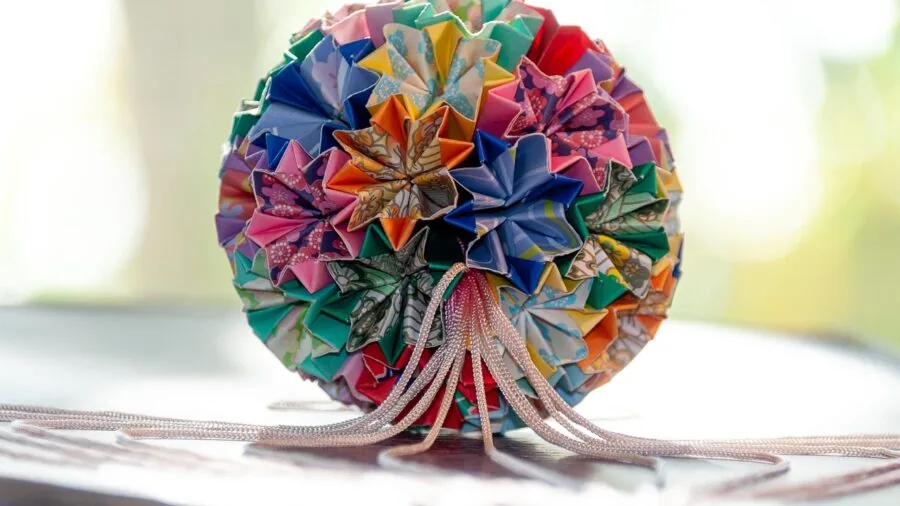
GSM (grams per square meter) is the single most important specification to understand when shopping for origami paper.
It tells you how thin or thick a sheet is, and that directly controls how easily it takes a crease, how many layers you can fold before the model becomes unmanageable, and whether delicate details hold their shape over time.
Most newspapers sit around 35 to 55 GSM; standard printer paper lands near 90 GSM. Origami paper typically lives in the 60 to 80 GSM sweet spot, which is thin enough to fold cleanly but sturdy enough to resist tearing on tight pleats.
Classic kami-style paper, the kind used in most beginner and intermediate packs from brands like Tuttle Publishing and Taro’s Origami Studio, usually comes in right around 60 to 65 GSM.
That weight works beautifully for simple to intermediate models, cranes, boxes, and modular units. If you are tackling complex designs with 200-plus steps, experienced folders typically move toward thinner tissue-foil composites.
For most people reading this guide, though, a quality kami pack in the 60 to 75 GSM range covers the vast majority of projects, and the packs we recommend here fall squarely in that range.
The kind of mindful material selection that goes into choosing origami paper is not unlike selecting the right medium for watercolor paints, where the substrate shapes the final result just as much as the technique.
Heavier paper, closer to 80 GSM, holds 3D shapes more rigidly, which can be an advantage for display pieces but makes achieving clean reverse folds on intricate models much harder.
When a product listing does not disclose GSM, look for user reviews that specifically mention how the paper behaves on complex models. That real-world signal often tells you more than a spec sheet ever could.
Sheet Size and Consistency

The most common origami size is 15 cm (roughly 6 inches) square, and it is the standard for good reason.
It is large enough to show detail on intermediate models, small enough to feel precise, and widely compatible with published instructions and diagrams.
All four Tuttle Publishing packs in this roundup use that dimension, as does the KOOL KRAFTS kit and the Enmousvan double-sided set. If you are buying for young children or for display-scale work, consider larger formats.
Taro’s Origami Studio offers a jumbo 13.8-inch format, and Opret’s large pack measures 20 cm (8 inches), giving beginners more surface area to work with and reducing the fiddliness of tight folds.
Consistency matters as much as nominal size. A sheet that is even slightly off-square throws off every fold that follows, especially in modular origami where dozens of identical units must interlock precisely.
Verified buyer feedback on the Tuttle series consistently praises their die-cut accuracy. When evaluating budget packs, look for reviews that mention whether sheets arrive true to size or show noticeable variation between sheets in the same pack.
Print Type: Single-Sided vs. Double-Sided
Traditional kami is white on one side and colored or patterned on the other. This single-sided construction makes it easier to track which face is showing during complex fold sequences, and it is the default for most instructional contexts.
The Taro’s Origami Studio packs and the KOOL KRAFTS kit follow this convention, making them excellent choices for beginners learning from diagrams or video tutorials where the two-tone contrast helps orient each step.
Double-sided paper, where both faces carry color or pattern, produces finished models that look beautiful from every angle.
This is the approach Tuttle Publishing uses across its Chiyogami, Washi, Cherry Blossoms, and Kaleidoscope Patterns packs, and it is also the configuration for the Enmousvan set.
The trade-off is that tracking which side is which during folding takes more practice. For display pieces, decorative cranes, or gift wrapping accents, double-sided paper is almost always the more visually rewarding choice.
For classroom instruction or technical practice, single-sided is more forgiving.
Color and Pattern Variety
How many colors or designs a pack includes affects both creative flexibility and perceived value. A pack with 20 colors but only 15 sheets per color gives you breadth but limits how many identical-color models you can finish from a single purchase.
Conversely, a pack heavy on one or two colors may frustrate folders who want variety.
The KOOL KRAFTS kit balances this well, pairing 300 solid-color sheets in 20 colors with 50 sheets in traditional Japanese patterns, so you get both everyday folding stock and special-occasion paper in one box.
Pattern papers, like the Tuttle Chiyogami and Cherry Blossoms packs, transform finished models into miniature artworks, making them especially appealing for gifts, seasonal decorations, and display.
Solid-color packs, like the Taro’s Studio range and the Enmousvan set, prioritize clarity and are better suited for learning.
If you are buying for a child, the Pigipigi Kids cartoon-themed pack offers a fun visual hook that keeps younger folders engaged, which is similar to how fidget toys sustain focus through tactile novelty.
Sheet Count and Value
Sheet count is where value calculations get interesting.
A 500-sheet Tuttle pack sounds like a great deal, and at a budget-friendly price it genuinely is, but consider that many of those sheets share the same 12 designs, so you are not getting 500 unique patterns.
The per-sheet cost on large-count packs is almost always lower, which makes them ideal for high-volume folders, classrooms, or anyone who practices regularly and goes through paper quickly.
Smaller curated kits, like the Pigipigi Kids 230-sheet pack or the Aigybobo 308-piece set, bundle paper with instructional books, which adds genuine value for beginners even if the raw sheet count is lower.
Think about how you fold before optimizing for sheet count. If you are a casual hobbyist who completes a few models per week, a 220 or 300-sheet pack lasts a long time.
If you are a teacher stocking a classroom or a folder who runs through paper during long weekend sessions, the 500-sheet Tuttle packs or the large KOOL KRAFTS kit will serve you far better between restocks.
The creative focus required for sustained origami practice is not unlike the concentration demanded by other detail-oriented art forms, including working with acrylic paint sets where having enough material on hand keeps momentum going.
Included Instructions and Beginner Friendliness

Several packs in this roundup include instructional content, and the quality of that content varies significantly.
The Tuttle Publishing series bundles instructions for six projects with each pack, covering fundamental models like cranes and boxes that are useful for building core technique.
The KOOL KRAFTS kit goes further, including an origami book with 25 step-by-step projects organized by increasing difficulty, which makes it one of the more self-contained starter sets available.
The Aigybobo and Pigipigi Kids sets both include instructional books specifically designed for children in the 6 to 12 age range, with larger illustrations and simpler language.
If you already have instructional resources, included guides add little marginal value and should not be a deciding factor.
But for anyone buying for a first-time folder, especially a child, a pack with thoughtfully structured instructions removes a significant barrier to entry.
Verified buyer reviews on the KOOL KRAFTS kit consistently mention that the included projects are genuinely learnable in a single sitting, which is a meaningful signal of instructional quality rather than just marketing copy.
Why You Should Trust Us
ProductFind is an independent review platform. We do not accept payment for rankings, and no brand has editorial influence over our recommendations.
Every product in this roundup was evaluated against a consistent set of criteria covering paper weight and GSM, sheet size accuracy, print type, color and pattern variety, sheet count relative to price, and the quality of any included instructional content.
Each product receives a PF Score on a 0 to 10 scale, calculated through our structured research methodology. We do not conduct our own product trials; our evaluations are grounded in research, published data, expert review consensus, and verified buyer feedback.
This approach lets us assess products across a far broader range of real-world use cases than any single evaluation environment could capture.
When we cite behavior like crease retention, sheet-to-sheet size consistency, or color vibrancy, those observations are drawn from aggregated folder feedback and manufacturer specifications, cross-referenced where possible against independent origami community assessments.
ProductFind may earn a commission if you purchase through links on this page. That commercial relationship has no influence on PF Scores, product selection, or ranking order. Our recommendations are editorially independent and would remain the same whether or not affiliate programs existed.
Final Thoughts
Origami paper is a deceptively nuanced purchase.
The right pack depends on your skill level, the complexity of models you want to fold, whether you are buying for yourself or for children, and how much visual impact you want from finished pieces.
The products in this roundup span that full range, from budget-friendly classroom staples to beautifully printed specialty packs worth displaying alongside other creative work. Here is how the top picks break down by use case.
- Best Overall: KOOL KRAFTS Origami Paper Kit earns the top spot by doing more than any other pack in this roundup. Its combination of 300 solid-color sheets, 50 traditional Japanese pattern sheets, and a 25-project instructional book makes it the most complete entry point for folders of any age, and its PF Score reflects strong consensus across both beginner and intermediate reviewers.
- Best for Traditional Japanese Aesthetics: Tuttle Origami Paper 500 Sheets Japanese Washi Patterns delivers authentic washi-inspired prints in a double-sided format that elevates finished models into display-worthy pieces. Expert folder reviews consistently praise the print accuracy and crease performance of the Tuttle washi series.
- Best Budget Pick: Enmousvan Origami Paper Double Sided Color offers 220 sheets in 20 distinct colors at a price point that makes it one of the most accessible entry options available, without sacrificing the double-sided color quality that makes finished models look intentional rather than improvised.
- Best for Children: Pigipigi Kids Origami Paper Kit pairs cartoon-themed sheets with a structured guiding book calibrated for ages 5 to 12, making the learning curve gentler without talking down to young folders. Verified buyer feedback highlights the book’s clarity as a particular strength.
- Best for Chiyogami Pattern Work: Tuttle Origami Paper 500 Sheets Chiyogami Patterns brings 12 distinct traditional designs to a high-volume pack, making it ideal for decorative projects, seasonal gifts, and display installations where pattern variety across many identical-scale models matters most.
Whichever pack you choose, the fundamentals remain the same: prioritize accurate sheet sizing, match GSM to your project complexity, and decide whether single-sided or double-sided printing better fits the way you fold.
Get those three decisions right and almost any pick from this list will serve you well.
If you find origami sparks a broader creative interest, the same attention to material quality applies when exploring oil paint sets or other hands-on art disciplines.
Frequently Asked Questions
What size origami paper should a beginner start with?
Most beginners do best with 15 cm (6-inch) square sheets, which is the industry standard size and the format used by virtually all published origami diagrams. It is large enough to see and correct mistakes, small enough to feel manageable.
If you are buying for young children under age 7, consider a larger format like the Opret 20 cm sheets or the Taro’s Origami Studio jumbo pack, since bigger sheets leave more room for small hands to work with precision.
Is there a difference between origami paper and regular printer paper?
Yes, and the difference is meaningful once you move beyond the simplest models. Standard printer paper typically runs 80 to 100 GSM, which is noticeably heavier and stiffer than purpose-made origami paper.
That extra weight makes clean reverse folds and tight pleats much harder to execute, and multi-layer models can become too rigid to close properly.
Dedicated origami paper in the 60 to 75 GSM range was engineered to hold creases sharply while remaining pliable enough for intricate sequences.
Printer paper works fine for practice and paper airplanes, but for anything you want to display, purpose-made origami paper is worth the modest investment.
What does double-sided origami paper mean, and when should I use it?
Double-sided paper carries color or pattern on both faces rather than just one. This means that no matter which side ends up facing outward on a finished model, the result looks intentional and attractive.
The Tuttle Publishing packs and the Enmousvan set all use this approach. It is the right choice for display pieces, gift decorations, and models where the inside faces are visible, such as open boxes or modular units.
For learning new fold sequences, single-sided paper is easier because the contrast between the colored front and white back helps you track orientation at each step.
How many sheets do I actually need to start?
For a complete beginner, a pack of 200 to 300 sheets is a practical starting point. You will make mistakes, repeat models to improve them, and experiment with different fold approaches, all of which consume paper faster than you might expect.
The KOOL KRAFTS 350-sheet kit and the Enmousvan 220-sheet pack are both sensibly sized for this phase.
Experienced folders who practice regularly or who teach classes are better served by the 500-sheet Tuttle packs, which offer enough volume to sustain weeks of daily folding without running short on a favorite color or pattern.
Can origami paper get wet or damaged by humidity?
Standard paper-based origami sheets are sensitive to moisture. Humidity can cause sheets to warp slightly, which is why some packs arrive with minor waviness that straightens out once the sheets are used.
Store your paper flat in a dry environment, ideally in the original box or a sealed container, to preserve flatness and crease quality.
The WOYS Floating Origami Boats kit is the notable exception in this roundup: it uses waterproof, reusable material specifically engineered for water play in baths and pools, which is an entirely different product category from conventional origami paper and should be evaluated on those terms rather than compared directly to paper-based packs.
Is origami paper suitable as a gift for kids who also like other hands-on crafts?
Absolutely. Origami pairs naturally with other creative pursuits and builds fine motor skills, spatial reasoning, and patience alongside artistic expression.
Kits like the Pigipigi Kids and Aigybobo sets are structured as complete activity experiences rather than just paper packs, making them gift-ready straight out of the box.
For children who already enjoy drawing or painting, folding adds a three-dimensional dimension to their creative toolkit that complements flat art practices, much in the way that combining origami with quality art supplies can open up entirely new creative directions.
About the author
Constance is a reviewer and writer for ProductFind who specializes in Arts & Crafts Supplies. Constance evaluates products through independent research: specifications, expert review consensus, and verified buyer feedback, and rates each one on the PF Score. Constance focuses on helping readers pick the right arts & crafts supplie for their needs and budget.