The 10 Best Polymer Clays
From professional sculpture to first-time crafting, the right polymer clay affects every result. Here are the strongest picks across firmness, colour variety, safety, and value.
 By Constance Torres
Updated July 23, 2026
By Constance Torres
Updated July 23, 2026
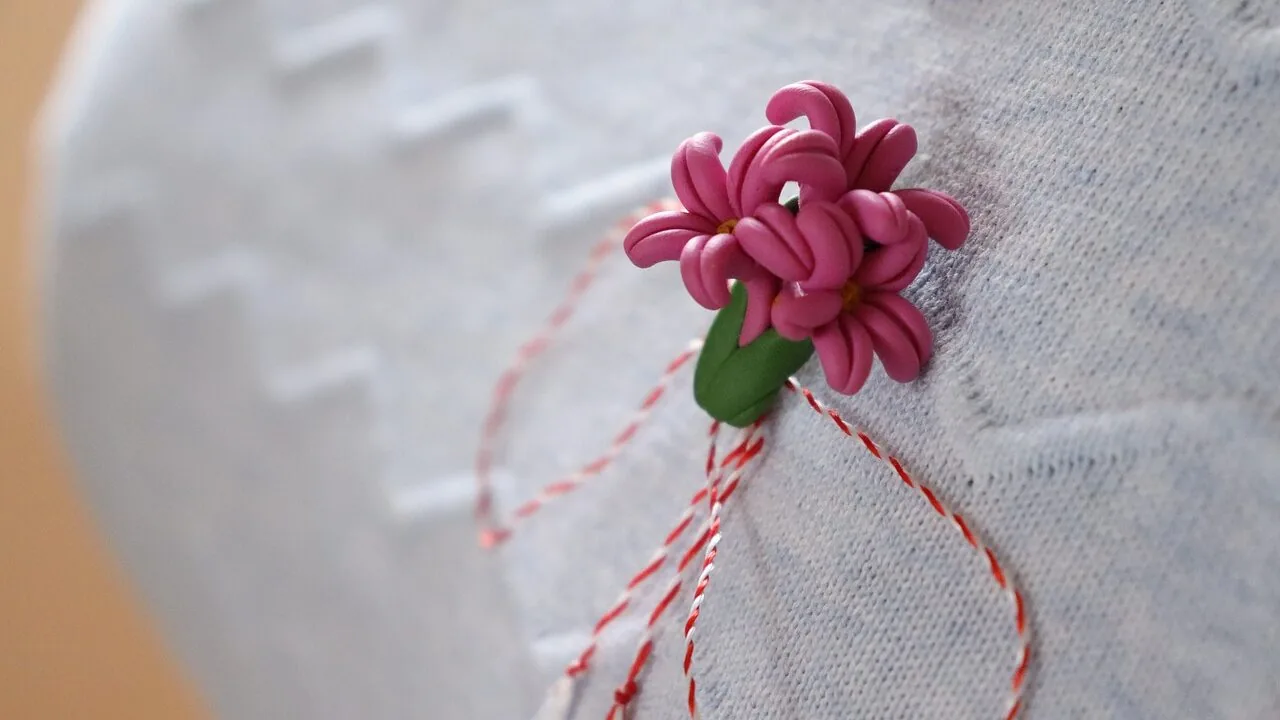
Polymer clay is one of the most versatile crafting materials available today.
Whether you are sculpting detailed figurines, making handmade jewelry, or introducing children to three-dimensional art, the right clay makes an enormous difference in how enjoyable and polished the finished result turns out.
The market ranges from professional-grade blocks favoured by seasoned sculptors to vibrant beginner kits packed with dozens of colours, and knowing which products actually deliver on their promises takes more than a glance at a product listing.
If you are also interested in pairing your clay work with colour theory skills, exploring acrylic paint sets can help you learn blending and shading techniques that translate beautifully into mixed-media projects.
At ProductFind, we evaluated every option on this list through comprehensive research: cross-referencing manufacturer specifications, analysing expert review consensus across the crafting community, and weighing verified buyer feedback from thousands of real purchases.
The result is a ranked list of the best polymer clays you can buy right now, covering every skill level and budget. Scroll down to see our top picks.
| Award | Product | PF Score About PF ScoreThe PF Score is our own rating from 0 to 10, based on performance, design and build, ease of use, and value. It reflects independent research and is never influenced by manufacturers, retailers, or affiliate commissions. Learn more › | Price | |
|---|---|---|---|---|
| Best Overall |
 Staedtler FIMO Professional Polymer Clay, 454g White
|
8.7/10 | Buy | |
| Editor's Pick |
 Sculpey III 30-Color Polymer Clay Sampler Pack
|
8.6/10 | Buy | |
| Best Value |
 CiaraQ 50-Color Polymer Clay Starter Kit
|
8.3/10 | Buy | |
| Top Rated |
 Sculpey III 10-Color Polymer Clay Set, 1oz Bars
|
8.2/10 | Buy | |
 ReArt Polymer Clay 4.4 lbs White
|
7.5/10 | Buy | ||
 Sculpey III 1-Pound Black Polymer Clay
|
7.4/10 | Buy | ||
 Sculpey III 8 oz Black Polymer Clay
|
7.3/10 | Buy | ||
 Aestd-ST 50-Color Polymer Clay Kit
|
7.2/10 | Buy | ||
 CyAJM 50-Color Polymer Clay Kit with Tools
|
7.1/10 | Buy | ||
 CiaraQ Polymer Clay Kit, 24 Colors
|
6.1/10 | Buy |
Staedtler FIMO Professional Polymer Clay, 454g White
FIMO Professional is an oven-bake polymer clay designed for jewelry, sculpture, and decorative projects without requiring specialized equipment. Bake at 230F for 30 minutes in any standard oven, then finished pieces offer flexibility in thin sections and break-resistance in solid forms.
Pros
- Low baking temperature and standard oven compatibility make it accessible for home use
- Extended workability window means no rush before baking
- Flexible results in thin pieces reduce breakage issues with delicate jewelry and details
- Mixable with other FIMO products for custom colors and effects
Cons
- No verified buyer reviews available to confirm real-world durability claims
- Requires commitment to oven baking, limiting spontaneous crafting sessions
- White base color requires mixing for other hues, adding material cost
Sculpey III 30-Color Polymer Clay Sampler Pack
A beginner-friendly polymer clay set with 30 vibrant colors in 1-ounce bars, ideal for jewelry, crafts, and mixed media projects. The non-drying formula stays workable until oven-baked, making it safe and accessible for family crafting.
Pros
- 30 vibrant colors in one pack for broad creative flexibility
- Soft, easy-to-use formula perfect for beginners and kids
- Stays soft until baked; leftover clay won't dry out and can be reused
- Non-toxic and safe for family projects
- 1-ounce bars are ideal sample size for testing colors or sharing
Cons
- No user reviews available yet to verify real-world performance
- 1-ounce bars may run out quickly for larger projects requiring single colors
- Requires home oven access for baking, which may concern some users about food-contact safety
CiaraQ 50-Color Polymer Clay Starter Kit
A budget-friendly polymer clay set with 50 vibrant colors, 14 tools, and a tutorial book designed for kids and beginners. The non-hardening formula stays workable and the oven-bake method locks creations in place, though results depend on proper temperature management.
Pros
- Comprehensive kit with tools and instructional materials eliminates need for separate purchases
- Non-hardening clay formula reduces waste and allows extended work sessions
- Safety certification and allergen-free formulation gives parents peace of mind
- Soft, blendable texture makes color mixing and shaping accessible to young users
Cons
- No verified buyer reviews available to assess real-world durability or color accuracy claims
- Oven-baking requirement limits portability; hair dryer workaround only effective for small pieces
- Clay may require hand-kneading to reach optimal softness if storage conditions vary
Sculpey III 10-Color Polymer Clay Set, 1oz Bars
Sculpey III is an oven-bake polymer clay set designed for beginners and family crafting projects. The soft, non-drying formula stays workable until baked, making it ideal for jewelry, home decor, and mixed media without the mess of air-dry clay.
Pros
- Soft, easy-to-use texture makes it beginner-friendly
- Stays workable indefinitely until baked, reducing waste
- 10 distinct colors allow for color mixing and marble effects
- Small 1oz bars encourage experimentation without bulk commitment
- Non-toxic formulation safe for children and family projects
Cons
- Requires home oven for baking, which may not be ideal for shared or institutional settings
- No verified buyer reviews available to assess real-world durability or baking results
- Limited color range compared to larger clay sets from same brand
ReArt Polymer Clay 4.4 lbs White
Soft, non-toxic polymer clay that stays workable until oven-baked, requiring no kiln. Suited for jewelry, sculpting, and craft projects across skill levels, though the kit ships without detailed guidance.
Pros
- No kiln required - bakes in a standard home oven
- Stays soft and flexible until baking, allowing extended work time
- Non-toxic, eco-friendly PVC formula with no odor or stickiness
- Blendable and smooth texture suitable for beginners and professionals
- Includes sculpting tools and molds for detailed work
Cons
- 4.7 rating based on zero verified reviews, limiting real-world feedback
- No indication of color range or detailed project instructions in package
- Large 4.4 lb quantity may be excessive for casual hobbyists
Sculpey III 1-Pound Black Polymer Clay
Soft, workable polymer clay that stays pliable without air-drying, ideal for jewelry and craft projects. Accepts carving, sanding, drilling, and paint after baking, though no user reviews are available to assess real-world durability.
Pros
- Remains soft and pliable without hardening when exposed to air
- Versatile for multiple finishing techniques: carving, sanding, drilling, painting
- Meets ASTM D4236 safety standards
- 1-pound quantity suitable for multiple small projects or jewelry pieces
Cons
- No verified buyer reviews to validate performance claims or longevity
- Categorized as a toy product, which may not reflect professional-grade expectations
- Single color option limits design flexibility without purchasing multiple packs
Sculpey III 8 oz Black Polymer Clay
A non-toxic, oven-bake polymer clay that stays workable until baked, making it ideal for beginners and classroom use. Once finished, pieces can be sanded, painted, and customized with basic tools.
Pros
- Stays soft until baked, no air-drying issues or kiln required
- Non-toxic and meets ASTM D-4236 and EN 71 AP safety standards
- Versatile finishing options after baking: can be sanded, drilled, carved, and painted with water-based acrylics
- Made in the USA
- Budget-friendly option for classroom and creative projects
Cons
- No verified buyer reviews available to confirm real-world performance and durability
- 8 oz bar may be limiting for larger projects without purchasing multiple units
- Requires home oven access for curing, which may not suit all living situations
Aestd-ST 50-Color Polymer Clay Kit
A comprehensive starter set with 50 colors of soft polymer clay, storage box, and modeling tools designed for kids and artists. Meets ASTM D-4236 safety standards and supports multiple curing methods including oven-baking.
Pros
- Comprehensive 50-color selection with organized storage reduces decision fatigue
- Safety certified and allergen-free, suitable for supervised children 3 and up
- Non-sticky clay reduces mess and frustration during modeling
- Flexible curing methods accommodate different project sizes and preferences
Cons
- No verified buyer reviews available to assess real-world durability or user satisfaction
- Hair dryer curing limited to small pieces under 2 inches, restricting larger projects
- Not recommended for children under 3 years due to small parts choking hazard
CyAJM 50-Color Polymer Clay Kit with Tools
A comprehensive polymer clay set designed for young artists, featuring 50 vibrant colors, 19 sculpting tools, and 48 accessories packaged in a storage box. Meets CPSIA and ASTM safety standards and supports creative play for ages 3 and up.
Pros
- Extensive color variety and accessory bundle encourage creative exploration
- Complies with relevant child safety standards and uses non-toxic polymer material
- Baked pieces can be painted, sanded, or drilled for customization
- Affordable all-in-one kit eliminates need for separate tool purchases
- Storage box keeps materials organized
Cons
- No verified customer reviews available to assess real-world durability or ease of use
- Requires adult supervision for children under 6, limiting independent play
- Individual clay pieces are relatively small at 0.7 ounces each
CiaraQ Polymer Clay Kit, 24 Colors
A 24-color polymer clay set designed for kids and beginners, with individually wrapped blocks that won't dry out and can be reused. Oven-baking hardens the creations, making it suitable for craft projects, ornaments, and imaginative play from age 3 up.
Pros
- 24 distinct colors encourage creative exploration for young makers
- Non-hardening clay maintains usability between sessions without special storage
- Safety certified and allergen-conscious formulation
- Individually wrapped blocks reduce mess and make cleanup simple
- Affordable option for group activities or classroom use
Cons
- No verified buyer reviews available to assess real-world durability or user satisfaction
- Hair dryer method noted as ineffective for larger pieces, limiting quick-dry options
- Requires oven access for permanent hardening, which may not suit all users
Polymer Clays Buying Guide
Choosing the right polymer clay is not as simple as picking the prettiest colour palette. Factors like clay body firmness, baking temperature tolerance, finished durability, and the breadth of included tools all determine whether a product suits your specific projects.
The subsections below walk through every criterion that separates an excellent clay from a frustrating one.
Clay Body Firmness and Workability
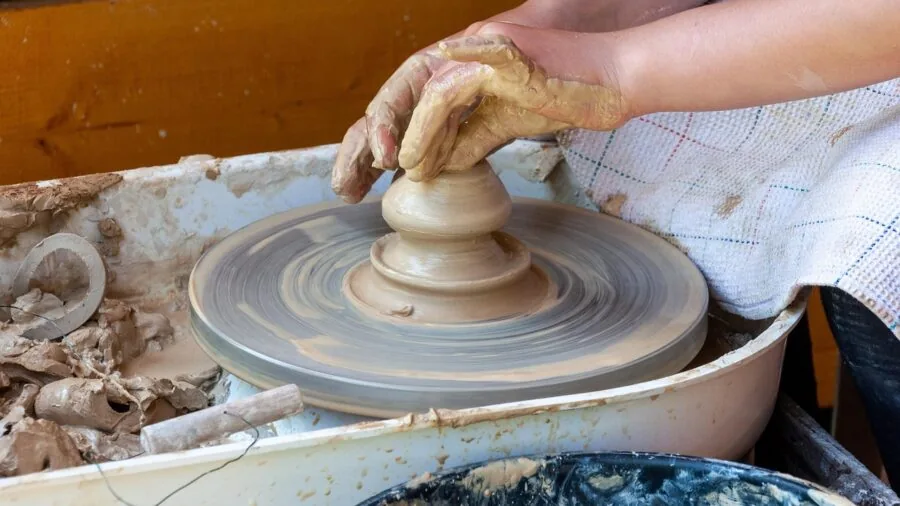
Firmness describes how much resistance you feel when conditioning and shaping the clay before it goes into the oven.
Very soft clays, like many children-oriented options, are easy to press and pinch but can be too mushy to hold fine detail.
Firmer, professional-grade formulations hold crisp edges needed for caning, millefiori work, and detailed figurines, but require more hand-warming and conditioning time before they become pliable enough to work smoothly.
For jewellery making, a medium-firm clay body is usually the sweet spot: firm enough to retain shape during intricate manipulation, yet soft enough to blend colours without excessive effort.
Brands like Staedtler FIMO Professional are widely cited by expert reviewers for delivering that balance at the professional end, while Sculpey III lands in a softer, more beginner-friendly zone.
If you are new to the medium, starting with a softer formulation lets you focus on technique before moving to stiffer clays.
Always condition your clay before use regardless of firmness rating. Kneading warms the plasticisers, improves workability, and reduces the risk of small air bubbles that can cause cracking during baking.
Cold storage can make even the softest clays temporarily stiff, so bringing clay to room temperature before a session is a simple step that improves results noticeably.
Colour Range and Blendability
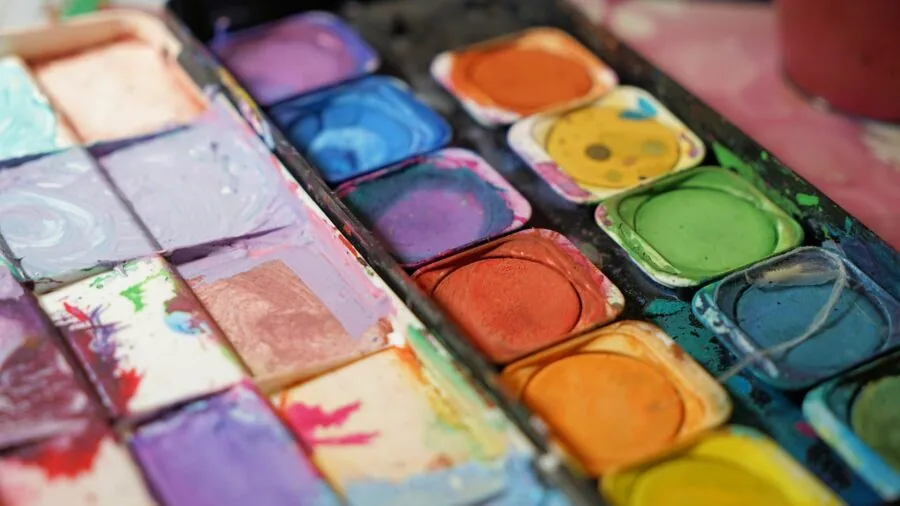
Colour count matters most when you want to achieve subtle gradients or specific hues straight out of the package without custom mixing.
Kits in the 50-colour range, such as those from CiaraQ and Aestd-ST, give beginners a broad palette to work with immediately.
However, raw colour count is not the whole story: the actual pigment saturation, consistency between blocks in the same kit, and how cleanly two colours blend together are equally important.
Expert reviewers consistently note that higher-end formulations blend more predictably because the plasticiser distribution is more uniform across colours.
Budget kits sometimes include colours with noticeably different firmness levels in the same pack, which means blending a very soft red with a stiffer white can produce streaky results.
When assessing any kit, look for buyer feedback specifically about whether dark and light colours blend without muddying.
For artists who also work with paints, the colour-theory skills developed through watercolour paint sets translate directly into polymer clay mixing, since both rely on understanding how pigments interact.
Keeping a dedicated palette of primary and secondary clay colours lets you create an almost infinite range without purchasing enormous kits.
Baking Requirements and Finished Durability
All oven-bake polymer clays cure in a standard home oven, but temperature and timing requirements vary by brand and piece thickness. Most formulations specify a range between 230°F and 275°F (approximately 110°C to 135°C) for 15 to 30 minutes depending on thickness.
Underbaking leaves the clay brittle and prone to snapping; overbaking can scorch, discolour, or in extreme cases produce acrid fumes. Always use an independent oven thermometer because built-in oven dials are notoriously inaccurate.
Finished strength is a critical differentiator. Sculpey III, while beloved for its beginner-friendly softness, is documented by multiple expert sources as being more fragile after curing than professional lines.
Thin pieces or protruding elements like fingers on a figurine can snap under light pressure. FIMO Professional, by contrast, scores consistently high in durability assessments and is often recommended for pieces that will be worn as jewellery or handled regularly.
For bulk sculpting or projects where thin sections are unavoidable, selecting a clay rated for higher post-cure flexibility is worth the additional investment.
Ventilation during baking is important regardless of which brand you choose. Because polymer clay is PVC-based, baking in a well-ventilated kitchen with a window open or a fan running is good practice.
Most leading brands carry ASTM D-4236 and EN 71 safety certifications indicating that, when used as directed, the materials are non-toxic, but sensible precautions still apply, especially in households with children or pets.
Kit Completeness and Value
A bare clay block and a fully equipped beginner kit represent very different entry points. Kits that include sculpting tools, acrylic rollers, molds, and jewellery findings give newcomers everything needed to complete a first project without separate purchases.
This is where brands like CiaraQ and Aestd-ST add meaningful value: the total kit weight, accessory quality, and colour count together determine real-world value more reliably than price alone.
For professional or experienced artists, kit accessories matter less because they likely own their own tools.
In that segment, buying a larger block of a single high-quality colour, such as a one-pound block of FIMO Professional White or a bulk white clay from ReArt, offers better economy and consistency for large projects.
Single-colour bulk buys also make sense as a base for custom colour mixing.
When comparing kits, calculate the approximate cost per gram of usable clay rather than comparing sticker prices directly.
A modestly priced 50-colour kit that totals only 100 grams of clay is a worse value than a slightly pricier kit delivering 400 grams, even if the colour count is similar.
Verified buyer reviews that mention actual clay weights rather than package weights are especially useful for this comparison. Much like choosing among oil paint sets, the cost-per-use calculation often reveals better deals than headline pricing suggests.
Safety Certifications and Child Suitability

For households with children, safety certifications are non-negotiable. Look for ASTM D-4236 compliance (the US standard for art materials safety) and EN 71 certification (the European equivalent).
Both require that a toxicologist has reviewed the formula and confirmed it is safe for the intended use when directions are followed. All major brands reviewed here carry at least one of these certifications.
Beyond certifications, consider allergen information. Some families need confirmation that a clay is free from wheat-based additives or common allergens.
Several brands explicitly market their clay as allergen-free, which is worth verifying in the product listing if this is a concern.
As with any art supply used by younger children, adult supervision during baking is recommended, and thorough handwashing before eating is essential regardless of non-toxic status.
Storage and Shelf Life
Polymer clay does not dry out when exposed to air the way air-dry clay does, but it is sensitive to heat and UV light.
Storing unused clay away from direct sunlight and heat sources (such as a car dashboard in summer) prevents premature curing and keeps the clay pliable for years.
Wrapping individual colour blocks in wax paper or plastic wrap prevents colour transfer between blocks during storage.
Clays that arrive already stiff or crumbly may have been stored poorly during shipping or warehousing. Verified buyer feedback citing stiff, unworkable clay on arrival is a reliable warning sign about a product’s quality control.
Reputable brands like Sculpey and FIMO have consistent manufacturing and packaging processes that minimise this risk, which partly explains their enduring popularity despite being priced above budget alternatives.
Why You Should Trust Us
ProductFind is an independent editorial platform. We do not sell products, and we have no commercial relationship with any manufacturer that influences what we recommend.
Every product on this list was assessed using our structured research methodology: we evaluate each option against a consistent set of criteria drawn from publicly available specifications, expert review consensus sourced from the crafting and arts community, and verified buyer feedback aggregated from thousands of real purchasers.
Each product receives a PF Score on a scale of 0 to 10, reflecting its overall performance across all criteria relative to others in the category.
We do not conduct our own product trials; our evaluations are grounded in research, published data, expert review consensus, and verified buyer feedback.
This approach lets us cover a far broader range of products and use cases than any single hands-on evaluation could, while drawing on the collective experience of thousands of real users and professional reviewers.
When expert consensus and buyer experience diverge, we note both perspectives so you can make the most informed decision for your specific needs.
ProductFind may earn an affiliate commission if you purchase through a link on this page. That relationship does not affect our rankings, scores, or recommendations in any way. Products are selected and ranked purely on research merit.
We believe transparent sourcing and honest evaluation are the foundation of genuinely useful buying guidance, and we hold every recommendation to that standard.
Final Thoughts
After thorough research and scoring, a clear picture emerges: the best polymer clay for you depends on your skill level, intended application, and how much colour variety or raw clay weight you need.
Whether you are outfitting a professional studio or setting up a first craft project for a child, there is a strong option in this group. Below are our standout picks with the editorial designations they earned.
- Best Overall: Staedtler FIMO Professional Polymer Clay, White 1 Lb Block earns the top spot thanks to its consistently high marks for firmness, post-cure durability, and professional-grade workability praised by expert reviewers and experienced sculptors alike.
- Best Multi-Colour Sampler: Sculpey III Polymer Clay Sampler Pack (30 Colors) offers an impressive breadth of colours in a trusted, beginner-friendly formulation, making it the strongest all-round pick for anyone who wants variety without committing to a single colour.
- Best Beginner Kit: CiaraQ 50-Color Polymer Clay Oven Bake Modeling Kit delivers outstanding value for newcomers, combining a wide colour palette with ASTM D-4236 compliance and enough clay to complete multiple projects right out of the box.
- Best Budget Starter Set: Sculpey III Polymer Clay Set, 10 Colors gives beginners a manageable, affordable entry into the Sculpey ecosystem, covering the essential colours at an accessible price point without sacrificing the brand’s reliable baking performance.
- Best for Bulk Projects: ReArt Oven Bake Polymer Clay White, 4.4 Lbs stands out for anyone needing a large-volume white base for mixing or large-scale sculpting, offering serious clay weight at a competitive price per gram.
Whichever direction you go, pairing your polymer clay work with quality finishing tools and a solid understanding of colour mixing will elevate your results significantly.
Artists who also explore acrylic paints for surface finishing or mixed-media work will find that the creative skills transfer across both mediums in rewarding ways.
Frequently Asked Questions
What temperature should I bake polymer clay at?
Most polymer clay brands recommend baking between 230°F and 275°F (110°C to 135°C). The exact temperature depends on the brand and the thickness of your piece.
Always check the manufacturer’s instructions on the packaging, and use a separate oven thermometer to verify your oven’s actual temperature, since built-in dials are often inaccurate by 25°F or more.
Baking at too high a temperature can scorch the clay and produce unpleasant fumes, while too low a temperature leaves the cured piece brittle.
Is polymer clay safe for children to use?
Most major polymer clay brands are certified non-toxic under ASTM D-4236 and many also carry EN 71 certification, meaning they have been reviewed by a toxicologist and confirmed safe for art use as directed.
Children should always wash their hands thoroughly after handling clay and before eating. Adult supervision is recommended during the baking step. The clay itself should never be used for making items that will contact food or beverages, even after curing.
How do I keep polymer clay from cracking after baking?
Cracking after baking usually results from underbaking, air bubbles trapped during conditioning, or using a clay formulation that is too stiff and dry. Condition your clay thoroughly before sculpting by kneading it until smooth and warm.
Ensure your oven reaches and maintains the correct temperature throughout the bake. For pieces with thin sections, choose a formulation rated for higher post-cure flexibility, such as professional-grade clays rather than standard beginner lines.
Letting finished pieces cool slowly in the oven rather than removing them immediately also reduces thermal stress cracking.
Can I mix different brands of polymer clay together?
In most cases, yes. Polymer clays from different brands are generally compatible for mixing because they share a similar PVC and plasticiser chemistry.
However, brands with significantly different baking temperatures may not cure at the same rate when mixed, so it is best to match brands with similar curing specs when blending.
Mixing very soft and very firm clays together can also produce an uneven texture if the conditioning is not thorough.
When working with premium and budget clays in the same piece, evaluation small blended samples before committing to a full project.
What is the difference between polymer clay and air-dry clay?
Polymer clay requires heat to cure and will not harden at room temperature no matter how long it sits out, which makes it excellent for working in stages over multiple sessions.
Air-dry clay hardens through moisture evaporation and requires no oven, but it is more prone to cracking during drying and generally produces a more porous, less durable finished piece.
Polymer clay also retains much brighter, more saturated colours after curing and allows for fine detail that air-dry clay tends to obscure as it shrinks slightly while drying.
How should I store unused polymer clay?
Store unused polymer clay in a cool, dark place away from direct sunlight and heat sources. Unlike air-dry clay, polymer clay does not harden from air exposure, so it can be kept for an extended period if stored properly.
Wrap individual colour blocks in wax paper or plastic wrap to prevent colour migration between adjacent blocks.
Avoid storing clay in a car or near a window in warm weather, as ambient heat can partially cure the clay and make it difficult or impossible to work with.
Many crafters store their clay in a dedicated box or drawer away from art supplies that use solvents, which can affect the clay’s texture over time.
About the author
Constance is a reviewer and writer for ProductFind who specializes in Arts & Crafts Supplies. Constance evaluates products through independent research: specifications, expert review consensus, and verified buyer feedback, and rates each one on the PF Score. Constance focuses on helping readers pick the right arts & crafts supplie for their needs and budget.