The 12 Best Pottery Wheels
From compact banding turntables to powerful electric throwing machines, pottery wheels span a wide range of needs and budgets. Here are the strongest picks for home potters in 2026.
 By Constance Torres
Updated July 23, 2026
By Constance Torres
Updated July 23, 2026
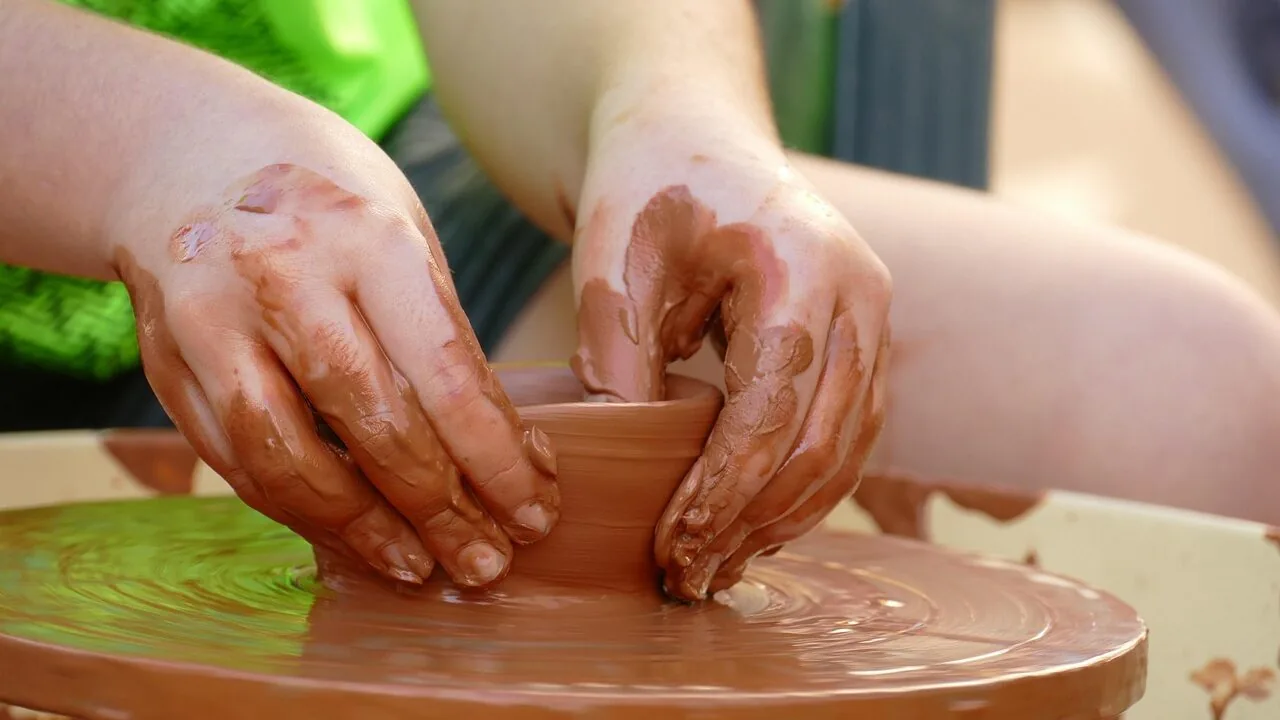
Pottery wheels have seen a quiet renaissance in recent years, with more home crafters, teens, and serious hobbyists discovering the meditative and creative rewards of throwing clay.
The market has followed suit, flooding with options that range from lightweight tabletop turntables to powerful electric machines capable of handling multi-pound clay loads.
Navigating that range without wasting money on the wrong wheel is harder than it looks, especially when listings use similar language to describe wildly different machines.
This guide cuts through the noise.
Our team at ProductFind researched and compared twelve wheels across every major budget tier, drawing on manufacturer specifications, expert review consensus from the ceramics community, and verified buyer feedback from working potters and beginners alike.
Whether you want a compact starter kit or a full-featured electric wheel for a home studio, the top picks below represent the most well-rounded options available right now.
Scroll down to see our ranked recommendations, then use the buying guide to match the right wheel to your space, skill level, and goals.

VEVOR 14in Pottery Wheel, 60-300RPM Adjustable
A compact pottery wheel designed for beginners and hobbyists, featuring a 14-inch aluminum turntable, adjustable height base, and variable speed control from 60-300 RPM. Comes with 16 sculpting tools and operates quietly at 60dB, making it suitable for home studios and community pottery spaces.
Pros
- Adjustable lift-top design and foot pedal system provide flexibility for different user heights and working styles
- Includes comprehensive tool kit (8 stainless steel, 8 wood tools) for immediate use without additional purchases
- Stable triangular base structure with reinforced pads prevents wobbling and floor damage
- Wide RPM range allows both fine detail work and larger piece throwing
- Safety features include earth leakage protection and waterproof control panel
Cons
- No verified buyer reviews available yet, limiting real-world performance feedback
- 44-pound weight and fixed footprint may require dedicated workspace planning
- Motor power listed at 280W with 120% tolerance, which is moderate for serious production use
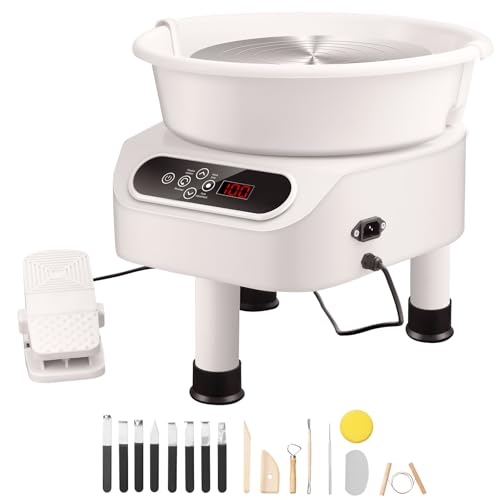
VEVOR 11-Inch Pottery Wheel 450W with LCD Touch Screen
A mid-range pottery wheel built for adults and serious hobbyists, featuring a 450W direct-drive motor, LCD speed control from 50-300RPM, and a foot pedal for hands-free adjustments. Comes with 16 accessory tools and operates quietly below 60dB, making it suitable for home studios and classrooms.
Pros
- Direct-drive motor provides smooth performance with reduced clay deformation
- 45-degree angled LCD screen allows ergonomic operation without bending
- Hands-free foot pedal control lets you focus on shaping without interruption
- Three-support feet design creates comfortable legroom and stability
- Comprehensive starter kit with tools and apron reduces additional purchases
Cons
- No verified customer reviews available to assess real-world reliability and durability
- 11-inch turntable may feel limiting for very large sculptural projects
- Detachable basin design adds extra assembly and maintenance steps

VEVOR 11-Inch Pottery Wheel, 60-300 RPM
A mid-range pottery wheel built for home studios and beginners, featuring an 11-inch aluminum turntable, adjustable height base, and independent foot pedal control. Comes with 16 sculpting tools and operates at speeds up to 300 RPM with low noise output.
Pros
- Stable, heavy-duty construction with reinforced base reduces wobbling during use
- Variable speed control via foot pedal allows smooth transitions between throwing and shaping
- Complete tool kit included, suitable for beginners and hobbyists starting out
- Adjustable legs accommodate users of varying heights without additional purchases
- Waterproof electrical components with leakage protection provide reliable safety
Cons
- No verified buyer reviews available to assess real-world durability or ease of use
- 11-inch wheel size may limit production of very large pottery pieces
- Relatively heavy at 30.2 pounds, reducing portability between locations
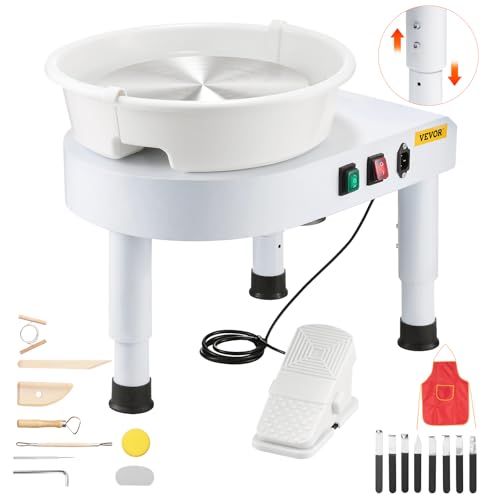
VEVOR 11-Inch Pottery Wheel, 350W with Foot Pedal
A compact pottery wheel designed for home crafters and professionals, featuring an 11-inch aluminum turntable, adjustable height (0-6 inches), and variable speed control from 60-300 rpm. Comes bundled with 16 sculpting tools and operates quietly at 60dB, making it suitable for home studios and teaching environments.
Pros
- Adjustable height system (0-6 inches) suits users of varying heights and working preferences
- Triangular base structure prevents vibration during operation
- Complete tool set included reduces need for separate purchases
- Waterproof control panel with independent foot pedal for hands-free operation
- Compact footprint with reinforced floor pads to prevent damage and slipping
Cons
- No verified customer reviews available to assess real-world durability and performance
- 350W motor may limit working with very large or dense clay pieces compared to higher-wattage models
- Detachable basin requires manual handling, which some users may find inconvenient during long sessions

BIUTEFOU 14" Electric Pottery Wheel with LCD Panel
A mid-range pottery wheel designed for hobbyists and beginners, featuring a 35 cm aluminum turntable, foot pedal speed control, and LCD display for tracking settings. The detachable basin and low-noise belt-drive motor make it practical for home studios, though the lack of verified buyer feedback limits confidence in long-term durability.
Pros
- Dual speed control via foot pedal and LCD buttons reduces workflow interruptions
- Detachable basin design with ABS material resists deformation and makes cleaning easier
- Belt-drive motor keeps noise under 60dB, suitable for shared spaces
- LCD screen lets you record speed and process details for consistency across projects
- Steel construction with aluminum turntable offers solid build quality at entry level
Cons
- No verified buyer reviews available to confirm real-world reliability or durability claims
- 4.4 rating lacks supporting feedback, making it difficult to assess common issues or longevity
- Specifications don't indicate maximum clay load capacity or exact motor power output consistency

National Geographic 8" Pottery Wheel Kit
A complete pottery wheel system designed for beginners and hobbyists, featuring an 8-inch wheel with variable speed and an innovative articulating arm tool for centering and shaping clay. Comes with air-dry clay, sculpting tools, instructional guides, and video lessons to get started immediately.
Pros
- All-in-one kit with clay and tools included, no need for separate purchases to start
- Articulating arm tool simplifies the learning curve for centering clay
- Relatively quiet operation reduces noise disruption in home environments
- Includes instructional support with video lessons for beginners
- Versatile for hobbyists, home crafters, and classroom settings
Cons
- No verified buyer reviews available to confirm real-world performance and durability
- Air-dry clay included may limit advanced potters who prefer traditional throwing with kiln-fired pieces
- 8-inch wheel size is modest compared to professional pottery wheels, restricting scale of projects

Alldeer 11-Inch Pottery Wheel, 350W Motor
A mid-range pottery wheel built for serious hobbyists and students, featuring a powerful 350W motor that handles large clay loads and a foot pedal for hands-free speed control. Comes with 19 tools and a detachable splash tray, though zero verified reviews limit confidence in real-world durability.
Pros
- Powerful motor and large 15kg capacity suit ambitious ceramic projects
- Foot pedal design frees both hands for detailed molding work
- Detachable splash tray system saves significant cleaning time
- Comprehensive toolkit eliminates need for separate tool purchases
- Aluminum build emphasizes stability over heavier cast-iron alternatives
Cons
- No verified buyer reviews available, so long-term reliability and real-world performance remain unvalidated
- 4.4-star rating appears to be a placeholder with zero actual customer feedback
- Thin 1/8-inch aluminum walls may raise durability questions compared to traditional pottery wheel construction
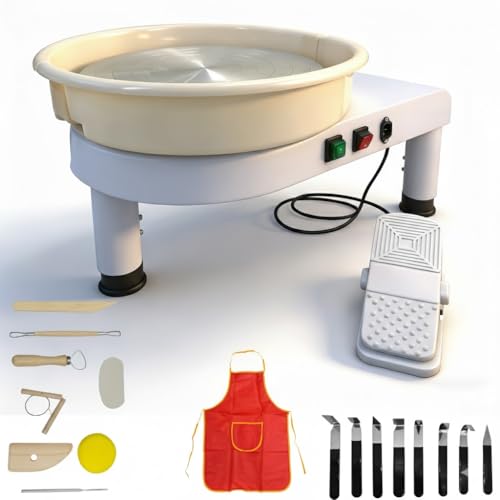
XJADQW 14in Pottery Wheel, 350W Motor
A mid-range pottery wheel built for serious hobbyists and small studios, featuring a powerful 350W motor, adjustable work height, and a stable metal base designed to handle heavy clay loads without vibration. Comes with an 18-piece tool kit and operates quietly, making it suitable for home and educational settings.
Pros
- Adjustable height settings reduce neck and back strain during extended work sessions
- Heavy-duty metal base and reinforced structure deliver stable operation at high speeds
- Quiet motor (under 60 dB) suits home and shared studio environments
- Includes comprehensive tool kit, reducing need for separate purchases
- Directional foot pedal control accommodates both left and right-handed artists
Cons
- No verified buyer reviews available to assess long-term durability or real-world performance
- 30.8-pound weight and fixed footprint require dedicated studio space
- Detachable splash pan design may require frequent reassembly for different clay types or project scales

Huanyu 10" Pottery Wheel with Foot Pedal
A foot-pedal controlled pottery wheel designed for beginners and adults, featuring a stepless speed motor and detachable basin for easy cleanup. The aluminum alloy turntable and stable base make it suitable for home studios and casual pottery work.
Pros
- Foot pedal control simplifies speed adjustment for beginners
- Detachable basin saves time on maintenance and cleanup
- One-button reverse function adds operational flexibility
- Durable aluminum construction with non-slip base for stability
Cons
- No verified buyer reviews available to confirm real-world performance and durability claims
- Limited information on motor power and maximum wheel weight capacity
- Specifications list shows incomplete binding details, suggesting potential data gaps

Insnug 6-Inch Pottery Wheel with Complete Beginner Kit
A compact, all-in-one pottery wheel designed for beginners and adults, bundled with 2.2 lbs of air-dry clay, carving tools, and painting supplies. The 6-inch metal turntable offers adjustable speeds and dual rotation directions, with built-in storage and a detachable water basin to minimize mess.
Pros
- All-in-one package eliminates need for separate tool purchases
- Lightweight and portable with integrated storage design
- Detachable water tray solves common mess and splashing issues
- Quiet operation makes it suitable for apartment or shared spaces
- Dual rotation buttons and variable speed accommodate different techniques
Cons
- No verified buyer reviews available to confirm real-world performance or durability
- 6-inch turntable may feel limiting for larger sculptural projects
- Includes air-dry clay only, ongoing projects require purchasing additional clay separately

U.S. Art Supply 7" Sculpting Wheel with Ball Bearings
A compact, all-metal pottery wheel designed for ceramics, clay work, and decorative arts. The heavy-duty construction supports up to 40 lbs, while a weighted rim and concentric circles aid centering and momentum.
Pros
- All-metal construction with ball bearings provides durability and smooth rotation
- Non-skid rubber base eliminates need for permanent installation or drilling
- Weighted rim maintains momentum to reduce re-spinning during work
- Sufficient clearance height allows comfortable hand access beneath the top
Cons
- No customer reviews available to verify real-world durability or performance consistency
- 7-inch diameter is relatively small, limiting projects requiring larger work surfaces
- Weight specification (1 lb in specs) appears inconsistent with claimed 5 lb product weight, raising clarity concerns

MYFULLY 7-Inch Cast Iron Pottery Wheel
A heavy-duty banding wheel designed for pottery decorating, sculpting, and ceramic work. The cast iron construction with ball bearings and weighted rim provides smooth rotation, while the non-skid rubber base keeps it stable without clamping or drilling.
Pros
- Stable non-skid base eliminates need for clamping or drilling into work surfaces
- Ball bearing design delivers smooth, low-friction spinning action
- Weighted rim and tall construction allow hand access underneath for working while rotating
- Durable cast iron construction rated to handle substantial clay weight
- Lightweight enough to relocate by hand despite heavy-duty materials
Cons
- No verified buyer reviews available to validate real-world performance and durability claims
- Limited size at 7 inches may restrict projects requiring larger work surfaces
- Product group and binding classifications suggest possible catalog miscategorization
Pottery Wheels Buying Guide
Choosing the right pottery wheel comes down to matching the machine’s capabilities to how you actually plan to use it.
A wheel that performs beautifully in a professional studio may be overkill for a beginner, while a compact tabletop model that works fine for decorating can frustrate anyone who wants to throw tall cylinders.
The criteria below are the ones that consistently separate satisfying purchases from disappointing ones.
If you are new to creative craft hobbies in general, exploring acrylic paint sets or other hands-on arts supplies alongside pottery can help you build a well-rounded creative practice at home.
Motor Power and Torque
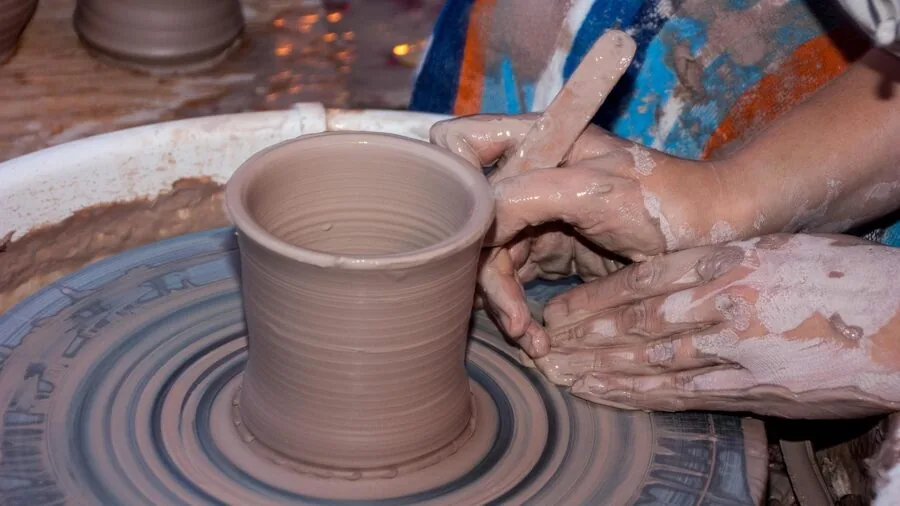
Motor power is one of the most misunderstood specs on pottery wheel listings. Wattage alone tells only part of the story.
What matters equally is torque, the rotational force the motor can sustain when you press clay against the wheel head.
A 350W motor with a direct-drive or brushless design will typically outperform a 450W motor with a belt-drive system under load, because brushless motors deliver more consistent torque without slipping.
For beginners centering one to two pounds of clay, almost any motor in the 350W to 450W range will feel adequate. As your skills grow and your clay loads increase, you will notice weaker motors struggling to maintain speed.
Professional potters recommend looking for direct-drive motors and brushless construction if you plan to throw pieces heavier than five pounds regularly. The VEVOR lineup in our rankings earns consistent praise from verified buyers specifically for motor consistency under sustained load.
Speed range matters too. Most quality electric wheels offer 50 to 300 RPM with smooth, linear acceleration. Wheels that jump or surge between speeds make centering difficult and are a common complaint in buyer reviews of cheaper models.
Look for listings that confirm stepless speed control, either via foot pedal or a touch panel.
Wheel Head Size and Centering Capacity
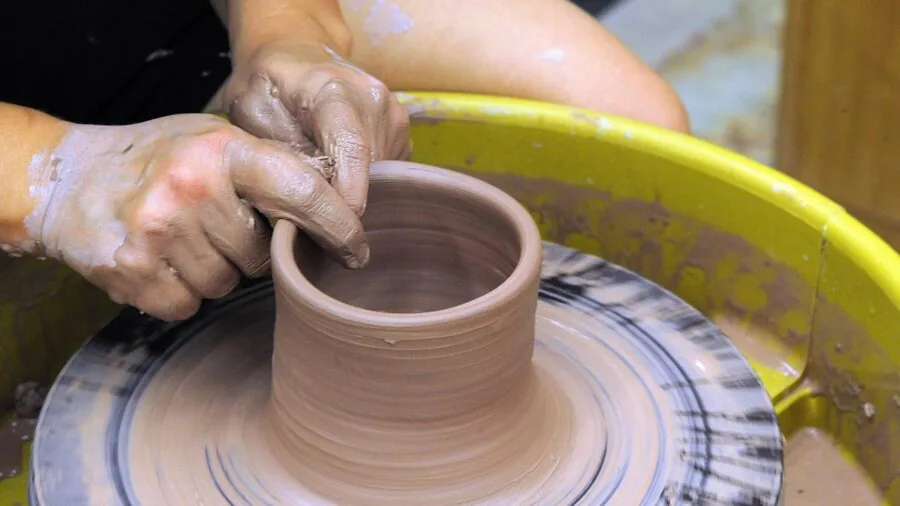
Wheel head diameter directly determines how large a piece you can throw. A seven-inch head is practical only for small decorative pieces, cups, or decorating work.
An eleven-inch head covers the majority of bowls, mugs, and medium vases a home potter would want to make.
Fourteen-inch heads open the door to plates, wide platters, and large vessels, but they also add weight and footprint to the machine.
Centering capacity, the maximum clay weight the wheel can handle, is often listed by manufacturers but sometimes inflated. Cross-referencing the spec with verified buyer accounts on ceramics forums gives a more accurate picture.
A wheel rated for fifteen pounds that verified buyers describe as struggling past eight is a red flag. Our scored picks note how real-world centering performance compares to the advertised figure.
Beginners should not obsess over maximum capacity. Starting with manageable amounts of clay and building technique matters more than having headroom for large loads on day one.
A reliable eleven-inch wheel is the sweet spot for most new and intermediate potters who want room to grow without spending on a professional-grade machine.
Controls and Speed Adjustment
A foot pedal is essentially non-negotiable for serious throwing. It allows both hands to stay on the clay while the potter adjusts speed intuitively, which is exactly how wheel throwing is meant to work.
Some budget and tabletop models rely solely on a dial or button panel, which forces you to break contact with the clay to change speed.
Buyers who start on pedal-equipped wheels almost universally report frustration if they switch to panel-only controls.
LCD touch panels have become increasingly common in mid-range wheels and add genuine value. They let you set a precise target RPM, monitor speed in real time, and replicate settings across sessions.
The VEVOR 11-inch models in our rankings feature LCD touch controls with foot pedal override, a combination that reviews from verified buyers describe as intuitive even for first-time users.
Panels should be waterproof or at minimum splash-resistant, since pottery is a wet process.
Bidirectional rotation (clockwise and counter-clockwise) is a useful but not essential feature. Left-handed potters will find it especially helpful. Most electric wheels in the mid-range and above offer it; most manual turntables do not.
Build Quality and Stability
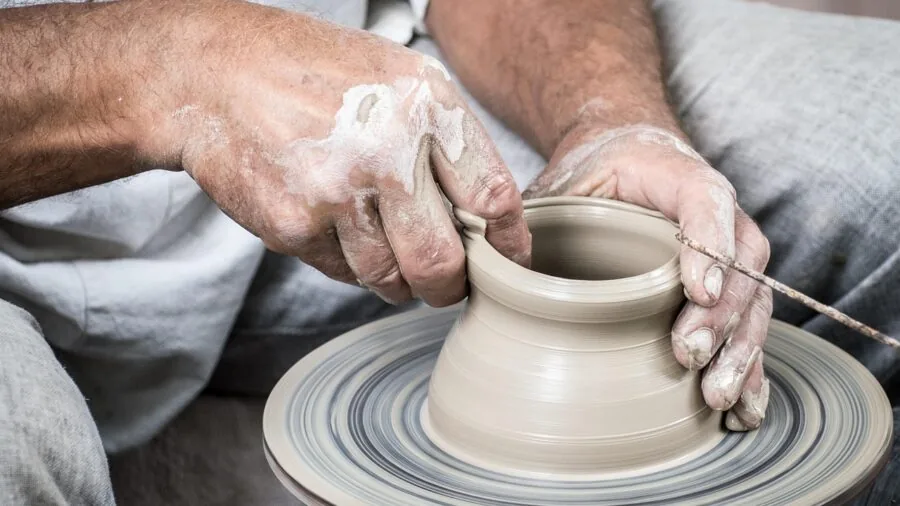
Vibration and wobble at the wheel head are among the most cited complaints in one-star reviews across every brand in this category. A wheel that wobbles disrupts centering, causes walls to collapse, and makes the entire process frustrating.
Stability comes from a combination of factors: a heavy base, precision ball bearings in the spindle, and a rigid wheel head with no play. Aluminum alloy wheel heads machined to tight tolerances perform significantly better than plastic ones.
Weight is a double-edged consideration. Heavier machines vibrate less and stay planted on the work surface, but they are harder to move between rooms or store when not in use.
If portability matters, look for models with folding or detachable water basins and compact footprints. Several wheels in our list include adjustable lift legs that raise the working surface, reducing strain during longer sessions.
This ergonomic detail is particularly appreciated by verified buyers who throw for extended periods.
Noise level is worth researching for apartment or shared-space setups. Brushless motors tend to run quieter than brushed designs. Some manufacturers publish decibel figures; others do not.
Buyer reviews are the most reliable indicator here, particularly from those who note whether the wheel is usable in a living space without disturbing others.
Included Accessories and Kit Value
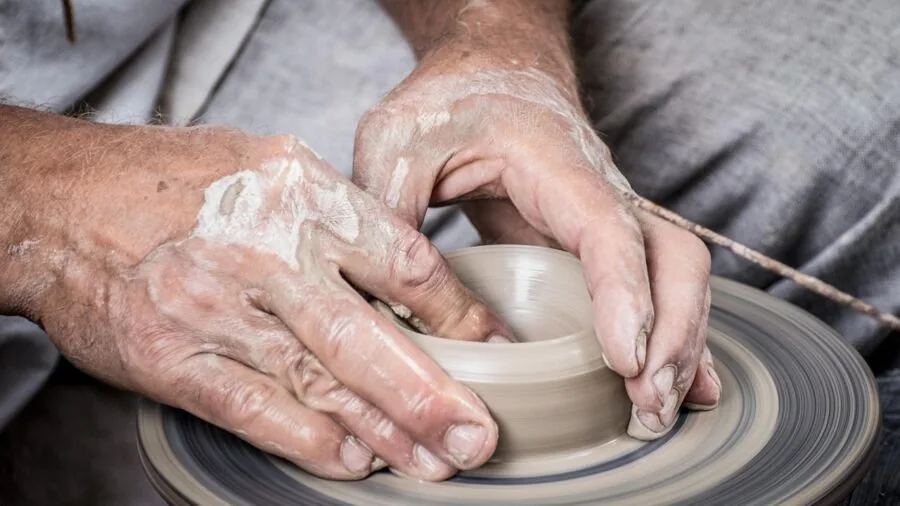
A pottery wheel does not work in isolation. You need at minimum a water bowl, a sponge, a wire clay cutter, and basic trimming tools to complete even a simple piece.
Many wheels are now sold as kits that bundle these essentials, which can represent genuine savings if the included tools are usable quality rather than promotional fillers.
Some listings also include clay, which is useful for beginners who want to start immediately.
Air-dry clay packaged with kit wheels is convenient for practice but is not a substitute for kiln-fire clay if you intend to produce durable finished pieces. Potters who graduate to firing will need to budget for kiln access separately.
The National Geographic Hobby Pottery Wheel Kit in our list is notable for bundling clay and a structured set of art supplies in a format that appeals to teens and new adult hobbyists who want everything in one box, similar in concept to creative kits you find in categories like STEM toys for kids.
Detachable water basins are a practical feature that significantly simplifies cleanup. Fixed basins require the entire machine to be moved to a sink or drained with a sponge, which is a minor but genuine annoyance after every session.
Most mid-range and premium wheels now include removable basins; their absence at this price tier is increasingly a mark against a model.
Tabletop and Manual Turntables vs. Electric Wheels
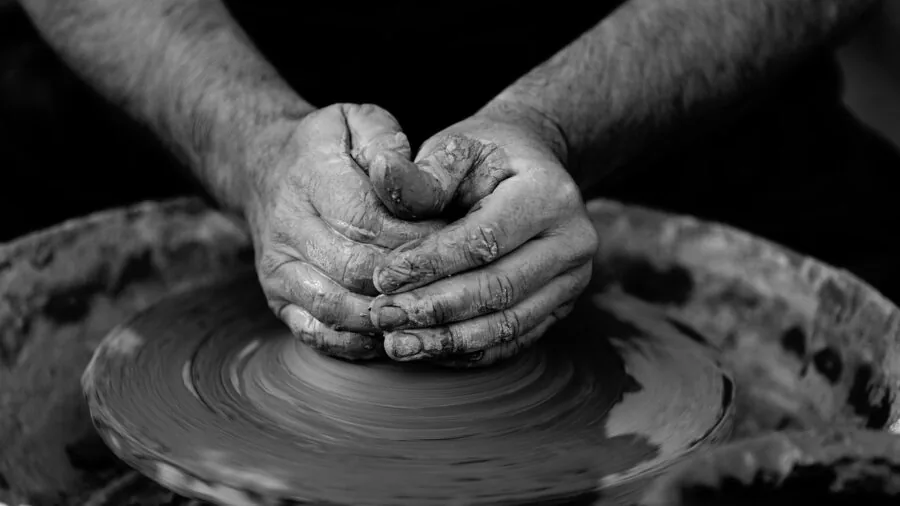
Not everything in this category is a full electric throwing wheel. Manual banding and sculpting turntables like the U.S. Art Supply and MYFULLY models in our list serve a different purpose entirely.
They are hand-spun platforms used for decorating, carving, and applying surface treatments to pieces already shaped by hand or on a throwing wheel.
They are not suitable for throwing clay from scratch, and buyers who expect throwing capability from a manual turntable will be disappointed.
Electric wheels start at the entry level with compact models like the Insnug six-inch wheel, which is designed for very small pieces and beginners who want a motorized experience without committing to a large machine.
These are appropriate for light practice and small decorative items but have real limitations in clay load capacity and stability compared to full-size electric wheels.
Understanding where each category begins and ends is the most important framing decision when shopping in this space.
If you enjoy hands-on creative hobbies broadly, you may find that watercolor paint sets and pottery complement each other well as studio practices.
Why You Should Trust Us
ProductFind is an independent editorial review platform. We do not sell products, handle orders, or have any relationship with the manufacturers in our rankings.
Every wheel in this guide was assessed using a consistent, research-driven methodology: we analyzed published specifications, synthesized expert review consensus from ceramics communities and pottery publications, and cross-referenced verified buyer feedback from confirmed purchasers.
We do not conduct our own product trials; our evaluations are grounded in research, published data, expert review consensus, and verified buyer feedback.
Each product is scored on our 0 to 10 PF Score scale, which weighs motor performance, build quality, control design, accessory value, and long-term reliability signals derived from real-world buyer accounts.
Products are ranked in descending PF Score order, so the most comprehensively strong option appears first. We revisit and update scores when significant new buyer data or specification changes emerge.
ProductFind may earn a commission if you purchase through links on this page. That affiliate relationship has no influence whatsoever on how products are scored, ranked, or described. Our editorial positions are determined by research quality, not by commercial relationships.
We apply the same methodology and scrutiny to every product regardless of price point or brand.
Final Thoughts
The pottery wheel market rewards careful research. At the budget end, manual turntables and compact mini wheels serve legitimate but narrow purposes.
In the mid-range, several electric wheels deliver genuinely strong performance, and a few clear standouts have earned their reputation through consistent buyer satisfaction and well-engineered motors.
Here are our top award picks from this roundup, each matched to a specific need.
- Best Overall: VEVOR 14in Pottery Wheel for Adults. The highest-scored wheel in our research earns this title through a combination of a large aluminum turntable, height-adjustable lift table, waterproof LCD panel, and motor consistency that verified buyers describe as reliable across extended throwing sessions. It is the most well-rounded option in this field regardless of skill level.
- Best Runner-Up: VEVOR 11in Pottery Wheel with LCD Touch Screen. A brushless direct-drive motor, LCD touch panel, and detachable basin make this an excellent choice for home studio potters who want premium controls without stepping up to a larger footprint. Buyer feedback consistently highlights its quiet operation and smooth speed response.
- Best for Beginners Who Want to Grow: VEVOR 11in Pottery Wheel with Foot Pedal Control. Foot pedal control, adjustable lift legs, and a complete accessory set make this the most practical entry point for new potters who plan to stick with the craft. It scores well on stability and ease of setup in verified buyer accounts.
- Best Hobby Kit for Teens and New Adults: NATIONAL GEOGRAPHIC Hobby Pottery Wheel Kit. Bundled clay, an innovative arm rest tool, and a structured set of art supplies make this the most complete out-of-box experience for younger or first-time potters. It is a thoughtfully assembled creative kit rather than a raw machine purchase.
- Best Budget Electric Wheel: Huanyu Pottery Wheel Machine 10in with Foot Pedal. For potters who want a genuine throwing experience with foot pedal control at an accessible price, this ten-inch machine offers a meaningful step up from tabletop kits without the investment of a full professional wheel.
Manual sculpting turntables like the U.S. Art Supply Sculpting Wheel and MYFULLY Banding Wheel round out the list for potters who need a reliable hand-spun platform for decorating and finishing work.
They are not substitutes for electric throwing wheels, but they are well-made tools for their specific purpose. Pairing a quality pottery practice with other creative hobbies can enrich your overall studio experience.
Many potters find that skills from oil painting transfer naturally to ceramic surface decoration.
Frequently Asked Questions
What size pottery wheel is best for a beginner?
An eleven-inch wheel head is the most practical starting size for most beginners. It offers enough working surface to throw mugs, bowls, and small vases while keeping the machine footprint manageable.
Smaller wheels under eight inches limit what you can make as your skills develop, and fourteen-inch wheels add weight and cost that most beginners do not yet need.
Verified buyer accounts from new potters consistently point to eleven-inch models as the size they wish they had started with after outgrowing compact options.
Do I need a foot pedal on a pottery wheel?
A foot pedal is strongly recommended for any wheel you intend to use for throwing clay. It lets you adjust speed with your foot while keeping both hands in contact with the clay, which is fundamental to good technique.
Wheels with panel-only speed control force you to break contact with the clay each time you want to change pace, disrupting the centering process.
Most mid-range and premium wheels include a foot pedal as standard equipment, and its absence at that price tier is a meaningful drawback.
Can I use a pottery wheel in an apartment?
Yes, with some preparation. The main considerations are noise, water, and clay mess. Brushless electric motors run quietly enough for most apartment environments, often in the range of sixty decibels or below.
Placing the wheel on a waterproof mat and working with a drip tray contains most of the water and clay slip. Detachable basins make cleanup significantly easier without access to a dedicated studio sink.
Many verified buyers in our research describe using mid-range electric wheels in kitchen or living room setups without major issues, as long as a dedicated cleanup routine is in place.
What is the difference between a pottery wheel and a banding wheel?
A pottery wheel is a motorized machine designed to spin clay fast enough for throwing, a technique where centrifugal force allows you to shape clay walls with your hands.
A banding wheel is a hand-spun turntable used for decorating, trimming, applying glaze, or carving pieces that have already been shaped.
Banding wheels like the manual options in this guide are useful studio tools, but they cannot replicate the speed or torque needed for throwing.
Buying a banding wheel expecting to throw on it is one of the most common and costly misunderstandings in this product category.
How much should I expect to spend on a reliable first electric pottery wheel?
A reliable electric wheel with foot pedal control, a detachable basin, and a genuine eleven-inch or larger wheel head falls in the mid-range tier of this market.
The budget tier below that tends to produce compact or underpowered machines that limit your growth as a potter.
Spending a bit more upfront on a wheel that can handle progressively larger clay loads and longer sessions is consistently recommended by experienced potters in community forums and confirmed by the pattern in verified buyer reviews.
The VEVOR family of wheels in our rankings represents the best value concentration in that mid-range sweet spot, earning some of the highest scores in our research.
Is pottery a good hobby to pick up alongside other creative practices?
Pottery pairs naturally with other tactile and visual creative pursuits. Many potters also work in drawing, painting, or surface design, and the skills transfer in meaningful ways.
If you are building out a home creative space, investing in quality supplies across disciplines enriches the practice. Quality acrylic paint sets are useful for painting bisqueware and experimenting with surface decoration before committing to glaze firing.
A comfortable, well-organized workspace makes extended creative sessions more enjoyable. Potters who spend long hours at the wheel may also appreciate an ergonomic chair at their planning or design desk adjacent to the studio area.
About the author
Constance is a reviewer and writer for ProductFind who specializes in Arts & Crafts Supplies. Constance evaluates products through independent research: specifications, expert review consensus, and verified buyer feedback, and rates each one on the PF Score. Constance focuses on helping readers pick the right arts & crafts supplie for their needs and budget.