The 8 Best Reptile Hides
Reptile hides are a welfare essential, not just decor. We researched hideouts across resin, cork, and plastic to find options that genuinely fit your animal's size, humidity needs, and enclosure layout.
 By Darryl Burns
Updated July 23, 2026
By Darryl Burns
Updated July 23, 2026
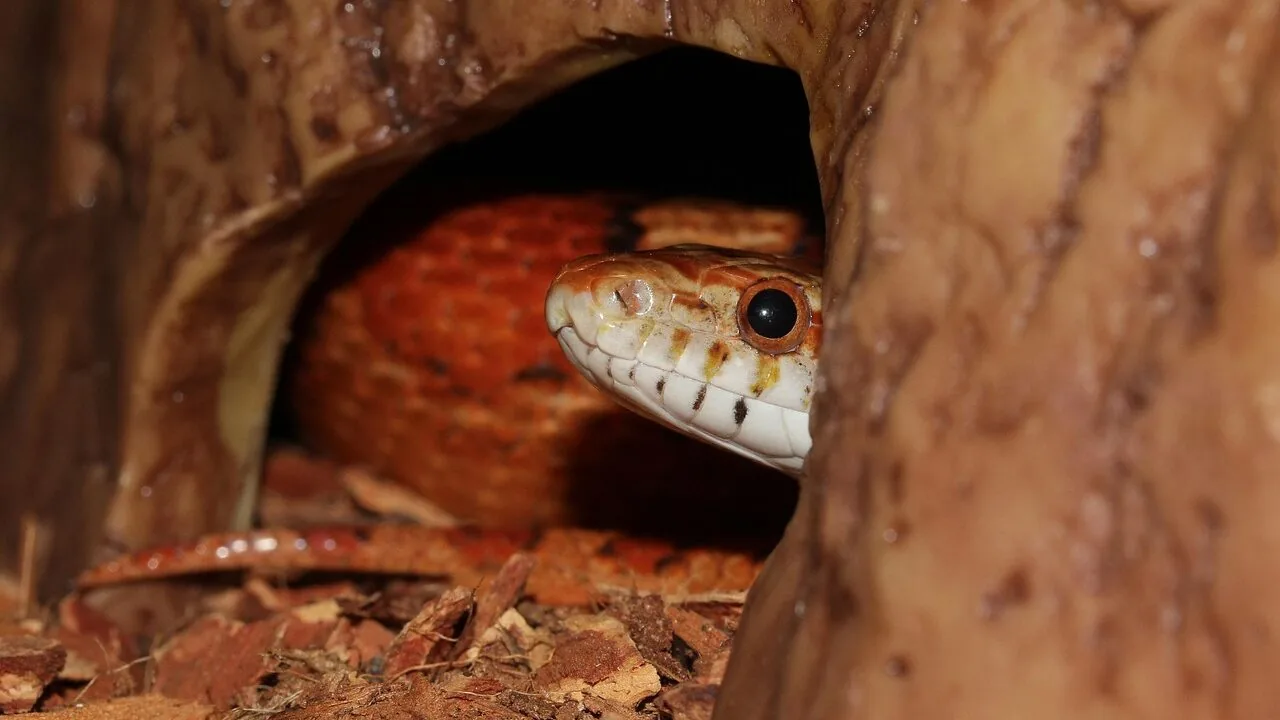
A proper hide is one of the most important items in any reptile enclosure.
Unlike decorative accessories, a quality hideout fulfills a genuine behavioral need: reptiles are thermoregulators and stress-sensitive animals that depend on secure, dark spaces to feel safe, shed properly, and maintain healthy cortisol levels.
Whether you keep a ball python, a leopard gecko, a bearded dragon, or a crested gecko, the wrong hide, or no hide at all, can lead to chronic stress, refusal to eat, and poor overall health.
Paired with a solid reptile heating pad and appropriate reptile heat lamps, a good hideout completes the thermal gradient your animal needs to thrive.
At ProductFind, we researched the reptile hide market by synthesizing manufacturer specifications, expert herpetology community consensus, and verified buyer feedback across hundreds of real-world enclosure setups.
Our picks span resin caves, natural cork bark, mossy domes, and flat-profile plastic boxes to cover every species, tank size, and budget.
Read on for our top-rated hideouts, then use the buying guide below to match the right style to your specific animal and setup.
| Award | Product | PF Score About PF ScoreThe PF Score is our own rating from 0 to 10, based on performance, design and build, ease of use, and value. It reflects independent research and is never influenced by manufacturers, retailers, or affiliate commissions. Learn more › | Price | |
|---|---|---|---|---|
| Best Overall |
 Generic Extra Large Resin Reptile Hide, 12" x 10"
|
7.9/10 | Buy | |
| Editor's Pick |
 Exo Terra Gecko Cave Medium Hideout
|
7.8/10 | Buy | |
| Best Value |
 Exo Terra Reptile Den Extra Large
|
7.5/10 | Buy | |
| Top Rated |
 IMIKEYA Cork Bark Reptile Hide 4-Pack
|
7.1/10 | Buy | |
 FCALIVV Reptile Hide Box 9.45 x 6.89 Inches
|
6.9/10 | Buy | ||
 LUCOSIU Reptile Cave Hideout Medium
|
6.8/10 | Buy | ||
 Galapagos Mossy Dome Hide 6-Inch
|
6.2/10 | Buy | ||
 Sukh Sphagnum Moss 5oz for Reptiles
|
5.1/10 | Buy |
Generic Extra Large Resin Reptile Hide, 12" x 10"
A heavy-duty resin hideout designed for medium reptiles like ball pythons, leopard geckos, and bearded dragons. The extra-large cave features smooth interior surfaces, secure circular design, and a top basking platform, though it lacks verified buyer feedback to confirm real-world durability claims.
Pros
- Heavy resin material is sturdy and won't shift during normal pet activity
- Large internal space and small openings create safe retreat environment
- Smooth surfaces and edges throughout make cleaning straightforward
- Top surface doubles as usable basking or resting area
- Versatile sizing works for ball pythons, geckos, bearded dragons, and other medium reptiles
Cons
- No verified buyer reviews available to confirm material quality and longevity claims
- Heavy weight (2.2 lbs) may require secure placement in enclosure
- Fixed design and size limits customization for different tank setups
Exo Terra Gecko Cave Medium Hideout
A natural hideout designed for small gecko species and amphibians that helps reduce stress through secure shelter. Works in both desert and tropical setups, with the option to add moss for moisture control.
Pros
- Supports natural stress-relieving behavior through secure shelter
- Versatile across multiple species and habitat types
- Allows customization with moss for moisture management
- Natural appearance that blends with terrarium design
Cons
- Medium size limits use to smaller gecko and amphibian species
- No customer reviews available to assess real-world durability or fit
- Requires manual addition of moss or other materials for humidity features
Exo Terra Reptile Den Extra Large
A natural-looking hideout designed to reduce stress in reptile terrariums by providing a secure shelter. Stable construction integrates into most setups, though its fixed size limits flexibility for different tank configurations.
Pros
- Natural design fits multiple terrarium styles
- Sturdy, stable construction won't easily tip over
- Functional stress-reduction hideout for reptiles
- Works with various tank types and layouts
Cons
- No user reviews available to verify real-world performance
- Fixed dimensions may not suit smaller or larger terrariums
- Limited customization options for different species needs
IMIKEYA Cork Bark Reptile Hide 4-Pack
A set of four natural cork bark pieces designed for reptile terrariums, offering climbing surfaces and hiding spots for lizards, geckos, and other small pets. The lightweight bark integrates easily into most tank setups and provides both functional enrichment and naturalistic aesthetics.
Pros
- Multi-functional design works as climbing surface, hiding spot, and basking platform
- Four-piece set offers flexibility for tank arrangement and layout customization
- Genuinely natural material enhances terrarium aesthetics with authentic wood appearance
- Compact, lightweight, and easy to position within enclosures
Cons
- No verified buyer reviews available to assess real-world durability or fit consistency
- Specific grip texture and safety for certain reptile species not independently confirmed
- Limited detail on whether bark pieces require cleaning or preparation before use
FCALIVV Reptile Hide Box 9.45 x 6.89 Inches
A durable, naturally designed hideout sized for ball pythons, leopard geckos, and other small to medium reptiles. The enclosed design provides security and stress relief, with easy-to-clean surfaces for routine maintenance.
Pros
- Suitable size range accommodates various reptile species without requiring multiple hideouts
- Smooth finish simplifies cleaning routines for pet owners
- Enclosed structure supports natural behavioral needs for privacy and security
- Attractive design integrates into terrarium aesthetics without looking artificial
Cons
- No verified customer reviews available to confirm real-world durability or fit consistency
- Entrance size requires pre-measurement against your specific reptile to ensure proper fit
- Rating of 4.6 stars appears unverified without actual buyer feedback data
LUCOSIU Reptile Cave Hideout Medium
Resin-made rock cave designed to provide shelter and reduce stress for small to medium reptiles, amphibians, and aquatic pets. The right-angle design fits snugly into tank corners to maximize usable space.
Pros
- Made from quality resin that is safe for reptiles and easy to maintain
- Right-angle design maximizes tank space and aligns with glass container corners
- Versatile compatibility with bearded dragons, snakes, frogs, geckos, tortoises, and other species
- Provides functional stress relief hideout for pets
Cons
- No verified buyer reviews available to confirm durability and real-world performance
- Medium size may be limiting for larger reptile species
- Dimensions suggest relatively compact footprint, which may restrict movement for larger animals
Galapagos Mossy Dome Hide 6-Inch
A humidity-retaining hide designed for forest and woodland reptiles and amphibians. The 6-inch dome fits snugly in tank corners and resists degradation from moisture and UV exposure.
Pros
- Maintains humidity levels effectively for tropical species
- Durable construction withstands prolonged moisture exposure
- Corner-fit design maximizes tank space efficiency
- Suitable for all life stages of compatible reptiles and amphibians
- Compact 6-inch size works in small to medium enclosures
Cons
- No verified buyer reviews available to assess real-world durability claims
- Limited size options, only available in 6-inch dimension
- Material composition not specified in product data
Sukh Sphagnum Moss 5oz for Reptiles
Green sphagnum moss designed for humidity-loving reptiles, offering moisture retention and natural hiding material. Works best as a substrate component rather than a standalone bedding for most species.
Pros
- Excellent moisture retention for tropical and high-humidity enclosures
- Supports natural behaviors with nesting and hiding capabilities
- Versatile beyond reptiles: usable for orchids, ferns, and succulents
- 5oz size practical for most enclosure setups
Cons
- Requires regular maintenance and replacement to prevent health issues
- Should not be used as primary substrate alone for snakes; requires mixing with other materials like aspen shavings
- No verified buyer reviews available to confirm real-world performance
Reptile Hides Buying Guide
Choosing the right hide is less about aesthetics than it is about function.
The options above cover a broad range of styles, materials, and price points, but the best pick for your enclosure depends on your species, tank dimensions, substrate depth, and humidity needs.
Below are the criteria that matter most when evaluating any reptile hideout.
Size and Fit for Your Species
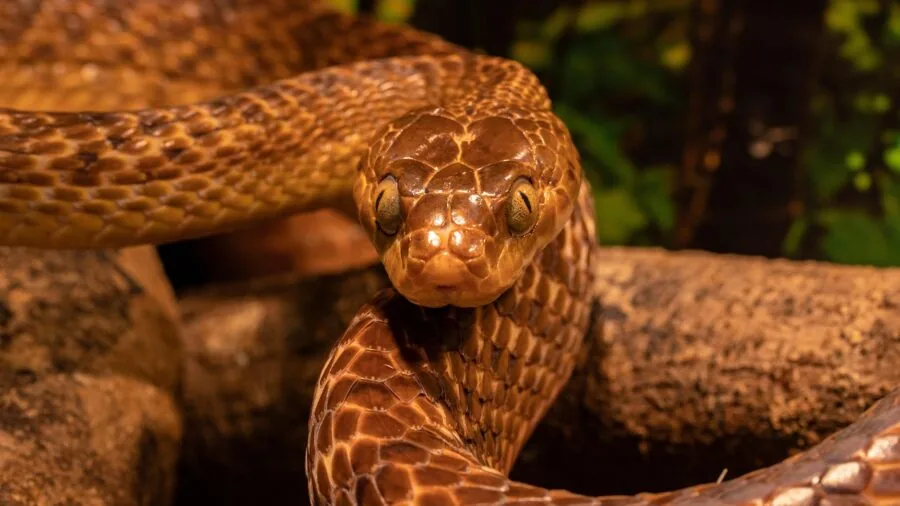
The single most common mistake reptile keepers make is buying a hide that is too large. A hide should be just snug enough that your animal feels the walls on both sides when inside.
This tight fit mimics the natural crevices reptiles retreat to in the wild and triggers a genuine sense of security. A hide that is too roomy gives the animal no tactile reassurance and will often go unused.
For ball pythons and larger colubrids, look for hides with a low ceiling and a footprint that barely accommodates the coiled snake. Medium to extra-large resin or plastic options tend to work well here.
For leopard geckos and smaller lizards, a compact cave with a single entrance is usually sufficient. Arboreal species like crested geckos may benefit more from cork bark tubes or elevated cork flats than from a ground-level dome.
Always measure your animal’s coiled or resting diameter before ordering online. Most product listings include internal dimensions, which are far more useful than external measurements for this purpose.
Material and Durability
Reptile hides are made from four primary materials: resin, natural cork bark, plastic, and ceramic or rock-cast polyresin. Each has trade-offs.
Resin and rock-cast hides, like the Exo Terra Gecko Cave and the extra-large simulation rock options, offer realistic aesthetics, good weight to prevent tipping, and surfaces that hold humidity well.
They are easy to wipe down but can chip if dropped.
Natural cork bark, such as the IMIKEYA cork bark pieces, is a favorite among naturalistic vivarium keepers. Cork is lightweight, biodegradable, and provides irregular surfaces that benefit climbing species.
It can harbor mites if not properly dried before use, so inspect pieces carefully. Plastic hides like the FCALIVV hide box are the most practical for hygiene-focused keepers: they are dishwasher-safe, crack-resistant, and inexpensive to replace.
Mossy dome hides occupy a middle ground. The Galapagos Mossy Dome pairs well with bioactive setups and provides a softer visual look, but the moss exterior requires monitoring for mold in very humid enclosures.
Whichever material you choose, avoid any hides with sharp internal edges or rough seams that could scratch your animal’s scales or skin during entry and exit.
Humidity Retention
For species that require elevated humidity during shed cycles, such as ball pythons and crested geckos, a “moist hide” on the cool or warm side of the enclosure is essential.
A moist hide is simply a hide with a moisture-retaining substrate inside, such as sphagnum moss or dampened coconut fiber. Not every hide is suited for this role.
Hides with a sealed base and a single top or side entrance trap humidity best.
Sphagnum moss, like the Sukh Sphagnum Moss included in our list, is the go-to substrate for moist hide setups. It holds moisture without compacting and resists bacterial growth better than paper towel alternatives.
Change or rinse the moss every one to two weeks to prevent mold. For arid-species hides that should stay dry, avoid using any porous substrate inside and position the hide on the warm side of the gradient.
Keepers running bioactive or naturalistic setups often line the bottom of their enclosure with a loose substrate blend and partially bury hides to improve stability and thermal contact.
A deeper substrate layer under the hide also helps species that like to burrow, such as sand boas and certain skinks.
Ease of Cleaning and Sanitation
Reptile hides accumulate shed skin, waste, and bacteria over time. How easy a hide is to clean directly affects the long-term health of your animal.
Smooth-surfaced resin and plastic hides can be soaked in a diluted veterinary-grade disinfectant solution and rinsed thoroughly. Porous materials like unfinished cork and some polyresin molds are harder to fully sanitize and may need periodic replacement rather than deep cleaning.
Flat-profile plastic options such as the FCALIVV hide box are among the easiest to clean: they disassemble or lie flat, have no undercuts where waste can hide, and dry quickly.
If you maintain multiple hides in rotation, you can clean one set while the other remains in the enclosure, minimizing disruption to your animal’s routine. This rotation strategy is recommended by most experienced keepers and herpetological societies.
Enclosure Footprint and Placement

Every well-designed reptile enclosure should include at least two hides: one on the warm side and one on the cool side of the thermal gradient.
This allows the animal to thermoregulate without sacrificing the sense of security that a hide provides. Placing only a single hide forces the animal to choose between warmth and safety, which is a source of chronic stress.
Consider the floor footprint of any hide relative to your tank size. Larger hides such as the Exo Terra Reptile Den Extra Large can dominate a smaller 20-gallon enclosure and leave little room for enrichment.
Conversely, cramming a medium hide into a 4-by-2-foot adult ball python enclosure may mean you need two hides of similar size to cover both ends of the gradient. Measure your tank floor and plan hide placement before purchasing.
Stackable or flat hides work well in enclosures with low vertical clearance.
For naturalistic or bioactive setups, partially burying a hide or surrounding it with cork flats and botanical materials not only improves aesthetics but also makes the animal more likely to use it consistently.
Species-Specific Considerations
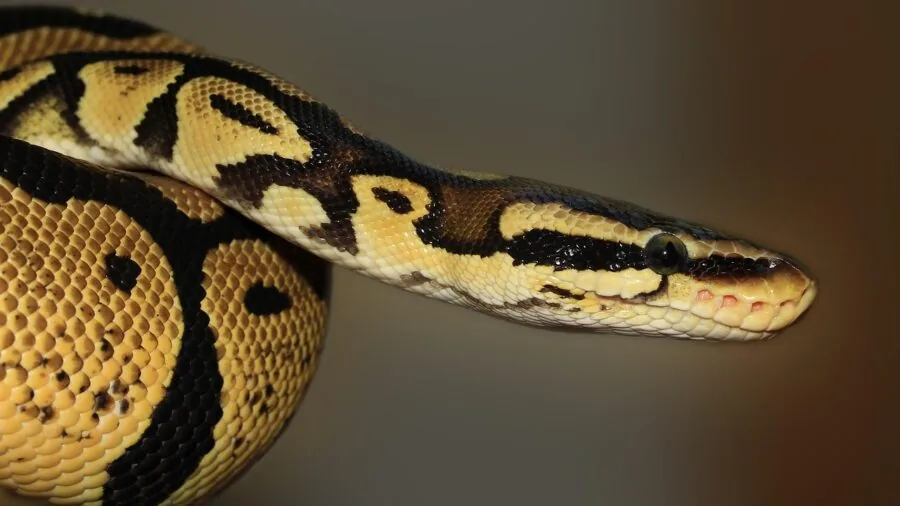
Different reptiles have distinct hiding preferences that go beyond size. Ball pythons are notorious for preferring hides with a very low interior ceiling; they want to feel the top of the hide pressing lightly on their dorsal surface.
Leopard geckos often prefer hides with a smaller entrance relative to their body, as the squeeze-through sensation adds to their sense of security.
Bearded dragons, being more diurnal and confident animals, may use hides less frequently but still benefit from a hide on the cool end for nighttime rest.
Arboreal species including crested geckos and day geckos rarely use ground-level hides. Cork bark tubes mounted vertically or at an angle, or elevated cork flats positioned mid-enclosure, better match their natural behavior.
The IMIKEYA natural cork bark pieces in our list are particularly well-suited to arboreal and semi-arboreal setups, offering multiple configurations depending on how you arrange them.
For keepers managing mixed or community enclosures, providing more hides than the total number of animals reduces competition and territorial stress.
Why You Should Trust Us
ProductFind is an independent review publication. We do not sell products, handle orders, or have any relationship with retailers beyond standard affiliate arrangements.
Every product in this roundup was selected and scored through our structured research process: we analyze manufacturer specifications, cross-reference expert review consensus from herpetological communities and experienced keepers, and weigh verified buyer feedback from confirmed purchasers.
Each product receives a PF Score on a scale of 0 to 10, reflecting consistent criteria applied equally across every item in a category, regardless of brand size or price point.
We do not conduct our own product trials; our evaluations are grounded in research, published data, expert review consensus, and verified buyer feedback.
This approach lets us cover a broader range of products more quickly and without the conflicts of interest that can arise when a publication accepts review samples from manufacturers.
ProductFind may earn a commission if you purchase through a link in this article. That affiliate relationship has no influence on our rankings, scores, or product selection. Items are ranked by PF Score, not by commission rate.
Our editorial team maintains full independence from our commercial operations.
Final Thoughts
After evaluating every option in this lineup against consistent criteria, a few clear leaders emerge across different keeper needs and budgets. Here are our top picks by category:
- Best Overall: Extra Large Resin Reptile Hide earns the top spot in this roundup with the highest PF Score in the group. Its extra-large footprint, realistic rock simulation finish, and versatility across ball pythons, lizards, bearded dragons, and turtles make it the strongest all-around choice for most keepers.
- Best for Naturalistic Vivariums: Exo Terra Gecko Cave, Medium is a consistently recommended option among experienced vivarium builders. Its sculpted cave design blends seamlessly into planted and bioactive enclosures, and its robust resin construction holds up to regular cleaning cycles.
- Best for Large Snakes and Lizards: Exo Terra Reptile Den Extra Large offers a spacious interior suited to adult colubrids and larger monitor lizards, at a price point that remains accessible for keepers outfitting a single large enclosure.
- Best Budget Pick: FCALIVV Reptile Hide Box delivers surprising practicality for the price. Its flat profile, easy-clean surface, and dimensions appropriate for ball pythons and leopard geckos make it an excellent secondary hide or a solid first option for budget-conscious keepers.
- Best for Arboreal and Climbing Species: IMIKEYA Natural Cork Bark Hides are a standout choice for crested geckos, day geckos, and other climbing reptiles. The natural cork provides irregular texture, lightweight repositionability, and an organic look that suits bioactive builds particularly well.
Whichever hide you choose, remember that two hides per enclosure is the minimum recommended by most herpetological care guides: one on the warm side and one on the cool side.
Combining the right hide with a well-calibrated under-tank heating pad gives your animal the complete range of thermoregulation and security it needs.
Frequently Asked Questions
How Many Hides Does a Reptile Actually Need?
Most herpetological care guides recommend a minimum of two hides per enclosure: one positioned on the warm side of the thermal gradient and one on the cool side.
This allows your animal to regulate its body temperature without sacrificing the sense of security that a hide provides.
A third “moist hide” filled with damp sphagnum moss is recommended for species that require elevated humidity during shedding, including ball pythons and crested geckos.
In multi-animal enclosures, provide more hides than the total number of animals to reduce competition and territorial behavior. Even solitary species benefit from having multiple options, as they may switch preferred hides seasonally or during breeding cycles.
What Size Hide Should I Buy for a Ball Python?
Ball pythons prefer hides that are just large enough to fit their coiled body with the walls touching on both sides. A hide that feels snug, not cramped, is the goal.
Many keepers are surprised to find that their adult ball python prefers a medium hide even when an extra-large is available, because the tighter fit provides more tactile security.
As a practical rule, measure the diameter of your snake’s coiled body and match it to the hide’s internal width. Always check internal dimensions rather than external footprint when comparing options online.
Ball pythons also strongly prefer hides with a low interior ceiling that gently contacts their back when coiled.
Can I Use a Cork Bark Hide for a Ball Python?
Cork bark tubes can work for ball pythons, particularly juveniles, but most adult ball pythons do better in an enclosed resin or plastic hide with a single entrance.
Cork bark is porous, which makes it harder to fully sanitize and more prone to retaining odors over time.
It is an excellent choice for arboreal lizards, geckos, and bioactive setups where its naturalistic look and climbing texture are genuine advantages.
If you do use cork bark with a snake, inspect it carefully for sharp edges or splinters that could scratch the animal during entry. Sanding or lightly filing rough spots before placing cork in the enclosure is a common precaution among experienced keepers.
How Often Should I Clean a Reptile Hide?
A good baseline is to spot-clean after any visible waste and deep-clean at least once per month. Smooth resin and plastic hides can be soaked in a diluted reptile-safe disinfectant, rinsed thoroughly, and dried before returning to the enclosure.
Porous materials like unfinished cork are harder to fully disinfect and may need periodic replacement rather than soaking.
Keeping two hides of the same type in rotation makes cleaning easier: you can swap in the clean hide immediately without leaving your animal exposed, then sanitize and dry the removed one at your convenience.
This rotation approach is especially useful for moist hides, where the substrate inside should be refreshed every one to two weeks regardless of visible soiling.
My Reptile Is Refusing to Use Its Hide. What Should I Do?
Hide refusal is usually caused by one of three factors: the hide is too large, it smells unfamiliar, or it is positioned incorrectly in the enclosure. Start by checking the size, a snug fit is critical.
If the size seems right, try rubbing the inside of the hide with a paper towel that has been placed near your animal for a day or two to transfer familiar scent cues.
Placement also matters significantly. Position the hide so that its entrance faces the enclosure wall rather than the open center of the tank.
This reduces the animal’s exposure angle when entering or exiting and can make a previously ignored hide immediately attractive. Some keepers also partially cover the entrance with cork flats or leaf litter to make the approach feel more sheltered.
What Is the Difference Between a Warm Hide and a Cool Hide?
A warm hide sits on or near the basking or heated end of your enclosure, typically over or adjacent to an under-tank heater or heat cable.
It allows your reptile to thermoregulate at higher temperatures while still feeling secure and hidden. A cool hide sits on the unheated end and gives the animal a place to drop its body temperature without being exposed in open space.
Both are equally important. An enclosure with only a warm hide forces the animal to choose between security and thermal comfort on the cool side, which is a recognized welfare concern in reptile husbandry literature.
Pairing your hides with a properly calibrated basking lamp and an accurate thermometer on each end of the enclosure is the foundation of a well-functioning thermal gradient.
About the author
Darryl is a reviewer and writer for ProductFind who specializes in Reptiles & Amphibians. Darryl evaluates products through independent research: specifications, expert review consensus, and verified buyer feedback, and rates each one on the PF Score. Darryl focuses on helping readers pick the right reptiles & amphibian for their needs and budget.