The 9 Best Running Shoes for Men
Cushioning, support, and fit all shape how your run feels. We researched top picks from HOKA, Brooks, ASICS, and more to match every runner's stride and budget.
 By Daryl Knight
Updated July 23, 2026
By Daryl Knight
Updated July 23, 2026
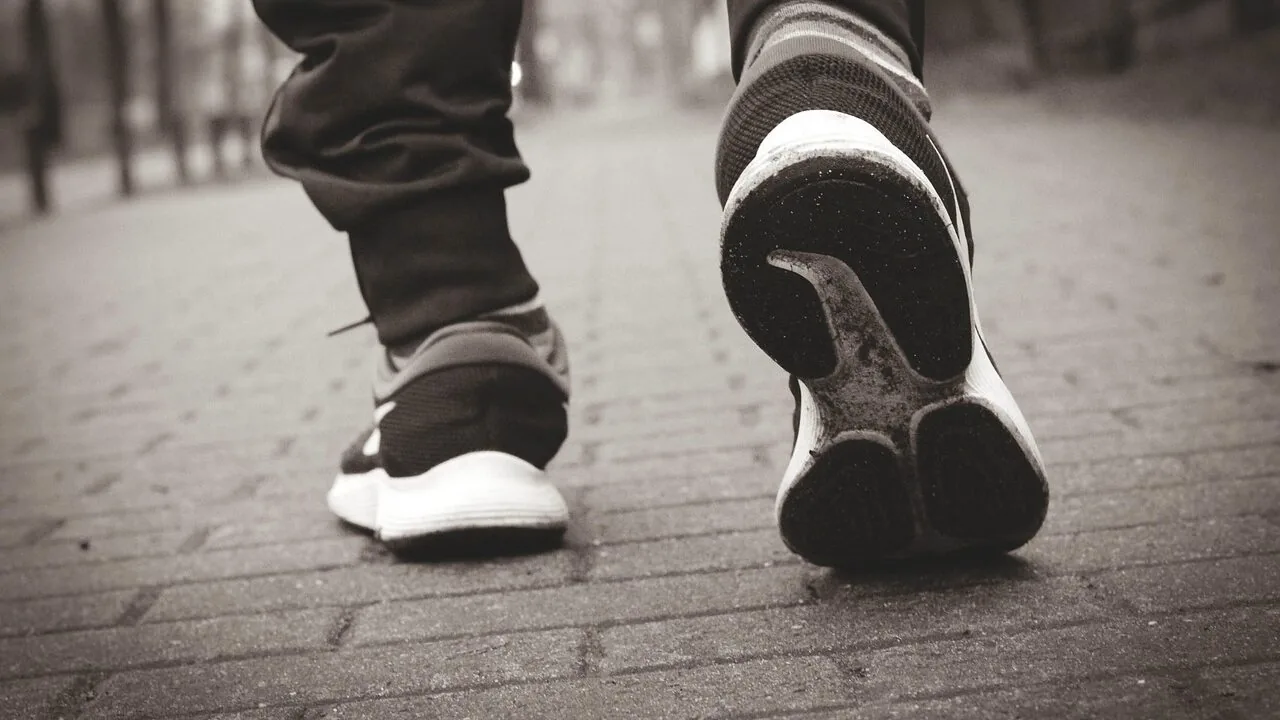
Finding the right pair of running shoes can genuinely change how you feel about every run, whether you’re logging easy miles around the neighborhood or grinding through long weekend training runs.
The wrong fit leads to blisters, fatigue, and even injury, while the right shoe keeps you comfortable, supported, and motivated to get back out the door.
With dozens of options across brands like ASICS, HOKA, Brooks, New Balance, and adidas, narrowing down the choices takes real research.
At ProductFind, we evaluated each model in this list through comprehensive research, drawing on published manufacturer specifications, expert review consensus from multiple sources, and verified buyer feedback from confirmed purchasers.
Whether you need maximum cushioning, motion-control support, a trail-ready option, or a wallet-friendly everyday trainer, this guide covers the top picks across every category. Scroll down to see our full ranked list.
| Award | Product | PF Score About PF ScoreThe PF Score is our own rating from 0 to 10, based on performance, design and build, ease of use, and value. It reflects independent research and is never influenced by manufacturers, retailers, or affiliate commissions. Learn more › | Price | |
|---|---|---|---|---|
| Best Overall |
 ASICS NovaBlast 5 Men's Running Shoes
|
8.1/10 | Buy | |
| Editor's Pick |
 Hoka Bondi 9 Men's Road Running Shoe
|
8.7/10 | Buy | |
| Best Value |
 Brooks Adrenaline GTS 25 Wide Running Shoe
|
8.4/10 | Buy | |
| Top Rated |
 Brooks Ghost 16 Neutral Road Running Shoe
|
7.8/10 | Buy | |
 ASICS Noosa TRI 16 Road Running Shoes
|
7.7/10 | Buy | ||
 New Balance 410 V9 Trail Running Shoe
|
7.0/10 | Buy | ||
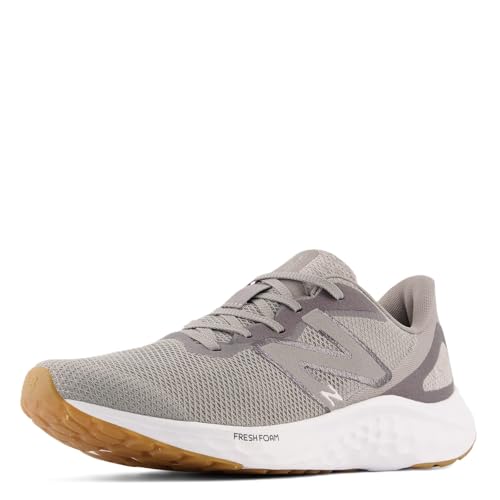 New Balance Fresh Foam Arishi V4 Running Shoe
|
6.8/10 | Buy | ||
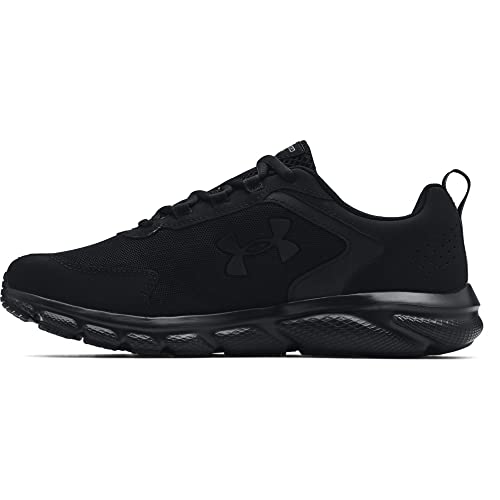 Under Armour Charged Assert 9 Running Shoe
|
5.8/10 | Buy | ||
 Adidas Lite Racer Adapt 7.0 Men's Slip-On
|
5.2/10 | Buy |
ASICS NovaBlast 5 Men's Running Shoes
ASICS's NovaBlast 5 delivers lightweight cushioning and responsive bounce through FF BLAST MAX technology and a trampoline-inspired outsole. The breathable mesh upper and reflective details make it a solid choice for daily road running, though buyer feedback is limited.
Pros
- FF BLAST MAX cushioning technology provides lightweight, energetic responsiveness
- Trampoline-inspired outsole delivers bounce-back feel for road running
- Tongue wing construction minimizes shifting during runs
- Reflective details enhance visibility in low-light conditions
- Breathable mesh upper supports airflow during longer efforts
Cons
- No verified buyer reviews available to assess real-world durability or fit consistency
- Lightweight design (2 pounds) may appeal less to runners seeking maximum cushioning
- Limited user feedback makes it difficult to evaluate long-term comfort for different foot shapes
Hoka Bondi 9 Men's Road Running Shoe
Hoka's Bondi 9 is a cushioned road running shoe built with engineered mesh uppers and textile lining. Designed for runners seeking maximum comfort on daily runs, though limited verified feedback exists for this specific colorway and size.
Pros
- Engineered mesh upper promotes airflow during runs
- Lightweight construction reduces foot fatigue
- Textile lining provides cushioning and comfort
- Standard medium width option accommodates regular fit
Cons
- No verified buyer reviews available for this specific model, making real-world performance assessment difficult
- 4.8 star rating lacks sufficient review data to validate performance claims
- Limited information on durability and long-term wear characteristics
Brooks Adrenaline GTS 25 Wide Running Shoe
A supportive road running shoe built for runners and walkers who need stability without sacrificing comfort. The GuideRails system manages excess motion while nitrogen-infused DNA LOFT v3 cushioning keeps each stride smooth, and it carries APMA and PDAC diabetic certifications for added credibility.
Pros
- Certified diabetic shoe with APMA approval, signaling medical-grade support standards
- GuideRails technology actively manages pronation and excess motion for stability-focused runners
- Wide width option accommodates runners needing roomier fit without sacrificing structure
- Balanced cushioning approach avoids excessive softness that can feel unstable for support seekers
Cons
- No verified user reviews available yet to confirm real-world durability and comfort consistency
- Premium support features typically command higher price points than neutral trainers
- Limited color options at launch (single White/Black/White colorway listed)
Brooks Ghost 16 Neutral Road Running Shoe
A lightweight neutral running shoe designed for smooth, distraction-free rides on road and track. The Ghost 16 combines soft nitrogen-infused cushioning with breathable mesh upper, making it suitable for daily training, walking, and cross training.
Pros
- Certified diabetic shoe with APMA endorsement, expanding accessibility
- Segmented Crash Pad technology provides smooth transitions throughout stride
- Carbon neutral certified, appealing to environmentally conscious runners
- Available in wide sizing for better fit customization
- Versatile enough for road running, walking, cross training, and gym use
Cons
- No verified buyer reviews available to assess real-world durability and fit consistency
- Neutral support only, not suitable for runners requiring stability or motion control
- Limited color option shown in this listing
ASICS Noosa TRI 16 Road Running Shoes
A lightweight road running shoe built for comfort and responsiveness, featuring ASICS' softest FF BLAST PLUS cushioning and adaptive stability tech. Best suited for runners seeking a plush yet responsive daily trainer with eco-conscious construction.
Pros
- Lightweight construction paired with ASICS' softest cushioning technology
- Adaptive stability system provides on-demand support without excess weight
- Breathable mesh upper keeps feet cool during runs
- Sustainable production process reduces environmental impact
Cons
- No verified buyer reviews available to assess real-world durability
- Premium road running shoe positioning may not suit budget-conscious buyers
- Limited color options with this specific Midnight Blue/Lime Burst colorway
New Balance 410 V9 Trail Running Shoe
A mid-range trail runner built for mixed terrain with Fresh Foam and BIO Foam cushioning for comfort on long outings. The reinforced construction and all-terrain tread suit hikers and trail runners seeking reliable grip and durability.
Pros
- Layered foam technology combines responsive feel with underfoot comfort
- Versatile tread works on varied surfaces from dirt trails to pavement
- Reinforced construction balances protection with cooling airflow for extended wear
- Traditional lace closure enables precise fit adjustments for steep or technical ground
Cons
- No verified customer reviews available to confirm real-world performance
- Not specifically designed for extreme trail conditions or technical climbing
New Balance Fresh Foam Arishi V4 Running Shoe
A versatile running shoe built around New Balance's Fresh Foam midsole technology, designed for both training runs and casual wear. The mesh upper prioritizes breathability while no-sew overlays reduce weight without sacrificing durability.
Pros
- Fresh Foam midsole provides reliable cushioning across varied running conditions
- Lightweight construction through no-sew overlay technology
- 6mm drop encourages efficient, natural running mechanics
- Mesh design supports breathability during workouts
- Suitable for both dedicated runs and everyday casual wear
Cons
- No verified buyer reviews available to assess real-world durability or fit consistency
- Limited color options, with only one colorway listed
Under Armour Charged Assert 9 Running Shoe
Under Armour's Charged Assert 9 combines lightweight mesh breathability with durable leather overlays and responsive cushioning for everyday running. The compression molded EVA midsole and rubber outsole focus on comfort and durability without excess weight.
Pros
- Breathable mesh construction keeps feet cool during runs
- Responsive cushioning provides good shock absorption and support
- Durable outsole covers key wear areas efficiently
- EVA sockliner offers immediate comfort without break-in
Cons
- No verified buyer reviews available to assess real-world durability and fit consistency
- Limited sizing feedback means fit tolerance may vary by individual
- Leather overlays may require maintenance to preserve durability
Adidas Lite Racer Adapt 7.0 Men's Slip-On
A casual slip-on sneaker with Cloudfoam cushioning and a stretchy textile upper designed for everyday comfort. Built with at least 20% recycled materials, though sizing runs small and requires half-size adjustment.
Pros
- Slip-on convenience combined with adjustable lace fit for secure wear
- Soft, flexible textile upper provides all-day comfort
- Cloudfoam cushioning offers responsive support
- Incorporates recycled materials for eco-conscious buyers
Cons
- Runs small, requiring purchase of half-size up
- No verified buyer reviews available yet to assess real-world durability
- Marketed as road running but slip-on construction may lack support for serious running
Running Shoes for Men Buying Guide
Choosing the right running shoe involves a lot more than picking a color or a brand you recognize. The ideal pair depends on your gait, your terrain, your weekly mileage, and how your foot is shaped.
The sections below walk through the criteria that matter most, so you can match a shoe to your actual needs rather than just marketing language.
Pairing great footwear with reliable fitness tracking is easier when you also have a capable smartwatch on your wrist to monitor pace, distance, and heart rate.
Cushioning and Energy Return

Cushioning is arguably the single most discussed attribute in running footwear, and for good reason. The midsole foam absorbs impact on each footstrike and, in higher-performance shoes, springs energy back into your stride.
Softer foams feel plush and forgiving on long runs, while firmer foams tend to feel more responsive and are often preferred by runners who want ground-feel or a faster tempo.
Maximum-cushion options like HOKA’s Bondi line use thick, wide midsoles to dramatically reduce joint stress, making them popular among high-mileage runners and those coming back from injury.
More moderate cushioning, like what you find in Brooks Ghost or ASICS Novablast platforms, balances comfort with a livelier ride.
If you run mostly on pavement and your knees or hips tend to feel beaten up after long efforts, prioritizing cushion height is a smart starting point.
Energy return is related but distinct. A foam that returns energy feels like it pushes back slightly with each step, reducing the muscular effort needed to maintain pace.
Premium foams from ASICS (FF BLAST+) and HOKA (CMEVA) are specifically engineered for this.
Budget-tier shoes typically use simpler EVA foams that absorb well but return less energy, which is a reasonable trade-off for casual runners logging fewer miles per week.
Stability and Gait Support

Runners who overpronate (where the foot rolls inward excessively on landing) often benefit from a stability or supportive shoe rather than a neutral one.
Stability features typically include a denser foam segment along the medial (inner) edge of the midsole, which gently guides the foot through a more neutral motion cycle without forcing an unnatural correction.
Brooks’ Adrenaline GTS line has long been a benchmark for supportive running shoes, praised across expert reviews for delivering reliable medial support without feeling stiff or heavy.
Neutral runners, on the other hand, generally do best in shoes without added stability elements, since these allow the foot to move through its natural motion pattern freely.
If you’re unsure of your gait type, a visit to a specialty running store for a brief gait analysis is worth the time before spending on a premium shoe.
Wide-fit availability is another dimension of support worth checking.
Several options in this list, including the Brooks Ghost 16 and Adrenaline GTS 25, are available in wide widths, which matters significantly for runners with broader forefeet who otherwise experience pinching or blistering in standard D widths.
A shoe that fits properly across the widest part of the foot reduces fatigue and friction over long distances.
Heel-to-Toe Drop
Heel-to-toe drop (sometimes called offset or pitch) refers to the height difference in millimeters between the heel stack and the forefoot stack.
A higher drop, typically 8mm to 12mm, positions the heel higher than the toe and naturally encourages a heel-strike landing pattern.
A lower drop, from 0mm to 4mm, promotes a midfoot or forefoot strike and places more demand on the calves and Achilles tendon.
Most traditional road running shoes sit in the 8mm to 12mm range, which works well for the majority of runners.
Transitioning to a lower-drop shoe should be done gradually to avoid straining tendons that are not conditioned for the change in load.
If you have a history of Achilles or calf issues, a moderate-to-high drop shoe is generally the safer choice until those tissues are fully conditioned.
Outsole Grip and Terrain Suitability
Road running shoes are optimized for pavement and smooth surfaces. Their outsoles use shallower rubber lug patterns designed for durability and low rolling resistance on hard ground.
Trail running shoes, by contrast, feature deep multidirectional lugs, reinforced toe caps, and sometimes a protective rock plate in the midsole to handle uneven, loose, or muddy terrain. Using a road shoe on aggressive trails accelerates wear and reduces traction.
The New Balance 410 V9 in this list represents a light trail option with enough grip for packed dirt and moderate trails while remaining comfortable for occasional road use.
Dedicated road shoes like the ASICS Novablast 5 or HOKA Bondi 9 are not suitable replacements for technical trail running. If you split time between roads and light trails, a hybrid or trail-oriented shoe is worth considering as a second pair.
Breathability and Upper Construction
The upper of a running shoe determines fit, feel, and how well your foot stays cool during runs. Most modern road shoes use engineered mesh uppers that offer a balance of breathability and structure.
A well-ventilated upper is especially important for warm-weather running or for runners whose feet run hot, since overheating accelerates fatigue and increases blister risk.
Fit through the midfoot and heel is largely determined by overlays, lacing systems, and heel collar padding. A secure heel lockdown prevents slipping, which causes blisters on longer efforts.
Toe box room is equally important: your longest toe should have roughly a thumb’s width of space at the front of the shoe to account for natural foot swelling during runs.
Several runners consistently note in verified feedback that sizing up half a size in HOKA and Brooks models provides better toe clearance on longer distances.
Value and Long-Term Durability

Running shoes have a finite lifespan measured in miles, typically between 300 and 500 miles for most road trainers before the midsole foam loses meaningful cushioning.
Budget-friendly options like the Under Armour Charged Assert 9 and adidas Lite Racer Adapt offer accessible entry points for casual runners or gym use, but their simpler foam compounds compress and wear faster than premium options.
Mid-range and premium picks from Brooks, HOKA, and ASICS use more advanced foam technologies that hold up better over higher mileage, making their higher upfront cost more justifiable for runners who train consistently.
Evaluating cost per mile rather than sticker price alone often makes the premium options the better long-term value for dedicated runners.
Tracking your mileage with a pair of wireless earbuds to listen to your running app’s audio cues is a simple way to stay on top of shoe rotation schedules.
Why You Should Trust Us
ProductFind is an independent review publication. We do not sell products, fulfill orders, or handle returns. Every recommendation on this site is the result of structured research and editorial analysis, not paid placement or brand relationships.
Each shoe in this list was assessed using our standardized PF Score framework, which rates products on a scale of 0 to 10.
Scores are derived from a synthesis of published manufacturer specifications, expert review consensus across multiple credible sources, and verified buyer feedback from confirmed purchasers.
We do not conduct our own product trials; our evaluations are grounded in research, published data, expert review consensus, and verified buyer feedback.
This methodology allows us to evaluate a broad range of products consistently and update recommendations as new data emerges.
ProductFind may earn a commission if you purchase through a link on this page. That affiliate relationship has no influence on our rankings, scores, or which products are included.
Products are selected and ranked based on merit as determined by our research criteria, not on commission rate or brand preference.
Our goal is to give you the clearest, most honest picture of each product so you can make a confident decision.
Final Thoughts
The running shoe market in 2026 is genuinely strong across every price tier, and the picks in this list reflect real breadth: from max-cushion daily trainers to supportive stability shoes to budget-friendly gym companions. Here is how we would summarize the standouts by use case.
- Best Overall: HOKA Men’s Bondi 9 earns the top PF Score in this group with its industry-leading cushion stack, smooth heel-to-toe transition, and broad appeal for everything from recovery runs to long-distance training.
- Best Supportive Trainer: Brooks Men’s Adrenaline GTS 25 remains one of the most trusted stability running shoes available, consistently praised by expert reviewers and everyday runners alike for its GuideRails support system and comfortable ride.
- Best Daily Trainer: ASICS Men’s Novablast 5 delivers an energetic, versatile ride at a competitive price for a performance shoe, making it the go-to pick for runners who want one shoe that handles most of their training load.
- Best Mid-Range Pick: Brooks Men’s Ghost 16 continues to be a dependable neutral trainer with a plush, accommodating fit, ideal for runners who want a reliable everyday shoe without stepping into premium pricing territory.
- Best Budget Pick: New Balance Men’s Fresh Foam Arishi V4 punches well above its budget price with a genuinely comfortable Fresh Foam midsole, making it an excellent entry point for new runners or those needing a low-cost training backup.
No matter which direction your training takes you, investing in footwear that suits your specific gait and terrain pays dividends in comfort and injury prevention.
Rounding out your fitness routine with the right gear, from quality multivitamins for recovery support to a well-chosen grooming routine aided by reliable beard trimmers, helps you show up to every run at your best.
Frequently Asked Questions
How do I know if I need a stability or neutral running shoe?
The easiest way to determine this is a gait analysis at a specialty running store, which most offer for free. Overpronators (foot rolls inward) typically benefit from stability features, while neutral runners and underpronators do best in neutral shoes.
Checking the wear pattern on an old pair of shoes is also a practical indicator: heavy inner-edge wear suggests overpronation.
How often should I replace my running shoes?
Most running shoes are designed to last between 300 and 500 miles before the midsole foam breaks down enough to reduce protection. Heavier runners or those running on hard surfaces may see compression happen closer to the 300-mile mark.
A noticeable increase in leg fatigue or soreness after runs that previously felt fine is often the clearest signal that it is time for a new pair.
Can I use road running shoes for light trail running?
Road shoes can handle packed gravel paths and groomed park trails reasonably well, but they are not designed for loose dirt, roots, or technical terrain.
For moderate trails, a hybrid trail shoe like the New Balance 410 V9 offers a better balance of grip and road comfort.
Using a pure road shoe on wet or rocky trails increases the risk of slipping and wears out the outsole rubber faster.
Is it worth spending more on a premium running shoe?
For runners logging more than three days per week, a premium shoe with advanced foam technology typically holds up better and delivers more consistent cushioning and energy return over the life of the shoe.
Budget options are perfectly serviceable for casual use, gym workouts, or new runners still building a routine. As your mileage climbs, the investment in a higher-tier shoe tends to pay off in comfort and longevity.
What should I look for when running in hot weather?
Prioritize an engineered mesh upper with open ventilation zones to maximize airflow and moisture management. A well-ventilated shoe reduces internal temperature and slows the onset of hot spots that lead to blisters.
Lighter overall shoe weight also helps in warm conditions, since less mass means less heat generated with each stride. Staying hydrated and monitoring your exertion with a capable fitness smartwatch adds an extra layer of safety on hot days.
Should I buy running shoes in my normal shoe size?
Running shoes generally fit best when sized up by half a size from your everyday footwear.
Feet swell during runs, and your longest toe needs clearance at the front of the shoe to avoid bruising or nail damage on longer efforts.
Width matters too: if your forefoot feels compressed in a standard width, look for models that offer wide (2E) or extra-wide (4E) sizing, several of which are represented in this list.
About the author
Daryl is a reviewer and writer for ProductFind who specializes in Shoes. Daryl evaluates products through independent research: specifications, expert review consensus, and verified buyer feedback, and rates each one on the PF Score. Daryl focuses on helping readers pick the right shoe for their needs and budget.