The 9 Best Self Propelled Lawn Mowers
Choosing a self-propelled mower means balancing power source, drive type, and runtime for your yard size. Here are the top picks across battery and gas categories.
 By Heidi Moreno
Updated July 23, 2026
By Heidi Moreno
Updated July 23, 2026
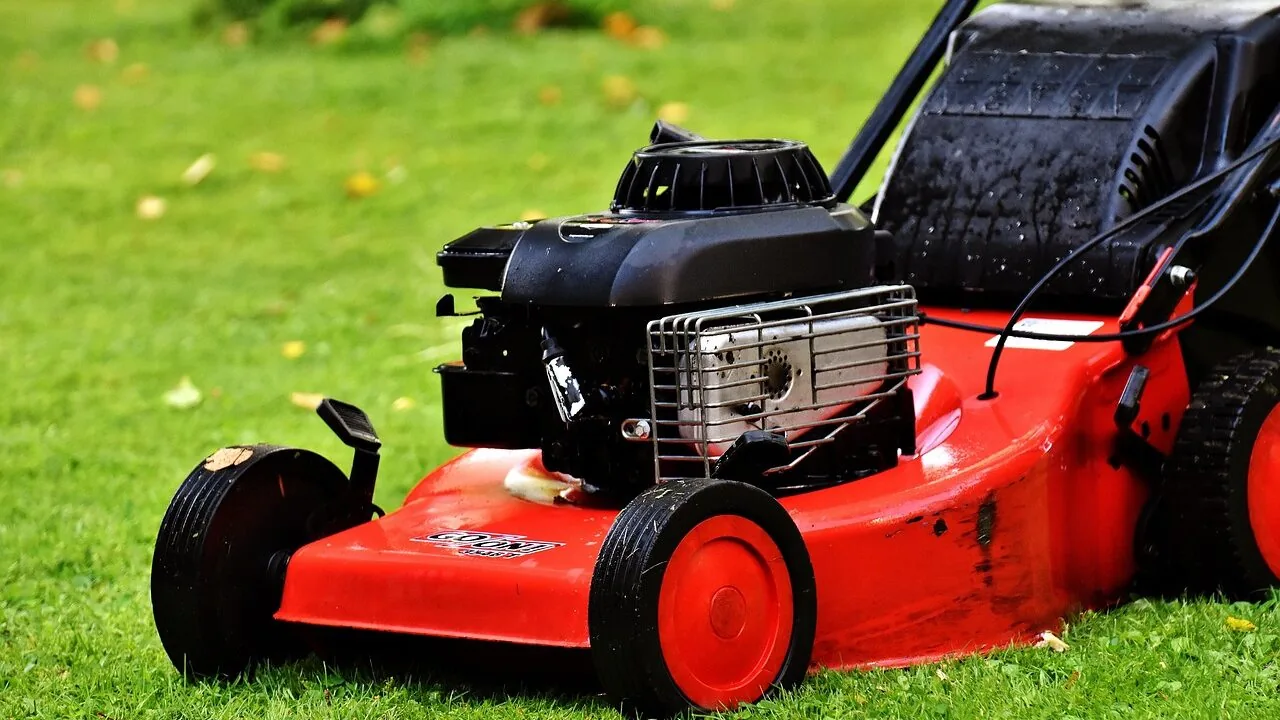
A self-propelled lawn mower is one of the smartest investments a homeowner can make. Instead of wrestling a heavy machine across uneven terrain, you simply guide it, the drive system does the hard work.
Whether your yard is a compact suburban lot or a sprawling half-acre with slopes and tight corners, the right self-propelled mower makes every session noticeably faster and less tiring.
The category has grown dramatically in recent years: battery-powered models from brands like EGO Power+, Greenworks, Honda, and SENIX now rival gas alternatives on runtime and cutting performance, while true gas-powered walk-behinds continue to offer raw power at a lower upfront cost.
This guide covers nine of the most competitive walk-behind self-propelled mowers on the market right now, spanning cordless electric, gas-powered, and budget-friendly options.
ProductFind researched each model through a synthesis of manufacturer specifications, expert review consensus, and verified buyer feedback, so you can shop with confidence regardless of your yard size, terrain, or preferred power source.
Read on to see which model made the top of our list.
| Award | Product | PF Score About PF ScoreThe PF Score is our own rating from 0 to 10, based on performance, design and build, ease of use, and value. It reflects independent research and is never influenced by manufacturers, retailers, or affiliate commissions. Learn more › | Price | |
|---|---|---|---|---|
| Best Overall |
 EGO 21-Inch Self-Propelled Cordless Mower
|
8.7/10 | Buy | |
| Editor's Pick |
 Honda HRX217YXBEXA6 21-Inch Battery Lawn Mower
|
8.3/10 | Buy | |
| Best Value |
 Greenworks 60V 21" Self-Propelled Cordless Mower
|
8.1/10 | Buy | |
| Top Rated |
 SENIX X6 60V 21-Inch Self-Propelled Mower
|
7.6/10 | Buy | |
 Greenworks 80V 21in Self-Propelled Cordless Mower
|
7.4/10 | Buy | ||
 Greenworks 80V 21" Self-Propelled Cordless Mower
|
7.2/10 | Buy | ||
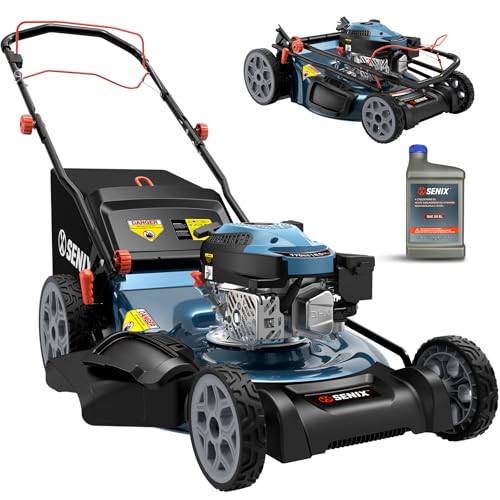 SENIX 22-Inch 170cc Self-Propelled Lawn Mower
|
6.8/10 | Buy | ||
 SENIX 21-Inch Self-Propelled Gas Mower
|
6.5/10 | Buy | ||
 Neobitat 40V 18-Inch Self-Propelled Cordless Mower
|
5.8/10 | Buy |
EGO 21-Inch Self-Propelled Cordless Mower
This battery-powered mower delivers gas-level cutting torque in a quieter, lower-maintenance package with up to 50 minutes of runtime per charge. The dual-toggle self-propel system and 3-in-1 cutting options make it practical for residential lawns, though runtime may require a second battery for larger properties.
Pros
- Torque output exceeds comparable gas models while producing less noise and vibration
- Included 6.0Ah battery and 320W charger ready to use out of box
- Adjustable handle height and multiple cutting modes accommodate different lawn types
- Brushless motor design promises durability with minimal upkeep
Cons
- 50-minute runtime may require a second battery for properties over half an acre
- No verified buyer reviews available to confirm real-world performance claims
- 21-inch deck is standard but narrower than some gas-powered alternatives
Honda HRX217YXBEXA6 21-Inch Battery Lawn Mower
Honda's battery-powered walk-behind mower delivers gas-engine power without the emissions, featuring a 12 AH lithium-ion battery rated for about 45 minutes per charge. The 4-in-1 Versamow system mulches, bags, and discharges clippings with a twin-blade MicroCut design, while variable-speed self-propulsion and seven adjustable cutting heights suit most residential yards.
Pros
- Honda brand reliability with extensive parts availability and service support
- Twin-blade MicroCut system produces finer clippings for a cleaner lawn
- Button-controlled variable speed makes adjusting pace intuitive during mowing
- 45-minute runtime covers approximately 0.37 acre per charge, suitable for small to medium yards
- Comprehensive safety features including blade control button and automatic shutoff
Cons
- Single 12 AH battery included has limited runtime; extending mowing sessions requires purchasing a second battery separately
- No verified buyer reviews available to assess long-term reliability or real-world performance
- 45-minute runtime may be insufficient for larger properties without battery swapping
Greenworks 60V 21" Self-Propelled Cordless Mower
A battery-powered, self-propelled mower built for yards up to 3/4 acre, featuring a 60V brushless motor, dual 4.0Ah batteries, and quiet operation without gas maintenance. Best suited for homeowners seeking cordless convenience with ecosystem compatibility across 75+ Greenworks tools.
Pros
- Quiet operation and zero emissions, no gas maintenance required
- Substantial cutting versatility with 4-in-1 functionality and LED lights
- Self-propelled system reduces physical effort on inclines
- Two included batteries and rapid charger support extended runtime
- Strong warranty coverage and broad tool ecosystem compatibility
Cons
- Performance varies by terrain and technique, so 3/4 acre coverage is not guaranteed
- Heavy at 65 pounds, which can make storage and transport cumbersome
- No verified buyer reviews available to confirm real-world reliability
SENIX X6 60V 21-Inch Self-Propelled Mower
A cordless self-propelled mower with 60-minute runtime and 3-in-1 cutting versatility, designed for residential lawns without gas engine hassle. Features smart display feedback and HOA-approved performance, though it arrives with separate shipping for mower and battery.
Pros
- 60-minute runtime on single 8Ah charge handles large yards on battery power
- Self-propelled drive adapts to walking pace, reducing user fatigue
- 3-in-1 system lets you mulch, bag, or side discharge based on lawn conditions
- Integrated LED lights enable low-light mowing
- Single-point height adjustment simplifies cut customization
- Folding handle saves storage space
Cons
- Mower and battery ship separately and may arrive on different dates
- No customer reviews available yet to verify real-world performance claims
- Battery dependent, so runtime decreases as battery ages over time
Greenworks 80V 21in Self-Propelled Cordless Mower
A battery-powered self-propelled mower built for residential yards up to half an acre, combining quiet operation with variable speed control and multiple cutting modes. The brushless motor and LED headlight add durability and early-morning flexibility, though the 4.0Ah battery capacity will determine runtime based on grass density.
Pros
- Self-propelled system reduces fatigue on larger residential lots
- Brushless motor delivers consistent power with low noise compared to gas alternatives
- LED headlight and quiet operation enable flexible mowing times
- Versatile 4-in-1 deck adapts to different lawn care needs
- Part of larger 80V ecosystem expands tool utility for existing Greenworks owners
Cons
- Battery runtime varies significantly based on grass thickness and mowing technique, limiting predictability on dense lawns
- No customer reviews available yet to verify real-world performance and reliability
- Moderate weight at 75 pounds may challenge some users despite self-propulsion
Greenworks 80V 21" Self-Propelled Cordless Mower
An 80V cordless mower with self-propulsion and a brushless motor that delivers up to 45 minutes of runtime on a single 4.0Ah battery charge. The 21-inch steel deck, SmartCut technology, and 3-in-1 cutting options make it practical for mid-to-large yards without gas maintenance.
Pros
- Self-propelled with variable speed control for easier handling on larger lawns
- Brushless motor provides more torque and longer lifespan than brushed alternatives
- SmartCut technology automatically adjusts power based on grass density
- 3-in-1 functionality allows mulching, rear bagging, or side discharge
- Maintenance-free operation with no gas, oil, or emissions
- Vertical storage option saves garage space
Cons
- 45-minute runtime varies significantly based on grass conditions and user technique, potentially requiring a second battery for larger properties
- No verified buyer reviews available to assess real-world reliability and longevity
- 64-pound weight may be tiring for extended use despite self-propulsion
SENIX 22-Inch 170cc Self-Propelled Lawn Mower
A compact self-propelled mower built for small to medium yards, combining a 170cc engine with a 3-in-1 cutting system (mulch, side discharge, rear bagging). The 22-inch deck and adjustable cutting height make it practical for varied lawn conditions, though it's single-speed and lacks the power features of larger models.
Pros
- Versatile 3-in-1 cutting system gives flexibility for different lawn maintenance needs
- Foldable handle and vertical storage design saves garage space
- 6-position height adjustment accommodates various grass lengths
- Rear wheels (11 inches) larger than front (8 inches) for better terrain handling
- Complete starter package includes bagger, mulch plug, and oil
Cons
- Single-speed self-propulsion limits pace customization for different terrain types
- No customer reviews available to validate real-world durability and ease of use
- 72.8-pound weight may be difficult to maneuver for some users, especially on slopes
SENIX 21-Inch Self-Propelled Gas Mower
A forward-drive self-propelled mower with a 170cc engine and 21-inch cutting width designed for yards up to one-third acre. The 3-in-1 deck handles mulching, side discharge, and bagging, with six cutting height positions and dual-lever adjustment for flexibility.
Pros
- Versatile 3-in-1 deck gives cutting flexibility without additional purchases
- Self-propelled operation with easy maneuverability around obstacles via front-wheel lift
- Durable high-strength steel deck with vortex design reduces maintenance
- 6 cutting height positions accommodate different grass types and lawn preferences
- Pre-filled oil allows quick startup with minimal setup
Cons
- Front-wheel drive design works best on relatively flat yards and may struggle on steep slopes
- No customer reviews available yet to verify real-world durability and long-term reliability
- Fuel consumption of approximately 27 oz per hour means frequent refueling for larger properties
Neobitat 40V 18-Inch Self-Propelled Cordless Mower
A self-propelled cordless mower with dual 5.0Ah batteries, 18-inch cutting deck, and variable-speed rear-wheel drive suited for residential yards. Offers both mulching and bagging modes with adjustable cutting heights from 0.98 to 2.95 inches.
Pros
- Brushless motor with dual 20V battery system provides reliable cordless operation without gas or fumes
- Self-propulsion eliminates the need for manual pushing, reducing operator fatigue on larger properties
- Large 50-liter grass bag reduces interruptions for emptying during typical mowing sessions
- Flexible 6-position height and 3-position handle adjustments support different grass types and user ergonomics
- Batteries cross-compatible with other tools on the same platform adds long-term value
Cons
- No verified buyer reviews available to assess real-world durability and actual runtime performance
- Self-propulsion relies on variable-speed drive that may struggle on steeper grades despite claim of handling slight inclines
- 18-inch deck is narrower than gas-powered alternatives, potentially requiring more passes on larger yards
Self Propelled Lawn Mowers Buying Guide
Shopping for a self-propelled mower feels straightforward until you start comparing specs. Drive type, power source, deck width, and cutting versatility all interact in ways that can make or break the ownership experience.
The sections below break down each factor with practical guidance rooted in what buyers and professionals consistently flag as decision points.
Drive Type: Front-Wheel vs. Rear-Wheel Drive
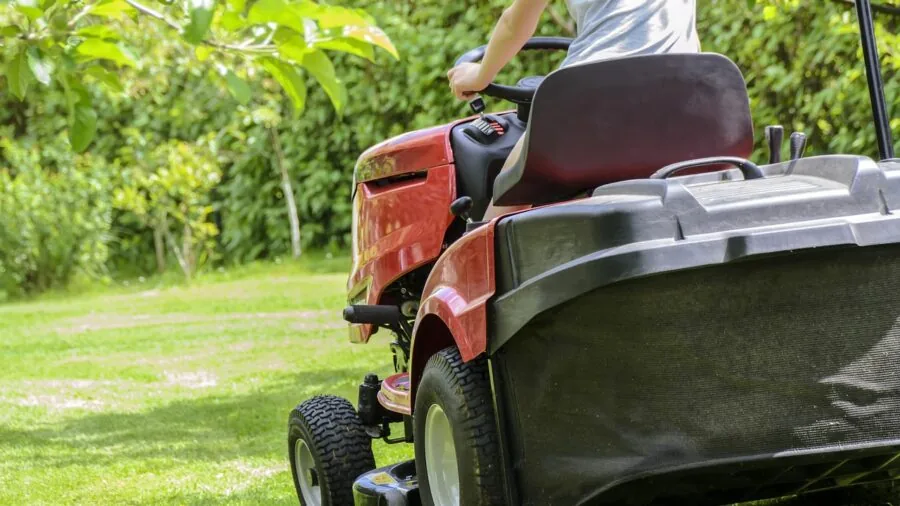
Self-propelled mowers route power to either the front or rear wheels, and the difference is meaningful in practice.
Front-wheel drive (FWD) models are nimble and easy to pivot around garden beds or obstacles, a good match for smaller, flat lawns with lots of landscaping to navigate.
Because the front wheels are the drive wheels, lifting the front slightly disengages propulsion, making tight turns feel natural.
Rear-wheel drive (RWD) models deliver better traction on inclines and thick grass because the weight of the engine or motor sits over the driven wheels.
If your yard has significant slopes or you frequently mow heavy spring growth, rear-wheel drive is worth the slight trade-off in maneuverability. Several of the models in this guide, including the Greenworks 60V, use rear-wheel drive specifically for this reason.
Variable-speed drive controls, which let you dial in pace instead of choosing between on and off, further improve comfort on any terrain.
Power Source: Battery vs. Gas
The battery-versus-gas debate is closer than it has ever been.
Modern 40V to 80V brushless cordless mowers deliver cutting power that satisfies most residential users, with runtimes that comfortably cover a quarter- to half-acre on a single charge or paired battery set.
The benefits are real: no fuel mixing, dramatically reduced maintenance, quieter operation, and zero exhaust fumes.
Brands like EGO Power+ and Greenworks have invested heavily in brushless motor efficiency and rapid-charge platforms, which means a depleted battery is less of an inconvenience than it used to be.
Gas mowers still hold advantages for large lots over half an acre, very thick or overgrown grass, and situations where charging infrastructure is unavailable.
A gas tank refills in seconds, while even a rapid charger takes 30 to 60 minutes to restore a depleted pack.
The SENIX gas models in this guide occupy the budget end of the gas category, offering reliable 170cc 4-cycle engines without the premium cost of branded alternatives.
If you are weighing whether to go fully autonomous for a smaller yard, a robotic lawn mower might also be worth considering as a complementary tool.
Deck Width and Cutting Height Range
Deck width determines how much grass you cut with each pass, directly affecting how long each mowing session takes.
An 18-inch deck works adequately for compact yards or areas with tight access points, but a 21-inch or 22-inch deck is the sweet spot for most homeowners with quarter-acre to half-acre properties.
Wider decks mean fewer passes and faster completion, though they also add bulk when navigating narrow gates or garden paths.
Cutting height range is equally important. A wide range, typically from around 1.5 inches up to 4 inches, lets you adapt to seasonal conditions, grass type, and personal preference. Most quality mowers offer six or more height positions.
Single-lever height adjustment, which moves all four wheels simultaneously, is a convenience feature worth seeking out; it is standard on premium models like the Honda HRX-BE but sometimes omitted on budget mowers.
For a broader look at how self-propelled models fit within the overall landscape of walk-behind and riding lawn mowers, that guide covers the full range of options.
Cutting Modes: Mulching, Bagging, and Side Discharge
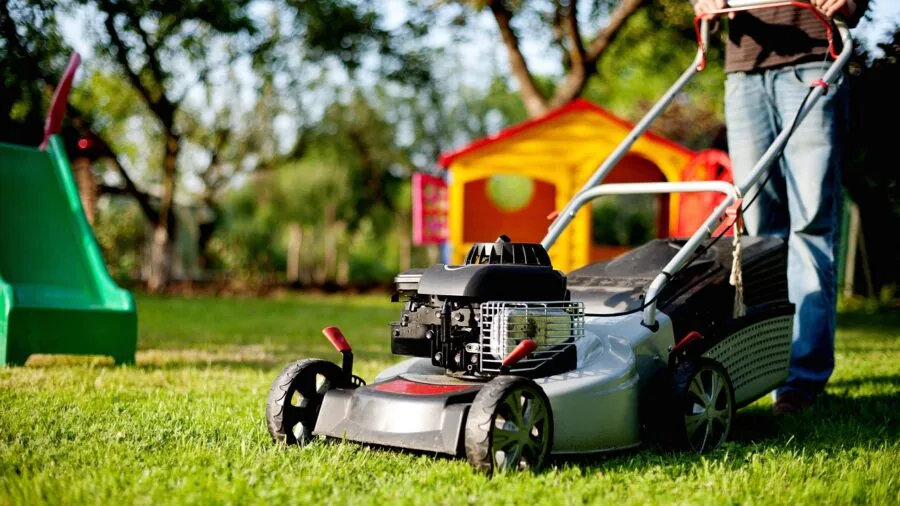
Most self-propelled mowers in this guide offer 3-in-1 or 4-in-1 functionality, meaning they can mulch clippings back into the lawn, collect them in an attached bag, or discharge them out the side.
Mulching is the most lawn-friendly option for regular mowing: finely chopped clippings decompose quickly and return nutrients to the soil. Bagging is preferred when grass is long or wet, or when neatness is a priority.
Side discharge is primarily useful when cutting overgrown growth that would otherwise clog the deck.
Bag capacity matters if you tend to bag frequently. A larger collection volume, such as the 2.2-bushel bag on the Honda HRX-BE, means fewer stops to empty during a session.
If you are building out a full yard-care system, pairing a capable mower with smart sprinkler controllers can help you time watering to keep grass at an ideal height for easier mowing throughout the season.
Battery Platform Compatibility
If you already own cordless outdoor power tools, battery platform compatibility can significantly affect the total cost of ownership.
Greenworks markets both its 60V and 80V mowers as part of ecosystems with over 75 compatible tools, meaning existing batteries and chargers from trimmers, blowers, or chainsaws can carry over. EGO Power+ operates a similarly expansive 56V platform.
Buying into a brand ecosystem makes the initial investment in batteries pay off across multiple tools rather than just one.
If you are starting fresh without any existing cordless tools, evaluate each mower’s included battery configuration carefully. Dual-battery setups double usable runtime without requiring mid-session swaps, which matters for larger properties.
Rapid chargers, typically included with higher-tier models, reduce downtime significantly compared to standard chargers. Always check the charger’s rated output, a 320W charger replenishes a battery pack far faster than a 60W or 80W standard unit.
Build Quality, Warranty, and Long-Term Value

A mower’s deck material, handle construction, and drive mechanism quality all influence how long it holds up under regular use. Steel decks resist impacts but add weight; composite polymer decks are lighter and resist rust, which matters in humid climates.
Verified buyer feedback consistently flags handle ergonomics, blade engagement design, and the durability of drive cables as real-world differentiators that specification sheets rarely capture.
Warranty coverage reflects manufacturer confidence. Honda’s HRX-BE carries an industry-recognized warranty backed by a wide service network. Greenworks offers competitive multi-year coverage on its cordless lineup.
Budget models at the lower end of the price range typically carry shorter warranties with fewer authorized service locations, which is worth weighing against the lower upfront cost when calculating long-term value.
Consider what replacement blade, belt, or battery costs look like for each platform before committing.
Why You Should Trust Us
ProductFind is an independent review publication. We do not manufacture, sell, or distribute the products we cover, and we have no commercial relationship with any of the brands listed in this guide.
Every product is assessed using a consistent, multi-factor research framework and assigned a PF Score on a 0 to 10 scale, allowing direct comparison across models even when specifications differ significantly.
Our evaluation methodology for self-propelled lawn mowers draws on published manufacturer specifications, expert review consensus from established lawn-care and outdoor-power publications, and verified buyer feedback gathered from confirmed purchasers.
We do not conduct our own product trials; our evaluations are grounded in research, published data, expert review consensus, and verified buyer feedback.
This approach lets us analyze a broader set of real-world performance data than any single reviewer could accumulate alone, and it means our assessments reflect how each mower performs over time and across diverse conditions, not just in a single session.
ProductFind may earn a commission if you purchase through a link in this article. That relationship does not influence which products appear, how they are ranked, or the PF Score assigned to any model.
Affiliate relationships are disclosed transparently; our editorial recommendations are determined solely by research quality and buyer benefit.
Final Thoughts
The self-propelled mower market in 2026 offers genuinely excellent options at every price tier, from capable budget gas mowers to premium brushless cordless machines with sophisticated drive systems.
After analyzing the full field, here are our top category awards based on PF Score rankings and distinct strengths:
- Best Overall: EGO 21″ Self Propelled Mower With Dual Toggle Kit earns the top spot with the highest PF Score in this group. Its brushless motor, intuitive drive system, and strong ecosystem compatibility make it the most complete package for the widest range of homeowners.
- Best Premium Pick: Honda HRX-BE 21-Inch Battery Powered Lawn Mower delivers Honda’s legendary engineering in a cordless format, with dual battery bays, a generous grass bag, and variable-speed self-propulsion that justifies its place at the higher end of the price range.
- Best for Large Yards: Greenworks 60V 21″ Brushless Self-Propelled Mower pairs two 4.0Ah batteries with rear-wheel drive and IPX4 weather resistance, making it a strong match for properties that demand extended runtime and all-condition reliability.
- Best Value Cordless: SENIX X6 60V Max 21″ Self-Propelled Mower brings smart-display features and an 8Ah battery at a mid-range price point, offering genuine performance without the premium brand markup.
- Best Budget Gas Pick: SENIX 22″ Self Propelled Gas Lawn Mower is the most accessible entry point in this guide for buyers who prefer the simplicity of a gas fill-up over battery charging, with a no-fuss 170cc engine and easy-start design.
If you are still deciding between a self-propelled model and a fully autonomous option, our coverage of robotic mowers walks through how the two categories compare for different lawn types and maintenance preferences.
Frequently Asked Questions
What is the difference between front-wheel and rear-wheel drive on a self-propelled mower?
Front-wheel drive mowers are easier to maneuver around obstacles and work well on flat, landscaped yards.
Rear-wheel drive models offer better traction on slopes and in dense grass because drive power is applied at the heavier rear end of the machine. For most yards with any meaningful incline, rear-wheel drive is the more practical choice.
How long does a battery-powered self-propelled mower last on a single charge?
Runtime varies by battery capacity, motor efficiency, grass conditions, and drive-system engagement. Most quality brushless cordless mowers in the 40V to 80V range provide enough runtime to cover a quarter- to half-acre per charge or per battery pair.
Models with dual-battery setups, like the Greenworks 60V in this guide, can extend that coverage considerably. Manufacturers publish estimated runtimes, but verified buyer feedback typically reflects real-world results that are somewhat shorter in thick or wet grass.
Is a self-propelled mower worth it for a small yard?
For very small, flat yards under a quarter acre, a standard push mower is lighter and less expensive. However, even on smaller properties, self-propulsion reduces fatigue if you mow frequently, have any incline, or deal with thick grass varieties.
Many buyers with modest yards report that the drive system pays for itself in comfort over a full mowing season. If your yard is extremely compact, it is worth comparing compact self-propelled models against push mower alternatives before deciding.
Can I use the same batteries from my cordless tools on a self-propelled mower?
Yes, provided the mower and your other tools share the same brand platform and voltage. Greenworks 60V and 80V mowers are compatible with the brand’s full lineup of outdoor tools, and EGO Power+ operates a similar cross-product platform.
Before purchasing, confirm that your existing battery pack’s voltage and connector type match the mower you are considering. Compatibility within a single brand ecosystem is generally reliable, but packs from different manufacturers are not interchangeable.
How do I choose between mulching, bagging, and side discharge?
Mulching is the best default choice for most homeowners: finely cut clippings decompose into the lawn and return nutrients without requiring disposal. Switch to bagging when grass is overgrown or after a wet period, as clumping clippings can suffocate turf.
Side discharge is best reserved for very tall grass where the volume of clippings would overwhelm the deck. A 3-in-1 or 4-in-1 mower gives you flexibility to adapt to whatever your lawn demands on any given day.
What maintenance does a self-propelled mower require?
Cordless electric mowers need significantly less maintenance than gas models. Blade sharpening once or twice per season, deck cleaning after each use, and battery storage at an appropriate charge level cover most of the routine upkeep.
Gas mowers additionally require oil changes, air filter replacement, spark plug checks, and fuel stabilizer treatment before winter storage.
The reduced maintenance overhead of battery-powered mowers is one of the primary reasons many buyers are switching, particularly homeowners who previously found gas engine upkeep inconvenient.
About the author
Heidi is a reviewer and writer for ProductFind who specializes in Lawn & Garden. Heidi evaluates products through independent research: specifications, expert review consensus, and verified buyer feedback, and rates each one on the PF Score. Heidi focuses on helping readers pick the right lawn & garden for their needs and budget.