The 11 Best Smith Machines
Not all smith machines are built alike. Rail smoothness, cable ratio, frame gauge, and footprint all determine whether your home gym anchor lasts years or frustrates from month one.
 By Amelia Crawford
Updated July 23, 2026
By Amelia Crawford
Updated July 23, 2026
A Smith machine is one of the most versatile anchors you can put in a home gym.
The guided bar path adds a layer of safety for solo lifting, while integrated cable systems, lat pulldown stations, and leg press attachments can replace an entire rack of standalone machines.
As more lifters move serious training into garages and spare rooms, the market has expanded well beyond basic guided barbells into full-featured power systems from brands like Major Fitness, RitFit, Mikolo, ALTAS STRENGTH, Goimu, SNODE, and OPPSDECOR, each targeting a different budget, footprint, and training goal.
Choosing the right model means weighing weight capacity, rail smoothness, cable ratio, stack versus plate loading, ceiling clearance, and the realistic amount of floor space you can commit.
This guide draws on manufacturer specifications, expert review consensus across the fitness equipment space, and verified buyer feedback to surface the picks most likely to reward long-term use.
Read on for our ranked shortlist of the best smith machines available right now.

Major Fitness Drone MAX V Smith Machine, 2500 LB Capacity
An all-in-one home gym combining a Smith machine, power rack, dual lat pulldown systems, and cable crossover in one unit with 2500 lbs weight capacity. The 2-in-1 pulley ratio system and 18 adjustable stations offer customization for various exercises, though it requires significant floor space and assembly commitment.
Pros
- Consolidates 5+ machines into one footprint, reducing space requirements for a complete home gym
- Dual pulley ratios provide flexibility between true-weight strength work and higher-volume training with lighter plates
- Extensive adjustability with 18 J-cup positions and 18 cable stations accommodates different heights and exercise variations
- Robust steel frame with 2500 lbs capacity and 400 lbs dynamic Smith bar load rating handles serious strength training
- Lifetime support pledge provides long-term peace of mind for a significant equipment investment
Cons
- No verified user reviews available yet, limiting real-world feedback on durability and ease of setup
- Requires substantial floor space and professional assembly for a complex multi-station system
- Smith bar static load of 750 lbs may limit advanced lifters compared to dedicated squat racks

RitFit M2 3D Smith Machine with Cable Crossover
A multi-functional home gym combining 3D Smith machine movement with integrated cable crossover and selectorized weight stack, designed for serious lifters wanting commercial-grade equipment in a compact footprint. The 3D rail system reduces the straight-line constraints of traditional Smith machines, while 286.6lbs of weight stack eliminates manual plate loading.
Pros
- True 3D movement design with safety catches offers more natural barbell path than rigid Smith machines
- Selectorized weight stack eliminates need to load and unload plates manually
- Commercial-grade construction supports 2000lbs with millimeter-precision positioning
- Multi-station functionality covers Smith, cable crossover, and functional training in one frame
- Comprehensive warranty and 24/7 customer support included
Cons
- Ships in 13 separate boxes that may arrive on different days, requiring patience with delivery logistics
- No verified customer reviews available to assess real-world durability and assembly difficulty
- Requires significant floor space and assembly time despite compact design claims

RitFit M2 Pro 3D Smith Machine with 286LB Weight Stack
A comprehensive home gym combining a 3D Smith machine, dual cable pulleys, and power rack in one unit with 2000-pound capacity. The synchronized crossbar mimics free-weight motion, and the 286-pound precision weight stack enables detailed load adjustments without loose plates.
Pros
- 3D motion technology replicates natural free-weight arc unlike traditional fixed-path Smith machines
- Precision weight stack eliminates loose plate management and enables consistent micro-loading
- Extremely versatile all-in-one design reduces need for separate equipment
- Rock-solid stability with reinforced triangular support and wide base design
- Sealed-bearing pulleys and aluminum construction ensure smooth, durable cable system
Cons
- Large footprint of 68.75 x 47.76 x 86.14 inches requires substantial dedicated space
- No verified buyer reviews available to assess real-world durability and long-term performance
- Weight stack capped at 286 pounds may limit advanced lifters seeking higher resistance loads

Mikolo M4 2.0 Elite Smith Machine with Cable Crossover
A refined all-in-one home gym combining a linear bearing Smith machine with integrated lat pulldown and cable crossover attachments. Built from heavy-gauge steel with 34 adjustable height settings, it's designed for serious lifters seeking comprehensive compound and isolation work in limited space.
Pros
- Comprehensive attachment options (lat pulldown, cable crossover, dip bars) reduce need for additional equipment
- Enhanced frame rigidity and smoother bearing system compared to previous generation
- Organized storage keeps J-hooks, bars, and plates within reach and off the floor
- Wide height adjustment range (34 settings) accommodates various user heights and exercise variations
- Commercial-grade safety features (upgraded J-hooks, 18-inch catches) built for heavy lifting
Cons
- No customer reviews available to verify real-world durability and user experience
- Large footprint (71 x 74.7 x 87.2 inches) requires significant dedicated space
- Pulley color randomly assigned, limiting aesthetic customization options

SNODE ALL10 Smith Machine, 2000lb Capacity
An all-in-one home gym combining a smith machine, power rack, and cable crossover system with leg press and lat pulldown attachments. Designed for users seeking versatility and space efficiency in a single unit with 350lbs of built-in weight stacks.
Pros
- Comprehensive multi-function design eliminates need for multiple pieces of equipment
- Sturdy construction with 2000lb capacity suitable for serious home gym training
- Dual pulley ratio system adds training versatility and customization
- Includes essential attachments out of the box for varied exercises
Cons
- No verified buyer reviews available to validate real-world durability and assembly experience
- Large footprint (68.7 x 57 x 80.7 inches) may still challenge typical home spaces despite space-saving claims
- Dual-sided 175lb weight stacks may be limiting for advanced lifters seeking heavier resistance

Altas Strength 3136 Dual Ratio Smith Machine
A 9-in-1 all-in-one gym setup combining smith machine, squat rack, cable crossover, and multiple training stations in a single footprint. The dual pulley ratio system enables both functional and true-weight training, making it suited for dedicated home or garage gyms seeking to consolidate multiple machines into one investment.
Pros
- Consolidates 9 different workout stations, reducing equipment clutter in home gyms
- Dual ratio pulley system enables functional training and isolation work without separate machines
- Robust construction with 2,000 lb tensile cables and rolled steel frame rated for heavy sessions
- Includes essential attachments at purchase, minimizing additional accessory costs
- Designed for long-term durability with high-grade components and smooth bearing operation
Cons
- Large footprint at 81 x 76 x 84 inches with 429 lb weight requires dedicated permanent space, not suited for small or multi-purpose rooms
- No verified buyer reviews available to confirm real-world durability and performance claims
- Intended primarily for committed home gym setups, not for users who prioritize flexibility or frequent equipment changes
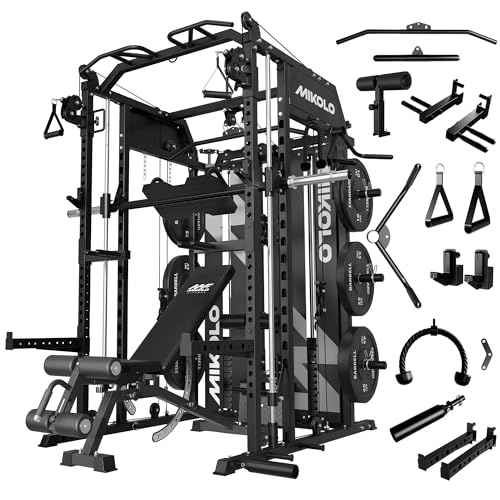
Mikolo Smith Machine with Dual Weight Stack & LAT Pulldown
A comprehensive home gym system combining a Smith machine, functional trainer, and lat pulldown station in one commercial-grade frame. Built around a dual 128-lb weight stack system with a 2:1 pulley ratio, it consolidates 10 training stations without requiring carabiner adjustments between exercises.
Pros
- Dual weight stack system lets two people train simultaneously without interference or constant weight adjustment
- Innovative 2:1 pulley ratio eliminates need for carabiner changes between lat pulldown and row exercises
- Consolidated 10-station design saves space compared to buying separate machines
- Industrial 2,200-lb capacity frame handles heavy compound movements reliably
- Includes extensive attachment package (14+ pieces) for varied exercise options
Cons
- No verified buyer reviews available to assess real-world durability and user satisfaction
- Large footprint (87H x 56W x 68D inches) requires substantial dedicated space
- Dual weight stack system adds complexity and may require more assembly time than single-stack alternatives

Mikolo Smith Machine with LAT-Pull & Cable Crossover
A space-efficient 2200lb all-in-one home gym combining power cage, smith machine, lat pulldown, and cable crossover in a compact footprint. Best for serious lifters seeking multiple workout stations without dedicated gym space.
Pros
- Versatile multi-function design eliminates need for separate machines, maximizing limited home gym space
- 34-position height adjustment with 2-inch spacing enables micro-tuning for different body types and exercises
- Dedicated attachment storage with patent-pending layout reportedly cuts equipment retrieval time by 70%
- Smith bar stores at top position, keeping workout area clear without obstruction
- Heavy-duty 2x2 steel frame with flat sandwich J-cups and safety spotter arms
Cons
- No verified customer reviews available to assess real-world durability or assembly experience
- Pulley colors randomly shipped, limiting aesthetic consistency if unit placement matters
- Complex multi-functional design may require longer setup and learning curve versus single-purpose equipment

JFHID Smith Machine with LAT Pulldown, 2000 lbs Capacity
This 2-in-1 Smith machine and lat pulldown combo delivers a complete home gym solution with a lighter 33 lb bar suited for beginners and a reinforced steel frame supporting up to 2000 lbs. The built-in safety bars and smooth chrome-plated operation make it practical for full-body training without the learning curve of free weights.
Pros
- Lighter 33 lb bar removes barriers for beginners and lighter lifters starting compound movements
- Integrated lat pulldown attachment saves space while maintaining Smith machine and bench press functionality
- Extreme 2000 lb capacity and thickened safety bars provide genuine peace of mind for heavy training
- Fixed bar path delivers inherent stability and control compared to free-weight alternatives
- Comprehensive 1-year warranty with responsive 24/7 support team
Cons
- No verified customer reviews available to confirm real-world durability and performance claims
- Large footprint at 74 x 68 x 87 inches requires significant dedicated gym space
- Smith machine design sacrifices some muscle activation compared to free-weight barbell movements
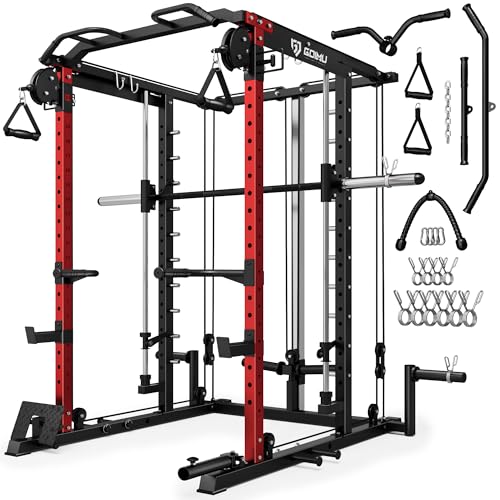
Goimu S1 2000LBS Power Cage with Smith Machine
An all-in-one home gym combining a Smith machine, power cage, and cable crossover system in one compact footprint. Designed for full-body strength training with 2000LBS capacity and 25+ accessories included.
Pros
- Versatile multi-function design covers squats, bench presses, deadlifts, cable work and more
- Substantial accessory package reduces need for separate equipment purchases
- Space-efficient at 17.88 square feet despite robust construction
- Smooth cable operation with stainless steel components for durability
- Smith bar rated for 1000LBS with safety hook protection
Cons
- No verified customer reviews available to assess real-world assembly difficulty or long-term durability
- Requires assembly and arrives in 3 boxes, demanding significant setup time and space
- Footprint of 60L x 47W inches is substantial even at compact sizing for this equipment class
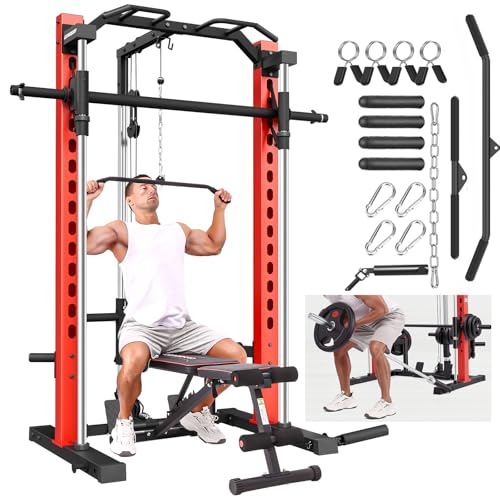
OPPSDECOR All-in-One Smith Machine with LAT Pulldown, 1400 lbs
A versatile home gym system combining smith machine, power cage, cable crossover, and pull-up station in one setup. Built with heavy-duty steel and rated for 1400 lbs capacity, it's designed for full-body strength training without requiring separate equipment purchases.
Pros
- All-in-one design eliminates need for multiple separate machines, saving space and cost
- High weight capacity of 1400 lbs accommodates serious strength training
- Dual pulley mechanism with electroplated telescopic poles offers smooth, stable cable movements
- Comprehensive warranty coverage includes lifelong support plus 4-year free parts replacement
- Fixed tracking system provides safety and stability during exercises like deep squats
Cons
- Weight plates and weight bench sold separately, requiring additional investment
- Split delivery across 2 boxes may arrive at different times, complicating assembly timing
- No verified buyer reviews available to assess real-world durability and long-term reliability
Smith Machines Buying Guide
Shopping for a smith machine involves more trade-offs than almost any other piece of home gym equipment.
The sections below walk through the factors that separate a machine you will train on for years from one that frustrates you after six months.
Pair this guidance with the picks above and you will have a clear path to the right choice for your space and goals.
If you are still building out your home gym, pairing a smith machine with quality adjustable dumbbells and a set of kettlebells covers virtually every strength training pattern.
Weight Capacity and Frame Construction

Rated weight capacity is the headline number, but the quality of the steel and the weld points behind that number matter more in practice.
Most home-use smith machines are rated between 600 lbs and 2,500 lbs for the guided bar system, but a machine built from thin-gauge tubing that technically meets a high capacity rating will flex noticeably under heavy compound lifts.
Look for uprights made from 11-gauge or thicker steel, and check whether the weight plate posts (or weight stack housing) are welded or bolted, welded uprights at key stress points hold tolerances better over years of use.
For most home gym athletes training up to intermediate or advanced levels, a genuine 1,500 lb to 2,000 lb structural capacity is more than sufficient.
Where capacity claims become important is in the cable system: some machines list a very high bar capacity but pair it with cables or pulleys only rated for a fraction of that load.
Always verify cable and pulley ratings separately from the main frame spec.
Verified buyers consistently flag frame rigidity as the first differentiator they notice after assembly. Units that wobble during bench press lockouts or lateral cable pulls draw repeated negative feedback regardless of their paper rating.
A heavier assembled weight (often 400 lbs to 700 lbs or more for premium all-in-one units) is usually a positive sign of robust construction, though it does affect where and how you can install the machine.
Rail Path and Bar Feel
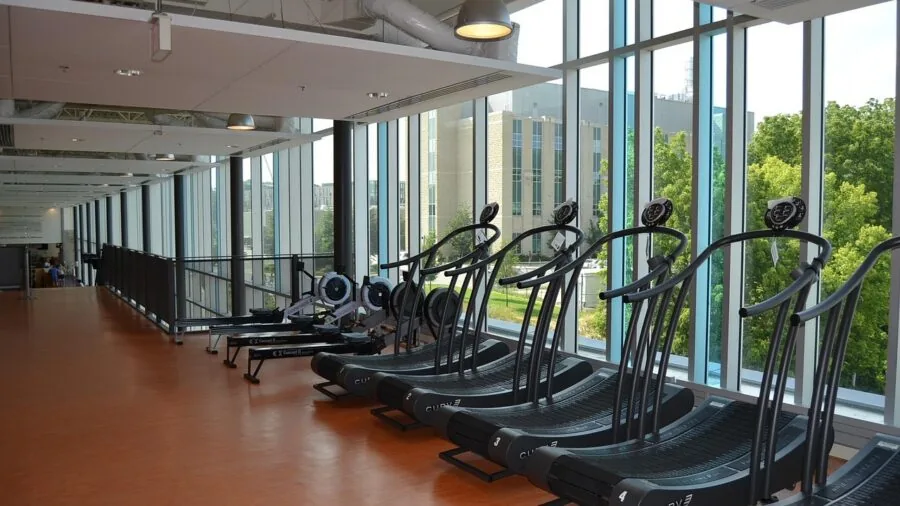
The guided bar is the defining feature of any smith machine, and its quality determines whether the machine helps your training or fights it.
A well-engineered rail system uses linear bearings or nylon-bushed guides that move smoothly without play or binding across the full range of motion.
Rough, notchy, or rattling bar travel is one of the most common complaints surfaced in verified buyer reviews and signals poor manufacturing tolerance even on machines with strong structural frames.
Safety hooks (the J-hooks or rotating catches that lock the bar at any position) should engage and disengage cleanly with one hand.
Hooks that require repositioning mid-lift or that fail to catch reliably are a genuine safety risk, especially during solo training.
Count the number of hook positions on the rails: more positions give you finer height adjustment for squats, bench press, and overhead work at different body proportions.
Some machines offer a counterbalanced bar that stays in place when you release it unloaded, which is useful when training with light loads or learning new movements. Others use a fixed-weight carriage.
Neither is universally better, but the counterbalanced option tends to be preferred by newer lifters and those doing higher-rep accessory work.
Expert reviewers consistently note that a smooth, predictable rail path is more important than any single accessory attachment bundled with the machine.
Cable System and Pulley Ratio
The cable system is what separates a true all-in-one home gym station from a simple guided barbell. Most machines offer a cable crossover setup, lat pulldown, and low cable row at minimum.
Higher-end units add a functional trainer with dual independent cable columns, letting you work unilateral movements, flyes, and rotational patterns that a smith bar alone cannot replicate.
Pulley ratio is a critical and often misunderstood spec. A 2:1 ratio means you need to move the cable twice as far to move the weight stack half the distance, effectively halving the felt resistance.
A 1:1 ratio delivers the full rated stack weight directly. Neither is objectively better, 2:1 systems allow finer resistance increments and feel more cable-machine-like, while 1:1 systems deliver maximum resistance from a given stack.
Check which ratio the machine uses before comparing stack sizes across brands.
Weight stack versus plate-loading is another fork in the road. Stack systems allow fast, pin-based resistance changes ideal for supersets and drop sets, but they add significant cost and footprint.
Plate-loaded cable systems are cheaper and can theoretically handle unlimited weight, but changing resistance mid-workout requires swapping plates.
For home gyms where fast transitions matter, a built-in weight stack is a genuine quality-of-life upgrade and a recurring point of praise in verified long-term owner feedback.
Footprint and Ceiling Clearance
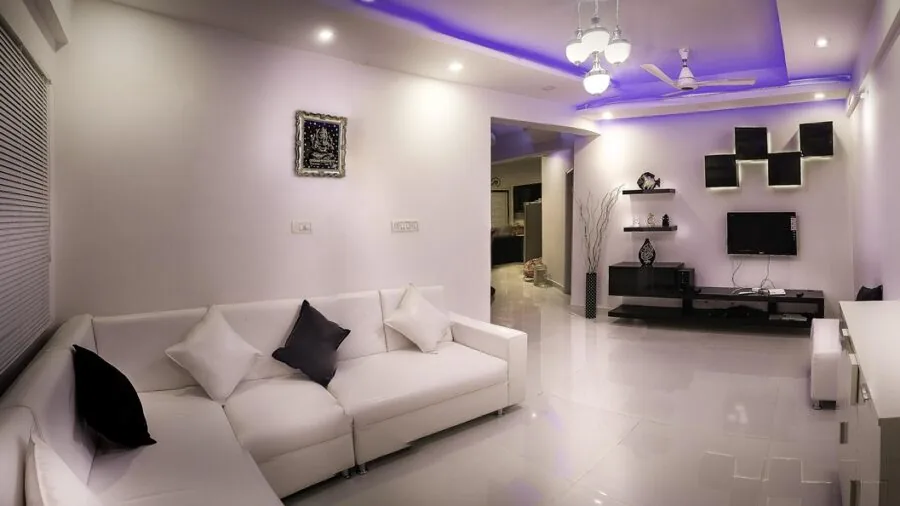
All-in-one smith machines are large.
A typical unit occupies a footprint of roughly 7 by 5 feet on the floor, but the actual training zone around the machine often requires an additional 2 to 3 feet on each side for safe movement.
Measure your available space including door swings, wall clearance for cable pulls, and overhead room before committing to any model.
Ceiling height is the constraint most buyers discover too late.
A standard 8-foot residential ceiling works for some compact models, but many full-featured smith machines stand 7.5 to 8.5 feet tall before you account for the weight stack or lat bar at the top of the cable path.
Verify the assembled height of any model against your actual ceiling measurement, not just the listed product dimension, some listing heights do not include the weight stack housing or lat bar attachment.
For garages with standard 9-foot or 10-foot ceilings, most of the picks in this guide are workable.
For finished basements or dedicated home gym rooms with lower ceilings, you will want to verify dimensions carefully and possibly choose a more compact power cage configuration.
Expert consensus across fitness communities consistently rates footprint miscalculation as the leading cause of buyer regret in the smith machine category.
Assembly Complexity and Hardware Quality

A full-featured smith machine can involve hundreds of individual fasteners and multiple hours of assembly. Verified buyers frequently identify assembly as the most stressful part of ownership, particularly when instructions are poorly translated, hardware is mislabeled, or parts arrive damaged.
Models that include a step-by-step illustrated manual, pre-sorted hardware bags, and accessible online assembly video support have significantly higher satisfaction ratings than those with minimal documentation.
Hardware quality also determines long-term reliability. Low-grade bolts that strip under torque, pulley brackets that wear quickly, and weight stack guide rods that develop friction over time are all signals found in negative verified reviews.
Before purchasing, scan recent buyer feedback specifically for mentions of stripped hardware, missing parts, or cable fraying within the first year of use, these patterns recur predictably across units with quality control issues.
If you are not comfortable with multi-hour mechanical assembly, many sellers offer white-glove installation services for an additional fee. For machines in the premium price tier, that investment can protect both the equipment and your training timeline.
Factor it into the total cost of ownership when comparing options across the price spectrum.
Attachments, Accessories, and Upgrade Path
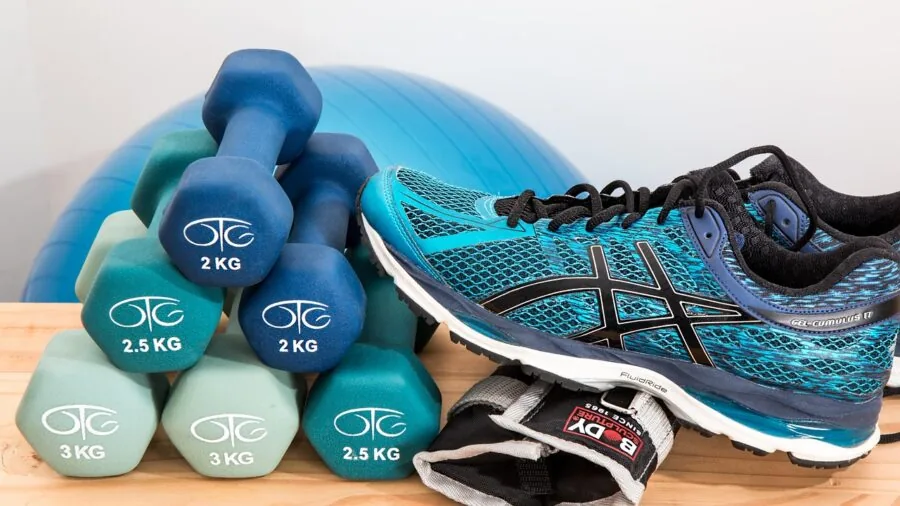
The included attachments with a smith machine purchase can meaningfully expand what you can train from day one. A lat pulldown bar, low-row triangle handle, ankle strap, and straight bar are the baseline useful set.
Some machines include a leg press platform, dip handles, landmine attachment, or preacher curl pad. Evaluate attachments by how often you will actually use each one, not by the total count advertised.
Compatibility with third-party attachments is worth checking if you anticipate expanding your training over time. Machines that use standard 2-inch westside-spaced plate posts or universal cable attachment points give you more flexibility to upgrade without replacing the whole unit.
Some brands in this guide have strong ecosystems of add-on accessories; others are closed systems where aftermarket compatibility is limited.
Warranty and brand support are the final piece. For equipment in the mid-range and premium tiers, a frame warranty of at least one year (ideally three or more years) signals manufacturer confidence.
Brands that maintain responsive customer service for replacement parts are significantly easier to own long-term, especially for a machine you intend to use daily over several years.
Why You Should Trust Us
ProductFind is an independent review publication.
Every smith machine in this guide was assessed using a structured, consistent methodology: we analyzed manufacturer specifications, evaluated expert review consensus from credentialed fitness and equipment sources, incorporated verified buyer feedback from confirmed purchasers, and cross-referenced published performance data.
We do not conduct our own product trials; our evaluations are grounded in research, published data, expert review consensus, and verified buyer feedback.
Each product is assigned a PF Score on a scale of 0 to 10.
The score reflects a weighted composite of criteria relevant to the category, for smith machines, those criteria include frame construction and weight capacity, rail smoothness and bar safety, cable system quality and pulley ratio, footprint and ceiling clearance, assembly experience, included attachments, and verified owner satisfaction over time.
Products are ranked by PF Score, with the highest-scoring pick listed first.
ProductFind may earn an affiliate commission when you purchase through links on this page. That relationship does not influence which products are included, how they are ranked, or what scores they receive.
Our editorial process is independent of commercial arrangements, and we assess every product against the same criteria regardless of affiliate status.
We do not sell products, process orders, or provide warranty or returns support, for those needs, contact the retailer or manufacturer directly.
Final Thoughts
The smith machines in this guide span a wide range of budgets, footprints, and capability levels, but each earned its place by scoring well on the criteria that matter most for home gym use.
Here are the standout designations based on our research and PF Scores:
- Best Overall: Major Fitness Drone MAX V Smith Machine, earns the top spot with the highest PF Score in this group, combining a 2,500 lb weight capacity, dual lat pulldown systems, cable crossover, and heavy-duty full-body training coverage that sets the benchmark for premium home gym smith machines.
- Best for Serious Cable Training: RitFit M2 Smith Machine with Cable Crossover System, the 3D functional trainer with 16 adjustment holes and a comprehensive power cage configuration makes this the choice for lifters who prioritize cable variety and movement versatility.
- Best Built-In Weight Stack Experience: RitFit M2 Pro 3D Smith Machine, a 286 lb built-in weight stack in a refined 3D smith platform delivers fast, seamless resistance changes that plate-loaded systems cannot match for workout flow.
- Best Mid-Range All-in-One: Mikolo M4 2.0 Elite Smith Machine, strong PF Score at a mid-range price point, with a full cable crossover and lat pulldown stack combo that punches well above its tier.
- Best Budget-Friendly Entry Point: OPPSDECOR All-in-One Adjustable Smith Machine, the most accessible price in this lineup with a lat pulldown system and cable crossover included, making it a practical first step for lifters setting up their first home gym on a tighter budget.
Whatever your budget or training background, the right smith machine will serve as the cornerstone of a complete home gym for years.
If you are still rounding out your setup, adding a pair of versatile kettlebells gives you the conditioning and mobility work that complements heavy guided bar training perfectly.
Frequently Asked Questions
Is a Smith Machine Good for a Home Gym?
Yes, for most home gym setups a smith machine is an excellent anchor piece.
The guided bar path means you can safely train heavy compound lifts like squats, bench press, and overhead press without a spotter, which is the most common constraint of solo home training.
When paired with an integrated cable system, a single all-in-one smith machine can replicate the training variety of a commercial gym with multiple separate stations.
The main trade-off is footprint and cost. Premium all-in-one units require significant floor space and carry a higher price than a simple barbell and squat rack setup.
For lifters who want to train across a wide variety of movement patterns without multiple machines, the space and cost are generally justified by the versatility delivered.
What Is the Difference Between a Smith Machine and a Power Rack?
A power rack (or power cage) is an open frame structure that holds a free barbell on adjustable J-hooks. The bar moves completely freely in three dimensions, which means every stabilizer muscle engages to control the movement.
A smith machine guides the bar along fixed vertical (or angled) rails, removing lateral stabilization demand from the lift.
Both have legitimate training applications, free barbell work develops broader functional strength, while the smith machine path allows heavier loads with safer solo training and is easier to learn for beginners.
Many of the units in this guide are hybrid designs that combine a smith machine rail system inside a full power cage frame, giving you both options in one piece of equipment.
That combination is broadly considered the ideal home gym configuration by experienced lifters who want flexibility across training styles.
How Much Space Does a Smith Machine Require?
Most all-in-one smith machines require a floor footprint of roughly 7 by 5 feet for the machine itself, plus a recommended clearance zone of at least 2 to 3 feet on each side for safe training movement.
Total recommended floor allocation is typically around 10 by 10 feet or more for comfortable use. Ceiling height is equally important: many full-featured models stand 7.5 to 8.5 feet tall, and taller weight stacks can push that higher.
Always verify the assembled height against your actual ceiling measurement before purchasing.
Should I Choose a Weight Stack or Plate-Loading Cable System?
Weight stack systems allow you to change cable resistance in seconds by moving a pin, which is a genuine workflow advantage for supersets, drop sets, and high-rep accessory circuits.
They add cost and overall machine weight but significantly reduce friction during workouts. Plate-loading cable systems are more affordable and technically support unlimited resistance, but resistance changes require physically swapping weight plates, which interrupts training flow.
For most home gym users who train alone and value training efficiency, a built-in weight stack is worth the premium.
For budget-focused setups or lifters who already own a large plate collection and train at a slower pace, plate-loading cables are a practical and cost-effective alternative.
Can Beginners Use a Smith Machine Safely?
Yes, in fact, the smith machine is often a better starting point for new lifters than a free barbell in several key movements.
The guided rail path eliminates the balance and coordination demands of a free bar, letting beginners focus on learning movement patterns, building strength, and understanding range of motion before adding stabilization complexity.
The integrated safety hooks also mean a failed rep can be caught safely without a spotter, which removes a significant risk factor for solo training.
As lifters progress, incorporating free barbell work alongside smith machine training is recommended by most coaches to develop full-spectrum functional strength.
The hybrid power cage designs in this guide support exactly that progression, you can use the smith bar when its benefits suit the movement, and switch to the free barbell station when you want the added stabilization challenge.
What Accessories Should I Look for with a Smith Machine?
The most useful accessories bundled with a smith machine purchase are a lat pulldown bar, low-row triangle handle, straight cable bar, and ankle strap. These four cover the majority of cable-based accessory movements.
Beyond the basics, a leg press platform, dip attachment, landmine bracket, and preacher curl pad add meaningful training variety for lifters targeting complete physique development.
Evaluate attachment quality as carefully as quantity. A bundle of fourteen accessories with cheap carabiner clips and thin cables will frustrate you quickly. Fewer, well-made attachments with solid steel hooks and durable stitching deliver more long-term value.
Check verified buyer reviews specifically for attachment durability, it is one of the most frequently mentioned points of differentiation between similarly priced machines.
About the author
Amelia is a reviewer and writer for ProductFind who specializes in Home Gym & Strength Training. Amelia evaluates products through independent research: specifications, expert review consensus, and verified buyer feedback, and rates each one on the PF Score. Amelia focuses on helping readers pick the right home gym & strength training for their needs and budget.