The 11 Best Welding Gloves
Thick leather for stick, thin goatskin for TIG, or a versatile MIG glove? Find the right welding glove for your process, budget, and hand size with our research-backed picks.
 By Gilbert Phillips
Updated July 23, 2026
By Gilbert Phillips
Updated July 23, 2026
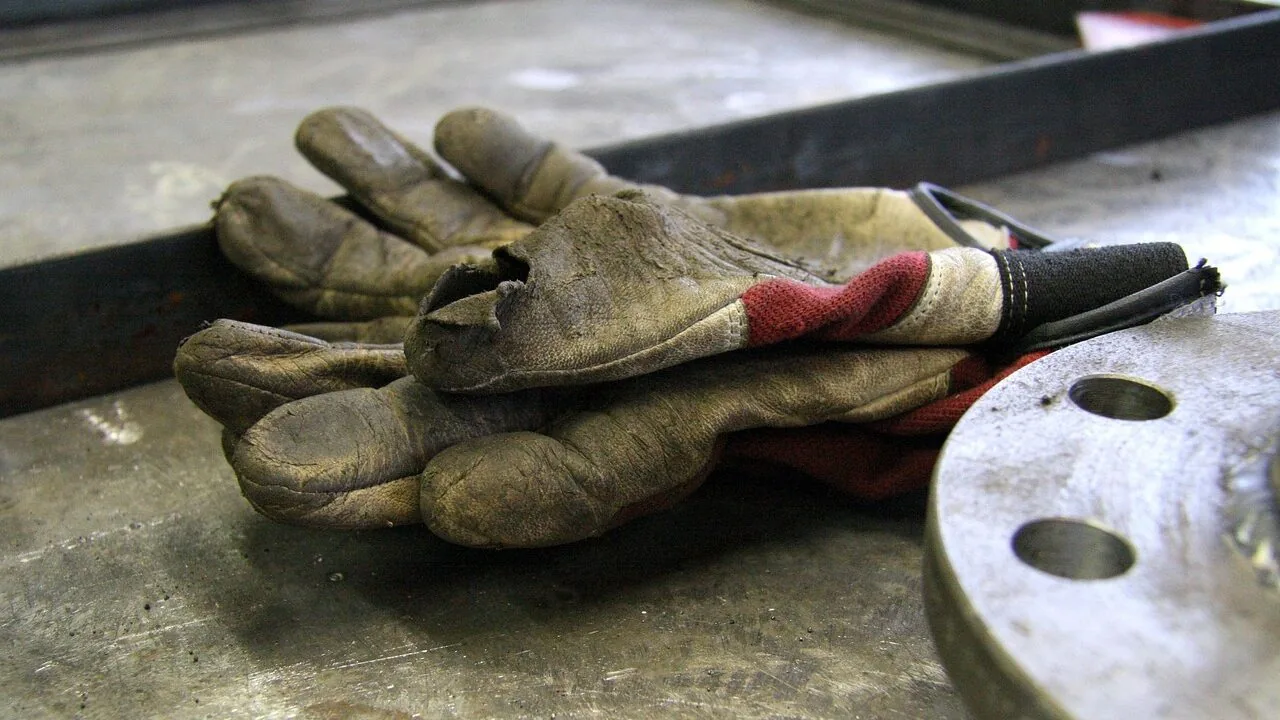
Your hands are the most important tools you own as a welder, and the gloves between them and the arc make all the difference between a productive session and a trip to the ER.
Flying sparks, radiated heat, UV exposure, and molten spatter are constant hazards across MIG, TIG, stick, and flux-core processes, yet the demands of each process differ dramatically.
A thick, heavily insulated gauntlet that protects you during stick welding will rob you of the tactile sensitivity you need to feed filler rod in TIG. Getting the match right matters far more than most beginners realize.
To help you cut through the noise, the ProductFind editorial team researched the welding glove market by analyzing manufacturer specifications, synthesizing expert review consensus from professional welding publications, and studying verified buyer feedback across thousands of documented purchases.
The picks below represent the strongest options across budget, mid-range, and premium tiers for every major welding process. Scroll down to see our full ranked list of the best welding gloves you can buy right now.
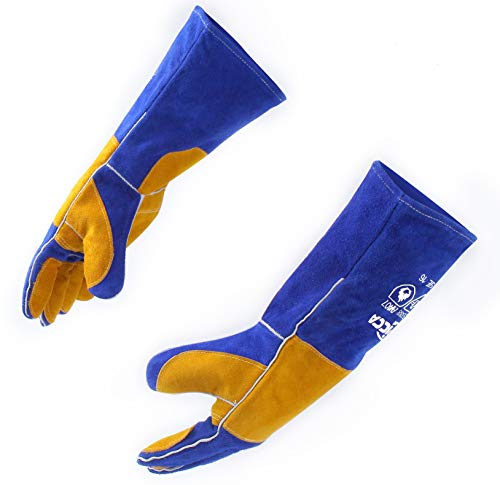
RAPICCA 16-Inch Welding Gloves, 932°F Heat Resistant
Extended 16-inch welding gloves with triple-layer heat protection (fireproof leather, aluminum foil, flame-retardant lining) rated to 932°F. Built for professional welders and suitable for forge work, BBQ, and high-temperature tasks, balancing durability with maintained fingertip sensitivity.
Pros
- Comprehensive forearm protection with 7.5-inch sleeves shields against sparks and debris
- Multi-layer construction (fireproof leather, insulating aluminum foil, cotton liner) provides genuine heat resistance
- Reinforced padding at stress points without compromising fingertip control
- Durable materials (premium leather, Kevlar stitching, oil-resistant) withstand industrial conditions
- Broad applicability across welding processes (SMAW, GMAW, FCAW) and non-professional uses
Cons
- No verified buyer reviews available to assess real-world performance and durability claims
- Extra length and reinforced padding may reduce overall hand flexibility and dexterity for some users
- X-Large sizing only limits fit options for workers with smaller hands

YESWELDER MIG Welding Gloves 16 Inches
Grain leather welding gloves designed for MIG work with Kevlar stitching and reinforced wear points for durability. Features asymmetrical lining (lined top, unlined bottom) to balance heat protection with dexterity, making them suitable for both welding and general utility tasks.
Pros
- Hybrid lining approach (lined top, unlined bottom) optimizes both heat protection and tactile control
- Kevlar stitching and reinforced seams address common failure points in welding gloves
- Ergonomic design with seamless index finger and keystone thumb improves comfort during extended use
- Multifunctional enough for non-welding tasks like construction and gardening
Cons
- No verified buyer reviews available to assess real-world durability claims
- Limited size range information provided, availability may vary
- Thin cotton lining on top hand may require glove liners in extreme heat applications

Lincoln Electric K2979 14" MIG/Stick Welding Gloves
Professional-grade leather welding gloves with Kevlar stitching and reinforced stress points, designed for daily use in high-heat environments. Soft cotton lining and moisture-absorbing cuff provide comfort during extended wear across stick, MIG, and flux-core applications.
Pros
- Durable construction with Kevlar threading and leather reinforcement at stress points
- Designed for comfort with soft cotton lining and straight thumb for better fingertip sensitivity
- Moisture-absorbing interior cuff reduces sweat buildup during extended use
- Versatile for stick welding, MIG welding, flux-core welding, and other high-temperature applications
- Used by professional fabricators, indicating field-tested reliability
Cons
- One-size-fits-all design may not accommodate all hand sizes equally
- No customer reviews available to verify real-world performance claims
- High-grade leather requires proper care and maintenance to preserve longevity
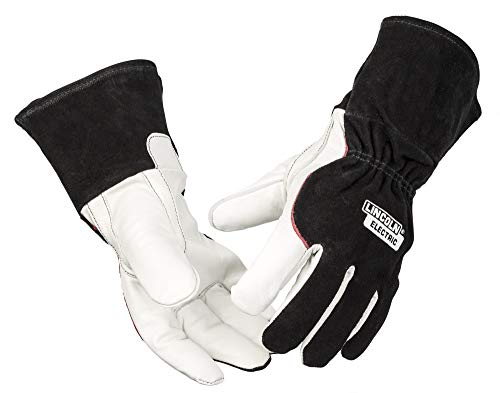
Lincoln Electric DynaMIG HD Professional MIG Welding Gloves
Professional-grade MIG welding gloves built with asymmetrical liner construction, pairing a 3-layer heat-resistant top with a 2-layer cotton bottom for dexterity. Grain leather palm and reinforced Kevlar stitching target fabricators and daily-use welders who need durability without sacrificing comfort.
Pros
- Two-hand liner asymmetry solves the heat-vs-dexterity trade-off intelligently
- Seamless trigger finger and grain leather palm support precise welding control
- Industrial construction with Kevlar threading and reinforced stress points justifies professional adoption
- Moisture-wicking cuff design addresses sweat buildup during extended welding sessions
- Foam-padded knuckles absorb repeated impact from tool handling and joint work
Cons
- No verified user reviews available to validate real-world durability and comfort claims
- Large size may not fit all hand shapes uniformly due to form-fit design philosophy
- Split leather cuff durability under extreme temperature cycling remains unassessed by buyer feedback

ARCCAPTAIN TIG Welding Gloves, Goatskin Leather
Goatskin and cowhide welding gloves designed for TIG work with emphasis on dexterity and comfort during extended wear. The 14-inch cuff and reinforced construction suit professional fabricators and hobbyists across multiple welding methods.
Pros
- Lightweight construction balances protection with tactile sensitivity needed for precision TIG work
- Extended 14-inch cuff and oversized sizing accommodate most users and provide forearm coverage
- Dual leather composition (goatskin and cowhide) with reinforced stitching targets durability in high-wear zones
- Sweat-absorbing lining and elastic back design support comfort during extended shifts
- Applicable beyond welding for construction, truck driving, and equipment operation
Cons
- No verified buyer reviews available to confirm real-world durability claims and comfort longevity
- One-size-fits-most approach may not provide optimal fit for users with very small or large hands
- Limited color options (black-white only) compared to other welding glove brands

Black Stallion BM88L Pigskin MIG Welding Gloves
Industrial-grade MIG welding gloves combining pigskin and cowhide with Kevlar-reinforced stitching for heat and abrasion resistance. Designed for sustained welding work with padded palm protection and reinforced seams that prioritize durability over lightweight comfort.
Pros
- Heavy-duty pigskin and cowhide build withstands industrial welding demands
- Kevlar thread and reinforced seams provide reliable durability for repetitive tasks
- Padded palm and wrist design reduce fatigue during extended shifts
- Fine-grain fingertips preserve dexterity for detailed MIG work
Cons
- No verified buyer reviews available to validate real-world performance claims
- Heavier construction may feel cumbersome for workers seeking lighter gloves
- Large size only, limiting fit options for users outside this range

Klein Tools MIG Welding Gloves, Split Cowhide
Split cowhide gloves designed for MIG and stick welding with flame-resistant fleece lining and reinforced high-wear areas. Heavy-duty option for welders who prioritize heat protection and durability over lighter alternatives.
Pros
- Full cowhide leather provides consistent heat protection across entire glove
- FR fleece liner reduces fatigue during long welding sessions
- Wide cuff design shields wrists and forearms from heavy spark exposure
- Reinforced wear points extend glove lifespan in demanding conditions
- Kevlar stitching resists flame and maintains structural integrity
Cons
- No verified buyer reviews available to assess real-world durability claims
- Heavy leather construction may feel less flexible than hybrid or synthetic alternatives
- Large size only, limiting fit options for different hand sizes

Tillman R3SC34122981 TIG Welding Gloves, X-Large
Pearl top grain goatskin welding gloves designed for TIG work with reinforced thumbs and Kevlar-sewn seams for durability. Best suited for welders prioritizing dexterity and precision grip over maximum heat protection.
Pros
- Pearl top grain goatskin provides superior feel and dexterity for detailed welding work
- Reinforced thumb construction addresses common stress point failure
- Kevlar sewn seams add durability to high-stress areas
- Glide patch protects the glove side when dragging welding guns
- Straight thumb design optimizes gun grip for TIG applications
Cons
- No verified customer reviews available to assess real-world durability or fit consistency
- Limited information on temperature resistance ratings or specific heat protection level
- Goatskin material may require more frequent maintenance or conditioning compared to synthetic alternatives

Miller 13-Inch MIG/Stick Welding Gloves, Large
Miller's blue and black welding gloves are designed for MIG and stick welding work, offering a practical choice for commercial applications. Built as a durable, single-pair option with a 3D wing design for better fit and mobility.
Pros
- Suitable for dual welding processes (MIG and stick)
- 3D wing design improves dexterity and comfort during extended use
- 13-inch length offers adequate wrist protection
- Backed by Miller Electric's commercial reputation
Cons
- No verified buyer reviews available to assess real-world durability or comfort feedback
- Sold only as single pair rather than multi-pack options
- Limited color customization, fixed to blue and black only
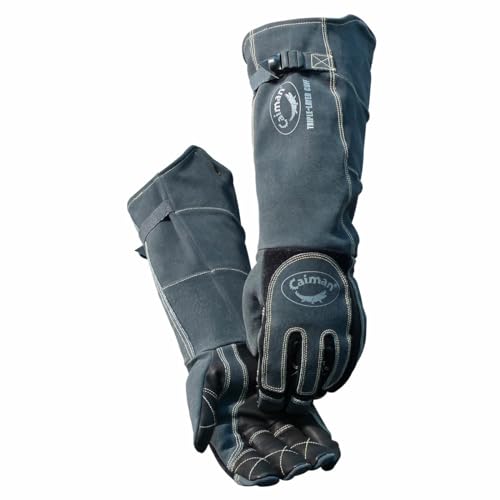
Caiman 1879-5 Premium Sheep Grain Welding Gloves, Large
Heavy-duty MIG/Stick welding gloves built with premium sheepskin, boarhide reinforcement, and a 21-inch triple-layer cuff for serious forearm protection. The 3-D Kontour design and Kevlar-sewn seams target professional welders who need durability and ergonomic fit in demanding shop environments.
Pros
- Supple yet durable sheepskin construction balances comfort with protective performance
- Triple-layer cuff and boarhide reinforcements deliver substantial durability for heavy-use environments
- Pre-curved 3-D Kontour design reduces hand fatigue by conforming to natural hand shape
- Kevlar-sewn seams provide reliable seam integrity under welding conditions
- Versatile for multiple welding processes (MIG and Stick)
Cons
- No verified customer reviews available to assess real-world durability claims
- Large size only, no indication of availability in other sizes within this listing
- Premium positioning may carry a higher price point relative to basic welding gloves

vclpower 14-Inch Welding Gloves, Heat Resistant to 662°F
Heavy-duty cowhide welding gloves with Kevlar stitching and a 14-inch cuff designed for welders, blacksmiths, and outdoor cooks. The 1.2mm leather provides serious heat protection, though no verified buyer reviews are available yet to confirm real-world durability.
Pros
- Thick, premium cowhide construction with proven heat resistance specification
- Kevlar stitching prevents seam failure under extreme temperature
- Extended 14-inch cuff covers forearm and protects from sparks
- Soft cotton lining reduces hand fatigue during extended use
- Versatile for welding, forge work, BBQ, and outdoor activities
Cons
- No verified customer reviews to validate real-world heat protection claims
- Limited sizing information provided (only L available in listing)
- Bulk-focused marketing may indicate limited consumer retail presence
Welding Gloves Buying Guide
Picking the right pair of welding gloves is not as simple as grabbing the thickest leather you can find.
Process type, leather grade, cuff length, lining material, and stitching construction all interact to determine whether a glove will protect you adequately, hold up over time, and let you work with enough control to produce quality welds.
The sections below walk through every factor worth weighing before you buy.
Match the Glove to Your Welding Process
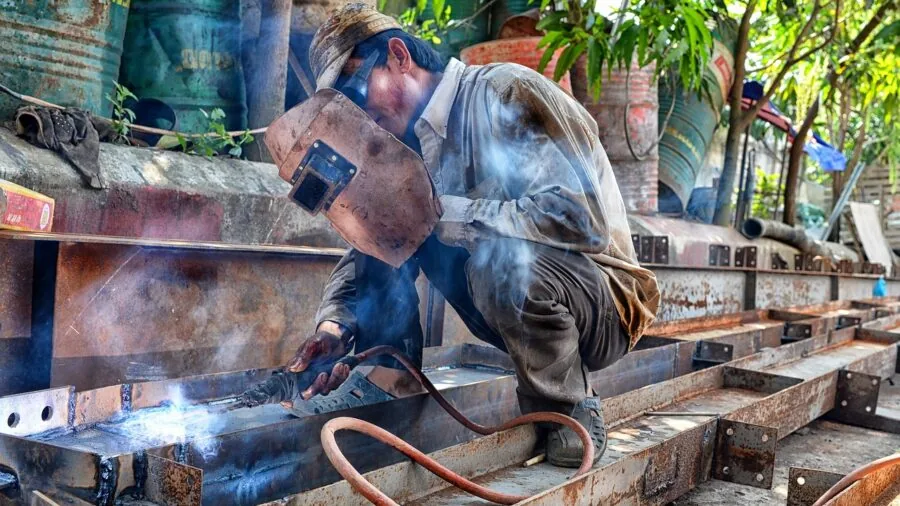
This is the single most important decision you will make. Stick (SMAW) and flux-core welding produce the most aggressive spatter, the highest sustained radiated heat, and the longest arc durations, so they demand thick, heavily lined gauntlets with long cuffs.
MIG (GMAW) generates moderate spatter and heat, placing it in a middle ground where you want solid protection without sacrificing too much grip feel.
TIG (GTAW) produces almost no spatter but requires you to feed filler rod by hand continuously, meaning dexterity and tactile feedback are paramount over raw insulation.
A glove rated or designed for stick welding will technically protect you during TIG, but you will find it nearly impossible to feel your filler rod or modulate your torch angle accurately.
Conversely, a thin TIG glove used for stick work is a burn waiting to happen. If you regularly switch between processes, keep two pairs: one optimized for high-heat stick or MIG work and a lighter glove for precision TIG passes.
Proper eye protection should accompany every session regardless of process.
Leather Type and Its Trade-Offs
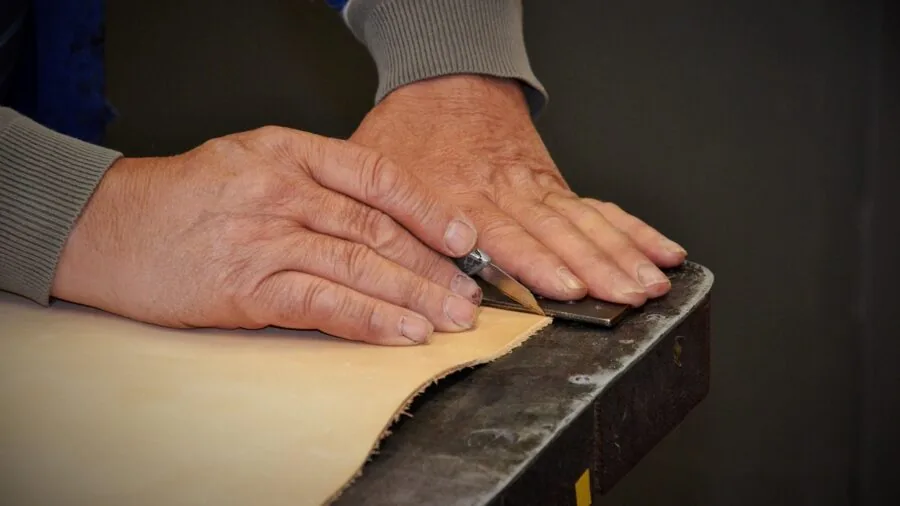
Leather grade is the foundation of every welding glove. Top-grain cowhide sits at the outer layer of the hide and delivers the best combination of durability, heat resistance, and reasonable dexterity.
It is the default choice for MIG gloves and appears in picks like the Lincoln Electric DynaMIG HD and the Lincoln Electric Traditional MIG/Stick gloves.
Shoulder-split cowhide comes from the inner hide layer, giving it more bulk for insulation at the expense of suppleness, making it appropriate for stick and heavy-duty applications.
Goatskin is the thinnest and most pliable welding-grade leather available, delivering exceptional finger sensitivity with moderate heat protection. It is the material of choice for precision TIG work, as seen in the ARCCAPTAIN TIG gloves.
Pigskin, used in options like the Revco Black Stallion BSX BM88, offers good durability and moisture resistance with slightly better breathability than cowhide, making it a practical all-purpose material.
Premium elkskin combines cowhide-level heat resistance with a softness that resists hardening after repeated heat exposure, though it typically carries a higher price tag.
Leather thickness matters as much as leather type. Thicker hides absorb more radiated heat before it transfers to your skin, but they also reduce your ability to feel small movements.
Pay attention to whether a manufacturer specifies top-grain versus split leather, and be skeptical of listings that use vague terms like “genuine leather” without elaborating on the grade.
Lining, Insulation, and Heat Rating
The outer leather shell keeps spatter and direct flame from reaching your skin, but the interior lining determines how long sustained radiated heat stays tolerable.
Cotton linings are the industry standard for MIG and stick gloves, providing good thermal buffering and moisture absorption.
Flame-resistant fleece, as used in the Klein Tools MIG gloves, adds a layer of insulation that improves comfort during extended sessions without significantly bulking up the glove.
Some gloves, particularly budget forge-style options like the RAPICCA and YESWELDER models, incorporate air-isolated aluminum foil layers between the leather and the cotton interior.
This reflective barrier deflects radiated heat rather than simply absorbing it, and it is largely responsible for the high published heat ratings (often cited at 932°F for the outer surface).
It is important to understand that these ratings reflect resistance to brief radiated heat exposure, not continuous contact with surfaces at that temperature. Always treat published heat ratings as comparative guidance rather than absolute safety thresholds.
TIG gloves intentionally minimize lining thickness to preserve tactile feedback. The Tillman TIG gloves, for example, use a minimal interior finish specifically so welders can feel the filler wire between their fingers.
If you need warmth for cold-environment work, a thin moisture-wicking liner worn underneath is a better solution than buying a thicker glove that compromises your control.
Cuff Length and Forearm Protection
Cuff length is measured from the base of the palm to the top of the gauntlet. Standard welding gloves run around 13 to 14 inches, which covers the wrist and a portion of the forearm.
Extended-cuff gloves at 16 inches or longer offer meaningfully more protection against spatter reaching the wrist crease and lower forearm, an area that accumulates significant exposure during overhead or out-of-position welding.
The RAPICCA and YESWELDER models both offer 16-inch cuffs, making them especially suitable for stick welding or forge work where sparks travel further.
For shop work at a flat bench where your forearms point mostly downward, a standard 13 to 14 inch cuff is generally adequate.
For pipeline, structural, or overhead welding, or for work near open flames like a forge or fire pit, the extra cuff length is worth the slight reduction in wrist mobility.
Pair longer cuffs with a quality welding face shield for comprehensive upper-body coverage.
Stitching Construction and Reinforcement

The thread holding a glove together is its weakest link when exposed to heat and abrasion. Standard polyester thread degrades quickly under welding conditions and is the primary reason cheap gloves fall apart at the seams within weeks.
Kevlar stitching, which appears in the Lincoln Electric Traditional gloves, YESWELDER forge gloves, and Klein Tools MIG gloves among others, is far more heat- and abrasion-resistant and dramatically extends glove service life.
When comparing options, confirm that Kevlar stitching is specified rather than implied.
Reinforcement panels at the thumb crotch, palm, and index finger are the next structural detail to check. These areas absorb the most abrasion and spatter impact during normal welding posture.
The Klein Tools gloves include reinforced palm, thumb, and index finger panels alongside Kevlar aramid stitching, a construction approach that punches above its price point.
The Caiman premium MIG/stick gloves take reinforcement further with boarhide overlays on the highest-wear zones, which explains the significant price premium over mid-range options.
For heavy daily professional use, that investment in construction quality tends to pay back in reduced glove replacement frequency.
Fit, Sizing, and Dexterity
A welding glove that does not fit well is both less protective and less usable. Gloves that are too large bunch up at the fingertips, reducing tactile control and creating loose fabric that can snag.
Gloves that are too small restrict blood flow, cause fatigue faster, and put stress on seams that shortens their lifespan.
Most manufacturers size welding gloves as S, M, L, and XL based on hand circumference, but sizing conventions vary enough that verified buyer feedback about fit accuracy is one of the most valuable data points to review before purchasing.
Some gloves, particularly budget universal-fit models, are designed as one-size-fits-most and skew toward larger hands. If you have smaller or narrower hands, look for options that specify true sized variants.
The Miller 3D Wing gloves use a three-dimensional pre-curved construction intended to match the natural grip position of the hand, reducing fatigue during long runs.
This kind of ergonomic design detail is worth paying attention to if you weld for extended periods daily. Pair well-fitted gloves with quality safety glasses underneath your helmet for complete arc flash protection.
Why You Should Trust Us
ProductFind is an independent editorial platform. We do not sell products, fulfill orders, or represent any brand.
Every product in this guide was assessed by our editorial team using a consistent, multi-source research framework that covers manufacturer specifications, expert review consensus drawn from professional welding publications and trade sources, and verified buyer feedback aggregated from documented purchases.
We do not conduct our own product trials; our evaluations are grounded in research, published data, expert review consensus, and verified buyer feedback.
Each product receives a PF Score on a scale of 0 to 10. The score reflects our weighted assessment of construction quality, heat and spatter protection, dexterity for the intended process, durability based on reported long-term performance, and value relative to price.
Products are ranked in the list above from highest to lowest PF Score so you can compare the full field at a glance. Scores are revisited when new models launch or when significant shifts in verified buyer consensus emerge.
ProductFind may earn an affiliate commission if you purchase through a link on this page. That relationship has no influence on which products appear, how they are ranked, or what scores they receive. Our editorial positions are determined by research quality and product merit alone.
Final Thoughts
After synthesizing specifications, expert consensus, and verified buyer feedback across all eleven options, here is how the strongest picks sort out by use case and performance tier:
- Best Overall: RAPICCA Welding Gloves for Men. The highest PF Score in the group reflects its exceptional combination of a 16-inch extended cuff, multi-layer Kevlar-padded insulation, and broad process versatility at a budget-friendly price. It leads the field for general welders who need reliable all-day heat and spatter protection.
- Best for Forge and Heavy Spatter Work: YESWELDER 16-Inch Leather Forge MIG Welding Gloves. Kevlar stitching, palm reinforcements, and a 16-inch cuff make this the strongest value pick for stick welding, forge, and fire pit applications where spatter volume is high and forearm coverage is essential.
- Best Traditional MIG/Stick Glove: Lincoln Electric Traditional MIG/Stick Welding Gloves. A heritage design with a 14-inch lined leather cuff and Kevlar stitching that has earned consistent praise from professional MIG and stick welders who prioritize proven durability over feature extras.
- Best Upgrade for MIG Professionals: Lincoln Electric DynaMIG HD Professional MIG Welding Gloves. The HD professional construction with a multi-layer liner and padded palm targets welders who run longer, more demanding MIG sessions and want improved comfort without sacrificing heat resistance.
- Best for TIG Welding: ARCCAPTAIN TIG Welding Gloves. Premium goatskin grain leather gives this glove the thin, supple feel that TIG welders need to feed filler rod accurately and modulate torch angle through long passes, with enough protection for the lower heat loads TIG generates.
Whatever process you run, the right glove is the one built for that specific heat load, spatter level, and dexterity demand. Investing in a purpose-matched pair protects your hands and directly improves the consistency of your welds.
For full personal protective equipment coverage at the bench, also consider high-visibility protective workwear rated for your environment.
Frequently Asked Questions
What Is the Difference Between MIG, TIG, and Stick Welding Gloves?
The difference comes down to how much heat and spatter each process generates versus how much hand sensitivity it requires. Stick welding gloves are the thickest and most insulated, designed to handle the heaviest spatter and highest sustained radiated heat.
MIG gloves balance protection and grip feel. TIG gloves are the thinnest and most flexible, prioritizing the tactile feedback needed to feed filler wire precisely. Using the wrong glove for your process means either inadequate protection or inadequate dexterity.
Why Does Kevlar Stitching Matter So Much?
Standard polyester thread degrades rapidly when exposed to heat and abrasion, causing seams to fail long before the leather itself wears out.
Kevlar aramid thread is highly heat-resistant and far more abrasion-tolerant, meaning gloves with Kevlar stitching consistently outlast identically constructed gloves sewn with standard thread.
When comparing options at similar price points, confirmed Kevlar stitching is one of the clearest markers of long-term durability value.
Are Welding Gloves Suitable for BBQ, Fire Pit, or Oven Use?
Many welding gloves are marketed for fire pit, BBQ, and oven use, and the thick leather and insulation do provide meaningful heat protection in those settings.
However, welding gloves designed for radiated heat exposure rather than direct sustained contact may not perform identically to dedicated BBQ or oven gloves in every scenario.
They tend to be bulkier than purpose-built cooking gloves, which reduces dexterity when handling food or cookware.
For occasional campfire and grill use they are a practical dual-purpose option, but dedicated kitchen or grill gloves are preferable if cooking is your primary application.
How Should I Care for Leather Welding Gloves to Extend Their Life?
Keep leather gloves away from prolonged water exposure, which causes leather to stiffen and crack as it dries. After heavy sessions, let gloves air-dry naturally away from direct heat sources.
Applying a light leather conditioner periodically prevents the hide from drying out and cracking, particularly for gloves that see repeated heat cycling.
Inspect seams after each use and retire gloves immediately if stitching begins to fail or the leather develops holes, cracks, or thinning spots over high-wear zones.
Is a Higher Heat Rating Always Better?
Not necessarily. Higher heat ratings typically correspond to thicker, more heavily lined gloves that sacrifice dexterity. For TIG welding, a glove rated for extreme temperatures is almost always too stiff to be useful.
Match the heat rating to your actual process requirements: MIG and stick work benefit from higher-rated gloves, while TIG welding is better served by a glove optimized for tactile control rather than maximum insulation.
Also remember that published heat ratings describe resistance to brief radiated or contact exposure rather than indefinite tolerance.
How Do I Know When It Is Time to Replace My Welding Gloves?
Replace your gloves when you notice any of the following: seam separation or stitching failure, holes or thin patches burned through the leather, stiffness so severe the glove restricts normal hand movement, or interior lining breakdown that allows heat to transfer more quickly to your palm.
Do not wait until a glove fully fails during a weld; compromised gloves offer unpredictable protection. For professional daily use, inspecting gloves at the start of each session takes seconds and can prevent serious burns.
About the author
Gilbert is a reviewer and writer for ProductFind who specializes in Safety Equipment. Gilbert evaluates products through independent research: specifications, expert review consensus, and verified buyer feedback, and rates each one on the PF Score. Gilbert focuses on helping readers pick the right safety equipment for their needs and budget.