The 9 Best Wheel Cleaners
Brake dust, iron fallout, and road grime bond hard to wheel finishes. These wheel cleaners cut through contamination safely, ranked by formula type, finish compatibility, and real-world performance.
 By Cindy Bailey
Updated July 23, 2026
By Cindy Bailey
Updated July 23, 2026

Your wheels take a beating on every drive. Brake dust, road grime, tar, and iron fallout bake onto wheel surfaces with each heat cycle, and once that contamination bonds to the finish, a simple rinse will not cut it.
A dedicated wheel cleaner dissolves those deposits at the chemical level, protecting your finish and cutting your wash time considerably.
Whether you run painted alloys, polished chrome, or coated aftermarket rims, using the right product matters as much as using any product at all.
This guide covers nine of the most talked-about wheel cleaners currently available, ranging from budget-friendly sprays to professional-grade gallon concentrates.
ProductFind assembled this list through a synthesis of published specifications, expert review consensus across the detailing community, and verified buyer feedback from confirmed purchasers. Every product has been assigned a PF Score on our 0 to 10 scale.
Our top picks span a range of needs, budgets, and wheel types, so read on to find the one that fits your setup best.
| Award | Product | PF Score About PF ScoreThe PF Score is our own rating from 0 to 10, based on performance, design and build, ease of use, and value. It reflects independent research and is never influenced by manufacturers, retailers, or affiliate commissions. Learn more › | Price | |
|---|---|---|---|---|
| Best Overall |
 SONAX Wheel Cleaner Plus 750ml
|
9.2/10 | Buy | |
| Editor's Pick |
 Adam's Polishes Wheel & Tire Cleaner 1 Gallon
|
9.1/10 | Buy | |
| Best Value |
 Griot's Garage 35oz Wheel Cleaner
|
8.7/10 | Buy | |
| Top Rated |
 Black Magic 120228 Foam Wheel & Tire Cleaner, 22 Fl Oz
|
8.5/10 | Buy | |
 Meguiar's D14301 Non-Acid Tire Cleaner, 128 Fl Oz
|
8.4/10 | Buy | ||
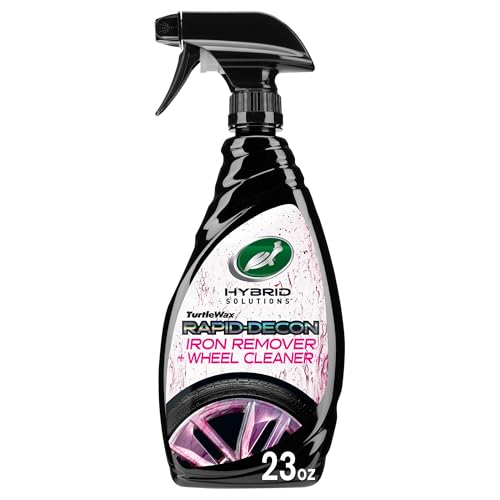 Turtle Wax Hybrid Solutions Rapid Decon Iron Remover 23oz
|
8.3/10 | Buy | ||
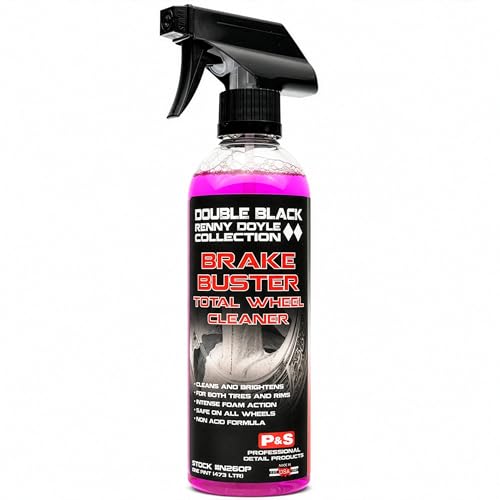 P&S Brake Buster Wheel Cleaner 16oz
|
7.5/10 | Buy | ||
 P & S Brake Buster Wheel Cleaner, 1 Gallon
|
7.3/10 | Buy | ||
 Chemical Guys Signature Series Wheel Cleaner, 16 oz
|
7.2/10 | Buy |
SONAX Wheel Cleaner Plus 750ml
A non-acid wheel cleaner formulated 20% stronger than its predecessor, designed to tackle brake dust and baked-on grime across all wheel finishes. The color-changing formula turns from clear to deep red or purple when it contacts ferrous metals, making dirt removal visible and satisfying.
Pros
- Noticeably stronger cleaning power targets stubborn, heat-baked brake dust
- Safe formulation works across diverse wheel materials without causing damage
- Visual color-change indicator shows the product actively dissolving contaminants
- Acid-free formula reduces risk of wheel degradation over time
Cons
- Requires cool, dry wheels before application, limiting flexibility in routine washing
- Anodized wheels and brake systems need spot testing first to avoid potential damage
- No verified buyer reviews available to confirm real-world performance claims
Adam's Polishes Wheel & Tire Cleaner 1 Gallon
A professional-grade wheel and tire cleaner formulated to remove brake dust, browning, and contaminants without damaging most rim finishes. Designed for detailers and car enthusiasts who want to restore wheels to factory condition before applying tire dressings.
Pros
- Versatile finish compatibility reduces risk of wheel damage compared to generic wheel cleaners
- High-foaming formula helps dissolve stubborn brake dust and contamination effectively
- Large 1-gallon size offers better value for frequent detailers or multi-car households
- Removes silicones and polymers that can interfere with tire dressing adhesion
Cons
- No verified buyer reviews available to confirm real-world performance claims
- Gallon size may be excessive for occasional users with one or two vehicles
- Requires proper spray application technique to avoid over-concentration on sensitive finishes
Griot's Garage 35oz Wheel Cleaner
A pH-balanced, non-acidic wheel cleaner that uses color-changing technology to break down brake dust and grime across all wheel finishes. Safe for painted, chrome, aluminum, powder-coated, and anodized wheels with a straightforward spray-and-rinse application.
Pros
- Color-changing technology provides visual feedback that the cleaner is working on brake dust
- Safe across diverse wheel finishes without risk of damage or discoloration
- pH-balanced formula eliminates concerns about corrosion or etching
- Made in the USA with improved active ingredients in current formulation
Cons
- No verified buyer reviews available to assess real-world performance and durability
- Requires 3-5 minute dwell time and agitation, which adds to cleaning time compared to some alternatives
- 35oz bottle size may require multiple purchases for deep wheel cleaning projects
Black Magic 120228 Foam Wheel & Tire Cleaner, 22 Fl Oz
A high-foaming wheel cleaner designed to lift dirt, grime, and brake dust without scrubbing. The color-changing formula shifts from white to brown as it works, and it's formulated to be safe across all wheel types and tire surfaces.
Pros
- Color-changing foam gives clear indication that product is working and contaminants are being removed
- Safe formulation works on various wheel finishes without damaging them
- Spray application eliminates need for manual scrubbing effort
- Pleasant cherry fragrance during application
Cons
- No verified customer reviews available to assess real-world performance or durability of results
- Single 22 fl oz bottle size may require frequent repurchasing for regular wheel maintenance
- Effectiveness on heavy brake dust accumulation not independently verified
Meguiar's D14301 Non-Acid Tire Cleaner, 128 Fl Oz
A pre-diluted wheel and tire cleaner that cuts through brake dust and road grime without requiring any mixing. This ready-to-use formula from Meguiar's prioritizes convenience for routine wheel maintenance.
Pros
- Pre-diluted formula eliminates preparation time and guesswork
- Addresses multiple wheel contaminants in one product
- Non-acid composition reduces risk of surface damage
- Established brand with automotive product credentials
Cons
- No verified buyer reviews available to confirm real-world performance
- 1-gallon size may require refilling for frequent wheel cleaning on multiple vehicles
- Limited information on dilution ratio or concentration strength relative to concentrate alternatives
Turtle Wax Hybrid Solutions Rapid Decon Iron Remover 23oz
A pH-neutral iron remover and wheel cleaner that works across painted surfaces, chrome, and glass without heavy scrubbing. The color-changing formula turns purple on contact with iron, letting you see decontamination happen in real time, though it carries a 4.6 rating with no verified buyer reviews yet.
Pros
- Multi-surface compatibility eliminates need for separate products
- Visual color-change feedback confirms active decontamination
- Acid-free formulation safe for clear coats and polished metals
- Reduces preparation effort before applying protective coatings
Cons
- No verified buyer reviews available to validate real-world performance claims
- 23 fl oz size may require multiple applications on heavily soiled vehicles
- Product effectiveness dependent on proper contact time and spray coverage technique
P&S Brake Buster Wheel Cleaner 16oz
An acid-free wheel cleaner designed to tackle brake dust, oil, and road fallout without damaging any wheel finish. Works straight from the bottle or diluted in a foam sprayer, with a protective coating to help repel future grime buildup.
Pros
- Acid-free formula is safe for all wheel finishes without causing damage or etching
- Versatile application: use straight from bottle or dilute in foam sprayer for customized coverage
- Built-in protective coating helps extend cleanliness between detailing sessions
- Simple use process requiring only spray, soft brush agitation, water rinse, and towel dry
- 1-pint size offers budget-friendly entry point for wheel care
Cons
- No verified customer reviews available to assess real-world performance and longevity of protective coating
- Requires manual agitation with soft bristle brush for stubborn contamination, not fully automated
- Single 16oz size may require multiple bottles for larger vehicle fleets or frequent use
P & S Brake Buster Wheel Cleaner, 1 Gallon
A non-acid wheel cleaner designed to remove brake dust, grime, and light corrosion from chrome, aluminum, and painted wheels. The foaming formula can be used straight or diluted in a sprayer, with a protective coating that helps repel future contamination.
Pros
- Safe for all wheel types including chrome, aluminum, painted, powder-coated, and steel finishes
- Foaming action reaches hard-to-reach areas and can be diluted for foam cannon application
- Leaves a protective coating to help repel brake dust and oxidation over time
- Professional-grade formula trusted by detailing professionals
- 1-gallon size offers good value for regular wheel maintenance
Cons
- No verified buyer reviews available to confirm real-world performance claims
- Requires dilution in a foam sprayer for optimal foaming action, adding extra steps
- Non-acid formula may be less aggressive on severely corroded or heavily contaminated wheels compared to acid-based alternatives
Chemical Guys Signature Series Wheel Cleaner, 16 oz
A fast-acting foaming wheel cleaner formulated to tackle brake dust and road grime across chrome, painted, and powder-coated finishes. Safe for use on wheels, calipers, and suspension components, making it suitable for cars, trucks, motorcycles, and more.
Pros
- Multi-surface compatibility reduces need for multiple cleaning products
- Foaming action climbs vertical surfaces for better coverage and easier rinsing
- Safe formula eliminates risk of damage or discoloration on finished wheels
- Compact 16 oz size suits regular maintenance routines
Cons
- No verified buyer reviews available to assess real-world performance and longevity
- Requires agitation or rinsing for optimal results, not a complete no-work solution
- Single-size 16 oz bottle may require frequent repurchasing for heavy-use applications
Wheel Cleaners Buying Guide
Picking a wheel cleaner is not as straightforward as grabbing any bottle off the shelf. The chemistry needs to match your wheel finish, your level of contamination, and how often you plan to wash.
The sections below walk through the criteria that matter most, so you can match a product to your actual situation rather than just the marketing copy on the label.
And if you are building out a full detailing routine, pairing a quality wheel cleaner with a good car shampoo keeps every surface on the vehicle looking its best.
Formula Type: Acid, Non-Acid, or Iron Remover

Wheel cleaners fall into three broad chemical families, and knowing which you are using is essential.
Acid-based formulas are the most aggressive at dissolving brake dust and mineral deposits, but they can damage anodized, painted, or powder-coated finishes if used incorrectly or left on too long.
They are generally reserved for bare aluminum or heavily contaminated steel wheels.
Most of the products in this guide are non-acid, meaning they rely on alkaline or neutral pH chemistry to break down organic grime and iron particles without posing the same corrosion risk.
Iron-removing formulas add a reactive compound, usually an ammonium thioglycolate or similar agent, that bonds chemically with ferrous particles embedded in the finish. These products typically change color as they react, turning red or purple to signal active contamination removal.
This color-change effect is not just visual theater. It is a reliable indicator that the formula is actually reacting with brake dust rather than simply wetting the surface.
Several picks in our list include this feature, and expert reviewers consistently flag it as a meaningful advantage for wheels with heavy iron fallout.
For most drivers, a non-acid formula with iron-removing capability strikes the best balance. It is aggressive enough for real-world brake dust but safe across the widest range of finishes, including the clearcoated and painted wheels found on most modern vehicles.
pH Level and Finish Compatibility
pH is the single most important safety spec on a wheel cleaner label. Products marketed as pH-balanced or pH-neutral sit close to 7, making them safe for virtually all wheel types including chrome, polished aluminum, painted, anodized, and clearcoated finishes.
Products on the alkaline side (pH 8 to 12) are effective degreasers but require rinsing before they dry, especially on bare or lightly treated metal.
Anything strongly acidic (pH below 3) should only be used by someone who knows their wheel material precisely and is comfortable with short contact times.
If you have aftermarket wheels with a custom finish, a polished lip, or any coating applied, always default to a pH-neutral or pH-balanced product.
Verified buyer feedback across multiple brands repeatedly flags finish etching and discoloration as the result of using the wrong formula type, not defective product.
When in doubt, check the manufacturer’s compatibility list before applying anything new to a wheel you care about.
Concentration and Value: Ready-to-Use vs. Dilutable
Wheel cleaners come either pre-diluted for direct use or in concentrated form that you mix with water at a ratio suited to your contamination level. Pre-diluted sprays offer convenience: you buy the bottle, you spray it on, you rinse.
For casual home users washing weekly, this format is perfectly reasonable. However, the per-use cost can climb quickly if you are cleaning multiple vehicles or deeply contaminated wheels.
Concentrated gallon jugs, like the ones from Meguiar’s and Adam’s Polishes in this list, offer substantially lower per-wash costs once you factor in dilution ratios. Professional detailers and enthusiasts who wash frequently tend to prefer this format.
The trade-off is that you need to measure accurately: too dilute and the formula loses effectiveness, too concentrated on a sensitive finish and you risk damage.
If you are also building out your wash gear, a solid set of wet dry vacuums for the garage can handle the runoff and rinse water efficiently.
Dwell Time and Spray Pattern

Dwell time is how long a cleaner needs to sit on the surface before it fully breaks down contamination. Most quality wheel cleaners require two to five minutes of contact time for the chemistry to work.
Rushing the rinse before that window closes is one of the most common reasons people report disappointing results. Check the label for the manufacturer’s recommended dwell time and resist the urge to rinse too early, especially on heavily caked wheels.
Spray pattern matters more than most buyers realize. A wide fan spray covers the face of the wheel efficiently but can miss deep barrel areas.
A focused stream or foam spray gets into spokes and behind the hub where brake dust accumulates most heavily.
Some products, including the Black Magic foam formula in this roundup, use a high-foaming delivery to cling to vertical surfaces and stay in contact longer before dripping.
Expert reviewers frequently cite clinging ability as a meaningful factor on complex spoke designs where a thin liquid just runs off before it can work.
Agitation Tools and Workflow
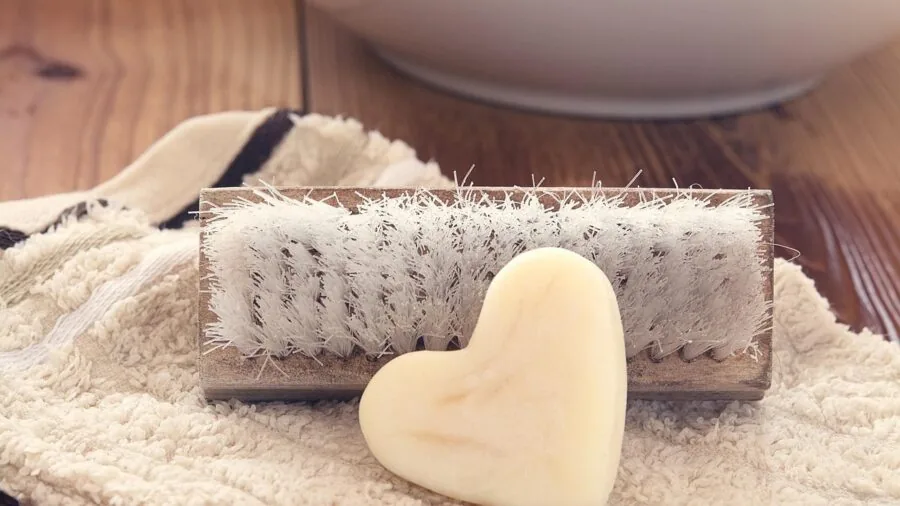
No wheel cleaner eliminates the need for agitation on heavily soiled wheels. Chemical action loosens and dissolves contamination, but a brush finishes the job by physically removing the loosened residue from the surface.
Use soft-bristle brushes on the wheel face to avoid scratching painted or coated finishes. Narrow barrel brushes reach behind spokes and into the inner lip.
A dedicated stiff-bristle tire brush handles sidewall browning and grime without spreading abrasive brake dust to the wheel face.
Critically, never use the same brush on your wheels that you use on paint panels. Brake dust particles are iron-based and highly abrasive.
Cross-contaminating your wash mitt or paint brush with wheel residue is a reliable way to inflict fine scratches across clearcoat. Keep wheel tools completely separate from your paint-safe wash equipment.
Once your wheels are clean, finishing the exterior with quality car wax products helps seal surfaces and slows future contamination buildup.
Scent, Foam, and Aesthetic Factors
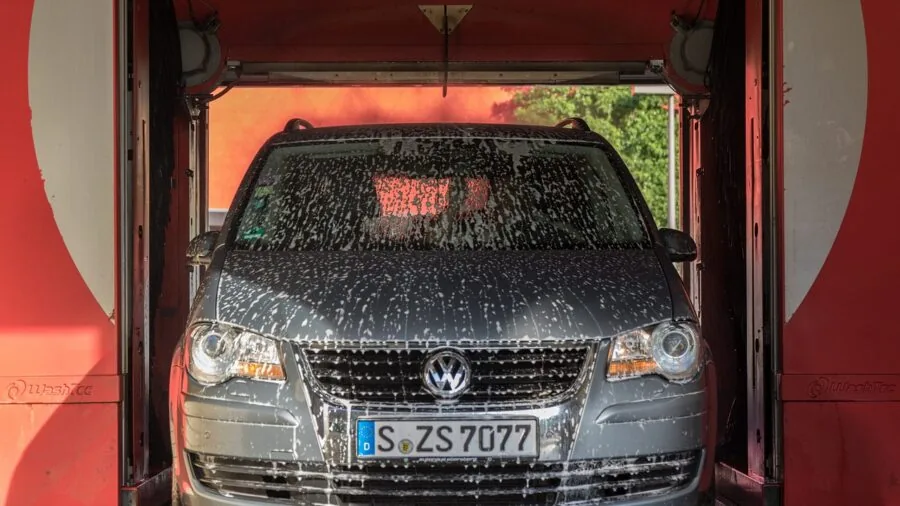
Some buyers treat foam level and scent as purely cosmetic concerns, but there are practical reasons to pay attention to them.
Heavy foam signals surfactant concentration and cling, both of which affect how well the formula stays on the wheel during dwell time. A very thin, watery spray on a vertical surface simply drains before it can do its job.
Foam gives the chemistry time to contact the surface.
Scent is a comfort factor for users working in enclosed garages. Some iron removers have a notably sharp or sulfur-like smell from the reactive compounds.
This does not indicate a problem with the product, but it is worth knowing before you use one in a poorly ventilated space.
Products like the Chemical Guys Signature Series are frequently praised for a more neutral scent profile compared to heavier iron-reactive formulas. Buyer reviews consistently flag smell as one of the few genuine downsides of otherwise strong performers in this category.
Why You Should Trust Us
ProductFind is an independent editorial platform. We do not sell products, take manufacturer payments for placement, or accept review samples in exchange for coverage. Every product in this roundup was selected and ranked on merit based on a consistent, structured research process.
Each wheel cleaner in this guide was assessed using our PF Score system, a 0 to 10 rating scale built on four pillars: published product specifications, expert review consensus drawn from the detailing and automotive care community, verified buyer feedback from confirmed purchasers, and publicly available performance data.
We do not conduct our own product trials; our evaluations are grounded in research, published data, expert review consensus, and verified buyer feedback.
Transparency note: ProductFind may earn a commission when you purchase through links in this article. That affiliate relationship has no bearing on scores, rankings, or which products are included. Our recommendations are editorially independent, and products are ranked by PF Score, not by commission rate.
Final Thoughts
The wheel cleaners in this roundup cover the full range of use cases, from quick spray-and-rinse maintenance washes to deep-decontamination sessions on neglected alloys. Here is a summary of our top designations based on PF Score and best-fit profile:
- Best Overall: SONAX Wheel Cleaner Plus earns the top spot in this roundup with the highest PF Score in the group. Its color-changing iron-reactive formula, non-acid pH, and strong performance consensus across expert reviews and verified buyers make it the most complete option for drivers who want serious cleaning power without risking their finish.
- Best for Frequent Detailers: Adam’s Polishes Wheel and Tire Cleaner Gallon is the standout choice for enthusiasts and professionals who go through product quickly. Its gallon format and high PF Score reflect a formula that works on both rubber and metal surfaces, cutting wash time while keeping per-use costs low.
- Best Premium Pick: Griot’s Garage Heavy-Duty Wheel Cleaner is the go-to recommendation for drivers with expensive aftermarket or coated wheels. Its pH-balanced, non-acid formulation and strong expert consensus make it the safest choice for high-value finishes that cannot afford a chemistry mistake.
- Best Budget-Friendly Option: Black Magic Intense Foam Wheel and Tire Cleaner delivers strong value at an accessible price. Its high-foaming delivery clings well to vertical surfaces and performs reliably on moderately dirty wheels, earning a notably high PF Score for its price tier.
- Best for Gallon-Size Value: Meguiar’s D14301 Non Acid Tire and Wheel Cleaner is the top pick for fleet owners and shop environments where per-use cost matters. Pre-diluted and ready to use straight from the jug, it removes the guesswork of mixing while still offering strong cleaning performance and a high PF Score.
No matter which product you choose, consistency matters more than chemistry alone.
Cleaning your wheels at every wash, keeping dedicated brushes in your kit, and pairing your routine with quality car polishes for the paint panels will keep your vehicle looking sharp far longer than any single product can on its own.
Frequently Asked Questions
Are wheel cleaners safe for all wheel types?
Not all formulas are safe for every finish. Acid-based cleaners can damage painted, anodized, and clearcoated wheels if left on too long or used at full strength.
The safest approach for most drivers is to use a pH-balanced or non-acid formula, which is what the majority of products in this guide use.
Always check the manufacturer’s compatibility statement before applying a new product to a wheel you have not used it on before, especially if your wheels have a custom or aftermarket coating.
What does the color change in some wheel cleaners mean?
The purple or red color change you see with iron-reactive formulas is a chemical reaction between the active ingredient and ferrous iron particles embedded in the wheel surface.
It indicates the formula is actively dissolving brake dust and iron fallout rather than simply wetting grime. This reaction is harmless to properly finished wheels and is considered a reliable visual confirmation that the chemistry is working.
If you see heavy color change on a wheel that looked clean, it likely had significant embedded iron contamination that was not visible to the eye.
How often should I clean my wheels?
Most detailing professionals recommend cleaning wheels at every wash, which for average drivers means every one to two weeks. Brake dust is mildly corrosive and bonds more aggressively to wheel surfaces the longer it sits, especially through heat cycles.
Waiting until wheels look visibly dirty means the contamination has already had time to etch into the finish. Frequent light cleaning is significantly easier than occasional heavy decontamination, and it keeps cleaning product costs lower overall.
Can I use wheel cleaner on brake calipers?
Many non-acid wheel cleaners can be used carefully on painted or coated calipers to remove surface brake dust and grime. Avoid letting any formula soak into brake pads or rotors, and rinse thoroughly before driving.
If your calipers are bare metal or have a specialty coating, check with the coating manufacturer first.
Wheel cleaner is not a substitute for proper brake system maintenance, and it should never be sprayed directly onto braking components in a way that could contaminate friction surfaces.
Is it worth buying a gallon jug versus a ready-to-use spray bottle?
For drivers who wash one car every couple of weeks, a ready-to-use spray bottle is perfectly sufficient and convenient. If you wash multiple vehicles, run a detailing side business, or wash frequently, gallon formats offer meaningful cost savings per wash.
Products like the Meguiar’s gallon and the Adam’s Polishes gallon in this roundup come pre-diluted or dilute easily, making the economics clear once you calculate how many spray bottles worth of product a gallon represents.
The upfront cost is higher, but the per-use cost drops substantially.
Should I wash wheels before or after the rest of the car?
Always wash wheels first. Wheel cleaning produces dirty rinse water loaded with brake dust, iron particles, and chemical residue.
If you wash the paint panels first and then attack the wheels, overspray and splash contamination will land on your freshly cleaned paintwork. Starting with wheels also lets you use a heavier-duty cleaner without worrying about contact with paint.
Once wheels are clean and rinsed, you can move to the rest of the vehicle with your paint-safe wash products without risking cross-contamination.
About the author
Cindy is a reviewer and writer for ProductFind who specializes in Car Care & Detailing. Cindy evaluates products through independent research: specifications, expert review consensus, and verified buyer feedback, and rates each one on the PF Score. Cindy focuses on helping readers pick the right car care & detailing for their needs and budget.