The 8 Best Work Gloves
Protecting your hands starts with matching the right glove to the right hazard. This guide covers leather, nitrile, and cut-resistant options across trades and budgets.
 By Gilbert Phillips
Updated July 23, 2026
By Gilbert Phillips
Updated July 23, 2026
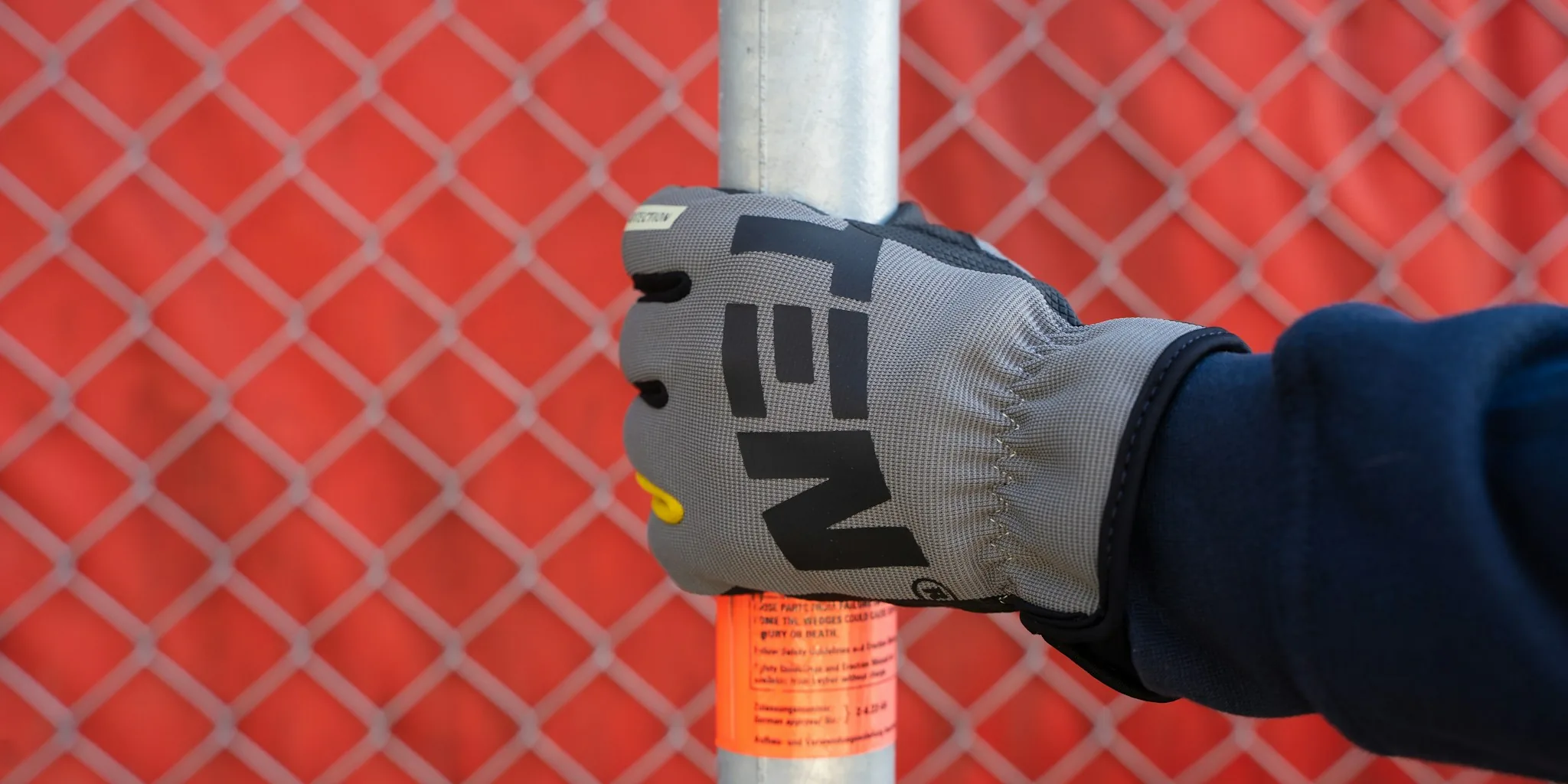
Hand injuries are among the most frequent and costly workplace incidents across every trade, from construction and landscaping to warehousing and automotive work.
The right pair of work gloves does more than protect your skin: it keeps you in control of your tools, reduces fatigue over a long shift, and can mean the difference between finishing a job safely and losing time to an avoidable injury.
With dozens of options on the market spanning leather, nitrile, synthetic, and cut-resistant constructions, narrowing the field to gloves that genuinely deliver on their protection claims is harder than it looks.
This guide covers eight carefully vetted pairs across a range of trades, hazard types, and budgets, from budget-friendly bulk packs designed for warehouse rotation to heavy-duty cowhide leather built for ranching and rough construction.
ProductFind evaluated each model using published specifications, expert review consensus from the occupational safety and trade press, and verified buyer feedback drawn from thousands of confirmed purchasers.
The picks below reflect the strongest overall value in each segment, so read on for our top recommendations.
| Award | Product | PF Score About PF ScoreThe PF Score is our own rating from 0 to 10, based on performance, design and build, ease of use, and value. It reflects independent research and is never influenced by manufacturers, retailers, or affiliate commissions. Learn more › | Price | |
|---|---|---|---|---|
| Best Overall |
 Kebada W1 Work Gloves, 12 Pairs, Touchscreen Compatible
|
6.9/10 | Buy | |
| Editor's Pick |
 NEOTRIL MicroFoam Nitrile Work Gloves, 3-Pair Pack
|
6.5/10 | Buy | |
| Best Value |
 Wells Lamont Cowhide Work Gloves, Large
|
7.2/10 | Buy | |
| Top Rated |
 MaxiFlex 34-874 Nitrile Palm Coated Work Gloves, Large
|
7.8/10 | Buy | |
 Klein Tools 60581 Cut Resistant Work Gloves, Large
|
7.5/10 | Buy | ||
 DULFINE Cowhide Leather Work Gloves, Large
|
6.6/10 | Buy | ||
 Mechanix Wear Original Tactical Gloves Large
|
8.1/10 | Buy | ||
 HANDLANDY Men's Work Gloves with Touch Screen
|
6.4/10 | Buy |
Kebada W1 Work Gloves, 12 Pairs, Touchscreen Compatible
Budget-friendly multipurpose work gloves with PU grip coating and touchscreen capability, designed for construction, warehouse handling, and gardening. Lightweight and machine washable, though durability claims rely on manufacturer testing rather than independent verification.
Pros
- Touchscreen-compatible fingertips eliminate need to remove gloves when using phones or devices
- PU coating provides grip in dry, wet, and light oily conditions for versatile work environments
- 12-pair bulk pack offers good value for frequent replacement
- Lightweight and breathable design reduces hand fatigue during extended wear
- Machine washable for easy maintenance and quick drying
Cons
- No verified customer reviews available to assess real-world durability and longevity
- Abrasion resistance claims based only on manufacturer testing, not independent third-party validation
- Limited sizing information, no guidance on fit compared to standard glove sizing
NEOTRIL MicroFoam Nitrile Work Gloves, 3-Pair Pack
Lightweight nitrile-coated safety gloves designed for light duty work across automotive, warehouse, and general handling tasks. The microfoam coating delivers wet and oily grip while the breathable nylon knit keeps hands comfortable during extended wear.
Pros
- Effective grip performance in wet and oily conditions with microfoam coating
- Comfortable, breathable design that keeps hands dry during extended use
- Touch-screen compatible, allowing operation of smartphones without removal
- Machine washable construction simplifies cleaning and maintenance
- CE certified with documented protection ratings for abrasion, cut, tear, and puncture resistance
Cons
- No verified buyer reviews currently available, limiting real-world performance insights
- Cut resistance rating (1) is minimal, making them unsuitable for sharp object handling
- Light duty classification limits use in heavy industrial or construction environments
Wells Lamont Cowhide Work Gloves, Large
Premium grain cowhide gloves built on over a century of Wells Lamont craftsmanship, designed for ranching, farming, and construction work. The Gunn cut design and adjustable wrist closure prioritize both dexterity and secure fit for extended workdays.
Pros
- Durable premium cowhide resists abrasion and puncture damage in demanding work environments
- Ergonomic Gunn cut design with keystone thumb provides superior control and maneuverability
- Leather naturally molds to hand shape for improved comfort during all-day wear
- Adjustable wrist closure effectively seals out dirt and debris while staying secure
Cons
- No verified buyer reviews available to confirm real-world durability claims and break-in timeline
- Premium cowhide gloves require ongoing maintenance and conditioning to preserve leather quality
- Initial fit may feel stiff until leather break-in period is complete
MaxiFlex 34-874 Nitrile Palm Coated Work Gloves, Large
Seamless nylon knit gloves with nitrile foam coating designed for grip in dry and slightly wet conditions. Emphasizes breathability and dexterity for general warehouse and light industrial work.
Pros
- Excellent grip in dry and slightly oily conditions
- Breathable coating reduces sweating during extended wear
- Improved fingertip sensitivity and flexibility from seamless knit technology
- Machine washable, extending product life
- Bulk pack of 12 pairs offers value for workplace purchases
Cons
- Back pattern may vary between batches; MaxiFlex notes upgrades are ongoing
- Grip performance limited to slightly wet or oily conditions, not heavy moisture
- No customer reviews available to verify real-world durability claims
Klein Tools 60581 Cut Resistant Work Gloves, Large
Nylon-Spandex gloves with nitrile coating deliver ANSI A1 cut resistance and touchscreen capability for mixed-duty jobsite work. Machine washable construction and microfoam grip handle dry, oily, and wet conditions without sacrificing dexterity.
Pros
- Touchscreen capability eliminates need to remove gloves on the job
- Microfoam nitrile coating provides reliable grip across multiple conditions
- Machine washable design reduces replacement frequency
- Lightweight and flexible construction preserves hand dexterity for precision tasks
- ANSI A1 certification confirms cut resistance standards
Cons
- ANSI A1 rating indicates light cut resistance only, not suitable for high-risk cutting tasks
- No customer reviews available to verify real-world durability or sizing accuracy
- Limited to large size in this listing, may require separate purchase for other sizes
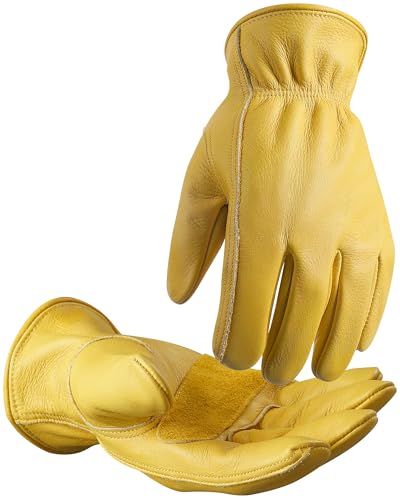
DULFINE Cowhide Leather Work Gloves, Large
Genuine 1.2mm cowhide gloves designed for outdoor work and gardening, featuring reinforced palm grip and double-thread construction for durability. The gunn cut and keystone thumb design prioritize flexibility, making them suitable for tasks requiring dexterity alongside protection.
Pros
- Genuine cowhide construction provides strong abrasion, puncture, tear, and cut resistance
- Reinforced palm patch with seams set away from contact areas extends durability
- Elastic wrist design keeps debris out while allowing easy on/off
- Versatile for multiple outdoor and trade work applications
- Breathable leather offers comfort during extended wear
Cons
- No verified buyer reviews available to assess real-world durability and fit consistency
- Limited size information provided; fit accuracy for large size unclear without reviews
- Leather may require conditioning or break-in period for optimal comfort
Mechanix Wear Original Tactical Gloves Large
Heavy-duty synthetic leather work gloves designed for mechanics, tactical use, and general labor. Features touchscreen capability, reinforced high-wear areas, and a secure TPR wrist closure to keep hands protected and comfortable during repetitive tasks.
Pros
- Touchscreen capability maintains utility with modern devices without removing gloves
- Reinforced thumb and index fingers address the highest-wear areas in work gloves
- Breathable TrekDry material and evaporative cooling keep hands comfortable during extended use
- Secure TPR wrist closure with adjustable hook and loop prevents slipping and debris entry
- Machine washable design extends product lifespan and simplifies maintenance
Cons
- No verified buyer reviews available to assess real-world durability claims
- Limited sizing information, single size tested (Large) may not accommodate all hand sizes equally
- Synthetic leather durability claims lack independent verification compared to premium alternatives
HANDLANDY Men's Work Gloves with Touch Screen
Lightweight synthetic leather gloves designed for light-duty work, featuring touch screen fingertips and foam-padded palms and knuckles. Best suited for yard work, gardening, and home improvement tasks where breathability matters.
Pros
- Touch screen functionality eliminates need to remove gloves to use phone or tablet
- Breathable spandex back keeps hands cool during outdoor tasks
- Dual padding on knuckles and palm reduces impact and vibration from hand tools
- Flexible design prioritizes comfort over heavy-duty protection
Cons
- Limited to light-duty work, not suitable for heavy industrial or construction use
- No verified buyer feedback available to assess real-world durability and touch screen effectiveness
- Synthetic leather durability and longevity unknown without user data
Work Gloves Buying Guide
Choosing the right work gloves is less about picking the most expensive option and more about matching specific glove attributes to the actual demands of your environment.
A warehouse order picker and a ranch hand face entirely different hazard profiles, and a glove optimized for one role can actively hinder performance in another.
The criteria below form the same evaluation framework ProductFind applies when assessing every pair in this roundup, and working through them in order will help you zero in on the right choice for your situation.
Protection Level and Hazard Type

The single most important question to answer before buying work gloves is: what hazard am I protecting against? Abrasion, puncture, cut, heat, chemical splash, and vibration are all distinct risks, and no single glove excels at every one of them.
Identifying your primary hazard first prevents the common mistake of buying a glove that looks tough but fails at the specific risk you actually face.
For general construction, ranching, and landscaping, cowhide leather gloves provide excellent abrasion and puncture resistance. For light assembly, warehousing, and package handling, thin nitrile-coated or polyurethane-coated gloves deliver far better dexterity while still protecting against minor cuts and surface abrasions.
If your work involves sheet metal, glass, or sharp-edged materials, look for gloves rated to a specific ANSI/ISEA cut resistance level.
The Klein Tools 60581 in this roundup, for example, carries an ANSI A1 rating suited to light-duty cut hazards encountered in general electrical and trade work.
Workers using a utility knife regularly should prioritize a cut-rated glove rather than relying on standard leather alone.
OSHA and ANSI/ISEA 105 set the benchmark standards for hand protection in the United States, and reputable manufacturers publish their ratings openly. If a product listing omits protection-level data entirely, treat that as a red flag.
Always cross-reference the glove’s rated protection category against the actual hazards in your environment before committing to a purchase.
Material and Coating

Glove material governs durability, breathability, grip character, and washability. Cowhide leather, used in the Wells Lamont and DULFINE picks in this guide, is the time-evaluated standard for heavy trades.
It molds to the hand over time, resists punctures, and handles rough surfaces without deteriorating quickly.
The trade-off is stiffness out of the box and reduced dexterity compared to thinner synthetic constructions, which makes leather less practical for tasks requiring fine motor control.
Nitrile-coated gloves, including the MaxiFlex 34-874 and the NEOTRIL MicroFoam options, use a seamless knit nylon or polyester liner with a foam nitrile palm coating.
This construction keeps the glove lightweight and tactile while adding meaningful grip on oily or wet surfaces. Foam nitrile in particular creates microscopic channels that channel fluid away from the contact surface, maintaining control even on damp parts and components.
Polyurethane coatings, as seen on the Kebada W1, tend to perform best in dry conditions and offer very good finger sensitivity, making them a popular choice for electronics assembly and light packaging work.
Synthetic leather, used in the HANDLANDY gloves, bridges the gap between leather and coated knit construction, offering moderate durability with a softer initial feel.
When selecting based on material, think first about your environment’s temperature, moisture level, and the surface textures you encounter most frequently rather than defaulting to the toughest-looking option on the shelf.
Fit, Dexterity, and Comfort

A glove that fits poorly is a glove you will take off, which defeats the purpose entirely. Fit affects not only comfort but also grip quality and fine-motor control.
Look for gloves with a structured sizing system using clear hand-circumference guidance rather than generic one-size-fits-most claims.
The Gunn cut design found on the Wells Lamont leather gloves is a useful example of fit engineering: it positions the index-finger seam on the back of the hand rather than the palm, reducing pressure points during sustained tool use.
For tasks requiring precision, such as picking small components, operating handheld scanners, or doing detail finish work, thinner gloves like the MaxiFlex 34-874 or Mechanix Wear Original deliver meaningfully better dexterity than leather alternatives.
Touchscreen compatibility, offered by the HANDLANDY and Mechanix pairs among others, removes the irritating need to strip gloves every time you tap a screen, which matters considerably for workers who rely on smartphones or inventory devices throughout the day.
A well-fitted glove also pairs naturally with other precision hand tools: even the best hex key sets or clamps become harder to use safely when hand protection compromises your grip and control.
Breathability matters considerably for all-day wear. Knit-back designs dissipate heat far better than full-leather or full-rubber constructions and reduce the fatigue that comes with sustained hand sweat over a long shift.
If you work in warm conditions or wear gloves continuously for hours at a time, a coated knit glove is almost always the more comfortable all-day option over leather.
Grip Performance Across Surfaces

Grip is the functional core of any work glove. The coating type, coverage area (palm-only versus three-quarter versus full-dip), and surface texture all determine how securely you can hold tools, materials, and equipment under real working conditions.
Getting this wrong means dropping things or overgripping to compensate, both of which increase fatigue and injury risk.
Foam nitrile coatings, like those on the MaxiFlex 34-874, are the dominant choice in automotive, warehouse, and light-industrial applications precisely because they maintain reliable grip on wet and oily surfaces where smooth coatings fail.
Standard nitrile dip coatings, as used on the Klein Tools 60581, offer dependable dry and lightly damp grip at a very accessible price point.
PU coatings perform best in clean, dry environments and are a sensible pick for electronics assembly and light packaging.
Leather and synthetic leather provide naturally conforming grip on irregular surfaces like lumber, pipe, and rope but can become slick when wet. This is an important limitation to understand before selecting leather for outdoor or moisture-exposed applications.
Workers who rely on precision pliers sets or wrench sets throughout the day will notice grip differences between coating types more acutely than workers doing bulk material handling.
If your workday involves multiple surface types or changing moisture conditions, a foam nitrile pair is generally the most versatile single choice. For consistently dry, rough-surface work such as ranching or heavy landscaping, leather still earns its long-standing reputation.
Many experienced tradespeople keep two different pairs on hand, much the way they select specific hammers for different applications rather than defaulting to one tool for everything.
Durability and Value Per Pair
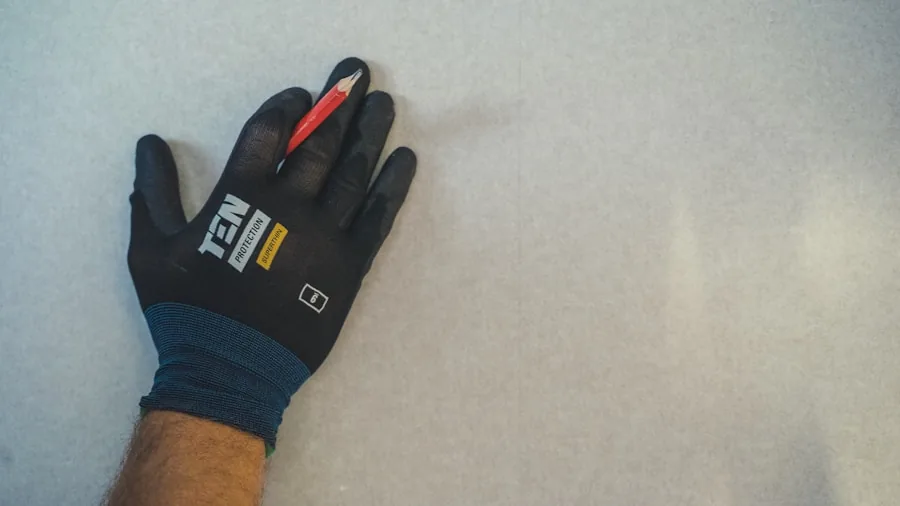
Work gloves wear out. The real cost equation is not price per box but effective protection per hour of use.
Lightweight nitrile-coated and PU-coated gloves at budget price points often come in multi-pair packs, which lowers the per-pair cost significantly and accounts for the faster replacement cycle of thinner constructions.
The Kebada W1 ships as a 12-pair pack, and the MaxiFlex 34-874 is also available in dozen-pair sets, making them practical choices for teams or high-rotation environments where gloves change frequently.
Heavy leather gloves carry a higher upfront cost but can last for months of regular use with proper care. Seam construction is a reliable durability indicator: double-stitched and keystone-thumb designs handle stress points significantly better than simple single-stitched constructions.
Washability is another factor worth checking.
Knit-backed coated gloves are typically machine washable in cold water on a gentle cycle and can be air dried, which extends their usable life considerably and removes the oils and grit that degrade coating adhesion over time.
Leather gloves are not machine washable and should be spot cleaned and conditioned periodically to prevent cracking. Keeping gloves organized and dry in quality tool bags between shifts extends the life of both leather and coated knit pairs meaningfully.
When reading verified buyer feedback, pay particular attention to how long owners report the gloves lasting under conditions similar to yours rather than relying solely on manufacturer claims. Longevity data from real purchasers doing comparable work is consistently the most reliable indicator of true durability.
Wrist Closure and Secondary Features

Wrist closure style affects both fit security and debris intrusion.
Adjustable hook-and-loop closures, found on the Wells Lamont and Mechanix Wear gloves, let you dial the fit to your wrist circumference and prevent grit, sawdust, and debris from working their way inside the cuff during digging, demolition, or grading work.
Knit wrist designs, common on nitrile-coated gloves, provide a snug, low-profile fit with less adjustability.
For tasks where debris intrusion is a genuine concern, working under vehicles, doing demo work with a hand saw, or grading soil, a positive wrist closure is worth prioritizing.
Secondary features add meaningful real-world value when matched to the right application. Padded knuckle guards on the HANDLANDY gloves add impact protection for tasks near hard edges and cornered materials.
Reinforced palm patches extend wear life in high-abrasion zones, and high-visibility cuff colors help keep gloves easy to locate on a cluttered jobsite.
Touchscreen compatibility has moved from novelty to practical necessity for workers who operate smartphones, tablets, or handheld scanners throughout the day. That said, the quality of conductive fingertip patches varies significantly between manufacturers.
Always verify touchscreen performance claims against verified buyer reports rather than relying on product listing copy alone. Staying organized with a capable set of tool boxes alongside your hand protection keeps the entire jobsite workflow running smoothly.
Workers who also use levels, stud finders, or tape measures throughout the day will find that well-fitted gloves with good fingertip sensitivity make all of those precision tasks more accurate and comfortable.
Why You Should Trust Us
ProductFind is an independent review publication with no commercial relationship to any brand that influences our editorial decisions. We do not manufacture, sell, or distribute the products we cover, and our recommendations are made solely on the basis of research quality and product merit.
Every model in this roundup was assessed using our standardized evaluation framework.
We examine published specifications, safety ratings, and construction details; synthesize consensus from expert reviewers across the occupational safety, trade, and consumer review space; and incorporate verified buyer feedback drawn from thousands of confirmed purchasers across major retail platforms.
We do not conduct our own product trials; our evaluations are grounded in research, published data, expert review consensus, and verified buyer feedback.
Each product receives a PF Score on a 0 to 10 scale, reflecting an aggregated assessment of protection performance, durability, fit and comfort, grip quality, and overall value for the intended use case.
Scores are assigned consistently across all products in a category so that comparisons are meaningful and fair. ProductFind may earn an affiliate commission when you purchase through links in this article.
That relationship does not influence which products we select, how we rank them, or what scores they receive.
Final Thoughts
The eight pairs in this guide span a wide range of trades, tasks, and budgets. Each earns its place for a different reason, and the right choice depends entirely on matching the glove’s strengths to your specific hazard profile.
Here are our standout picks based on PF Score and category performance:
- Best Overall: Mechanix Wear The Original Coyote Tactical Work Gloves earns the highest PF Score in this roundup. Its proven balance of durable synthetic construction, secure hook-and-loop wrist closure, versatile multi-purpose grip, and reliable touchscreen capability makes it a consistent performer across tactical, mechanical, and general trade applications.
- Best for Light Duty and Precision Work: MaxiFlex 34-874 Ultimate Foam Nitrile Palm Coated Gloves deliver outstanding tactile sensitivity and wet-surface grip in a thin, breathable knit shell, making them the go-to choice for warehouse, assembly, and automotive detail work where dexterity matters as much as protection.
- Best for Cut Resistance at an Accessible Price: Klein Tools 60581 Knit Dipped Cut Resistant Gloves offer ANSI A1 cut resistance with touchscreen capability and a nylon-spandex shell. That combination is hard to match at their price point and suits electricians and general tradespeople who encounter sharp edges regularly.
- Best Heavy-Duty Leather Option: Wells Lamont Cowhide Leather Work Gloves remain a reliable standard for ranching, farming, and rough construction. The Gunn cut design and adjustable wrist closure deliver proven abrasion and puncture resistance across demanding physical tasks.
- Best Budget Bulk Pack: Kebada W1 PU Coated Safety Gloves make smart economics possible for teams and high-rotation environments, with a 12-pair pack, reliable dry-condition grip, and touchscreen fingertips at a low per-pair cost.
No matter which pair you choose, replacing worn gloves promptly and matching the glove to the specific hazard will always matter more than brand loyalty.
A glove that is right for framing is not necessarily right for finish carpentry, just as a chisel set selected for rough work differs from one chosen for joinery.
Pair your hand protection with well-organized socket sets and pry bars to keep every part of your workflow as safe and efficient as possible.
Frequently Asked Questions
What Are the Best Work Gloves for Construction?
For construction work, the ideal glove balances abrasion and puncture resistance with enough grip to handle lumber, rebar, pipe, and hand tools securely.
Cowhide leather gloves, like the Wells Lamont option in this guide, have long been the industry standard for heavy trades because they resist rough surfaces and mold to the hand over time.
For lighter construction tasks such as finish carpentry or electrical work, a nitrile-coated or cut-resistant glove offers better dexterity without sacrificing meaningful protection.
Keeping both types in your tool bag is a practical approach most experienced tradespeople already follow, since rough framing demands leather while precise trim work benefits from a thinner coated glove.
How Do I Know Which Size Work Gloves to Buy?
Most work glove manufacturers size by hand circumference measured at the widest point of your palm, typically just below the knuckles, excluding the thumb.
Measure with a soft tape and compare against the brand’s specific size chart, since sizing conventions vary between manufacturers.
A glove that is too large bunches at the fingers and reduces grip control; one that is too small restricts circulation and causes fatigue faster.
If you fall between sizes, consider the material. Leather and synthetic leather stretch slightly with wear, so sizing down half a step can work in some cases. Knit-backed coated gloves have less stretch, so err toward your larger measured size.
Always verify sizing against verified buyer feedback for the specific model, since published size charts sometimes run small or large relative to stated dimensions.
Can Work Gloves Be Washed and Reused?
Most knit-backed coated work gloves in nitrile, foam nitrile, and PU-coated styles are machine washable in cold water on a gentle cycle and can be air dried to restore their condition.
Washing also removes oils, grit, and contaminants that degrade coating adhesion over time. Check the manufacturer’s care label before washing, as some coatings can delaminate under hot water or machine drying heat.
Leather work gloves are generally not machine washable. Spot clean with a damp cloth and mild soap, then air dry away from direct heat. Conditioning the leather periodically with a leather conditioner prevents cracking and extends usable life.
Heavy soiling or contamination with chemicals means the gloves should be replaced rather than cleaned, regardless of material type.
What Does ANSI Cut Resistance Rating Mean on Work Gloves?
ANSI/ISEA 105 is the American standard for classifying the cut resistance of hand protection. Gloves are rated from A1 (lowest) through A9 (highest), based on standardized blade-contact force measurements.
A1-rated gloves like the Klein Tools 60581 provide meaningful protection against incidental contact with sharp edges during general trade work, but would not be appropriate for handling sheet metal, glass fabrication, or other tasks requiring A4 and above ratings.
Always match the ANSI rating to your actual risk level. Over-specifying cut resistance can make gloves thicker and less dexterous than necessary, while under-specifying creates real injury risk.
Your employer’s job hazard analysis or PPE assessment is the correct starting point for determining the minimum cut level required for your specific role.
Are Touchscreen-Compatible Work Gloves Actually Usable on Screens?
Touchscreen compatibility in work gloves relies on conductive fibers or coatings woven into one or more fingertips, typically the index finger and thumb, sometimes the middle finger as well. Quality varies considerably between manufacturers.
The Mechanix Wear Original and HANDLANDY gloves receive consistently positive verified buyer feedback for touchscreen responsiveness, while some budget options require multiple taps or firm pressure before registering reliably.
Touchscreen performance also degrades over time as the conductive fingertip area accumulates grit, oils, and coating wear.
If touchscreen use is a daily priority rather than occasional convenience, prioritize models with specific verified buyer confirmation of consistent performance rather than relying solely on product listing claims.
A pair that works flawlessly initially but fails within a few weeks delivers no real value for workers who depend on handheld devices throughout every shift.
How Many Pairs of Work Gloves Should I Keep on Hand?
For most trades, having at least two pairs in rotation is the practical minimum. One pair for heavy abrasive or puncture-risk tasks and one thinner coated pair for precision or electronics work covers the majority of jobsite situations.
Workers in warehouse or package handling environments often benefit from multi-pair packs, since lighter gloves have a faster replacement cycle and running out mid-shift creates real safety gaps.
Having a backup pair also allows you to wash one set while using the other, which is the most effective way to extend the service life of coated knit gloves.
Storing gloves properly in dedicated compartments of your tool box keeps them clean and prevents the kind of incidental damage from sharp tools that shortens glove life unnecessarily.
About the author
Gilbert is a reviewer and writer for ProductFind who specializes in Safety Equipment. Gilbert evaluates products through independent research: specifications, expert review consensus, and verified buyer feedback, and rates each one on the PF Score. Gilbert focuses on helping readers pick the right safety equipment for their needs and budget.