The 9 Best Yoga Blocks
Foam or cork? One block or two? The right yoga block improves alignment, deepens poses, and protects joints. Here are the top picks across every material and price tier.
 By Leta Holt
Updated July 23, 2026
By Leta Holt
Updated July 23, 2026

Yoga blocks are one of the simplest props you can add to your practice, yet they make a measurable difference in alignment, depth, and safety across every skill level.
Whether you are working through foundational poses or exploring deeper stretches, a well-chosen block brings the floor closer, reduces strain on tight muscles, and lets you build strength progressively without compromising form.
The market offers everything from budget-friendly EVA foam pairs to premium cork bricks sourced from sustainable Portuguese forests, and the differences between them matter more than most shoppers expect.
To help you cut through the noise, the ProductFind team researched and assessed models across every major material category, drawing on published specifications, expert review consensus from yoga teachers and fitness professionals, and verified buyer feedback from thousands of practitioners.
The picks below represent the strongest options across budget, material, and use-case categories. Read on for our top-ranked selections, then scroll into the buying guide to understand exactly which features matter for your practice.
| Award | Product | PF Score About PF ScoreThe PF Score is our own rating from 0 to 10, based on performance, design and build, ease of use, and value. It reflects independent research and is never influenced by manufacturers, retailers, or affiliate commissions. Learn more › | Price | |
|---|---|---|---|---|
| Best Overall |
 Gaiam EVA Yoga Block, 2-Pack
|
8.3/10 | Buy | |
| Editor's Pick |
 Gaiam EVA Foam Yoga Block, Indigo Ink
|
8.1/10 | Buy | |
| Best Value |
 Hatha Yoga Portuguese Cork Block 9x6x4
|
7.7/10 | Buy | |
| Top Rated |
 SNAKUGA Cork Yoga Block 2-Pack, 9x6x4 Inch
|
7.4/10 | Buy | |
 POUYRBA Yoga Blocks 2-Pack, 9x6x3 inches
|
7.3/10 | Buy | ||
 Fitvids High Density Yoga Blocks, 9x6x4 Inch (Set of 2)
|
7.2/10 | Buy | ||
 Hshbxd Yoga Blocks 9x6x3 Inch 2-Pack
|
7.1/10 | Buy | ||
 Go4Cork Slim Yoga Block 8x12x2"
|
6.5/10 | Buy | ||
 WRISTBuddy Ergonomic Yoga Blocks
|
6.1/10 | Buy |
Gaiam EVA Yoga Block, 2-Pack
A durable EVA foam block set designed to support alignment, modify poses, and deepen stretches across all flexibility levels. The 50 percent denser construction and nonslip surface make these practical props for both beginners and experienced practitioners.
Pros
- 50 percent denser than standard EVA blocks for enhanced durability and support
- Nonslip surface with beveled edges for secure grip and easy handling
- Lightweight at 0.65 pounds per pair, making them portable for studio or home practice
- Versatile use under hands, feet, or seat to modify poses and ensure proper alignment
- Sold as 2-pack, offering flexibility for partner practice or stacking for deeper support
Cons
- No customer reviews available to assess real-world performance and long-term durability
- Spot cleaning only, limiting ease of maintenance compared to fully washable alternatives
- Fixed dimensions may not suit all body types or pose variations equally
Gaiam EVA Foam Yoga Block, Indigo Ink
A lightweight, durable EVA foam block designed to support alignment and deepen stretches across various yoga poses. The non-slip beveled edges provide stability for practitioners of all levels seeking better form and modified positions.
Pros
- Non-slip surface with beveled edges designed for stability during poses
- Lightweight at 4.6 ounces, making it portable for classes or home practice
- Durable foam supports daily use and maintains integrity over time
- Versatile for yoga, floor stretches, and Pilates integration
- Compact dimensions (9 inches wide, 6 inches tall, 4 inches deep) fit most spaces
Cons
- No verified customer reviews available to assess real-world durability or comfort feedback
- Single block only, limiting users who may need multiple blocks for certain sequences
- EVA foam may show wear marks or discoloration with extended use despite spot cleaning
Hatha Yoga Portuguese Cork Block 9x6x4
A solid cork yoga block made from Portuguese cork that prioritizes stability and durability over lightweight convenience. Best suited for practitioners who value a grounded feel during restorative poses, inversions, and alignment work.
Pros
- Superior durability and shape retention compared to foam alternatives
- Provides grounded, stable support ideal for inversions and deep stretches
- Eco-friendly natural material with low odor and easy maintenance
- Better alignment correction for advanced practitioners
Cons
- Heavier at 2.2 lbs, making it less portable than foam blocks
- No verified customer reviews available to assess real-world performance
- Higher price point typical of premium cork products
SNAKUGA Cork Yoga Block 2-Pack, 9x6x4 Inch
Natural cork yoga blocks designed for balance support and non-slip grip during hot yoga, pilates, and stretching routines. Heavier than foam alternatives, these blocks prioritize stability over portability for practitioners seeking stronger foundational support.
Pros
- Denser, heavier construction than EVA foam provides superior stability and balance support for poses
- Natural cork maintains grip and stays dry during high-intensity and hot yoga sessions
- Multi-purpose design covers various fitness disciplines from meditation to pilates
- Straightforward care with simple wet cloth cleaning and air drying
- Two-pack offering provides value for paired exercises or home and travel use
Cons
- Heavier weight than foam alternatives may be less convenient for frequent transport or travel
- No verified buyer reviews available to assess real-world durability and long-term performance
- Natural cork material may require more maintenance attention compared to synthetic alternatives
POUYRBA Yoga Blocks 2-Pack, 9x6x3 inches
A budget-friendly pair of EVA foam yoga blocks designed to support alignment and stability across yoga, pilates, and stretching routines. Lightweight construction makes them portable, though the lack of verified buyer feedback limits confidence in real-world durability.
Pros
- Comes as a 2-pack, offering better value than single blocks
- Lightweight EVA foam design is easy to transport to classes or studios
- Dimensions (9x6x3 inches) provide substantial support for various poses and modifications
- Non-slip surface helps with grip and safety during practice
- Suitable for all experience levels, from beginners to advanced practitioners
Cons
- No verified customer reviews available, making it difficult to assess long-term durability or real-world performance
- EVA foam may compress over time with heavy, frequent use
- Limited color option (grey only) compared to some competitors
Fitvids High Density Yoga Blocks, 9x6x4 Inch (Set of 2)
A pair of high-density foam yoga blocks designed for stretching, alignment, and studio or home practice across all fitness levels. Features slip-resistant surfaces and round edges for stability, with moisture-proof construction that handles regular cleaning.
Pros
- Set of two provides flexibility for partner exercises or alternating use
- High-density foam remains firm and durable through regular practice
- Slip-resistant design with rounded edges reduces safety concerns during transitions
- Lightweight and portable for travel or studio use
- Moisture-resistant, simple maintenance with basic soap and water cleaning
Cons
- No verified buyer reviews available to confirm real-world performance and durability claims
- Standard sizing may not suit all body types or mobility ranges equally
- Limited color options reported, currently available in green only
Hshbxd Yoga Blocks 9x6x3 Inch 2-Pack
A budget-friendly pair of high-density EVA foam blocks designed for yoga, Pilates, and stretching routines. The non-slip textured surface and lightweight build make them practical for beginners and travelers, though limited user reviews mean real-world durability feedback is sparse.
Pros
- Non-slip grip with textured foam surface keeps hands and feet secure during poses
- Lightweight and portable design suitable for studio, gym, or travel use
- Closed-cell foam resists moisture, sweat, and odor for everyday use
- Rounded edges provide comfortable, safe contact points
- Practical 2-pack format covers most stretching and support needs
Cons
- Zero verified user reviews limits confidence in long-term durability claims
- Requires care to avoid direct sunlight and sharp objects, suggesting potential fragility
- High-density foam may feel less cushioned than softer alternatives for sensitive joints
Go4Cork Slim Yoga Block 8x12x2"
Natural cork yoga block with a slimmer profile designed for alignment and stability in yoga, pilates, and meditation. Durable, hypoallergenic, and sustainably harvested without damaging cork oak trees.
Pros
- Higher density cork provides superior support compared to foam alternatives
- Sustainable production process harvests bark without tree damage
- Rounded edges and soft exterior resist chipping or flaking
- Lightweight at 1.4 pounds, making it easy to transport
- Simple maintenance with water only, no chemical cleaners needed
Cons
- No verified buyer reviews available to assess real-world durability or user satisfaction
- Slimmer profile may require adjustment for users accustomed to standard-sized blocks
- Natural cork material may be more expensive than foam alternatives
WRISTBuddy Ergonomic Yoga Blocks
Hand-shaped yoga blocks designed to shift wrist pressure into the palm during weight-bearing poses like planks, handstands, and pushups. Created by a sports medicine expert, they combine ergonomic contouring with a textured non-slip surface for improved stability and reduced joint strain.
Pros
- Distinctive ergonomic shape targets a real pain point for yoga and strength training practitioners
- Textured non-slip surface maintains grip during hot yoga and sweaty workouts
- Lightweight and portable at 0.9 pounds, easy to transport between locations
- Professional credentials from sports medicine background add credibility
Cons
- No verified buyer reviews available to validate real-world performance claims
- Higher price point compared to standard flat yoga blocks may limit appeal
- Limited to black color option, no variety for studio or personal preference matching
Yoga Blocks Buying Guide
Choosing the right yoga block comes down to understanding your practice style, body, and priorities. The sections below walk through every meaningful variable so you can match the right block to your needs rather than defaulting to the cheapest or most popular option.
Material: Foam, Cork, or Wood

Material is the single biggest decision you will make when buying yoga blocks, and each option involves genuine trade-offs.
EVA foam is the dominant choice for good reason: it is lightweight, affordable, soft against the skin, and widely available in pairs at a very accessible price.
Foam blocks suit beginners, restorative yoga practitioners, and anyone who travels to class regularly. The main drawback is that foam can compress under significant body weight over time and offers less grip when wet with sweat.
Cork blocks are denser, heavier, and naturally antimicrobial. Crucially, cork actually grips better when damp, which makes it a strong choice for hot yoga or vigorous vinyasa sessions.
The surface texture of cork also provides a more tactile, secure feel during balancing poses where hands or feet bear full weight.
Premium cork sourced from Portuguese forests, like the Hatha Yoga Cork Block or SNAKUGA Cork Block, carries eco-friendly credentials that matter to environmentally conscious buyers.
The trade-off is that cork is harder against the body, heavier to carry, and priced higher than foam equivalents.
If you pair your blocks with a supportive mat, pairing them with one of the best yoga mats for your practice style will complete the setup effectively.
Wood blocks are the firmest and most durable option but are largely favored for home practice where portability is not a concern.
They tend to be heavier than both foam and cork and can feel unforgiving for softer body contact poses.
For most practitioners buying their first or second pair, foam or cork will serve better.
Density and Firmness
Not all foam blocks are created equal.
High-density EVA foam maintains its shape under body weight and resists the denting and compressing that low-density foam develops after a few months of regular use.
When evaluating foam blocks, look for products that explicitly describe themselves as high-density, as this directly affects how long the block stays supportive and how stable it feels under a planted hand or foot during a balance pose.
Cork density is more consistent across brands since the material is naturally dense by default. However, manufacturing quality still varies. Poorly finished cork blocks can crack at the edges or develop a rough, splintery texture.
Blocks from established brands in this category tend to have smoother finishes and tighter cell structures. Verified buyer feedback across platforms consistently highlights edge quality and surface finish as the factors that separate reliable cork blocks from disappointing ones.
Size and Dimensions
The standard yoga block dimension is 9 inches by 6 inches by 4 inches, and this is the format used by most blocks in this roundup. That standard size works for the overwhelming majority of poses and body types.
The 4-inch height is the most common orientation, but a standard block can also be used on its 3-inch or 2-inch face to gradually reduce the height of support as flexibility improves over time.
This versatility makes the standard size the most practical choice for most buyers.
Some blocks are sold at a slightly reduced thickness of 3 inches rather than 4.
At that reduced height, they work well for seated poses and gentle stretches but may not provide enough lift for tighter practitioners in standing forward folds or low lunges.
If you are newer to yoga or have limited flexibility, prioritize the full 4-inch standard size. Slim or specialty blocks are better suited as a secondary pair once you understand your specific needs.
Slip Resistance and Surface Texture
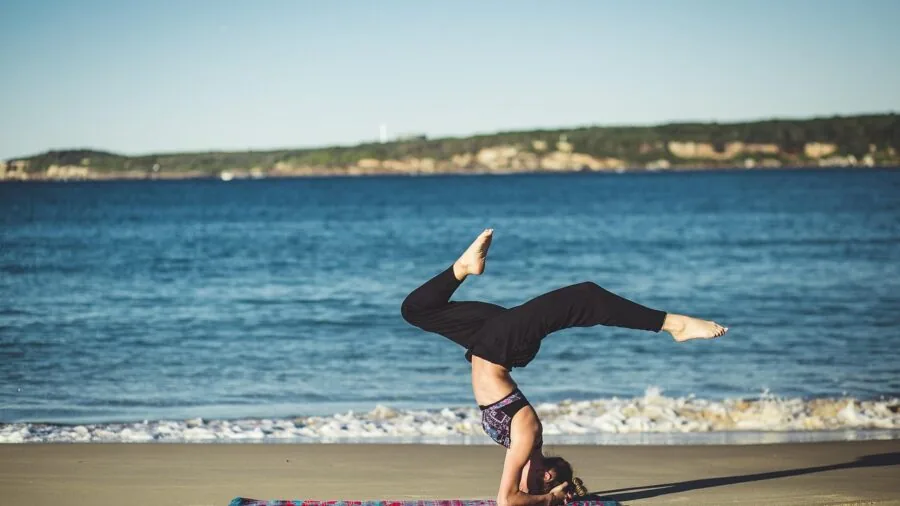
A yoga block that shifts under your hand mid-pose is not just frustrating; it is a real safety concern. Slip resistance is determined by the surface texture and, in the case of cork, the material itself.
Foam blocks with beveled or textured edges tend to perform better than perfectly smooth surfaces, especially on polished studio floors. Cork blocks rely on natural surface grip that improves with moisture, making them genuinely better in heated or high-intensity environments.
Specialty ergonomic options like the WRISTBuddy Hand-Shaped Yoga Blocks take a completely different approach, shaping the top surface to reduce wrist extension and contact-point pressure.
These are purpose-built for practitioners with wrist sensitivity rather than general-purpose yoga use, and buyer feedback consistently reflects that trade-off.
They perform well for planks and pushup-style movements but are not a direct substitute for a standard block in most yoga poses.
If wrist comfort is your priority across your full fitness routine, they can complement your setup rather than replace standard blocks entirely.
Single Block vs. Buying in Pairs

Most yoga teachers recommend owning two blocks rather than one. Using a block under each hand in poses like triangle, half-moon, or supported bridge creates symmetrical alignment that one block simply cannot achieve.
Many of the products in this roundup are sold as a pair, which is the better value option if you are building a home practice from scratch.
Buying single blocks is appropriate for replacing a worn block or adding to an existing collection.
When purchasing pairs, check that both blocks are manufactured to the same specification. Inconsistencies in density or dimension within a claimed pair are a recurring issue noted in verified buyer reviews for lower-quality brands.
Established options from brands like Gaiam, which have a long track record in the yoga accessories category, tend to maintain tighter quality control across units in the same shipment. Pairing your blocks with quality accessories enhances the overall experience.
A thick yoga mat provides the cushioning base that lets firm cork blocks feel less harsh on knees and elbows during floor poses.
Portability and Weight
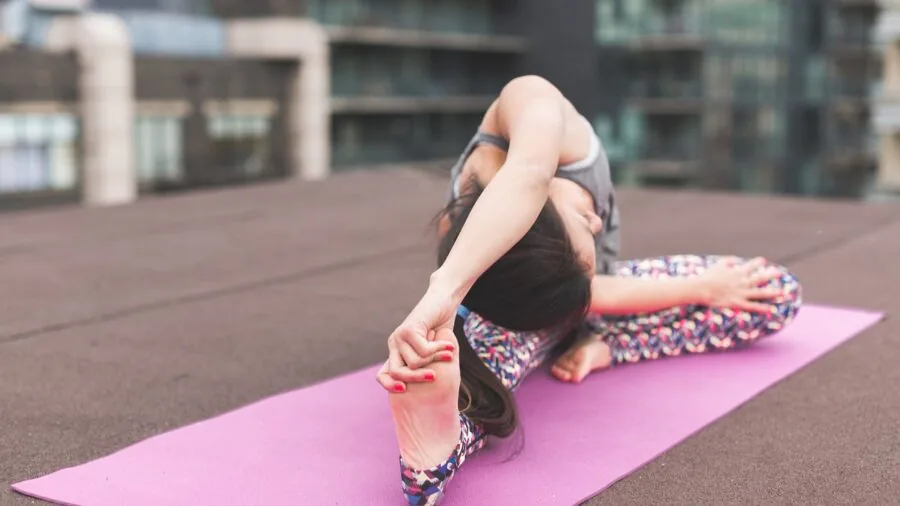
If you carry blocks to a studio or outdoor session, weight matters significantly. A pair of standard EVA foam blocks typically weighs under a pound combined, making them easy to tuck into a bag alongside a rolled mat.
Cork blocks are substantially heavier, often approaching two pounds per block. For daily commuters or practitioners who prefer traveling light, foam is the pragmatic choice regardless of cork’s material advantages.
For home practice where the blocks live on a shelf and never move, weight becomes irrelevant and material performance takes full priority.
Home practitioners who want the best long-term stability and grip tend to migrate toward cork once they outgrow starter foam sets. This is a common upgrade path reflected throughout the practitioner community feedback reviewed for this article.
If you travel frequently and want your full yoga setup with you, a compact bag that fits blocks alongside a travel yoga mat is worth considering as part of the overall kit.
Why You Should Trust Us
ProductFind is an independent review platform with no brand partnerships, no sponsored rankings, and no products gifted for coverage.
Every recommendation on this site is developed through the same structured research process: we evaluate each product against consistent criteria drawn from published specifications, expert review consensus across the yoga and fitness professional community, and verified buyer feedback gathered from thousands of confirmed purchasers.
Each product in this roundup receives a PF Score on a 0 to 10 scale.
That score reflects a composite assessment across the criteria most relevant to yoga blocks: material quality and density, slip resistance, dimensional accuracy, durability based on long-term owner feedback, and value relative to asking price.
We do not conduct our own product trials; our evaluations are grounded in research, published data, expert review consensus, and verified buyer feedback.
ProductFind may earn an affiliate commission when you purchase through links on this page. That relationship does not influence which products are included, how they are ranked, or what PF Score they receive.
Affiliate revenue supports the continued independence of our editorial work. Rankings are determined entirely by research quality and composite scoring, not by commission rates or brand relationships.
Final Thoughts
After assessing nine yoga blocks across foam and cork categories, a clear picture emerged. Whether you are prioritizing value, material quality, ecological credentials, or specialized wrist support, there is a strong option in this lineup for your needs. Here are our standout picks by category:
- Best Overall: Gaiam Yoga Block 2-Pack in Lagoon earns the highest PF Score in this roundup thanks to its consistent quality, lightweight EVA foam construction, and reliable availability as a pair at an accessible price point. It is the most well-rounded choice for the broadest range of practitioners.
- Best Single Foam Block: Gaiam Yoga Block in Indigo Ink delivers the same trusted Gaiam construction in a single-block format, making it an ideal option for practitioners replacing one worn block or buying their first prop to supplement studio gear.
- Best Eco-Friendly Cork Block: Hatha Yoga Cork Yoga Block stands out for its premium Portuguese cork sourcing and solid surface finish. It earns strong marks for grip performance in sweaty conditions and is the top cork pick for environmentally conscious buyers who want durability without synthetics.
- Best Budget Pair: Fitvids Set of 2 High Density Yoga Blocks provides a reliable foam pair at one of the lowest price points in this roundup. The 9-by-6-by-4-inch standard sizing and high-density construction make it a legitimate starter set rather than a throwaway option.
- Best for Wrist Sensitivity: WRISTBuddy Hand-Shaped Ergonomic Yoga Blocks serve a specific and underserved need. For practitioners with wrist pain during planks, handstands, or pushup transitions, the patented hand-shaped surface geometry meaningfully reduces extension stress in a way standard blocks cannot replicate.
The right block depends entirely on how and where you practice. Foam pairs remain the best starting point for most people, with cork offering a meaningful upgrade for those who practice frequently in heated environments or want a longer-lasting material.
Whichever you choose, adding quality blocks to your setup alongside a supportive mat transforms both the safety and depth of your practice.
Frequently Asked Questions
Do I really need two yoga blocks, or is one enough?
Most yoga teachers and experienced practitioners recommend owning two blocks. Many poses, including triangle, half-moon, supported bridge, and restorative inversions, require symmetric support under both hands or both sides of the body.
Using a single block creates asymmetric alignment that can build compensatory habits over time. If budget is a concern, starting with one is better than starting with none, but a pair is the practical standard for a well-rounded home practice.
What is the difference between foam and cork yoga blocks?
Foam blocks, typically made from EVA, are lighter, softer, and less expensive. They suit beginners and restorative practices well but can compress over time and become slippery when wet.
Cork blocks are denser, heavier, naturally antimicrobial, and improve in grip as they get damp, which makes them better suited for hot yoga and high-intensity vinyasa. Cork also tends to last longer under heavy use.
The choice generally comes down to whether you prioritize portability and softness (foam) or stability and longevity (cork).
Are 3-inch yoga blocks as useful as 4-inch blocks?
Standard 4-inch blocks offer more versatility because they can be used at three different height orientations (4-inch, 3-inch, or 2-inch face down), giving you progressively lower support as your flexibility improves.
A block that starts at 3 inches rather than 4 reduces that range of adjustment.
For most practitioners, especially those newer to yoga or with tighter hamstrings and hips, the full 4-inch height provides the lift needed to maintain proper spinal alignment in forward folds and low lunges.
Slim blocks work best as secondary props once you have established what your practice needs.
Can yoga blocks help with wrist pain during poses?
Standard yoga blocks can reduce wrist extension by elevating the floor in poses like downward dog or tabletop, which decreases the angle at the wrist joint.
For practitioners with significant wrist sensitivity, purpose-designed ergonomic options like the WRISTBuddy blocks offer a contoured surface that further reduces extension stress during planks and handstand work.
It is worth noting that wrist pain during yoga can also stem from technique, so consulting a qualified yoga teacher about hand placement and weight distribution is a valuable complement to any equipment adjustment.
Ergonomic blocks address the structural side of the problem but are not a substitute for good instruction.
How do I clean yoga blocks after use?
EVA foam blocks can be wiped down with a damp cloth and mild soap after practice and left to air dry. Avoid soaking foam blocks as prolonged water exposure can degrade the material over time.
Cork blocks are naturally antimicrobial and require less frequent cleaning; a quick wipe with a damp cloth is usually sufficient. Cork should not be left submerged in water or exposed to prolonged direct sunlight, as this can cause surface cracking.
Both materials benefit from occasional deeper cleaning with a diluted white vinegar solution, which is a common recommendation from yoga equipment care guides.
Are yoga blocks useful beyond yoga, such as for Pilates or stretching?
Yes, yoga blocks are versatile props that transfer well to Pilates, general stretching routines, and even strength training warm-ups. In Pilates, blocks assist with spinal alignment during mat work and provide support in seated exercises.
For stretching, they reduce the distance to the floor in hip openers and hamstring stretches, making those movements more accessible at any flexibility level.
Several products in this roundup, including the SNAKUGA Cork Block and POUYRBA Foam Blocks, explicitly note their suitability for Pilates and meditation use, and verified buyer feedback supports that cross-application.
If you practice multiple modalities, a standard pair of high-density foam or cork blocks will cover all of them effectively.
About the author
Leta is a reviewer and writer for ProductFind who specializes in Yoga & Pilates. Leta evaluates products through independent research: specifications, expert review consensus, and verified buyer feedback, and rates each one on the PF Score. Leta focuses on helping readers pick the right yoga & pilate for their needs and budget.