The 8 Best Running Socks
Blisters start with the wrong sock. Our research across specs, expert consensus, and verified buyer feedback surfaces the top picks for every cuff height, cushioning level, and training style.
 By Clifford Baker
Updated July 23, 2026
By Clifford Baker
Updated July 23, 2026

Your running shoes get all the credit, but the sock beneath them quietly determines whether your next long run ends in comfort or blisters.
A well-engineered running sock manages moisture, prevents friction, stays anchored around the heel, and delivers the right amount of cushioning for your surface, pace, and distance.
Skimp on socks and even the finest pair of road running shoes won’t save your feet after mile eight.
This guide cuts through the noise by synthesizing specifications, expert review consensus, and verified buyer feedback to surface the running socks that genuinely earn their price tag.
Whether you need a no-show for race day, a cushioned crew for winter miles, or graduated compression for long-haul recovery, our picks span every major cuff height and performance profile.
Scroll down to see our ranked top picks, then use the buying guide to zero in on exactly what your feet need.
| Award | Product | PF Score About PF ScoreThe PF Score is our own rating from 0 to 10, based on performance, design and build, ease of use, and value. It reflects independent research and is never influenced by manufacturers, retailers, or affiliate commissions. Learn more › | Price | |
|---|---|---|---|---|
| Best Overall |
 CEP Core Run Tall 20-30mmHg Compression Socks
|
8.7/10 | Buy | |
| Editor's Pick |
 Balega Hidden Comfort No Show Running Socks, 3-Pack
|
8.2/10 | Buy | |
| Best Value |
 Balega Hidden Dry No-Show Running Socks
|
8.1/10 | Buy | |
| Top Rated |
 Balega Hidden Comfort No Show Running Socks
|
7.8/10 | Buy | |
 Saucony Bolt Performance No-Show Socks 6-Pack
|
7.6/10 | Buy | ||
 Lapulas Athletic Ankle Socks, 6-Pair Low Cut Cushioned
|
6.5/10 | Buy | ||
 Rahhint Compression Running Socks 3-Pair Pack
|
6.3/10 | Buy | ||
 PAPLUS Compression Socks 15-20 mmHg Ankle
|
6.2/10 | Buy |
CEP Core Run Tall 20-30mmHg Compression Socks
Targeted compression socks engineered for runners seeking injury prevention and faster recovery. The 20-30mmHg compression focuses on high-impact areas like calves and arches, while breathable materials and cushioning keep feet comfortable during long runs.
Pros
- Precise compression targeting key running stress points promotes circulation and endurance
- Blister-free ergonomic design with smooth toe seam reduces foot irritation
- Fast-drying breathable construction keeps feet cool during intense workouts
- Impact cushioning and traction zones enhance stride stability
- Premium materials maintain compression and shape through multiple wash cycles
Cons
- No verified customer reviews available to validate real-world performance claims
- Premium compression socks typically come at a higher price point than basic alternatives
- X-Large sizing may not suit all foot widths or preferences
Balega Hidden Comfort No Show Running Socks, 3-Pack
Moisture-wicking no-show socks designed for runners and active users, featuring plush cushioning in high-impact zones and a secure heel pocket to prevent slipping. Best suited for those prioritizing comfort during running, walking, and everyday sports without visible sock lines.
Pros
- Plush cushioning in ball and heel absorbs impact effectively
- Moisture-wicking design with ventilation keeps feet cool and dry
- High heel tab and deep pocket prevent sock migration during activity
- Seamless toe construction minimizes friction and blister formation
- No-show cut maintains clean aesthetic with casual and athletic footwear
Cons
- Only one color option (white) limits style versatility
- No verified customer reviews available to validate real-world durability
- Sizing limited to medium in this listing, may require separate purchase for other sizes
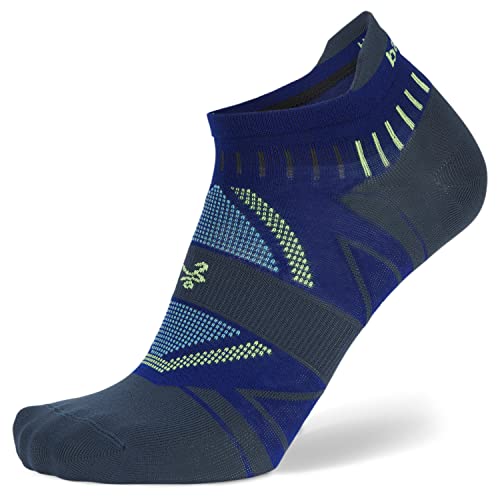
Balega Hidden Dry No-Show Running Socks
Balega's Hidden Dry socks combine moisture-wicking Drynamix fibers with reinforced ventilation panels to keep feet cool during runs. The contoured fit and Triple-Y heel design minimize slipping, making them a solid choice for runners seeking reliable performance in a no-show cut.
Pros
- Proprietary Drynamix fabric actively wicks moisture away
- Multiple support features (arch band, ankle elastic, heel tab) prevent slipping during activity
- Seamless toe construction with reinforced heel minimizes blister risk
- Triple-Y heel pocket provides a secure, customized fit
Cons
- No verified customer reviews available to assess real-world durability and longevity
- Low-volume construction may not suit runners preferring thicker cushioning
- Contoured fit is performance-focused, potentially limiting versatility for casual wear
Balega Hidden Comfort No Show Running Socks
Balega's no-show socks combine 200-needle cushioning with moisture management and a seamless toe design to minimize blisters during running and active wear. The high heel tab and deep pocket keep socks secure throughout workouts, making them suitable for runners, hikers, and athletes seeking everyday comfort.
Pros
- Plush cushioning in high-impact areas designed for active pursuits
- Seamless toe construction and moisture management target common runner pain points
- Secure fit with reinforced heel pocket and Elastane elasticity
- Suitable across multiple activities beyond running
Cons
- No verified customer reviews available to assess real-world durability and comfort claims
- Single pair unit may limit value for those needing multiple pairs
- Limited color and size availability shown in this product listing
Saucony Bolt Performance No-Show Socks 6-Pack
Moisture-wicking no-show socks designed for running and gym workouts, featuring targeted arch compression and mesh ventilation. Best for athletes seeking lightweight cushioning and breathability without bulk.
Pros
- Moisture-wicking construction designed specifically for active use
- Targeted arch compression engineered to prevent sock slipping
- Lightweight cushioning balances protection without adding bulk inside shoes
- Mesh ventilation keeps feet cool during running and gym sessions
Cons
- No customer reviews available to assess real-world durability or fit consistency
- Limited to one color option (bright assorted pack only)
- Arch compression level not customizable for different foot types
Lapulas Athletic Ankle Socks, 6-Pair Low Cut Cushioned
Lapulas athletic ankle socks combine breathable mesh construction with cushioned support for runners and active users. The low-cut design stays hidden in most shoes while offering shock absorption and moisture management across multiple size options.
Pros
- Breathable mesh foot design keeps feet dry during activity
- Reinforced heel and cushioned sole reduce foot fatigue and friction
- Low-cut profile works with most shoe styles without visibility
- Versatile for both athletic and casual daily wear
- Hand-inspected quality control with customer satisfaction guarantee
Cons
- No verified buyer reviews available to confirm durability or actual performance claims
- Limited color options per size may restrict choices for some customers
- Thickness described as 'thickened' design may feel too cushioned for minimal-shoe preferences
Rahhint Compression Running Socks 3-Pair Pack
These crew socks combine 15-20 mmHg gradient compression with CoolMax moisture-wicking fiber and cushioned construction to reduce blister risk during running and athletic activities. The seamless toe design and thick padding on high-impact zones make them suitable for daily wear, sports, and travel.
Pros
- Gradient compression design targets ankle support and fatigue reduction
- CoolMax material keeps feet dry with effective moisture wicking
- Multi-zone cushioning specifically addresses high-friction areas
- Seamless toe eliminates irritation for sensitive skin
- Wide size and color range accommodates various preferences
Cons
- No verified buyer reviews available to confirm real-world durability and fit consistency
- Compression level (15-20 mmHg) is moderate; not suitable for severe circulation issues
- Crew height may not suit those preferring ankle-cut or no-show styles
PAPLUS Compression Socks 15-20 mmHg Ankle
Moderate compression ankle socks designed for athletes, travelers, and people on their feet all day. Features targeted compression zones and breathable material to support circulation and reduce fatigue across multiple activities.
Pros
- Targeted compression zones provide varying support levels from moderate to extra firm
- Lightweight breathable fabric designed to wick moisture and prevent overheating
- Suitable for diverse activities: sports, travel, nursing, standing jobs, and relaxation
- 3D circular design reduces injury risk by maintaining proper foot angle
- Clear sizing guide for accurate fit between S/M and L/XL options
Cons
- No verified customer reviews available to assess real-world durability and comfort claims
- Compression level (15-20 mmHg) is mild-to-moderate, not suitable for severe circulation issues requiring higher mmHg
- Single color option (gray) limits style versatility for different wardrobes
Running Socks Buying Guide
Picking a running sock is not as simple as grabbing whatever is on sale. Material, cushioning, cuff height, and compression level all interact with your foot shape, your preferred surface, and how you manage heat and sweat.
The subsections below walk through each criterion so you can match the right sock to the way you actually train.
Pairing a thoughtfully chosen sock with quality trail running shoes or road-optimized footwear can make a measurable difference in how your feet feel at the finish line.
Fabric and Moisture Management

Cotton absorbs moisture and holds it against your skin, which is the primary reason cotton socks cause blisters on longer efforts. Synthetic fibers like nylon, polyester, and polypropylene wick sweat away from the skin and dry quickly.
Merino wool is a natural alternative that regulates temperature across hot and cold conditions while resisting odor better than most synthetics over multiple wears.
High-performance brands layer different yarns strategically: a denser weave in friction-prone zones like the heel and ball of the foot, a looser mesh panel across the top of the foot to promote airflow.
Look for socks that explicitly state moisture-wicking construction rather than generic performance claims. Balega, for instance, integrates a mohair-blend fiber in several of its Hidden Comfort and Hidden Dry models specifically to accelerate drying time and reduce hot spots.
If odor is a consistent concern across your training week, merino blends or antimicrobial-treated synthetics give you the edge. For hot-weather racing or track workouts, a thin moisture-wicking synthetic with open mesh keeps core foot temperature lower and lets your running shoes breathe as designed.
Cushioning Level and Terrain
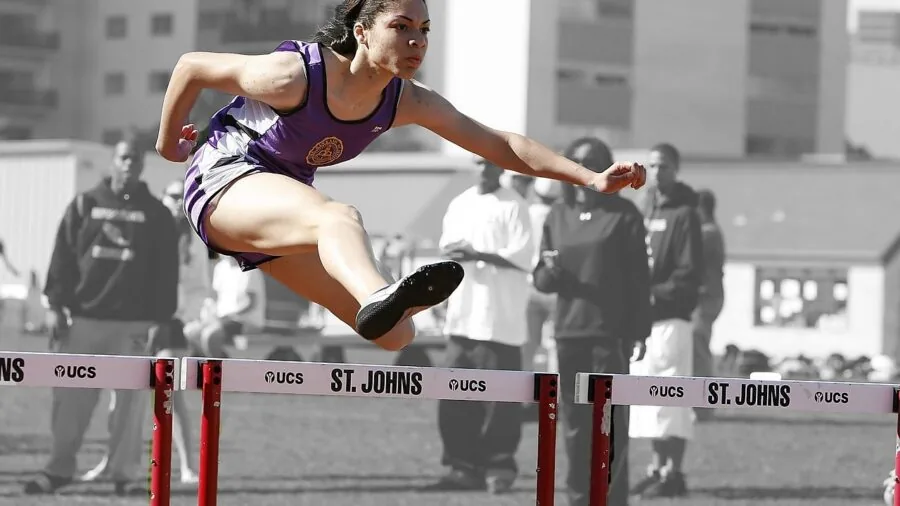
Cushioning in a running sock is described in broad tiers: ultra-light, light, medium, and maximum. Ultra-light and light options work best for speed work, racing, or runners who prefer a ground-feel from their footwear.
Medium cushioning suits most everyday training miles on roads and packed trails. Maximum cushioning is favored by ultramarathon runners, those logging very high weekly mileage, or anyone dealing with plantar fasciitis and metatarsal fatigue.
Pay attention to where cushioning is placed, not just how much there is. Terry-loop padding concentrated under the heel and forefoot absorbs impact without adding unnecessary bulk at the arch or top of the foot.
Socks with uniform thick cushioning everywhere tend to feel sloppy inside the shoe and can actually increase friction rather than reduce it.
Trail runners and hikers typically want more cushioning underfoot to absorb root and rock impacts, making a cushioned crew height a natural pairing with good trail footwear.
Road racers and track athletes typically step down one cushion tier to keep stack height low and shoe fit dialed in.
Cuff Height and Coverage
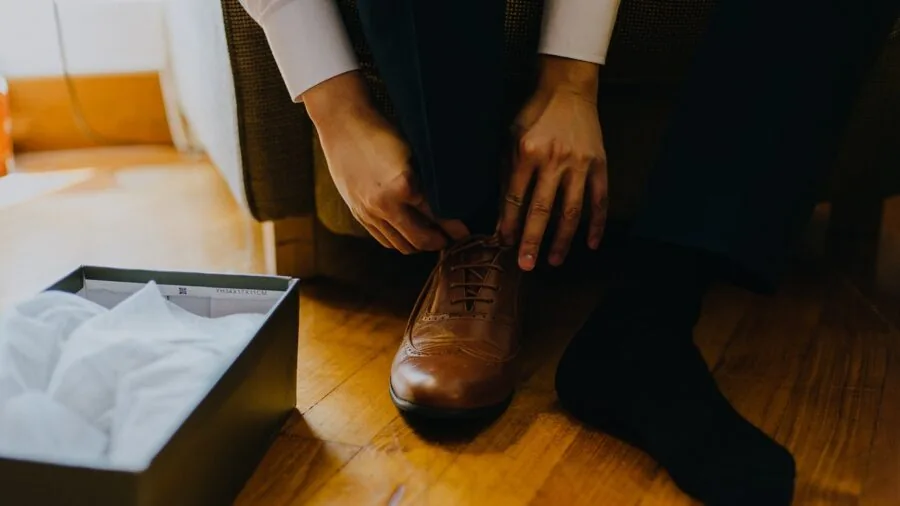
Cuff height is a matter of personal preference, but it also has practical implications. No-show and low-cut socks minimize fabric above the shoe collar, keeping the ankle cool and unencumbered.
They work well for road running, the gym, and warm-weather racing, but they offer less debris protection and can slip on some foot shapes. A reinforced heel tab on a no-show sock helps it stay anchored.
Ankle and quarter-crew heights hit just above the ankle bone, offering a bit more hold and mild protection against low shoe collars that rub.
Crew-height socks cover the lower calf and are the standard for trail running, winter running, and hikers who want coverage against scrub, rocks, and cold air.
Knee-high compression socks like the CEP Core Run Tall serve a different function: graduated pressure to support calf muscles and aid circulation over long distances or recovery days.
Think about the conditions you run in most. If most of your miles are hot-weather road runs, no-shows or ankle cuts will serve you better. If you regularly hit cold-weather routes or technical trails, a crew or full-compression height adds real value beyond aesthetics.
Compression and Fit Architecture
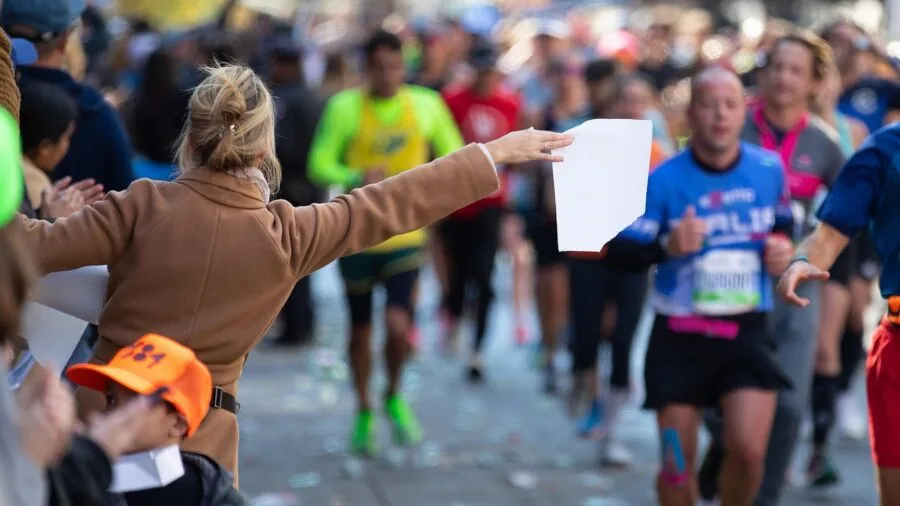
Compression in running socks exists on a spectrum. Light compression woven into the arch band is common even in non-compression socks; it keeps the sock from bunching and provides mild structural support.
True graduated compression, where pressure is measurably highest at the ankle and decreases up the leg, is what you find in medical-grade and performance compression socks like the CEP Core Run 5.0.
Graduated compression has been associated with reduced perceived fatigue during prolonged running and faster clearance of metabolic waste during recovery. It is particularly relevant for runners dealing with calf tightness, shin discomfort, or swelling during long events.
The trade-off is a tighter, warmer feel, which is why compression socks dominate marathon, ultramarathon, and nurse-on-feet-all-day use cases rather than hot-weather sprints.
Arch-support construction, as seen in the PAPLUS compression ankle socks, can also help runners managing plantar fasciitis. The snug midfoot band reduces micro-movement of the foot inside the shoe, which is one of the mechanical triggers for plantar strain.
For runners who rely on structured footwear to manage this condition, a sock with deliberate arch support adds a meaningful layer of relief.
Durability and Value
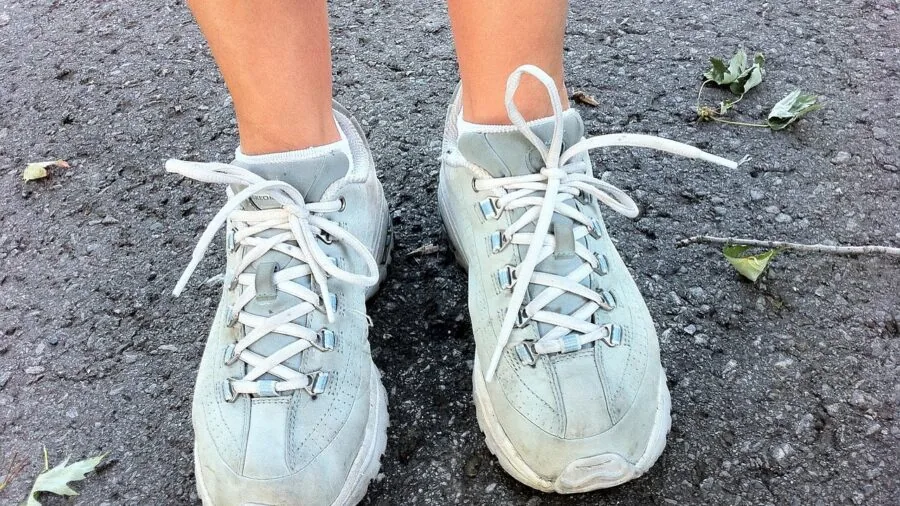
A premium single-pair running sock from a specialist brand costs significantly more than a multi-pack from a mainstream athletic label.
Whether that premium is justified depends on how quickly the cheaper option wears out and how much foot comfort is worth to you per mile.
Expert reviewer consensus consistently finds that nylon-reinforced heel and toe zones are the best predictor of longevity. Socks that use reinforced zones alongside performance fibers in high-wear areas outlast those that rely on a single yarn throughout.
Multi-packs like the Saucony Bolt and Lapulas Athletic represent a different value proposition: a lower per-pair cost with adequate moisture-wicking performance for everyday training, suited to runners who rotate frequently through a large sock drawer.
Single performance pairs from Balega or CEP are built for runners who prioritize the highest possible foot comfort per run and are willing to invest accordingly.
Care matters for longevity across the board. Machine wash cold and air-dry rather than tumble-drying. Heat degrades elastic fibers and compresses terry loops, which are the two construction elements most responsible for both cushioning and fit retention over time.
Sizing and Heel-Cup Fit
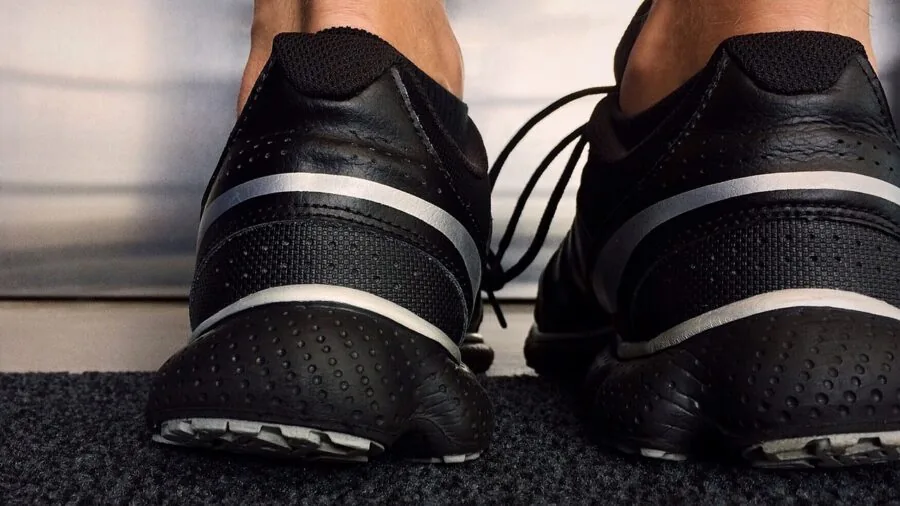
Running socks are sold in shoe-size ranges rather than S/M/L alone, and getting this right matters more than most buyers realize.
A sock that is too large creates bunching in the toe box, which generates the friction that causes blisters. A sock that is too small applies excessive pressure across the metatarsals and can restrict circulation during long runs.
Heel-cup design is the other critical fit element. A properly shaped heel cup hugs the posterior heel without sliding down during the push-off phase of the gait cycle.
Slippage inside the shoe is one of the most common sources of heel and Achilles blisters.
Sock brands that invest in anatomical heel shaping, including separate left and right construction, tend to earn consistently higher marks from verified buyers on this point.
When in doubt between two sizes, size down. Running socks are designed with stretch in mind, and a snugger fit almost always performs better than a looser one in motion.
If you are also evaluating insoles or orthotics for foot support, factor in the volume they add when sizing your socks.
Why You Should Trust Us
ProductFind is an independent review platform. We do not conduct our own product trials; our evaluations are grounded in research, published data, expert review consensus, and verified buyer feedback.
Every product in this guide was assessed against a consistent set of criteria covering materials and moisture management, cushioning architecture, cuff height and coverage, compression and fit, durability, and price-to-performance ratio.
Each sock receives a PF Score on a 0 to 10 scale, generated through this structured research process rather than subjective impression.
Our editorial team cross-references specifications published by manufacturers against what verified purchasers report after extended use, then weighs that against the broader consensus from credible sports and outdoor review sources.
When expert reviewers consistently flag a sock for heel slippage or a fabric for pilling prematurely, those findings are reflected in the final PF Score regardless of brand recognition or price tier.
ProductFind may earn a commission when you purchase through our links. This affiliate relationship has no influence on which products appear in our rankings, the scores we assign, or the order in which picks are presented.
Our selections and scores are determined solely by research quality and consumer value. We are not affiliated with any retailer or brand, and we do not accept free products in exchange for coverage.
Final Thoughts
Running socks occupy a surprisingly wide performance spectrum, from budget multi-packs for daily trainers to premium graduated-compression options for serious long-distance runners.
The picks in this guide cover the full range, and our research consistently found that fit architecture and moisture management separate the genuinely great options from those that merely look the part on a spec sheet.
- Best Overall: CEP Core Run Tall Compression Socks 5.0 earns the top PF Score in this group with its clinically structured graduated compression, reinforced cushioning zones, and a fit system that stays anchored through long, demanding efforts.
- Best Value Multi-Pack: Balega Hidden Comfort Performance No Show Socks (3-Pack) delivers the renowned Balega fit and mohair-blend comfort across three pairs, making it the most cost-efficient route into a genuinely premium no-show.
- Best Single-Pair No-Show: Balega Hidden Dry Moisture Wicking No Show Socks pairs Balega’s proven heel-cup architecture with an aggressive moisture-dispersal fabric, earning a strong PF Score among single-pair options.
- Best Budget Performance Pick: Balega Hidden Comfort No Show Socks (Single Pair) is the entry point into the Balega lineup and remains one of the most recommended no-show running socks across verified buyer feedback, offering a high comfort-per-dollar ratio.
- Best Everyday Training Pack: Saucony Bolt Performance Comfort Fit No-Show Socks (6-Pack) gives high-mileage runners a reliable rotation of moisture-wicking no-shows at a price that makes frequent replacement practical.
Whichever option fits your training style and budget, pairing quality socks with well-fitted running footwear is the single most effective way to keep your feet comfortable and blister-free over the long term.
Frequently Asked Questions
What makes a running sock different from a regular athletic sock?
Running socks are engineered around friction prevention, moisture management, and anatomical fit in ways that general athletic socks are not.
They typically use moisture-wicking synthetic or merino fiber blends, zone-specific cushioning under the heel and forefoot, and a contoured heel cup that holds position during the repetitive push-off motion of running.
Standard athletic socks use uniform construction throughout, which creates bunching, slipping, and hot spots over longer distances. The difference becomes obvious after the first few miles.
Are compression running socks worth it for everyday runners?
Graduated compression socks, like the CEP Core Run Tall, offer the most benefit for runners logging high weekly mileage, those recovering from heavy training blocks, and anyone who experiences calf tightness or lower-leg fatigue during or after long runs.
For everyday short-to-medium distance running, a well-cushioned non-compression sock is typically more comfortable and better ventilated. Compression is a tool worth exploring as your distance and intensity increase, not a requirement for every run.
How often should I replace my running socks?
Most running sock manufacturers and sports podiatrists suggest replacing running socks every 300 to 500 miles or when you notice thinning in the heel or ball-of-foot cushioning zones, visible pilling, or a loss of elastic recovery after washing.
Socks that no longer spring back into shape after drying have lost the compression and fit integrity that made them effective. Running in degraded socks is one of the most overlooked sources of new blister formation in otherwise experienced runners.
Is it better to buy a single premium pair or a multi-pack of running socks?
It depends on your training volume and laundry frequency.
A single premium pair like the Balega Hidden Dry or a CEP compression sock delivers the best performance per run and is worth it if you are comfortable washing and air-drying between sessions.
A multi-pack, such as the Saucony Bolt six-pack or the Lapulas six-pair set, gives you a full rotation without waiting for socks to dry, which is practical for runners training five or more days per week.
Many dedicated runners keep one or two premium pairs for long runs or races and rotate through a multi-pack for daily training.
Can the right running sock help with plantar fasciitis?
A sock with deliberate arch-support construction, like the PAPLUS compression ankle socks, can provide meaningful supplemental relief for plantar fasciitis sufferers by reducing micro-movement of the foot inside the shoe.
This reduced movement limits the repetitive strain on the plantar fascia during each footstrike. However, socks are not a standalone treatment.
They work best as part of a broader approach that includes appropriate footwear, stretching, and guidance from a sports medicine professional. If you deal with foot issues, also consider how your running shoes interact with the support your sock provides.
Does sock height affect running performance?
Sock height affects comfort and protection more than raw performance for most runners. No-show and low-cut socks keep the ankle cooler, which is measurably beneficial on hot days and during short fast efforts.
Crew-height and compression socks add warmth and calf coverage, which matters on cold mornings and during trail runs with exposed terrain.
Elite athletes tend to favor ultra-light low-cut options on race day to minimize weight and maximize proprioception, while training in cushioned crews during buildup phases. Choose height based on conditions and distance rather than assuming one height is universally superior.
About the author
Clifford is a reviewer and writer for ProductFind who specializes in Running Gear. Clifford evaluates products through independent research: specifications, expert review consensus, and verified buyer feedback, and rates each one on the PF Score. Clifford focuses on helping readers pick the right running gear for their needs and budget.