The 10 Best Road Running Shoes
Cushioning, fit, and durability all vary dramatically across road running shoes. Our research covers top picks from ASICS, Brooks, and Nike to help you find the right match for your mileage and goals.
 By Clifford Baker
Updated July 23, 2026
By Clifford Baker
Updated July 23, 2026
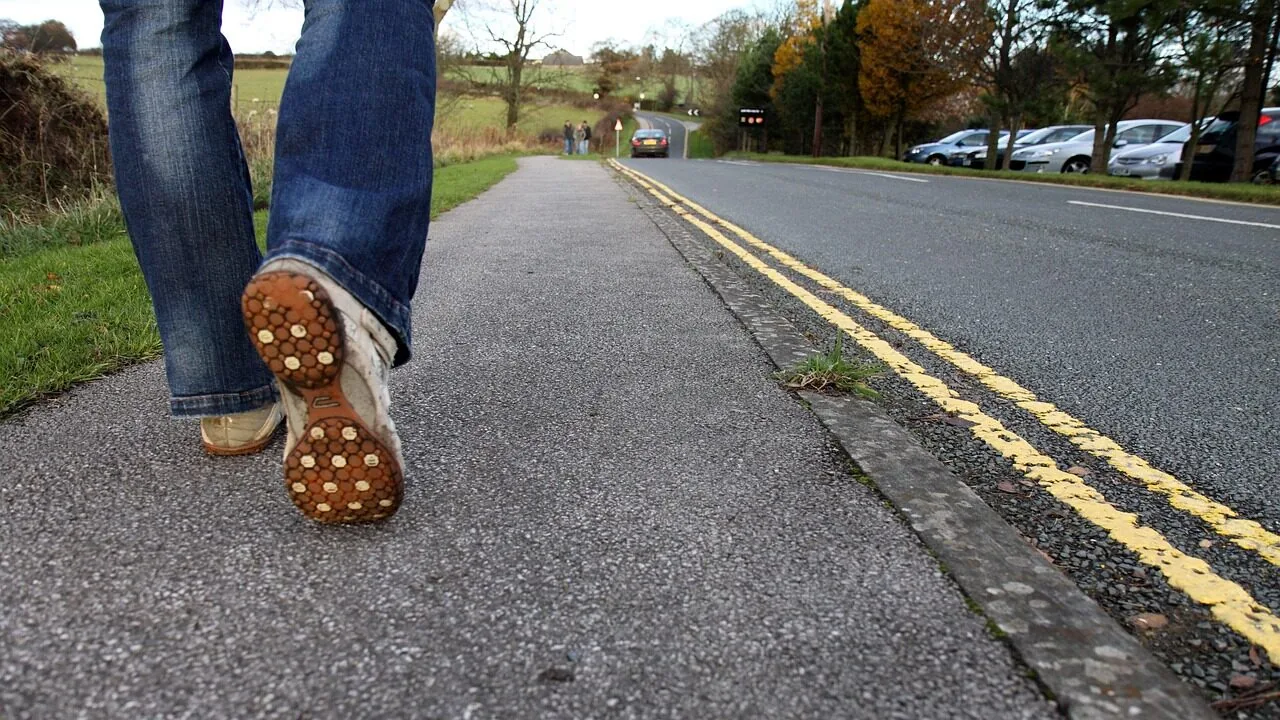
Finding the right pair of road running shoes can feel overwhelming given how many options crowd the market, each promising speed, cushioning, and durability in equal measure.
Whether you are training for your first 5K, logging consistent weekly mileage, or chasing a marathon personal record, the shoe on your foot matters more than almost any other piece of gear.
The wrong fit leads to discomfort, poor form, and injury risk; the right one keeps you moving comfortably mile after mile.
To help you cut through the noise, the ProductFind team analyzed specifications, synthesized expert review consensus from multiple running publications, and reviewed verified buyer feedback across all price tiers.
Our research spans entry-level everyday trainers from brands like VAMJAM and Nike up through premium performance options from ASICS and Brooks.
We also paired this research with insights on how road running shoes interact with overall athletic performance, just as a solid fitness tracker can help you monitor progress across training cycles.
Scroll down for our ranked picks and everything you need to choose wisely.
| Award | Product | PF Score About PF ScoreThe PF Score is our own rating from 0 to 10, based on performance, design and build, ease of use, and value. It reflects independent research and is never influenced by manufacturers, retailers, or affiliate commissions. Learn more › | Price | |
|---|---|---|---|---|
| Best Overall |
 ASICS Superblast 2 Road Running Shoes
|
8.1/10 | Buy | |
| Editor's Pick |
 ASICS Gel-Nimbus 27 Running Shoe
|
7.9/10 | Buy | |
| Best Value |
 Brooks Ghost 16 Neutral Road Running Shoe
|
7.8/10 | Buy | |
| Top Rated |
 Brooks Ghost 17 Neutral Running Shoe
|
7.7/10 | Buy | |
 Nike Journey Run Road Running Shoes
|
6.4/10 | Buy | ||
 Nike Revolution 8 Road Running Shoes
|
6.3/10 | Buy | ||
 Nike Revolution 8 Road Running Shoes
|
6.2/10 | Buy | ||
 Nike Revolution 8 Women's Road Running Shoes
|
6.2/10 | Buy | ||
 ANTA PG7 Men's Running Shoes
|
5.8/10 | Buy | ||
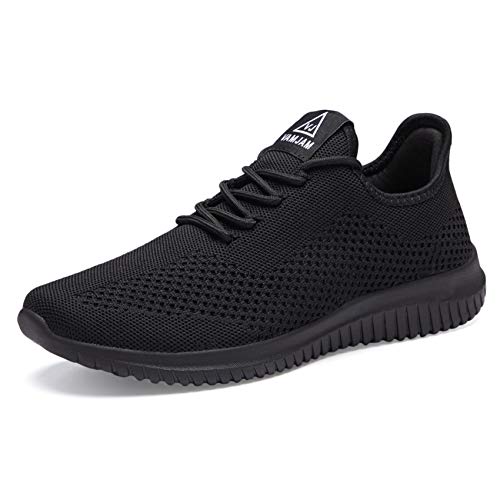 VAMJAM Men's Running Shoes Size 11
|
5.2/10 | Buy |
ASICS Superblast 2 Road Running Shoes
ASICS Superblast 2 combines dual cushioning technologies (FF Turbo Plus and FF Blast Plus) with a responsive trampoline-inspired outsole for competitive road running. The engineered mesh upper and gusseted tongue system prioritize fit stability and breathability.
Pros
- Dual cushioning stack balances impact absorption with responsive rebound
- Engineered mesh upper promotes cooling during runs
- Gusseted tongue design minimizes tongue sliding for consistent midfoot support
- Trampoline outsole geometry encourages forward momentum
Cons
- No verified buyer reviews available to assess real-world durability and comfort
- Limited size range (13M/14.5W only) may not accommodate all runners
- Premium positioning likely reflects higher price point relative to entry-level road shoes
ASICS Gel-Nimbus 27 Running Shoe
A road running shoe built on ASICS's proven cushioning tech, now with increased sustainability focus. The upper uses recycled materials and eco-conscious dyeing processes, while PureGEL and FF BLAST PLUS ECO cushioning aim for soft landings and responsive toe-off.
Pros
- Substantial recycled and bio-based material integration aligns with eco-conscious runners
- Dual cushioning system (PureGEL plus FF BLAST PLUS ECO) targets both comfort and responsiveness
- Lower environmental footprint compared to conventional manufacturing without compromising shoe design
Cons
- No verified buyer reviews available to assess real-world durability or fit feedback
- Rating shown as 4.8 with zero reviews, making it impossible to validate performance claims
- Limited information on how eco-friendly materials affect long-term wear or cushioning retention
Brooks Ghost 16 Neutral Road Running Shoe
A lightweight neutral running shoe designed for smooth, distraction-free rides on road and track. The Ghost 16 combines soft nitrogen-infused cushioning with breathable mesh upper, making it suitable for daily training, walking, and cross training.
Pros
- Certified diabetic shoe with APMA endorsement, expanding accessibility
- Segmented Crash Pad technology provides smooth transitions throughout stride
- Carbon neutral certified, appealing to environmentally conscious runners
- Available in wide sizing for better fit customization
- Versatile enough for road running, walking, cross training, and gym use
Cons
- No verified buyer reviews available to assess real-world durability and fit consistency
- Neutral support only, not suitable for runners requiring stability or motion control
- Limited color option shown in this listing
Brooks Ghost 17 Neutral Running Shoe
A versatile neutral running shoe with enhanced cushioning featuring DNA Loft v3 technology and smooth flex grooves for natural transitions. Designed for everyday runners and walkers seeking reliable comfort across road running, cross training, and casual wear.
Pros
- Enhanced cushioning maintains comfort throughout extended wear
- Smooth midsole design promotes natural running mechanics and momentum
- Breathable mesh upper with supportive collar structure
- Certified for diabetic feet with professional health organization endorsements
- Eco-conscious construction using recycled materials
Cons
- No verified buyer reviews available to assess real-world durability or fit consistency
- Premium pricing typical for Brooks brand may not suit budget-conscious runners
- Neutral support limits options for runners requiring stability or motion control features
Nike Journey Run Road Running Shoes
Nike's Journey Run offers a practical road running shoe with engineered mesh upper and cushioned heel support for everyday miles. Designed for runners seeking comfort without premium pricing.
Pros
- Engineered mesh upper provides secure, breathable fit
- Extra heel cushioning targets impact zones for comfort
- Grippy rubber outsole delivers reliable traction
- Soft collar and tongue padding reduces pressure points
Cons
- No verified buyer reviews available to assess real-world durability
- Limited information on arch support specifics
- Standard cushioning may not suit runners requiring maximum impact protection
Nike Revolution 8 Road Running Shoes
Nike's entry-level road runner features a breathable mesh upper and foam midsole designed for everyday comfort. Better ventilation than the previous model makes it suitable for casual joggers and beginners seeking affordable daily wear.
Pros
- More breathable mesh construction keeps feet cooler during runs
- Intuitive Nike design with forefoot flex grooves for natural movement
- Comfortable rocker geometry reduces impact during running
- Touch points provide practical convenience for quick dressing
Cons
- No verified buyer reviews available to assess real-world durability
- Entry-level cushioning may not suit runners seeking maximum support or performance features
- Limited information on outsole grip and longevity
Nike Revolution 8 Road Running Shoes
Nike's latest road running entry delivers improved breathability over its predecessor through an enhanced mesh upper. Built for casual runners seeking everyday comfort with cushioned support and a lightweight design.
Pros
- More breathable mesh than Revolution 7 model
- Foam midsole provides intuitive cushioning feedback
- Designed flex grooves ease foot movement during runs
- Accessible entry-level price point for casual runners
Cons
- No verified buyer reviews available to assess real-world durability
- Limited to basic cushioning rather than advanced performance tech
- Designed for road running, not specialized trail or track use
Nike Revolution 8 Women's Road Running Shoes
Nike's latest Revolution model prioritizes breathability and comfort for everyday runners with an updated mesh upper and intuitive foam cushioning. The shoe suits runners seeking accessible, budget-friendly daily trainers rather than performance-focused workouts.
Pros
- Breathable mesh upper keeps feet cooler during runs compared to previous generation
- Comfort-first design with rocker geometry reduces impact stress
- Flexible forefoot grooves support natural running motion
- Lightweight at approximately 7.99 ounces per shoe
Cons
- No customer reviews available to assess real-world durability and fit consistency
- Positioned as entry-level trainer, not optimized for speed or advanced performance
- Limited color options shown in available data
ANTA PG7 Men's Running Shoes
ANTA's PG7 delivers lightweight cushioning with a wide toe box designed for comfort during running and gym workouts. The breathable mesh upper and reflective strips add practical features for daily athletic use.
Pros
- Lightweight construction minimizes foot fatigue during long-distance running
- Wide toe box accommodates natural toe movement better than standard fits
- Durable A-GRIP sole balances lightness with elasticity and wear resistance
- Reflective elements enhance safety during evening or low-light activities
- Breathable mesh upper responds flexibly to foot movement
Cons
- Zero verified buyer reviews make real-world durability and comfort claims difficult to validate
- Weight range of 310-400g per shoe is broad, suggesting potential inconsistency between units
- Limited information on break-in period or potential fit variations for different foot shapes
VAMJAM Men's Running Shoes Size 11
Lightweight mesh running shoe with lace-up design and arch support, positioned for casual walkers and gym users. Built with breathable upper and durable MD outsole for everyday athletic wear.
Pros
- Breathable mesh fabric construction designed for ventilation and comfort
- Dedicated arch support in insole for extended standing and walking
- MD outsole offers anti-slip grip and impact absorption
- Lace-up closure system prevents slipping during exercise
Cons
- No verified buyer reviews available to assess real-world durability or fit consistency
- Limited specification details on cushioning technology or materials breakdown
- Lightweight design may not suit users seeking maximum structural support for heavy-impact activities
Road Running Shoes Buying Guide
Choosing road running shoes is not simply a matter of picking the most expensive or the most popular option.
The best shoe for you depends on your gait, your weekly mileage, the surfaces you cover, and the goals you are chasing.
This guide breaks down the criteria our research consistently shows matter most, so you can match the right shoe to your specific situation.
Cushioning Level and Midsole Technology

Cushioning is perhaps the single most debated variable in road running footwear.
Maximalist midsoles, like those found in the ASICS SUPERBLAST 2 with its dual-density foam stack, deliver exceptional impact absorption over long distances and are a strong choice for runners who prioritize comfort on hard asphalt.
By contrast, a more moderate cushion level, as found in the Brooks Ghost 16 and Ghost 17, strikes a balance between protection and ground feel that works well for everyday training across a wide range of paces.
Expert reviewers consistently note that foam compound quality matters as much as stack height. A thick but low-resilience foam compresses quickly and returns little energy, leaving legs feeling heavy at the end of a run.
Look for descriptions like “nitrogen-infused,” “DNA LOFT,” or “FlyteFoam Blast” in manufacturer data, as these signal higher-rebound materials validated by published biomechanics research. If your runs frequently exceed 10 miles, prioritize high-rebound cushioning over bare minimum stack heights.
Budget-tier shoes such as the Nike Revolution 8 and the VAMJAM mesh trainer use simpler foam compounds that compress more permanently over time. For walkers, short-distance runners, or those rotating multiple pairs, this trade-off is acceptable.
For runners logging serious weekly mileage, it becomes a meaningful limitation within several hundred miles.
Heel-to-Toe Drop and Geometry
Heel-to-toe drop, measured in millimeters, describes the height differential between the heel and the forefoot of the shoe. Most traditional road running shoes fall in the 8 to 12 mm range, which suits heel strikers and runners transitioning from everyday footwear.
A lower drop of 4 to 6 mm encourages a more midfoot or forefoot strike pattern and is favored by runners with strong calf and Achilles conditioning.
The Brooks Ghost line maintains a consistent 12 mm drop that decades of verified buyer feedback confirm works well for neutral runners seeking an approachable everyday trainer.
The ASICS Gel-Nimbus 27 sits at 10 mm, slightly more moderate, and its geometry has earned consistent praise from runners with mild overpronation concerns who prefer a neutral shoe.
Verified buyer reviews across multiple retail platforms note that the Nimbus 27 fits true to size and accommodates a wider forefoot without pressure points.
If you are new to running or returning after a break, starting with a moderate to high drop shoe is generally safer than jumping into low-drop designs.
Sudden changes in geometry can stress the Achilles tendon and plantar fascia, so transition gradually if your goal is to lower your drop over time.
Fit, Width Options, and Upper Construction
No amount of advanced foam technology overcomes a poorly fitting upper. Running shoes need approximately a thumb’s width of space between your longest toe and the end of the toebox to accommodate natural foot expansion during a run.
Tighter fits cause black toenails and blisters; overly loose fits create friction that leads to hotspots and heel slippage.
Width availability is a decisive factor for many buyers. The Brooks Ghost 16 stands out for its wide width option, which expert consensus consistently recommends for runners with broader feet who have struggled to find comfortable fits in standard sizing.
ASICS Gel-Nimbus 27 is also available in multiple widths, and verified buyers frequently cite its accommodating toebox as a major comfort advantage over competitors at similar price points.
Mesh uppers, used across most modern road running shoes in this list, provide breathability that helps regulate temperature during sustained effort.
Engineered mesh patterns, such as those on the ASICS SUPERBLAST 2, are structured to reduce stretch and improve lockdown without adding weight.
For hot-weather runners, prioritizing a ventilated mesh upper over a denser knit construction can measurably improve comfort on longer efforts.
Outsole Durability and Traction

Road running outsoles need to handle repetitive high-impact contact with pavement and occasional wet surfaces.
Blown rubber compounds offer a lightweight, cushioned feel underfoot but wear faster, while carbon rubber is denser and more durable, extending the functional lifespan of the shoe.
Premium models from ASICS and Brooks typically use a hybrid approach, placing harder carbon rubber in high-wear heel and forefoot zones and softer blown rubber in lower-stress areas.
Buyers on a tighter budget should note that simpler outsole compounds on shoes like the Nike Revolution 8 or VAMJAM trainer wear down more quickly, particularly for heavier runners or those who run on abrasive concrete.
These are reasonable choices for light use or as a secondary rotation pair, but investing in a higher-grade outsole pays dividends in longevity if you plan to run several days per week.
Wet-weather traction is another consideration often underweighted by first-time buyers. Road shoes are not designed for trail surfaces, but a well-grooved outsole pattern still makes a meaningful difference when running through rain-slicked sidewalks or crossing parking lots.
Expert reviewers note that the Ghost and Nimbus lines both handle light wet conditions reliably without sacrificing the smooth ride that road runners expect on dry pavement.
Weight and Intended Use Case
Shoe weight directly influences energy expenditure over distance. Racing and speed-focused shoes are built to be as light as possible, sometimes sacrificing durability, while daily trainers prioritize longevity and protection over raw speed.
The ASICS SUPERBLAST 2 is notable for offering a surprisingly low weight despite its substantial cushioning stack, making it versatile across tempo runs, long runs, and even some race-day scenarios according to expert consensus.
For most recreational runners who train three to five days per week, a well-cushioned daily trainer in the moderate weight range is the most practical choice.
If you are specifically targeting race performance, consider pairing a heavier, durable trainer for most workouts with a lighter shoe reserved for race day or key speed sessions, a rotation strategy validated widely across running publications.
Budget-oriented options like the Nike Journey Run and Revolution 8 keep weight reasonable while keeping price accessible, which makes them popular choices for casual runners, gym-goers, and those just building a running habit.
For anyone tracking performance data alongside their footwear investment, pairing runs with a capable wearable fitness tracker provides useful context on how shoe choice affects pace, cadence, and recovery metrics over time.
Price-to-Performance Ratio and Budget Considerations
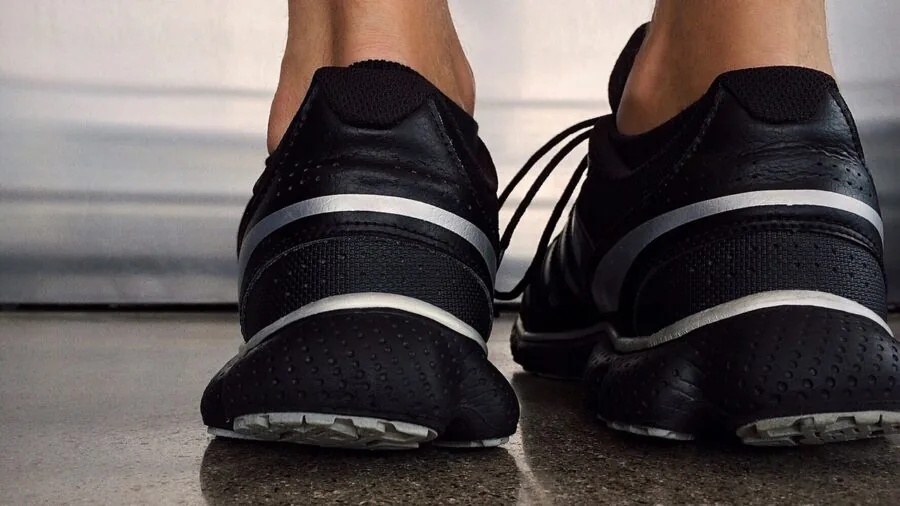
Road running shoes span a wide price range, from accessible everyday options to premium performance footwear.
In our research, the most consistent finding is that mid-range shoes from established running-specific brands deliver the best combination of durability, cushioning quality, and fit for the broadest group of runners.
The Brooks Ghost 16 and Ghost 17, as well as the ASICS Gel-Nimbus 27, sit in the mid-range and consistently earn top marks in expert consensus for this reason.
At the premium end, the ASICS SUPERBLAST 2 commands a higher investment that is justified by its advanced foam technology and versatile use case.
Verified buyers who use it as a do-everything shoe, from easy days to long runs, report high satisfaction that holds up across many months of use.
The higher upfront cost can be offset by the longer functional lifespan compared to budget options that degrade faster.
Entry-level shoes from Nike (Revolution 8, Journey Run) and the VAMJAM mesh trainer serve a real purpose for walkers, beginners, or anyone who wants an affordable option for light activity.
They are not built for high-mileage training but offer genuine value within their intended use case. Understanding where you fall on the mileage spectrum is the most important factor in deciding how much to spend.
Why You Should Trust Us
ProductFind is an independent review platform. We do not sell products, manage orders, or handle warranties. Every recommendation on this page is the result of structured editorial research, not commercial relationships with brands.
Each shoe in this roundup was evaluated against a consistent set of criteria including cushioning technology, fit and width availability, outsole durability, heel-to-toe geometry, weight, and price-to-performance ratio.
We then assigned each model a PF Score on a 0 to 10 scale reflecting its overall standing within the road running category.
We do not conduct our own product trials; our evaluations are grounded in research, published data, expert review consensus, and verified buyer feedback.
Our research draws on publicly available manufacturer specifications, peer-reviewed biomechanics studies on running footwear, and aggregated verified purchase reviews across major retail platforms. Expert review consensus is synthesized from multiple running-focused publications without reliance on any single source.
This layered approach allows us to surface patterns of real-world performance that single-source reviews often miss.
Transparency note: ProductFind may earn a commission if you purchase through links on this page. That affiliate relationship has no influence on PF Scores, product rankings, or editorial recommendations.
Our rankings are determined solely by research quality and the criteria outlined above. We apply this same methodology across every category we cover, from fitness trackers to kitchen gear and beyond.
Final Thoughts
After synthesizing specifications, expert review consensus, and verified buyer feedback across all ten models in this roundup, a clear tier structure emerged.
The top performers from ASICS and Brooks consistently outscored the competition on cushioning quality, fit consistency, and long-term durability. Mid-range Nike options serve casual and entry-level runners well without overpromising. Here are our standout picks by category:
- Best Overall: ASICS SUPERBLAST 2 earns the top PF Score in this roundup for its rare combination of a lightweight build, high-rebound foam, and versatility across easy days, long runs, and tempo efforts. Expert consensus across running publications places it among the most capable all-round road shoes available at this level.
- Best for Everyday Training: ASICS Gel-Nimbus 27 delivers refined, plush cushioning with a dependable fit that verified buyers consistently praise for comfort across high weekly mileage. It earns a strong PF Score as the most well-rounded daily trainer in the group.
- Best for Wide-Foot Runners: Brooks Ghost 16 stands out for its wide width availability and accommodating toebox geometry. Expert reviewers repeatedly cite it as a benchmark for neutral daily trainers, and verified buyers with wider feet report reliably comfortable fits across long runs.
- Best Budget Pick: Nike Revolution 8 offers accessible pricing for beginners, walkers, and casual gym-goers who need a serviceable road shoe without a large upfront investment. It earns a respectable PF Score within the entry-level tier for what it delivers at its price point.
- Best Updated Daily Trainer: Brooks Ghost 17 builds on the legacy of one of the most popular neutral trainers ever made, refining the ride with updated geometry while retaining the reliable, comfortable character that has made the Ghost line a staple for recreational runners worldwide.
No single shoe is right for every runner, but this list covers the full spectrum from budget-conscious beginners to high-mileage enthusiasts.
Use the buying guide criteria above to identify which attributes matter most for your training, then match those to the picks that scored highest in those areas.
If you are also investing in tracking your progress, pairing your footwear choice with a quality fitness tracker gives you the data to understand how your shoes are influencing your performance over time.
Frequently Asked Questions
How Often Should I Replace My Road Running Shoes?
Most running footwear specialists and published data suggest replacing road running shoes every 300 to 500 miles, depending on runner weight, running surface, and the foam compound used.
Heavier runners or those who primarily run on abrasive concrete surfaces tend toward the lower end of that range.
Budget shoes with simpler foam formulations may degrade noticeably sooner, while premium models with high-rebound nitrogen-infused foams often hold up closer to or beyond the 500-mile mark according to verified buyer reports.
A reliable indicator of a worn-out shoe is a change in how your legs feel after runs rather than visible sole wear alone.
If you notice increased fatigue, shin discomfort, or a flatter feel underfoot compared to when the shoe was new, it is time to consider a replacement.
Should I Buy Neutral or Stability Road Running Shoes?
Neutral shoes like the Brooks Ghost and ASICS Gel-Nimbus are designed for runners with a neutral gait or mild underpronation.
Stability shoes add medial post support or a firmer inner midsole to help runners who overpronate, meaning their foot rolls inward excessively on landing. All ten shoes in this roundup are neutral trainers.
If you are unsure of your gait type, many specialty running stores offer free gait analysis.
Alternatively, examining the wear pattern on an old pair of shoes is informative: excessive inner heel and forefoot wear suggests overpronation, while outer edge wear points to supination.
When in doubt, a neutral shoe is the safer starting point for most recreational runners.
Is It Worth Spending More on a Premium Road Running Shoe?
For runners logging three or more days per week, investing in a mid-range or premium shoe typically pays off through better cushioning consistency, superior fit, and a longer functional lifespan.
The ASICS SUPERBLAST 2 and ASICS Gel-Nimbus 27 both represent premium investments that verified buyers consistently rate as durable and comfortable across many months of regular use, making their higher upfront cost reasonable on a per-mile basis.
For walkers, beginners, or those who run once or twice a week as supplementary fitness activity, an entry-level option like the Nike Revolution 8 delivers adequate performance without the premium spend.
Match the investment level to your actual usage, not to aspirational mileage goals you may not yet have reached.
Can I Use Road Running Shoes on a Treadmill or at the Gym?
Yes. Road running shoes are fully appropriate for treadmill use and general gym cardio.
The smooth outsole rubber that road shoes use is compatible with treadmill belts and gym flooring, and the cushioning characteristics that make them comfortable on pavement translate well to machine-based training.
Several buyers in our verified feedback pool specifically mention using models like the Nike Revolution 8 and VAMJAM trainer primarily in gym settings with positive results.
Road shoes are not designed for lateral court sports or heavy strength training, where a flatter, more stable base shoe is more appropriate. For running and cardio specifically, any of the shoes in this roundup will serve you well indoors as well as outside.
What Is the Difference Between Road Running Shoes and Trail Running Shoes?
Road running shoes are engineered for smooth, predictable surfaces like pavement, concrete, and packed paths. They prioritize cushioning, lightweight construction, and smooth outsole contact for efficient forward motion.
Trail shoes, by contrast, feature aggressive lugged outsoles for grip on mud and loose terrain, reinforced uppers against rocks and roots, and rockplates to protect against sharp ground contact.
Using a road shoe on technical trail terrain reduces grip and increases injury risk from ankle rolls. Conversely, trail shoes on pavement feel stiff and heavy compared to their road counterparts.
If your running splits between both surfaces, some hybrid road-to-trail options exist, but for dedicated road mileage the shoes in this roundup are purpose-built for that environment and will outperform hybrids on pavement comfort and efficiency.
How Do I Know If a Road Running Shoe Fits Correctly?
A properly fitting road running shoe should have roughly a thumb’s width of space between your longest toe and the end of the toebox. Your heel should sit snugly without slipping when you walk or jog in place.
The midfoot should feel secure without pinching, and there should be no pressure points across the top of the foot when the laces are tied at your normal tension.
Feet expand slightly during runs due to heat and impact, so always try shoes on later in the day when your feet are at their largest natural size.
If you are ordering online, consult brand-specific width options; Brooks in particular offers wide sizing that verified buyers with broader feet consistently recommend over going up a half size in standard width, which creates length issues without solving the width problem.
About the author
Clifford is a reviewer and writer for ProductFind who specializes in Running Gear. Clifford evaluates products through independent research: specifications, expert review consensus, and verified buyer feedback, and rates each one on the PF Score. Clifford focuses on helping readers pick the right running gear for their needs and budget.