The 11 Best Shooting Ear Protection
Gunshots can permanently damage hearing in a single shot. Here are the strongest passive muffs, electronic earmuffs, and in-ear options across every budget, ranked by protection, comfort, and real-world usability.
 By Jerry Gutierrez
Updated July 23, 2026
By Jerry Gutierrez
Updated July 23, 2026
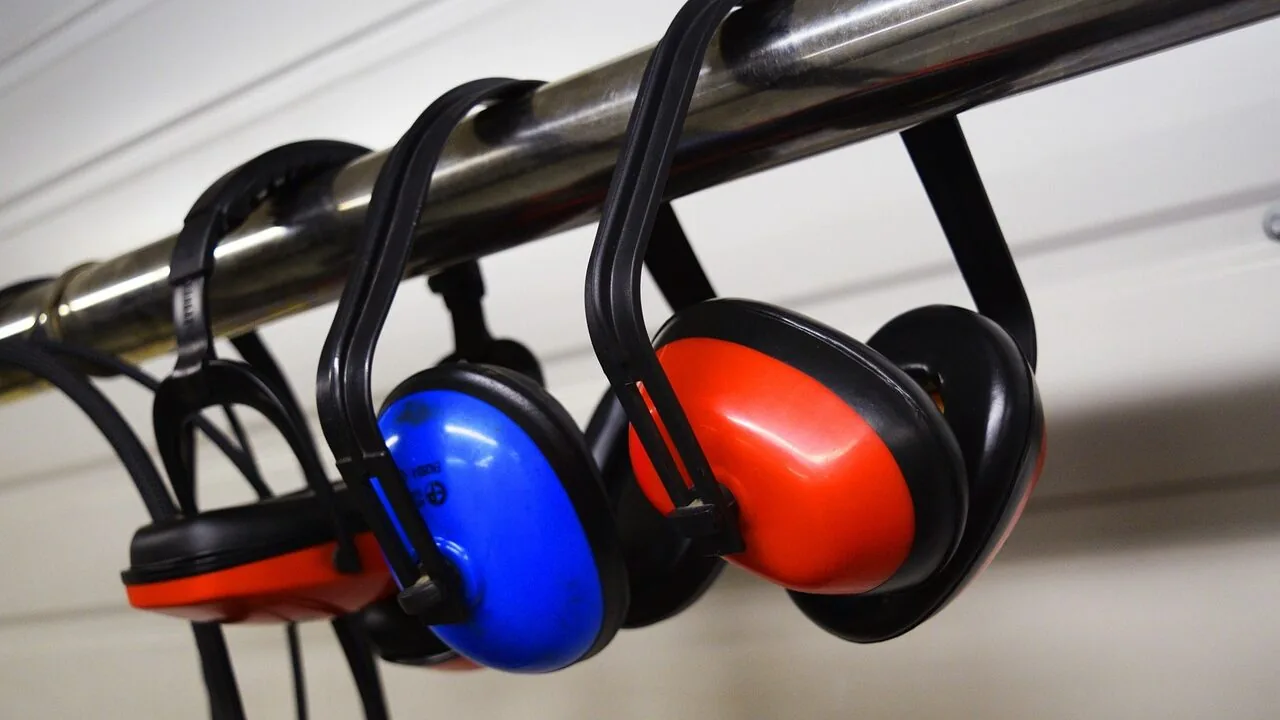
Permanent hearing damage is one of the most common and most preventable injuries among shooters.
A single gunshot can reach sound levels well above 140 dB, a threshold where irreversible harm to the delicate hair cells of the inner ear can occur in an instant.
Repeated exposure without adequate protection is one of the fastest routes to tinnitus and long-term hearing loss, conditions that affect a significant portion of experienced shooters who underestimated the risk early on.
Whether you shoot pistols at an indoor range, run a rifle at an outdoor course, or hunt in the field, the right ear protection is as essential as the firearm itself.
This guide cuts through the marketing noise by pulling together manufacturer specifications, expert review consensus across the shooting and hearing safety communities, and verified buyer feedback from thousands of documented purchases.
ProductFind evaluated every model using our structured research methodology so you can make a confident, informed decision without sorting through contradictory claims.
Whether you need a budget-friendly passive muff for occasional range visits or a premium in-ear electronic system for competition use, the picks below represent the strongest options across every category right now.

AXIL GS Extreme 3.0 Shooting Earbuds with 5X Amplification
Electronic shooting earbuds combining impact sound filtering with five-level hearing amplification, Bluetooth connectivity, and up to 40 hours battery life. Built for shooters and hunters who need both hearing protection and situational awareness without sacrificing comfort during extended range sessions.
Pros
- Exceptionally long battery life covers extended shooting sessions and multi-day hunting trips
- Sound amplification with selective filtering maintains hearing safety while preserving critical audio cues
- Rugged IP65/IP64 rating handles moisture and dust in demanding outdoor environments
- Comfortable secure fit design accommodates prolonged wear without fatigue
Cons
- No verified buyer reviews available to assess real-world durability and user experience
- Learning curve may exist with triple-mode switching in high-stress tactical situations
- Premium positioning suggests higher cost relative to passive ear protection alternatives

Walker's XCEL 100 26dB Digital Earmuffs
Walker's XCEL 100 delivers sound amplification and dynamic noise suppression for hunters and shooters, combining 26dB NRR protection with four listening modes and omni-directional microphones. Best suited for outdoor enthusiasts who need both hearing protection and environmental awareness.
Pros
- Advanced Sound-Activated Compression and Dynamic Sound Suppression technology
- Voice prompts and soft-touch controls simplify operation
- Wind noise reduction and variable sound suppression enhance real-world usability
- Lightweight at 1 pound with ergonomic headband design
- Four listening modes allow personalized hearing preferences
Cons
- No verified customer reviews available to assess real-world durability or reliability
- Requires AAA batteries with no mention of battery life duration
- Limited information on microphone quality consistency across different outdoor environments

Walker's Razor Slim Electronic Folding Earmuffs
Ultra-compact electronic ear protection with dual microphones for sound amplification and directional hearing. Designed for shooters and hunters who need low-profile muffs that enhance safe sounds while blocking impulse noise, plus an audio jack for music.
Pros
- Compact form factor ideal for rifle scopes and tight shooting positions
- Sound amplification with omni-directional hearing lets you stay aware of surroundings
- Durable construction with rubberized exterior protection
- Versatile audio input allows music or external audio sources
Cons
- No verified buyer reviews available to assess real-world performance and durability
- Limited information on battery life and noise reduction rating (NRR)
- Folding mechanism details not specified in product data
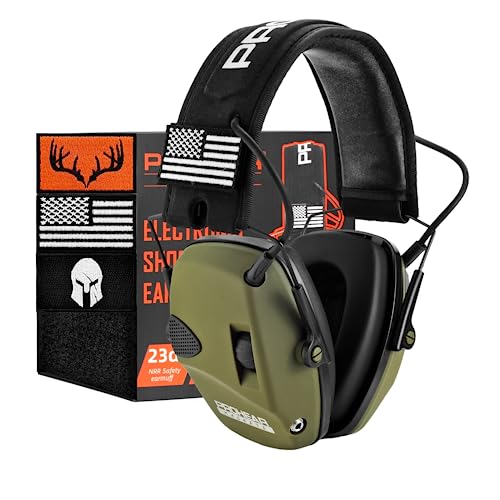
PROHEAR 066 Electronic Hearing Protection NRR 23dB
Active shooting earmuff with 4x sound amplification and 23dB noise reduction, designed for gun ranges and hunting. Lightweight at 0.6 pounds with 300-hour battery life and IPX4 weather resistance.
Pros
- Smart suppression technology reacts quickly to dangerous noise levels while preserving ambient sound
- Extremely long battery life minimizes need for frequent replacement during extended use
- Comfortable for prolonged wear with padded headband and lightweight construction
- IPX4 rating ensures durability in outdoor hunting and weather conditions
- Low-profile design doesn't interfere with gun sight alignment
Cons
- No reviews available to validate real-world performance claims
- Batteries not included in the box despite 300-hour life being a marketing emphasis
- Rating of 4.8 stars appears unverified with zero buyer feedback

Howard Leight Leightning L3 Shooting Earmuff NRR 30
A lightweight shooting earmuff designed for noise protection across varying environments, featuring patented Air Flow Control technology and adjustable fit. Best suited for shooters and hunters seeking reliable hearing protection without bulk.
Pros
- Advanced Air Flow Control technology manages noise reduction without increasing size or weight
- Lightweight construction minimizes fatigue during extended use
- Three adjustable sound reduction levels accommodate different shooting environments
- Snap-in cushion design enables quick replacement and maintenance
- Telescopic headband with padded foam and steel wire for durability and comfort
Cons
- No verified buyer reviews available to confirm real-world performance consistency
- Limited information on battery life or power requirements for electronic components
- May not address all hearing protection needs for industrial environments beyond recreational shooting

GLORYFIRE Electronic Shooting Earplugs, 26dB NRR
Electronic ear protection designed for shooting and tactical sports with 26dB noise reduction and sound amplification to preserve speech clarity. Offers dual noise modes, 8-hour battery life with charging case, and automatic shutoff for extended standby.
Pros
- 26dB NRR effectively suppresses loud impulse noise from gunfire while maintaining auditory clarity
- Dual noise modes allow customization for different shooting environments and settings
- Extended battery life with integrated charging case provides multi-use convenience without frequent recharging
- Multiple size options and ear buckles ensure secure, comfortable fit across various ear sizes
- Simple one-button operation with automatic shutoff prevents accidental battery drain
Cons
- No user reviews available to validate real-world performance and durability claims
- Limited details on sound amplification quality and potential distortion at peak volumes
- Charging case battery life relies on full cycles, requiring planning for all-day extended use scenarios

GLORYFIRE Bluetooth Shooting Earplugs, 26dB NRR
Bluetooth-enabled hearing protection designed for shooting ranges and loud work environments, combining adaptive sound modes with ANSI-certified 26dB noise reduction. Fastest response time at 0.5ms makes these suitable for high-pressure situations where sudden loud noises demand quick suppression.
Pros
- Fast 0.5ms response time specifically engineered for shooting and high-noise situations
- Multiple sound modes allow customization for different environments without swapping devices
- Clear voice communication even in loud surroundings, useful for range instruction or job sites
- Certified hearing protection standard meets safety requirements for extended wear
Cons
- No customer reviews available to verify real-world performance or durability claims
- Limited details on battery life, charging time, or wireless range specifications
- Adaptive sound modes require learning curve to optimize for specific activities

ACT FIRES Bluetooth Shooting Earplugs with Voice Amplification
These Bluetooth-enabled shooting earplugs combine hearing protection with three switchable sound modes, voice amplification, and wireless connectivity. They weigh significantly less than traditional earmuffs and offer 8-13 hours of battery life per charge, making them practical for range use and everyday wear.
Pros
- Three distinct sound modes provide flexibility for different shooting and listening scenarios
- Voice amplification allows clear communication without removing protection
- Significantly lighter and more compact than over-ear earmuffs
- Comprehensive accessory package with multiple earplug sizes and carrying case
Cons
- No verified buyer reviews available to assess real-world durability and performance consistency
- Limited information on actual noise reduction rating (NRR) compared to traditional shooting muffs
- Auto-off after 2-hour standby may require frequent reactivation during extended range sessions

Walker's Razor Slim Passive Earmuff, 27dB NRR
Compact hearing protection designed for smaller frames, offering 27dB noise reduction for shooting and hunting. Ultra-lightweight and foldable construction makes it portable, though passive amplification means no active sound management.
Pros
- Specifically engineered for smaller head sizes with slim muff design
- Lightweight and foldable, ideal for transport to ranges or hunting trips
- Solid 27dB NRR rating provides meaningful hearing protection in loud environments
- Rubberized ear cups and metal wire headband balance durability with comfort
- Trusted Walker's brand known for industry reliability
Cons
- Passive design only, no active noise cancellation or amplification features
- No verified buyer reviews available to confirm real-world durability or comfort claims
- One-size-fits-all construction may not accommodate all head shapes equally well despite slim profile focus

Peltor Sport Tactical 500 Bluetooth Hearing Protection
Electronic earmuffs with 25 dB noise reduction and dynamic suppression tech that adapts to impulse noises like gunshots. Includes Bluetooth connectivity, ambient sound amplification, and a compact design suited for shooting ranges, hunting, construction, and other loud environments.
Pros
- 25 dB NRR provides solid noise reduction for high-impact environments
- Electronic ambient amplification preserves situational awareness and conversation clarity
- Bluetooth capability allows independent volume control for audio input and ambient sound
- Low-profile, foldable design with soft ear cushions and cutouts for rifle use
- Flexible power options with AA batteries or optional rechargeable lithium-ion pack
Cons
- No reviews provided yet, limiting real-world user feedback on reliability and comfort during extended wear
- Batteries not included; rechargeable option sold separately adds extra cost
- Replacement cushion kits sold separately required to maintain noise reduction performance over time

Walker's Razor Slim Passive Earmuffs, 27dB NRR
Compact hearing protection designed for smaller frames, particularly youth and women shooters. Delivers 27dB noise reduction with a lightweight, foldable design that balances protection and all-day wearability.
Pros
- 27dB NRR provides solid hearing protection for shooting environments
- Slim, low-profile design fits well under hats and shooting glasses
- Lightweight and foldable construction makes it easy to transport
- Rubberized ear cups provide comfort for extended wear
- Trusted Walker's brand with reputation for reliability
Cons
- No active noise cancellation, passive protection only
- Zero verified buyer reviews available to assess real-world durability and fit accuracy
- Compact sizing may not accommodate larger head shapes comfortably
Shooting Ear Protection Buying Guide
Choosing the right shooting ear protection comes down to more than just picking the option with the highest noise reduction number on the box.
The best fit for you depends on how you shoot, where you shoot, how long your sessions run, and what trade-offs you are willing to accept between protection, situational awareness, comfort, and cost.
The criteria below cover every variable that actually matters at the range, drawn from audiological safety data, manufacturer specifications, and real-world shooter feedback.
Noise Reduction Rating and Real-World Attenuation

The Noise Reduction Rating (NRR) is the primary metric printed on every hearing protection product sold in the United States, and it is regulated by the EPA. It tells you how many decibels the device reduces sound under laboratory conditions.
A rating of 22 dB or higher is the widely accepted baseline for range use, though many audiologists recommend at least 25 dB NRR for sustained indoor shooting where sound reflects off walls and amplifies exposure.
The important caveat is that real-world attenuation is consistently lower than the rated number because no muff or earplug creates a perfect seal for every user.
NIOSH recommends applying a 50 percent derating to NRR figures as a conservative estimate of actual field performance. This is why fit quality and proper seal matter as much as the printed rating.
A properly worn muff rated at 25 dB will outperform a poorly fitted muff rated at 33 dB every time.
For high-powered rifles, magnum calibers, or indoor ranges, many experienced shooters double up by combining foam earplugs under earmuffs.
This layering approach adds roughly 5 to 10 dB of real-world protection and is standard practice for competitive shooters and range officers who spend extended hours near muzzle blasts.
Passive vs.
Electronic Protection
Passive hearing protection, including traditional earmuffs and foam earplugs, works by physically blocking or absorbing sound waves. These options require no batteries, have no electronics to fail, and are generally the most durable and affordable choice.
They are well suited for solo practice sessions, hunting where communication is minimal, and anyone who prioritizes simplicity and reliability. Brands like Walker’s offer highly regarded slim-profile passive muffs that reduce cheek weld interference for rifle shooters.
Electronic hearing protection adds active circuitry that amplifies ambient sounds (conversation, range commands, wildlife) while using compression or clipping circuits to instantly suppress sounds above a set decibel threshold, typically around 82 to 85 dB.
This gives you the ability to hear normally between shots while still protecting against the impulse of the shot itself. Electronic options from Walker’s, AXIL, and PROHEAR cover a wide price range from entry-level to advanced multi-mode systems.
The trade-off with electronic protection is complexity. Battery life, microphone quality, wind noise, compression speed, and the fidelity of amplified sound all vary significantly between models.
Cheaper electronic muffs sometimes introduce a discernible processing lag or an artificial quality to amplified voices.
Higher-end units like the Walker’s XCEL 100 use digital circuitry to reduce those artifacts noticeably, which is why they earn a meaningful premium in expert consensus evaluations.
If clear communication on a busy range or in a team environment matters to you, investing in quality electronics pays dividends.
Earmuffs vs. In-Ear Options
Over-ear earmuffs remain the dominant choice at public ranges because they are fast to put on, easy to verify for proper fit, and compatible with eye protection without significant interference for most face shapes.
They also provide consistent protection that does not depend on individual ear canal anatomy. The main drawback is bulk, especially for rifle and shotgun shooters where the ear cup can interfere with cheek weld.
Slim-profile designs address this directly, and Walker’s has made low-profile cup geometry a defining feature of their Razor line for exactly this reason.
If you are also investing in quality binoculars for hunting, a slim earmuff that does not snag on straps or headgear is a practical consideration.
In-ear electronic options like the AXIL GS Extreme 3.0 and the GLORYFIRE earplug lines have gained serious traction, particularly among hunters, competitive shooters, and anyone who dislikes the bulk and heat of traditional muffs.
Modern in-ear electronic designs use over-ear hooks rather than relying purely on the friction of the ear canal, which addresses the longstanding complaint that earbuds fall out during dynamic movement.
Microphones on the device cable rather than protruding from the ear itself further reduce wind noise and improve voice capture quality.
The primary limitation of in-ear electronics is that achieving a proper acoustic seal varies by ear canal shape. Some shooters find that no stock tip provides a reliable fit, which reduces real-world NRR below spec.
Most quality in-ear systems include multiple tip sizes and materials (foam, silicone, comply-style) to address this, but it is worth reading verified buyer feedback specific to your ear type before committing to an in-ear system at a premium price point.
Comfort and Clamping Force for Extended Wear

Hearing protection that is uncomfortable enough to tempt you into removing it early is hearing protection that has failed its primary job. Clamping force is the biggest comfort variable for earmuffs.
A muff that clamps too lightly may not maintain an acoustic seal, especially during head movement, but one that clamps too tightly becomes painful within 30 to 60 minutes.
Expert reviews and long-session buyer feedback consistently flag this as a top differentiator between otherwise similar models.
Cushion material matters alongside clamping force. Leatherette pads offer durability but trap heat and moisture during warm weather or indoor sessions.
Foam or fabric-covered cushions breathe better but wear out faster and can degrade the acoustic seal as the material compresses over time. Budget muffs often use thin, low-density foam that flattens noticeably within a single season of regular use.
For shooters who wear glasses, checking whether a model’s cushion design accommodates the temples of eyewear without creating acoustic gaps is essential.
Peltor Sport and Howard Leight designs have historically received mixed feedback on glasses compatibility, so verifying this against reviews from glasses-wearing shooters is worth the extra research step before purchasing at the higher end of the price range.
Sound Amplification Quality in Electronic Models
Not all electronic amplification circuits perform equally, and the difference becomes obvious the moment you wear two units side by side on a busy range.
Key specifications to evaluate include amplification level (expressed in dB of gain), compression response time (how quickly the circuit shuts down when a shot fires), and audio fidelity of the amplified signal.
Entry-level electronic muffs often use simple analog circuits with slower compression times and a noticeably muddy audio quality. Advanced units use digital signal processing to improve both response speed and voice clarity.
The Walker’s XCEL 100 is a frequently cited example of digital amplification at a mid-range price, offering four selectable listening modes that allow shooters to tune amplification behavior to their environment, a feature typically found only in professional or tactical hearing protection.
If Bluetooth connectivity is a priority, the Peltor Sport Tactical 500 adds wireless audio streaming alongside its hearing protection function, though expert consensus notes that the Bluetooth implementation introduces occasional connectivity quirks that simpler models avoid entirely.
Battery life is a practical specification that is easy to overlook until it matters at the range. Most standard electronic muffs run on AAA batteries and provide 200 to 350 hours of use per set.
In-ear electronic units often use smaller batteries and provide considerably shorter run times, some as low as 10 to 16 hours on a charge for rechargeable Bluetooth models.
For a day of hunting or a long competition, knowing your device’s battery behavior under load is a real operational concern, much like knowing the battery capacity of your hunting rangefinder before heading into the field.
Profile and Compatibility with Other Gear

Profile height (the distance the earcup protrudes from the head) directly affects whether a muff can be used comfortably with a rifle or shotgun stock.
High-profile muffs with large earcups provide more internal volume for electronics but create a contact point that pushes the muff forward or breaks cheek weld when a long gun is shouldered.
Walker’s built their entire Razor line around minimizing this profile, and the result is one of the most frequently recommended muffs by rifle and shotgun competitors for exactly this reason.
Compatibility with helmets, ballistic headgear, and hats is relevant for military and law enforcement users as well as hunters who wear brimmed field hats. Slim folding earmuffs and in-ear designs solve most compatibility challenges with headwear.
The Walker’s Razor Slim’s folding design also makes it easy to pack alongside other range gear or in a hunting pack, a convenience that larger profile muffs cannot match.
Hunters who also rely on trail cameras for property scouting understand the value of gear that packs down small without sacrificing performance.
Why You Should Trust Us
ProductFind is an independent editorial review platform. We do not manufacture, sell, or distribute the products we cover, and we have no commercial relationship with any brand that influences our rankings or scores.
Every product in this article was assessed using our consistent PF Score methodology, a structured evaluation framework scored on a 0 to 10 scale that weighs manufacturer specifications, published safety and performance data, expert review consensus drawn from the shooting sports and hearing safety communities, and verified buyer feedback from documented purchases across major retail platforms.
We do not conduct our own product trials; our evaluations are grounded in research, published data, expert review consensus, and verified buyer feedback.
This approach allows us to assess a broad range of products consistently and without the bias that can emerge when a single reviewer’s physical experience with one unit shapes the entire evaluation.
Where expert consensus diverges or buyer feedback contradicts specification claims, we note the disagreement and weight our score accordingly.
ProductFind may earn an affiliate commission when you purchase through links in this article. That commercial relationship has zero influence on PF Scores, product rankings, or which products are included or excluded.
Our editorial decisions are made independently of affiliate relationships. We include a product because it earns a place on merit, not because a commission structure favors it.
Final Thoughts
Protecting your hearing at the range is a decision you make once per session, but its consequences can last a lifetime.
The field of shooting ear protection has matured significantly, with genuine options now available across every budget from an affordable passive muff to a full-featured Bluetooth in-ear system.
The products in this guide represent the strongest performers in their respective categories based on our research and scoring. Here are the standout picks and the roles they are best suited to fill:
- Best Overall: AXIL GS Extreme 3.0 Shooting Ear Protection Earbuds earned the top PF Score in this group by combining a genuinely innovative over-ear hook fit system with high amplification performance and modern Bluetooth integration, making it the strongest all-around package for serious shooters.
- Best Electronic Earmuff: Walker’s XCEL 100 Digital Electronic Muff stands out among over-ear electronic options for its digital signal processing, four selectable listening modes, and voice clarity that consistently earns praise in expert evaluations, delivering a meaningful step up from entry-level electronic muffs at a mid-range price.
- Best Value Electronic Muff: Walker’s Razor Slim Shooter Electronic Folding Ear Protection offers a strong blend of low profile, solid NRR, and reliable electronic amplification at an accessible price, making it the go-to recommendation for shooters who want electronic functionality without spending significantly more.
- Best Budget Passive Option: Walker’s Razor Slim Passive Earmuff delivers a compact, low-interference design at an entry-level price that is hard to beat for casual range days, occasional hunting, or as a backup pair to keep in a range bag.
- Best Mid-Range In-Ear Electronic: GLORYFIRE Shooting Ear Protection Electronic Ear Plugs brings 26 dB NRR and sound amplification into an in-ear format at a mid-range price point, offering a compelling alternative for shooters who want the low-profile advantages of earbuds without moving all the way to the premium tier.
Regardless of which option fits your budget and shooting style, wearing protection consistently is more important than owning the most sophisticated system available. The best hearing protection is the pair you actually put on every time you step up to the line.
Frequently Asked Questions
What NRR rating do I need for shooting at an indoor range?
Most audiologists and range safety officers recommend a minimum NRR of 25 dB for indoor shooting environments, where sound reflects off hard surfaces and exposure levels are consistently higher than outdoors.
For high-caliber rifles or magnum handgun calibers, doubling up with foam plugs under earmuffs is a standard practice that adds meaningful real-world protection beyond what either device provides alone.
Every model in this guide meets or exceeds the 22 dB NRR baseline considered acceptable for general range use.
Are electronic earmuffs worth the extra cost over passive muffs?
For most shooters who spend any time at a range where communication matters, instruction is being given, or situational awareness is a safety concern, electronic amplification is worth the additional investment.
The ability to hear normal conversation clearly between shots removes the temptation to pull protection away from the ears, which is the single most common cause of unintended noise exposure at ranges.
Entry-level electronic options from Walker’s and PROHEAR make this technology accessible at a modest premium over basic passive muffs.
Can I use shooting ear protection for other loud activities like mowing or concerts?
Yes. The NRR ratings on shooting hearing protection apply to any loud environment, and many of the products in this guide are explicitly designed for multi-use scenarios including lawn equipment operation, woodworking, and construction.
The Peltor Sport Tactical 500, for example, includes Bluetooth audio streaming that makes it practical as a general-purpose noise-reducing headset.
The key is matching the NRR to the noise level of your specific activity, and for extended exposure to sustained noise like power tools, a higher NRR passive option often outperforms a lower-NRR electronic unit.
How do I know if my earmuffs fit correctly?
A properly fitted earmuff creates a complete acoustic seal around the entire ear without gaps caused by glasses temples, hair, or irregular head shape. You should feel noticeable passive attenuation even before powering on any electronic features.
If you can hear ambient noise at roughly normal volume while wearing the muffs, the seal is compromised. Check that the headband applies even pressure on both sides and that the cushion makes uninterrupted contact around the ear.
Cushion condition matters too since compressed or cracked foam padding significantly degrades real-world NRR even on otherwise quality muffs. Pairing well-fitted hearing protection with secure storage for your firearms and gear is part of a complete, responsible shooting setup.
Do in-ear electronic options protect as well as over-ear earmuffs?
High-quality in-ear electronic options can match or approach the NRR of many over-ear earmuffs, but real-world performance depends heavily on achieving a reliable acoustic seal with the ear tips provided.
Shooters with average ear anatomy typically find a good fit with the included tip options, while those with unusually shaped canals may need to source aftermarket tips or consider a custom-molded alternative.
The AXIL GS Extreme 3.0 addresses fit concerns with its over-ear hook system, which keeps the earpiece stable during movement regardless of ear canal fit alone.
For an honest comparison, verified buyer feedback on fit quality is often more informative than the rated NRR for in-ear products.
How long do batteries last in electronic shooting earmuffs?
Battery life varies significantly by product type. Standard over-ear electronic muffs running on AAA batteries typically provide 200 to 350 hours of use per set, making them extremely practical for regular range use without frequent battery changes.
Rechargeable Bluetooth in-ear models tend to offer significantly shorter run times per charge, often in the 10 to 20 hour range depending on whether Bluetooth streaming is active.
If you are planning a full day of hunting or a multi-stage competition, knowing your device’s rated battery life and carrying a spare set of batteries or a charging cable is a straightforward way to avoid a dead unit at a critical moment.
The same preparation mindset that leads hunters to rely on quality optics and accurate rangefinders applies equally to hearing protection readiness in the field.
About the author
Jerry is a reviewer and writer for ProductFind who specializes in Hunting & Shooting Sports. Jerry evaluates products through independent research: specifications, expert review consensus, and verified buyer feedback, and rates each one on the PF Score. Jerry focuses on helping readers pick the right hunting & shooting sport for their needs and budget.