The 8 Best Game Calls
From electronic predator callers to elk diaphragms and duck calls, choosing the right game call comes down to species, terrain, and skill level. Here are the options our research recommends.
 By Jerry Gutierrez
Updated July 23, 2026
By Jerry Gutierrez
Updated July 23, 2026
Game calls are one of the most effective tools a hunter can carry, whether you’re drawing in a bull elk during the rut, luring coyotes at first light, or pulling mallards into your spread on a cold morning.
The right call can close the distance that optics and patience alone cannot, and with today’s options spanning everything from simple mouth reeds to programmable electronic units with remote-controlled decoys, choosing the wrong one for your situation is a real risk.
Pair your calling setup with sharp hunting binoculars and you’ll spot and respond to incoming animals well before they reach your position.
This guide cuts through the noise by synthesizing manufacturer specifications, expert review consensus across hunting publications, and verified buyer feedback from confirmed purchasers to give you clear, actionable recommendations across the categories that matter most: electronic predator callers, elk mouth calls, duck calls, crow calls, and squirrel calls.
ProductFind’s research-based approach means every pick here has been evaluated against consistent criteria before making this list. Here are the top picks our research team selected for 2026.
| Award | Product | PF Score About PF ScoreThe PF Score is our own rating from 0 to 10, based on performance, design and build, ease of use, and value. It reflects independent research and is never influenced by manufacturers, retailers, or affiliate commissions. Learn more › | Price | |
|---|---|---|---|---|
| Best Overall |
 Icotec Furnado 150-Yard Predator Caller with Decoy
|
8.7/10 | Buy | |
| Editor's Pick |
 Phelps Game Calls AMP Elk Diaphragm Call
|
7.9/10 | Buy | |
| Best Value |
 Primos Crow Call
|
7.8/10 | Buy | |
| Top Rated |
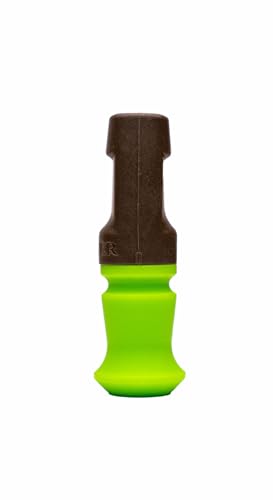 Slayer Calls Harem Elk Bite Call
|
7.5/10 | Buy | |
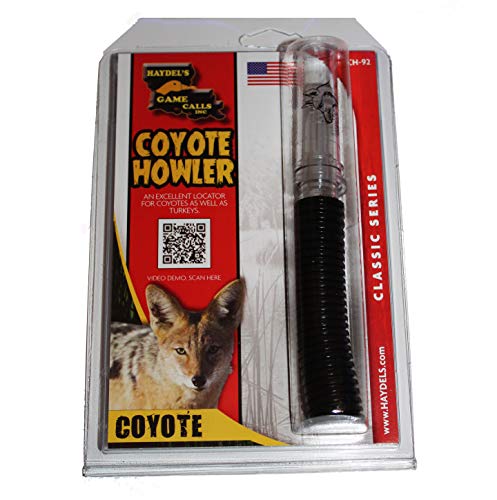 Haydel's CH-92 Coyote Howler Predator Call
|
7.3/10 | Buy | ||
 Haydel's DR-85 Double Reed Mallard Duck Call
|
7.2/10 | Buy | ||
 Faulk's C-50 Walnut Crow Call
|
7.1/10 | Buy | ||
 Hunters Specialties Squirrel Call
|
5.8/10 | Buy |
Icotec Furnado 150-Yard Predator Caller with Decoy
This predator caller combines a fur-wrapped speaker with a decoy topper and 15 pre-recorded sounds to attract coyotes, foxes, and bobcats from up to 150 yards away. Extended battery life and durable construction make it reliable for field use, though setup requires multiple battery types.
Pros
- Extended 40-hour battery life outlasts many competitors in the category
- 150-yard range reduces risk of spooking game with speaker placement flexibility
- Realistic fur wrapping and included decoy topper enhance visual luring appeal
- Durable plastic build withstands repeated field transport and use
Cons
- Requires multiple battery types (4 AA batteries plus 1 A23), adding complexity to field setup
- No verified user reviews available to assess real-world reliability and sound quality performance
Phelps Game Calls AMP Elk Diaphragm Call
A hands-free diaphragm call that produces the full range of elk vocalizations, from cow chirps to bull bugles, without taking it out of your mouth during the draw. Built on Phelps' proven aluminum AMP frame with reusable latex reeds available in multiple difficulty levels for beginners through competitive callers.
Pros
- Eliminates need to reach for another call at critical moments during the rut
- Available in different latex weights and stretches to match caller preference and technique
- Durable reusable design that gets better sounding with use
- Trusted by world elk calling champions and backcountry hunters
Cons
- Requires proper mouth technique and air control to produce quality sounds across the range
- Latex reeds need cool, dry storage to extend lifespan
- No verified buyer reviews available to confirm real-world durability claims
Primos Crow Call
A compact hunting call designed to mimic crow sounds for game attraction. Lightweight and portable at 0.1 pounds, it's built for hunters who need a reliable calling tool in the field.
Pros
- Made in the United States
- Extremely lightweight and portable for fieldwork
- Compact dimensions fit easily in a pack or pocket
- Rated 4.6 stars based on user feedback
Cons
- No customer reviews available to assess real-world performance
- Limited product description details on functionality and sound quality
- Single size only, no size variations offered
Slayer Calls Harem Elk Bite Call
A hands-free external cow elk call designed for hunters at full draw, using an intuitive bite-and-blow mechanism to produce authentic nasal mew sounds. Best suited for elk hunters who want to add realistic cow vocalizations to their setup without managing additional equipment.
Pros
- Allows hands-free calling without setting down bow or bugle
- Simple bite-and-blow design requires minimal learning curve
- Authentic cow elk vocalizations enhance credibility of other calls
- Lightweight and packable design adds no significant bulk to gear
Cons
- No customer reviews available to verify real-world performance claims
- Limited to cow elk sounds only, less versatile than multi-sound diaphragm calls
- Effectiveness depends on pairing with other calls for full herd realism
Haydel's CH-92 Coyote Howler Predator Call
A compact coyote howler designed to locate and call dominant dogs during predator hunting. Made in the USA with a portable design that doubles as an effective turkey locator.
Pros
- Compact and lightweight for easy transport in the field
- Made in the USA
- Dual-purpose design works for both coyotes and turkey location
- Established brand in predator calling equipment
Cons
- No verified buyer reviews available to assess real-world performance
- Limited information on specific call range or effectiveness compared to competing models
- Unclear operating details or included accessories from product data
Haydel's DR-85 Double Reed Mallard Duck Call
The DR-85 is a hand-tuned mallard duck call with a fully adjustable floating wedge for personal tuning, designed to work for both professional callers and beginners. It blows wet and is made in the USA, making it a versatile option for duck hunters seeking reliable performance.
Pros
- Fully adjustable floating wedge allows custom tuning to match personal preferences
- Hand-tuned by professional callers before shipping
- Easy to blow, suitable for both experienced and novice users
- Functions when wet, reducing performance issues in typical hunting conditions
- Made in the USA
Cons
- No verified buyer reviews available to assess real-world durability or consistency
- Double reed design may require more practice than single reed alternatives for some users
- Limited color option, available only in clear
Faulk's C-50 Walnut Crow Call
Hand-tuned walnut crow call designed to replicate adult crow vocalizations with a natural tone. Simple single-reed design that lets hunters adjust pitch from mature birds to juveniles with slight lip pressure, ideal for crow hunters seeking reliable, portable equipment.
Pros
- Hand-tuned construction ensures consistent, natural crow vocalizations
- Lightweight and compact design fits easily in a hunting pack
- Versatile pitch control with simple lip pressure adjustment for different crow ages
- Walnut construction provides durability for field use
Cons
- No verified buyer reviews available to assess real-world performance and longevity
- Limited information on learning curve for achieving consistent tones in various hunting conditions
- Single-reed design may require practice to master pressure control effectively
Hunters Specialties Squirrel Call
A versatile game call designed to replicate fox and gray squirrel vocalizations including barks, chatter, and distress calls. Built for reliable performance across weather conditions and suited for hunters of all experience levels seeking an accessible calling tool.
Pros
- Realistic sound variety covers multiple hunting scenarios and squirrel species
- Weather-resistant construction ensures consistent performance in outdoor conditions
- Easy learning curve makes it accessible to hunters new to game calls
Cons
- No verified buyer reviews available to assess real-world durability or sound quality effectiveness
- Limited information on specific sound frequencies or adjustment capabilities
- One-size-only option may not accommodate different hand sizes or preferences
Game Calls Buying Guide
Not every call works for every situation, and buying a premium electronic caller for squirrel hunting is just as mismatched as grabbing a basic squeeze call when you’re set up 200 yards out on a coyote flat.
The sections below walk through the factors that matter most when choosing game calls, organized by the decisions real hunters actually have to make.
Call Type: Electronic vs. Hand Call vs. Mouth Call
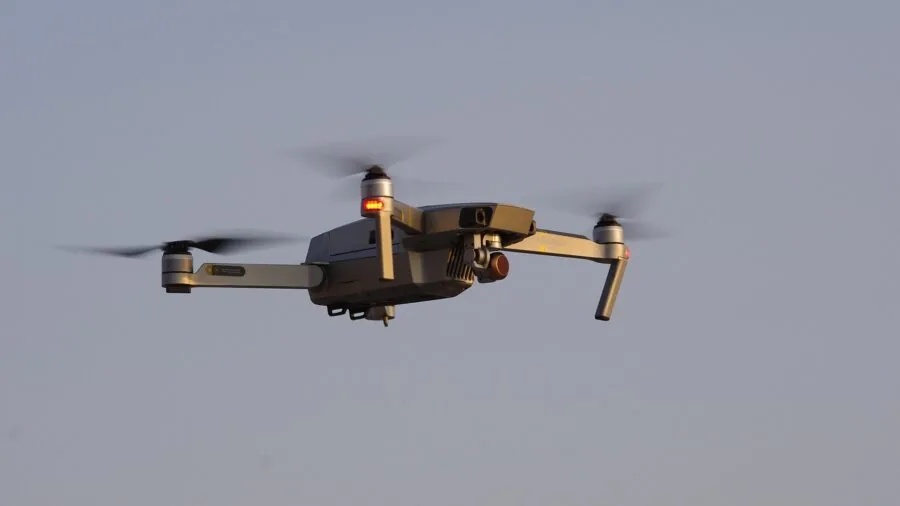
Electronic callers like the Icotec Furnado broadcast pre-recorded sounds at high volume with a remote control, which keeps your hands free and your scent away from the speaker.
They excel for predator hunting over open ground where you need to reach long distances and cycle through multiple sounds without movement. The tradeoff is weight, cost, and the need for batteries or charging.
Hand calls and mouth calls reward skill and portability. A crow call like the Primos Hunting Crow Call fits in a shirt pocket and produces a convincing caw with nothing more than a breath.
Diaphragm elk calls like the Phelps Game Calls AMP are completely hands-free once seated in your mouth, which matters enormously when a bull is closing at twenty yards and your bow is in your hands.
For waterfowl, a double-reed duck call like the Haydel’s DR-85 gives beginners a more forgiving blowing surface without sacrificing the realistic tone that pulls birds.
Many experienced hunters carry both types, using an electronic caller as an attractor at range and switching to a hand call for close-range fine-tuning. Think about how you hunt before committing to a single category.
A solid set of trail cameras can help you pattern animal movement in advance so you know which call type fits the terrain you’re hunting.
Sound Library and Realism

For electronic callers, the number of on-board sounds matters less than the quality and specificity of those sounds. The Icotec Furnado ships with 15 sounds focused on the species most hunters target with it: coyotes, foxes, bobcats, and raccoons.
That focused library is more useful than a 100-sound unit packed with rarely-used bird calls, because each sound has been tuned for real-world effectiveness rather than just filling a spec sheet.
For hand calls and mouth calls, realism comes down to reed quality and material.
Latex diaphragms in elk calls compress to produce a wider frequency range than mylar, which is why the Phelps AMP and the Slayer Harem use different reed configurations to target different elk vocalizations.
A call that sounds convincing to your ear in your living room may sound flat in the field, so verified buyer feedback from hunters who have used a call in actual hunting scenarios is one of the most reliable quality signals available.
Remote Range and Decoy Integration
Remote range determines how far you can set your electronic caller from your hide. The Icotec Furnado operates up to 150 yards, which is sufficient for most ground-level setups and keeps the caller well away from your position.
If you’re hunting big, open country where 300-yard ranges are common, you may want to step up in the product line. For most timber and mixed-terrain hunters, 150 yards is more than adequate.
Decoy integration adds a visual stimulus that can be the deciding factor for call-shy predators. The Furnado includes a fur-wrapped decoy that moves with the wind and pairs with the audio to create a multi-sensory presentation.
Hunters who combine motion decoys with electronic calls consistently report better response rates from wary adult coyotes compared to audio-only setups.
Knowing where animals travel in your area matters as much as the gear; using a hunting rangefinder to pre-mark cover and lanes helps you position your caller for maximum visibility to incoming game.
Species-Specific Design
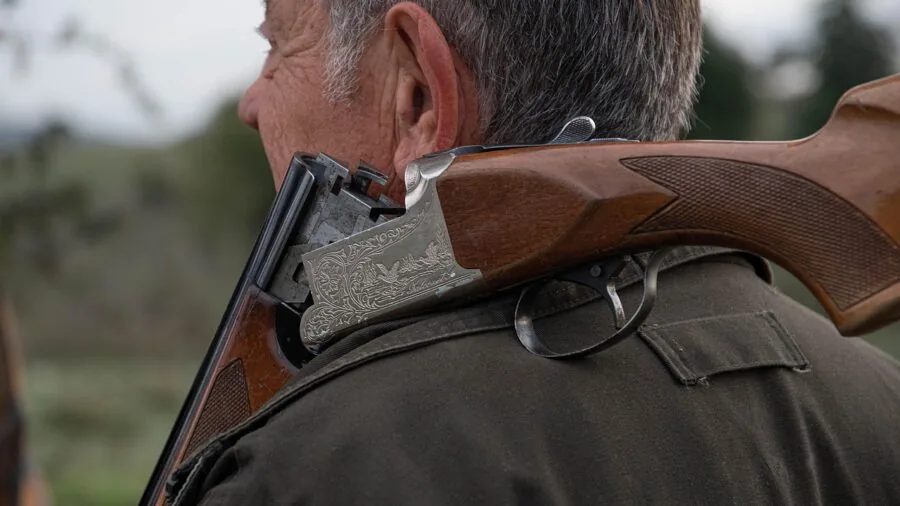
Game calls are not universal tools. A crow call is tuned for the pitch and cadence of corvid vocalizations; blowing it at a duck will produce nothing useful.
The Primos Hunting Crow Call and the Faulk’s C-50 Walnut Crow Call are both purpose-built for crow hunting and double as owl or hawk calls during turkey season to locate roosting birds.
Using a crow call during turkey season to shock-gobble a tom is a well-documented tactic that many turkey hunters rely on as their primary locator call.
Elk calls are even more specialized. Cow calls, calf mews, and bull bugles each serve different tactical purposes depending on the phase of the rut.
The Slayer Harem is designed specifically as an external bite call that produces cow elk vocalizations, while the Phelps AMP diaphragm pack gives hunters the full range from calf chirps to aggressive cow calls with three reeds tuned for different pitch preferences.
Matching the call to the species and the behavioral context is the single most important buying decision you can make.
Durability and Weather Resistance

Game calls take abuse. They get dropped in mud, soaked in rain, and banged around in a pack for months. Wooden crow calls like the Faulk’s C-50 look and feel premium but require more care than polymer-bodied alternatives.
The walnut construction produces a warm, resonant tone that many experienced callers prefer, but it can crack in extreme temperature swings if not maintained.
Electronic callers should be evaluated for speaker housing durability, battery compartment sealing, and remote button reliability in cold weather. Rubber buttons and rubberized housings perform significantly better in freezing temperatures than bare plastic.
Verified buyer reviews from hunters in northern climates are a reliable indicator of cold-weather performance that specs sheets rarely capture.
Dressing properly for the conditions matters as much as gear durability; a quality pair of waterproof rain jackets will keep you hunting through weather that drives other hunters home.
Ease of Use and Learning Curve

Electronic callers are generally beginner-friendly because the sound production is handled by the device. You select a sound, set the volume, and trigger it remotely.
The Icotec Furnado is explicitly designed around simplicity, with a straightforward remote and a focused sound library that prevents decision paralysis.
New predator hunters benefit enormously from this approach because they can focus on positioning and wind rather than learning to produce sounds.
Diaphragm elk calls have the steepest learning curve of any call in this guide. Proper tongue placement, breath pressure, and reed bite position all affect tone, and most hunters practice for weeks before producing sounds they’re confident in.
The Phelps AMP three-pack is designed to ease this curve by giving hunters three reeds with different setups so they can find the one that fits their mouth anatomy and practice style before the season opens.
The Haydel’s DR-85 duck call, with its double-reed design, is forgiving enough for beginners but capable enough that experienced callers won’t outgrow it.
For squirrel hunters, the Hunters Specialties call is the least demanding option in this group and produces effective results with minimal practice.
Why You Should Trust Us
ProductFind is an independent review publication.
We do not accept payment from brands to influence our rankings, and we do not conduct our own product trials; our evaluations are grounded in research, published data, expert review consensus, and verified buyer feedback.
Every product in this guide was assessed using our standardized PF Score system, which rates each item on a 0 to 10 scale across dimensions including sound realism, build quality, species-specific effectiveness, ease of use, and value.
The PF Score is calculated by weighting criteria according to what matters most in each product category, informed by how hunters and outdoor writers across multiple publications evaluate the same products.
We analyze specifications published by manufacturers, cross-reference them against independent expert assessments from hunting publications and outdoor forums, and weight verified buyer feedback from confirmed purchasers who have used these calls in actual hunting situations.
When expert opinion and buyer feedback diverge, we note the discrepancy rather than smoothing it over. Our goal is to give you information that holds up in the field, not a list optimized for affiliate revenue.
That said, ProductFind may earn a commission when you purchase through links on this page. That commercial relationship does not influence which products appear, how they are ranked, or what PF Score they receive.
Our rankings reflect research quality, not commission rates.
Final Thoughts
The eight calls in this guide cover the full range of game calling situations most hunters encounter, from open-country coyote setups to close-range elk encounters to early-season squirrel chases.
Our research points to clear leaders in each niche, and the picks below represent the strongest performers by PF Score within their categories.
- Best Overall: Icotec Furnado Predator Game Caller Decoy Combo earns the top PF Score in this group with its combination of electronic sound output, motion decoy integration, and remote-controlled operation, making it the most versatile and effective setup for predator hunters of any experience level.
- Best Elk Mouth Call: Phelps Game Calls AMP Elk Diaphragm offers the strongest combination of reed variety, hands-free operation, and proven bugling performance for elk hunters across all skill levels.
- Best Crow Call: Primos Hunting Crow Call delivers reliable, realistic crow vocalizations at a budget-friendly price, making it the go-to locator call for turkey hunters and a solid choice for dedicated crow hunters.
- Best for Predator Hunting on a Budget: Haydel’s Game Calls CH-92 AMZ Coyote Howler provides a capable manual option for hunters who want effective coyote calling without committing to an electronic unit.
- Best Duck Call: Haydel’s Game Calls DR-85 Mallard Duck Call balances beginner accessibility with the tonal quality that experienced callers respect, making it a dependable choice across duck hunting scenarios.
Whichever call you choose, pairing it with good woodsmanship, favorable wind, and a solid understanding of the animal you’re targeting will always outperform gear alone.
Scouting with reliable night vision binoculars before your season opens can reveal movement patterns that make every call you make more productive.
Frequently Asked Questions
What Is the Difference Between an Electronic Game Call and a Hand Call?
An electronic game call plays pre-recorded animal sounds through a speaker and is typically operated by a remote control, keeping you still and scent-free at a distance from the sound source.
A hand call requires you to blow, squeeze, or manipulate the call yourself to produce sound.
Electronic callers are generally easier for beginners and more consistent in sound production, while hand calls are lighter, cheaper, require no batteries, and can be more responsive in fast-moving situations like elk calling during the rut.
Can I Use a Crow Call During Turkey Season?
Yes, and many turkey hunters consider a crow call an essential tool for locating roosted gobblers in the morning.
A loud crow caw can trigger a shock gobble from a tom without using a turkey call that might make the bird hang up or become call-shy before you’re in position.
The Primos Hunting Crow Call is frequently recommended for this purpose because it produces a sharp, carrying caw that cuts through morning timber noise effectively.
How Hard Is It to Learn a Diaphragm Elk Call?
Diaphragm elk calls have a genuine learning curve. Most hunters spend several weeks of regular practice before producing sounds they trust in hunting scenarios.
The key variables are mouth anatomy, tongue placement, and breath pressure, all of which vary between individuals.
Starting with a multi-reed pack like the Phelps AMP allows you to try different reed configurations until you find one that fits your mouth and produces clean cow calls.
Once you have cow calls down, bull bugles follow with additional practice. Do not expect to pick up a diaphragm the week before elk season and be proficient with it.
Do I Need a Decoy With My Electronic Caller?
A decoy is not mandatory, but it adds a meaningful visual stimulus that can make call-shy predators commit. Coyotes that hang up at the edge of shooting range are often waiting for visual confirmation of the sound source.
A motion decoy like the fur-wrapped unit included with the Icotec Furnado provides that confirmation and can trigger a rush from animals that would otherwise circle downwind and vanish.
For new predator hunters, a caller with an integrated decoy removes one more decision and simplifies setup.
How Should I Choose Between a Single-Reed and Double-Reed Duck Call?
Single-reed duck calls produce higher volume and more tonal range, which experienced callers prefer for competition-style calling and reaching birds at long distances.
Double-reed calls like the Haydel’s DR-85 are more forgiving of inconsistent air pressure, which makes them the better choice for hunters still developing their calling technique.
Most waterfowl hunters start on a double reed, build confidence and muscle memory, and then move to a single reed as their skills develop. Either design can call ducks effectively in real hunting conditions.
What Should I Look for When Buying My First Game Call?
Match the call type to the species and hunting situation you encounter most often.
If you’re a beginning predator hunter, an electronic caller with a remote and an integrated decoy will produce results faster than a hand call that requires practice. If you’re an elk hunter, start with a cow call before attempting bugles.
If you’re a waterfowl hunter, a double-reed duck call is the most forgiving starting point. Budget matters, but avoid the cheapest options in every category since reed quality and tuning tolerances directly affect how realistic the sound is.
Mid-range calls from established brands like Primos, Haydel’s, and Phelps represent excellent value across most hunting applications.
About the author
Jerry is a reviewer and writer for ProductFind who specializes in Hunting & Shooting Sports. Jerry evaluates products through independent research: specifications, expert review consensus, and verified buyer feedback, and rates each one on the PF Score. Jerry focuses on helping readers pick the right hunting & shooting sport for their needs and budget.