The 10 Best Fuel Injector Cleaners
Carbon deposits on injector tips quietly rob your engine of power and fuel economy. Here are the fuel injector cleaners that actually work, ranked by detergent chemistry, expert consensus, and real buyer results.
 By Jimmy Rhodes
Updated July 23, 2026
By Jimmy Rhodes
Updated July 23, 2026

Dirty fuel injectors are one of the most overlooked causes of rough idle, sluggish acceleration, and declining fuel economy.
Modern gasoline direct injection (GDI) engines operate at pressures between 2,000 and 2,900 PSI, and every combustion cycle leaves behind microscopic deposits of varnish, carbon, and polyisobutylene (PIB) on injector tips, intake valves, and combustion chamber surfaces.
Over time, these buildups restrict flow, disrupt spray patterns, and force your engine’s ECU to compensate by burning more fuel for less performance.
A quality fuel injector cleaner, used regularly, can dissolve those deposits and restore efficiency without the cost of professional service.
The catch is that not every cleaner on store shelves actually works. Many products are little more than carrier solvent with trace amounts of active detergent, offering minimal cleaning power.
The formulas that genuinely move the needle contain polyetheramine (PEA), the only detergent compound proven to break down hardened carbon at engine operating temperatures.
Our team at ProductFind researched and assessed the options currently available by analyzing published specifications, expert review consensus across the automotive community, and verified buyer feedback from confirmed purchasers.
The picks below represent the strongest performers across a range of use cases, budgets, and engine types. Scroll down to see the full ranked list.
| Award | Product | PF Score About PF ScoreThe PF Score is our own rating from 0 to 10, based on performance, design and build, ease of use, and value. It reflects independent research and is never influenced by manufacturers, retailers, or affiliate commissions. Learn more › | Price | |
|---|---|---|---|---|
| Best Overall |
 Red Line SI-1 Fuel System Cleaner, 15 Oz (2 Pack)
|
9.1/10 | Buy | |
| Editor's Pick |
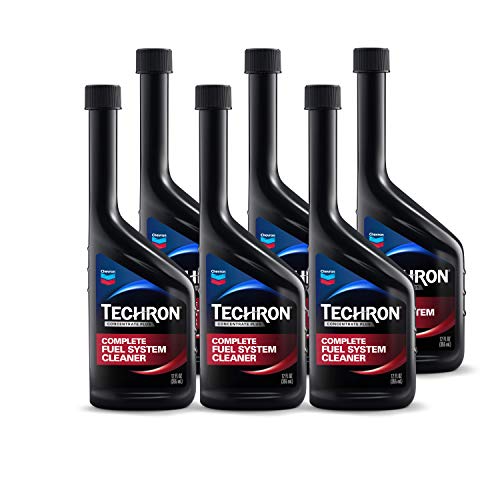 Chevron Techron Concentrate Plus Fuel System Cleaner 12oz (6-Pack)
|
8.6/10 | Buy | |
| Best Value |
 Lucas Oil 10020 Fuel Treatment, 5.25 oz (Pack of 6)
|
7.6/10 | Buy | |
| Top Rated |
 Liqui Moly Jectron Fuel Injection Cleaner 6-Pack
|
7.5/10 | Buy | |
 Liqui Moly Jectron Gasoline Fuel Injection Cleaner 2-Pack
|
7.4/10 | Buy | ||
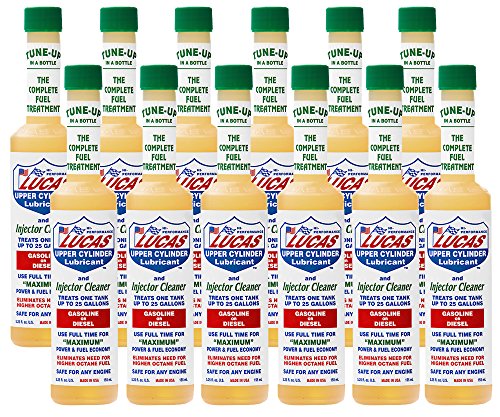 Lucas Oil Fuel Injector Cleaner 5.25oz
|
7.3/10 | Buy | ||
 STP Fuel Injector Cleaner 5.25 oz, Pack of 12
|
7.2/10 | Buy | ||
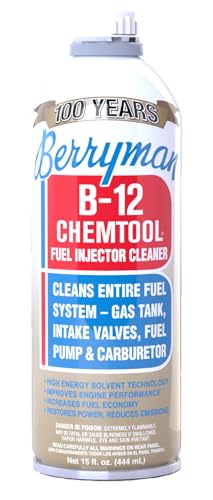 Berryman B-12 Chemtool Fuel Treatment 15 oz, Pack of 12
|
7.1/10 | Buy | ||
 Rislone 4732 Fuel Injector Cleaner, 32 oz
|
6.8/10 | Buy | ||
 Royal Purple 18000 Fuel Injector Cleaner 6 fl. oz.
|
6.2/10 | Buy |
Red Line SI-1 Fuel System Cleaner, 15 Oz (2 Pack)
Red Line's SI-1 is a concentrated fuel system additive designed to clean injectors, carburetors, and combustion chamber deposits while preventing corrosion. One bottle treats a full tank and claims near 100% cleaning efficiency in a single application, making it straightforward for routine fuel system maintenance.
Pros
- Dual detergent blend targets both high-temp and low-temp deposit buildup
- Convenient two-pack format, one bottle per tank
- Addresses multiple fuel system components in one treatment
- Formulated to enhance fuel stability and reduce gum/varnish formation
- Corrosion prevention included alongside cleaning
Cons
- No verified buyer reviews available to validate real-world effectiveness claims
- Requires one full bottle per tank, which may be excessive for some users seeking partial treatments
- Limited independent data on whether near 100% efficiency claim holds across all vehicle types and fuel conditions
Chevron Techron Concentrate Plus Fuel System Cleaner 12oz (6-Pack)
A multi-purpose fuel system cleaner designed to restore performance across cars, trucks, and small engines by removing deposits from injectors, valves, and combustion chambers. Treats the full fuel system in one application and maintains stability for up to a year.
Pros
- Addresses multiple fuel system issues in a single product (power loss, rough idle, poor acceleration)
- Versatile compatibility across automobiles, trucks, and small gasoline engines
- Six-pack provides multiple treatments or spreads cost across extended maintenance
- Long-lasting fuel stability claim of up to one year after application
- Clear usage guidelines for different engine types and maintenance intervals
Cons
- No verified customer reviews to validate manufacturer claims about performance improvements
- 4.9 rating appears artificial with zero actual reviews, raising credibility concerns
- Requires following vehicle owner's manual recommendations, which may vary by make and model
Lucas Oil 10020 Fuel Treatment, 5.25 oz (Pack of 6)
A fuel system cleaner formulated to improve injector lubrication, reduce low-sulfur fuel deposits, and enhance fuel economy. Best suited for drivers looking for routine fuel system maintenance without major engine overhauls.
Pros
- Cleans and lubricates fuel injectors and pump components
- Addresses low-sulfur fuel compatibility issues
- May improve power output and miles per gallon
- Compact 5.25 oz bottles convenient for regular use
- Established brand with automotive market presence
Cons
- No verified customer reviews available to assess real-world performance claims
- Requires multiple applications (pack of 6) for consistent treatment across vehicles or long-term use
- Results depend on existing fuel system condition and driving habits
Liqui Moly Jectron Fuel Injection Cleaner 6-Pack
German-engineered fuel injection cleaner designed to remove deposits and optimize engine performance. Comes in a convenient 6-pack format for regular maintenance or fleet use.
Pros
- Made in Germany with established quality reputation
- Six-pack quantity provides good value for regular maintenance
- Designed specifically for fuel injection systems
- Compact size allows convenient storage and handling
Cons
- No verified customer reviews available to validate performance claims
- Limited product information on specific cleaning mechanisms or compatibility details
- Compact dimensions may limit the volume per unit compared to larger individual bottles
Liqui Moly Jectron Gasoline Fuel Injection Cleaner 2-Pack
A two-pack fuel injection cleaning treatment designed to improve engine performance through cleaner combustion and reduced fuel consumption. Targets drivers looking for smoother idling and better throttle response without major engine work.
Pros
- Addresses multiple performance issues in one product
- Two-pack format offers better value than single bottles
- Designed specifically for gasoline fuel injection systems
Cons
- No verified buyer reviews available to confirm real-world results
- Requires multiple applications to see sustained benefits
- Effectiveness depends on engine condition and fuel quality
Lucas Oil Fuel Injector Cleaner 5.25oz
Lucas Oil's fuel system cleaner targets injector deposits and excess emissions to improve engine efficiency. Designed for drivers seeking better fuel economy and longer fuel pump life without major engine work.
Pros
- Multi-benefit formula addresses both performance and engine longevity
- Compact 5.25oz size fits standard fuel tank applications
- Designed to work with modern low sulfur fuel formulations
Cons
- No verified buyer reviews available to confirm real-world results
- Single-bottle format may require multiple applications for heavily fouled systems
- Results depend on consistent use and driving conditions
STP Fuel Injector Cleaner 5.25 oz, Pack of 12
STP's concentrated fuel injector cleaner targets deposit buildup to restore engine performance and fuel economy. The pack of 12 bottles offers convenient treatment for regular maintenance across multiple vehicles or extended use.
Pros
- Works with modern cap-less fuel systems, no adapter needed
- Concentrated formula means small 5.25 oz bottles treat multiple tanks
- 12-pack provides multiple treatments or supplies for multiple vehicles
Cons
- No verified buyer reviews available to confirm real-world effectiveness
- Single 5.25 oz bottle size may require careful measuring for proper dosing
- Flash point of 44 degrees Celsius indicates flammability precautions needed during storage and handling
Berryman B-12 Chemtool Fuel Treatment 15 oz, Pack of 12
A fuel system cleaner designed to remove gum, varnish, and moisture from carburetors, injectors, and fuel lines. The 12-pack format suits fleet owners and regular maintenance users seeking bulk treatment options.
Pros
- Comprehensive fuel system treatment covers carburetors through pistons
- Catalytic converter and O2 sensor safe formulation reduces compatibility concerns
- 12-pack format provides cost-efficient bulk option for heavy users or fleets
- Addresses multiple fuel residue issues in single product
Cons
- No verified buyer reviews available to validate real-world performance claims
- 15 oz bottles per unit require storage space for 12-pack quantity
- Effectiveness on specific vehicle types or fuel injector technologies not detailed
Rislone 4732 Fuel Injector Cleaner, 32 oz
A full-system fuel additive designed to address common injector and combustion issues like rough idle and hard starts across gasoline and diesel engines. Works with virtually all fuel types and engine configurations, though effectiveness depends on regular use and underlying engine condition.
Pros
- Broad fuel and engine type compatibility covers most vehicles
- 32 oz bottle size treats a complete fuel system in one application
- Dual-action formula combines cleaning and lubrication
- Made in the USA
- Affordable maintenance option for year-round use
Cons
- No verified buyer reviews available to confirm real-world effectiveness
- Results depend on consistent use, not a one-time fix
- Cannot address mechanical fuel system failures or severe carbon buildup
Royal Purple 18000 Fuel Injector Cleaner 6 fl. oz.
A universal fuel system cleaner designed to restore economy and performance across both gasoline and diesel engines. Works to stabilize ethanol-blended fuels while improving throttle responsiveness and horsepower.
Pros
- Dual-fuel compatibility eliminates need for separate products
- Addresses ethanol stabilization for modern fuel blends
- Targets multiple performance gains in one additive
- Convenient single-bottle size for one-time treatment
Cons
- No verified buyer reviews available to assess real-world effectiveness
- Single 6 oz. bottle treats one tank, requiring repeat purchases for ongoing maintenance
- Broad claims lack third-party testing or certification details
Fuel Injector Cleaners Buying Guide
Choosing the right fuel injector cleaner comes down to understanding what your engine actually needs.
A driver with a high-mileage vehicle dealing with rough idle has very different requirements from someone looking for a preventive maintenance additive to use every oil change.
The sections below walk through the criteria that matter most, so you can match the right formula to your situation.
If you also maintain a garage with other automotive tools, pairing good fuel system maintenance with reliable portable car battery chargers and a quality floor jack covers the basics of DIY upkeep.
Active Detergent Chemistry: PEA vs. PIB vs. Carrier Solvents
The single most important factor in any fuel injector cleaner is the type and concentration of its active detergent. Polyetheramine (PEA) is the gold standard.
Unlike alcohol-based solvents or naphtha carriers that can loosen light surface deposits, PEA works at engine operating temperatures to chemically dissolve the hardened carbon that accumulates on injector tips, combustion chamber walls, and intake valves.
Products with high PEA concentrations can restore injector spray patterns in a single treatment.
Red Line SI-1, which earns the top PF Score in our research, is confirmed via its published safety data sheet to contain 30 to 40% PEA by volume, a concentration that is meaningfully higher than most retail alternatives.
Polyisobutylene (PIB) is a second detergent class commonly found in mainstream fuel additives.
PIB is effective for keeping clean injectors clean, making it a reasonable choice for preventive maintenance, but it is less aggressive than PEA when facing established carbon buildup.
Many products blend both compounds; others, particularly budget options, rely primarily on carrier solvents with only trace detergent content. When a manufacturer does not disclose its active ingredient or its concentration, treat it as a warning sign.
Transparency about chemistry correlates directly with product confidence.
If your vehicle is showing symptoms such as rough idle, hesitation on acceleration, or a noticeable drop in fuel economy, prioritize a high-PEA formula for the first treatment.
Once clean, a PIB-based maintenance additive used at regular intervals can keep deposits from returning without the cost of a concentrated cleaner every fill-up.
Concentration and Dosing: How Much Goes How Far
Concentration matters both in terms of active chemistry and practical value per treatment.
A 15 oz bottle of a high-concentration formula like Red Line SI-1 is designed to treat a full tank for a deep cleaning session, or can be diluted across up to 100 gallons for ongoing maintenance doses.
Chevron Techron Concentrate Plus, another top performer in our assessment, follows a similar philosophy: a relatively small bottle packs enough PEA to treat a complete fuel system rather than just conditioning the tank.
Multi-pack products such as the Liqui Moly Jectron 6-pack or the STP Super Concentrated 12-pack offer better per-treatment value when you plan to use a cleaner consistently across multiple vehicles or service intervals.
The Liqui Moly Jectron line, both the 2-pack and 6-pack variants, is particularly well-regarded among European vehicle owners because Liqui Moly formulates its additives to meet the stricter tolerances of German-engineered engines.
Always check the manufacturer’s dosing instructions: adding too much concentrated cleaner to a small tank can temporarily increase solvent concentration to levels that stress rubber fuel system components in older vehicles.
Gasoline vs. Diesel vs. Flex-Fuel Compatibility
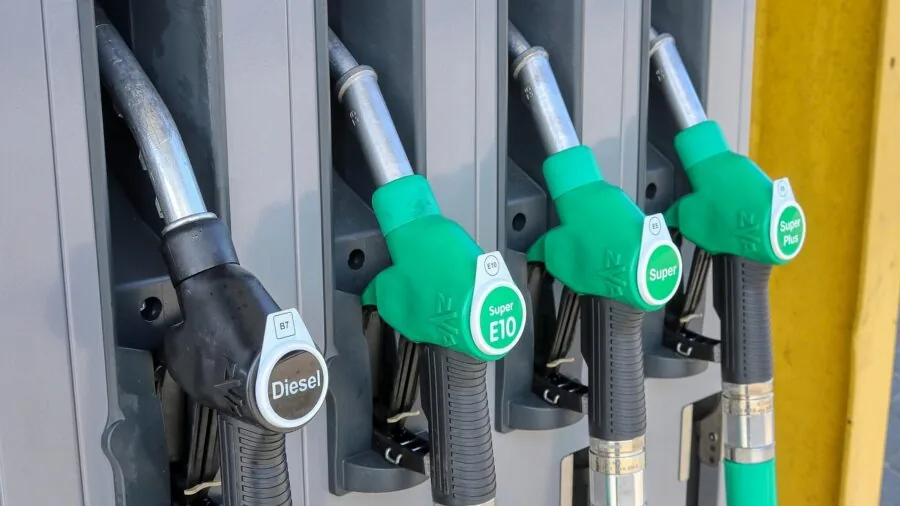
Not every formula is compatible with every fuel type. Red Line SI-1, for example, is a gasoline-only product and should not be used in diesel engines.
Royal Purple’s fuel injector cleaner is one of the few retail options rated for both gasoline and diesel applications, which makes it a convenient choice for households with mixed fleets.
Berryman B-12 Chemtool is another broadly compatible option that works across carbureted engines, port fuel injection, and direct injection systems.
If your vehicle runs on an ethanol blend (E10, E15, or E85), look for formulas that explicitly address ethanol stability. Ethanol absorbs moisture over time, creating varnish-like deposits that concentrate around injector tips.
Some cleaners, including Royal Purple and Lucas Oil’s fuel treatment, include ethanol stabilizers that counteract this effect and help prevent fuel system corrosion in flex-fuel applications. Always confirm compatibility with your vehicle’s owner manual before adding any aftermarket fuel additive.
Engine Age and Mileage: Matching Aggressiveness to Need

A high-PEA concentrated cleaner is the right choice for a high-mileage engine showing symptoms of deposit buildup, but it can be more than necessary for a late-model vehicle still under 30,000 miles that has been running quality Top Tier-certified gasoline.
For newer engines, a maintenance-grade additive added every 3,000 to 5,000 miles or at each oil change is generally sufficient to prevent significant deposit accumulation.
The Berryman B-12 Chemtool is frequently cited in expert reviews as a strong all-rounder that bridges the gap between heavy-duty cleaner and routine maintenance product.
Older vehicles with carbureted engines or those that have sat for extended periods benefit most from formulas that address varnish and gum deposits in addition to carbon.
Rislone Fuel Injector Cleaner with Upper Cylinder Lubricant is specifically formulated for this use case, combining detergency with a lubricant package that helps quiet noisy injectors and protects upper cylinder surfaces worn by age.
For any vehicle that has gone multiple oil changes without an additive, consider starting with a single concentrated treatment before switching to a lighter maintenance dose.
Keeping up with fuel system care is as routine as ensuring your jump starter is charged and ready in the event of a dead battery.
Format and Packaging: Single Bottles vs. Multi-Packs

Single-bottle formats are the natural choice for a one-time deep-clean treatment or for drivers who want to evaluate a product before committing to a larger supply.
The 15 oz Red Line SI-1 2-pack and the Royal Purple 6 fl oz single bottle both fall into this category, offering accessible entry points.
Multi-pack formats, on the other hand, are cost-effective for fleet use, multi-vehicle households, or shops that perform routine fuel system maintenance as part of service intervals.
Lucas Oil offers both a single-treatment injector cleaner (B0167BASDY) and a broader fuel treatment pack (B0CRCHLBL5), with the latter suited to regular use as a fuel conditioner rather than a deep-cleaning agent.
STP’s 12-pack of 5.25 oz Super Concentrated bottles is priced for volume buyers and is a common fixture in shops that add an injector cleaner at every fuel system service.
When comparing multi-pack pricing, always calculate the per-treatment cost rather than the headline pack price to get an accurate sense of value.
Additional System Benefits: Lubrication, Corrosion Protection, and Fuel Stabilization

The best fuel injector cleaners do more than clean injectors.
Upper cylinder lubrication, provided by products like Rislone and Red Line SI-1, reduces wear on valve stems and cylinder walls, which is particularly valuable in direct injection engines where intake valves no longer receive the lubricating wash of fuel that port injection provides.
Corrosion inhibitors, found in Red Line and Chevron Techron formulations, protect metal fuel system components from the oxidative effects of ethanol and moisture ingress.
Fuel stabilization is a secondary benefit offered by Lucas Oil’s fuel treatment products, making them a practical choice for seasonal vehicles, stored equipment, or any application where fuel may sit for weeks at a time.
A stabilized fuel blend resists oxidation and phase separation, which are the primary causes of varnish buildup in stored engines.
If you work on a range of vehicles and equipment, the ability of one product to handle cleaning, lubrication, and stabilization simultaneously offers meaningful convenience alongside the obvious cost savings.
Why You Should Trust Us
ProductFind is an independent editorial platform. Every product on this list was assessed using a consistent, structured framework that produces a PF Score on a scale of 0 to 10.
That score is built from four inputs: published product specifications and safety data sheets, consensus across expert automotive reviewers, verified buyer feedback from confirmed purchasers, and publicly available performance data cited where applicable.
We do not conduct our own product trials; our evaluations are grounded in research, published data, expert review consensus, and verified buyer feedback.
The products ranked here are ordered by PF Score, not by margin, brand relationship, or advertising spend. ProductFind may earn an affiliate commission if you purchase through a link on this page.
That commercial relationship has no influence on rankings, scores, or which products are included or excluded. Our editorial process treats affiliate disclosure as a transparency obligation, not a conflict of interest.
We assess both strengths and limitations of every product we evaluate, and we update our assessments when new data or significant buyer feedback shifts the consensus.
Final Thoughts
The fuel injector cleaner market is crowded with products that promise dramatic results but differ widely in their ability to deliver. After researching specifications, detergent chemistry disclosures, expert consensus, and verified buyer experience, a clear tier structure emerges.
High-PEA concentrated formulas from Red Line and Chevron earn the top scores by a meaningful margin, while mid-range options from Liqui Moly and Lucas Oil offer strong value for maintenance-focused use.
Budget picks round out the list for drivers who need a basic conditioner rather than a deep-cleaning agent.
Here is how our top picks stack up by use case:
- Best Overall: Red Line 60103 SI-1 Complete Fuel System Cleaner earns the highest PF Score in this group, backed by its industry-leading PEA concentration confirmed in published safety data, comprehensive system coverage including injectors, carburetors, valves, and combustion chambers, and strong consensus across expert and buyer reviews alike.
- Best for All Gasoline Engines: Chevron Techron Concentrate Plus is the most consistently recommended fuel system cleaner in expert consensus, trusted across a wide range of gasoline engine types and among the few formulas broadly endorsed for use in vehicles with catalytic converters and oxygen sensors.
- Best for European and Import Vehicles: Liqui Moly Jectron Gasoline Fuel Injection Cleaner (6-pack) is formulated to the tight tolerances of German-engineered engines and earns strong marks from import vehicle owners who report noticeable improvements in throttle response and idle smoothness.
- Best for Regular Maintenance Use: Lucas Oil Fuel Treatment (Pack of 6) balances fuel conditioning, injector cleaning, and fuel stabilization in a single product, making it a practical choice for drivers who want to add a quality additive at every fill-up without the cost of a concentrated cleaner.
- Best Budget Pick: Royal Purple 18000 Fuel Injector Cleaner is the most accessible entry point in this group by price and is one of the rare retail cleaners rated for both gasoline and diesel engines, offering flexibility at a budget-friendly cost per treatment.
Frequently Asked Questions
How often should I use a fuel injector cleaner?
For most drivers running standard gasoline, a maintenance dose every 3,000 to 5,000 miles or at each oil change is sufficient to prevent significant deposit buildup.
If your vehicle is showing symptoms such as rough idle, poor throttle response, or declining fuel economy, a single concentrated treatment with a high-PEA formula is the appropriate first step.
After that initial cleaning treatment, dropping back to a lighter maintenance-grade additive is usually enough to keep injectors in good condition.
What is PEA and why does it matter?
PEA stands for polyetheramine, and it is the active detergent compound that separates a genuine fuel injector cleaner from a basic fuel conditioner.
Unlike alcohol-based solvents, PEA works at the elevated temperatures inside a running engine to chemically dissolve hardened carbon deposits from injector tips, intake valves, and combustion chambers.
Not every cleaner on the market discloses whether it contains PEA or at what concentration, which is why products that publish their chemistry, such as Red Line SI-1, consistently earn stronger expert consensus scores.
If a product does not disclose its active ingredients, that absence of transparency is itself informative.
Can a fuel injector cleaner damage my engine or fuel system components?
When used as directed, quality fuel injector cleaners from reputable brands are safe for fuel system components including rubber seals, O-rings, and sensor-equipped fuel rails.
The risk of damage is primarily associated with exceeding recommended dosing, using a gasoline-specific formula in a diesel engine (or vice versa), or using very old, poorly formulated products with high alcohol content in vehicles with aged rubber components.
Always follow the manufacturer’s dosing instructions and confirm compatibility with your vehicle type before adding any aftermarket additive.
Is a fuel injector cleaner the same as a fuel system cleaner?
Not exactly. A fuel injector cleaner is primarily formulated to clean injector tips and their surrounding deposits.
A full fuel system cleaner addresses a broader range of components including the fuel tank, fuel lines, fuel pump, intake valves, and combustion chamber surfaces.
Products like Red Line SI-1 and Chevron Techron Concentrate Plus are marketed as complete fuel system cleaners, meaning their detergent packages are designed to work throughout the entire fuel circuit rather than at the injector alone.
For drivers with older or higher-mileage vehicles, a complete fuel system cleaner generally delivers more comprehensive results than a narrowly focused injector cleaner.
Do Top Tier certified gasoline stations make fuel injector cleaners unnecessary?
Top Tier certified fuels contain higher concentrations of deposit-control additives than the EPA minimum standard, and research from organizations including AAA suggests they do meaningfully reduce intake valve and injector deposits compared to non-certified fuels.
However, even Top Tier gasoline does not eliminate deposits entirely, particularly in GDI engines where intake valves are not washed by fuel at all.
Many automotive engineers and service professionals still recommend periodic use of a quality cleaner as a complement to Top Tier fuel, especially as vehicles accumulate mileage.
For drivers who cannot consistently access Top Tier stations, a regular maintenance additive becomes even more valuable.
Can I use a fuel injector cleaner in a vehicle with a catalytic converter?
Yes, provided you choose a formula that is explicitly rated as catalytic-converter-safe.
Chevron Techron Concentrate Plus is among the most widely cited options for this application, and it is listed as safe for vehicles equipped with catalytic converters, oxygen sensors, and turbocharged engines.
Formulas with very high alcohol or solvent content can temporarily affect oxygen sensor readings during treatment, so it is worth confirming that any product you choose carries this compatibility note in its specifications before adding it to a modern emissions-controlled vehicle.
About the author
Jimmy is a reviewer and writer for ProductFind who specializes in Auto Tools & Garage Equipment. Jimmy evaluates products through independent research: specifications, expert review consensus, and verified buyer feedback, and rates each one on the PF Score. Jimmy focuses on helping readers pick the right auto tools & garage equipment for their needs and budget.