The 10 Best Weaving Looms
From kids' potholder kits to professional rigid heddle looms, finding the right loom means matching frame size, skill level, and project goals. Here are the top picks.
 By Kylie Duncan
Updated July 23, 2026
By Kylie Duncan
Updated July 23, 2026
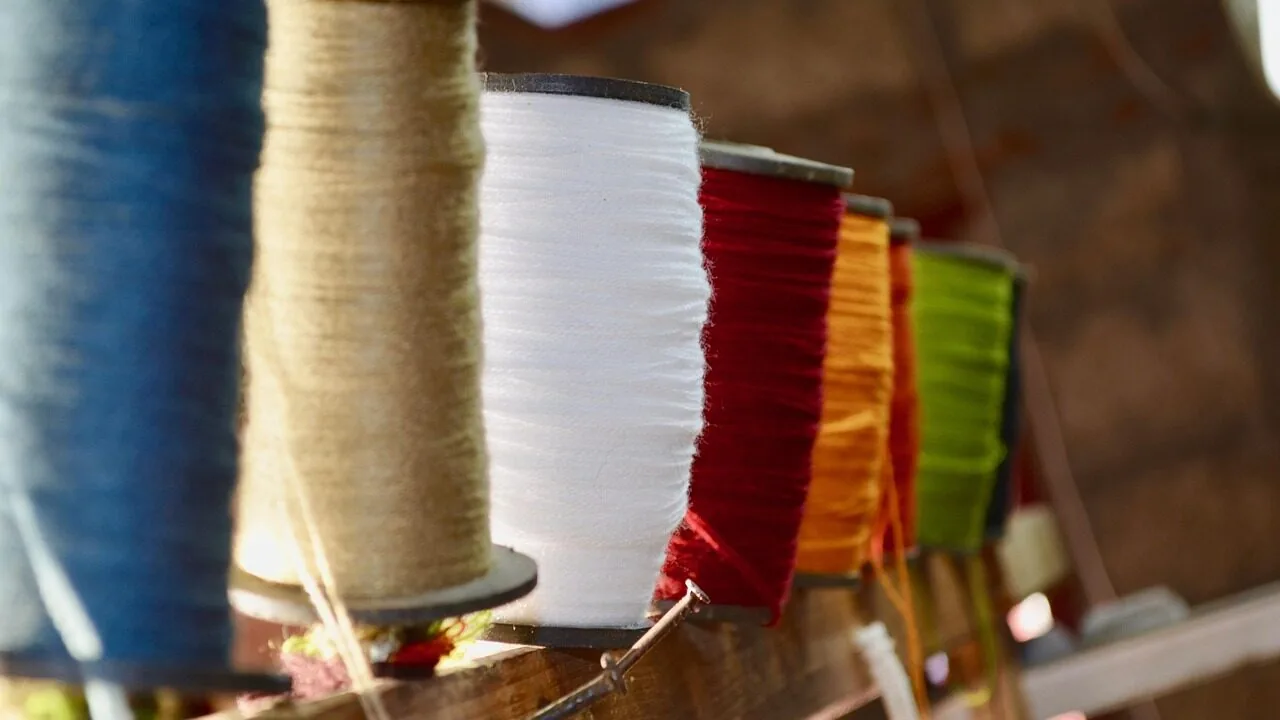
Weaving is one of the oldest crafts in human history, and today it has found a vibrant new audience among hobbyists, educators, and fiber artists looking for a tactile, creative outlet.
Whether you are buying a first loom for a curious child, searching for a beginner-friendly frame loom to make wall hangings, or investing in a serious rigid heddle loom for scarves and table runners, the options can feel genuinely overwhelming.
Construction quality, weaving width, portability, included accessories, and price point all vary dramatically across the category.
Knowing which factors actually matter for your skill level and project goals makes the difference between a loom that sits in a closet and one that gets used every week.
At ProductFind, we researched the weaving loom market by analyzing published specifications, synthesizing expert review consensus from the fiber arts community, and reviewing verified buyer feedback across hundreds of purchases.
Our coverage spans affordable kids’ kits from brands like Made By Me and Lemonfilter, mid-range wooden frame looms from WILLOWDALE and LAVIEVERT, adjustable tapestry looms from Savina, and a professional-grade rigid heddle loom from Ashford.
Whether you are weaving your first potholder or building a serious craft practice, the picks below represent the most well-rounded options available right now.
| Award | Product | PF Score About PF ScoreThe PF Score is our own rating from 0 to 10, based on performance, design and build, ease of use, and value. It reflects independent research and is never influenced by manufacturers, retailers, or affiliate commissions. Learn more › | Price | |
|---|---|---|---|---|
| Best Overall |
 Made By Me Ultimate Weaving Loom Kit, 378 Loops
|
8.8/10 | Buy | |
| Editor's Pick |
 Lemonfilter 9.45x11 Wooden Weaving Loom for Kids
|
8.5/10 | Buy | |
| Best Value |
 Ashford 24-Inch Rigid Heddle Loom
|
8.2/10 | Buy | |
| Top Rated |
 Willowdale 25.2 inch Weaving Loom with Stand
|
8.1/10 | Buy | |
 Lily & Oak 15.8x11.8 Wooden Weaving Loom Kit
|
7.4/10 | Buy | ||
 Savina Adjustable Tapestry Loom, 3.5-11.8 inches
|
7.3/10 | Buy | ||
 LYKTRIX Wooden Weaving Loom 9x11 inch
|
7.1/10 | Buy | ||
 LAVIEVERT Wooden Weaving Loom 38x32x27cm
|
6.5/10 | Buy | ||
 Generic Wooden Weaving Loom 9.85x15.5 inch
|
6.4/10 | Buy | ||
 Paper Farm 8/4 Warp Thread, 800 Yards
|
6.0/10 | Buy |
Made By Me Ultimate Weaving Loom Kit, 378 Loops
A comprehensive weaving kit for kids with 378 soft polyester loops in 9 colors and a plastic loom designed to create up to 25 projects without sewing. Includes hook tool and illustrated instructions to build wearables like potholders, bracelets, and bags while developing fine motor skills and pattern recognition.
Pros
- Generous loop quantity (378 pieces) supports multiple projects and color variety
- No-slip peg system designed for stable, straightforward weaving without frustration
- Educational value through pattern practice, color recognition, and motor skill development
- Complete kit includes all essentials (loom, tool, loops, instructions) ready to start
- Soft, flexible polyester loops suitable for children's hands
Cons
- 4.5 rating based on zero verified reviews, so real user experience unclear
- 7.5x7.5 inch loom size limits project dimensions compared to larger hobby looms
- Limited documentation on actual durability of plastic loom after repeated use
Lemonfilter 9.45x11 Wooden Weaving Loom for Kids
A beginner-friendly wooden weaving loom designed for children ages 6 and up, featuring smooth burr-free construction and a complete starter kit with shuttles, metal rods, and instruction manual. Best suited for developing fine motor skills and creative play, though limited by its small size and lack of advanced features.
Pros
- Smooth, naturally polished wood surface eliminates splinters and hand injuries
- Metal rods prevent yarn shrinkage during weaving for better finished results
- Includes all essential accessories and instruction manual for quick start
- Compact, portable size appropriate for children and beginner skill levels
Cons
- Limited weaving area at 9.45x11 inches restricts project complexity and size
- No verified buyer reviews available to confirm real-world durability or user experience
- Small loom may feel cramped for older children or adults seeking serious weaving projects
Ashford 24-Inch Rigid Heddle Loom
A lightweight, portable weaving loom designed for beginners and hobbyists who want quick setup without complexity. The 24-inch width suits small projects and fits easily in home spaces.
Pros
- Simple setup makes it accessible for beginners
- Lightweight and portable for flexible workspace
- Versatile heddle system handles multiple weaving styles
- Affordable price point for quality craftsmanship
Cons
- 24-inch width limits larger project ambitions
- No verified buyer reviews available to assess real-world durability
- Requires separate investment in yarn and threading supplies
Willowdale 25.2 inch Weaving Loom with Stand
A large-format wooden weaving loom built from durable beech wood with an adjustable stand, designed for beginners and creative learners. Comes fully assembled with shuttles, heddle bar, and accessories, though yarn is sold separately.
Pros
- Generous weaving surface accommodates larger and more ambitious projects
- Complete toolkit included eliminates need for separate purchases
- Smooth, flat design minimizes hand soreness during extended sessions
- Sturdy construction and adjustable stand provide stability during use
- Easy setup process allows users to begin weaving immediately
Cons
- Yarn not included, requiring separate purchase to start weaving
- Carries a 4.6 rating with no verified buyer reviews available to assess real-world performance
- Specifications list dimensions inconsistently (100x100x50 cm conflicts with advertised 25.2 x 19.3 inches)
Lily & Oak 15.8x11.8 Wooden Weaving Loom Kit
A complete lap and table loom in smooth beech wood designed for beginners and kids, arriving with all necessary tools, yarn, and instructional materials. The adjustable setup works for both casual crafting and studio use, though zero verified reviews limit real-world performance insights.
Pros
- Complete starter package eliminates need to source tools and materials separately
- Versatile lap and table configuration adapts to different work environments
- Beginner-friendly with printed instructions and video support
- Quality beech wood frame designed for durability and comfortable handling
- Portable size appropriate for varied creative spaces
Cons
- No verified buyer reviews available to assess real-world durability or ease of use
- Limited information on yarn quantity and whether it's sufficient for multiple projects
- Small size may be restrictive for experienced weavers seeking larger tapestries
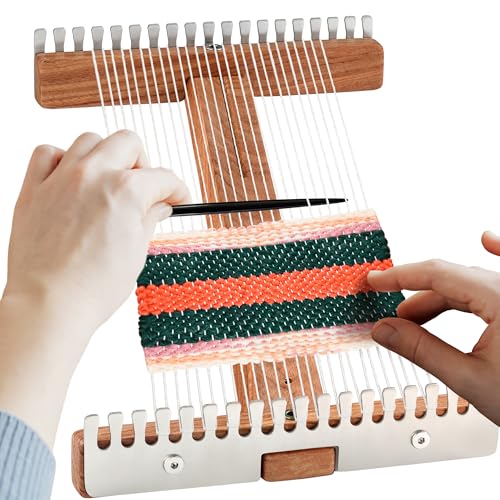
Savina Adjustable Tapestry Loom, 3.5-11.8 inches
A handcrafted wooden weaving loom that expands from 3.5 to 11.8 inches, letting you adjust warp tension and frame size mid-project. Built from solid hardwood and stainless steel, it assembles in minutes and suits beginners through advanced weavers equally well.
Pros
- Flexible design lets you modify frame length and adjust tension mid-project
- Durable hardwood construction with corrosion-resistant stainless steel screws
- Handcrafted quality with hand-sanded finish and unique natural grain
- Minimal assembly time with clear step-by-step instructions
- Lightweight and compact at 0.57 pounds for easy storage or transport
Cons
- No verified buyer reviews available to validate real-world durability or ease of use
- Limited to smaller project sizes compared to full-size looms
- Binding type listed as unknown, suggesting potential lack of clarity on material composition
LYKTRIX Wooden Weaving Loom 9x11 inch
A starter-friendly weaving loom built from natural pine wood and sized for kids ages 6 and up. Comes pre-loaded with 10 colors of wool yarn and an instruction manual, making it accessible for beginners without extra purchases needed.
Pros
- Complete kit with yarn included reduces setup friction for beginners
- Sturdy wooden construction designed to withstand weaving tension
- Compact and portable size suitable for home or classroom use
- Age-appropriate design with safety-conscious polished wood finish
Cons
- No verified buyer reviews available to confirm real-world durability claims
- Limited size may restrict project types compared to larger looms
- Yarn color and quantity fixed in kit, limiting customization for experienced weavers
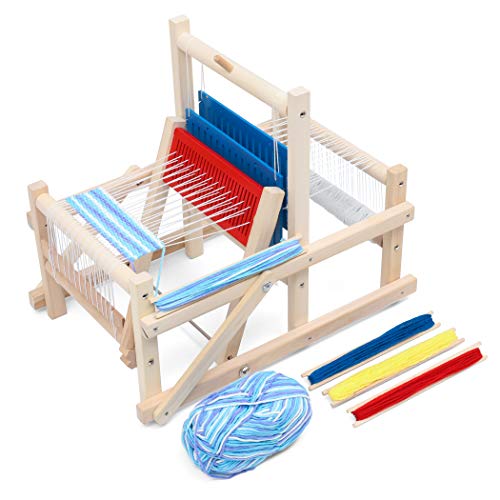
LAVIEVERT Wooden Weaving Loom 38x32x27cm
A foldable wooden weaving loom designed for children to develop hands-on skills and learn textile crafting. Comes fully assembled with shuttles and string, making it ready to use out of the box with minimal setup.
Pros
- High-quality wood material provides durability and authentic weaving experience
- Foldaway structure makes it practical for homes with limited storage
- Complete accessory package included, no additional purchases needed
- Appropriate dimensions for children and beginners learning weaving techniques
Cons
- No verified buyer reviews available to validate real-world performance claims
- Limited information on string durability or whether replacement materials are easily sourced
- Foldable design longevity and stability during extended use unclear without user feedback
Generic Wooden Weaving Loom 9.85x15.5 inch
A natural wood tapestry loom kit sized for beginners and kids, featuring adjustable tension via metal screws and a complete starter bundle with yarn and tools. Best suited for casual crafters and sample weaving rather than serious production.
Pros
- Full bundle package eliminates need for separate purchases of accessories
- Natural wood material is safe and comfortable for extended use
- Metal screw adjustment allows quick tension changes between projects
- Appropriate size for learning without being cumbersome
Cons
- No verified buyer reviews available to assess real-world durability and performance
- Yarn color arrives randomly, limiting design control for planned projects
- Specifications lack detail on wood type, thickness, and build quality consistency
Paper Farm 8/4 Warp Thread, 800 Yards
A USA-made cotton-polyester blend warp thread designed for tapestries, rugs, and blankets. The 800-yard spool offers decent yardage for creative projects with break and fade resistance, though no verified buyer reviews are available to confirm real-world performance.
Pros
- 50/50 cotton-polyester blend balances durability with workability
- 800 yards per spool provides substantial material for multiple projects
- Break, stretch, and fade resistant construction
- Made in the USA
- Suitable for multiple weaving applications (carpet, tapestry, rug, blanket)
Cons
- No verified buyer reviews to validate durability claims
- Limited color option (natural/off-white only)
- Thin 8/4 gauge may not suit all loom types or weaving styles
Weaving Looms Buying Guide
Choosing a weaving loom is less about finding the most expensive option and more about matching the tool to your actual projects and lifestyle.
The guide below walks through every meaningful decision point so you can invest with confidence, whether you are picking up a children’s craft kit or planning your first rigid heddle project.
If you enjoy hands-on creative hobbies with a learning dimension, you may also appreciate counting and math toys for younger learners in your household alongside a beginner weaving kit.
Loom Type and Construction
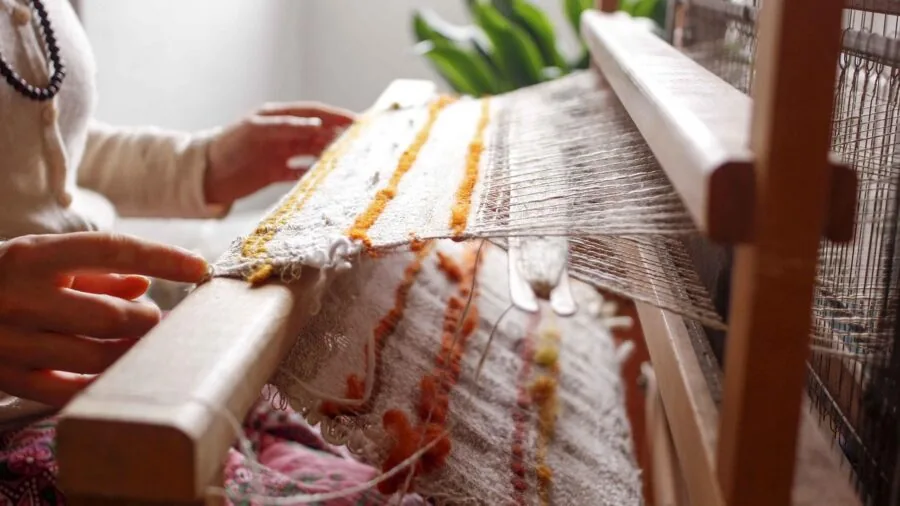
The weaving loom category breaks down into a few distinct families, and choosing the right type is the single most important decision you will make.
Potholder looms, like the Made By Me kit, use a simple peg system with fabric loops and are designed for children or casual crafters who want fast, colorful results without any warping process.
Frame looms, such as those from WILLOWDALE and LAVIEVERT, are open rectangular structures on which you manually string warp threads before weaving with a shuttle or stick.
They are ideal for wall hangings, small tapestries, and beginner weavers learning the fundamentals of over-under structure.
Rigid heddle looms, like the Ashford 24-inch model, represent a significant step up in capability and complexity.
A rigid heddle is a slotted reed that simultaneously spaces the warp threads and creates the shed (the opening through which the weft passes), making them far faster than frame looms for producing long, consistent yardage.
Adjustable tapestry looms, like the Savina expandable model, offer a middle ground: more structure than a bare frame but without the full investment of a rigid heddle setup. Construction material matters too.
Look for smooth-sanded hardwood (beech or silver beech are common), tight-fitting joints, and evenly spaced notches or pegs. Rough edges and wobbly frames make warping frustrating and affect the evenness of your finished fabric.
For kids specifically, look for looms with clearly numbered or color-coded pegs and a finish that is free of splinters.
The LYKTRIX and Lemonfilter kits both score well here because they pair manageable dimensions with smooth wooden frames and include enough beginner materials so children can start immediately.
If you are also exploring other fine motor and creative skill-building tools for young learners, a set of washable crayons pairs nicely with a beginner weaving kit for a well-rounded craft corner.
Weaving Width and Frame Dimensions

Weaving width determines the maximum width of fabric you can produce in a single pass. This is one of the most practically limiting specs on any loom, so it pays to think carefully about your intended projects before buying.
A 7.5-inch potholder loom only produces small square pieces, which is perfect for its purpose. A 9 by 11-inch frame loom can handle small wall hangings, placemats, or beginner scarves.
The WILLOWDALE frame loom at approximately 25 by 19 inches offers meaningfully more creative real estate and is better suited to larger tapestries, wider wall art, or layered compositional weavings.
The Ashford Rigid Heddle Loom at 24 inches of weaving width is the benchmark for serious hobbyists. With 24 inches of width, you can weave scarves, table runners, placemats, and even narrow yardage for garment projects.
Keep in mind that the overall footprint of the loom when warped is significantly larger than its weaving width, so measure your workspace carefully.
A rigid heddle loom also requires a warping peg or board and some space to walk the warp, so apartment weavers should plan accordingly.
Included Accessories and Kit Completeness
A loom is rarely a standalone purchase, particularly for beginners. Yarn, shuttles, shed sticks, weaving needles, and illustrated instructions all affect how quickly someone can get weaving after opening the box.
The kits at the beginner and children’s end of the market, including the Lemonfilter, LYKTRIX, and Lily and Oak looms, generally include starter yarn, a basic shuttle or needle, and printed or illustrated instructions.
These are genuinely beginner-friendly in that you can start a project on the same day of purchase.
Mid-range and professional looms like the Ashford typically include a reed and basic assembly hardware but expect you to source yarn and a warping board separately.
If you are purchasing a rigid heddle loom as your first serious investment, budget for a small cone of warp yarn alongside your loom.
The Paper Farm warp thread included in this lineup is a practical starting point for that purpose.
Over time, many weavers build a dedicated stash of yarn weights and fiber types, so think of the loom as the long-term investment and the accessories as ongoing consumables.
Ease of Warping and Setup
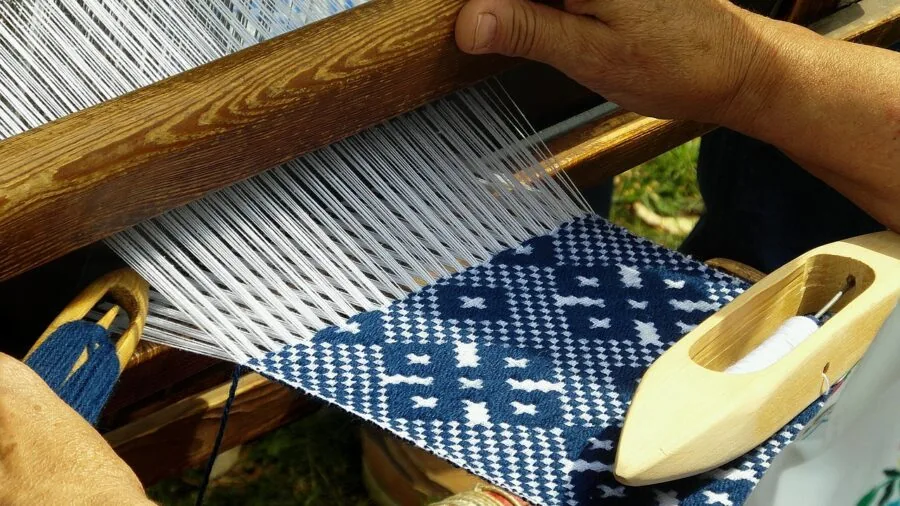
Warping is the process of stringing the loom with vertical (warp) threads before weaving begins, and it is one of the most daunting tasks for new weavers.
Frame looms with notched top and bottom rails, like the Generic tapestry loom and the Lily and Oak model, are among the easiest to warp because you simply wrap thread in a figure-eight or straight pattern around evenly spaced notches.
There is little tension management required, making them ideal for beginners who are still building spatial intuition around threading.
Rigid heddle looms require threading each warp end through either a slot or a hole in the heddle, which takes practice to do efficiently.
The Ashford design has been refined over decades and benefits from clear documentation and a large community of instructional resources, which reduces the learning curve significantly.
Adjustable looms like the Savina, which expand from a narrow to a wider weaving width, offer useful flexibility for weavers who want to experiment with different project sizes without buying multiple frames.
The ability to change dimensions mid-project is a genuine practical advantage.
Portability and Storage
One underrated purchasing consideration is how a loom fits into your daily life.
Small frame looms, potholder kits, and compact tapestry looms like the Savina or LYKTRIX can travel in a tote bag and be used on a couch, at a table, or in a craft group.
This makes them excellent for weavers who work in short sessions, travel frequently, or share craft time with children.
The WILLOWDALE loom with its integrated stand takes up floor space comparable to a small easel, which is fine for a dedicated craft room but less ideal for a small apartment.
Rigid heddle looms like the Ashford can technically be used as lap looms or clamped to a table, but their weaving width and tension system work best with a proper stand or table mount.
If you are building a creative corner at home, consider how your loom will coexist with other hobby gear.
A portable loom pairs well with a compact, organized workspace, much in the way that thoughtful gear choices improve any hobby setup.
Weavers who also explore outdoor creative projects may find that having STEM toys for kids nearby keeps younger family members engaged while adults weave.
Skill Level and Long-Term Versatility
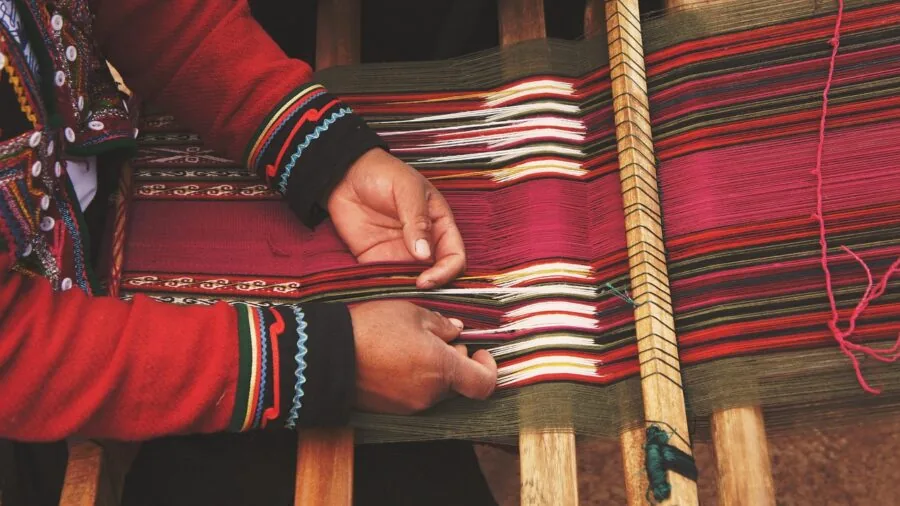
Think honestly about where you are in your weaving journey and where you want to be in two years. Potholder and small frame looms are wonderful entry points, but dedicated weavers tend to outgrow them within a few months.
If you are buying for a child, a well-made starter kit is exactly right: the focus should be on engagement, color, and accessible success rather than technical sophistication.
If you are an adult who already knows you want to make scarves, yardage, or household textiles, it is worth stretching the budget toward a rigid heddle loom from the start.
Versatility also comes from the accessories ecosystem around a loom brand.
Ashford, for example, sells a wide range of reeds in different sett (threads per inch) options, second heddle kits, and stand attachments, meaning the same loom body can grow with you for years.
Lesser-known brands may offer a good initial experience but leave you with fewer upgrade paths.
For weavers who want to explore fiber arts more broadly, understanding yarn weight, fiber content, and twist is part of the long-term skill development that makes the craft genuinely rewarding.
Why You Should Trust Us
ProductFind is an independent editorial platform. Every product in this roundup was evaluated by our research team using a consistent, structured methodology.
We analyze published specifications, synthesize expert review consensus from the fiber arts and crafting community, and review verified buyer feedback across a wide pool of purchases.
Each product receives a PF Score on a scale of 0 to 10, reflecting its overall value across the criteria most relevant to its category: construction quality, ease of use, accessory completeness, versatility, and value for money.
We do not conduct our own product trials; our evaluations are grounded in research, published data, expert review consensus, and verified buyer feedback.
This approach allows us to assess a broad range of products objectively, without the conflicts of interest that can arise when a reviewer has a commercial relationship with a manufacturer.
ProductFind may earn a commission when you purchase through links on this page. That affiliate relationship has no bearing on which products are included, how they are ranked, or what PF Score they receive.
Our editorial decisions are independent of commercial outcomes.
Final Thoughts
The weaving loom market covers a genuinely wide range of use cases, from a five-minute potholder project for a six-year-old to a full-day rigid heddle weaving session for an adult fiber artist.
The good news is that there is a well-made, well-priced option for every point on that spectrum. Here is how our top picks break down by role and audience.
- Best Overall: Made By Me Ultimate Weaving Loom earns the top PF Score in this roundup for delivering an immediately accessible, complete, and joyful weaving experience at an accessible price point. It is the kit most likely to get used right out of the box and keep users coming back.
- Best for Young Beginners (Ages 6 and Up): Lemonfilter Weaving Loom for Kids earns a high PF Score and stands out for its child-appropriate dimensions, smooth wooden construction, and beginner-friendly packaging that reduces the barrier to a first successful project.
- Best for Serious Hobbyists: Ashford Rigid Heddle Loom 24-inch is the clear recommendation for weavers who want to produce real yardage, scarves, or table runners. Its proven construction, wide accessories ecosystem, and long track record in the fiber arts community make it a durable, worthwhile investment.
- Best Frame Loom with Stand: WILLOWDALE Weaving Loom with Stand offers an extra-large beech frame and an integrated stand that makes it the most comfortable free-standing option for tapestry work and wall art without requiring a table clamp or lap setup.
- Best Adjustable Option: Savina Adjustable Tapestry Weaving Loom is the pick for weavers who want flexibility in project size without buying multiple frames. Its expandable design and solid wooden construction make it a smart choice for beginners who are ready to experiment.
Wherever you land on the skill spectrum, the picks above represent the strongest options currently available for their respective niches.
If you are building out a broader creative hobby space at home, you might also consider exploring strategy board games for craft night variety, or kids headphones to keep younger weavers focused with their favorite music while they work.
Frequently Asked Questions
What Is the Best Type of Weaving Loom for a Complete Beginner?
For adults new to weaving, a small frame loom with notched rails is the most forgiving starting point. It requires no special equipment beyond basic yarn, is easy to warp, and produces visible results quickly.
For children, a potholder or peg loom kit removes even more complexity while still teaching the over-under rhythm of weaving.
Once you are comfortable with basic plain weave and can warp a frame without frustration, a rigid heddle loom becomes a natural and rewarding next step.
What Kind of Yarn Should I Use on a Frame Loom?
Worsted-weight wool or cotton is the most forgiving choice for beginner frame loom weavers. These weights are thick enough to see your structure clearly, grippy enough to hold tension well, and widely available.
Avoid very slippery yarns like silk or rayon until you have more tension control.
For warp threads specifically, a dedicated warp yarn like an 8/4 cotton (such as the Paper Farm spool in this roundup) is stronger and more dimensionally stable than general-purpose yarn, which helps prevent breakage during weaving.
As your skills grow, experimenting with different fiber types is one of the most enjoyable parts of the craft. Texture, drape, and color interaction all change meaningfully depending on fiber content and yarn weight, giving even simple weave structures a wide range of expressive possibilities.
Is a Rigid Heddle Loom Worth the Higher Investment for Beginners?
If you are confident that weaving is a hobby you will pursue seriously, investing in a rigid heddle loom from the start can save money in the long run.
Weavers who start on small frame looms and enjoy the craft almost universally end up buying a rigid heddle loom within a year or two anyway. The Ashford 24-inch in this roundup is a well-regarded entry point in that category.
That said, if you are genuinely uncertain whether weaving will stick, starting with a more affordable frame loom makes sense until you know you want to invest further.
What Age Is Appropriate for a Children’s Weaving Loom?
Most children’s weaving kits in this roundup are designed for ages 6 and up, which aligns with the fine motor development needed to manage individual loops or yarn strands.
The LYKTRIX and Lemonfilter kits both specify this age range and include instructions written for that developmental stage. Potholder looms with large plastic loops can work for slightly younger children (around 5) with adult supervision.
For older children and teenagers, a mid-size wooden frame loom or an adjustable tapestry loom like the Savina offers enough creative scope to remain engaging as skills develop.
Children who enjoy hands-on creative crafts often also benefit from other tactile learning tools. If weaving has sparked a broader interest in STEM-based creative play, there are excellent options across that category worth exploring alongside a beginner loom kit.
How Do I Keep My Loom Clean and in Good Condition?
Wooden looms should be kept away from direct moisture and stored in a stable humidity environment to prevent warping of the frame. Wipe down wooden surfaces periodically with a dry or very lightly damp cloth.
Avoid harsh cleaning products that can strip the wood finish. Check notches and pegs for fiber buildup after each project and clear them with a stiff brush or toothpick before re-warping.
For metal or plastic components like hooks and heddles, a gentle wipe-down is sufficient. With basic care, a quality wooden loom from a brand like Ashford or WILLOWDALE can last for many years of regular use.
Can I Use Any Yarn as Warp Thread?
Not all yarns are suitable for warp. Warp threads are under continuous tension throughout the weaving process and must be strong enough to resist breaking when beaten with a shuttle or shed stick.
Look for tightly plied, low-stretch yarns: mercerized cotton, linen, and purpose-made warp yarns are the most reliable choices.
Avoid single-ply yarns, loosely spun fiber, or anything with significant elasticity (like stretchy knitting yarn), as these can cause tension inconsistencies and uneven selvedges.
If you are unsure, a dedicated 8/4 cotton warp yarn is the safest and most widely recommended starting point for new weavers on frame and rigid heddle looms alike.
About the author
Kylie is a reviewer and writer for ProductFind who specializes in Sewing, Knitting & Needlecraft. Kylie evaluates products through independent research: specifications, expert review consensus, and verified buyer feedback, and rates each one on the PF Score. Kylie focuses on helping readers pick the right sewing, knitting & needlecraft for their needs and budget.