The 12 Best Counting and Math Toys
Early math skills start with the right tools. From classic abacuses to Montessori number blocks, these counting and math toys build number sense through hands-on play.
 By Chester Bryant
Updated July 23, 2026
By Chester Bryant
Updated July 23, 2026
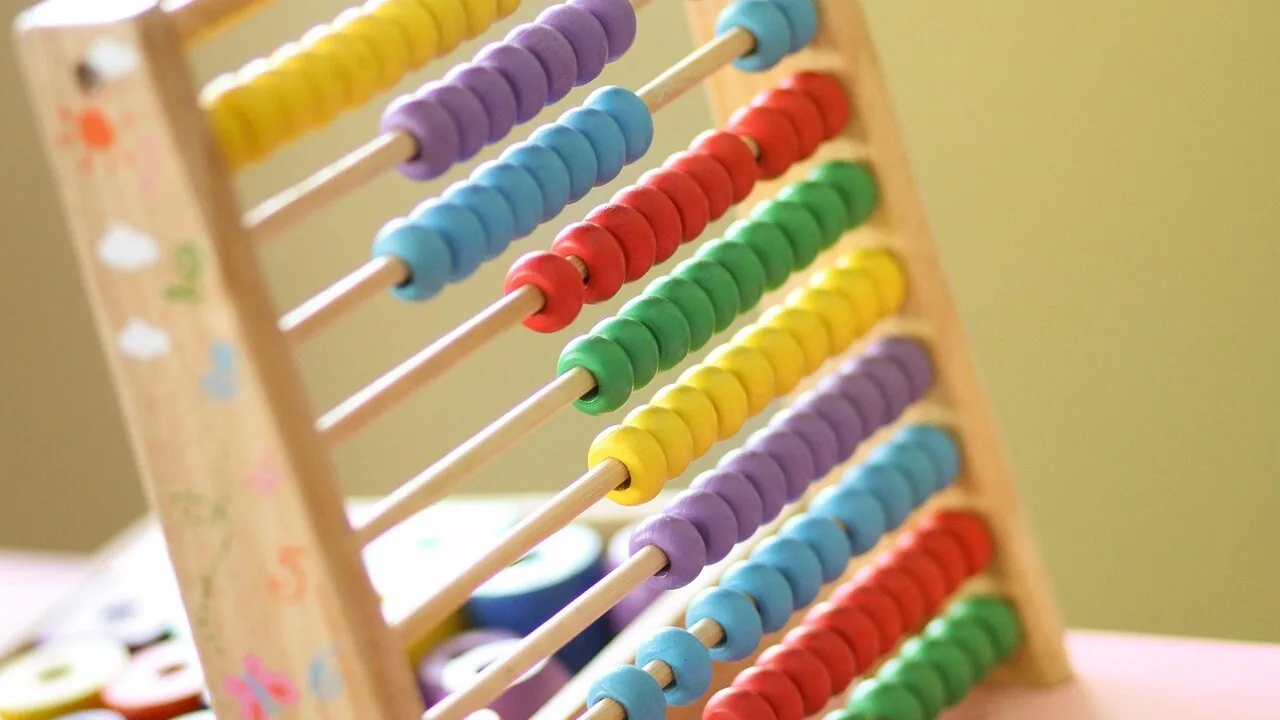
Helping young children build a strong foundation in math starts well before they enter a classroom. Counting and math toys give kids a hands-on, intuitive way to understand numbers, patterns, and basic operations at their own pace.
From classic wooden abacuses to Montessori-inspired number blocks and balance scales, the right toy can turn abstract concepts like addition and number sense into something a child can physically touch, sort, and explore.
Parents, caregivers, and educators increasingly recognize that early math confidence has lasting academic benefits, making these toys among the most purposeful purchases you can make for a young learner.
At ProductFind, we researched the counting and math toys landscape by analyzing product specifications, synthesizing expert review consensus from early childhood educators and child development specialists, and weighing verified buyer feedback from thousands of real parents and teachers.
The result is a curated shortlist that covers a wide range of age groups, learning styles, and budgets.
Whether you are shopping for a toddler just discovering numbers or a kindergartener ready for early addition, our top picks are ranked below to help you decide quickly and confidently.

hand2mind MathLink Cubes Numberblocks 1-10 Set
This officially licensed Numberblocks set combines TV show characters with hands-on math learning, featuring 100 linking cubes and 30 activities designed for ages 3-5. Kids build number characters while developing counting, addition, and subtraction skills through play-based discovery.
Pros
- Comprehensive kit with 100 cubes, multiple activity cards, and supporting pieces for extended play
- Direct alignment with Numberblocks TV show allows children to recreate favorite characters and follow episodes
- Structured 30-activity guide provides clear learning progression across core early math concepts
- Reusable write-and-wipe cards reduce need for printed materials
Cons
- No verified customer reviews available to assess real-world durability or age appropriateness feedback
- Requires access to Numberblocks TV series to maximize the activity guide value
- Large number of small components and faceplates may present organization challenges

MOTREE Montessori Math Blocks Educational Toy Set
A Montessori-style counting and addition/subtraction tool designed for preschoolers ages 2-5, featuring wooden blocks with flash cards and a finger board. Targets early math visualization and fine motor skill development through hands-on play.
Pros
- Complete kit with multiple components (blocks, flash cards, board, holder) reduces need for separate purchases
- Made from natural basswood with safe, non-toxic materials appropriate for toddlers
- Hands-on design aligns with Montessori principles for tactile math learning
- Compact dimensions (11.8 x 0.3 x 8.66 inches) make it portable for home and classroom use
Cons
- No verified buyer reviews available to assess real-world durability or user satisfaction
- Rating of 4.2 stars with zero reviews makes it difficult to validate claims about effectiveness
- Limited to math concepts within 10, which may constrain use for older preschoolers advancing faster

Melissa & Doug Wooden Abacus, 100 Beads
A traditional wooden abacus with 10 rows of 10 colorful beads designed to introduce young learners to counting, colors, and basic math concepts. Built from solid wood for durability, it supports fine motor development and spatial reasoning for children ages 3 and up.
Pros
- Durable solid wood frame withstands extended play and educational use
- Brightly colored beads maintain visual engagement for young learners
- Simple, versatile design supports multiple math learning approaches
- Lightweight and portable for classroom or home learning environments
Cons
- No product reviews available to verify real-world durability or performance
- May require adult guidance for full educational benefit with younger preschoolers
- Limited to basic counting and arithmetic concepts without supplemental instruction

TOP BRIGHT Montessori Number Blocks Counting Toy
A wooden math learning set designed for toddlers 3-5 that combines number blocks, flashcards, and interactive felt fingers to introduce counting and basic arithmetic. The complete kit includes storage, making it practical for organized play at home or in classrooms.
Pros
- Complete system covers multiple math concepts in one package with organized storage
- Hands-on, tactile approach aligns with Montessori education methods
- Durable construction from non-toxic wood rated for active toddler use
- Encourages independent problem-solving and logical thinking
Cons
- No verified customer reviews available to confirm real-world performance and durability claims
- Limited age range focus (3-5 years) means shorter window of use before outgrowing
- Medium size may require dedicated play space for all components

TOOKYLAND Peg Board 55 Pegs Montessori Math Toy
A wooden counting and math learning tool designed around Montessori principles, featuring 55 pegs in 10 colors with animal imagery to teach numbers, addition, and subtraction. Best suited for toddlers through kindergarteners seeking hands-on number practice.
Pros
- Multi-age progression from counting (toddlers) to addition and subtraction (up to 20 for older preschoolers)
- Durable hardwood construction with child-safe lacquer finish
- Animal and fruit imagery paired with numbers aids visual learning
- Versatile use as both educational toy and Montessori math material
- Compact medium size (11 x 2 x 6.7 inches) suitable for storage and portability
Cons
- No verified buyer reviews available to assess real-world durability or user experience
- Limited information on peg grip difficulty for younger toddlers or how interchangeable pegs are
- Single color finish option (mixed colors) with no customization alternatives

Cltoyvers Wooden Abacus with 100 Beads and Math Cards
A traditional wooden abacus designed for early math learners, featuring 10 rows of colorful beads plus 110 accompanying math cards for visual counting and basic operations. Built with sturdy wood construction and non-toxic paint, it supports preschool through 2nd grade instruction.
Pros
- Complete learning set includes 100 counting sticks and 110 math cards for multi-method instruction
- Sturdy wood frame with metal rods ensure smooth bead movement and durability
- Card slot design allows equation display alongside visual bead manipulation
- BPA-free, non-toxic water-based paint meets child safety standards
- Versatile tool for counting, addition, subtraction, multiplication, and division practice
Cons
- No verified buyer reviews available to assess real-world performance or durability feedback
- 4.2 rating lacks substantiation without review data to indicate specific satisfaction areas
- Medium size may feel limiting for classroom settings with multiple students learning simultaneously

Lydaz Wooden Montessori Math Toy with Counting Blocks
A wooden Montessori-style learning toy combining stacking, sorting, and number recognition for toddlers ages 2-5. Features color-coded blocks, number cards, and puzzle elements to build early math and fine motor skills.
Pros
- Multi-activity design covers color matching, number counting, and basic stacking in one toy
- Safe materials with rounded, polished wooden pieces and non-toxic finishes
- Bright colors and picture puzzles designed to hold toddler attention
- Teaches foundational math concepts through hands-on play
Cons
- No verified buyer reviews available to assess durability or real-world performance
- 4.4 rating appears based on limited feedback, making quality consistency unclear
- Activity complexity may be better suited for older toddlers rather than age 2

Gagule Montessori Number Counting Blocks Set
A tactile math learning kit for preschoolers featuring wooden counting blocks, finger board, and flash cards designed to build early numeracy skills. Combines hands-on exploration with visual learning through natural materials and non-toxic finishes.
Pros
- Comprehensive set covers multiple learning modalities with counting blocks, flash cards, and finger board
- Materials prioritize child safety with natural wood, non-toxic finishes, and smooth edges
- Tactile interaction helps children visualize addition and subtraction concepts within 10
- Compact storage box keeps all components organized
Cons
- No verified buyer reviews available to assess real-world durability or age-appropriateness accuracy
- Limited to math concepts within 10, which may quickly outpace advanced learners
- Finger board design effectiveness depends on adult guidance and interaction

XINHUIDALSQ Rainbow Counting Bears 60-Piece Set
A budget-friendly math manipulative set with 60 plastic bears in 6 colors, designed to help young learners ages 3+ develop counting and classification skills. Includes a portable canvas bag for storage and organization.
Pros
- Large quantity (60 bears) supports group activities and multiple learning sessions
- Six bright colors encourage color recognition and sorting skill development
- Includes convenient canvas storage bag for organization and portability
- Compact size (1 inch) appropriate for small hands and easy manipulation
- Affordable option for homeschool and classroom math instruction
Cons
- No verified buyer reviews available to assess real-world durability and quality
- Limited information on plastic quality and potential wear over extended use
- Single size may limit versatility compared to mixed-size counting sets

lonfypeng Frog Balance Scale Math Toy, 63 Pieces
A hands-on math learning tool that teaches number concepts and balance principles through interactive card-guided activities. Includes 30 double-sided cards, 19 frog figurines, and a stable scale designed for preschoolers and early elementary learners.
Pros
- Comprehensive 63-piece set with cards, figurines, and dual weighing plates for varied learning activities
- Teaches multiple concepts simultaneously: number recognition, balance, addition, and problem-solving skills
- Sturdy, stable design with environmentally friendly materials meeting safety standards
- Versatile for home, classroom, and kindergarten use as both toy and math teaching aid
- Visual learning approach helps children understand abstract mathematical relationships through play
Cons
- No verified buyer reviews available to assess real-world durability or user experience
- Limited to ages 3+ and may not challenge older elementary students effectively
- Card-based activities require adult guidance for younger children to get maximum educational benefit
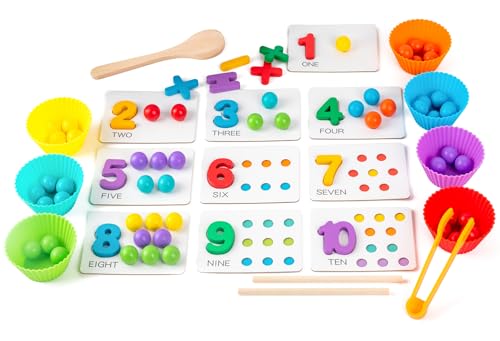
WECHARM KIDS Wooden Peg Board with 56 Rainbow Beads
A Montessori-inspired wooden bead sorting toy designed for ages 3+, featuring 56 color-coded beads, activity templates, and sorting accessories to build fine motor skills and color recognition. Screen-free play with smooth, non-toxic wood construction and included parent-child activity guides.
Pros
- Comprehensive starter set with beads, templates, sorting cups, and multiple tools included
- Smooth wood construction and rounded edges eliminate splinter and cut hazards for young children
- Multiple manipulation options (clipping, stacking, sorting) address different fine motor development stages
- Structured activity templates paired with open-ended creative freedom balance guided and imaginative play
Cons
- No verified customer reviews available to confirm real-world durability or bead retention over extended use
- Requires active parent supervision and engagement, limiting independent play time for busy households
- Small bead and accessory pieces present choking hazards requiring careful storage and age-appropriate use

Umbresen Montessori Math Wooden Counting Rods Set
A Montessori-inspired math learning kit featuring wooden counting rods, number cards, and math signs designed to teach number recognition and basic arithmetic. Built from natural wood with non-toxic paint, it suits preschool and early elementary learners exploring numbers and quantities.
Pros
- Durable natural wood material resistant to wear
- Comprehensive set covers addition, subtraction, multiplication, and division concepts
- Compact storage box keeps pieces organized
- Smooth finish appropriate for young children
- Aligns with Montessori educational principles
Cons
- No verified buyer reviews available to assess real-world durability or performance
- Small pieces (number cards 1x1 inch) may pose choking risk for very young toddlers
- Limited information on paint durability over extended use
Counting and Math Toys Buying Guide
Choosing the right counting or math toy is not as simple as picking the one with the brightest colors.
Young children learn at different rates and through different modalities, so the best toy for one child may be frustrating or underwhelming for another.
The guide below walks through the six most important criteria to evaluate before you buy, drawing on how educational researchers and early childhood specialists assess these products, as well as the consistent themes that surface across thousands of verified parent reviews.
For related gift ideas that pair well with math learning, a good building block set can reinforce spatial reasoning alongside number sense.
Age Appropriateness and Developmental Fit

Every counting toy carries an age recommendation, but those numbers represent a floor, not a ceiling. A toy rated for ages 3 and up may delight a sharp 2-year-old or still engage a 5-year-old who uses it in more advanced ways.
The key question is whether the toy meets your child where they are developmentally. Toddlers (roughly 18 months to 3 years) benefit most from chunky manipulatives they can grip, sort by color, and simply count aloud.
Preschoolers (3 to 5 years) are ready for toys that introduce numeral recognition, one-to-one correspondence, and early patterning. Early elementary children can handle toys that model addition, subtraction, and place value.
Look at the complexity of the included activities as much as the age label.
A set that ships with activity cards, flash cards, or a printed guide tends to have a longer useful life because it can grow with the child.
Sets that offer open-ended play alongside structured activities, such as peg boards or abacuses, are particularly versatile.
If you also want toys that build logical thinking beyond pure arithmetic, pairing a math toy with STEM toys for kids is a natural next step.
Material Quality and Safety
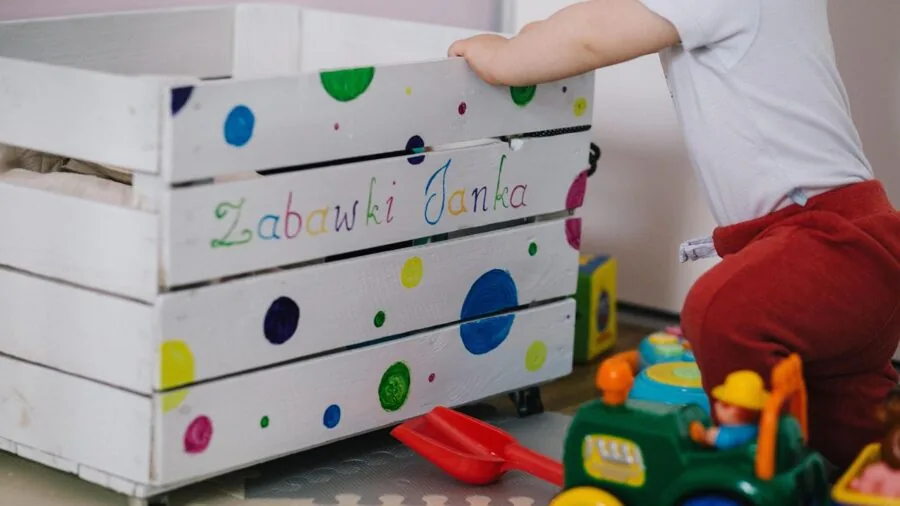
Young children put things in their mouths, drop them, and generally subject toys to conditions that would break most household items within a week. Solid hardwood construction with non-toxic, water-based paint finishes is the gold standard for wooden counting toys.
Look for smooth edges, secure bead wires that do not come loose under normal play, and pieces large enough to avoid choking hazards for the intended age group.
For plastic manipulatives such as rainbow counting bears or balance scale weights, BPA-free materials and vibrant colorfast dyes that do not fade or bleed are important markers of quality.
Verified buyer feedback consistently flags loose bead wires, splintering wood, and pieces that crack after minimal use as common complaints with lower-quality sets.
Brands like Melissa and Doug and hand2mind have earned strong reputations precisely because their materials hold up over years of use across multiple children.
When comparing budget options, weigh the per-play cost over time rather than just the sticker price.
Math Concepts Covered
Not all counting toys teach the same skills.
Some focus purely on numeral recognition and rote counting, while others model cardinality (understanding that the last number counted represents the total), one-to-one correspondence, comparison (more vs. less), grouping and sorting, and even early addition and subtraction.
A toy with a narrow skill scope is not necessarily inferior, but you should match the concept coverage to your child’s current learning goals and the gaps you want to address.
Abacuses, for example, are excellent for visual representation of place value and simple arithmetic because beads can be physically moved and counted. Linking cubes like the hand2mind MathLink Cubes build understanding of part-whole relationships and number composition.
Balance scales introduce comparison and early equation thinking in a tactile, self-correcting way. If your child is also building reasoning skills through experiments and discovery, exploring science kits for kids can complement the analytical habits developed through math play.
Ease of Setup and Independent Play
A math toy that requires a parent to sit beside the child for every session has limited practical value in a busy household or a classroom with one teacher and twenty students.
The best toys in this category are intuitive enough for children to use independently after a brief introduction, yet structured enough that self-directed play still produces learning outcomes.
Color-coded pieces, illustrated activity cards, and self-correcting mechanisms (such as pegs that only fit in the right holes) all reduce the need for adult intervention.
Storage matters more than many buyers realize. Toys with dedicated storage boxes, drawstring bags, or compartmentalized trays keep small pieces organized and reduce the friction of getting the toy out in the first place.
Sets that end up scattered and incomplete inside a week rarely get used. Parent reviewers consistently rate clean storage solutions as a major factor in whether a toy stays in rotation or ends up in a donation pile.
Montessori Alignment and Hands-On Learning
The term “Montessori” appears on a very large number of product listings, but it is worth understanding what it actually signals.
Genuine Montessori math materials are designed so that the material itself contains the control of error, meaning the child can detect and correct their own mistakes without adult feedback.
They use concrete, three-dimensional representations of abstract concepts before introducing numerals or symbols. Products that earn this label legitimately tend to emphasize tactile engagement, sequential skill building, and child-led discovery.
When evaluating a product’s Montessori alignment, look at whether quantity and symbol are connected explicitly (for example, a block stamped with the numeral 5 that physically holds 5 pegs), whether the materials allow graduated difficulty, and whether there is a clear progression from concrete to abstract.
Toys from TOP BRIGHT, MOTREE, and Lydaz in our lineup each take slightly different approaches to this progression, which is why the buying guide matters more than simply picking the highest-priced option.
If you want to extend this style of learning into technology, coding toys for kids apply similar logic-first, sequential thinking principles.
Value and Longevity
The counting and math toy market spans a very wide price range, from budget-friendly sets well under the cost of a restaurant meal to more substantial investments from dedicated educational brands.
Budget options like the Umbresen counting rods or XINHUIDALSQ rainbow bears deliver genuine value for families who want to supplement learning without a large outlay, provided material quality meets a minimum threshold.
Mid-range sets such as the TOOKYLAND peg board and TOP BRIGHT number blocks offer more pieces, sturdier construction, and more structured activity guidance.
Think about longevity in two dimensions: physical durability and educational span.
A toy that holds up physically but only covers skills your child will master in three months is a poorer long-term value than one that grows with them across two or three developmental stages.
Open-ended manipulatives like abacuses and linking cubes tend to score well on both dimensions because there is no single “correct” way to play, and the ceiling on how they can be used rises with the child’s ability.
Why You Should Trust Us
ProductFind is an independent review publication. We do not sell any of the products we cover, and we are not affiliated with any manufacturer or retailer beyond standard affiliate arrangements disclosed below.
Every product in this roundup was assessed using a consistent, multi-source research framework: we analyzed published product specifications, synthesized expert review consensus from early childhood education specialists and parenting publications, and examined verified buyer feedback from thousands of confirmed purchasers across major retail platforms.
We also cross-referenced manufacturer claims against published developmental research on early math learning.
Each product receives a PF Score on a scale of 0 to 10, reflecting its overall performance across criteria including educational value, material quality, age appropriateness, ease of use, and verified owner satisfaction.
We do not conduct our own product trials; our evaluations are grounded in research, published data, expert review consensus, and verified buyer feedback.
This approach allows us to cover a broader range of products with greater consistency than any single reviewer using subjective personal experience alone.
ProductFind may earn a commission if you purchase through links in this article. That relationship has no influence on our rankings, PF Scores, or editorial selections. Products are ranked on merit, not on margin.
If a lower-cost option outperforms a premium one on our evaluation criteria, it ranks higher, as you will see in our list where several budget-friendly picks score competitively against more expensive alternatives.
Final Thoughts
The counting and math toys in this roundup cover a wide spectrum of price points, learning styles, and developmental stages. After evaluating all twelve options against consistent criteria, here is how we assign editorial distinctions based on PF Score and category fit:
- Best Overall: hand2mind MathLink Cubes Numberblocks 1-10 Activity Set earns the top spot with the highest PF Score in the group. Its 30 structured preschool activities, tight integration with the Numberblocks learning framework, and proven track record with both parents and educators make it the most complete single purchase in this roundup for children ages 3 and up.
- Best Runner-Up: MOTREE Preschool Learning Toys scores just behind the top pick and stands out for its clear Montessori-inspired approach, pairing physical number blocks with flash cards and a finger board to connect quantity and symbol in a self-directed format. An excellent choice for ages 2 to 4.
- Best Classic Abacus: Melissa and Doug Abacus Classic Wooden Toy is the most time-evaluated pick in the lineup. Its solid hardwood construction, 100 brightly colored beads, and eight extension activities give it enduring appeal across preschool and early elementary years. It is the definition of a toy that earns its shelf space.
- Best Budget Pick: Umbresen Montessori Toys Math Educational Toy delivers genuine learning value at an entry-level price. Counting rods and number cards in a tidy storage box make it an easy add-on for home learning or a classroom station without straining a budget.
- Best for Sensory and Sorting Play: TOP BRIGHT Preschool Number Blocks Counting Toy pairs counting with color sorting in a format that appeals to tactile learners. Its compact size and included storage box make it one of the most grab-and-go-friendly options in the group.
Whatever your child’s current stage, starting with hands-on, concrete manipulatives is consistently recommended by early childhood educators as the most effective path to genuine number sense.
The toys above represent the strongest available options across multiple categories and price points as of 2026.
If you want to continue building a well-rounded learning environment at home, a good set of building block sets pairs naturally with math manipulatives, and broader STEM toys can extend the same inquiry-based learning into science and engineering.
Frequently Asked Questions
At What Age Should I Start Using Math Toys with My Child?
Most child development researchers suggest that number sense activities can begin as early as 18 to 24 months, starting with very simple sorting and stacking. Formal counting toys with numeral recognition are generally appropriate from around age 3.
The key is to follow your child’s interest and engagement rather than pushing a specific age milestone.
A child who is curious and engaged will learn from a toy regardless of whether they are technically “old enough” according to the packaging.
Are Wooden Math Toys Better Than Plastic Ones?
Wood and plastic each have legitimate strengths. Wooden toys tend to be more durable, heavier, and more satisfying to handle, which can increase engagement for tactile learners.
They also tend to have a longer lifespan and hold their resale value better. Plastic manipulatives are often lighter, easier to clean, and better suited to specific functions like flexible linking cubes or transparent balance scale weights.
The material is less important than the build quality within that material category. A well-made plastic toy will outperform a poorly made wooden one in both durability and safety.
How Many Math Toys Does My Child Actually Need?
Early childhood educators generally recommend depth over breadth. One or two high-quality, open-ended manipulatives that children can explore in many ways will provide more lasting benefit than a large collection of single-skill toys that each gets used twice.
An abacus or set of linking cubes can anchor a home math environment, supplemented by one sorting and comparison tool such as a balance scale or peg board.
Rotating toys in and out of availability also keeps engagement high, even with a small collection.
If your child’s curiosity extends naturally into building and construction, pairing math manipulatives with quality building block sets creates a complementary learning environment without overwhelming them with too many choices at once.
What Is the Difference Between Counting Toys and Math Manipulatives?
The terms are often used interchangeably in product listings, but there is a meaningful distinction. Counting toys primarily support rote counting and numeral recognition, which are foundational but relatively narrow skills.
Math manipulatives is a broader term from educational practice referring to any physical object used to represent abstract mathematical concepts, including counting, place value, fractions, geometry, and measurement.
The best products in this roundup function as genuine math manipulatives, not just counting aids, because they support multiple concepts across a range of difficulty levels.
Do These Toys Work for Children with Learning Differences?
Concrete, tactile manipulatives are widely used in special education and occupational therapy precisely because they allow children to engage with mathematical concepts through touch and physical action rather than abstract symbols alone.
Many of the toys in this roundup, particularly the abacus, linking cubes, and peg boards, are commonly recommended by occupational therapists and learning specialists for children with dyscalculia, ADHD, or sensory processing differences.
That said, every child is different, and consulting with your child’s therapist or educator about the best format for their specific needs is always worthwhile.
For families building a broader learning toolkit, coding toys for kids and science kits extend the same hands-on, sequential learning approach into other STEM disciplines, making them natural companions to the math toys covered here.
About the author
Chester is a reviewer and writer for ProductFind who specializes in Educational & STEM Toys. Chester evaluates products through independent research: specifications, expert review consensus, and verified buyer feedback, and rates each one on the PF Score. Chester focuses on helping readers pick the right educational & stem toy for their needs and budget.